Boost Muscle Mass and Cut Fat: Your Ultimate Guide
Transform your body with our ultimate guide to boosting muscle mass while cutting fat. Discover essential tips and strategies for your fitness journey.
Boost Muscle Mass and Cut Fat: Your Ultimate Guide
Transform your body with our ultimate guide to boosting muscle mass while cutting fat. Discover essential tips and strategies for your fitness journey.
Understanding Muscle Mass and Fat Loss
Achieving the perfect balance between building muscle mass and cutting fat is a common fitness goal, but it’s also one of the most challenging. Understanding the fundamentals of muscle mass and fat loss is crucial for anyone looking to transform their physique effectively. Muscle mass refers to the volume of muscle tissues in your body, which is critical not only for strength but also for metabolic health. On the other hand, fat loss involves reducing the amount of stored fat in your body, which is essential for a leaner appearance and overall health.
When you aim to increase muscle mass, your body undergoes a process called hypertrophy, where muscle fibers grow in response to resistance training. This process requires an adequate intake of nutrients and a well-structured exercise regimen. Conversely, fat loss generally requires creating a calorie deficit, where you consume fewer calories than your body needs to maintain its current weight. This deficit forces your body to use stored fat as a source of energy, leading to fat loss over time.
Balancing these two goals can be tricky because muscle gain typically requires a calorie surplus, while fat loss requires a calorie deficit. However, with the right strategies, you can achieve both simultaneously. This guide aims to provide you with the knowledge and tools necessary to navigate this complex journey effectively.
The Science Behind Muscle Growth
Muscle growth, or hypertrophy, is a complex biological process that involves multiple physiological mechanisms. At its core, muscle hypertrophy occurs when muscle fibers sustain damage through resistance training. This damage triggers a repair process, where satellite cells in the muscle tissue activate and fuse to the damaged fibers, increasing their size and strength. This process is highly dependent on adequate protein intake and proper nutrition.
Resistance training is the most effective way to stimulate muscle growth. When you lift weights or engage in bodyweight exercises, you’re creating micro-tears in your muscle fibers. Your body responds by repairing these tears, making the muscles stronger and larger to handle the stress better in the future. This adaptive response is fundamental to building muscle mass.
Hormones also play a significant role in muscle growth. Testosterone, growth hormone, and insulin-like growth factor (IGF-1) are crucial for muscle protein synthesis. These hormones facilitate the repair and growth of muscle tissues by increasing the uptake of amino acids and enhancing protein synthesis. Understanding the hormonal influence can help you optimize your training and nutrition strategies to maximize muscle growth.
Nutrition Strategies for Building Muscle and Losing Fat
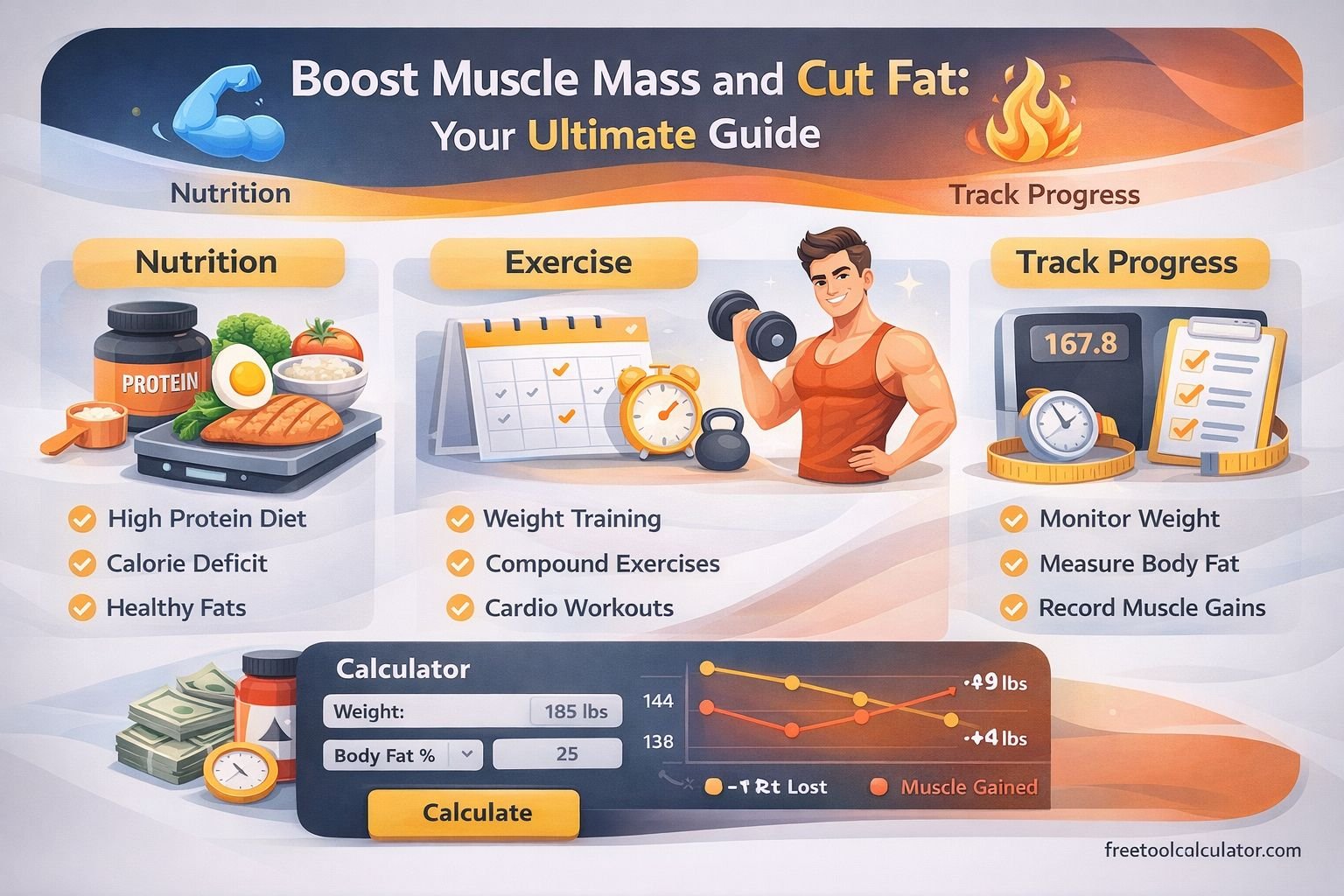
Nutrition is the cornerstone of any successful muscle-building and fat-loss program. To build muscle, you need to consume more calories than you burn, but those calories must come from nutrient-dense foods. Protein is the most critical macronutrient for muscle growth, as it provides the amino acids necessary for repairing and building muscle tissues. Aim for at least 1.2 to 2.2 grams of protein per kilogram of body weight daily to support muscle hypertrophy.
Carbohydrates are also essential for muscle growth because they provide the energy needed for intense workouts. Complex carbohydrates like whole grains, fruits, and vegetables should make up the bulk of your carb intake. These foods provide sustained energy and essential nutrients that support overall health and performance. Fats are equally important, particularly healthy fats like omega-3 fatty acids, which have anti-inflammatory properties and support hormone production.
For fat loss, creating a calorie deficit is essential. However, it’s crucial to do this gradually to avoid losing muscle mass. Aim for a modest calorie deficit of 200-500 calories per day. Prioritize protein intake to preserve muscle mass, and focus on nutrient-dense, low-calorie foods like vegetables, lean proteins, and whole grains. Avoid extreme diets or severe calorie restrictions, as they can lead to muscle loss and other health issues.
Effective Workout Regimens for Muscle Gain and Fat Loss
An effective workout regimen is crucial for achieving muscle gain and fat loss simultaneously. Resistance training should be the cornerstone of your exercise program. Focus on compound movements like squats, deadlifts, bench presses, and pull-ups, which work multiple muscle groups and stimulate significant muscle growth. Aim for at least three to four resistance training sessions per week, with each session lasting 45-60 minutes.
Incorporating cardiovascular exercise is also essential for fat loss. High-intensity interval training (HIIT) is particularly effective because it helps burn a significant number of calories in a short period and boosts your metabolism for hours after the workout. Aim for two to three HIIT sessions per week, each lasting 20-30 minutes. Steady-state cardio, like jogging or cycling, can also be beneficial, especially on rest days or as a warm-up.
Recovery is an often-overlooked aspect of an effective workout regimen. Muscles grow during rest, not during the workout itself. Ensure you get enough sleep, aim for seven to nine hours per night, and include rest days in your training program to allow your muscles to recover and grow. Active recovery, such as light yoga or stretching, can also help improve flexibility and reduce the risk of injury.
The Role of Supplements in Muscle Building and Fat Cutting
Supplements can play a supportive role in your muscle-building and fat-cutting journey, but they should not replace a well-balanced diet. Protein supplements, such as whey or plant-based protein powders, can help you meet your daily protein requirements, especially if you find it challenging to consume enough protein through food alone. Whey protein is quickly absorbed and can be particularly beneficial post-workout when your muscles need amino acids for repair and growth.
Creatine is another widely researched supplement that can enhance muscle growth and performance. It increases the availability of ATP, the primary energy source for muscle contractions, allowing you to train harder and longer. Studies have shown that creatine supplementation can lead to significant gains in muscle mass and strength.
For fat loss, supplements like caffeine and green tea extract can help boost metabolism and increase fat oxidation. However, these should be used with caution, as they can have side effects like increased heart rate and anxiety. Always consult with a healthcare professional before starting any supplement regimen to ensure it’s safe and appropriate for your individual needs.
Common Mistakes to Avoid When Trying to Build Muscle and Lose Fat
One of the most common mistakes people make when trying to build muscle and lose fat is not eating enough. While a calorie deficit is necessary for fat loss, consuming too few calories can lead to muscle loss and decreased performance. It’s essential to find the right balance between a calorie deficit and adequate nutrient intake to support muscle growth and overall health.
Another mistake is neglecting resistance training in favor of excessive cardio. While cardio is important for fat loss, it should not replace strength training. Resistance training is crucial for building and preserving muscle mass, which in turn boosts your metabolism and enhances fat loss. Aim for a balanced workout routine that includes both resistance training and cardio.
Overtraining is another common pitfall. Many people believe that more is better, leading them to train excessively without allowing for proper recovery. Overtraining can lead to injuries, decreased performance, and burnout. Ensure you have a well-structured training program that includes rest days and allows for adequate recovery between sessions.
Tracking Progress: How to Measure Muscle Gain and Fat Loss
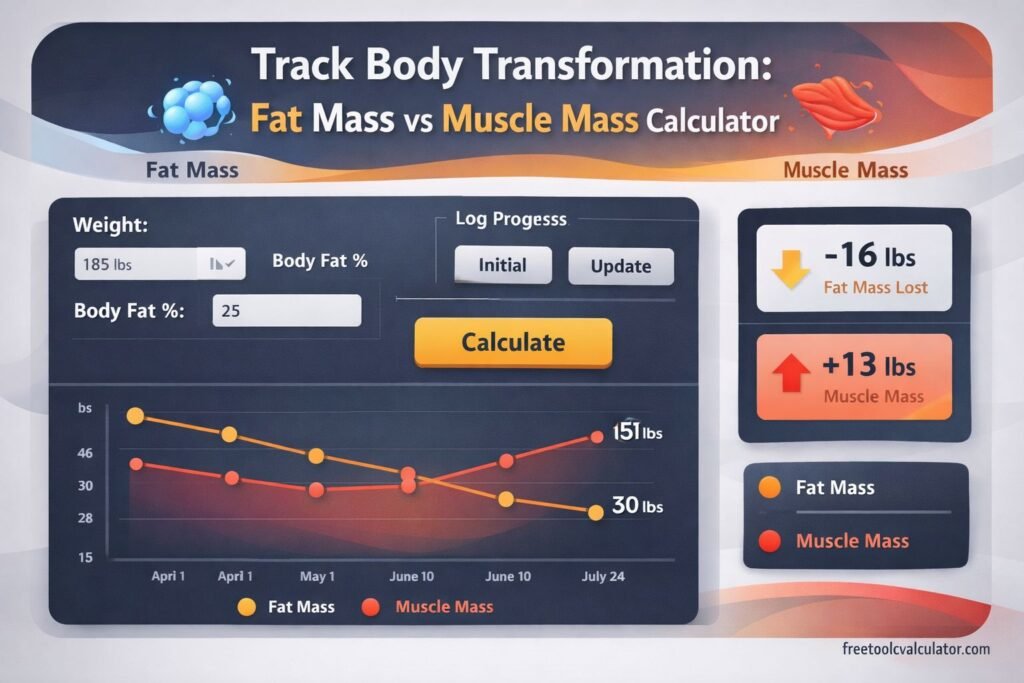
Tracking your progress is essential for staying motivated and ensuring you’re on the right path. There are several ways to measure muscle gain and fat loss, each with its advantages and limitations. Regularly tracking your progress allows you to adjust your training and nutrition strategies as needed to achieve your goals.
One of the most straightforward methods is to use a scale to track your weight. However, it’s important to remember that the scale doesn’t differentiate between muscle and fat. To get a more accurate picture, consider using body composition measurements, such as body fat percentage. Tools like calipers, bioelectrical impedance scales, and DEXA scans can provide more detailed information about your body composition.
Progress photos and measurements are also valuable tools for tracking changes in your physique. Take photos from multiple angles and measure key areas like your waist, hips, chest, and arms regularly. Seeing visual changes and tracking measurements can be more motivating than relying solely on the scale.
The Importance of Rest and Recovery
Rest and recovery are critical components of any successful muscle-building and fat-loss program. Without adequate rest, your body cannot repair and grow muscle tissues effectively, leading to stalled progress and increased risk of injury. Ensuring you get enough sleep, typically seven to nine hours per night, is essential for optimal recovery and overall health.
Active recovery, such as light stretching, yoga, or low-intensity activities, can help improve blood flow to muscles and reduce soreness. Incorporating regular rest days into your training program allows your muscles to repair and grow stronger. Listen to your body and adjust your training intensity and volume if you feel overly fatigued or sore.
Nutrition also plays a vital role in recovery. Consuming a balanced diet with adequate protein, carbohydrates, and healthy fats supports muscle repair and growth. Hydration is equally important, as water is essential for various metabolic processes and helps transport nutrients to your muscles. Aim to drink at least eight glasses of water per day and more if you’re engaging in intense physical activity.
Real-Life Success Stories and Testimonials
Hearing about the experiences of others who have successfully transformed their bodies can be incredibly inspiring and motivating. Real-life success stories and testimonials provide valuable insights into what works and what doesn’t, and they can help you stay committed to your goals.
Take, for example, John, who struggled with his weight for years before deciding to make a change. Through a combination of resistance training, HIIT workouts, and a balanced diet rich in protein and whole foods, John was able to lose 30 pounds of fat while gaining 10 pounds of muscle over six months. His journey wasn’t easy, but his dedication and consistency paid off, and he’s now healthier and more confident than ever.
Another inspiring story is that of Sarah, a busy mom who found it challenging to find time for herself. By prioritizing short but effective workouts, like HIIT and resistance training, and making healthier food choices, Sarah was able to shed 20 pounds of fat and gain muscle definition. Her story is a testament to the fact that even with a busy schedule, it’s possible to achieve your fitness goals with determination and smart planning.
Conclusion: Your Path to a Leaner, Stronger Body
Achieving a leaner, stronger body is a journey that requires dedication, consistency, and a well-rounded approach. By understanding the science behind muscle growth and fat loss, implementing effective nutrition and workout strategies, and prioritizing rest and recovery, you can successfully build muscle and lose fat. Avoid common mistakes, track your progress, and learn from the success stories of others to stay motivated and on track.
Remember, there are no shortcuts to achieving your fitness goals. It’s a continuous process that requires effort and commitment. Stay focused, be patient, and celebrate your progress along the way. With the right mindset and strategies, you can transform your body and achieve the lean, strong physique you’ve always wanted.