How many pizzas do I need for X people?
The number of pizzas you need depends on group size, appetite, and pizza size. A practical rule is that one large pizza (typically 8 slices) feeds about 3 adults. For example, 10 people usually need 3–4 large pizzas, 20 people need 6–7 pizzas, and 100 people require around 30–35 pizzas. Always adjust based on whether it’s a full meal or a light snack event.
What is the 3/8 rule for pizza?
The 3/8 rule is a simple and effective formula for estimating pizza quantities. You multiply the number of guests by 3/8 to calculate how many pizzas to order, then round up. For example, for 16 people: 16 × 3/8 = 6 pizzas. This rule assumes average consumption and standard large pizzas, making it ideal for quick planning.
How many slices are in a Small, Medium, or Large pizza?
A small pizza typically has 6 slices, a medium pizza has 8 slices, and a large pizza usually has 8 to 10 slices depending on the brand. Some extra-large pizzas can have up to 12 slices. Slice count can vary slightly depending on how the pizza is cut, but these are the standard expectations across most pizzerias.
How many slices of pizza does an adult typically eat?
An adult usually eats around 2 to 3 slices of pizza when it is part of a meal. If pizza is the main dish and no sides are served, consumption can increase to 3 to 4 slices. Appetite, time of day, and event type also influence how much people eat.
How many slices of pizza do kids typically eat?
Children generally eat about 1 to 2 slices of pizza, depending on their age and appetite. Younger kids may eat just one slice, while older children may eat closer to two. This makes it easier to plan smaller portions for kids’ parties.
How much pizza should I order for a kids’ party?
For a kids’ party, you can estimate one pizza for every 3 to 4 children. Since kids eat fewer slices, ordering slightly less than adult portions is usually sufficient. Including snacks, drinks, or cake may further reduce the amount of pizza needed.
How much pizza do I need for an office lunch or meeting?
For office events, plan for about 2 to 3 slices per person. This typically translates to one large pizza for every 3 people. If the event includes other food options, you can reduce the quantity slightly. It’s always better to have a little extra than run short.
Is one large pizza bigger than two small pizzas?
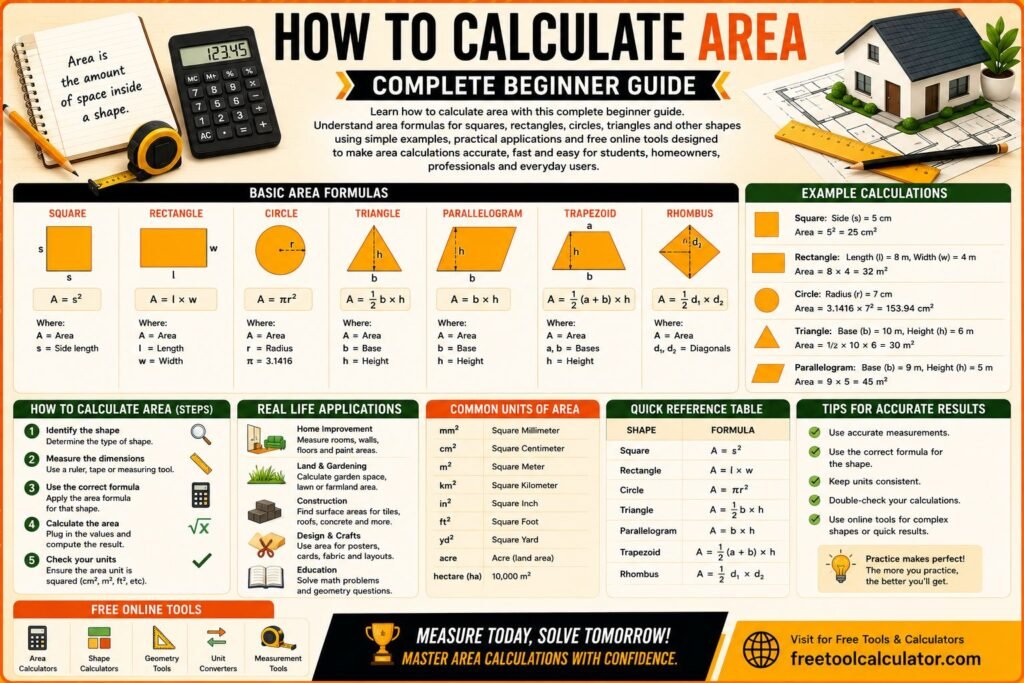
Yes, one large pizza is often bigger than two small pizzas when you compare surface area. For example, an 18-inch pizza has more total area than two 12-inch pizzas combined. This is because pizza size increases exponentially with diameter, not linearly.
Which size pizza is the best deal?
Larger pizzas almost always provide better value because the cost per square inch decreases as size increases. Even though a large pizza costs more upfront, you get significantly more food compared to smaller sizes. This makes large or extra-large pizzas the most cost-effective choice.
How big is a 12-inch vs. a 14-inch pizza?
A 14-inch pizza is significantly larger than a 12-inch pizza in terms of surface area. While the diameter only increases by 2 inches, the total area increases by over 35%. This means a 14-inch pizza can feed more people than expected compared to a 12-inch one.
What are the standard pizza size dimensions?
Standard pizza sizes typically include small (8–10 inches), medium (12 inches), large (14 inches), and extra-large (16–18 inches). These dimensions can vary slightly depending on the restaurant. The size directly affects both the number of slices and serving capacity.
What are the most popular pizza toppings?
Some of the most popular pizza toppings include pepperoni, mushrooms, onions, sausage, extra cheese, and green peppers. Preferences can vary by region, but these toppings consistently rank among the most ordered. Offering a mix of classic and vegetarian options works well for groups.
In what order do you layer pizza toppings?
The typical layering starts with dough, followed by sauce, cheese, and then toppings. Some chefs add a light layer of cheese over toppings to lock in flavor. Proper layering ensures even cooking and prevents toppings from burning or sliding off.
What happens if I order extra cheese or sauce?
Ordering extra cheese or sauce can enhance flavor but may affect texture. Too much cheese can make the pizza greasy, while extra sauce can make it soggy. Balance is key to maintaining a well-structured and enjoyable pizza.
Should I order my pizza uncut?
Ordering pizza uncut can help keep the crust crisp during delivery because it reduces moisture buildup. Slicing it yourself just before serving preserves texture and freshness. This is especially useful for high-quality or specialty pizzas.
How do I reheat delivered pizza correctly?
The best way to reheat pizza is in a skillet or a hot oven at around 250°C (500°F). A skillet keeps the crust crispy while melting the cheese evenly. Avoid microwaving, as it often makes the crust soft and chewy.
How do I use a pizza dough calculator?
A pizza dough calculator helps determine ingredient quantities based on the number of pizzas and desired dough weight. You input factors like dough weight, hydration percentage, and number of servings. The calculator then provides precise measurements for flour, water, yeast, and salt.
What weight should a pizza dough ball be?
A typical pizza dough ball weighs between 200 and 300 grams, depending on the pizza size and thickness. Smaller pizzas use lighter dough balls, while larger or thicker crusts require more dough. Consistent weight ensures even baking.
What is the ideal hydration percentage for pizza dough?
Pizza dough hydration typically ranges from 50% to 70%. Lower hydration creates a firmer, crispier crust, while higher hydration produces a softer, airier texture. The ideal level depends on the pizza style and baking method.
How much yeast and salt do I need for 4 pizzas?
For 4 pizzas, you typically need about 500–600 grams of flour, 1–2 grams of yeast, and around 10–12 grams of salt. These values depend on the hydration level and fermentation time. Accurate measurement ensures proper dough rise and flavor development.