How do you calculate electrical energy consumption?
Electrical energy consumption is calculated by multiplying power by time. Power is usually measured in watts (W) or kilowatts (kW), and time is measured in hours. The basic idea is to determine how long a device runs and how much power it uses. For example, a 1000W appliance running for 1 hour consumes 1 kWh of energy. This concept applies to all electrical devices. It forms the foundation of energy billing and monitoring. Understanding this helps manage electricity usage effectively.
How to calculate energy consumption in kWh?
Energy consumption in kilowatt-hours is calculated using the formula: :contentReference[oaicite:0]{index=0} Divide watts by 1000 to convert to kilowatts, then multiply by hours used. For example, a 500W device used for 4 hours consumes 2 kWh. This unit is standard for electricity billing. It represents actual energy used over time. Accurate calculation helps track consumption. It is essential for cost estimation.
How to calculate energy consumption from an electricity bill?
To calculate energy usage from a bill, look at the total kWh consumed during the billing period. Subtract the previous meter reading from the current reading. This gives total energy used. Bills often show usage directly in kWh. You can also analyze trends over months. This helps identify high-consumption periods. It is the most accurate way to track real usage. It reflects actual consumption rather than estimates.
How to calculate total energy consumption?
Total energy consumption is the sum of all devices used over time. Calculate each appliance’s energy use in kWh, then add them together. For example, lighting, appliances, and HVAC systems all contribute. This method provides a complete picture of energy usage. It is useful for homes and facilities. Tracking total consumption helps identify inefficiencies. It also supports better energy management.
How to calculate the cost of electrical energy consumption?
To calculate cost, multiply total energy consumption by the electricity rate. Use the formula: :contentReference[oaicite:1]{index=1} For example, if you use 100 kWh and the rate is $0.15 per kWh, the cost is $15. Rates vary by location and time of use. Some bills include additional charges. Understanding this helps manage expenses. It allows better budgeting.
How to calculate daily energy consumption?
Daily energy consumption is calculated by summing all energy used in one day. Multiply each device’s power by hours used per day, then divide by 1000. Add all results to get total daily kWh. This helps track short-term usage patterns. It is useful for identifying peak usage times. Monitoring daily consumption improves efficiency. It also helps reduce energy waste.
How to calculate annual energy consumption?
Annual consumption is calculated by multiplying daily or monthly usage over a year. For example, daily kWh × 365 gives yearly consumption. Alternatively, sum monthly bills. This provides a long-term view of energy use. It is essential for budgeting and planning. Annual data helps identify trends. It also supports energy-saving strategies.
How to calculate an appliance’s energy consumption?
To calculate an appliance’s consumption, use its power rating and usage time. Multiply watts by hours used, then divide by 1000. For example, a 200W device used for 5 hours consumes 1 kWh. Check the appliance label for wattage. This helps identify high-energy devices. It is useful for reducing electricity costs. Accurate calculation improves efficiency.
How to calculate AC energy consumption?
Air conditioners consume significant energy, so accurate calculation is important. Multiply the AC’s wattage (or kW rating) by hours of operation. For example, a 1.5 kW AC running for 8 hours uses 12 kWh. Efficiency ratings like SEER also affect consumption. External factors like temperature influence usage. Monitoring AC usage helps reduce costs. It is often the largest energy consumer in homes.
How to calculate refrigerator energy consumption?
Refrigerators run continuously, making them major energy users. Check the wattage and estimate average running hours per day. Multiply power by time and divide by 1000. For example, a 150W fridge running 24 hours uses about 3.6 kWh daily. Modern refrigerators cycle on and off, reducing actual consumption. Energy labels provide better estimates. Monitoring helps improve efficiency.
How to calculate energy consumption of a building?
Building energy consumption includes lighting, HVAC, appliances, and equipment. Calculate each system’s energy use and sum them. HVAC systems usually dominate consumption. Smart meters and energy audits provide accurate data. This calculation is complex but essential for large facilities. It helps improve efficiency and reduce costs. Energy modeling tools are often used.
How to calculate energy consumption for off-grid planning?
Off-grid planning requires calculating total daily energy needs. List all devices, their power ratings, and usage hours. Calculate total kWh required per day. Add a safety margin for losses and inefficiencies. This helps size solar panels and batteries correctly. Accurate estimation ensures reliability. It is critical for sustainable energy systems.
How to calculate energy consumption of a motor?
Motor energy consumption depends on power rating, load, and operating time. Use the formula: Power × Time. Consider efficiency and load factor for accuracy. For example, a 5 kW motor running 10 hours uses 50 kWh. Industrial motors often have variable loads. Monitoring improves efficiency. This is important in industrial applications.
How to calculate 3-phase energy consumption?
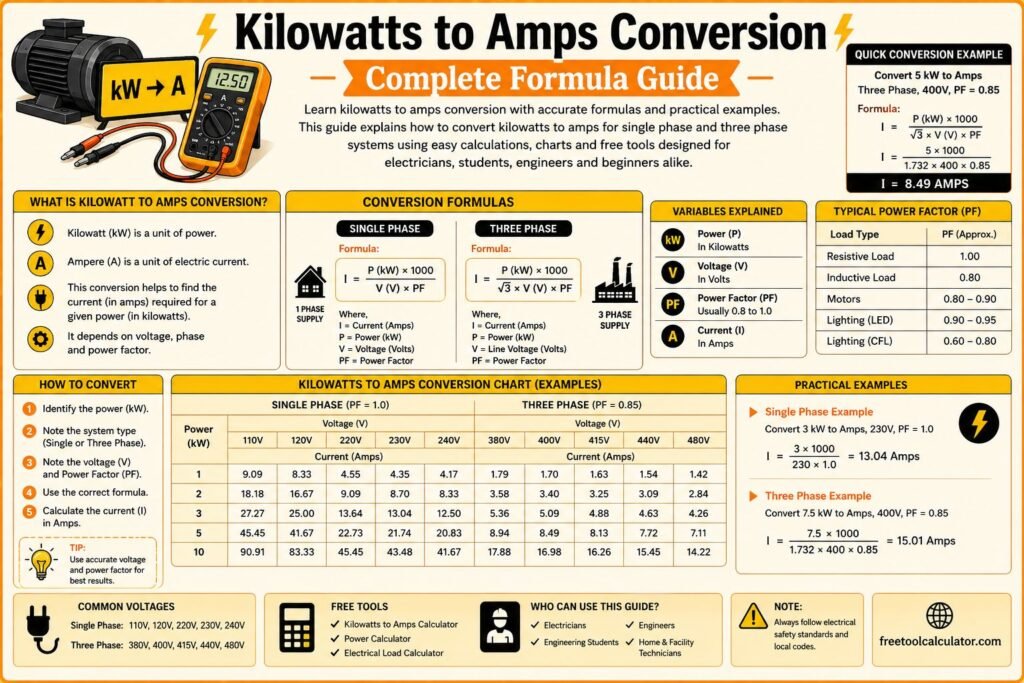
For three-phase systems, use the formula: :contentReference[oaicite:2]{index=2} Multiply voltage, current, and power factor, then divide by 1000. This gives total power. Multiply by time to get energy. This method is used in industrial systems. Accurate measurement is essential. It ensures safe operation.
How to calculate specific energy consumption?
Specific energy consumption measures energy used per unit of output. Use the formula: Energy ÷ Production output. For example, kWh per ton of product. This metric is common in manufacturing. It helps evaluate efficiency. Lower values indicate better performance. It is useful for benchmarking and optimization.
How to calculate CO2 emissions from energy consumption?
CO2 emissions are calculated by multiplying energy use by an emission factor. For example: :contentReference[oaicite:3]{index=3} The factor depends on energy source (coal, gas, renewable). This helps estimate environmental impact. It is used in sustainability reporting. Reducing energy use lowers emissions. This supports climate goals.
How to use heating degree days to calculate energy consumption?
Heating degree days (HDD) estimate energy needed for heating based on temperature differences. Higher HDD values indicate more heating demand. Energy consumption can be correlated with HDD data. This helps predict seasonal usage. It is useful for energy planning. HVAC systems rely on this metric. It improves forecasting accuracy.
How to calculate per capita energy consumption?
Per capita consumption is calculated by dividing total energy use by population. For example: total kWh ÷ number of people. This metric is used for comparisons between regions. It reflects average energy usage per person. It is important for policy and planning. It helps identify efficiency trends. It is widely used in statistics.
How to calculate energy consumption in Joules?
Energy in Joules is calculated using the formula: :contentReference[oaicite:4]{index=4} This is the SI unit used in physics. Convert hours to seconds for accuracy. For example, 1 kWh equals 3.6 million Joules. This unit is used in scientific calculations. It provides precise energy measurement.
A tool for calculating energy consumption in wireless sensor networks?
Energy consumption in wireless sensor networks is calculated using specialized models. These consider transmission power, data rate, and node activity. Tools simulate energy usage based on network behavior. Metrics include battery life and communication efficiency. Such tools are used in engineering research. They help optimize network performance. Accurate modeling improves system design.
Complete Guide to the Energy Consumption Calculator
This guide explains how to use the energy consumption calculator, what the output means, which formulas or assumptions matter, and how to check the result. The existing interactive tool remains the main feature; the supporting information is intended to answer common questions and make the result easier to use correctly.
What Energy Consumption Means
Electrical energy use is commonly billed in kilowatt-hours (kWh). Power in watts describes the rate of energy use, while kWh accounts for both power and operating time.
Before relying on the output, confirm that the inputs use the units, categories and definitions requested by the tool. Where real-world standards, product specifications, health information or official rules are involved, use the calculator as a planning aid and verify consequential decisions with the appropriate primary source.
Energy Formula
A basic calculation is Energy (kWh) = Power (W) × Hours ÷ 1000. A 1,000 W appliance running for two hours uses about 2 kWh if it actually draws that power continuously.
Rated Power vs Actual Consumption
A nameplate wattage may represent rated or maximum power rather than constant real-world draw. Thermostats, variable-speed motors, duty cycles and power-saving modes can reduce average consumption.
Estimating Electricity Cost
Multiply estimated kWh by the applicable energy rate for a simple usage-cost estimate. Real bills can include fixed charges, taxes, time-of-use pricing, tiers and other components.
Standby and Repeated Use
Low standby power can accumulate when devices remain connected for long periods. For frequently used appliances, daily usage multiplied across a month or year gives a more useful planning estimate.
Improving Accuracy
A plug-in energy meter can measure actual consumption for compatible appliances. For major equipment or electrical work, use appropriate professional measurement and safety procedures.
Frequently Asked Questions
What is one kWh? Energy equivalent to 1 kW used for one hour.
Is 1,000 W equal to 1 kWh? Only when 1,000 W is used for one hour.
Will this equal my bill? Not necessarily because tariffs include other charges and rules.
How to Check Your Result
Use a simple example that you can calculate or verify independently, compare it with the tool, and then return to your actual inputs. Recheck decimal points, signs, units, selected options and rounding. For estimates, try more than one realistic scenario so you can see how strongly the result depends on the assumptions.
Accuracy and Editorial Approach
FreeToolCalculator pairs interactive tools with explanatory content so users can understand the calculation instead of seeing an unexplained number. Exact mathematical relationships are distinguished from estimates and variable real-world data. We avoid presenting general-purpose calculators as official, medical, legal, financial or professional determinations.