Best Supplements to Increase Sperm Count Naturally
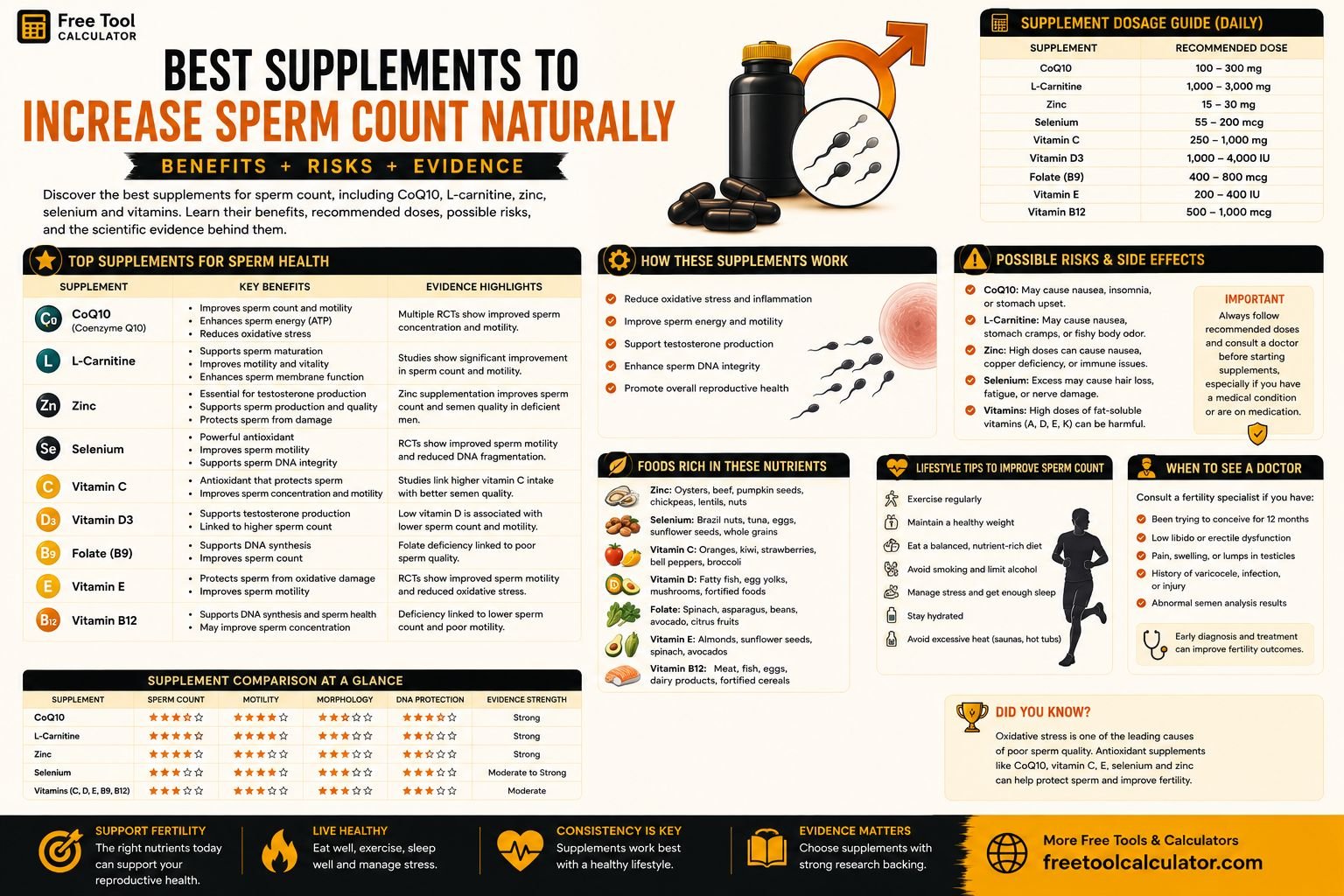
The best supplements to increase sperm count naturally are usually marketed as combinations of antioxidants, vitamins, minerals and amino acids that support sperm production or protect sperm from oxidative stress. Common ingredients include coenzyme Q10, L-carnitine, zinc, selenium, folate, vitamins C and E, omega-3 fatty acids and N-acetyl cysteine.
However, no supplement can be described as a guaranteed treatment for low sperm count. Some clinical studies have reported improvements in sperm concentration, motility or other semen measurements, while larger controlled trials have found no meaningful improvement in pregnancy or live birth rates. Current male infertility guidance from the American Urological Association and the American Society for Reproductive Medicine states that the clinical benefits of antioxidants and vitamins are questionable and that available evidence is insufficient to recommend a specific supplement.
This distinction is important. Improving a laboratory measurement does not always mean that a couple has a higher chance of achieving pregnancy or having a baby. Supplements may be appropriate for selected men, particularly when a nutritional deficiency has been confirmed, but they should not replace semen analysis, hormonal testing or treatment of an underlying medical condition.
Men experiencing fertility difficulties should ideally consult a reproductive urologist, andrologist or fertility specialist before starting a supplement program. The clinician can investigate causes such as varicocele, hormone disorders, reproductive tract obstruction, infection, genetic conditions, medication exposure or testosterone use.
This article reviews the supplements most frequently studied for male fertility, explains what the evidence shows, discusses possible side effects and provides practical guidance for choosing supplements safely.
Can Supplements Really Increase Sperm Count?
Some supplements may improve sperm concentration or other semen parameters in certain men, but results are inconsistent. The effect may depend on the cause of the fertility problem, the supplement used, its dose, the duration of treatment and whether the man has a nutritional deficiency or excessive oxidative stress.
Sperm cells are vulnerable to oxidative stress. This occurs when unstable molecules known as reactive oxygen species overwhelm the body’s antioxidant defences. Excessive oxidative stress may damage sperm membranes, reduce movement and affect sperm DNA.
Antioxidant supplements are intended to reduce this damage. Earlier reviews reported potential improvements in sperm count, motility and morphology with ingredients such as coenzyme Q10, carnitines, selenium, zinc and vitamins C and E. However, research quality has varied, and many studies have been small or have used different combinations and doses.
The NIH-supported MOXI randomized clinical trial found that a combined antioxidant supplement did not significantly improve semen quality, pregnancy rates or live birth rates among men with infertility. A separate randomized trial published in 2025 also found no improvement in ongoing pregnancy rates and did not support routine antioxidant use for men seeking fertility care.
Therefore, supplements should be viewed as possible supportive measures rather than proven cures. A man with infertility should not delay medical evaluation while trying multiple over-the-counter products.
What Does Low Sperm Count Mean?
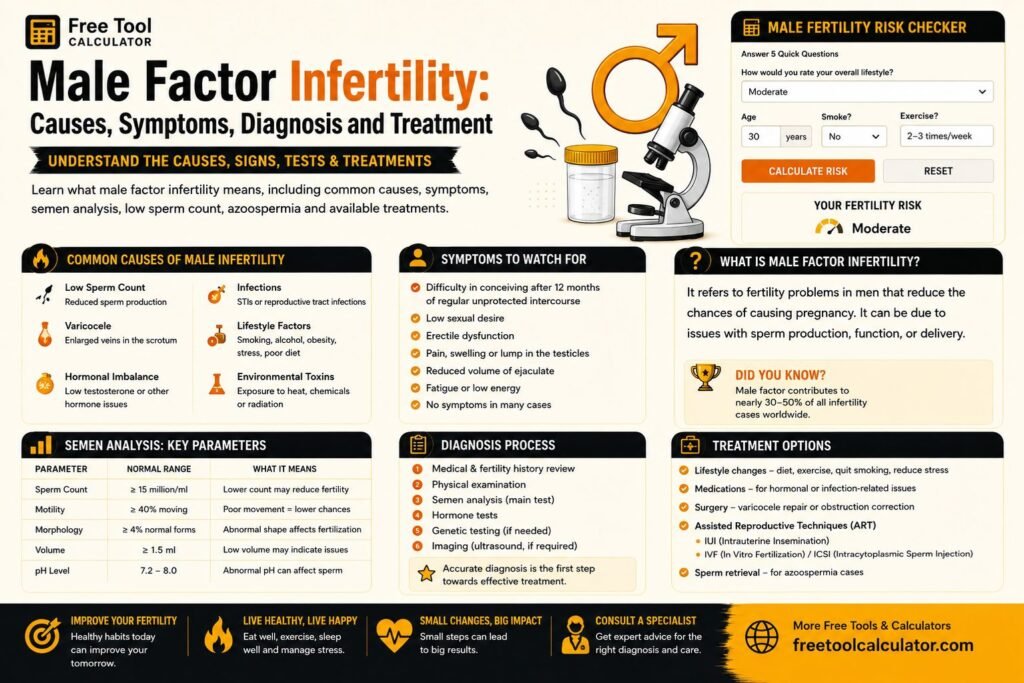
A low sperm count means that a semen sample contains fewer sperm than expected. The medical term is oligozoospermia. Some men have no sperm in the ejaculate, a condition known as azoospermia.
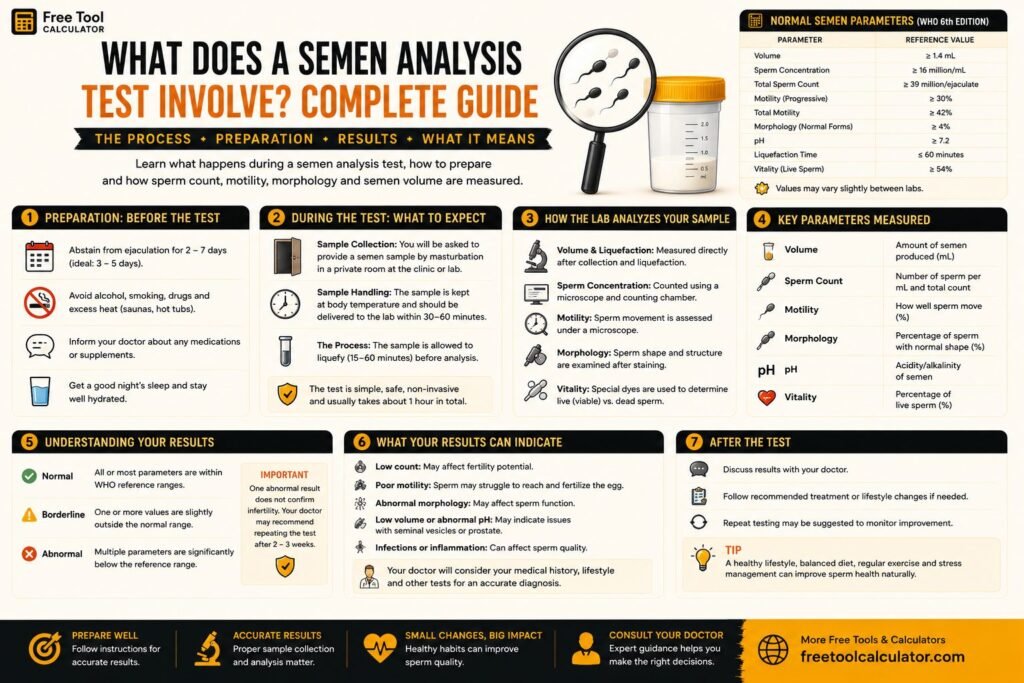
Low sperm count is not usually visible. Semen can look normal even when it contains very few sperm or no sperm. A semen analysis is required to measure sperm concentration, total sperm number, motility, morphology and semen volume.
Sperm measurements can vary between samples because of illness, fever, incomplete collection, the duration of abstinence and natural biological variation. Doctors may therefore repeat an abnormal semen analysis before confirming a persistent problem.
Infertility is generally defined as failure to achieve pregnancy after 12 months or more of regular unprotected sexual intercourse. The World Health Organization estimates that approximately one in six people experience infertility during their lifetime.
Best Supplements for Sperm Count and Male Fertility
The following nutrients are among the most frequently studied supplements for male fertility. Their inclusion does not mean that every man should take them. Benefits are uncertain, optimal doses are not firmly established and excessive intake can cause harm.
Coenzyme Q10
Coenzyme Q10, often written as CoQ10, is an antioxidant involved in cellular energy production. Sperm require substantial energy to move, which is one reason researchers have examined CoQ10 for sperm motility and concentration.
Some studies involving men with unexplained or idiopathic infertility have reported improvements in sperm concentration, movement and antioxidant status following CoQ10 supplementation. One study comparing 200 milligrams with 400 milligrams per day reported greater improvement in some semen parameters with the higher dose. However, this does not establish an ideal dose for every patient or prove that CoQ10 improves live birth rates.
CoQ10 can cause digestive discomfort, nausea, headache or sleep problems in some people. It may also interact with blood-thinning medication and treatments for blood pressure or blood sugar.
Men taking prescription medications should discuss CoQ10 with a clinician or pharmacist before use.
L-Carnitine and Acetyl-L-Carnitine
L-carnitine helps transport fatty acids into the parts of cells that produce energy. High concentrations are naturally present in the epididymis, where sperm mature.
Studies and reviews have associated carnitine supplementation with possible improvements in sperm motility and, in some cases, morphology or concentration. The evidence is strongest for changes in semen measurements rather than confirmed improvements in pregnancy or live birth.
L-carnitine may cause nausea, stomach cramps, diarrhoea or a fish-like body odour. It may interact with thyroid medication, blood thinners and certain anti-seizure treatments.
Because fertility products frequently combine L-carnitine with acetyl-L-carnitine, users should calculate the total amount from all products rather than treating each label separately.
Zinc
Zinc is an essential mineral involved in cell division, DNA synthesis, testosterone metabolism and normal reproductive function. Severe zinc deficiency can negatively affect general health and reproductive processes.
Some research has linked zinc supplementation with improvements in sperm concentration, motility or morphology, particularly when combined with other antioxidants. However, results have not been consistent enough to prove that zinc supplements increase pregnancy rates in men without a confirmed deficiency.
Taking too much zinc can cause nausea, vomiting, stomach pain and copper deficiency. Long-term high-dose zinc may impair immune function and alter cholesterol levels.
Zinc can also interfere with the absorption of some antibiotics. A healthcare professional can determine whether dietary intake, blood testing or clinical history suggests a deficiency.
Selenium
Selenium is a trace mineral used by antioxidant enzymes that help protect cells from oxidative damage. It also contributes to normal thyroid function and sperm development.
Some trials have reported improvements in sperm motility, concentration or morphology when selenium was used alone or with other nutrients. Because many formulations contain multiple ingredients, it is often difficult to determine whether selenium produced the reported effect.
More selenium is not necessarily better. Excessive selenium intake can cause hair loss, brittle nails, skin changes, fatigue, digestive symptoms and a garlic-like breath odour. Severe toxicity may affect the nervous system, kidneys or heart.
Men should avoid combining several fertility supplements that each contain selenium.
Vitamin C
Vitamin C is a water-soluble antioxidant found in fruits and vegetables. It may help protect sperm membranes and DNA from oxidative damage.
Some small studies and reviews have associated vitamin C, often combined with vitamin E or other antioxidants, with improved sperm concentration or movement. However, vitamin C alone has not been established as a reliable treatment for male infertility.
High doses can cause diarrhoea, nausea and stomach cramps. Large quantities may also increase the risk of kidney stones in susceptible people and may interfere with certain laboratory tests or medical treatments.
A diet containing citrus fruit, berries, peppers, tomatoes and other vegetables can provide vitamin C without relying entirely on supplementation.
Vitamin E
Vitamin E is a fat-soluble antioxidant that helps protect cell membranes. Because sperm membranes contain fats that are vulnerable to oxidation, researchers have examined vitamin E as a possible male fertility supplement.
Some studies have reported improvements in sperm motility or count when vitamin E was used alone or with other antioxidants. Nevertheless, the quality and consistency of evidence remain limited.
High-dose vitamin E can increase bleeding risk, particularly in people taking anticoagulants or antiplatelet medicines. Fat-soluble vitamins can accumulate in the body, so men should not assume that very high doses are harmless.
Folate and Folic Acid
Folate is a B vitamin involved in DNA synthesis and cell division. Folic acid is the synthetic form commonly used in supplements.
Because sperm production involves rapid cell division, folate has been studied for male fertility, often in combination with zinc. Some studies have observed changes in sperm concentration, while others have failed to show a meaningful fertility benefit.
High-dose folic acid may hide signs of vitamin B12 deficiency. It can also interact with certain medications. Men should avoid taking multiple multivitamins and fertility formulas containing overlapping doses.
Vitamin B12
Vitamin B12 is required for red blood cell formation, neurological health and DNA production. Deficiency may result from a vegan diet without supplementation, gastrointestinal disease, certain medications or impaired absorption.
Correcting a confirmed vitamin B12 deficiency is important for general health and may support normal reproductive processes. However, taking large amounts when no deficiency exists has not been proven to increase sperm count.
Men at risk of deficiency may benefit from appropriate testing rather than selecting an arbitrary high-dose product.
Vitamin D
Vitamin D receptors are present in reproductive tissues, leading researchers to investigate whether vitamin D status is connected to semen quality and testosterone.
Observational studies have sometimes associated vitamin D levels with sperm motility or reproductive hormones, but supplementation has not consistently demonstrated improved pregnancy outcomes.
Vitamin D may be appropriate when blood testing confirms deficiency. Excessive intake can raise calcium levels and cause nausea, weakness, kidney stones or more serious complications.
N-Acetyl Cysteine
N-acetyl cysteine, commonly abbreviated as NAC, helps the body produce glutathione, an important antioxidant. It is also used medically for specific conditions, including acetaminophen poisoning and certain respiratory problems.
Some male fertility studies have reported possible improvements in sperm concentration, motility and oxidative stress markers. However, evidence is insufficient to recommend NAC as a universal treatment for low sperm count.
NAC may cause nausea, diarrhoea, headache or an unpleasant odour. It can interact with nitroglycerin and may affect people with certain respiratory or bleeding conditions.
Omega-3 Fatty Acids
Omega-3 fatty acids are components of cell membranes and are found in oily fish, algae, walnuts and certain seeds. Sperm membranes require an appropriate balance of fatty acids for normal structure and function.
Some research has linked omega-3 intake or supplementation with improved sperm concentration, movement or morphology. Evidence for improved natural pregnancy or live birth remains less certain.
Fish oil supplements may cause indigestion, a fishy aftertaste or loose stools. High doses may affect bleeding, especially when combined with anticoagulant medication.
Products should be obtained from reputable manufacturers that test for contaminants and oxidation.
Lycopene
Lycopene is an antioxidant pigment found in tomatoes, watermelon, pink grapefruit and other red or pink foods.
It has been studied for possible effects on oxidative stress and semen quality. Some small studies have reported improvements in sperm concentration or motility, but evidence remains limited and does not establish lycopene as a proven fertility treatment.
Increasing tomato-based and other plant foods may offer lycopene together with fibre and additional nutrients.
Ashwagandha
Ashwagandha is an herbal product used in traditional medicine and frequently marketed for testosterone, stress and fertility.
Some small studies have reported changes in semen parameters or reproductive hormones. However, herbal products vary in concentration and purity, and high-quality evidence confirming improved pregnancy outcomes is lacking.
Ashwagandha may affect thyroid function, blood pressure, blood sugar, sedation and the immune system. Rare cases of liver injury have also been reported in association with herbal products containing ashwagandha.
Men with thyroid disease, autoimmune conditions or liver problems and those taking prescription medication should obtain medical advice before using it.
Fenugreek
Fenugreek is commonly marketed as a testosterone and male fertility supplement. Some studies have examined its effects on sexual function, body composition and reproductive hormones, but there is insufficient evidence that it reliably increases sperm count or pregnancy rates.
Fenugreek may lower blood sugar, affect bleeding and cause digestive symptoms. It may also interact with diabetes medication and blood thinners.
Maca
Maca is a plant supplement promoted for libido, energy and semen quality. Limited research has produced inconsistent results, and it has not been proven to treat low sperm count.
An improvement in sexual desire should not be confused with improved sperm production. Men with abnormal semen analysis results still require medical evaluation.
Which Male Fertility Supplement Is Best?
There is no single supplement proven to be best for all men. The most appropriate choice depends on why the sperm count is low.
A man with a confirmed zinc or vitamin B12 deficiency may benefit from replacing that specific nutrient. A man using testosterone may need specialist-directed changes to hormonal treatment rather than antioxidants. Someone with a clinically significant varicocele may need a discussion about surgery. A man with an obstruction or genetic condition will not correct the cause by taking vitamins.
The AUA and ASRM guideline does not recommend a specific antioxidant, dose or combination because existing evidence is inadequate.
For this reason, the best first step is often not purchasing a fertility supplement. It is arranging a semen analysis and discussing the result with a qualified clinician.
How Long Do Sperm Supplements Take to Work?
Sperm production is not immediate. The development and maturation of sperm take several weeks, so any genuine change from treatment or lifestyle modification would not normally appear after only a few days.
Many fertility studies assess semen again after approximately three months. However, this does not mean every supplement should automatically be taken for three months or that improvement is guaranteed.
The appropriate duration should depend on the diagnosis, ingredient, dose, side-effect profile and clinician’s recommendation. A repeat semen analysis may help determine whether sperm concentration or movement has changed.
Couples should also consider the female partner’s age and fertility status. Spending many months experimenting with supplements can reduce valuable treatment time, particularly when age-related fertility decline is relevant.
Can Supplements Increase Sperm Count From Zero?
Supplements are unlikely to correct azoospermia without identifying its cause. No sperm in the ejaculate may result from a blockage, severe failure of sperm production, a hormone disorder, a genetic condition, previous surgery or medication exposure.
Some hormone-related cases may respond to specialist treatment. Obstruction may be managed with microsurgery or surgical sperm retrieval. Certain men with non-obstructive azoospermia may still have small areas of sperm production that can be searched for through a specialized procedure.
A man with azoospermia should not rely on over-the-counter products. He should be assessed by a reproductive urologist and may require repeat semen testing, hormone levels, genetic testing and imaging.
Supplements That May Harm Male Fertility
Testosterone Boosters Containing Hormones
Prescription testosterone and anabolic steroids can suppress the signals that stimulate sperm production. A man may develop higher blood testosterone while his sperm count falls dramatically or reaches zero.
Products marketed as testosterone boosters may contain undeclared or poorly regulated hormonal substances. Men trying to conceive should avoid testosterone or anabolic steroids unless they are being managed by a specialist who understands their fertility goals.
High-Dose Antioxidant Combinations
Oxidative stress can damage sperm, but reactive oxygen species also have normal roles in sperm function. Excessive antioxidant intake may create an imbalance sometimes described as reductive stress.
Taking several antioxidant products together may also exceed safe limits for zinc, selenium, vitamins E and C or other nutrients.
Unregulated Herbal Products
Herbal fertility products may contain inconsistent doses, contaminants, prescription-drug ingredients or substances not listed on the label.
A natural label does not guarantee safety. Supplements can affect the liver, kidneys, thyroid, blood pressure, blood sugar and prescription medications.
High-Dose Vitamin A
Vitamin A is essential, but excessive intake of preformed vitamin A can cause toxicity. Men should avoid high-dose products unless a clinician has identified a specific medical need.
Iron Without Confirmed Deficiency
Most adult men do not need an iron supplement unless deficiency has been diagnosed. Excess iron can accumulate and contribute to organ damage or oxidative stress.
How to Choose a Male Fertility Supplement Safely
Start With a Medical Evaluation
A semen analysis can show whether the problem involves concentration, movement, shape, semen volume or a combination of abnormalities.
A clinician may also examine the testicles, check for varicocele and order hormone or genetic tests when appropriate.
Choose Products With Independent Testing
Look for evidence that the product has been tested by a recognized independent quality organization. Testing does not prove that the supplement improves fertility, but it may provide greater confidence that the label accurately describes the contents.
Avoid Proprietary Blends
A proprietary blend may list several ingredients without revealing the amount of each one. This makes it difficult to evaluate effectiveness, safety or interactions.
Check for Duplicate Ingredients
A multivitamin, fertility formula, antioxidant product and protein supplement may all contain zinc, selenium or vitamin E. Add the amounts together before deciding whether the total is appropriate.
Do Not Assume Higher Doses Work Better
Many nutrients become harmful at high doses. Increasing the amount beyond what was studied does not guarantee a stronger fertility effect.
Review Medications and Medical Conditions
Supplements can interact with anticoagulants, diabetes treatments, thyroid medicine, blood pressure drugs and other prescriptions.
People with kidney, liver, thyroid, bleeding or seizure disorders should be especially cautious.
Natural Ways to Support Sperm Count
Supplements are only one part of male reproductive health. Addressing modifiable lifestyle risks may support general health and fertility.
Stop Smoking
Tobacco exposure has been associated with reproductive harm. Stopping smoking can benefit sperm health as well as cardiovascular, respiratory and overall wellbeing.
Limit Excessive Alcohol
Heavy alcohol intake may interfere with testosterone, sexual function and sperm production. WHO identifies smoking, excessive alcohol consumption and obesity as lifestyle factors associated with a higher chance of infertility.
Avoid Anabolic Steroids and Recreational Drugs
Anabolic steroids can sharply reduce sperm production. Cannabis, opioids and other recreational drugs may also affect hormones, sexual function or semen quality.
Maintain a Healthy Weight
Obesity may affect reproductive hormones, sexual function and fertility. Sustainable weight management is more appropriate than extreme dieting or unregulated weight-loss supplements.
Eat a Balanced Diet
A varied diet can provide antioxidants and nutrients through vegetables, fruit, whole grains, legumes, nuts, seeds, eggs, fish and other suitable protein sources.
Food also provides combinations of nutrients, fibre and beneficial plant compounds that are not fully reproduced in a capsule.
Reduce Extreme Heat Exposure
Frequent hot tubs, saunas or occupational heat may temporarily affect sperm production in some men. Evidence about ordinary underwear choice and brief laptop use is less certain.
Review Prescription Medication
Some medications affect hormones, erections, ejaculation or sperm production. Never stop prescribed treatment independently. Ask the prescribing clinician whether a fertility-friendly alternative exists.
Manage Chronic Conditions
Diabetes, thyroid disease and other medical conditions can affect sexual and reproductive health. Appropriate treatment may support fertility and reduce pregnancy-related risks.
Foods Containing Male Fertility Nutrients
Men can obtain many nutrients found in fertility supplements through food.
- Coenzyme Q10 is found in meat, fish, nuts and certain oils.
- L-carnitine is present mainly in red meat, poultry, fish and dairy products.
- Zinc is found in oysters, meat, poultry, dairy products, beans, nuts and seeds.
- Selenium is present in seafood, meat, eggs, dairy products and Brazil nuts.
- Vitamin C is found in citrus fruit, berries, peppers, tomatoes and vegetables.
- Vitamin E is found in nuts, seeds, vegetable oils and green vegetables.
- Folate is present in leafy vegetables, beans, lentils, citrus fruit and fortified grains.
- Vitamin B12 is found in meat, fish, eggs, dairy products and fortified foods.
- Omega-3 fatty acids are found in salmon, sardines, mackerel, walnuts, chia seeds and algae products.
- Lycopene is concentrated in cooked tomatoes and is also present in watermelon and pink grapefruit.
A balanced diet cannot correct every cause of infertility, but it can reduce the need for unnecessary high-dose supplementation and support overall health.
When Should You See a Fertility Specialist?
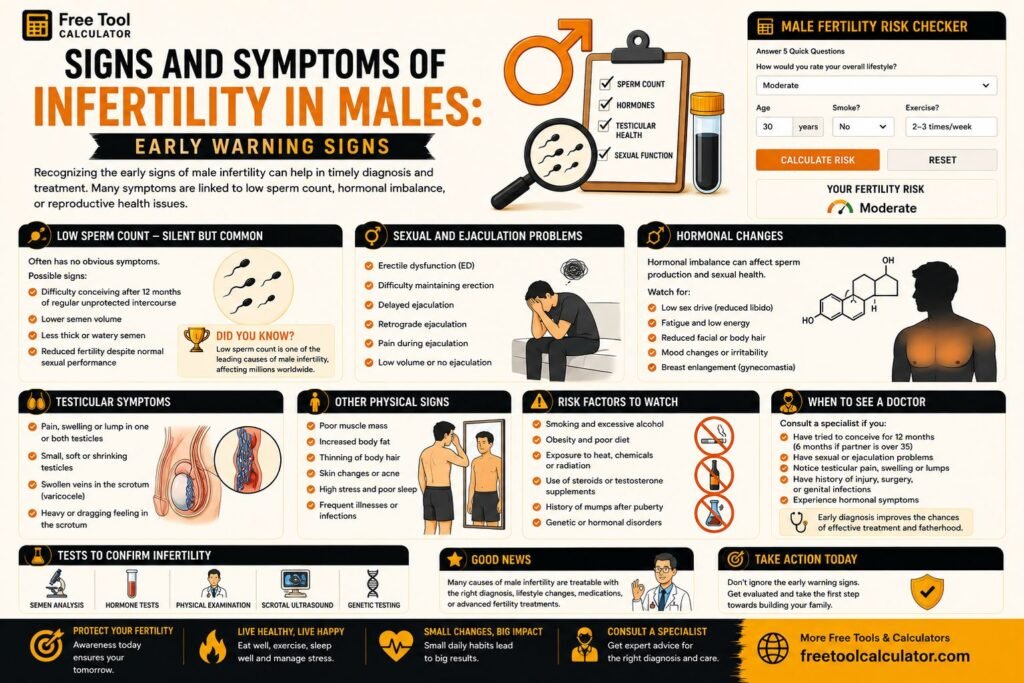
Consider a fertility evaluation after 12 months of regular unprotected intercourse without pregnancy. Earlier assessment may be appropriate when the female partner is 35 or older or either partner has a known reproductive concern.
A man should seek earlier medical advice when he has:
- A previous abnormal semen analysis
- Very small testicles or a scrotal lump
- A history of undescended testicles
- Previous chemotherapy or radiotherapy
- Testicular injury or torsion
- Previous vasectomy or reproductive surgery
- Erectile or ejaculation difficulties
- Use of testosterone or anabolic steroids
- A known hormone or genetic condition
- No sperm or a severely low sperm concentration
Infertility can involve male factors, female factors, both partners or unexplained factors. Evaluating both partners at the same time helps prevent delays.
Frequently Asked Questions About Supplements for Sperm Count
What is the best supplement to increase sperm count?
No single supplement is proven to work best for every man. CoQ10, L-carnitine, zinc, selenium and antioxidant vitamins are frequently studied, but guidelines state that evidence is insufficient to recommend a specific product.
Can vitamins increase sperm count naturally?
Correcting a confirmed vitamin or mineral deficiency may support normal reproductive function. Taking high doses without a deficiency does not guarantee a higher sperm count.
Does CoQ10 increase sperm count?
Some studies have reported improved sperm concentration or motility with CoQ10, but it has not been conclusively shown to increase pregnancy or live birth rates.
Is L-carnitine good for sperm?
L-carnitine has been associated with possible improvements in sperm motility and other semen measurements. The effect varies, and it is not a guaranteed treatment.
Does zinc increase sperm production?
Zinc is required for normal biological function, and deficiency should be corrected. Extra zinc has not been proven to increase sperm count in every man and may cause copper deficiency when taken excessively.
Can selenium improve sperm quality?
Some studies have reported improvements in sperm motility or concentration, often using selenium with other antioxidants. Excessive selenium is toxic.
Do vitamins C and E improve male fertility?
They may reduce oxidative damage in certain settings, but research has not consistently shown better pregnancy or live birth outcomes.
Does folic acid increase sperm count?
Research is mixed. Folate is important for DNA production, but folic acid supplements have not been established as a universal treatment for low sperm count.
Does vitamin D improve sperm count?
Correcting vitamin D deficiency supports general health. Evidence that supplementation improves sperm count or pregnancy rates in all infertile men remains uncertain.
Can omega-3 supplements improve sperm?
Some studies have associated omega-3 intake with better semen parameters, but evidence for higher pregnancy or live birth rates is limited.
Can ashwagandha increase sperm count?
Small studies have reported possible benefits, but strong clinical evidence is lacking. Ashwagandha may cause side effects and interact with medical conditions or medication.
How long should I take fertility supplements?
Many studies assess results after about three months because sperm development takes time. The appropriate duration should be decided with a healthcare professional.
Can supplements treat azoospermia?
Usually not without identifying the cause. Azoospermia may require hormonal treatment, surgery, sperm retrieval or genetic evaluation.
Can testosterone supplements increase sperm count?
No. External testosterone can suppress sperm production and may reduce sperm count to zero.
Can I take several antioxidants together?
Combining products can result in excessive doses and harmful interactions. Review every ingredient and discuss the total intake with a clinician.
Are herbal fertility supplements safe?
Not always. Herbal products may vary in quality, contain contaminants or interact with medication. Natural does not automatically mean safe.
Can diet improve sperm count?
A nutritious diet may support reproductive and general health, but it cannot correct every cause of low sperm count.
Should I get a semen analysis before taking supplements?
Yes, particularly when pregnancy has not occurred. Testing establishes whether there is actually a sperm concentration, motility or morphology problem.
Do supplements improve pregnancy rates?
Evidence is uncertain. Some studies report improved semen parameters, but major controlled trials have not consistently shown higher pregnancy or live birth rates.
Which doctor should I consult for low sperm count?
A reproductive urologist, andrologist or fertility specialist can assess male fertility and recommend evidence-based treatment.
Conclusion
The best supplements to increase sperm count naturally are often described as CoQ10, L-carnitine, zinc, selenium, vitamins C and E, folate, NAC and omega-3 fatty acids. Some research suggests that these nutrients may improve sperm concentration, motility or antioxidant status in selected men.
However, no supplement has been proven to reliably improve fertility for every patient. Major professional guidelines consider the clinical value of antioxidant and vitamin supplements uncertain, and controlled trials have not consistently shown improvements in pregnancy or live birth rates.
The cause of low sperm count matters more than the marketing claims on a supplement bottle. Varicocele, hormone disorders, obstruction, genetic conditions, infection, testicular damage and testosterone use require specific medical assessment and treatment.
Men should avoid high-dose combinations, unregulated testosterone boosters and overlapping products containing the same nutrients. Correcting a documented deficiency is different from taking large quantities in the hope of producing more sperm.
A sensible approach includes semen analysis, evaluation of both partners, treatment of identified medical problems, a balanced diet, avoidance of tobacco and anabolic steroids, moderation of alcohol and appropriate weight management.
Supplements may form one part of a personalized fertility plan, but they should not replace diagnosis, evidence-based treatment or timely consultation with a qualified fertility specialist.
This article provides general educational information and does not diagnose infertility or recommend a specific supplement or dose. Consult a qualified healthcare professional before beginning fertility supplements, particularly when you take medication or have an existing medical condition.