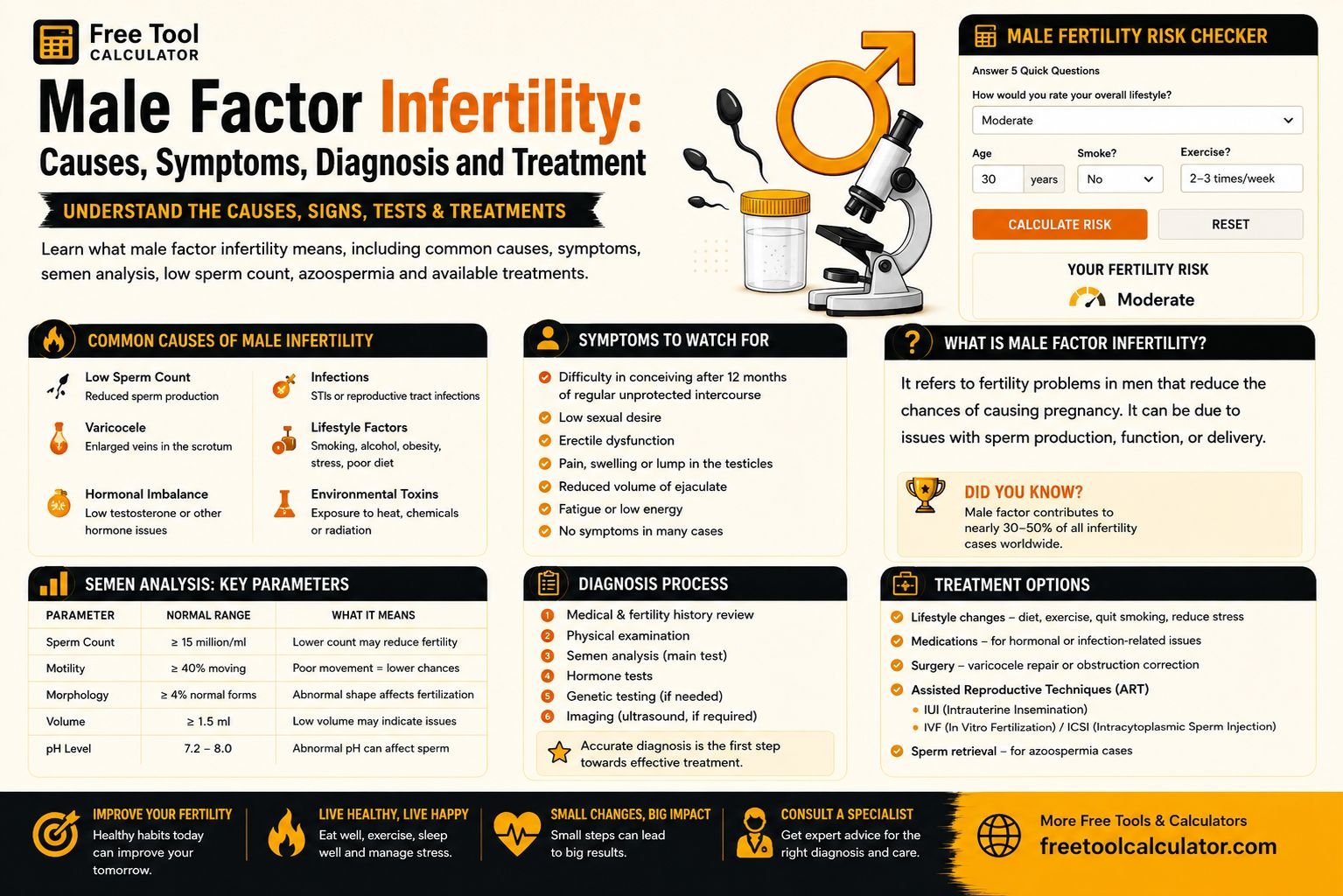
Male Factor Infertility: Causes, Symptoms, Diagnosis and Treatment Options
Male factor infertility refers to fertility difficulties caused partly or entirely by factors affecting the male reproductive system. These factors may involve sperm production, sperm quality, hormone levels, ejaculation, sexual function, genetic conditions or blockages that prevent sperm from reaching the semen.
Infertility is generally defined as the inability to achieve pregnancy after 12 months of regular unprotected sexual intercourse. Earlier medical evaluation may be appropriate when either partner has a known reproductive health condition, when the female partner is older or when there are symptoms suggesting a male fertility problem. The World Health Organization estimates that approximately one in six people of reproductive age experience infertility during their lifetime. Infertility may be caused by male factors, female factors, a combination of both or factors that remain unexplained.
Male infertility is common, but it is often misunderstood. A man may have a normal sex drive, normal erections and normal ejaculation while still having a problem with sperm count, movement or function. In many cases, difficulty conceiving is the only noticeable sign.
Receiving a diagnosis of male factor infertility does not necessarily mean that natural conception is impossible. Some underlying causes can be treated with medication, surgery or lifestyle changes. Other couples may benefit from assisted reproductive treatments such as intrauterine insemination, in vitro fertilization or intracytoplasmic sperm injection.
This guide explains the meaning of male factor infertility, its most common causes, warning signs, diagnostic tests, treatment options and practical steps that may support reproductive health. It is intended for general education and should not replace personalized medical advice from a urologist, andrologist or fertility specialist.
What Is Male Factor Infertility?
Male factor infertility means that a condition affecting the male partner is contributing to a couple’s difficulty achieving pregnancy. The problem may involve the number of sperm produced, the way sperm move, their shape, their ability to reach and fertilize an egg or the process through which semen is ejaculated.
The World Health Organization notes that infertility in the male reproductive system is commonly associated with difficulty ejecting semen, absent or low sperm levels, abnormal sperm movement and abnormal sperm shape.
A male fertility issue may be the only identified cause of infertility, or it may occur together with a female fertility condition. This is why specialists generally recommend evaluating both partners rather than assuming that fertility difficulties belong to one person.
Male factor infertility can be temporary or permanent. Some temporary problems may result from illness, fever, medication, hormone exposure or lifestyle factors. Permanent or long-term problems may be related to genetic conditions, severe testicular damage, congenital absence of reproductive structures or irreversible medical treatment.
How the Male Reproductive System Supports Fertility
Male fertility depends on several connected biological processes working correctly. The brain and pituitary gland release hormones that stimulate the testicles. The testicles produce testosterone and develop sperm. Mature sperm travel through a system of small ducts, combine with fluids from reproductive glands and leave the body through ejaculation.
A fertility problem can occur at any stage. The brain may not produce the correct hormonal signals. The testicles may produce too few sperm. Sperm may develop abnormally or move poorly. A blockage may prevent sperm from reaching the ejaculate. Sexual or ejaculation difficulties may prevent semen from entering the vagina.
Because many different systems are involved, a semen analysis alone does not always identify the complete cause. Medical history, physical examination, hormone testing, imaging and genetic evaluation may be necessary in selected cases.
Common Types of Male Factor Infertility
Low Sperm Count
A low sperm count means that semen contains fewer sperm than expected. The medical term is oligozoospermia. A lower concentration may reduce the likelihood that enough healthy sperm will reach the egg, although pregnancy may still occur naturally in some cases.
Sperm count can change between samples. A single low result does not always establish a permanent problem, which is why clinicians may recommend repeating the semen analysis.
No Sperm in the Ejaculate
Azoospermia means that no sperm are detected in the ejaculated semen. This may occur because sperm production is severely reduced or because a blockage prevents sperm from entering the semen.
Obstructive azoospermia and non-obstructive azoospermia are managed differently. A careful evaluation is required to determine whether sperm are being produced and whether surgically retrieved sperm might be available for fertility treatment.
Poor Sperm Motility
Sperm motility describes how well sperm move. Poor motility is sometimes called asthenozoospermia. Sperm that do not move effectively may have difficulty travelling through the female reproductive tract and reaching the egg.
Abnormal Sperm Morphology
Morphology refers to sperm shape and structure. A semen sample may contain sperm with abnormalities affecting the head, middle section or tail. A high percentage of abnormal forms can be associated with reduced fertility, but morphology should be interpreted together with count, motility and other clinical findings.
Low Semen Volume
Low semen volume may result from incomplete sample collection, ejaculation problems, obstruction, retrograde ejaculation or reduced production of reproductive fluids. It may also affect the number of sperm delivered during intercourse.
Sperm DNA Damage
Sperm DNA fragmentation refers to damage within the genetic material carried by sperm. Certain specialist tests can evaluate this damage, but they are not automatically needed for every patient. The AUA and ASRM guideline advises that sperm DNA fragmentation testing is not part of the initial routine evaluation for all infertile couples, although it may be considered in specific clinical situations.
Ejaculatory or Sexual Dysfunction
Some men produce healthy sperm but experience difficulty delivering semen. Erectile dysfunction, painful ejaculation, premature ejaculation, delayed ejaculation, absent ejaculation or retrograde ejaculation may interfere with conception.
In retrograde ejaculation, semen enters the bladder rather than leaving through the penis. This can be associated with diabetes, nerve damage, certain medications or previous pelvic surgery.
What Causes Male Factor Infertility?
Male infertility may result from testicular problems, hormonal disorders, genetic conditions, structural blockages, infection, medication exposure, medical treatment or lifestyle factors. In some men, no definite cause is found even after a detailed evaluation.
Varicocele
A varicocele is an enlargement of veins within the scrotum. It may interfere with normal testicular temperature regulation and can be associated with reduced sperm production or quality.
Not every varicocele causes infertility, and not every patient benefits from surgery. A specialist considers whether the varicocele can be felt on examination, whether semen parameters are abnormal and whether the couple is experiencing infertility before recommending treatment.
Hormonal Imbalances
Sperm production depends on hormones released by the hypothalamus, pituitary gland and testicles. Low levels or abnormal signalling involving follicle-stimulating hormone, luteinizing hormone, testosterone or prolactin may reduce sperm production.
Hormonal problems may be caused by pituitary disorders, genetic conditions, obesity, certain medications or the use of external testosterone.
Testosterone Therapy and Anabolic Steroids
Testosterone replacement therapy can reduce or stop sperm production because external testosterone suppresses the hormonal signals required for the testicles to make sperm. Anabolic steroids used for bodybuilding may have a similar effect.
Men who want to preserve or restore fertility should not stop prescribed medication without medical guidance. They should speak with a reproductive urologist or prescribing clinician about fertility-preserving alternatives.
Infections
Some infections can affect sperm production, ejaculation or the reproductive ducts. Sexually transmitted infections may cause inflammation or scarring. Infections involving the testicles, epididymis or prostate may also influence fertility.
Antibiotics can treat bacterial infections, but treatment may not reverse established scarring or testicular damage.
Undescended Testicles
Cryptorchidism occurs when one or both testicles do not descend into the scrotum during childhood. Because normal sperm production requires a lower temperature than the rest of the body, an undescended testicle may have reduced fertility potential.
Testicular Injury or Torsion
Physical trauma, testicular torsion and damage to the blood supply can affect sperm-producing tissue. The effect depends on the severity of the injury and whether one or both testicles are affected.
Previous Surgery
Pelvic, groin, prostate, bladder or scrotal surgery may damage nerves or reproductive ducts. Vasectomy intentionally blocks sperm from entering semen, while other procedures may cause unintended obstruction.
Cancer and Cancer Treatment
Certain cancers can affect fertility directly. Chemotherapy, radiotherapy and some surgeries may damage sperm production or ejaculation. Men preparing for treatment that could affect fertility may be offered sperm freezing before therapy begins.
Genetic Causes of Male Infertility
Genetic conditions can affect testicular development, hormone production, sperm formation or reproductive anatomy. Examples include Klinefelter syndrome, Y chromosome microdeletions and mutations associated with congenital absence of the vas deferens.
Genetic testing may be recommended for men with azoospermia, severely reduced sperm concentration or clinical signs suggesting an inherited condition. Genetic counselling can help explain the implications for the patient, fertility treatment and potential children.
Blockage of the Reproductive Tract
Sperm may be produced normally but prevented from entering the semen because of a blockage in the epididymis, vas deferens or ejaculatory ducts. Causes include infection, injury, surgery, congenital abnormalities and vasectomy.
Chronic Medical Conditions
Diabetes, kidney disease, liver disease, neurological disorders and some autoimmune conditions may affect hormones, erections, ejaculation or sperm production.
Medications
Certain medicines may affect fertility. Examples can include some cancer treatments, testosterone products, anabolic steroids and selected medications that influence hormones or ejaculation.
Patients should never discontinue prescribed medication without speaking to a qualified clinician. A doctor may adjust the dose, change the medication or recommend fertility preservation when appropriate.
Lifestyle Factors That May Affect Male Fertility
Smoking
Smoking has been associated with poorer reproductive health and may affect sperm concentration, movement and genetic quality. Avoiding tobacco also benefits cardiovascular, respiratory and overall health.
Excessive Alcohol Intake
Heavy alcohol use may interfere with hormone levels, sexual function and sperm production. WHO identifies smoking, excessive alcohol intake and obesity as lifestyle factors associated with a higher chance of infertility in both men and women.
Obesity
Excess body weight can affect testosterone, estrogen balance, sexual function and scrotal temperature. Sustainable weight management may improve general health and may support reproductive function in some men.
Recreational Drugs
Cannabis, opioids, cocaine and other recreational drugs may affect hormones, sexual function or sperm quality. The effect can vary according to the drug, dose and duration of use.
Heat Exposure
The testicles are located outside the body because sperm production works best at a temperature slightly below core body temperature. Frequent exposure to high heat may temporarily affect sperm production in some men.
Examples include repeated hot-tub use, saunas and occupational heat exposure. Evidence regarding ordinary laptop use, underwear type and everyday activities is less definitive, so patients should avoid extreme claims and focus on medically supported risk reduction.
Environmental and Occupational Exposure
Pesticides, heavy metals, industrial chemicals and radiation may affect fertility depending on the level and duration of exposure. Workers in higher-risk environments should use recommended protective equipment and discuss significant exposure with a clinician.
Poor Sleep and Chronic Stress
Stress does not explain every fertility problem, but ongoing psychological strain can affect sleep, sexual function, relationships and healthy behaviours. Fertility treatment itself can also create significant emotional stress.
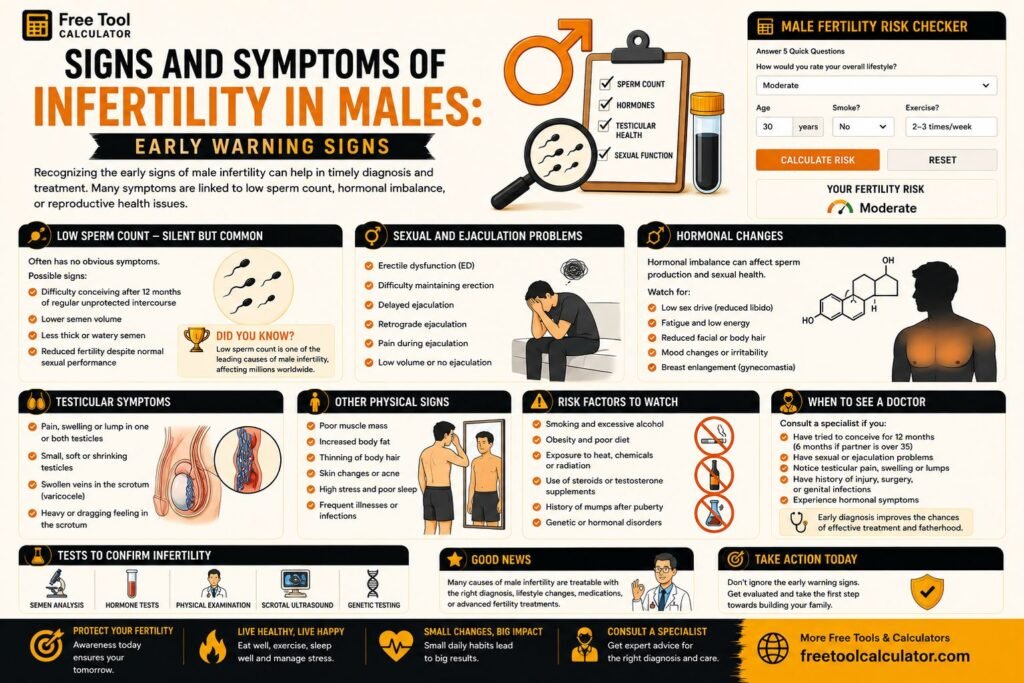
Signs and Symptoms of Male Factor Infertility
The most common sign is the inability to achieve pregnancy. Many men have no other symptoms and are unaware of a problem until fertility testing begins.
When symptoms are present, they may include difficulty with erections or ejaculation, reduced sexual desire, pain or swelling in the testicles, a lump in the scrotum, unusually small testicles, reduced facial or body hair, breast enlargement or a history of delayed puberty.
These symptoms do not always indicate infertility, but they deserve medical assessment. Sudden severe testicular pain requires urgent medical attention because testicular torsion can permanently damage the testicle if treatment is delayed.
When Should a Man See a Fertility Specialist?
A couple should generally seek medical evaluation after 12 months of regular unprotected intercourse without pregnancy. Evaluation may be recommended after six months when the female partner is 35 or older, and earlier when either partner has a known reproductive concern.
A man should consider earlier assessment when he has a history of undescended testicles, testicular injury, chemotherapy, radiotherapy, pelvic surgery, sexual dysfunction, a known genetic condition, testosterone use, anabolic steroid use or previous abnormal semen results.
Seeking evaluation does not mean that treatment must begin immediately. It provides information that can help the couple understand available options and avoid unnecessary delays.
How Male Factor Infertility Is Diagnosed
The CDC states that male infertility is typically evaluated using a semen analysis, complete medical history and physical examination.
Medical and Reproductive History
The clinician may ask about previous pregnancies, how long the couple has been trying, timing of intercourse, childhood health, puberty, surgery, infections, injuries, medications and exposure to testosterone or anabolic steroids.
Questions may also cover erections, ejaculation, sexual desire, smoking, alcohol, drug use, occupation and family history of infertility or genetic disease.
Physical Examination
The examination may assess the penis, testicular size and consistency, the presence of the vas deferens and signs of varicocele. The NHS notes that evaluation may include checking the testicles for lumps or abnormalities and examining the penis for structural concerns.
Semen Analysis
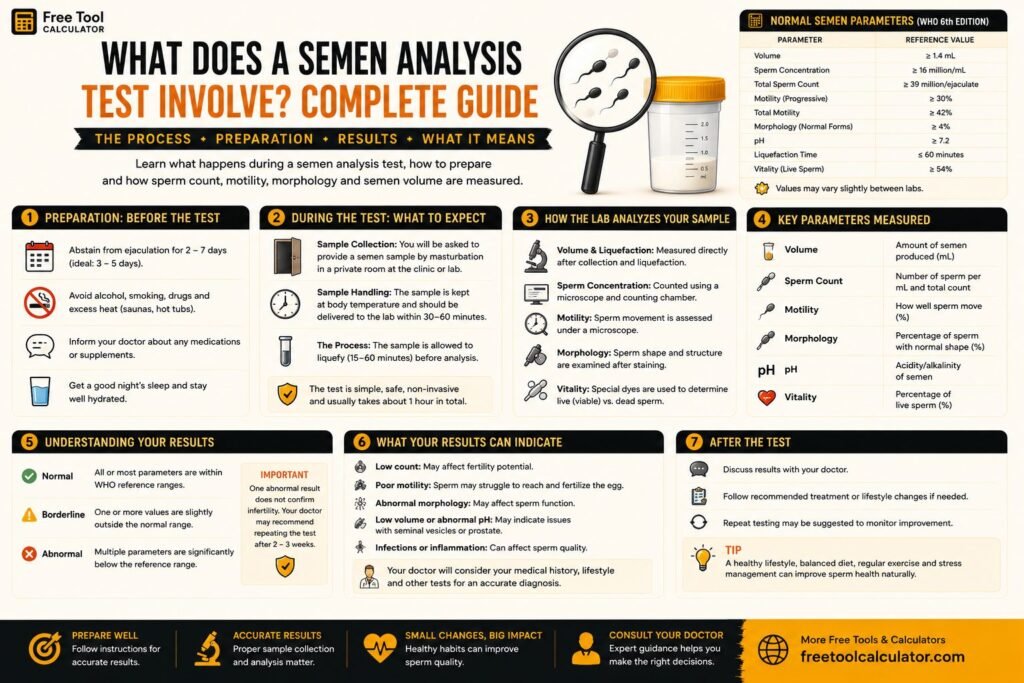
Semen analysis is the foundation of male fertility testing. It typically measures semen volume, sperm concentration, total sperm number, motility and morphology.
A semen analysis does not label a man as fertile or infertile with complete certainty. Results must be interpreted in context because values can vary and pregnancy depends on both partners.
The AUA and ASRM guideline recommends including one or more semen analyses in the initial evaluation of the male partner. When the first result is abnormal, repeat testing may be needed because semen parameters can vary substantially between samples.
Hormone Testing
Blood tests may measure testosterone, follicle-stimulating hormone, luteinizing hormone and prolactin. Hormonal evaluation is especially relevant when sperm concentration is very low, sexual symptoms are present or the physical examination suggests an endocrine condition.
Scrotal Ultrasound
An ultrasound may be used when the examination suggests a mass, structural abnormality or other condition requiring imaging. It is not necessarily required for every patient.
Post-Ejaculation Urine Testing
Urine collected after ejaculation may be examined when retrograde ejaculation is suspected. The presence of sperm in the urine may show that semen is entering the bladder.
Genetic Testing
Genetic tests may be recommended for azoospermia or severe oligozoospermia. Testing may include a chromosome analysis, Y chromosome microdeletion testing or evaluation for cystic fibrosis-related gene variants in selected men.
Testicular Biopsy or Sperm Retrieval
In selected cases, a procedure may determine whether sperm are present within the testicle. This can help distinguish sperm production failure from obstruction and may allow sperm to be collected for assisted reproduction.
Can Male Factor Infertility Be Treated?
Treatment depends on the cause, the severity of the sperm abnormality, the ages and fertility status of both partners and the couple’s goals. NHS guidance groups infertility care into medicines, surgery and assisted conception.
Some conditions can be corrected, while others can be managed using fertility treatment. A specialist should explain realistic benefits, limitations, risks, costs and alternatives.
Lifestyle and Health Changes
Clinicians may recommend stopping smoking, limiting excessive alcohol, avoiding recreational drugs, achieving a healthier weight and reducing harmful occupational exposure.
These steps support general health and may improve semen quality in some men, but they should not be presented as guaranteed cures. Sperm take time to develop, so changes may not appear immediately in repeat testing.
Treatment of Infection
Antibiotics may treat bacterial infection. However, clearing an infection does not always reverse scarring or restore fertility when permanent damage has occurred.
Hormonal Treatment
Specific hormone therapies may help when infertility results from a diagnosed hormonal deficiency or signalling disorder. Hormonal medication should be prescribed and monitored by a specialist.
External testosterone is generally inappropriate for a man actively trying to conceive because it can suppress sperm production.
Varicocele Repair
Surgery may be considered for selected men with a palpable varicocele, infertility and abnormal semen parameters. Treatment may improve semen quality and pregnancy potential in appropriately selected patients, but results are not guaranteed.
Surgery for Obstruction
Microsurgery may reconnect reproductive ducts after vasectomy or repair certain blockages. Whether reconstruction is appropriate depends on the location of the obstruction, the female partner’s fertility and the couple’s preferred timeline.
Treatment of Ejaculatory Problems
Medication, sexual therapy, assisted ejaculation techniques or sperm retrieval may help men with retrograde ejaculation, spinal cord injury or other ejaculation disorders.
Assisted Reproductive Technology for Male Infertility
Intrauterine Insemination
During intrauterine insemination, prepared sperm are placed directly inside the uterus around the time of ovulation. IUI may be considered when sperm abnormalities are mild and the female partner has suitable reproductive conditions.
Success depends on sperm quantity after preparation, female age, ovulation and other fertility factors.
In Vitro Fertilization
During IVF, eggs are collected and combined with sperm in a laboratory. Embryos that develop may be transferred into the uterus.
Intracytoplasmic Sperm Injection
ICSI involves injecting a single sperm directly into an egg. It is frequently used when sperm count or motility is severely reduced, when sperm have been surgically retrieved or when previous fertilization has been poor.
ICSI can overcome certain barriers to fertilization, but it does not correct the underlying cause of male infertility. Pregnancy also depends on egg quality, embryo development and uterine factors.
Surgical Sperm Retrieval
Sperm may be collected from the epididymis or testicle when none are present in the ejaculate. Retrieval techniques may be used for obstruction and selected cases of impaired sperm production.
Retrieved sperm are generally used with IVF and ICSI because the numbers obtained may be limited.
Donor Sperm
Donor sperm may be an option when usable sperm cannot be obtained, when treatment has repeatedly failed or when there is a serious genetic risk the couple does not wish to transmit.
Do Male Fertility Supplements Work?
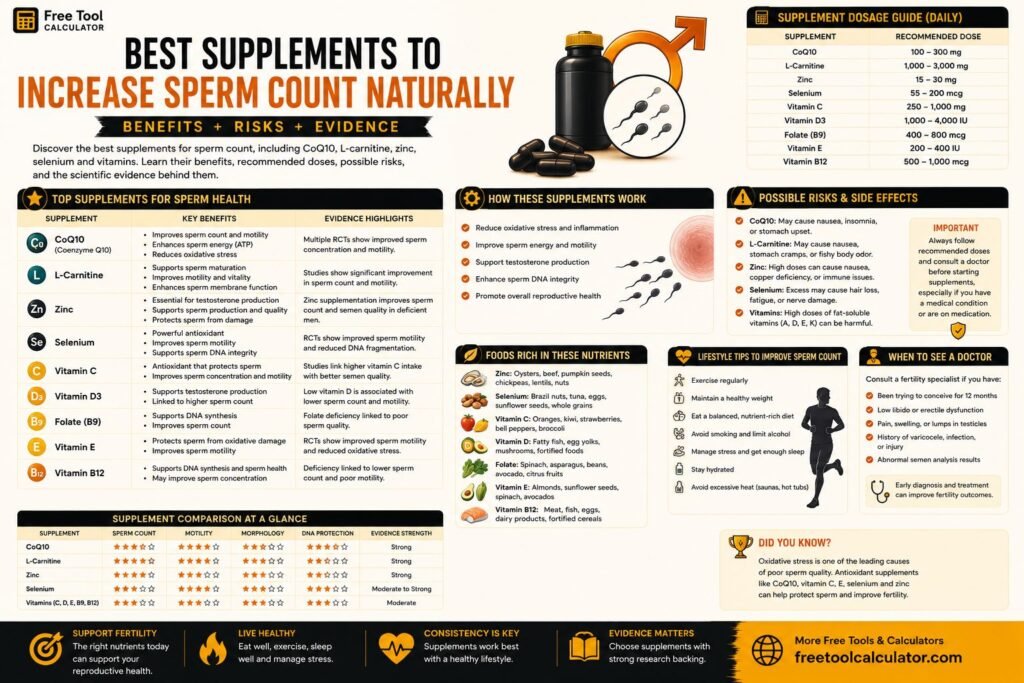
Many products marketed for male fertility contain antioxidants, vitamins, minerals or herbal ingredients. Advertising may promise improved sperm count, testosterone or pregnancy rates, but evidence for many supplements remains uncertain.
The AUA and ASRM guideline states that the benefits of supplements such as antioxidants and vitamins for treating male infertility are of questionable clinical value. Patients should be informed that reliable evidence supporting specific products is limited.
Supplements may also interact with medication, contain inappropriate doses or create unnecessary expense. Men should discuss them with a qualified clinician rather than assuming that a natural product is automatically effective or safe.
Foods That May Support Male Fertility
No individual food can cure male factor infertility. A balanced eating pattern may nevertheless support general health, weight management and normal hormone function.
A practical diet may include vegetables, fruit, whole grains, legumes, nuts, seeds, fish, eggs and other appropriate sources of protein. Highly processed foods, excessive added sugar and heavy alcohol intake should be limited as part of an overall healthy lifestyle.
Dietary advice should be personalized when a person has diabetes, kidney disease, food allergies or another medical condition.
Male Infertility and Emotional Health
Male factor infertility can affect confidence, relationships, sexual wellbeing and mental health. Some men feel guilt, shame or pressure because fertility is incorrectly associated with masculinity.
Sperm count is not a measure of strength, sexual ability or personal worth. Male infertility is a medical condition that can affect men with normal erections, normal testosterone and an otherwise healthy appearance.
Open communication between partners can reduce blame and isolation. Couples may also benefit from fertility counselling, individual therapy or a professionally moderated support group.
Emotional support is particularly important during repeated testing, pregnancy loss or assisted reproductive treatment. Both partners may experience stress differently and need different types of support.
Can Male Infertility Be Prevented?
Not every cause is preventable. Genetic conditions, congenital abnormalities and certain childhood medical problems cannot be avoided through lifestyle changes.
Risk may be reduced by avoiding tobacco and anabolic steroids, limiting excessive alcohol, using protective equipment around toxins, preventing sexually transmitted infections and seeking timely treatment for testicular pain or injury.
Men facing chemotherapy, radiotherapy or other fertility-damaging treatment should ask about sperm freezing before therapy when time and medical circumstances allow.
Frequently Asked Questions About Male Factor Infertility
What does male factor infertility mean?
It means that a condition affecting the male reproductive system is partly or completely contributing to difficulty achieving pregnancy.
What is the most common symptom of male infertility?
The most common symptom is difficulty conceiving. Many men have no other warning signs.
What are the main causes of male infertility?
Common causes include low sperm production, poor motility, abnormal morphology, varicocele, hormonal disorders, genetic conditions, obstruction, infection, ejaculation problems, medication exposure and testicular damage.
How is male infertility tested?
Initial evaluation usually includes medical history, physical examination and semen analysis. Hormone tests, imaging and genetic testing may be added when clinically appropriate.
Can a man with a low sperm count achieve pregnancy naturally?
Yes, natural pregnancy may still occur, depending on the severity of the low count, sperm movement, the female partner’s fertility and other factors.
Can azoospermia be treated?
Some forms can be treated with hormonal therapy, surgical reconstruction or sperm retrieval. The correct approach depends on whether the cause is obstruction or impaired sperm production.
Does abnormal sperm morphology mean pregnancy is impossible?
No. Morphology is only one part of semen analysis and must be interpreted with sperm concentration, motility and the couple’s full fertility evaluation.
Can stress cause male infertility?
Stress may affect sexual function, sleep and healthy behaviour, but it is rarely the only explanation for significant infertility. A medical evaluation should not be replaced by stress management alone.
Does testosterone improve male fertility?
External testosterone can suppress sperm production and may worsen fertility. Men trying to conceive should discuss safer treatment options with a specialist.
Can smoking reduce sperm quality?
Smoking has been associated with poorer reproductive health and may negatively affect sperm. Quitting benefits fertility-related health as well as general health.
Does alcohol cause male infertility?
Heavy alcohol use may interfere with hormones, sexual function and sperm production. Occasional use and excessive use do not carry the same level of risk, so individual advice should come from a clinician.
How long does it take for sperm quality to improve?
Sperm development takes several weeks, so changes following treatment or lifestyle improvement are not immediate. Clinicians often wait a few months before repeating semen testing, depending on the situation.
Can varicocele cause infertility?
Yes, a clinically significant varicocele can be associated with abnormal sperm production. However, many men with varicoceles remain fertile, and treatment decisions should be individualized.
Does male age affect fertility?
Men can remain fertile at older ages, but semen quality and reproductive outcomes may change gradually with age. Advanced paternal age may also be associated with certain pregnancy and child health risks.
Is male infertility permanent?
Not always. Some causes are temporary or treatable, while others are permanent. Assisted reproductive treatments can help in many cases where the underlying condition cannot be reversed.
Should both partners be tested?
Yes. Fertility depends on both partners, and evaluating them at the same time can prevent delays and produce a more effective treatment plan.
Is semen analysis painful?
No. A semen sample is usually collected through masturbation into a sterile container. The laboratory then evaluates its volume and sperm characteristics.
Can supplements cure male infertility?
No supplement has been proven to cure all forms of male infertility. Evidence for many fertility supplements is limited, and products should be discussed with a healthcare professional.
When should I see a doctor?
Seek evaluation after 12 months of regular unprotected intercourse without pregnancy, or earlier when the female partner is older, either partner has a known condition or the man has reproductive symptoms or risk factors.
Which doctor treats male factor infertility?
A reproductive urologist or andrologist specializes in male reproductive health. A fertility clinic may coordinate treatment with reproductive endocrinologists, embryologists and genetic counsellors.
Conclusion
Male factor infertility is a common reproductive health issue involving sperm production, sperm function, ejaculation, hormones, genetics or reproductive anatomy. It can occur in men who otherwise feel healthy and may cause no obvious symptoms apart from difficulty achieving pregnancy.
The evaluation usually begins with a medical history, physical examination and semen analysis. Depending on the findings, a specialist may recommend hormone tests, ultrasound, genetic testing or additional procedures.
Treatment must be based on the underlying cause. Options can include lifestyle support, medication, varicocele repair, surgery for obstruction, treatment of ejaculation problems or assisted reproductive technology such as IUI, IVF and ICSI.
Men should avoid using testosterone, anabolic steroids or unproven fertility supplements without professional guidance. These products can worsen sperm production or delay appropriate diagnosis.
Most importantly, infertility should be approached as a shared medical issue rather than a source of blame. Early evaluation of both partners can identify treatable conditions, reduce unnecessary delays and help couples choose the family-building option that best matches their circumstances.
This content is for educational purposes only and does not provide a diagnosis or replace advice from a qualified medical professional.