Introduction
Late ovulation is one of the most common concerns among individuals tracking their menstrual cycle or trying to conceive. From a medical perspective late ovulation simply means that the ovary releases an egg later than expected in the cycle or does so inconsistently from month to month. While many assume ovulation always occurs around day fourteen this is only true for a textbook cycle. In reality ovulation timing varies widely and delayed ovulation is often normal but sometimes signals an underlying issue. Understanding late ovulation helps reduce anxiety improve fertility planning and guide appropriate lifestyle or medical interventions. Tools like the ovulation calculator https://freetoolcalculator.com/ovulation-fertility-calculator/ are useful for identifying ovulation patterns over time rather than relying on assumptions.
What Is Late Ovulation
Late ovulation occurs when ovulation happens later than the typical mid cycle window often after day twenty one in a menstrual cycle. Irregular ovulation refers to cycles where ovulation timing shifts significantly each month or does not occur at all in some cycles. From a hormonal standpoint ovulation depends on precise communication between the brain and ovaries. Any disruption in this communication can delay or prevent ovulation.
It is important to note that late ovulation is not the same as infertility. Many individuals with late ovulation conceive naturally once timing is understood correctly.
How the Body Normally Triggers Ovulation
Ovulation begins in the brain. The hypothalamus releases gonadotropin releasing hormone which signals the pituitary gland to release follicle stimulating hormone and luteinizing hormone. These hormones stimulate ovarian follicles to mature. When estrogen levels rise sufficiently a surge in luteinizing hormone triggers ovulation.
Late ovulation usually means this hormonal sequence is delayed rather than absent. Identifying what disrupts this signal is key to management.
Common Causes of Late Ovulation
Stress and Cortisol
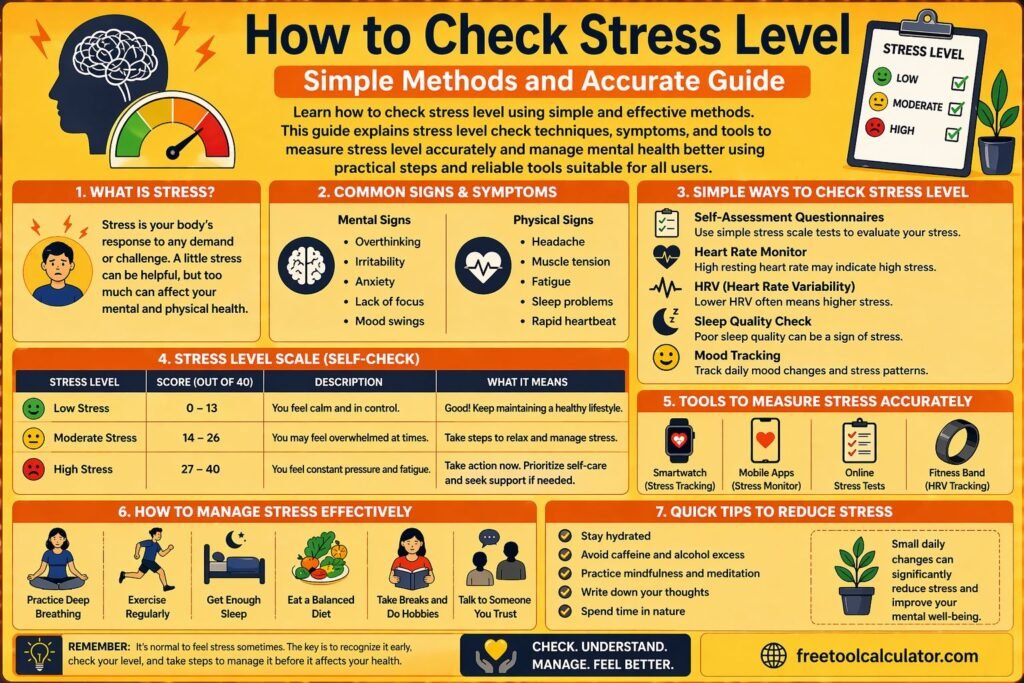
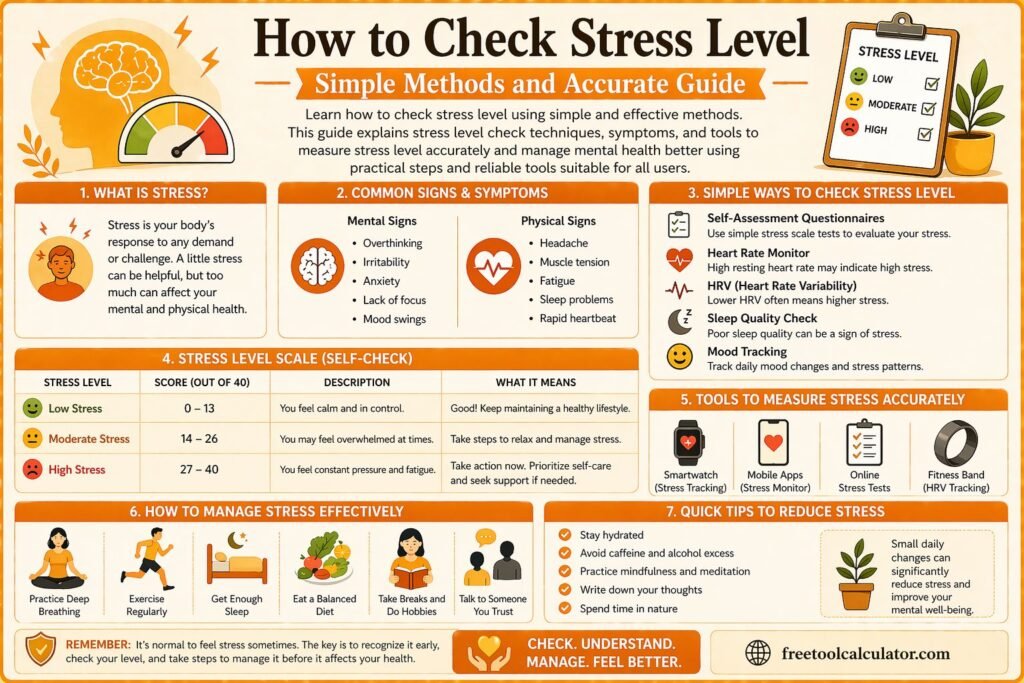
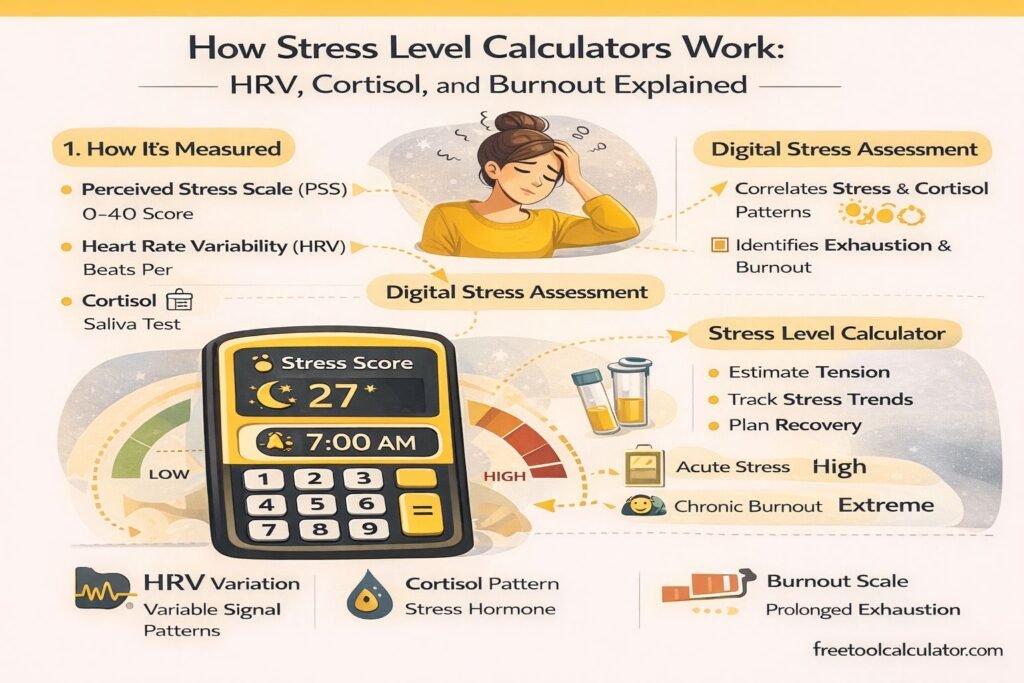
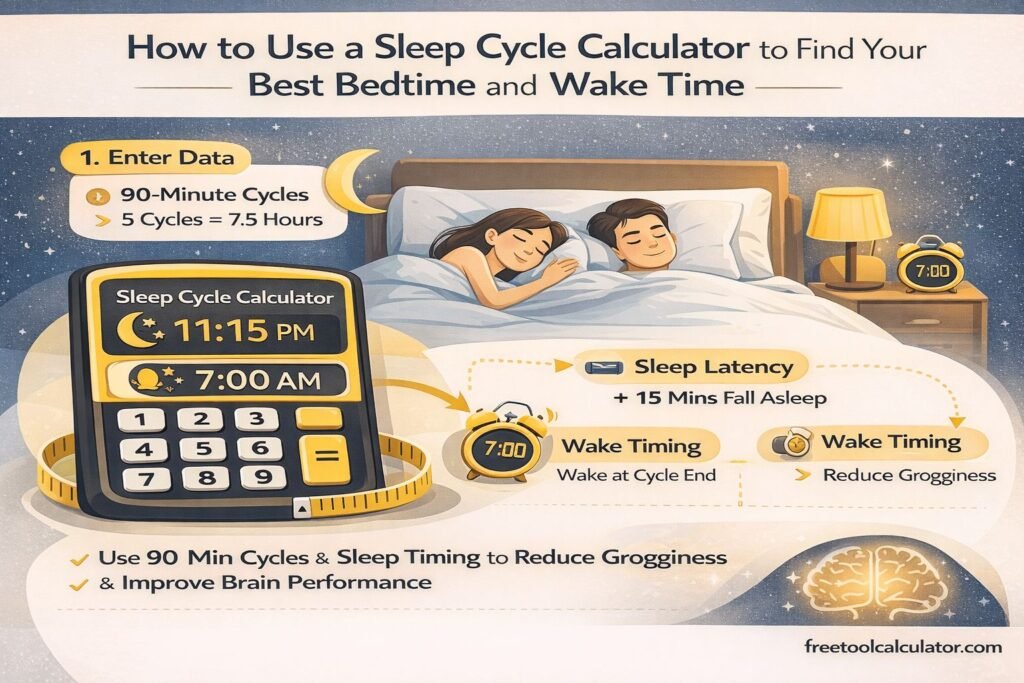
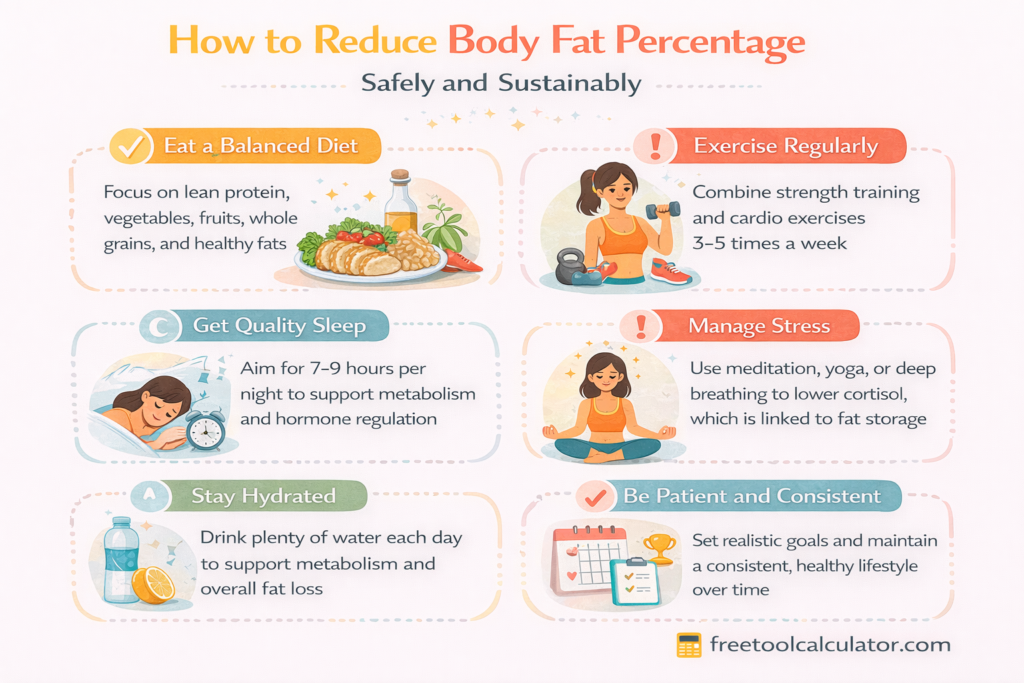
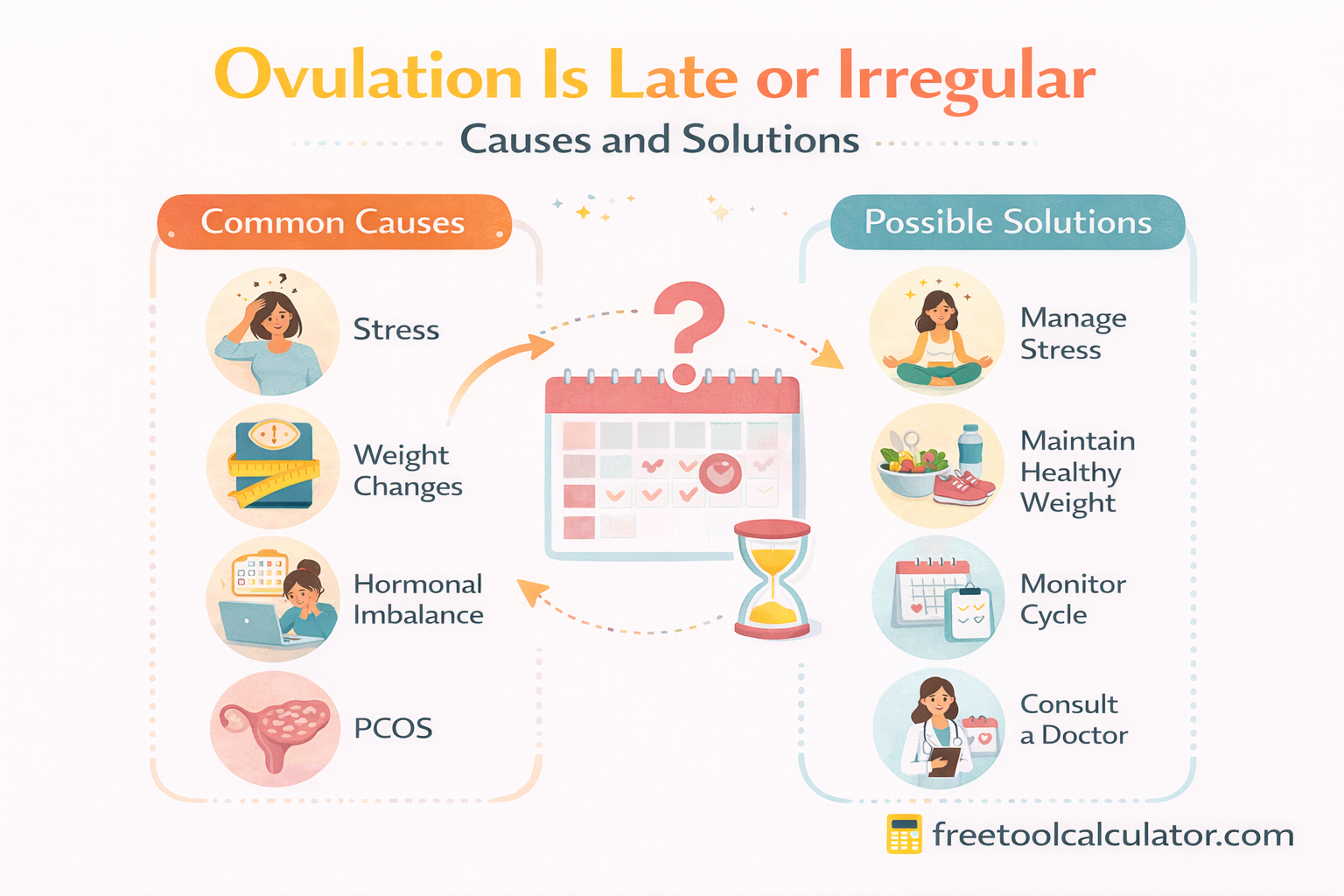
Chronic stress is one of the most common and underestimated causes of delayed ovulation. Elevated cortisol interferes with reproductive hormone release. Emotional stress lack of sleep trauma illness or significant life changes can all delay ovulation even in otherwise healthy individuals.
Weight Changes and Nutrition
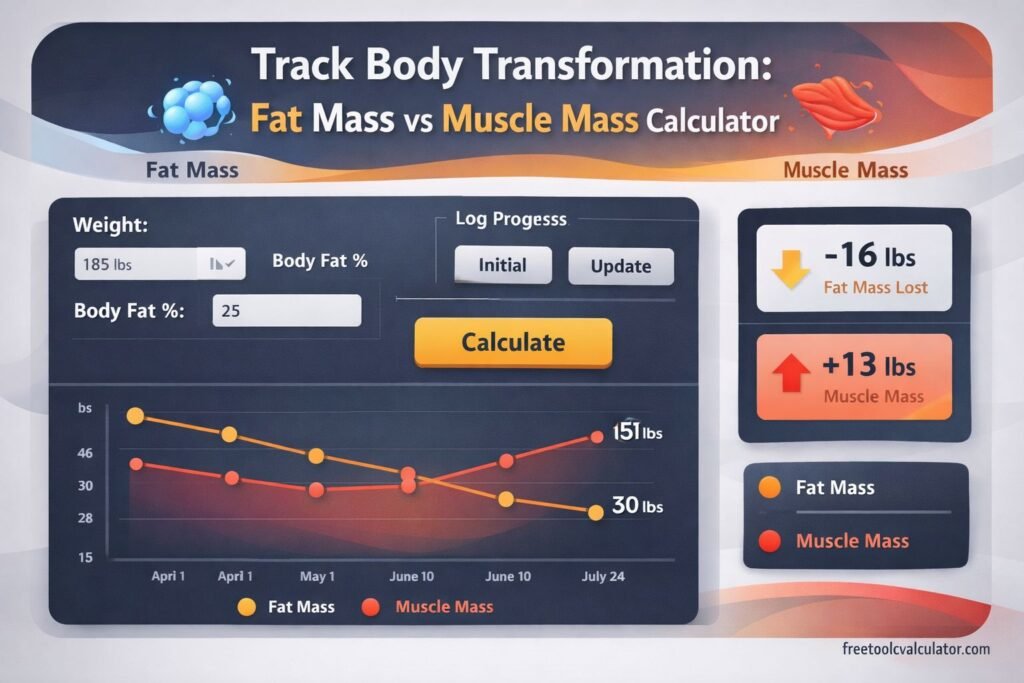
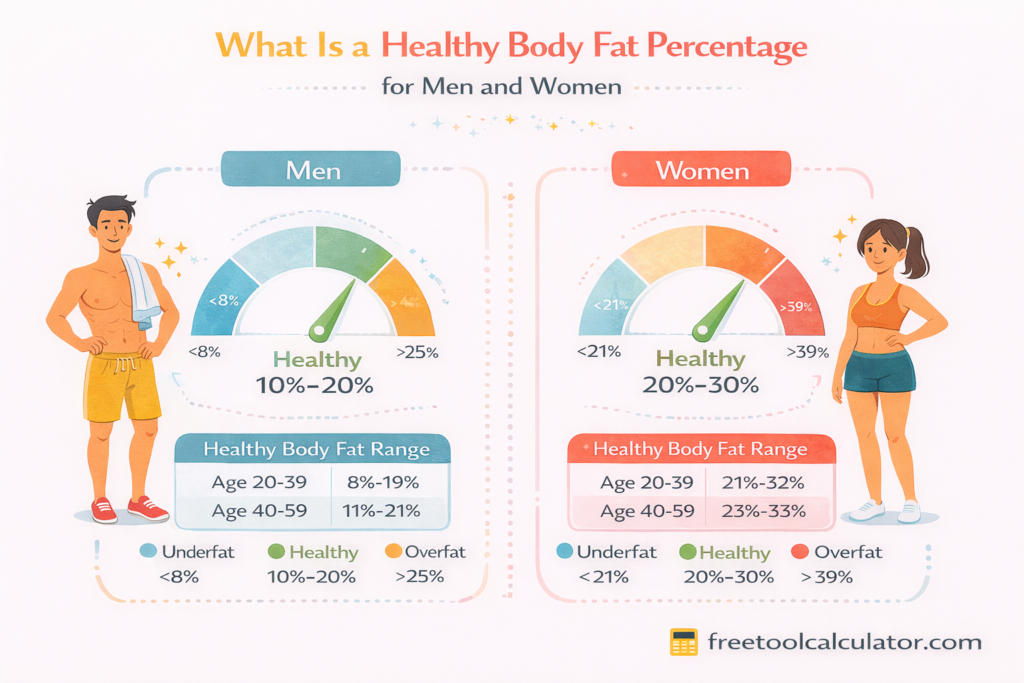
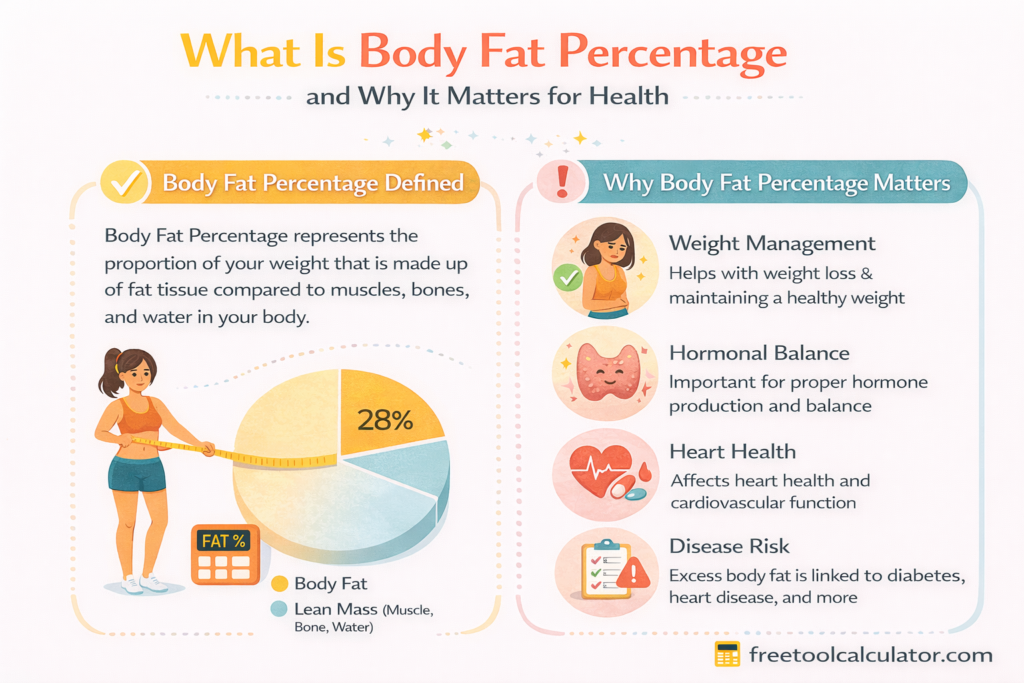
Sudden weight loss or weight gain affects estrogen production. Body fat plays a role in hormone regulation and extremes on either side can delay ovulation. Inadequate calorie intake or restrictive dieting also signals the brain to deprioritize reproduction.
Excessive Exercise
High intensity or excessive exercise without adequate recovery increases cortisol and suppresses ovulation. This is commonly seen in endurance athletes and individuals following intense fitness programs.
Polycystic Ovary Syndrome
PCOS is a leading medical cause of late or irregular ovulation. Hormonal imbalance insulin resistance and elevated androgens interfere with follicle development and ovulation timing.
Thyroid Disorders
Both hypothyroidism and hyperthyroidism can disrupt ovulation. Thyroid hormones play a central role in regulating reproductive hormones.
Elevated Prolactin Levels
High prolactin levels suppress ovulation by blocking gonadotropin release. This may be caused by stress medications or pituitary conditions.
Signs and Symptoms of Late Ovulation
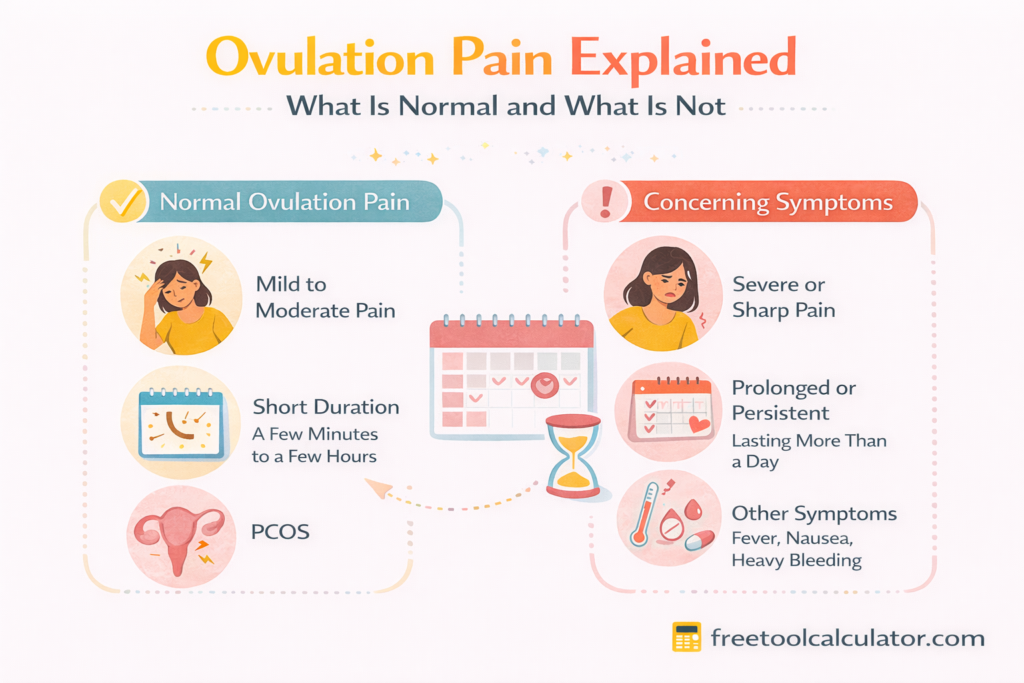
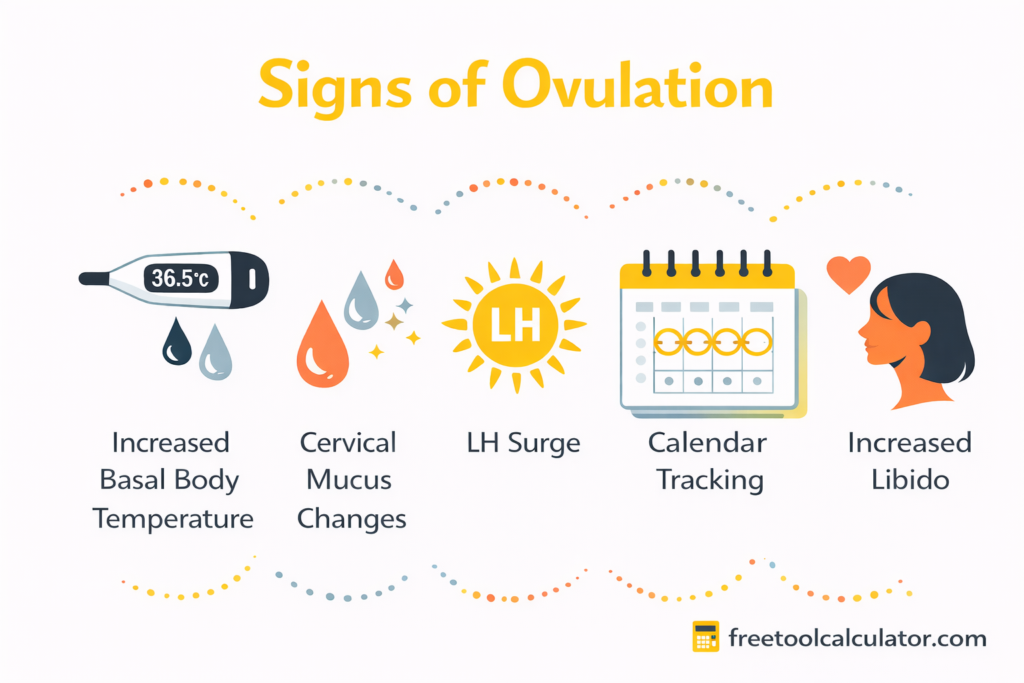
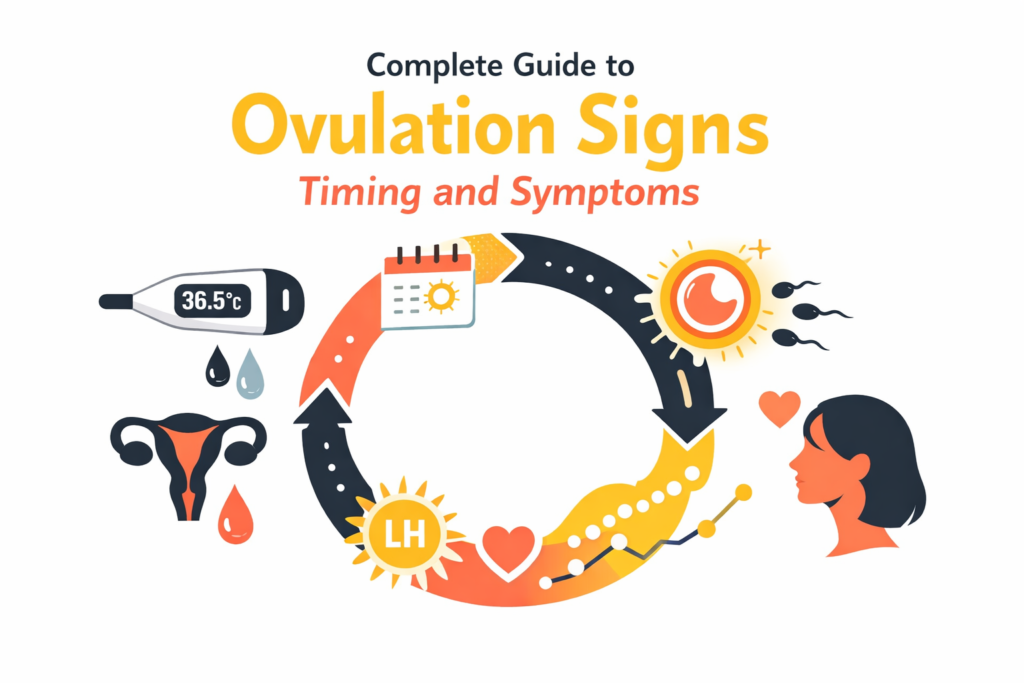
Late ovulation may present with long cycles unpredictable periods or fertile signs appearing later than expected. Cervical mucus changes may occur much later in the cycle. Basal body temperature rises may also be delayed. Some individuals notice ovulation pain later than usual while others experience prolonged follicular phases.
Tracking these signs consistently helps confirm whether ovulation is late or irregular.
How Late Ovulation Affects Fertility
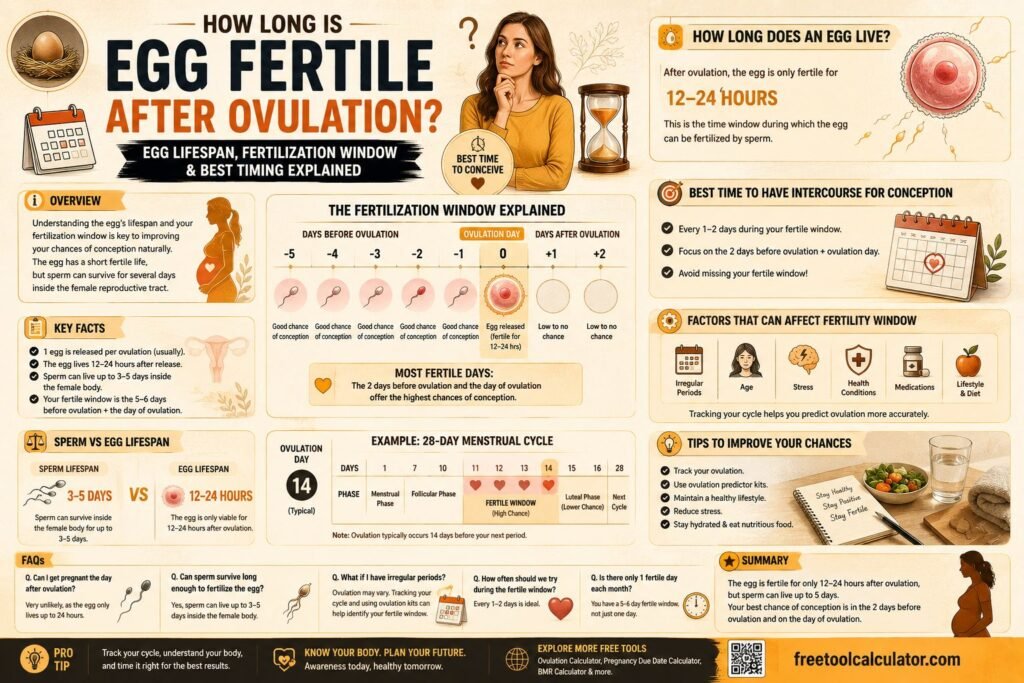
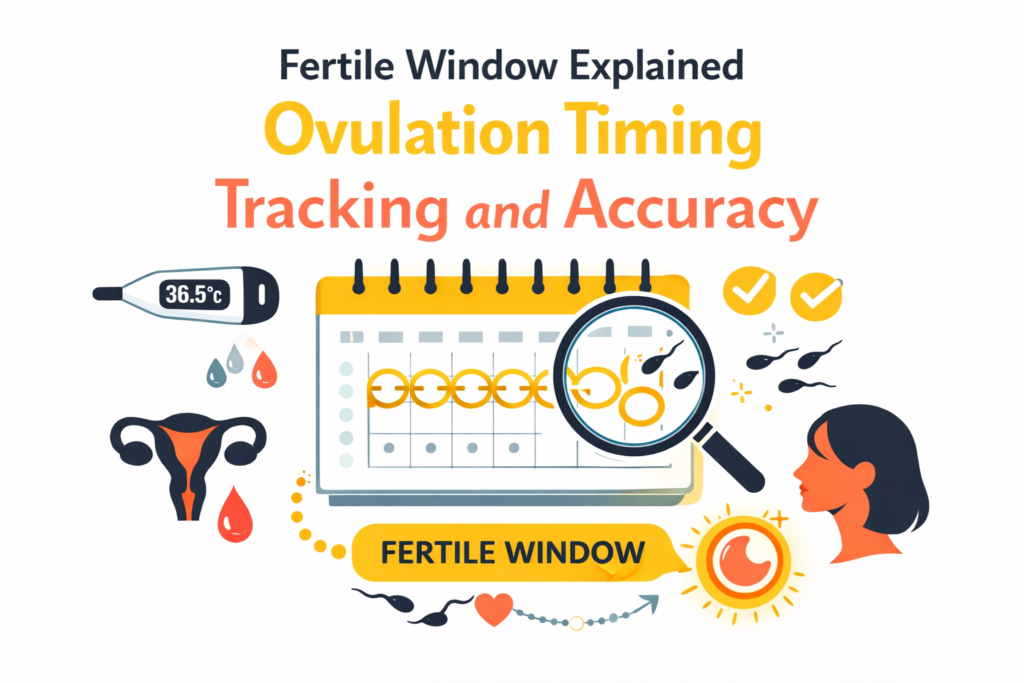
Late ovulation does not prevent pregnancy but it affects timing. The fertile window shifts later in the cycle. Many individuals mistakenly time intercourse too early and miss their actual fertile days.
In some cases late ovulation shortens the luteal phase which may impact implantation. This requires medical evaluation if pregnancy does not occur despite correct timing.
Using tools like https://freetoolcalculator.com/ovulation-fertility-calculator/ helps align intercourse with actual ovulation rather than predicted averages.
Is Late Ovulation Normal
Occasional late ovulation is completely normal. Illness travel stress or lifestyle changes can temporarily delay ovulation. Concern arises when late ovulation occurs consistently over several cycles.
Regular late ovulation often has an identifiable cause and responds well to treatment or lifestyle adjustment.
How to Track Late Ovulation Accurately
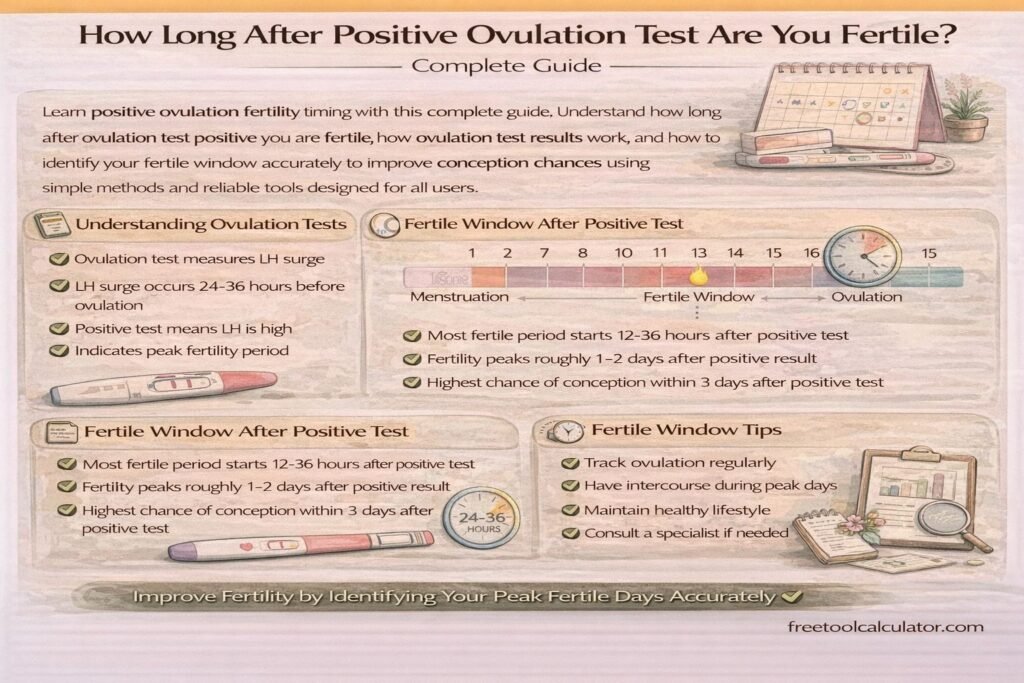
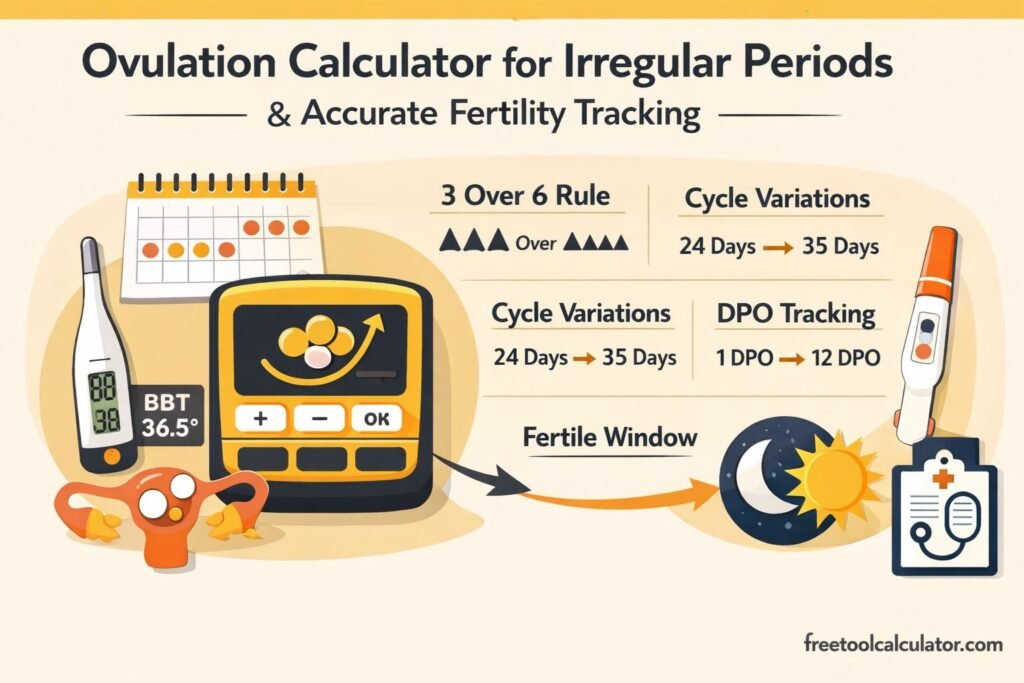
Calendar methods alone are unreliable for late ovulation. Accurate tracking includes monitoring cervical mucus basal body temperature ovulation predictor kits and cycle length patterns.
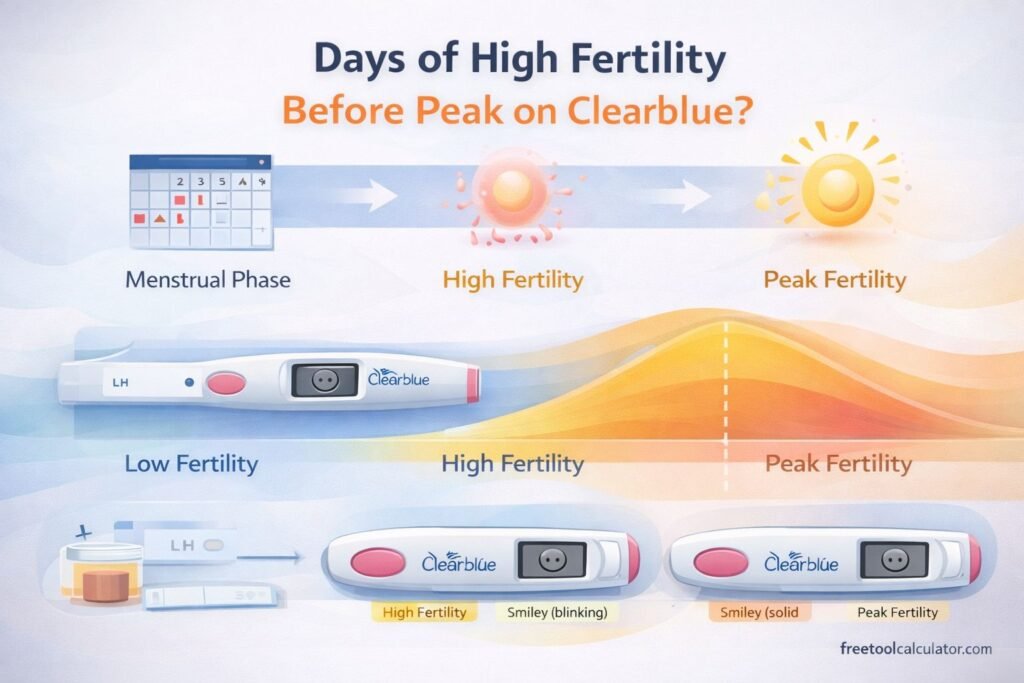
Ovulation predictor kits detect the luteinizing hormone surge but may require extended testing in late ovulation cycles. Combining methods improves accuracy.
Digital tools such as the ovulation calculator https://freetoolcalculator.com/ovulation-fertility-calculator/ help visualize cycle trends over time.
Medical Evaluation for Late Ovulation
Medical evaluation is recommended if cycles exceed thirty five days consistently ovulation does not occur for multiple cycles or pregnancy has not occurred after twelve months of trying or six months if over age thirty five.
Blood tests ultrasound and hormone panels help identify underlying causes and guide treatment.
Treatment and Management Options
Treatment depends on the cause. Stress reduction improved sleep balanced nutrition and moderate exercise often restore ovulation naturally. Addressing thyroid disorders or insulin resistance improves cycle regularity.
In some cases ovulation induction medications may be prescribed under medical supervision.
Lifestyle Changes That Support Ovulation
Adequate caloric intake balanced macronutrients and micronutrients support hormonal balance. Managing stress through mindfulness yoga or therapy reduces cortisol. Maintaining a healthy body composition supports estrogen regulation.
These changes often restore ovulation within several cycles.
When to Seek Professional Help
If late ovulation is accompanied by severe pain excessive bleeding or other symptoms professional evaluation is essential. Early assessment improves fertility outcomes and prevents complications.
Conclusion
Late ovulation is common often reversible and manageable with proper understanding. Recognizing the causes tracking cycles accurately and addressing lifestyle or medical factors empowers individuals to restore ovulation and plan fertility effectively. Using reliable tools like https://freetoolcalculator.com/ovulation-fertility-calculator/ helps identify true ovulation timing and reduces unnecessary stress. With informed care and consistent tracking most individuals with late ovulation achieve healthy cycles and successful outcomes.