Garden Area Calculator and Introduction
A Garden Area Calculator is a practical tool designed to help homeowners, gardeners, landscapers, property managers, and outdoor enthusiasts accurately measure the size of a garden, lawn, yard, or other outdoor space. By entering basic dimensions such as length and width, users can quickly determine the total area of their space without performing manual calculations. This makes planning outdoor projects more convenient and efficient.
The garden area calculator is especially useful when estimating materials needed for landscaping projects. Whether you are purchasing grass seed, fertilizer, mulch, soil, paving materials, or irrigation equipment, knowing the exact garden area helps reduce waste and improve planning. Accurate measurements can also assist in budgeting and comparing costs before starting a project.
Our Garden Area Calculator provides instant results and can display measurements in multiple units, including square feet, square meters, and square yards. This flexibility makes it useful for users in different regions and industries. Whether you are designing a backyard garden, measuring a lawn for maintenance, or planning a landscaping renovation, this tool can simplify the process and help you make informed decisions.
What Is Garden Area?
Garden area refers to the total surface space occupied by a garden, lawn, yard, flower bed, vegetable plot, or any outdoor section being measured. Area is typically expressed in square units such as square feet, square meters, or square yards. Understanding the size of a space is an important step in landscaping, gardening, and property maintenance.
Measuring garden area allows individuals to determine how much material will be needed for specific projects. For example, when planting grass seed or installing sod, suppliers often provide recommendations based on area measurements. Similarly, irrigation systems, fencing, and landscape designs frequently require accurate area calculations before implementation.
A garden area calculator eliminates the need for manual formulas and reduces the risk of measurement errors. By automating the calculation process, users can obtain reliable results within seconds.
How the Garden Area Calculator Works
Step 1: Measure the Length
Start by measuring the length of the garden, lawn, or yard. The length is usually the longest side of the area being measured. Use a measuring tape, survey tool, or other measuring device to obtain the most accurate result possible.
Step 2: Measure the Width
Next, measure the width of the area. The width is generally the shorter side that runs perpendicular to the length. Record the measurement in the same unit used for the length to maintain consistency.
Step 3: Enter the Values
Input the measured length and width into the garden area calculator. The tool automatically processes the information and applies the appropriate area formula.
Step 4: View the Results
The calculator instantly displays the total garden area and can convert the result into square feet, square meters, and square yards. This allows users to work with whichever measurement system is most convenient for their project.
What Formula Does a Garden Area Calculator Use?
For rectangular and square gardens, the most common formula is:
Area = Length × Width
If a garden measures 20 feet in length and 15 feet in width:
Area = 20 × 15
Area = 300 square feet
This simple formula forms the foundation of most garden area calculations. More complex landscapes may be divided into smaller sections and calculated separately before combining the results.
Why This Tool Is Useful
Accurate Planning
Knowing the exact size of a garden area helps users plan projects more effectively. Accurate measurements reduce uncertainty and provide a reliable basis for estimating resources and costs.
Material Estimation
Many landscaping products are sold based on coverage area. A garden area calculator helps determine how much mulch, fertilizer, topsoil, sod, gravel, or grass seed may be required for a project.
Time Savings
Manual calculations can be time-consuming, especially when multiple unit conversions are needed. This tool performs calculations instantly, allowing users to focus on planning and execution rather than arithmetic.
Common Uses of a Garden Area Calculator
- Measuring lawn size before purchasing grass seed.
- Estimating mulch requirements for flower beds.
- Calculating fertilizer coverage areas.
- Planning irrigation systems.
- Preparing landscaping budgets.
- Designing backyard renovations.
- Estimating paving stone requirements.
- Measuring vegetable garden plots.
- Determining sod installation needs.
- Comparing property landscaping options.
Examples of Garden Area Calculations
Example 1: Small Backyard Garden
A homeowner has a garden that is 12 feet long and 10 feet wide. The garden area calculator determines that the total area is 120 square feet. This information can be used when purchasing soil, mulch, or plants.
Example 2: Lawn Area Measurement
A lawn measures 40 feet by 25 feet. Multiplying these values gives an area of 1,000 square feet. The homeowner can use this measurement to estimate fertilizer coverage and watering requirements.
Example 3: Metric Garden Measurement
A garden measuring 8 meters by 6 meters has an area of 48 square meters. This measurement is commonly used in countries that follow the metric system.
Applications of Garden Area Measurement
Garden area calculations are useful in both residential and professional settings. Homeowners frequently use area measurements when maintaining lawns and gardens. Landscape architects rely on area calculations during project planning and design. Property developers use area data when preparing site plans and estimating project costs.
Educational institutions may also use area calculations to teach geometry, measurement concepts, and practical mathematics. Additionally, agricultural operations often calculate growing areas to estimate yields, irrigation requirements, and planting density.
Understanding Related Concepts
Length
Length is the measurement of the longest side of a space. It serves as one of the primary inputs used when calculating garden area.
Width
Width represents the measurement of the side perpendicular to the length. Together, length and width determine the total area.
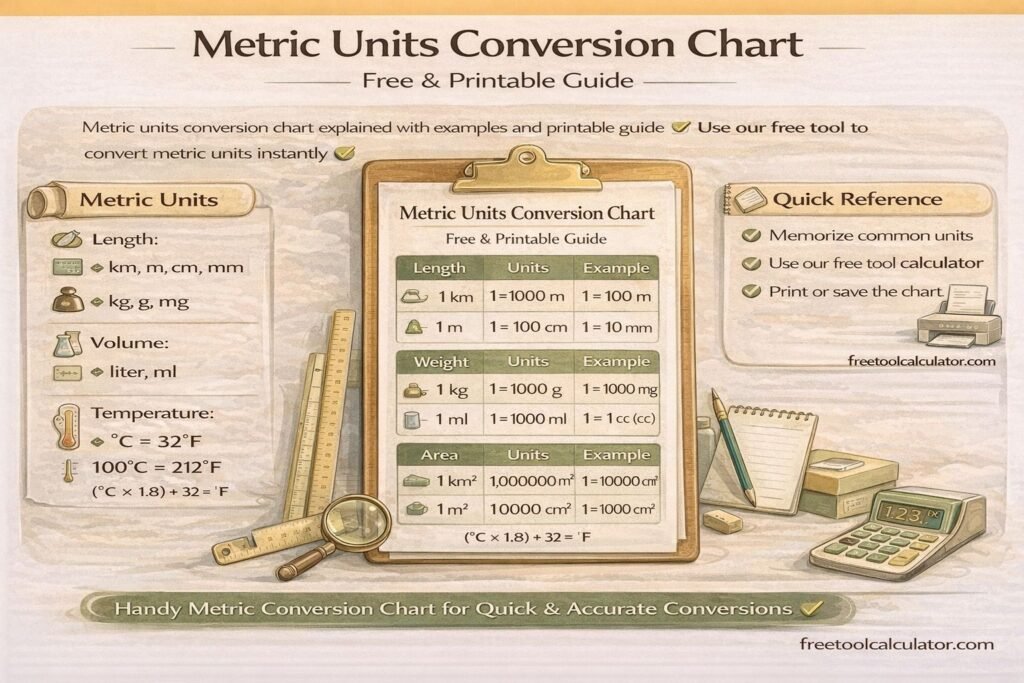
Square Feet
Square feet are commonly used in the United States and several other regions for measuring lawns, gardens, and properties.
Square Meters
Square meters are widely used in countries that follow the metric measurement system.
Square Yards
Square yards are often used in landscaping, construction, and turf management industries.
Popular Methods for Measuring Garden Space
Manual Tape Measurement
A measuring tape remains one of the most accessible tools for determining garden dimensions. It is suitable for small and medium-sized spaces.
Survey Equipment
Professional survey tools provide more precise measurements for large or irregular properties.
Digital Mapping Tools
Many modern applications allow users to estimate garden area using satellite imagery and digital maps.
Garden Area Calculator
Once measurements are collected, a garden area calculator provides a fast and convenient way to determine the total area and perform unit conversions.
Who Uses This Tool?
- Homeowners maintaining lawns and gardens.
- Landscape designers and architects.
- Garden enthusiasts and hobbyists.
- Property managers.
- Grounds maintenance professionals.
- Agricultural planners.
- Construction contractors.
- Educational institutions teaching measurement concepts.
Benefits of Using a Garden Area Calculator
- Fast and easy calculations.
- Reduced measurement errors.
- Instant unit conversions.
- Improved project planning.
- More accurate material estimates.
- Helpful for landscaping budgets.
- Useful for residential and professional projects.
- Simple enough for beginners.
Common Mistakes When Measuring Garden Area
Using Inconsistent Units
Mixing feet and meters within the same calculation can lead to inaccurate results. Always use the same unit for both length and width measurements.
Ignoring Irregular Shapes
Not all gardens are rectangular. Complex layouts may need to be divided into smaller sections before calculating the total area.
Rounding Measurements Too Early
Premature rounding can introduce small errors that become significant in larger projects. Use precise measurements whenever possible.
Measuring the Wrong Boundaries
Ensure that the intended garden or lawn area is measured accurately. Including or excluding unintended sections can affect calculations.
Frequently Asked Questions
What is a garden area calculator?
A garden area calculator is an online tool that calculates the total area of a lawn, garden, or yard using measurements such as length and width. It helps users determine the size of a space quickly and accurately. The results can often be displayed in multiple units, including square feet, square meters, and square yards.
How do I calculate garden area?
To calculate garden area for a rectangular space, multiply the length by the width. For example, if a garden is 15 feet long and 10 feet wide, the total area is 150 square feet. A garden area calculator automates this process and provides immediate results.
Can I use a garden area calculator for a lawn?
Yes. A garden area calculator can be used for lawns, yards, flower beds, vegetable plots, and many other outdoor spaces. As long as you know the dimensions of the area, the calculator can help determine its size.
Why is garden area important?
Knowing the size of a garden helps with planning landscaping projects and estimating material requirements. It can also assist in budgeting and comparing different design options. Accurate area measurements support better decision-making throughout a project.
What units can be used in a garden area calculator?
Most calculators support common units such as feet, meters, and yards. Results are often displayed in square feet, square meters, and square yards. This makes the tool useful for users in different countries and industries.
Can I measure irregular garden shapes?
Yes. Irregular gardens can be divided into smaller rectangles or simple geometric sections. Each section can be measured separately and then combined to determine the total area. This method improves accuracy for complex layouts.
How accurate is a garden area calculator?
The accuracy of the calculator depends largely on the measurements entered by the user. When accurate length and width values are provided, the tool can produce reliable area estimates. Careful measuring helps achieve the best results.
Why Trust This Tool?
This Garden Area Calculator is based on standard geometric formulas that are widely used in mathematics, landscaping, construction, and property measurement. The tool applies accepted area calculation methods and performs unit conversions automatically for convenience.
Its purpose is educational and practical, helping users estimate garden, lawn, and yard sizes more efficiently. While the calculator can provide useful estimates, measurements should be verified when precise specifications are required for construction, legal, or engineering purposes.
By using transparent formulas and straightforward calculations, the tool offers a reliable way to understand and measure outdoor spaces without unnecessary complexity.
Get Started Today
If you need to calculate lawn size, measure a yard, estimate landscaping materials, or determine the dimensions of a garden, the Garden Area Calculator provides a simple and efficient solution. Enter your length and width measurements to instantly calculate garden area and view results in square feet, square meters, or square yards. Whether you are planning a small backyard project or a larger landscaping renovation, accurate area measurements can help you make more informed decisions and organize your work with confidence.