Signs and Symptoms of Infertility in Males: What Men Should Know
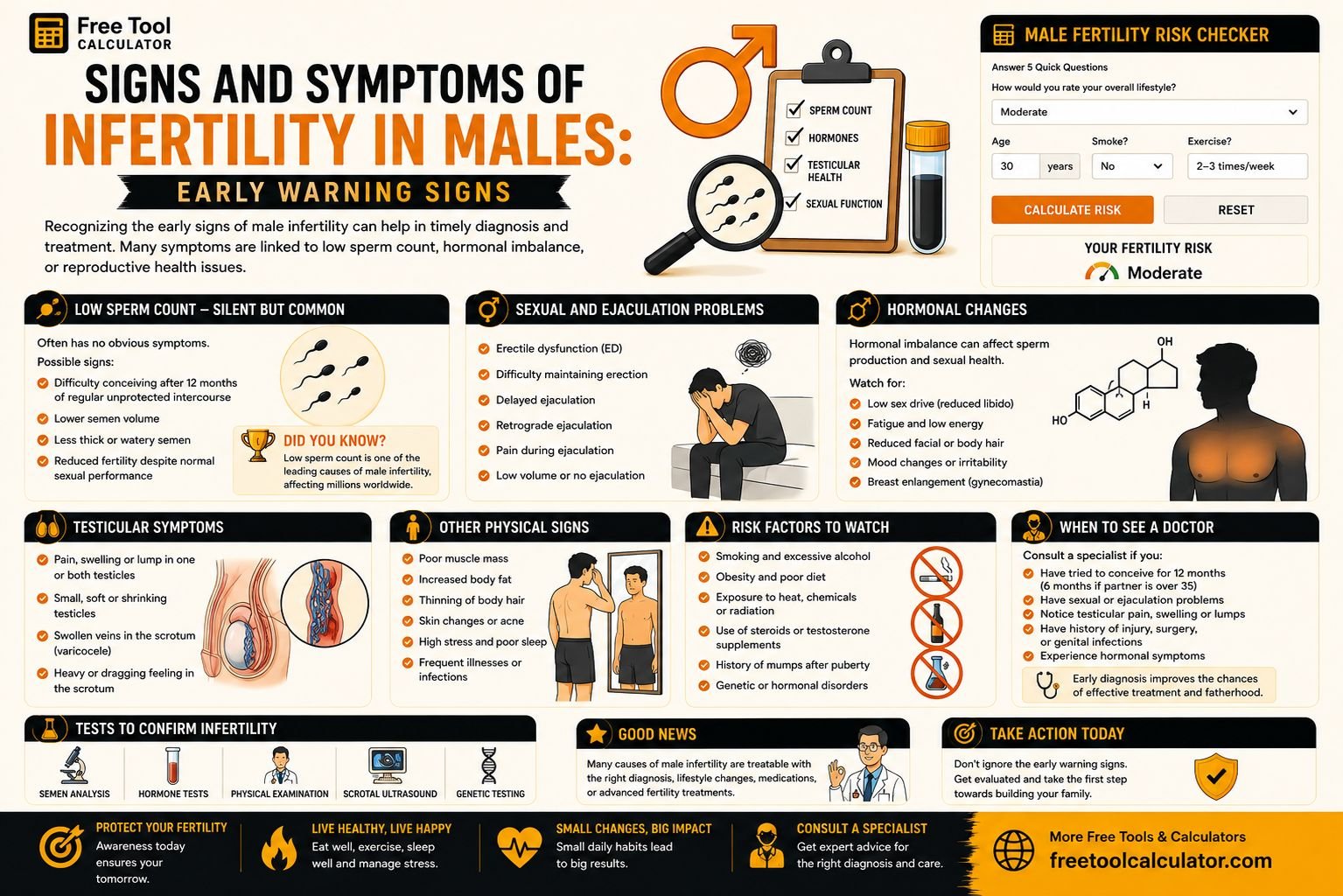
The signs and symptoms of infertility in males are not always obvious. In many cases, the first and only noticeable sign is that a couple cannot achieve pregnancy after 12 months or more of regular unprotected sexual intercourse. A man may feel healthy, have a normal sex drive and experience normal erections and ejaculation while still having a low sperm count, poor sperm movement or another fertility problem.
Infertility is a condition of the male or female reproductive system in which pregnancy is not achieved after at least 12 months of regular unprotected intercourse. The World Health Organization estimates that approximately one in six people experience infertility during their lifetime. Male factors, female factors, combined factors or unexplained factors may contribute to difficulty conceiving.
Male infertility can result from problems with sperm production, sperm quality, hormones, ejaculation, sexual function or the reproductive tubes that carry sperm. Certain conditions produce physical or sexual symptoms, but many sperm abnormalities can only be identified through laboratory testing.
Recognizing possible warning signs can encourage timely medical evaluation. However, symptoms alone cannot confirm whether a man is fertile or infertile. A medical history, physical examination and semen analysis are usually required to identify the problem.
This guide explains the most common signs of male infertility, symptoms associated with low sperm count, hormonal warning signs, testicular changes, ejaculation problems and when to consult a fertility specialist.
What Is Male Infertility?
Male infertility means that a condition affecting the male reproductive system contributes to difficulty achieving pregnancy. The problem may involve the number of sperm produced, the way sperm move, their shape, their genetic quality or their ability to reach and fertilize an egg.
Infertility may also occur when sperm are produced normally but cannot enter the semen because of a blockage. Other men may experience erection or ejaculation problems that prevent sperm from being delivered effectively during sexual intercourse.
Male fertility depends on several systems working together. The brain must release the correct reproductive hormones. The testicles must produce sperm and testosterone. Sperm must travel through the epididymis and vas deferens, mix with reproductive fluids and leave the body during ejaculation.
A problem at any stage may reduce fertility. Because many of these problems develop without visible symptoms, a man cannot determine his fertility simply from the appearance, volume or consistency of his semen.
What Is the Main Sign of Infertility in Males?
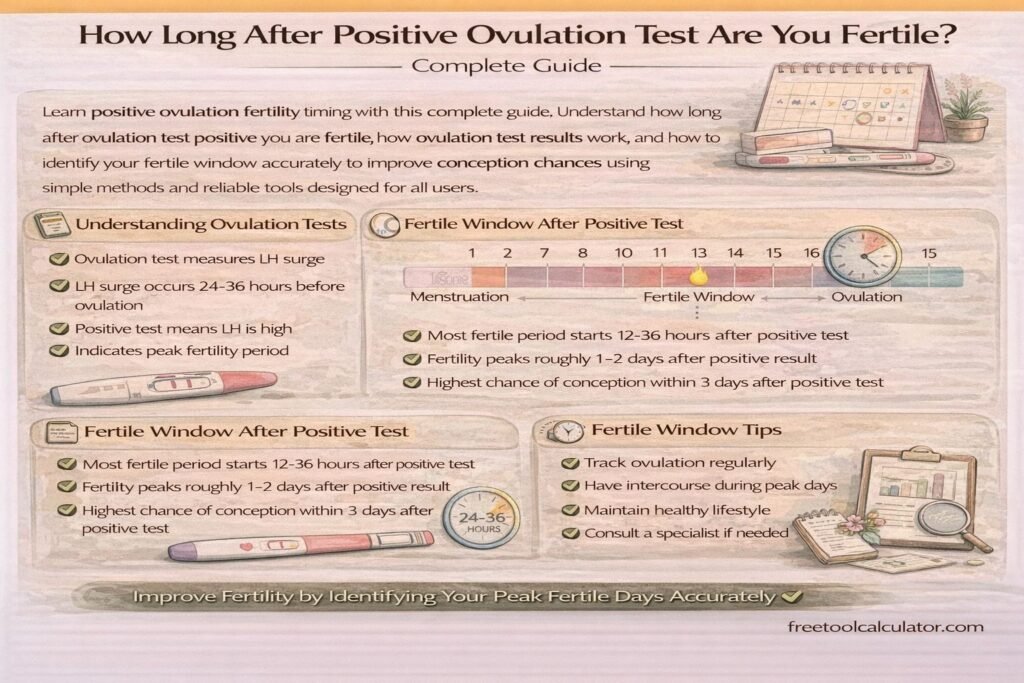
The most common sign of infertility in males is the inability to achieve pregnancy with a partner after one year of regular unprotected intercourse. There may be no other clear symptoms.
This does not mean that a male fertility problem is automatically responsible whenever pregnancy does not occur within one year. Fertility depends on both partners, and difficulties may involve the male partner, the female partner, both partners or factors that remain unexplained.
Couples should generally be evaluated together. Testing only one partner can delay diagnosis and may overlook additional factors affecting the chance of pregnancy.
An earlier medical consultation may be appropriate when the female partner is 35 or older, when either partner has a known reproductive condition or when the man has symptoms suggesting a hormonal, testicular, sexual or ejaculation problem.
Common Signs and Symptoms of Infertility in Males
Although difficulty conceiving is the primary sign, some men experience additional symptoms caused by the condition affecting their fertility.
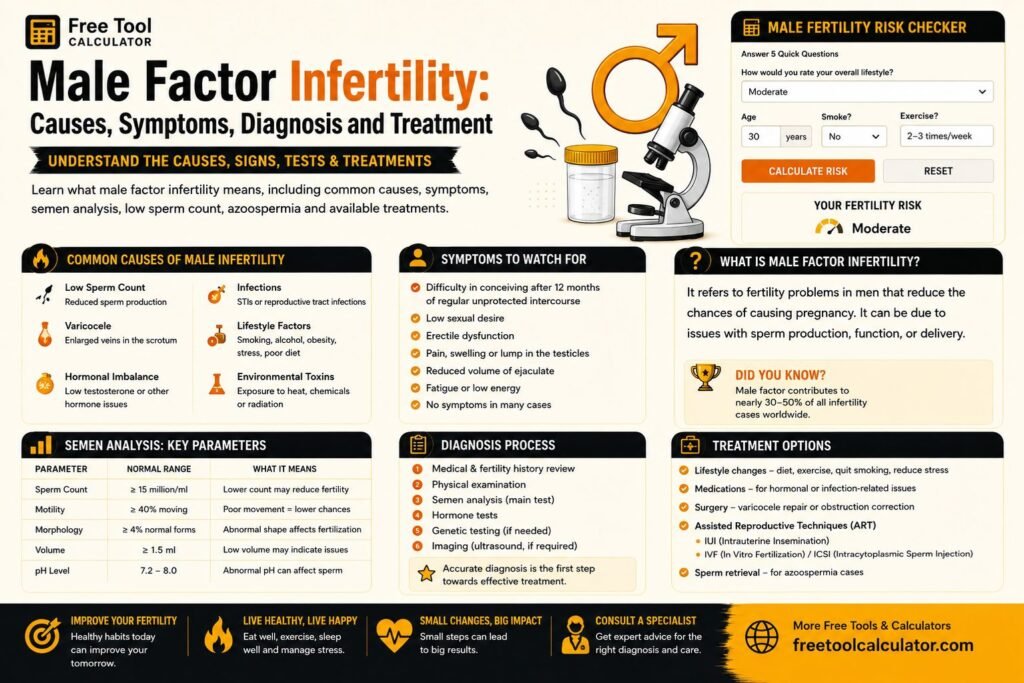
Possible signs and symptoms include:
- Difficulty achieving pregnancy after 12 months of regular unprotected intercourse
- Reduced sexual desire
- Difficulty getting or maintaining an erection
- Premature, delayed, painful or absent ejaculation
- Very little or no semen during ejaculation
- Cloudy urine after orgasm
- Pain, swelling or a lump in the testicle or scrotum
- Unusually small, soft or firm testicles
- Reduced facial or body hair
- Loss of muscle mass or reduced physical energy
- Breast tissue enlargement
- Repeated respiratory infections in certain inherited conditions
- A history of undescended testicles, testicular injury or reproductive surgery
- Abnormal semen analysis results
These symptoms do not always mean that a man is infertile. Erectile dysfunction, low libido, testicular discomfort and hormone-related symptoms may have several possible causes. A qualified clinician must evaluate the complete medical picture.
No Pregnancy After One Year of Trying
The inability to achieve pregnancy is often the only indication of a male fertility issue. Many men do not discover that they have a low sperm count or poor sperm movement until they and their partner undergo fertility testing.
The amount of time it takes to conceive varies between couples. Not becoming pregnant during the first few months does not necessarily indicate infertility. Medical evaluation is usually advised after 12 months of regular unprotected intercourse, although individual circumstances may justify earlier testing.
Regular intercourse generally means having sex every two to three days throughout the menstrual cycle or timing intercourse around the fertile window. Long periods without intercourse or repeatedly missing ovulation may reduce the chance of pregnancy without indicating a sperm problem.
Men should not assume that previous fertility guarantees current fertility. A person who has fathered a child before may later develop secondary infertility because of age, illness, surgery, medication, hormone exposure or changes in sperm production.
Symptoms of Low Sperm Count
A low sperm count is known medically as oligozoospermia. It means that the semen contains fewer sperm than expected. The main symptom is usually difficulty starting a pregnancy, and many men have no other noticeable signs.
Low sperm count cannot be reliably identified by looking at semen. A normal amount of ejaculate may contain very few sperm or no sperm, while low semen volume does not automatically mean the sperm concentration is low.
When an underlying hormone or testicular condition is responsible, a man may experience reduced sex drive, erectile dysfunction, testicular changes or reduced facial and body hair.
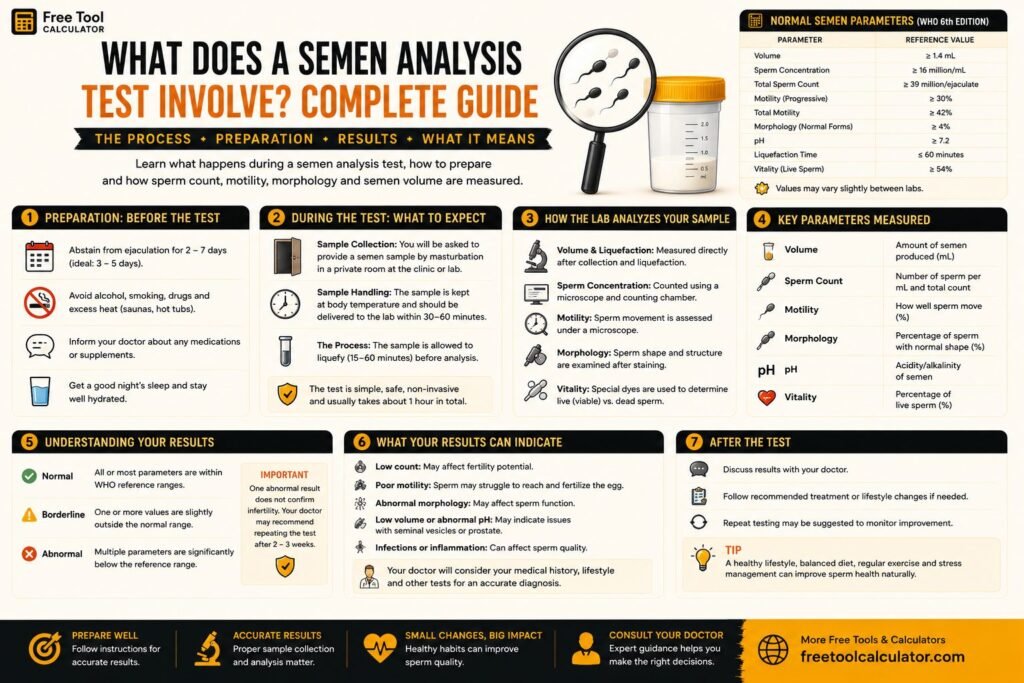
A semen analysis is required to measure sperm concentration and total sperm number. Results should be interpreted by a healthcare professional because semen measurements can vary between samples.
Symptoms of No Sperm in Semen
Azoospermia means that no sperm are detected in ejaculated semen. It may occur because the testicles are not producing enough sperm or because a blockage prevents sperm from entering the ejaculate.
Most men with azoospermia still produce semen, experience orgasm and ejaculate normally. The semen may look completely normal because sperm represent only a small part of its overall volume.
Possible associated symptoms depend on the cause and may include:
- Small testicles
- Reduced facial or body hair
- Low sexual desire
- Erectile dysfunction
- Breast tissue enlargement
- Previous testicular injury or surgery
- A history of vasectomy
- Missing reproductive ducts
- Signs of a genetic or hormonal condition
Azoospermia can only be confirmed through laboratory examination. Further testing may determine whether the condition results from obstruction or impaired sperm production.
Erectile Dysfunction and Male Infertility
Erectile dysfunction means having difficulty getting or maintaining an erection firm enough for sexual intercourse. It can interfere with conception when vaginal intercourse cannot occur or ejaculation cannot take place in the vagina.
Erectile dysfunction does not automatically mean that sperm production is abnormal. A man can produce healthy sperm while experiencing erection difficulties. However, both problems may occur together when they share an underlying cause such as diabetes, hormone deficiency, neurological disease, medication effects or psychological stress.
Male infertility symptoms associated with sexual intercourse can include difficulty maintaining an erection, premature ejaculation, painful intercourse or anatomical abnormalities that interfere with intercourse.
Persistent erectile dysfunction should be medically assessed because it may also be associated with cardiovascular disease, diabetes or other health conditions requiring treatment.
Low Sex Drive as a Possible Warning Sign
A reduced desire for sexual activity may be associated with stress, relationship concerns, depression, medication use, sleep problems or hormonal conditions.
When low libido occurs alongside infertility, reduced energy, erectile dysfunction, decreased body hair or changes in muscle mass, a doctor may investigate testosterone and other reproductive hormones.
Low sexual desire can reduce how frequently a couple has intercourse, which may lower the chance of conception even when sperm production is normal.
However, libido is not a direct test of fertility. Men with strong sexual desire may have abnormal semen parameters, while men with reduced libido may still produce healthy sperm.
Ejaculation Problems That May Affect Fertility
Normal ejaculation is necessary for sperm to be delivered into the female reproductive tract during intercourse. Several ejaculation problems may contribute to male infertility.
Very Little or No Semen During Orgasm
A dry orgasm occurs when a man experiences orgasm but releases little or no semen. This may result from retrograde ejaculation, obstruction, nerve damage, surgery or certain medications.
It does not necessarily mean that sperm are not being produced. Sperm may be entering the bladder or may be blocked within the reproductive tract.
Cloudy Urine After Ejaculation
Cloudy urine after orgasm can be a sign of retrograde ejaculation. In this condition, semen enters the bladder instead of leaving through the penis. Other common signs include dry orgasms and difficulty achieving pregnancy.
Retrograde ejaculation may be associated with diabetes, prostate or bladder surgery, nerve injury or certain medications.
Painful Ejaculation
Pain during or after ejaculation may be associated with infection, inflammation, prostate problems, pelvic floor dysfunction or blockage of the ejaculatory ducts.
Painful ejaculation may reduce sexual activity and should be evaluated, especially when it occurs with blood in semen, urinary symptoms, fever or pelvic pain.
Delayed or Absent Ejaculation
Some men require an unusually long period of stimulation to ejaculate or cannot ejaculate during intercourse. Causes may include nerve damage, medication effects, diabetes, spinal cord conditions, previous surgery or psychological factors.
Premature Ejaculation
Premature ejaculation does not necessarily cause infertility when semen enters the vagina. It may interfere with conception when ejaculation consistently occurs before penetration.
Testicular Pain, Swelling or Lumps
Pain, swelling or a lump in a testicle or the surrounding scrotum may indicate an underlying condition that could affect fertility.
Possible causes include varicocele, infection, inflammation, fluid collection, hernia, injury, testicular torsion or a testicular tumour.
A varicocele is an enlargement of veins inside the scrotum. It may feel like a soft collection of twisted veins, especially when standing. Some varicoceles cause a dull ache or heaviness, while others produce no symptoms.
Not every testicular lump causes infertility, and not every fertility condition produces a lump. However, any new or unexplained scrotal mass should be examined.
Sudden severe testicular pain, particularly when accompanied by nausea or swelling, requires urgent medical attention. Testicular torsion can interrupt the blood supply and may permanently damage the testicle when treatment is delayed.
Changes in Testicle Size or Firmness
The testicles produce sperm and testosterone. Unusually small, soft or firm testicles may suggest a problem with testicular development, hormone signalling or sperm production.
Some men naturally have one testicle that hangs lower or is slightly different in size from the other. Minor differences are common and do not automatically indicate infertility.
More significant changes, particularly when combined with reduced body hair, low libido or difficulty conceiving, should be medically assessed.
A clinician may examine testicular size and consistency and check for a varicocele, missing reproductive ducts or other structural abnormalities during a male fertility evaluation.
Hormonal Signs of Infertility in Males
Male fertility depends on hormones produced by the brain, pituitary gland and testicles. An imbalance can reduce sperm production and produce symptoms elsewhere in the body.
Possible signs of a hormonal problem include:
- Reduced sexual desire
- Erectile dysfunction
- Reduced facial, chest or body hair
- Loss of muscle mass
- Increased body fat
- Low energy or persistent fatigue
- Breast tissue enlargement
- Hot flushes
- Small testicles
- Delayed or incomplete puberty
Hormonal symptoms do not identify the exact cause. Blood testing may be needed to measure testosterone, follicle-stimulating hormone, luteinizing hormone and prolactin.
Men who use external testosterone or anabolic steroids may experience reduced testicular size and severely suppressed sperm production. Testosterone treatment can improve some symptoms of low testosterone while simultaneously reducing fertility.
Reduced Facial or Body Hair
Reduced facial or body hair may be related to genetics and does not always indicate a medical problem. However, a noticeable reduction in hair growth combined with infertility, low libido or small testicles may suggest insufficient testosterone or another hormonal condition.
Some men with male hypogonadism experience erectile dysfunction, infertility, loss of body hair and reduced muscle mass.
A doctor may review whether the change developed gradually or has been present since puberty. This distinction can help identify whether the possible hormonal problem began during development or adulthood.
Breast Tissue Enlargement
Gynecomastia is the enlargement of glandular breast tissue in males. It can occur during puberty, with ageing, because of medication or when the balance between testosterone and estrogen changes.
Gynecomastia does not necessarily mean that a man is infertile. When it appears alongside low libido, erectile dysfunction, small testicles or difficulty conceiving, hormonal or genetic testing may be considered.
A new breast lump, nipple discharge or one-sided change should be medically assessed rather than assumed to be a fertility symptom.
Repeated Respiratory Infections and Infertility
Repeated respiratory infections are an uncommon but important possible sign in men with certain inherited conditions affecting the movement of microscopic cilia.
Cilia help clear mucus from the lungs and also contribute to sperm movement. Some genetic disorders can therefore cause chronic sinus or lung problems together with poorly moving sperm.
Most men with ordinary colds or seasonal respiratory infections do not have this condition. The pattern becomes more relevant when serious respiratory problems have been present since childhood and occur alongside infertility.
Abnormal Semen Appearance
Men sometimes become concerned about changes in semen thickness, colour or volume. These observations may provide useful information, but they cannot diagnose infertility.
Semen naturally changes consistency after ejaculation. It may initially appear thick and then become more liquid. Volume can vary according to hydration, frequency of ejaculation, collection method and other temporary factors.
Persistently low semen volume may be associated with incomplete collection, retrograde ejaculation, hormone deficiency or blockage. Blood in semen may result from infection, inflammation or another condition and should be assessed when persistent or accompanied by other symptoms.
Normal-looking semen may contain a low sperm count, poorly moving sperm or no sperm. The only reliable way to assess sperm concentration, motility and morphology is through semen analysis. Poor-quality semen may involve very low or absent sperm, sperm that do not move properly or abnormally shaped sperm.
Signs of Infertility After Testicular Injury
Previous testicular injury may affect fertility even after pain and swelling have resolved. Damage can reduce sperm production, particularly when both testicles are affected.
Possible warning signs include persistent discomfort, testicular shrinkage, a change in firmness or difficulty conceiving later in life.
A history of sports injury, accident, surgery or testicular torsion should be mentioned during fertility evaluation, even when it occurred many years earlier.
Signs Associated With Undescended Testicles
An undescended testicle is one that did not move into the scrotum normally during childhood. Men who had one or both undescended testicles may have a higher risk of reduced sperm production.
The condition is usually identified and treated during childhood, but some adults may have a history of delayed correction or may notice that one testicle is absent from the scrotum.
Previous treatment improves testicular positioning and may reduce some health risks, but fertility may still be affected, particularly when both testicles were undescended.
Can a Man Be Infertile Without Symptoms?
Yes. Many men with infertility have no visible, physical or sexual symptoms. They may have normal erections, normal ejaculation, normal testosterone levels and no testicular pain.
Conditions such as low sperm count, poor sperm motility, abnormal sperm morphology and sperm DNA damage generally cannot be felt or observed without laboratory testing.
This is why symptoms alone should not be used to determine fertility. A man who has no warning signs may still benefit from testing when pregnancy has not occurred after an appropriate period.
What Causes the Symptoms of Male Infertility?
Symptoms may arise from the underlying condition rather than infertility itself. Common causes include:
- Low sperm production
- Poor sperm movement or morphology
- Varicocele
- Hormonal imbalance
- Genetic conditions
- Blockage of the reproductive tract
- Testicular infection or inflammation
- Undescended testicles
- Testicular torsion or injury
- Diabetes
- Neurological conditions
- Previous pelvic or reproductive surgery
- Cancer treatment
- External testosterone use
- Anabolic steroid use
- Certain medications
- Retrograde ejaculation
- Erectile or ejaculation dysfunction
Poor-quality semen is a common male fertility factor. Possible abnormalities include a very low sperm count, no sperm, sperm that do not move properly and abnormal sperm shape.
How Male Infertility Is Diagnosed
A man cannot be diagnosed with infertility from symptoms alone. The evaluation normally begins with medical history, physical examination and semen analysis.
Medical History
A healthcare professional may ask about previous pregnancies, duration of trying to conceive, sexual activity, puberty, childhood illness, surgery, injury, infections, medication and family history.
The clinician may also ask about testosterone products, anabolic steroids, recreational drugs, smoking, alcohol and occupational exposure.
Physical Examination
The examination may assess testicular size and consistency, the penis, reproductive ducts and the presence of a varicocele or other scrotal abnormality.
Semen Analysis
Semen analysis measures the volume of semen and evaluates sperm concentration, total number, movement and shape. It may also identify signs suggesting infection.
A single abnormal result may need to be repeated because sperm values can change between samples. Fever, recent illness, incomplete collection and the period of abstinence before testing may affect results.
Hormone Testing
Blood tests may measure testosterone and hormones that regulate sperm production. They are particularly useful when sperm concentration is very low or hormonal symptoms are present.
Ultrasound and Additional Testing
Ultrasound may help investigate a lump, suspected blockage or another structural concern. Genetic testing may be recommended for men with no sperm or a severely reduced sperm count.
When Should You See a Doctor?
Arrange a fertility evaluation when pregnancy has not occurred after 12 months of regular unprotected sex. Seek advice sooner when the female partner is 35 or older or when either partner has a known fertility risk.
A man should also consider earlier assessment when he has:
- Erectile or ejaculation problems
- Very little or no semen during orgasm
- Persistent testicular pain or swelling
- A testicular lump
- Small or changing testicles
- Reduced libido and body hair
- A history of undescended testicles
- Previous testicular injury or torsion
- Previous vasectomy or pelvic surgery
- Previous chemotherapy or radiotherapy
- Use of testosterone or anabolic steroids
- A known genetic or hormonal condition
- An abnormal semen analysis
Sudden intense testicular pain should be treated as an emergency rather than handled through a routine fertility appointment.
Can Male Infertility Be Treated?
Many causes of male infertility can be treated or managed. The correct approach depends on the diagnosis rather than symptoms alone.
Treatment may include addressing infection, changing a fertility-affecting medication under medical supervision, treating a hormonal disorder, repairing a blockage or treating a clinically significant varicocele.
Sexual or ejaculation problems may improve through medication, counselling, specialist therapy or assisted ejaculation techniques.
When sperm abnormalities cannot be reversed, fertility treatments may include intrauterine insemination, in vitro fertilization or intracytoplasmic sperm injection.
Sperm may sometimes be surgically retrieved from the epididymis or testicle when none are present in the ejaculate.
External testosterone should not be started as a fertility treatment. It can suppress the hormonal signals needed for sperm production and may reduce or stop sperm production.
Frequently Asked Questions About Signs of Male Infertility
What are the first signs of infertility in males?
The first sign is usually the inability to achieve pregnancy after 12 months of regular unprotected intercourse. Many men have no other symptoms.
How can a man know whether he is infertile?
Symptoms cannot confirm infertility. A semen analysis, medical history and physical examination are needed to evaluate male fertility.
Does watery semen mean infertility?
No. Semen appearance alone cannot determine sperm count or fertility. Laboratory testing is required.
Does thick semen mean a high sperm count?
No. Semen thickness does not reliably indicate how many sperm are present or whether they move normally.
Can a man ejaculate normally and still be infertile?
Yes. Semen may look normal while containing a low sperm count, poorly moving sperm or no sperm.
Is erectile dysfunction a sign of infertility?
It can contribute to infertility by preventing intercourse or ejaculation in the vagina, but it does not always mean that sperm production is abnormal.
Can low testosterone cause infertility?
Hormonal conditions associated with low testosterone may reduce sperm production. However, external testosterone treatment can also suppress sperm production.
Is testicular pain a sign of infertility?
Testicular pain may result from a condition that affects fertility, but many causes do not lead to infertility. Persistent or severe pain should be medically assessed.
Can a varicocele cause symptoms?
A varicocele may cause scrotal heaviness, aching, visible veins or differences in testicular size. Many varicoceles cause no symptoms.
Does low semen volume indicate infertility?
Not necessarily. Low volume may result from incomplete collection, frequent ejaculation, retrograde ejaculation, obstruction or hormonal problems.
Can cloudy urine after sex indicate infertility?
Cloudy urine after orgasm may indicate retrograde ejaculation, especially when little or no semen is released.
Can male infertility develop later in life?
Yes. Illness, injury, surgery, medication, hormone exposure, varicocele and other conditions can affect fertility after a man has previously fathered a child.
Can a man with a low sperm count have no symptoms?
Yes. Most men with a low sperm count have no clear symptoms apart from difficulty achieving pregnancy.
Can infertility affect sexual performance?
The underlying cause may affect erections, ejaculation or libido, but many infertile men have completely normal sexual function.
Does male infertility mean natural pregnancy is impossible?
No. Some men with abnormal semen results can still achieve pregnancy naturally. The likelihood depends on the severity and the fertility of both partners.
Should both partners be tested?
Yes. Evaluating both partners at the same time can identify combined factors and reduce delays.
Which doctor diagnoses male infertility?
A reproductive urologist, andrologist or fertility specialist can investigate male reproductive problems.
Is semen analysis painful?
No. A semen sample is usually collected into a sterile container and examined in a laboratory.
Can infertility symptoms disappear without treatment?
Temporary symptoms may improve when caused by illness, medication or reversible hormonal changes. Persistent difficulty conceiving should still be evaluated.
When is male infertility considered permanent?
Some genetic conditions, severe testicular damage and certain reproductive abnormalities may cause permanent infertility. Even then, sperm retrieval or assisted reproduction may sometimes remain possible.
Conclusion
The signs and symptoms of infertility in males can be easy to miss. For many men, the only sign is that pregnancy does not occur after 12 months of regular unprotected intercourse.
Other possible warning signs include erectile dysfunction, ejaculation difficulties, low sexual desire, testicular pain or swelling, small testicles, reduced body hair, breast enlargement and hormonal changes.
None of these symptoms can confirm infertility by itself. Some infertile men have no symptoms, while many men with these symptoms remain fertile.
A complete evaluation usually includes medical history, physical examination and semen analysis. Hormone tests, ultrasound or genetic testing may be recommended when the initial findings suggest a specific condition.
Early assessment can identify treatable causes and help couples understand their options. Male infertility should be treated as a medical condition rather than a reflection of masculinity, sexual ability or personal worth.
This article provides general educational information and does not replace diagnosis or treatment from a qualified healthcare professional.