Introduction
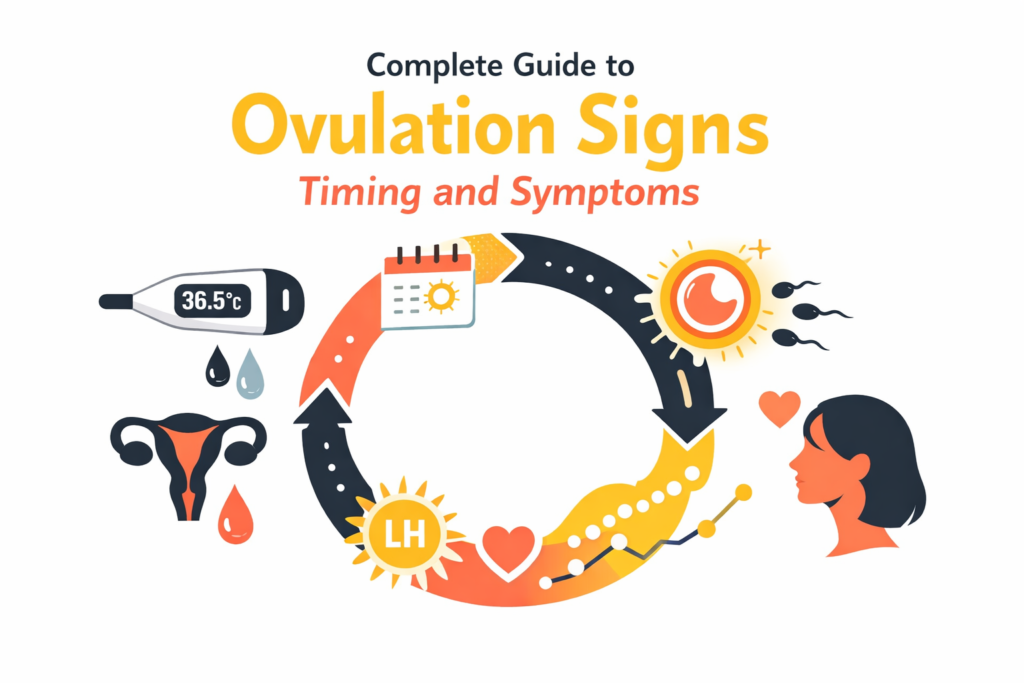
Fertility depends heavily on timing. Even with regular menstrual cycles conception can feel unpredictable without a clear understanding of ovulation and the fertile window. Many people assume pregnancy can happen at any point in the cycle but biologically fertility is limited to a short window each month. Knowing when this window occurs how to track it accurately and what factors can affect ovulation improves the chances of conception and reduces unnecessary stress. This article explains fertility timing in detail and shows how tools like the free ovulation and fertility calculator https://freetoolcalculator.com/ovulation-fertility-calculator/ can help estimate your most fertile days.
What Is the Fertile Window
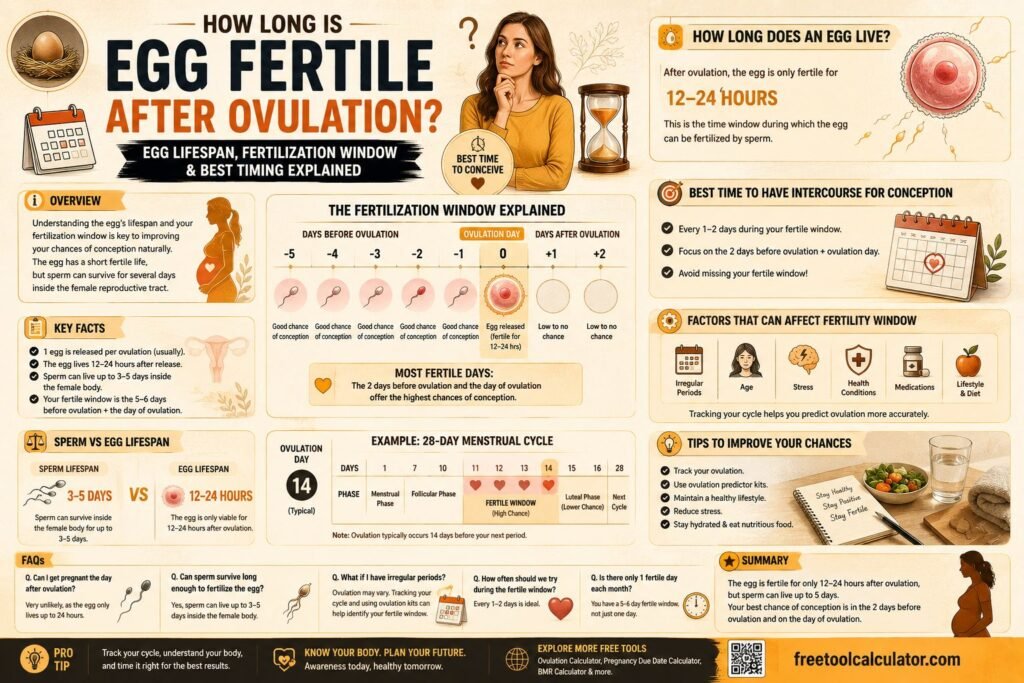
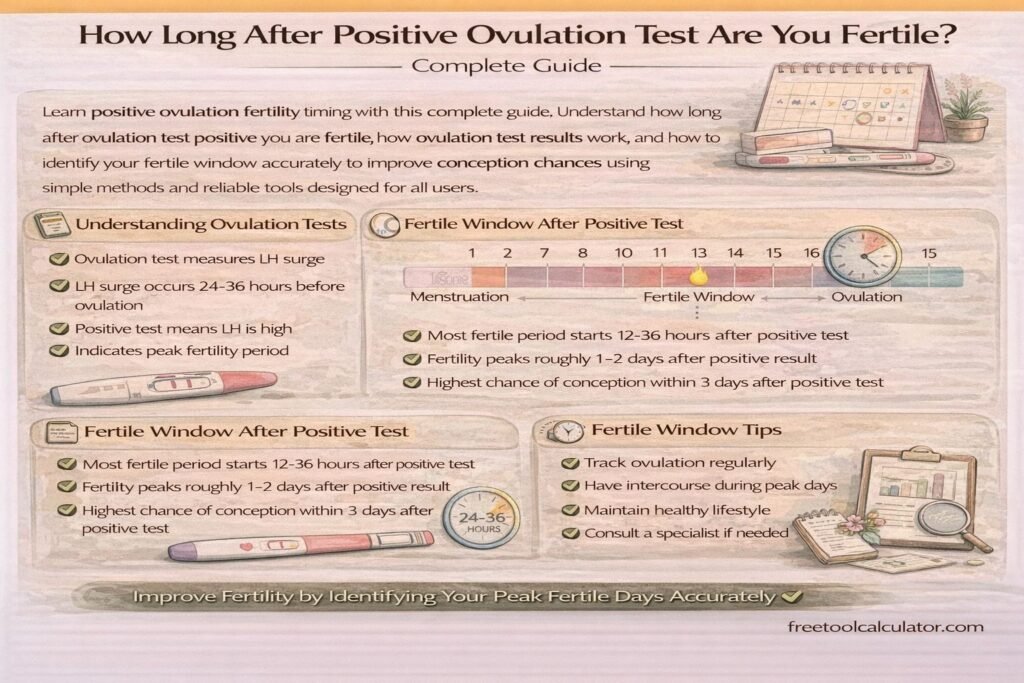
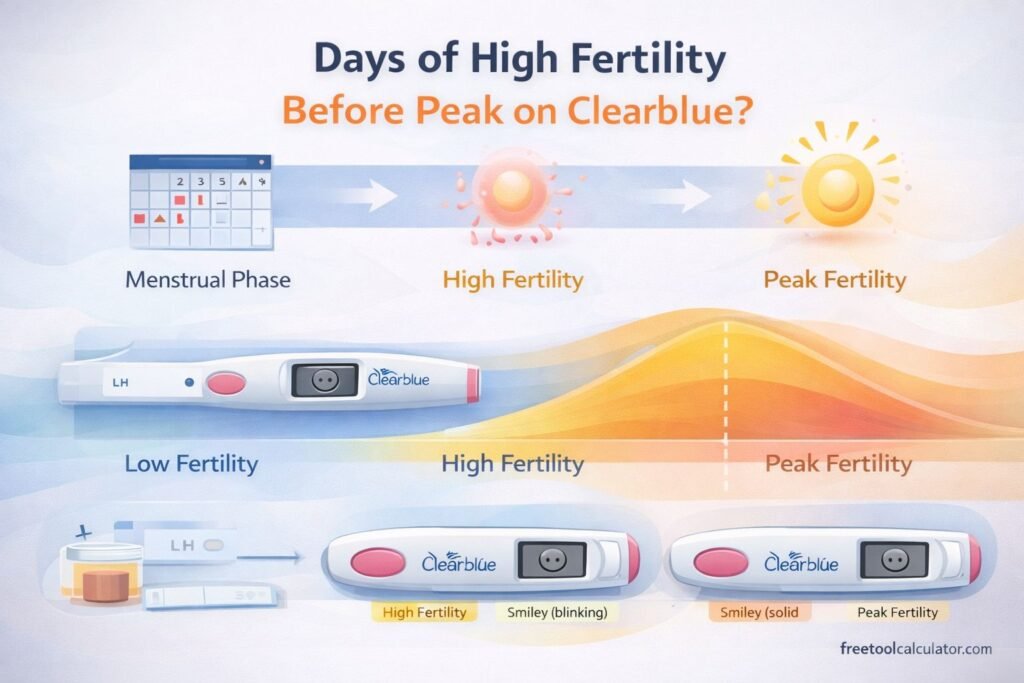
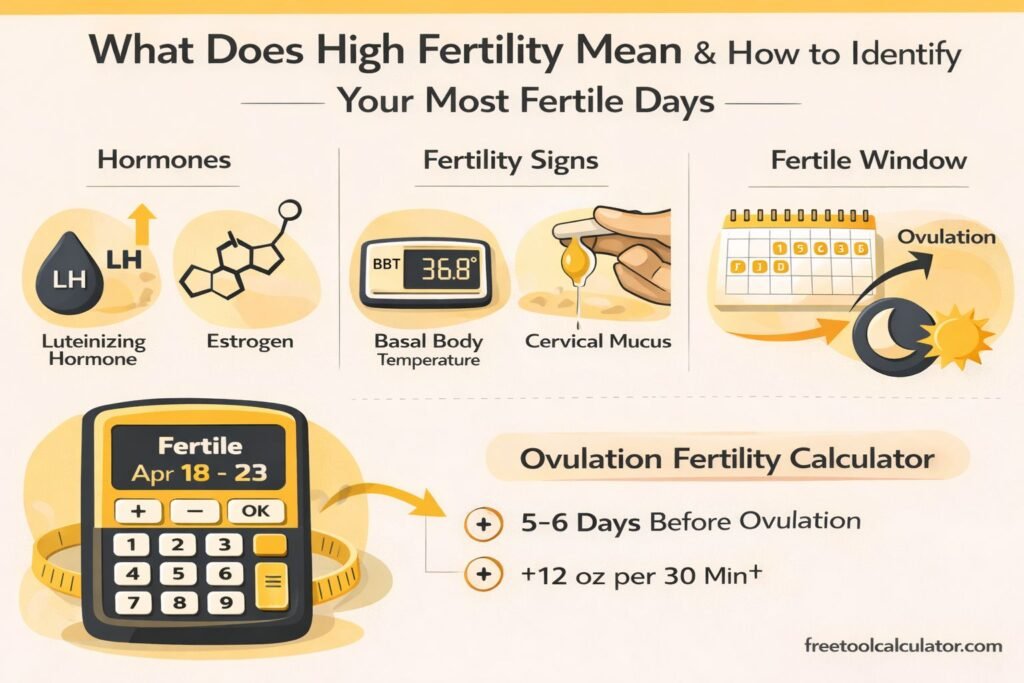
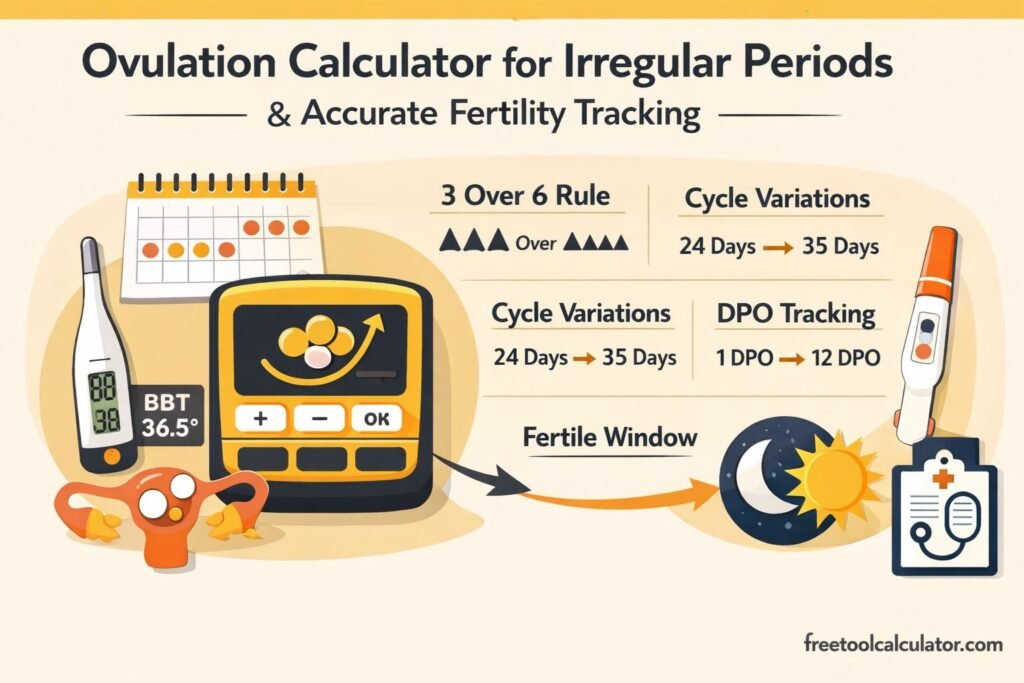
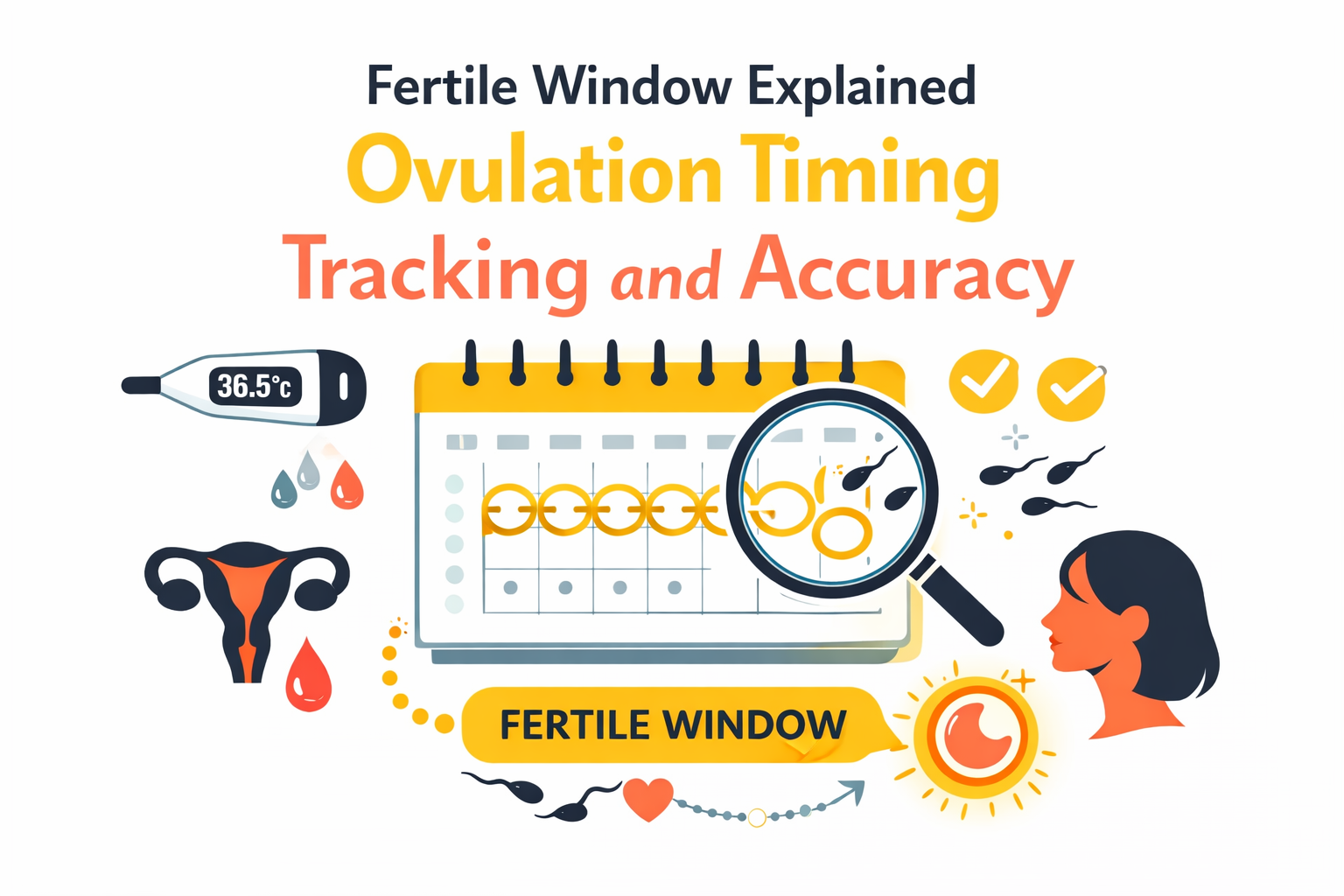
The fertile window refers to the six day period during which pregnancy is possible. It includes the five days leading up to ovulation and the day ovulation itself occurs. This window exists because sperm can survive inside the female reproductive tract for several days while the egg remains viable for a much shorter time. Intercourse during this six day window creates the opportunity for sperm to be present when the egg is released.
When Is the Best Time to Have Sex to Get Pregnant
Research consistently shows that conception rates are highest when intercourse occurs one to two days before ovulation. These days offer the ideal environment for sperm survival and egg fertilization. While sex on the day of ovulation can still result in pregnancy the egg’s limited lifespan makes earlier timing slightly more favorable. Couples trying to conceive are often advised to have intercourse every one to two days during the fertile window to maximize chances.
How Long Can Sperm Survive in the Body
Sperm can survive in the female reproductive tract for up to five days under optimal conditions. Cervical mucus around ovulation provides a supportive environment that nourishes and protects sperm allowing them to remain viable until the egg is released. This explains why pregnancy can occur even when intercourse happens several days before ovulation rather than only on ovulation day itself.
Can You Get Pregnant Right After Your Period Ends
Yes pregnancy is possible shortly after your period ends especially if you have a short menstrual cycle. In cycles around twenty one days ovulation may occur soon after bleeding stops. If intercourse happens near the end of menstruation sperm may survive long enough to fertilize an egg released early in the cycle. This is one reason calendar based methods alone are not always reliable.
Can You Get Pregnant on Your Period
Although uncommon pregnancy during menstruation is possible. This usually occurs in individuals with long periods and short cycles. In these cases sperm from intercourse during menstruation may survive until ovulation occurs. While the likelihood is low it is not zero particularly when cycles are irregular.
How Ovulation Predictor Kits Work
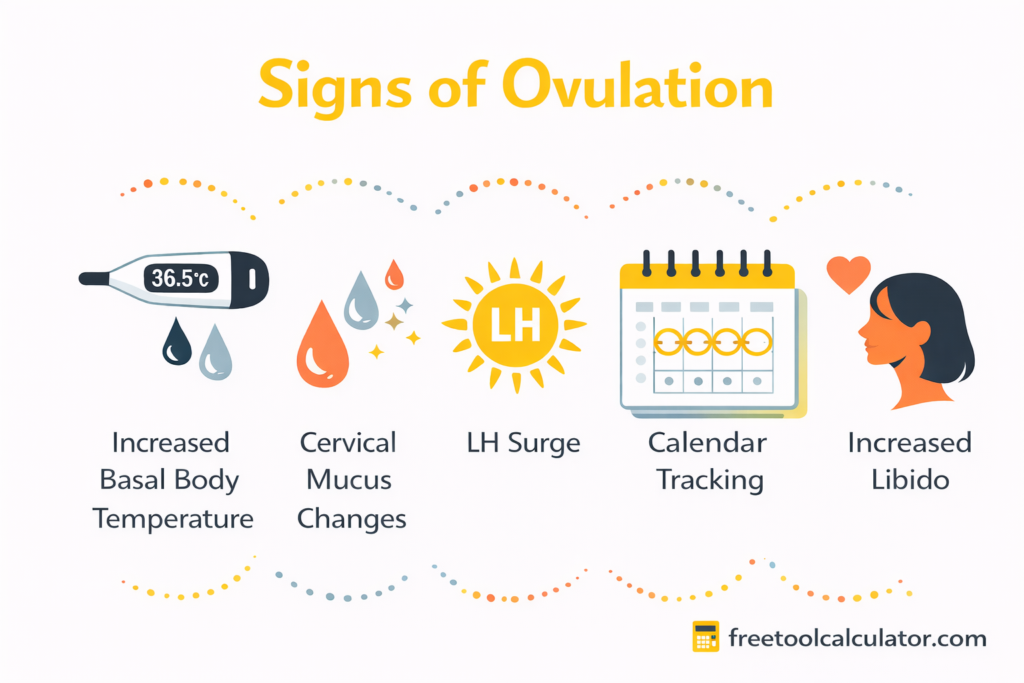
Ovulation predictor kits commonly known as OPKs detect the surge of luteinizing hormone in urine. This hormone surge typically occurs twenty four to thirty six hours before ovulation. A positive OPK result indicates that ovulation is approaching and that the fertile window is at its peak. OPKs are especially useful for individuals with irregular cycles or those seeking more precise timing.
Understanding the Three Over Six Rule for Basal Body Temperature
The three over six rule is a method used to confirm ovulation through basal body temperature tracking. Ovulation is considered confirmed when three consecutive temperature readings are higher than the previous six readings. This temperature shift occurs due to progesterone release after ovulation. While BBT tracking confirms ovulation after it happens it is valuable for identifying patterns over multiple cycles.
Are Fertility Apps Reliable
Fertility apps can be helpful for tracking cycle trends symptoms and historical data. However many studies up to 2025 suggest that apps relying only on calendar averages are less accurate for predicting exact ovulation days. Cycle length variations stress illness and lifestyle changes can all shift ovulation timing. Apps are most effective when combined with physical signs OPKs or temperature tracking rather than used alone.
Factors That Can Delay or Stop Ovulation
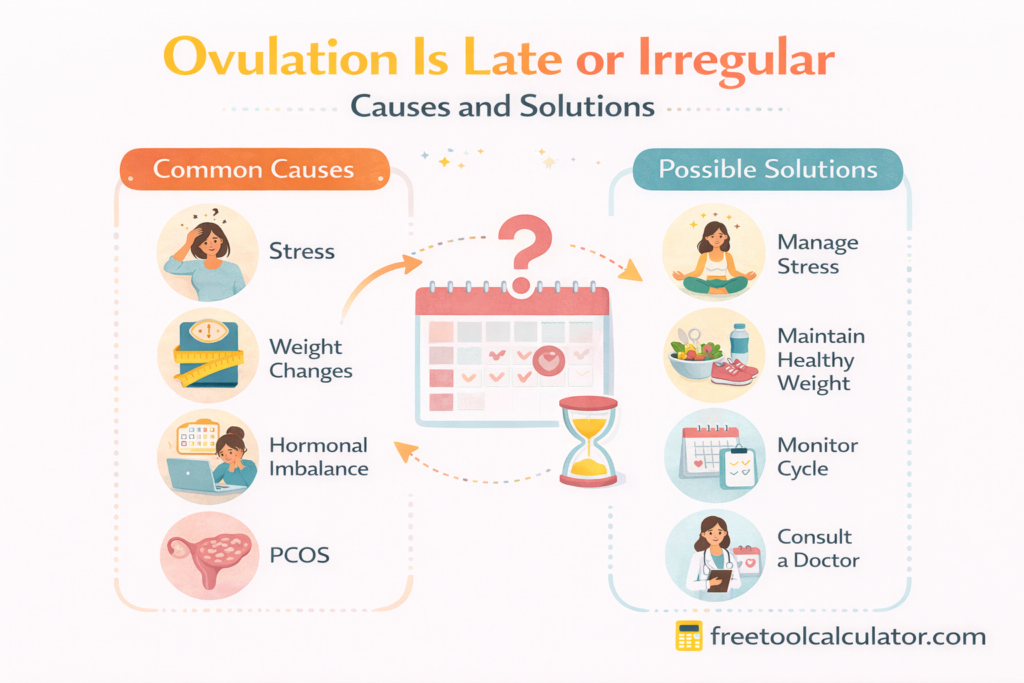
Ovulation is sensitive to both physical and emotional stressors. High stress levels sudden weight loss or gain excessive exercise and inadequate nutrition can all disrupt hormonal signals that trigger ovulation. Medical conditions such as polycystic ovary syndrome thyroid disorders elevated prolactin levels and chronic illness may also interfere with ovulation. Addressing these factors often restores regular ovulatory cycles.
When Should You See a Doctor About Ovulation
Medical guidance is recommended if you experience consistently irregular cycles very long or very short cycles or frequent anovulatory cycles. Couples trying to conceive should consider seeing a fertility specialist after twelve months of regular unprotected intercourse or after six months if the female partner is over thirty five. Early evaluation helps identify potential issues and improves treatment outcomes.
Why Tracking Ovulation Improves Fertility Outcomes
Tracking ovulation helps align intercourse with the fertile window reduces uncertainty and improves conception efficiency. It also provides insight into cycle regularity hormone patterns and overall reproductive health. Combining multiple tracking methods offers the most accurate results. Digital tools such as the ovulation and fertility calculator https://freetoolcalculator.com/ovulation-fertility-calculator/ simplify this process by estimating fertile days based on cycle data.
Common Misconceptions About Fertility Timing
Many people believe ovulation always occurs on day fourteen or that pregnancy cannot happen outside a narrow window. In reality ovulation timing varies significantly and fertility depends on both egg and sperm lifespan. Another misconception is that fertility tracking guarantees pregnancy. Tracking improves timing but does not override other biological factors such as egg quality sperm health and overall reproductive function.
Final Thoughts
Fertility timing is both predictable and variable. Understanding the fertile window sperm survival and ovulation tracking methods empowers individuals to make informed decisions whether trying to conceive or simply understand their cycle better. While no method is perfect combining physical signs hormonal testing and digital tools provides the most reliable insight. If cycles remain irregular or conception is delayed professional evaluation ensures underlying causes are addressed early. Use the free ovulation and fertility calculator https://freetoolcalculator.com/ovulation-fertility-calculator/ to support accurate tracking and greater confidence in your fertility journey.