Introduction
Body fat percentage is one of the most informative measurements of health and physical condition available today. Unlike body weight or body mass index which only consider total mass relative to height body fat percentage reveals how much of your body is composed of fat tissue compared to lean tissue such as muscle bone and organs. Understanding what is body fat percentage, why it matters and how it correlates with health outcomes empowers you to make evidence-based lifestyle decisions. Measuring body fat accurately can help with weight loss planning athletic training and disease prevention. You can quickly assess your personal value using a free body fat percentage calculator at https://freetoolcalculator.com/body-fat-percentage-calculator/ which provides insightful feedback beyond your scale number.
What Is Body Fat Percentage
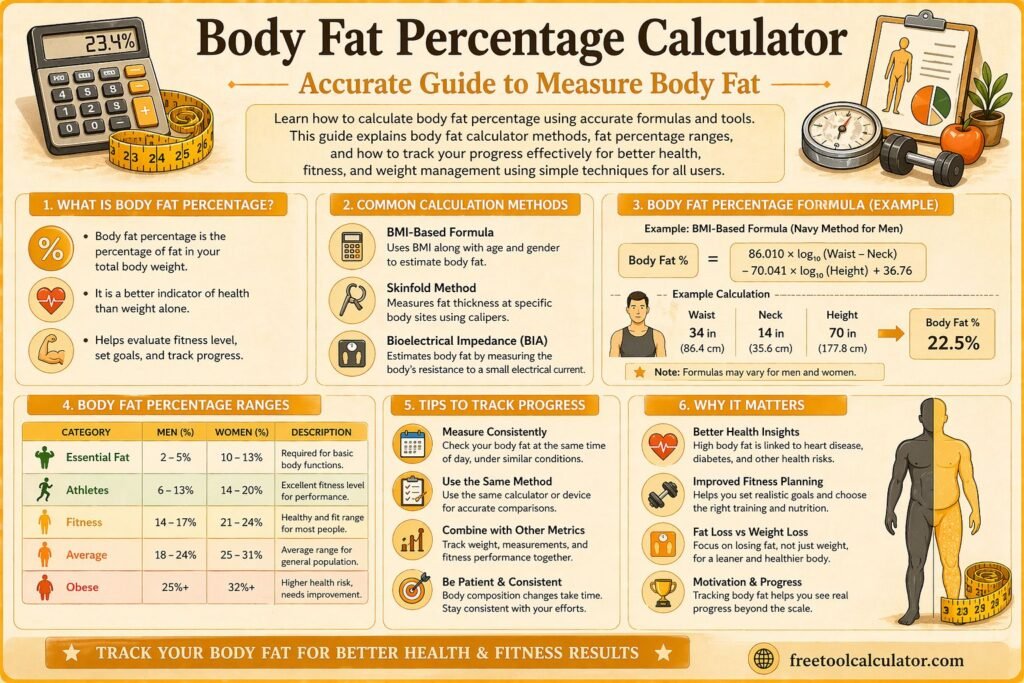
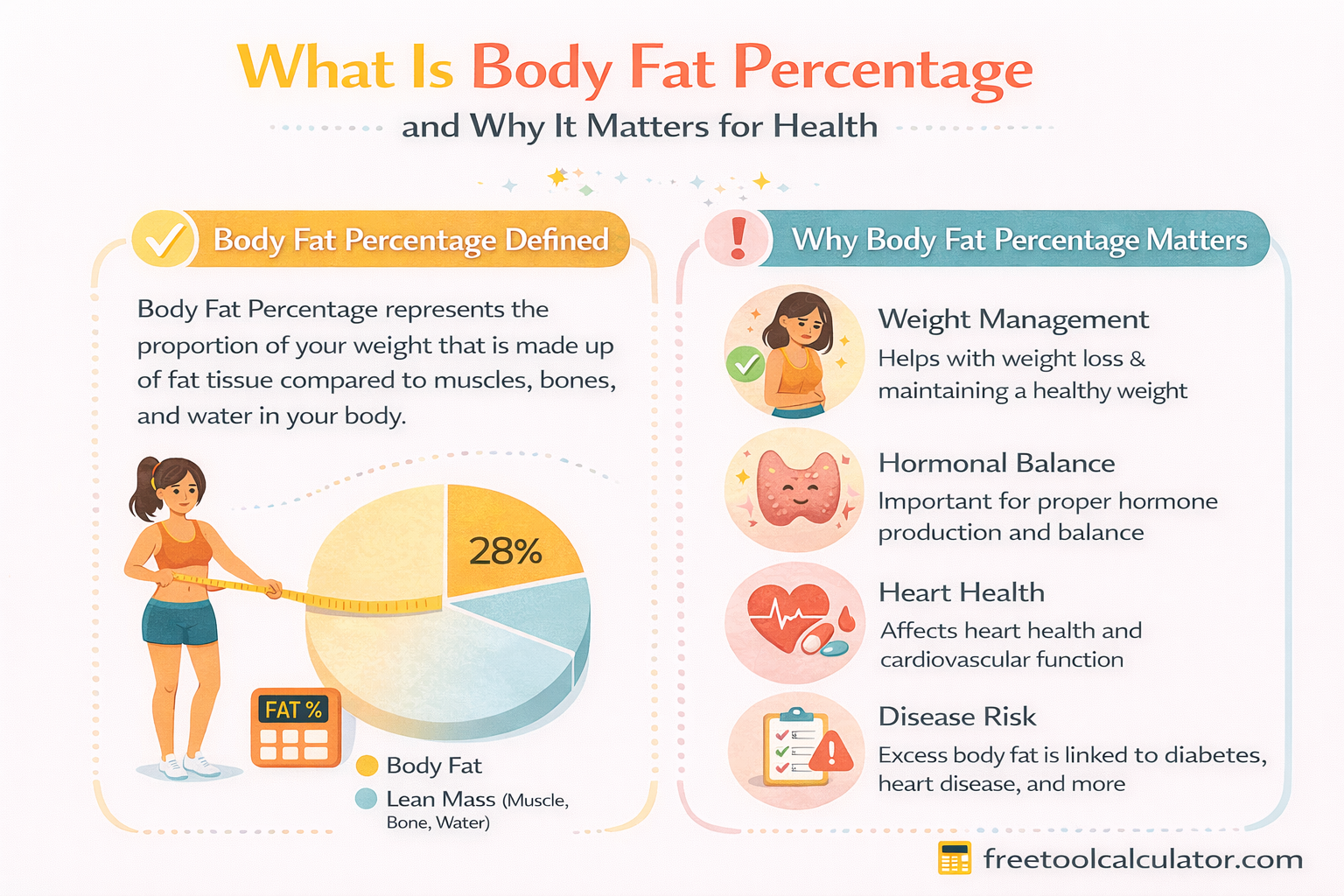
Body fat percentage is the proportion of your total body mass that is made up of fat tissue. For example if someone weighs 70 kilograms and has 14 kilograms of fat their body fat percentage is 20 percent. This measurement reflects both essential fat which supports normal physiological functions and storage fat which accumulates with excess caloric intake.
Essential fat is necessary for life and reproductive health. Storage fat serves as an energy reserve but excessive storage fat is linked to adverse health outcomes.
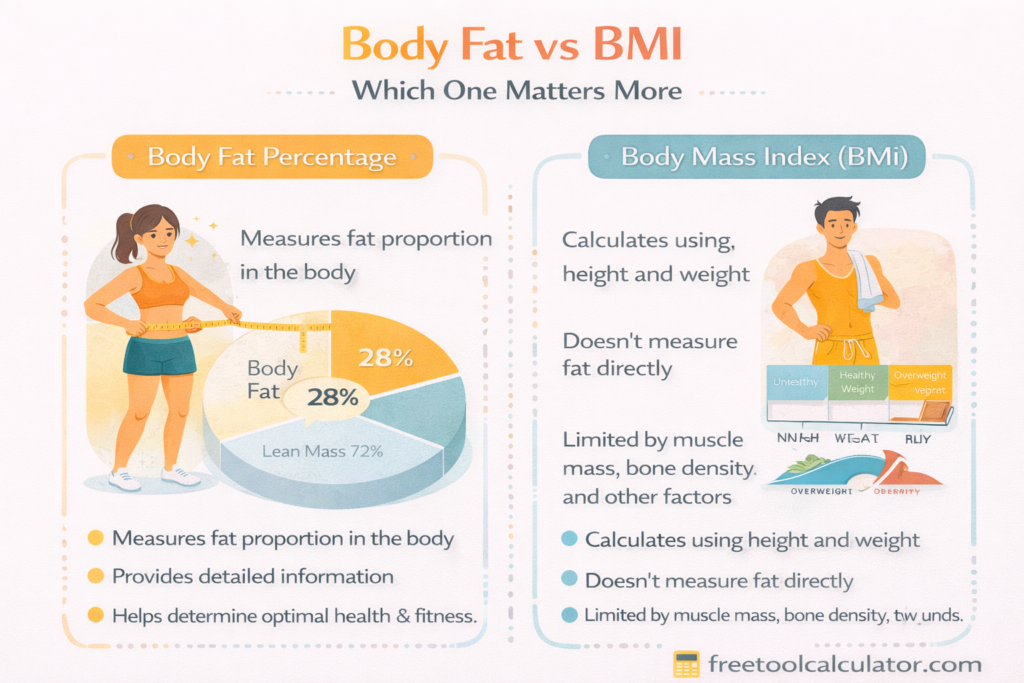
How Body Fat Differs From Body Weight and BMI
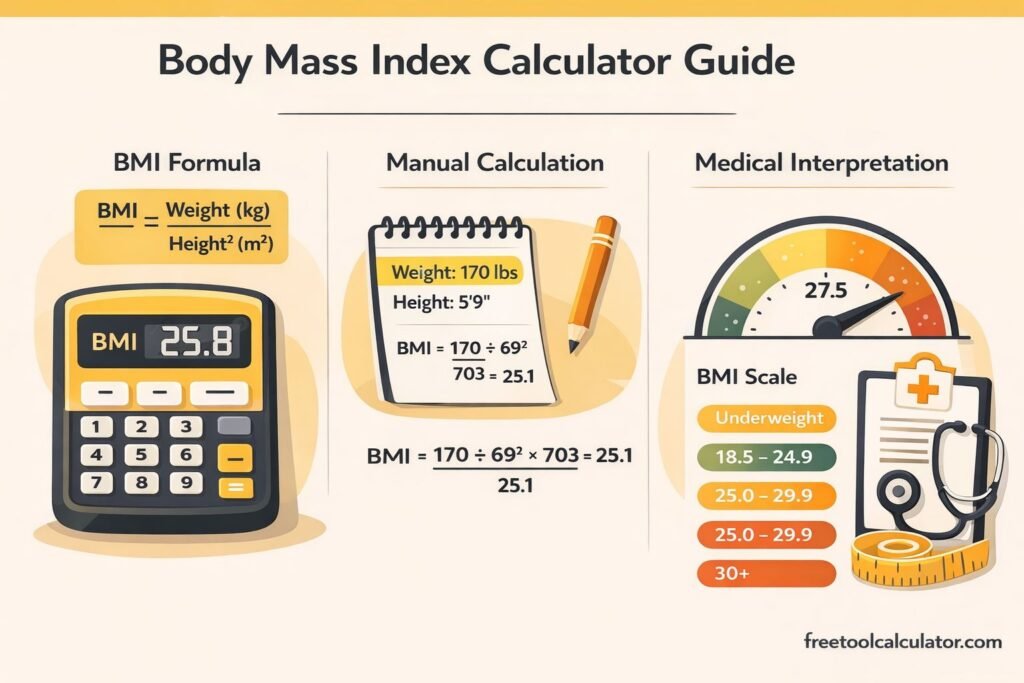
Body weight and body mass index (BMI) are useful but limited tools. Body weight alone cannot distinguish between fat mass and muscle mass. Two people with identical weight and BMI may have very different body compositions — one might be lean and muscular while the other carries higher fat levels. Body fat percentage provides more meaningful insight into metabolic health and fitness.
BMI does not account for variations in muscle mass distribution or fat patterning. An athlete may have a high BMI but low body fat percentage and excellent health. Conversely a person with a normal BMI but high body fat percentage may face metabolic risks.
Why Body Fat Percentage Matters
Body fat percentage is strongly correlated with health outcomes in both men and women. High body fat is associated with increased risk of cardiovascular disease type 2 diabetes hypertension and metabolic syndrome. Low body fat in excess may compromise immune function reproductive health and hormonal balance.
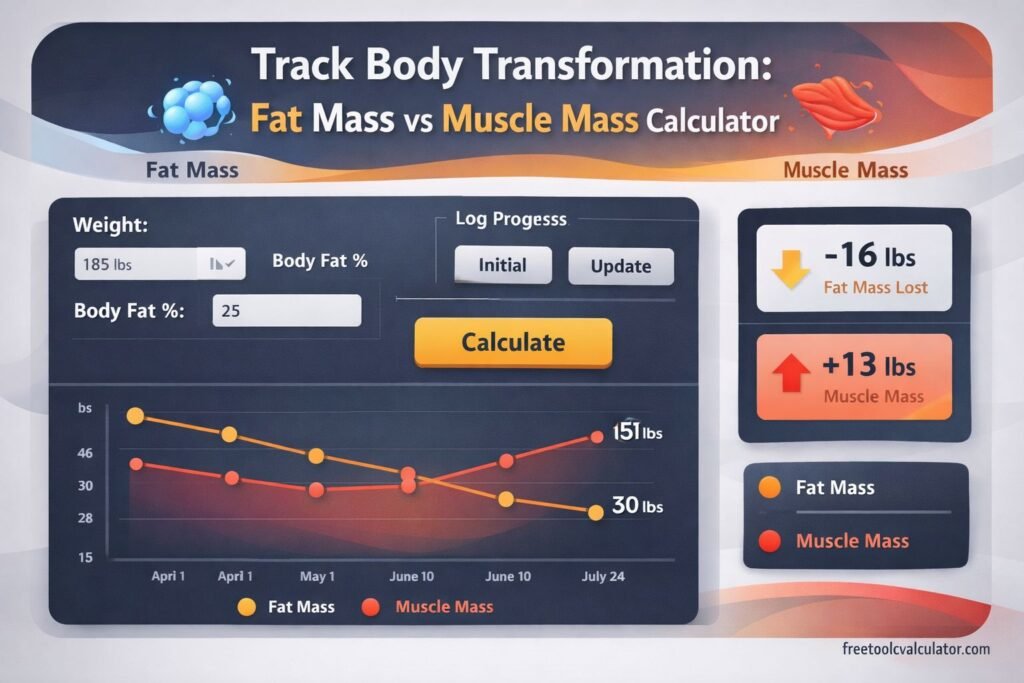
Tracking body fat percentage over time gives a clearer picture of progress during weight loss or fitness programs. It can reveal whether weight changes are due to fat loss or muscle loss which is critical for safe and sustainable health improvements.
Healthy Body Fat Percentage Ranges
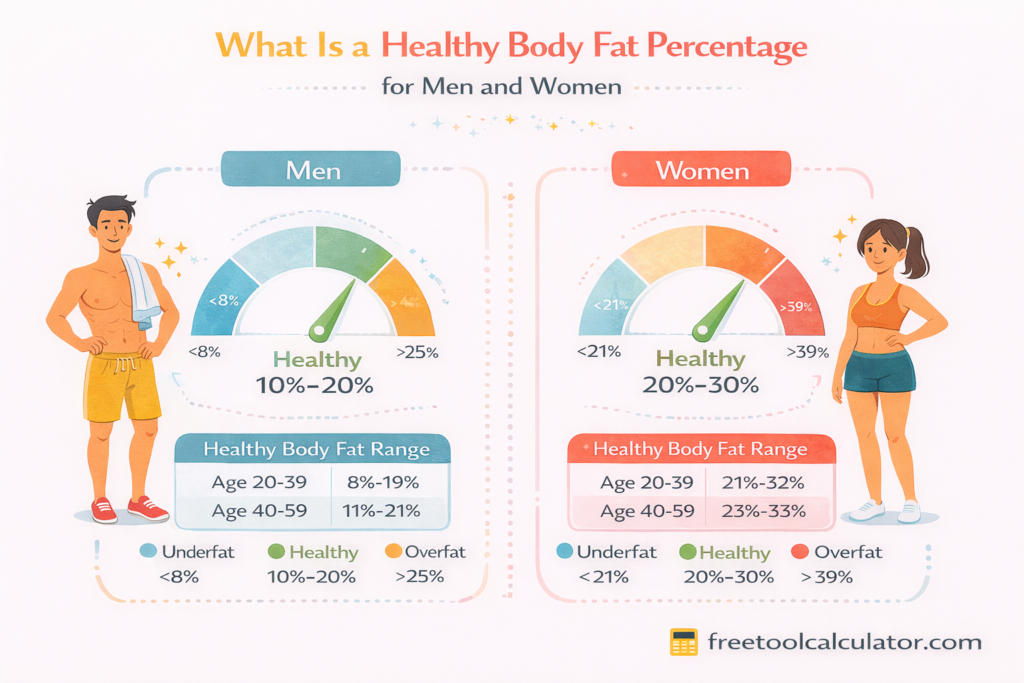
Healthy ranges vary by sex age and fitness level. Generally:
For adult men
• Essential fat: 2-5 percent
• Athletes: 6-13 percent
• Fitness: 14-17 percent
• Acceptable: 18-24 percent
• Obese: 25 percent and higher
For adult women
• Essential fat: 10-13 percent
• Athletes: 14-20 percent
• Fitness: 21-24 percent
• Acceptable: 25-31 percent
• Obese: 32 percent and higher
Women naturally have higher body fat due to reproductive and hormonal demands. The ranges above are broad guidelines and individual goals should consider age health history and fitness aims.
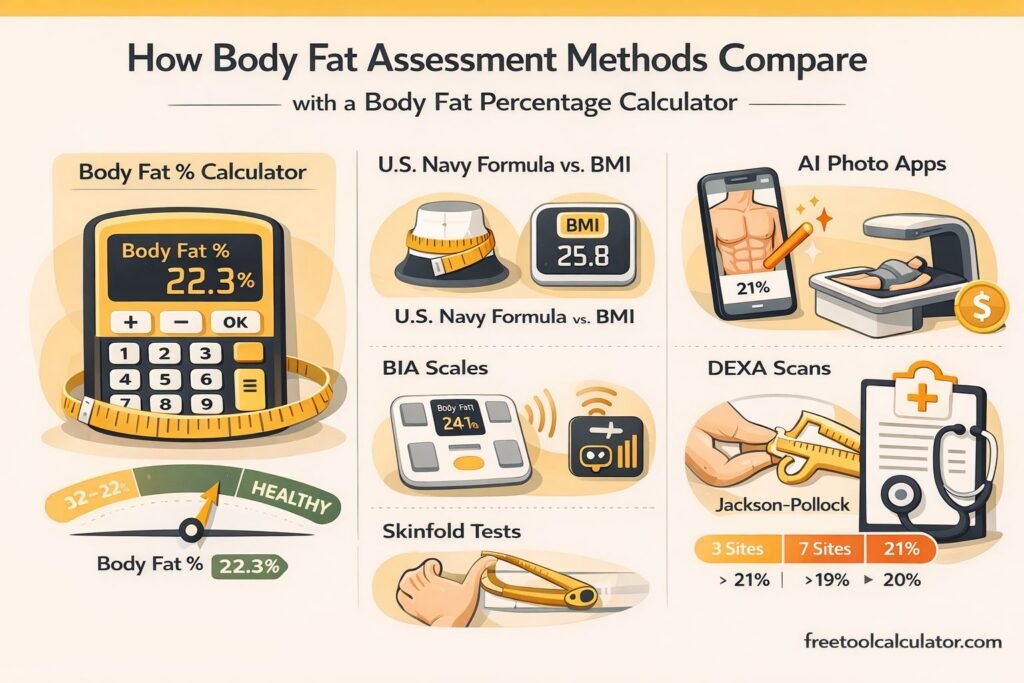
How Body Fat Percentage Is Measured
There are multiple methods for estimating body fat:
Skinfold Measurements
Skinfold calipers measure fat at specific body sites. When performed by trained professionals this method provides reasonable estimates but accuracy depends on skill and consistency.
Bioelectrical Impedance Analysis
BIA devices send a weak electrical current through the body to estimate fat based on resistance. Results vary with hydration levels and device quality but are useful for tracking trends.
Dual Energy X-ray Absorptiometry
DEXA is a highly accurate imaging method that measures fat bone and lean mass distribution. It is considered a gold standard but is expensive and not widely available.
Hydrostatic Weighing and Air Displacement
These techniques measure body volume and density to estimate body fat. They are accurate but require special equipment not accessible to most individuals.
Online and Calculator Estimates
Online tools such as the body fat percentage calculator at https://freetoolcalculator.com/body-fat-percentage-calculator/ use formulas based on sex height weight and other inputs to provide quick estimates. While not as precise as DEXA they are practical for regular tracking.
How to Use a Body Fat Percentage Calculator
Using a body fat calculator is simple and non invasive. Input basic information such as age sex height and weight. Some calculators allow additional measurements such as waist circumference or hip measurements to improve accuracy. The calculator then estimates your body fat percentage and often places your result within healthy range categories so you understand where you stand.
This tool is especially useful for people who want to track progress over time without repeated expensive testing.
Body Fat and Weight Loss
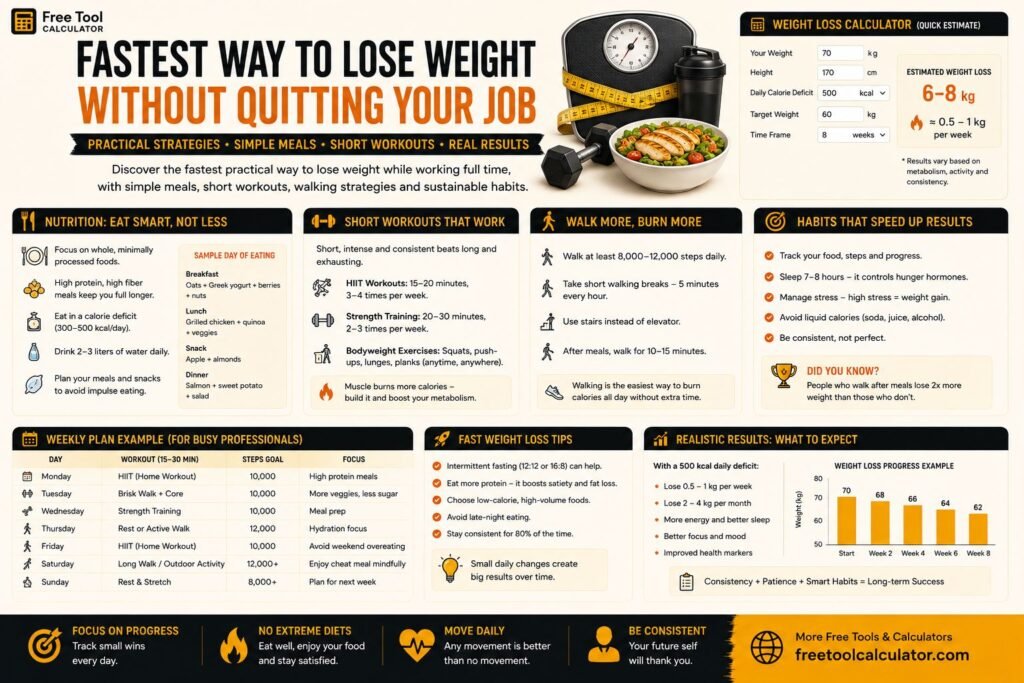
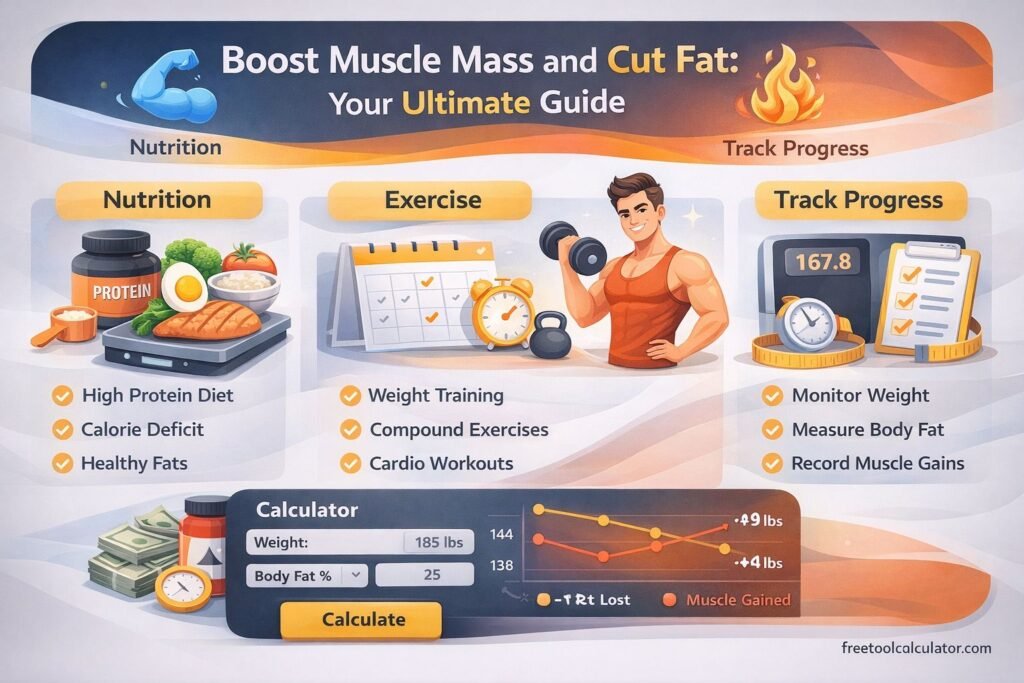
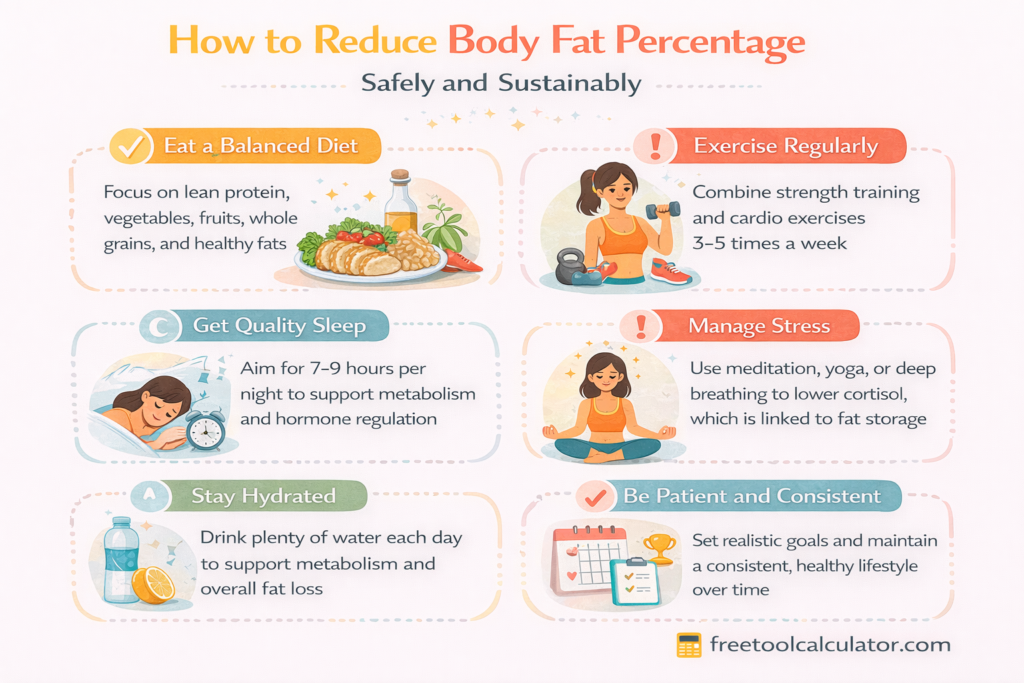
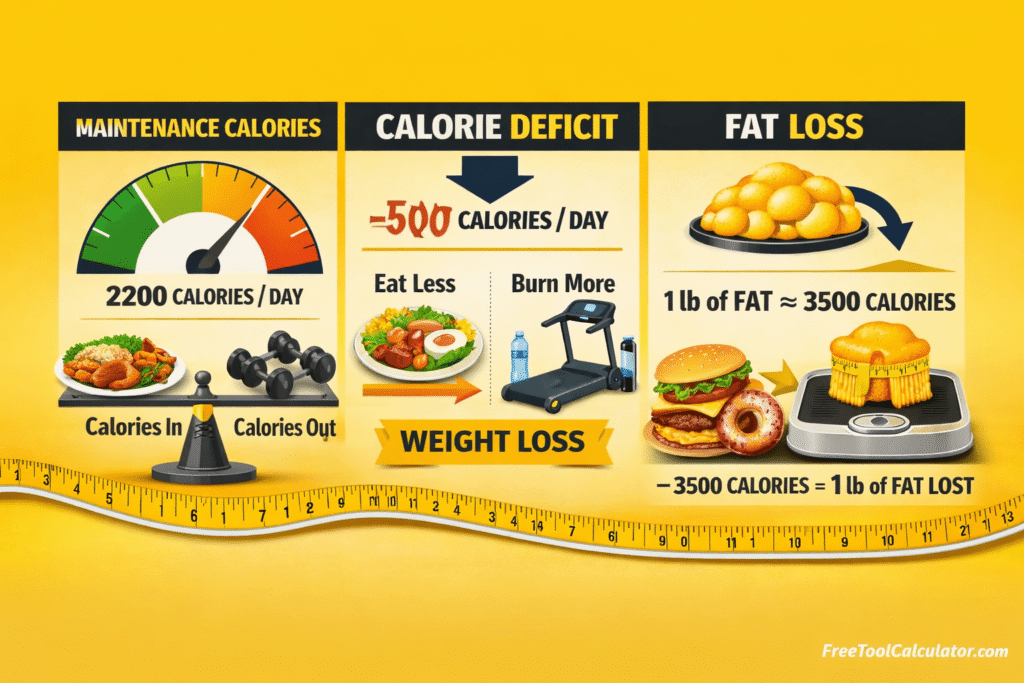
For individuals seeking weight loss the goal should be fat loss not simply weight loss. Losing muscle mass can lower metabolism and lead to weight regain. Tracking body fat percentage ensures that your program emphasizes fat reduction while preserving or increasing lean mass through resistance training adequate protein intake and balanced nutrition.
Gradual fat loss of one to two pounds per week is typically safe and sustainable. Aggressive dieting often results in significant muscle loss and metabolic slowdown which is not recommended.
Exercise and Body Fat Percentage
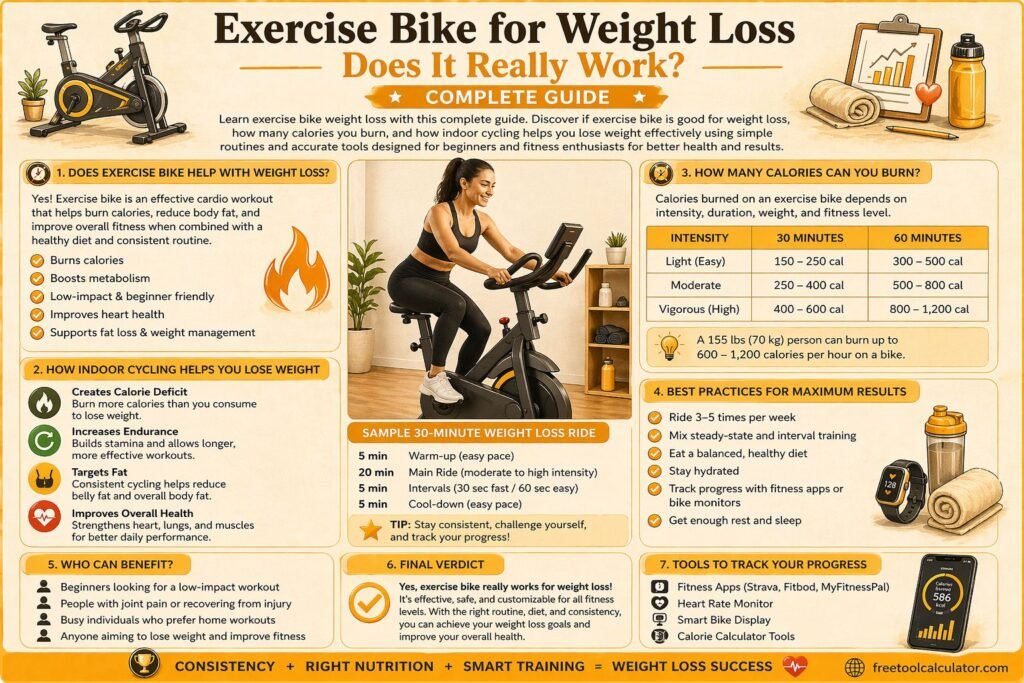
Different types of exercise influence body fat differently. Resistance training stimulates muscle growth which increases resting energy expenditure. High intensity interval training (HIIT) improves cardiovascular fitness and can accelerate fat loss. Combining strength training with cardiovascular workouts and mobility work is an evidence based approach to improving body composition.
Regular physical activity is also linked to reduced risk of chronic diseases independent of weight changes.
Diet and Body Fat Percentage
Diet quality matters more than calories alone. A balanced diet rich in whole foods lean proteins healthy fats and complex carbohydrates supports metabolic health. Reducing sugary beverages processed foods and excessive refined carbohydrates helps reduce storage fat. Adequate hydration and fiber support digestion and satiety.
Protein intake in proportion to lean mass is important for muscle preservation especially during weight loss phases.
Body Fat Percentage and Metabolic Health
High body fat percentage is often associated with insulin resistance dyslipidemia and elevated inflammation markers. These conditions increase the risk of cardiovascular disease and type 2 diabetes. Reducing body fat through sustained lifestyle changes improves insulin sensitivity lipid profiles and inflammatory status.
Even moderate reductions in body fat percentage strongly correlate with better metabolic outcomes.
Age and Body Fat Percentage
Body fat distribution changes with age. As individuals grow older muscle mass tends to decline and fat mass increases. This makes regular monitoring of body fat percentage particularly important for middle aged and older adults. Maintaining physical activity and adequate protein intake can mitigate age related muscle loss.
Body Fat Percentage in Athletes
Athletes often have lower body fat percentages due to specialized training and nutrition. Sport specific goals may influence ideal range. For example endurance athletes may carry slightly higher body fat compared to strength athletes who require greater muscle mass.
However extremely low body fat is not always healthy — it may lead to hormonal disruptions immune suppression and decreased performance.
When to Seek Medical Advice
Seek medical evaluation if you experience rapid unexplained changes in body composition fatigue hormonal symptoms or if you are considering aggressive body fat reduction strategies. A healthcare provider can assess underlying conditions support safe goals and recommend appropriate testing.
Conclusion
Understanding body fat percentage offers a deeper insight into health beyond simple weight measurements. It helps you assess metabolic risk track fitness progress and guide lifestyle changes that promote sustainable health outcomes. Tools such as a free body fat percentage calculator at https://freetoolcalculator.com/body-fat-percentage-calculator/ provide practical and accessible means to estimate your body composition and monitor changes over time. As a senior health doctor I encourage combining data driven tracking with balanced nutrition regular exercise and professional guidance for safer and more effective health improvements.