Positive Ovulation Fertility and What It Means
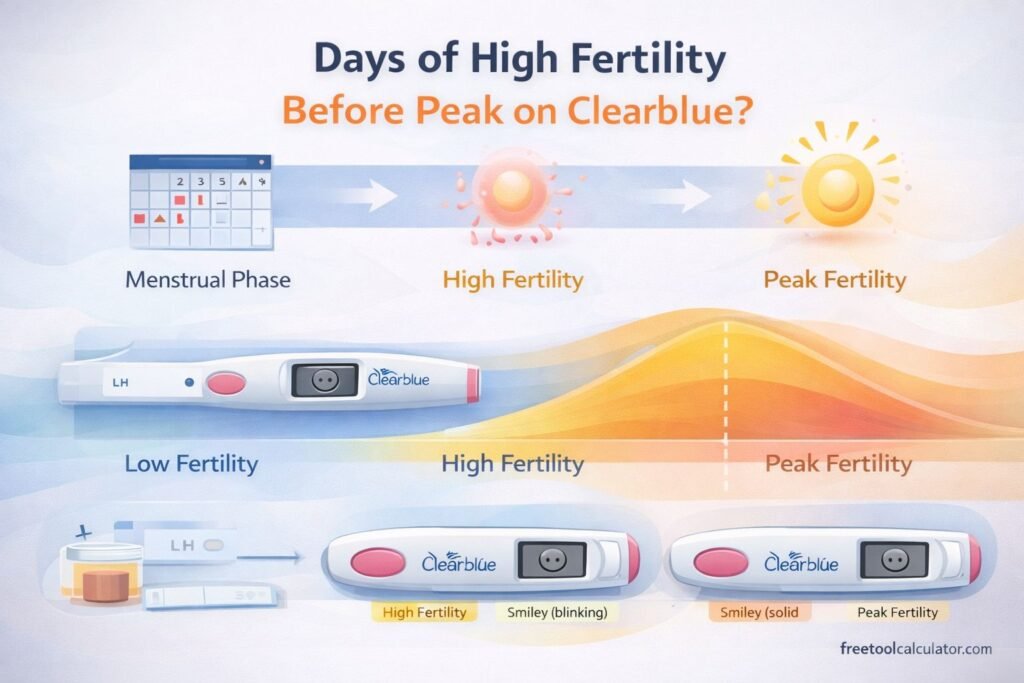
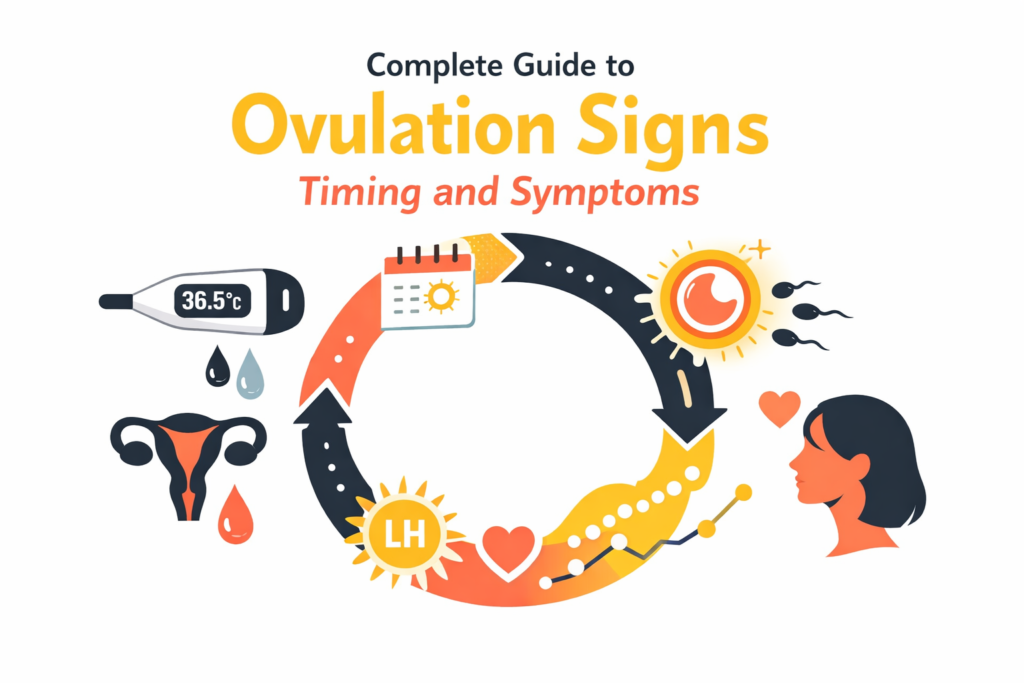
Positive ovulation fertility refers to the period immediately after a positive ovulation test when a woman is most likely to conceive. Ovulation tests detect a surge in luteinizing hormone, which typically occurs before the ovary releases an egg. When you get a positive result, it means ovulation is expected soon, and your fertile window is at its peak.
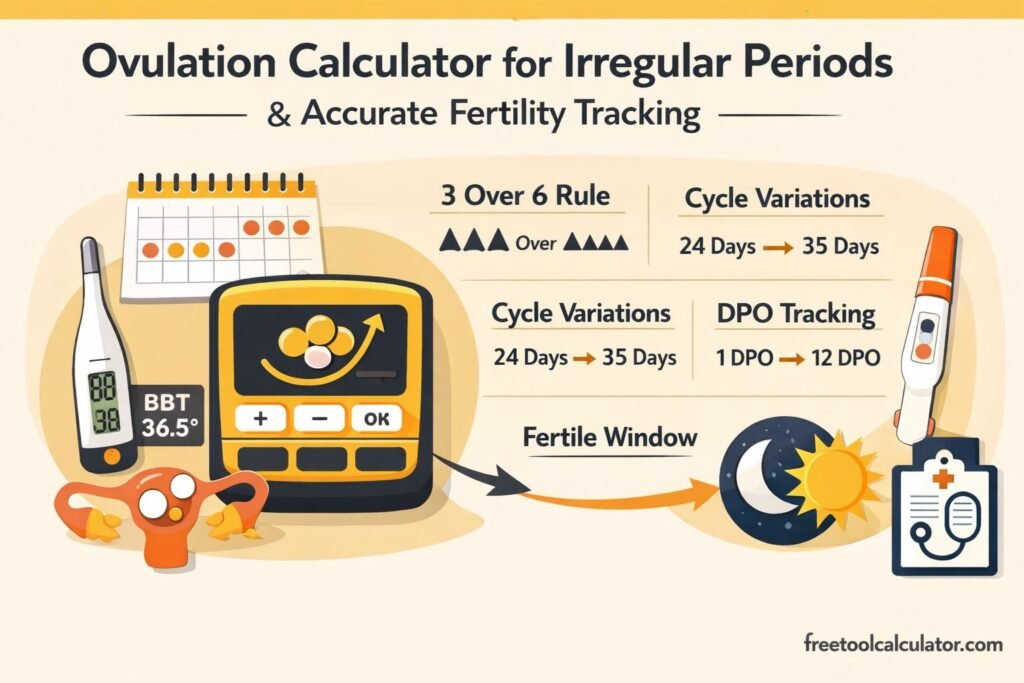
Understanding positive ovulation fertility is important for anyone trying to conceive. This short window offers the highest chances of pregnancy, making timing critical. You can track this phase more accurately by using an ovulation fertility calculator to identify your most fertile days based on your cycle.
How Long After Ovulation Test Positive Are You Fertile
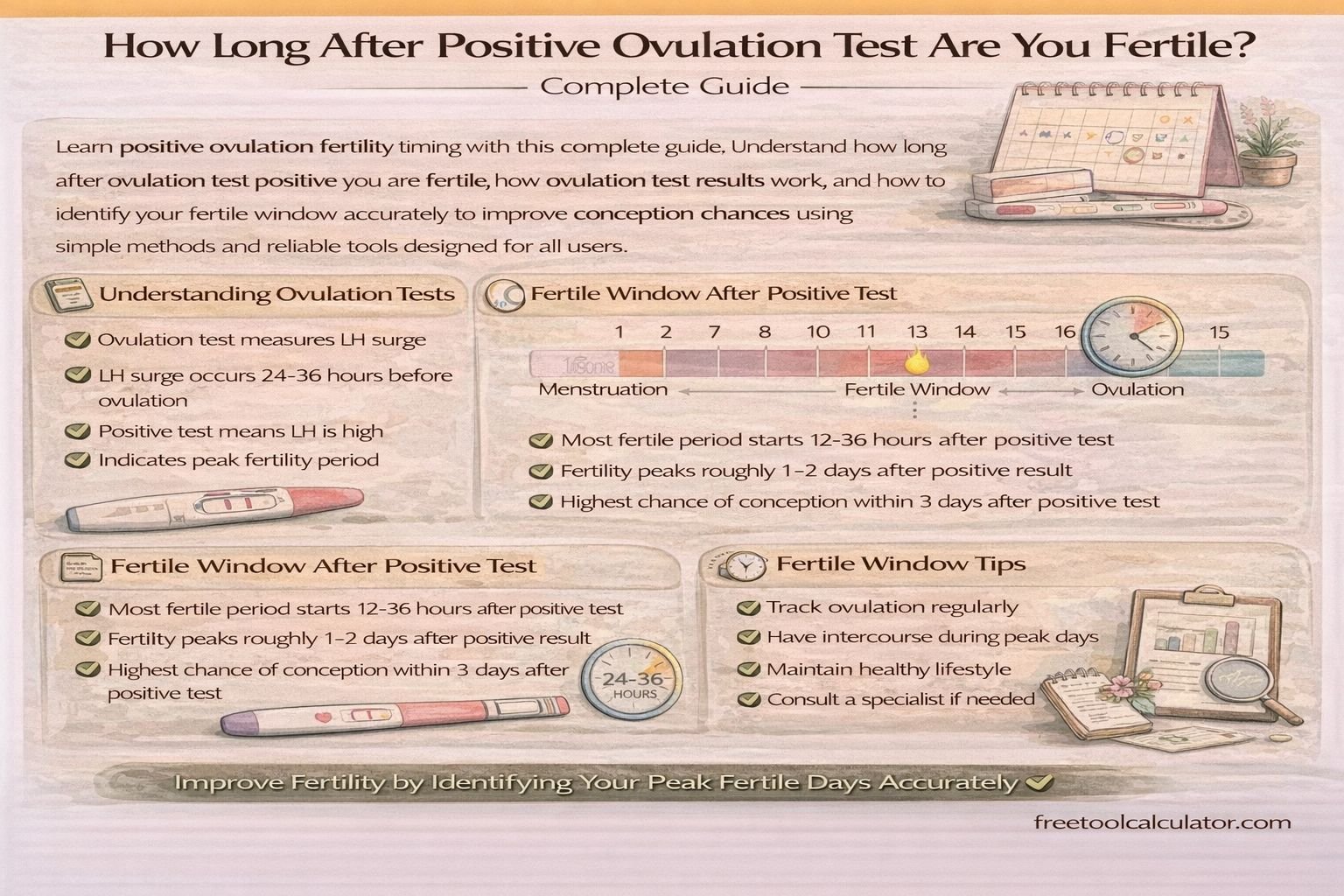
A positive ovulation test usually indicates that ovulation will occur within 12 to 36 hours. This means that your most fertile time starts immediately after the positive result and continues for about one to two days.
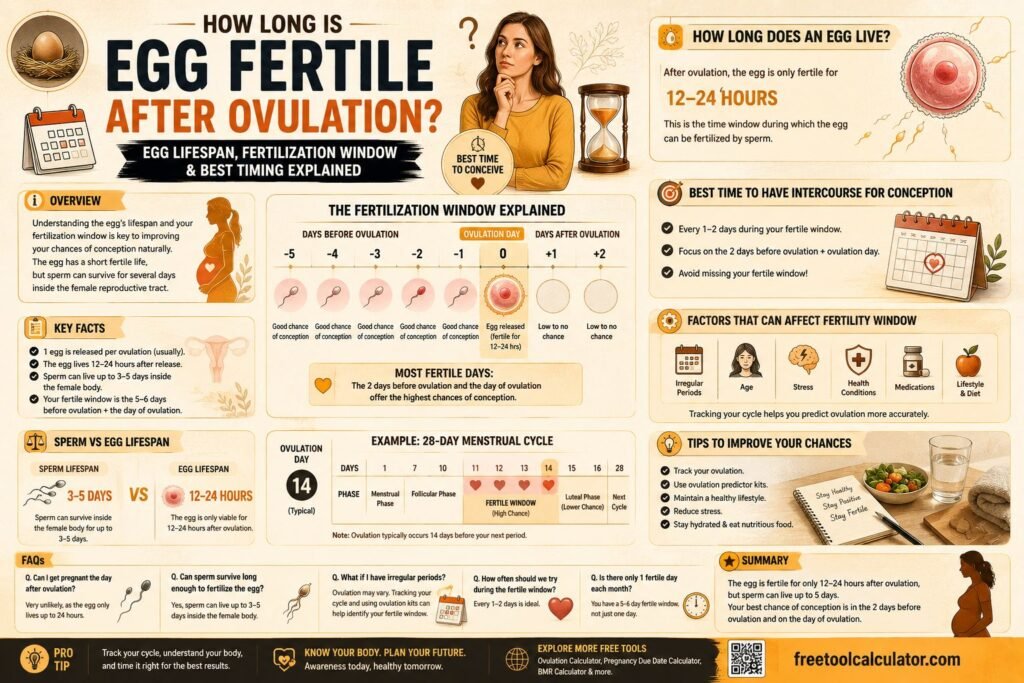
The reason this window is so important is because the egg only survives for about 12 to 24 hours after ovulation. However, sperm can live inside the female reproductive system for up to five days. This means that having intercourse before and shortly after a positive test increases the chances of fertilization.
Positive ovulation fertility timing is therefore centered around this short but crucial period. Acting quickly after a positive result can significantly improve your chances of conception.
Understanding the Fertile Window Timing
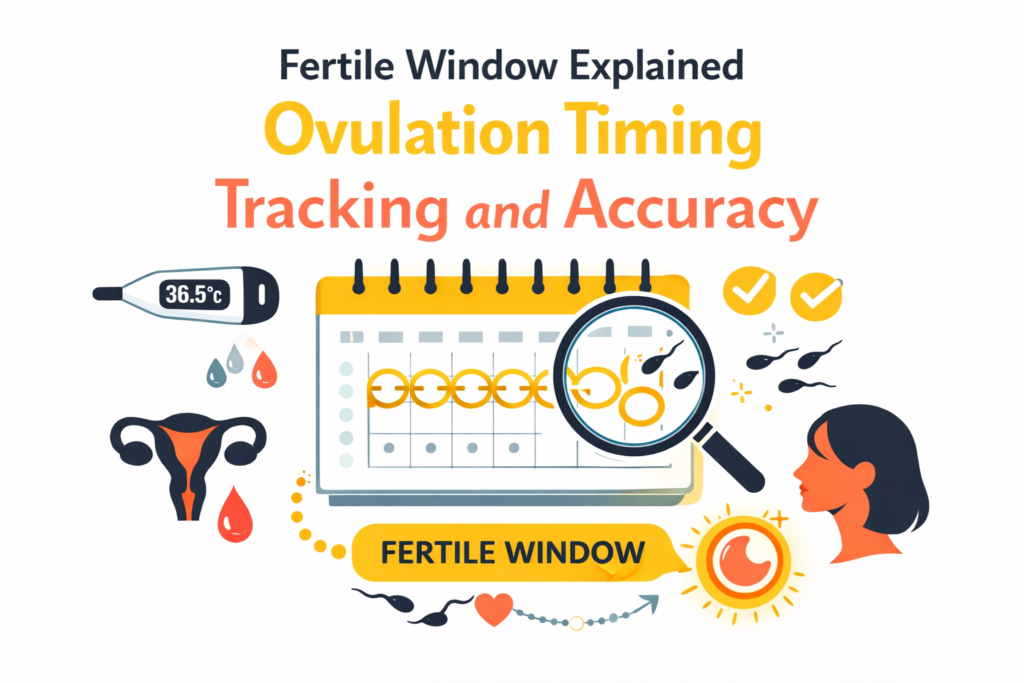
The fertile window includes the five days leading up to ovulation and the day of ovulation itself. This is the time when pregnancy is most likely to occur. A positive ovulation test signals that you are at the end of this window and approaching ovulation.
Fertile window timing varies slightly from person to person depending on cycle length and hormonal patterns. However, the general rule is that the days immediately following a positive test are the most critical.
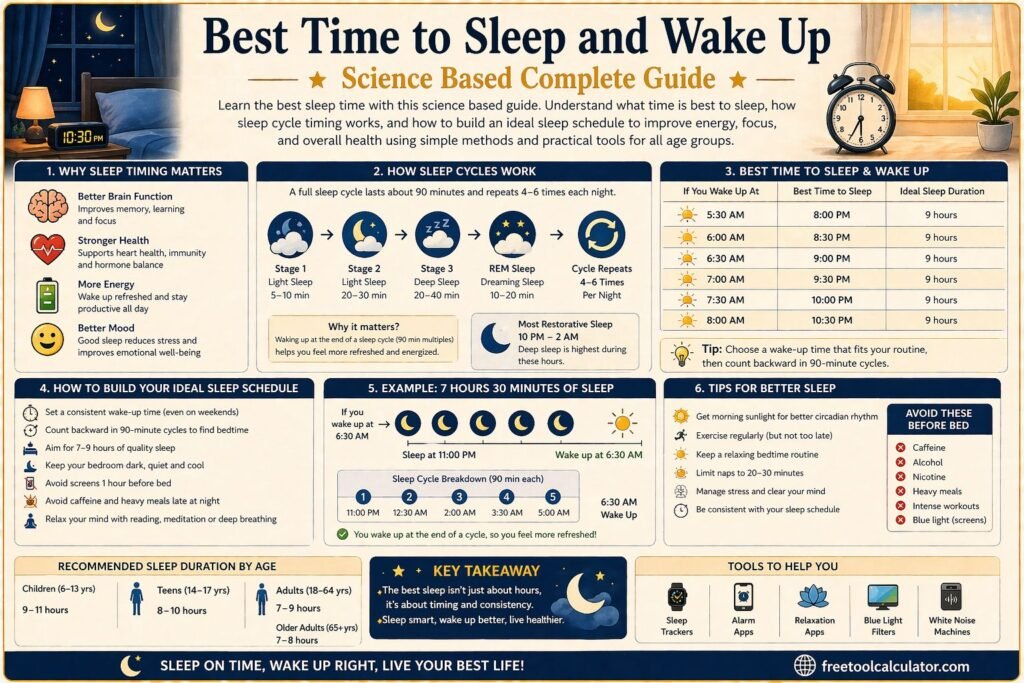
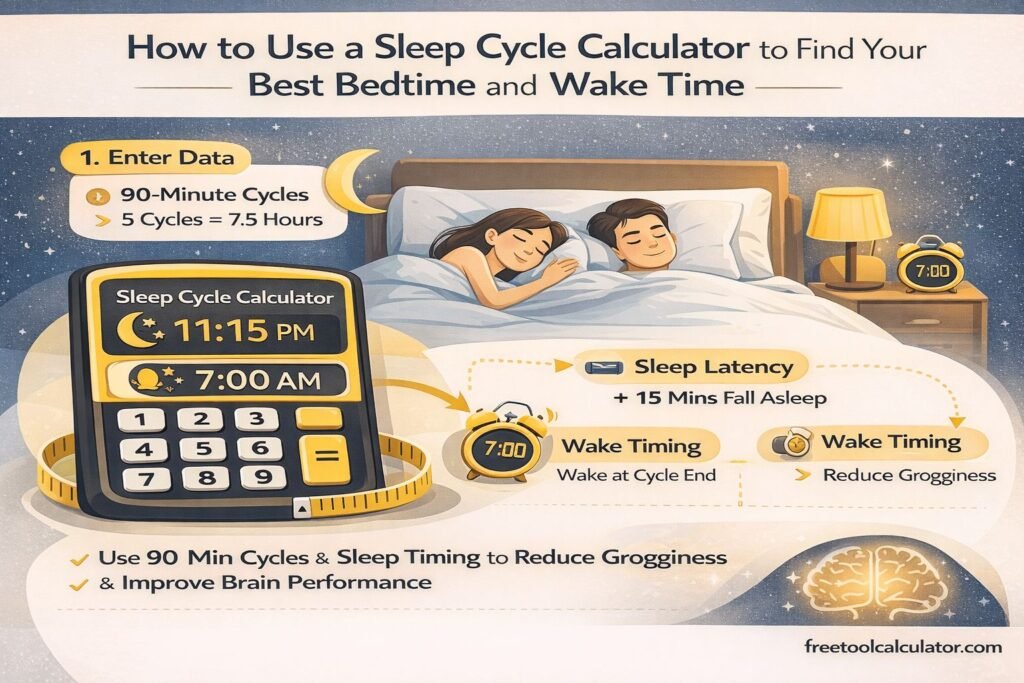
Tracking your cycle regularly helps you understand your unique fertility pattern. Using tools like a sleep cycle calculator alongside fertility tracking can also support overall health and hormonal balance.
How Ovulation Test Results Work
Ovulation tests measure the level of luteinizing hormone in your urine. When this hormone surges, it triggers ovulation. A positive result means that your body is preparing to release an egg soon.
Understanding ovulation test results helps you time intercourse effectively. A negative result means ovulation is not imminent, while a positive result indicates that ovulation is likely within the next one to two days.
It is important to follow the instructions carefully when using ovulation tests. Testing at the same time each day improves accuracy and ensures reliable results.
Best Time to Try After a Positive Ovulation Test
The best time to try for pregnancy is within 24 to 36 hours after a positive ovulation test. This is when the chances of fertilization are highest. Many experts recommend having intercourse on the day of the positive test and the following day.
This approach ensures that sperm are present when the egg is released. Since sperm can survive for several days, having intercourse before ovulation also increases the chances of success.
Positive ovulation fertility timing is all about maximizing this short window. Proper planning and timing can make a significant difference in achieving pregnancy.
Factors That Affect Fertility Timing
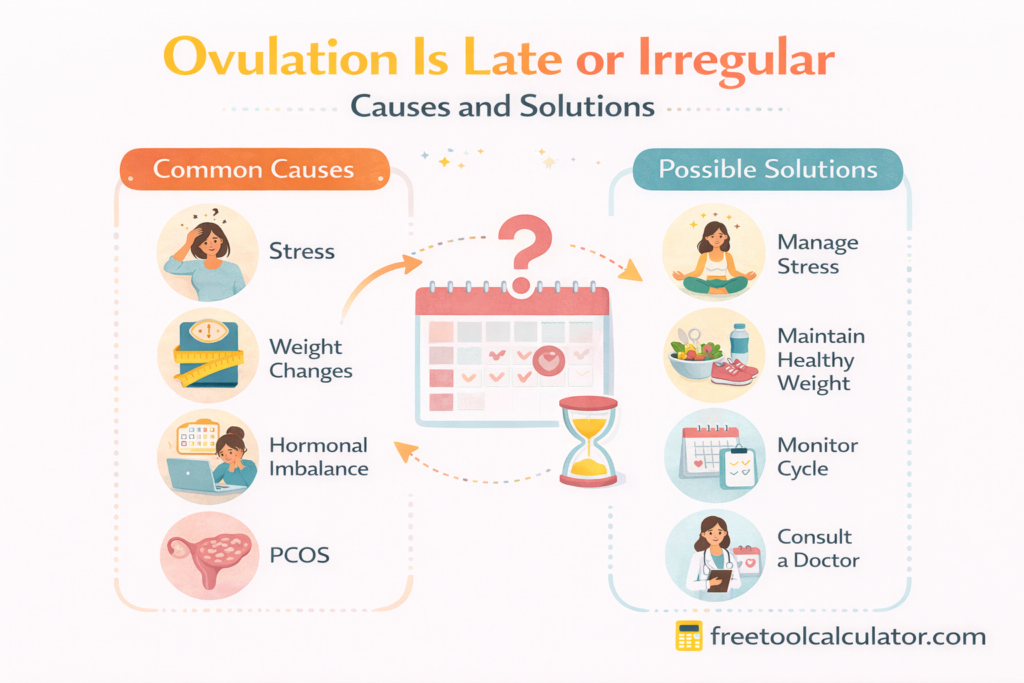
Several factors can influence fertility timing, including age, hormonal balance, and overall health. Irregular cycles can make it more difficult to predict ovulation, while stress and lifestyle factors can also impact fertility.
Maintaining a healthy lifestyle can improve your chances of conception. This includes eating a balanced diet, exercising regularly, and managing stress.
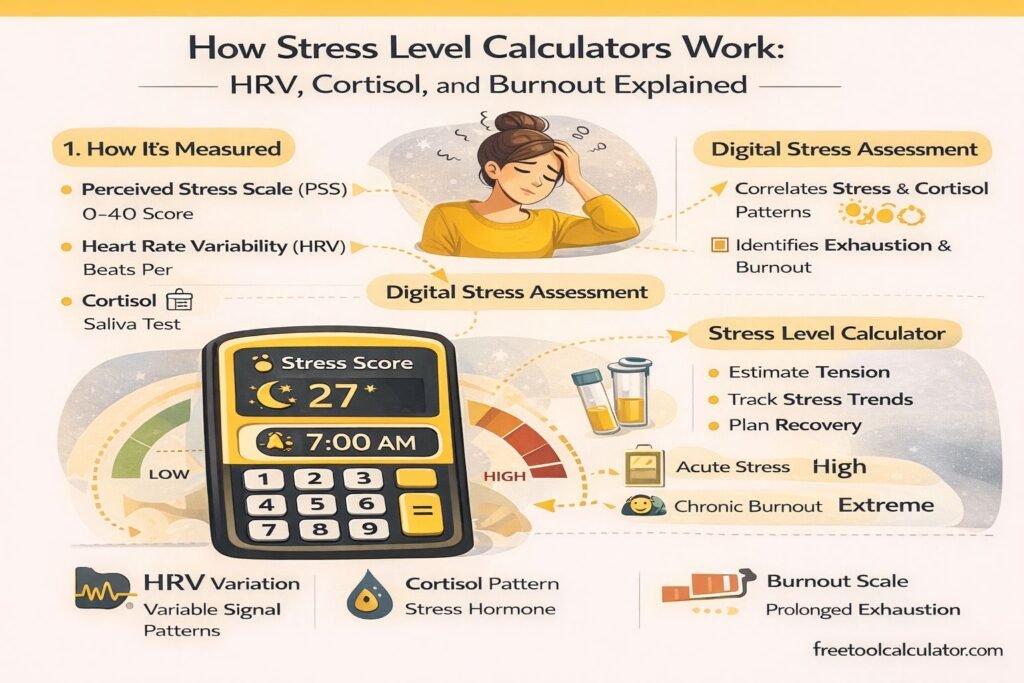
Using additional tools and tracking methods can help you better understand your cycle. Combining ovulation tests with digital tools provides more accurate insights into your fertility pattern.
Common Mistakes in Tracking Ovulation
One common mistake is misunderstanding ovulation test results. Some people assume that a positive test means ovulation has already occurred, but it actually indicates that ovulation is about to happen.
Another mistake is not testing consistently. Irregular testing can lead to missed hormone surges and inaccurate predictions. It is also important to avoid relying on a single method for tracking fertility.
Combining multiple methods, such as cycle tracking and ovulation tests, provides more reliable results. This approach helps you identify your fertile window more accurately.
How to Improve Your Chances of Conception
To improve your chances of conception, focus on timing and overall health. Have intercourse during your fertile window, especially after a positive ovulation test.
Maintain a healthy lifestyle and avoid habits that can negatively affect fertility. Staying informed about your cycle and using reliable tools can also make a difference.
Tracking your progress over time helps you identify patterns and improve your strategy. This increases your chances of achieving a successful pregnancy.
Advanced Fertility Tracking Methods
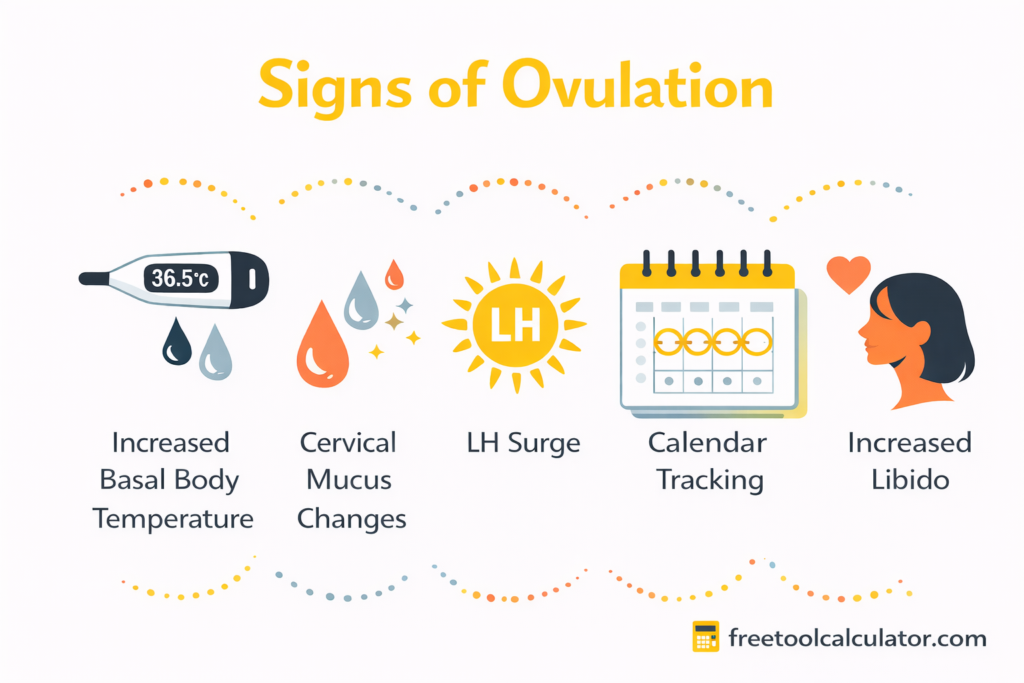
In addition to ovulation tests, there are other methods to track fertility. Basal body temperature tracking can help confirm ovulation after it occurs. Cervical mucus monitoring provides additional clues about fertility timing.
Using a combination of these methods gives a more complete picture of your fertility cycle. This approach is especially useful for individuals with irregular cycles.
Digital tools and calculators can simplify the process and provide accurate predictions. These tools are designed to be user friendly and accessible to everyone.
Conclusion Understanding Positive Ovulation Fertility Timing
Positive ovulation fertility is a crucial concept for anyone trying to conceive. A positive ovulation test indicates that ovulation is imminent, and the next 12 to 36 hours are the most fertile period.
By understanding how long after ovulation test positive you are fertile and using reliable tracking methods, you can improve your chances of conception. You can also use an ovulation fertility calculator to get accurate predictions and plan effectively. Combining knowledge with the right tools ensures better results and a smoother fertility journey.