Check Stress Level and Why It Is Important
Learning how to check stress level is essential in today’s fast paced world where daily responsibilities, work pressure, and digital overload can significantly impact mental health. Stress is a natural response of the body, but when it becomes chronic, it can affect both physical and emotional well being. Understanding your stress level early helps you take control before it leads to serious health issues.
Stress affects sleep, focus, energy, and even physical health. Many people ignore early warning signs such as fatigue, irritability, and lack of concentration. By learning how can I check stress level regularly, you can identify patterns and make necessary lifestyle changes. You can also check stress level using this free stress calculator to get an instant estimate based on your symptoms and lifestyle habits.
What Is Stress and How It Affects Your Body
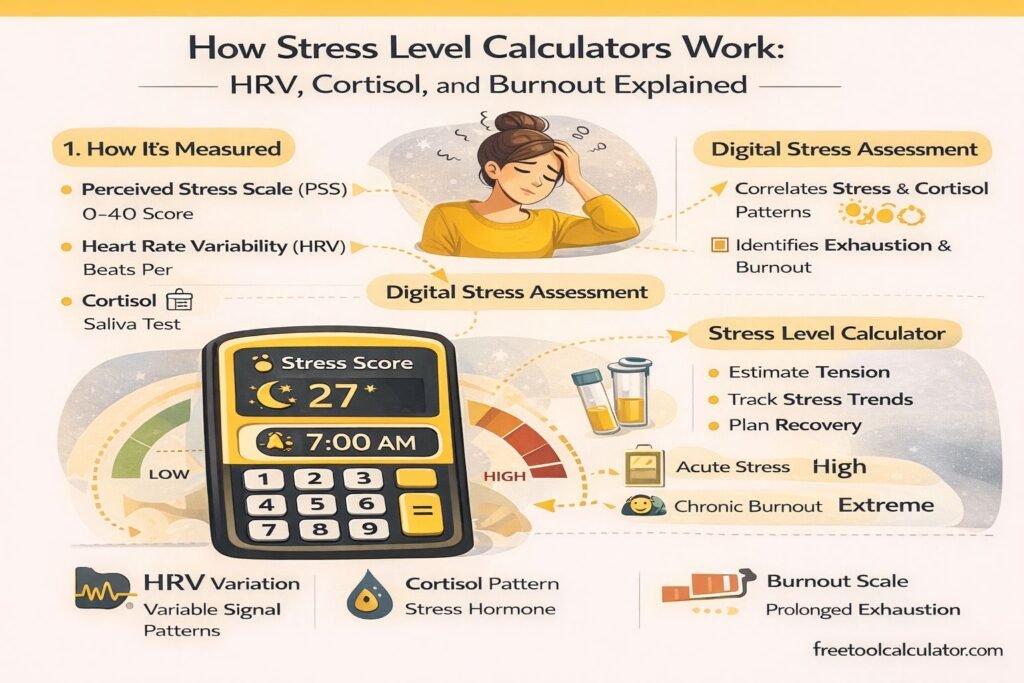
Stress is the body’s response to challenges or demands. It triggers the release of hormones such as cortisol and adrenaline, which prepare the body for action. While short term stress can be helpful in certain situations, long term stress can harm your health.
Chronic stress can lead to issues such as headaches, high blood pressure, digestive problems, and sleep disturbances. It also affects mental health, leading to anxiety and depression. Understanding how stress works helps you recognize the importance of regular stress level check.
When you measure stress level consistently, you gain awareness of how your body responds to different situations. This awareness is the first step toward managing stress effectively.
How Can I Check Stress Level at Home
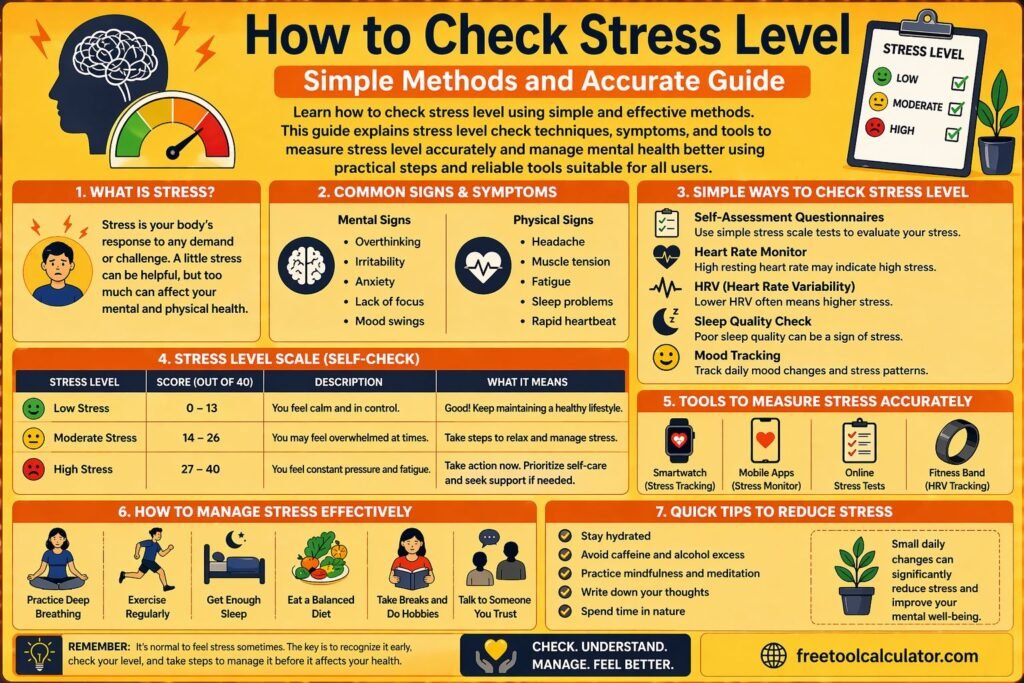
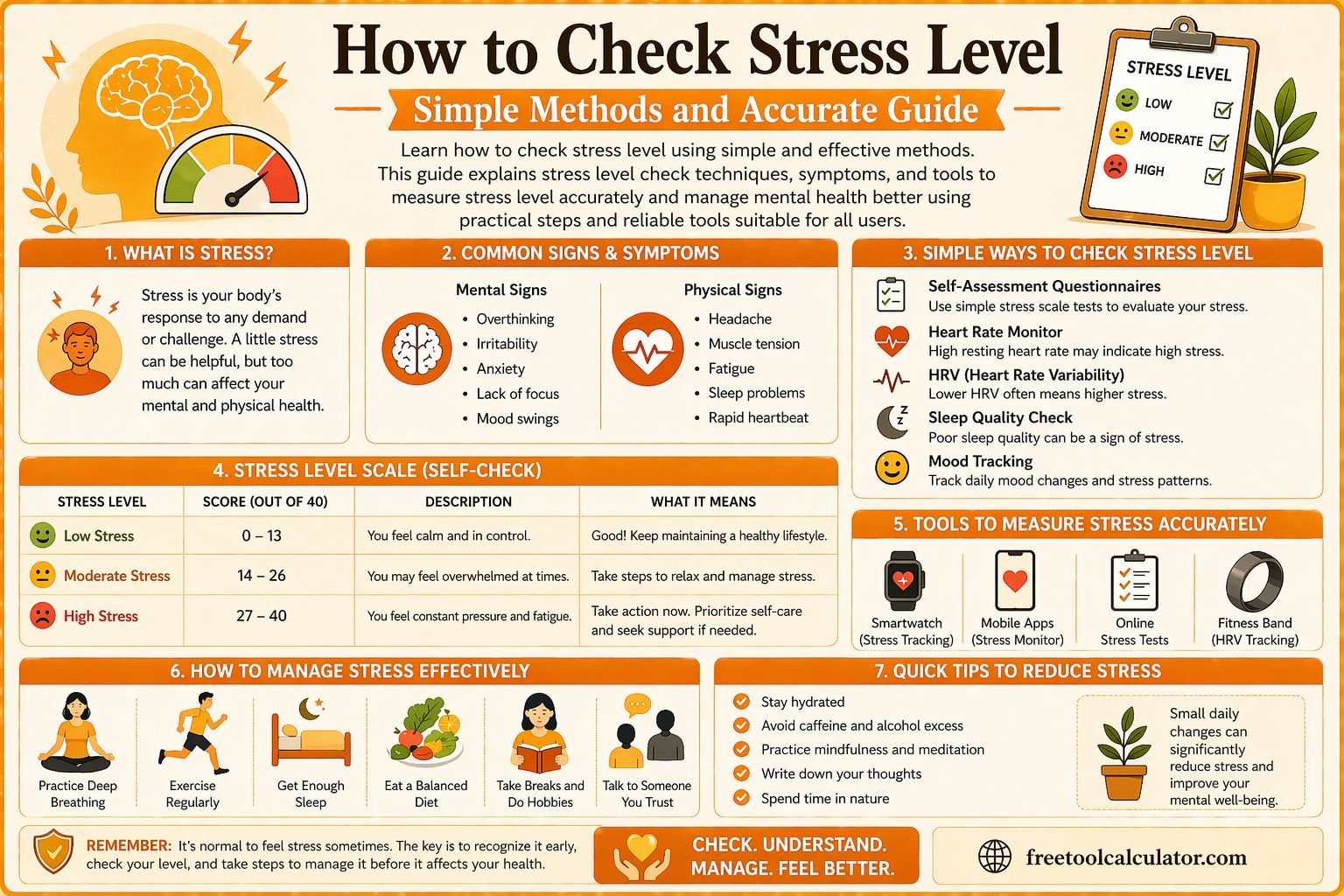
One of the most common questions is how can I check stress level without medical tests. Fortunately, there are several simple methods you can use at home. These include self assessment, observing physical symptoms, and tracking your daily habits.
Self assessment involves asking yourself questions about your mood, energy levels, and sleep quality. If you frequently feel tired, anxious, or overwhelmed, it may indicate high stress levels.
You can also use tools like a stress level check tool to evaluate your condition quickly. These tools are designed to provide accurate insights based on your responses and help you understand your stress level better.
Common Signs That Indicate High Stress Levels
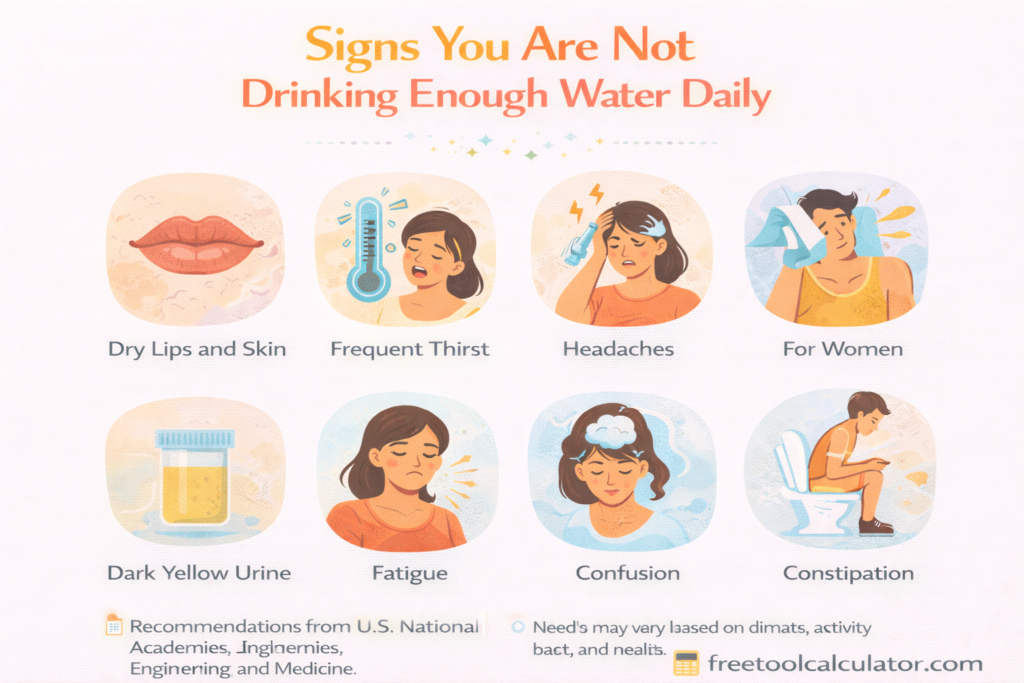
Recognizing the signs of stress is crucial for early intervention. Physical symptoms include headaches, muscle tension, and fatigue. Emotional symptoms may include irritability, mood swings, and difficulty concentrating.
Behavioral changes such as overeating, lack of motivation, or disrupted sleep patterns can also indicate stress. These signs should not be ignored, as they can worsen over time if not addressed.
Monitoring these symptoms regularly helps you measure stress level and take action before it becomes severe. Early detection is key to maintaining mental and physical health.
Simple Methods to Measure Stress Level
There are several practical ways to measure stress level without complex equipment. One effective method is tracking your heart rate. Stress often increases heart rate, so monitoring it can provide useful insights.
Another method is journaling. Writing down your thoughts and feelings helps you identify stress triggers and patterns. Over time, this practice can help you understand your stress level more clearly.
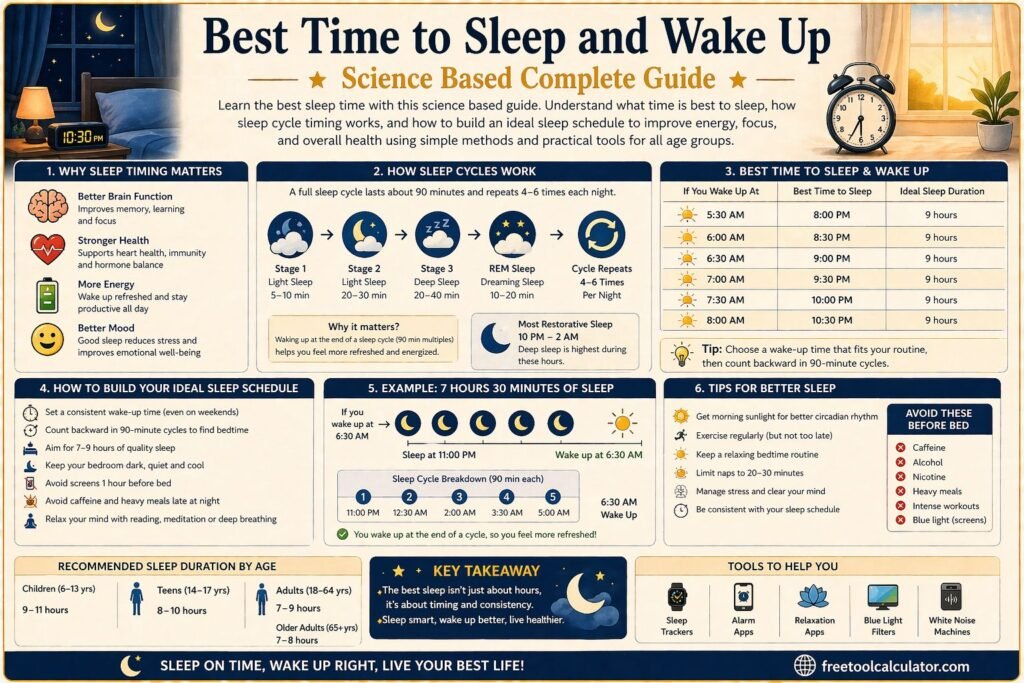
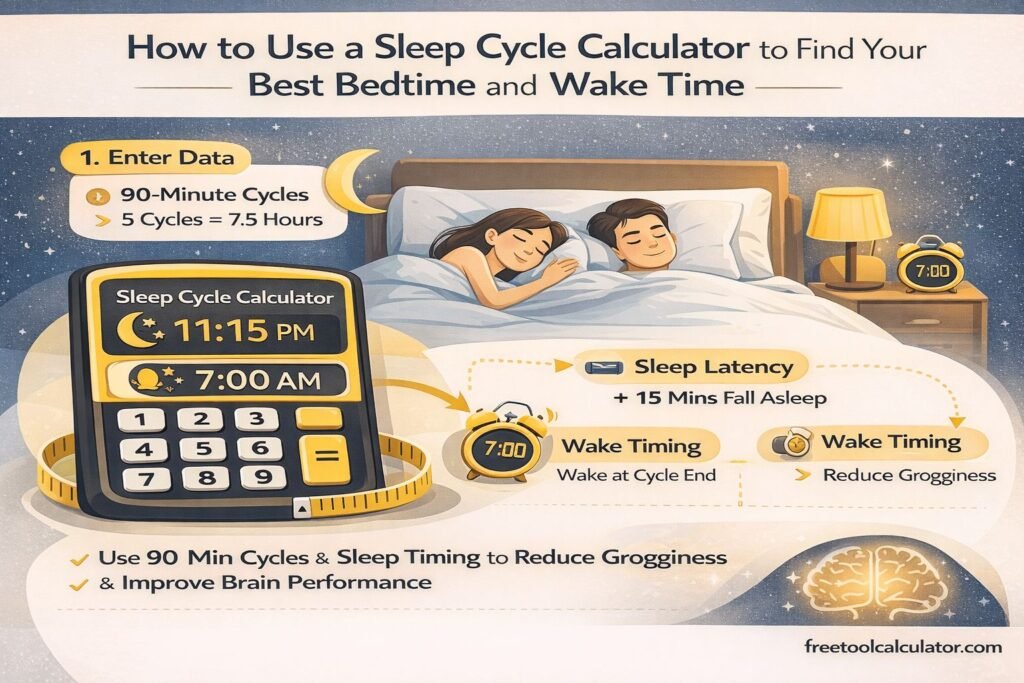
You can also use digital tools like a sleep calculator to analyze your sleep patterns. Poor sleep is often linked to high stress, and improving sleep can significantly reduce stress levels.
How Lifestyle Affects Your Stress Level
Lifestyle plays a major role in determining your stress level. Factors such as diet, physical activity, and daily routines can either increase or reduce stress. A balanced diet and regular exercise help regulate stress hormones and improve overall well being.
Lack of sleep and excessive screen time can increase stress levels. Spending too much time on devices can lead to mental fatigue and reduced focus. You can track your digital habits using a screen time impact tool to identify areas where you need to reduce usage.
Making small lifestyle changes can have a significant impact on your ability to manage stress effectively.
Benefits of Regular Stress Level Check
Regular stress level check provides several benefits. It helps you stay aware of your mental state and take action when needed. It also allows you to identify triggers and develop strategies to manage them.
By monitoring your stress level, you can improve your overall health and prevent long term issues. It also enhances productivity and focus, allowing you to perform better in daily activities.
Using reliable tools and methods ensures that your stress assessment is accurate and helpful. This proactive approach leads to better mental health outcomes.
How to Reduce Stress Naturally
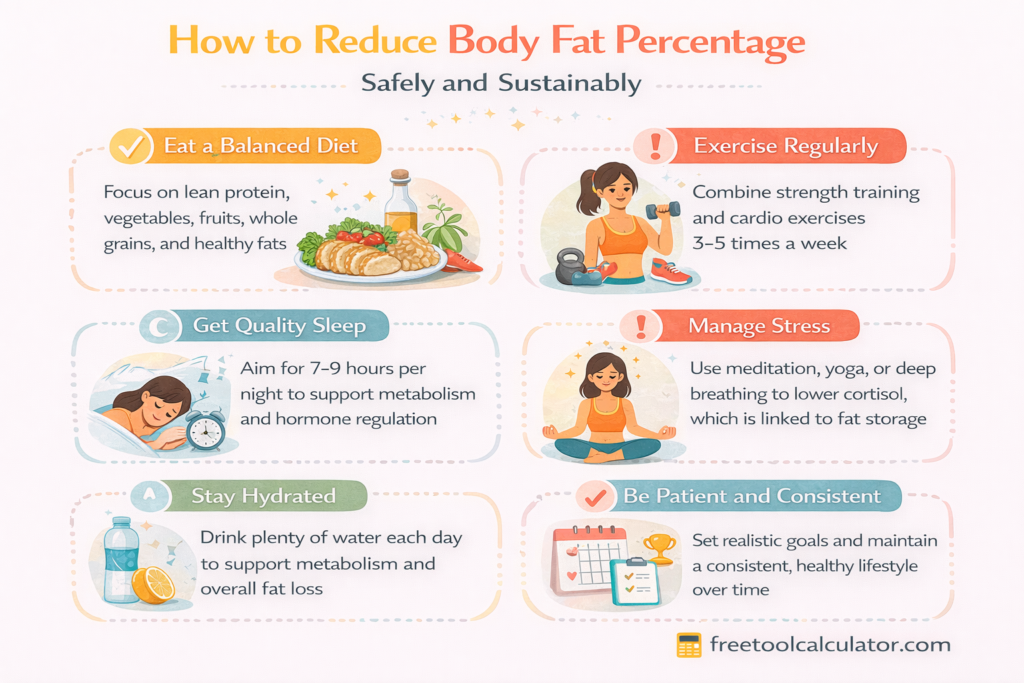
Reducing stress naturally involves adopting healthy habits and coping strategies. Regular exercise is one of the most effective ways to reduce stress, as it releases endorphins that improve mood.
Practicing mindfulness and meditation helps calm the mind and reduce anxiety. Deep breathing exercises can also help relax the body and lower stress levels.
Maintaining a balanced routine with proper sleep and nutrition supports overall well being. These practices not only reduce stress but also improve quality of life.
Advanced Tools to Monitor Stress Level
In addition to basic methods, advanced tools can provide more detailed insights into your stress level. Wearable devices can track heart rate variability, which is a key indicator of stress.
Online calculators and health tools also provide quick and accurate assessments. You can combine multiple tools to get a comprehensive understanding of your stress level.
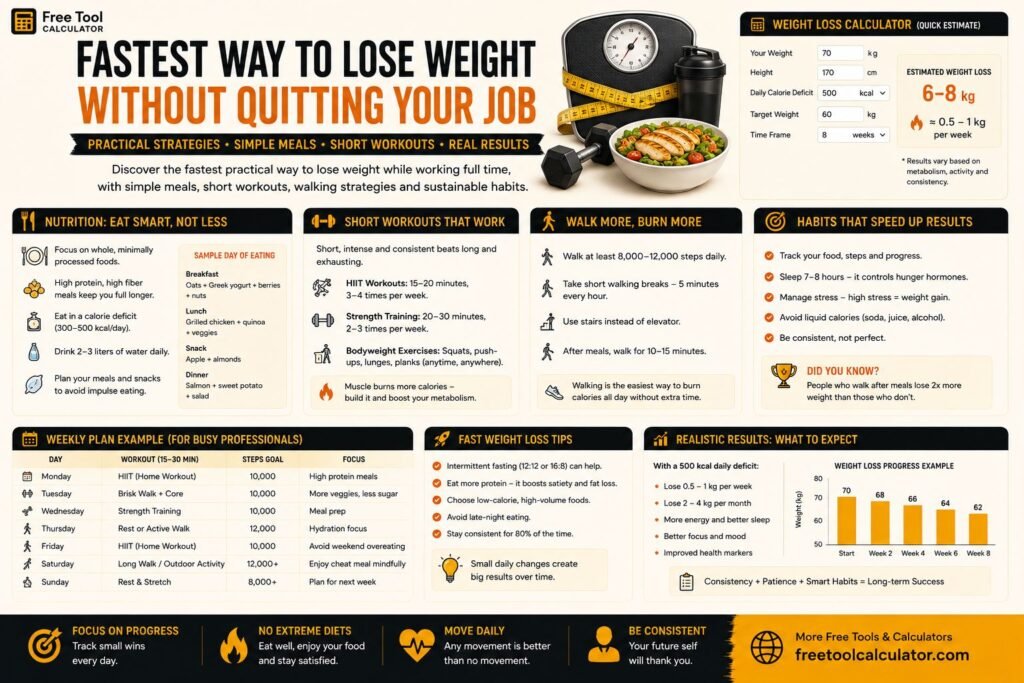
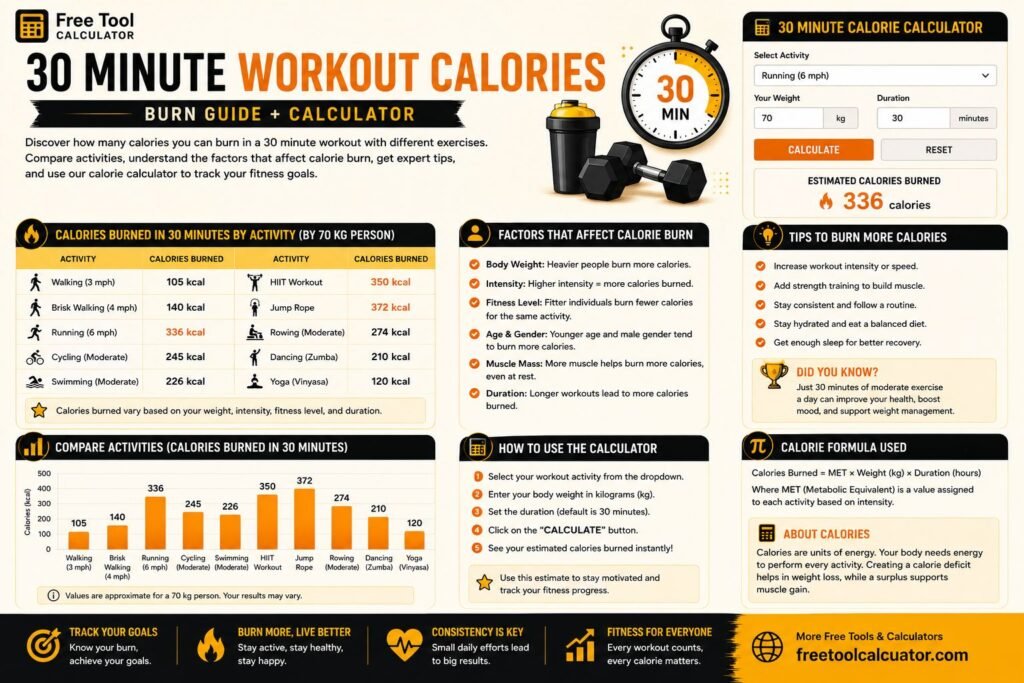
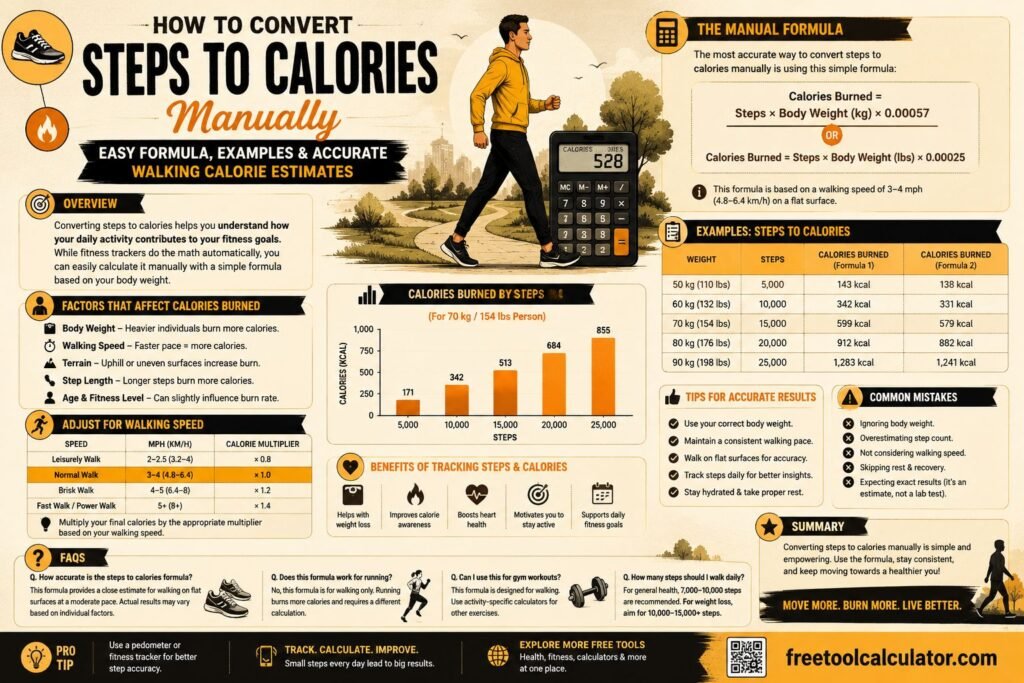
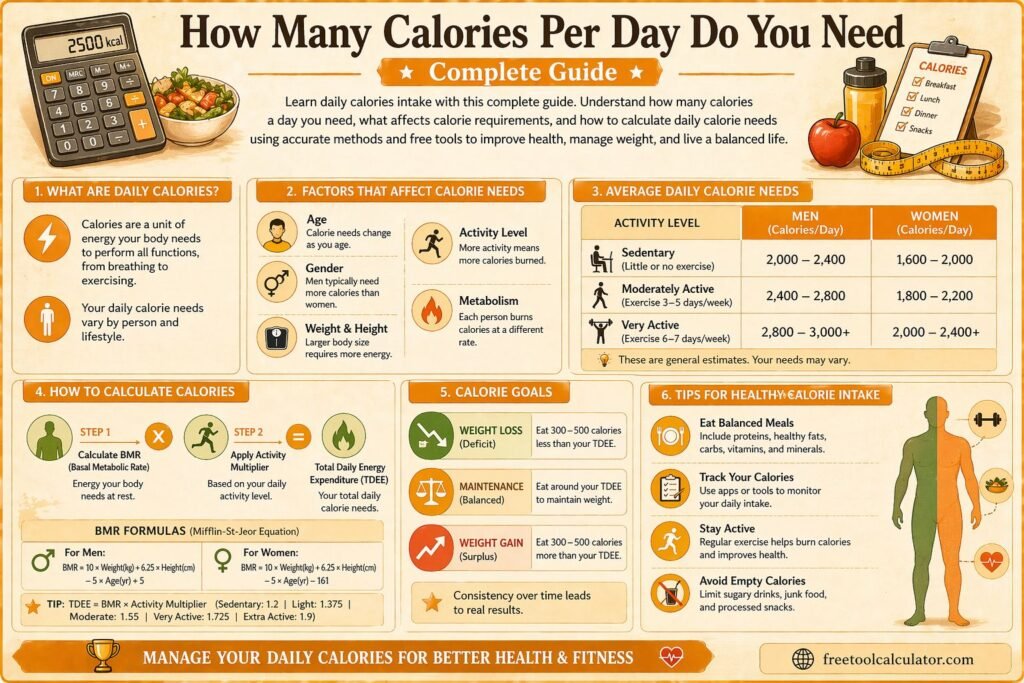
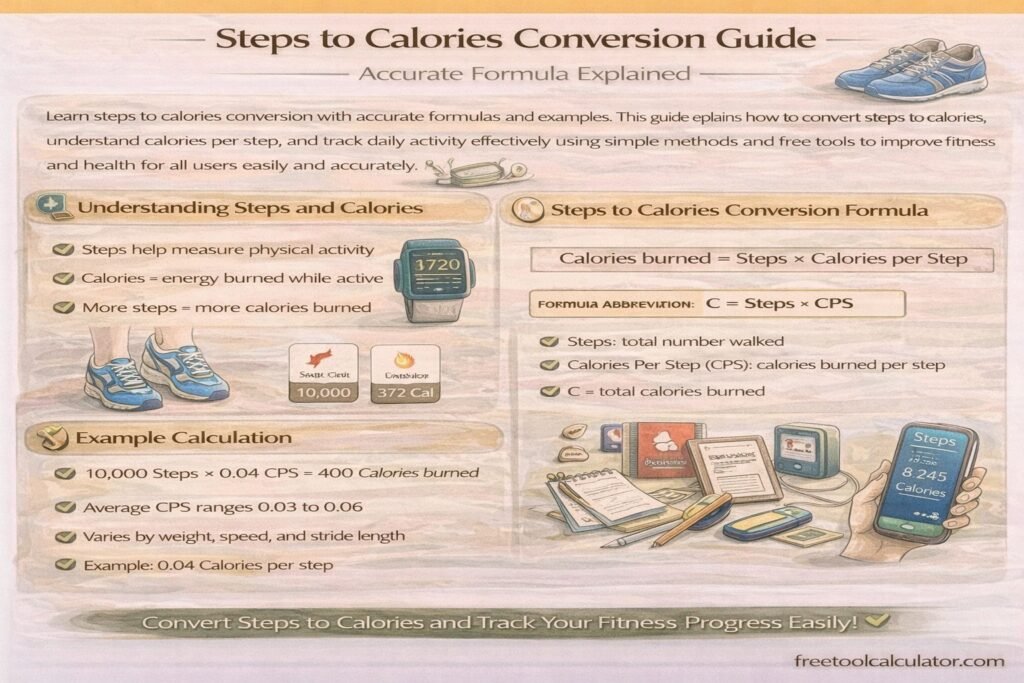
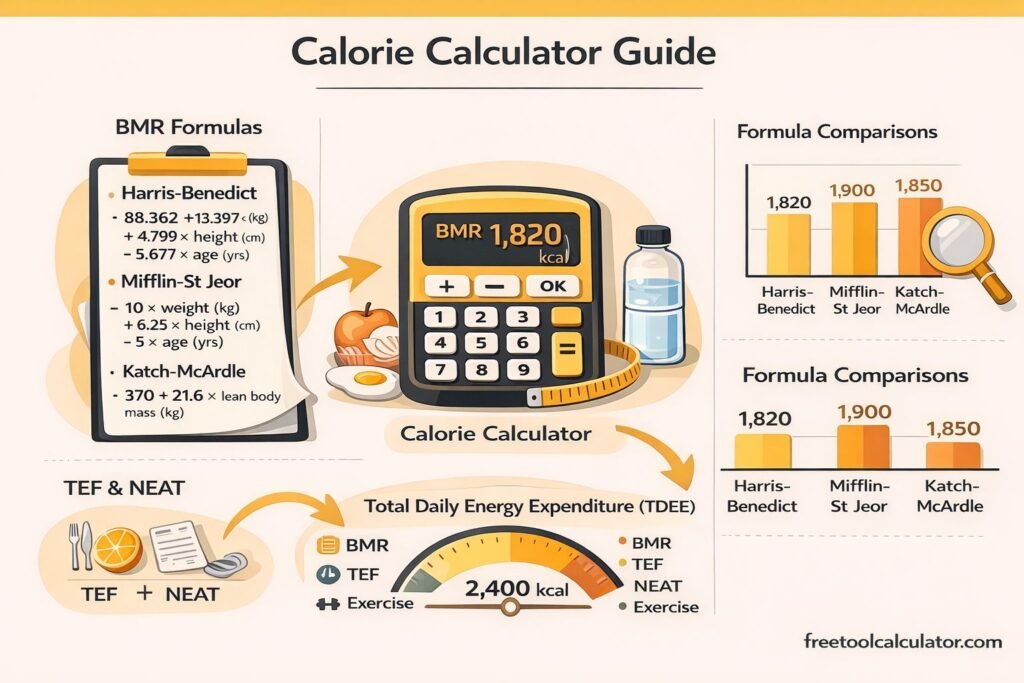
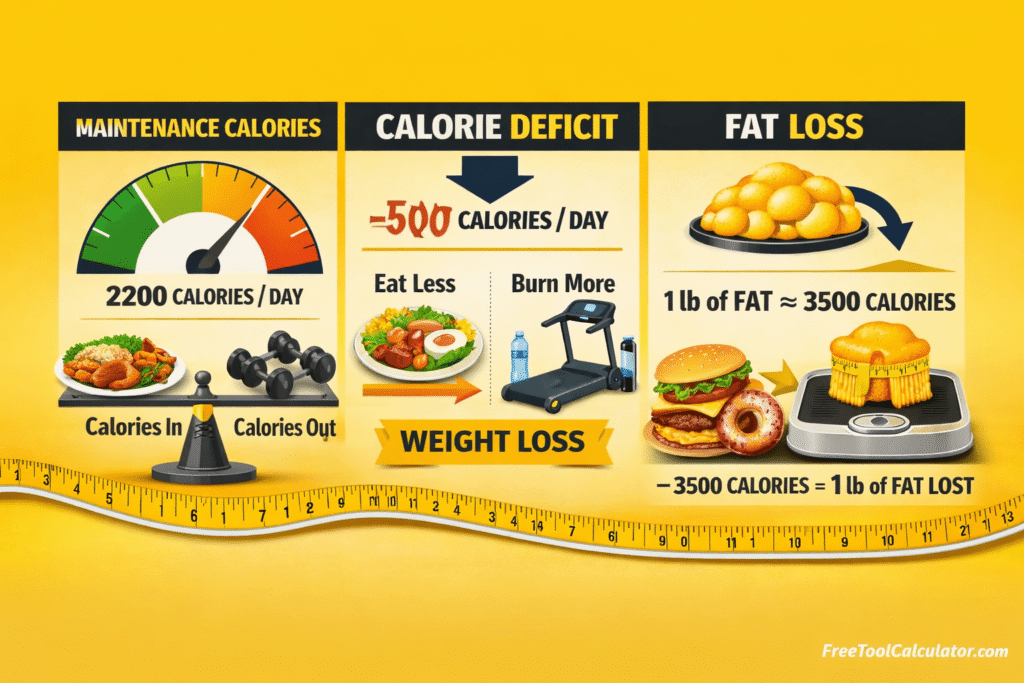
For example, using a calorie calculator alongside stress tracking can help you understand how your energy balance affects your mental health. This integrated approach ensures better results.
When to Seek Professional Help
While self assessment is useful, there are times when professional help is necessary. If you experience persistent stress, anxiety, or depression, it is important to consult a healthcare professional.
Severe symptoms such as panic attacks, chronic fatigue, or inability to function normally should not be ignored. Early intervention can prevent more serious health issues and improve recovery.
Combining professional guidance with regular stress level check ensures comprehensive care and better outcomes.
Conclusion Check Stress Level and Take Control of Your Health
Learning how to check stress level is a crucial step toward maintaining mental and physical health. By understanding your stress patterns and using simple methods, you can take control of your well being and improve your quality of life.
If you want quick and accurate insights, you can use this free stress level calculator along with other helpful tools to monitor your health. Consistent tracking and healthy habits ensure long term stress management and a balanced lifestyle.