Ovulation Calculator for Irregular Periods and Accurate Fertility Tracking

Ovulation Calculator for Irregular Periods and Accurate Fertility Tracking

The ovulation calculator for irregular periods and what this blog will cover

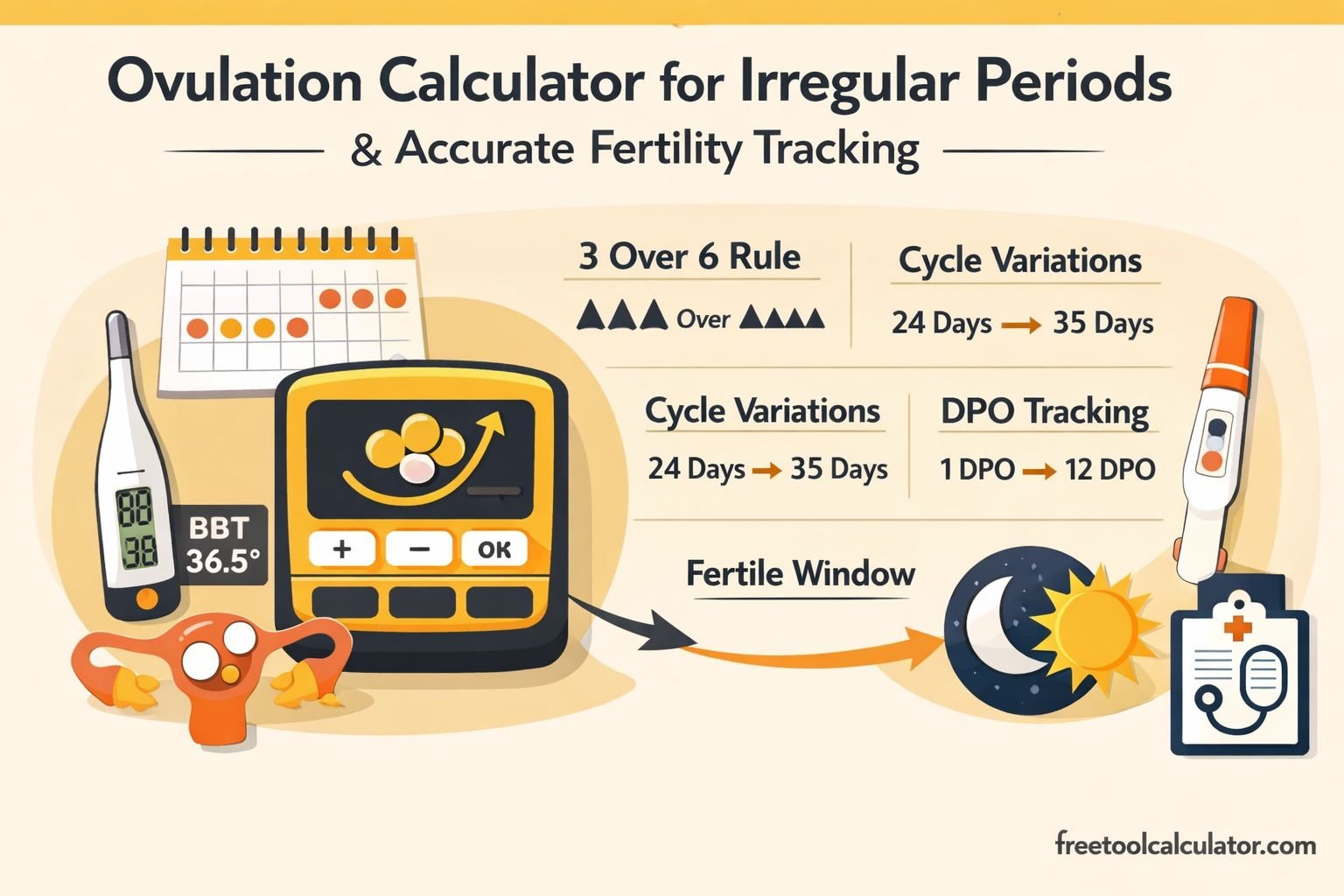
The ovulation calculator for irregular periods is one of the most practical ways to estimate fertile days when cycle lengths change month to month. In this blog, you will learn how to calculate ovulation when periods are irregular, how to confirm ovulation using basal body temperature and the BBT 3 over 6 rule, whether a 26 day cycle changes the ovulation day compared with a 28 day cycle, whether it is possible to ovulate twice in one cycle, and how to count days past ovulation accurately. You will also learn how to use a reliable Ovulation Calculator for Irregular Periods to plan intercourse timing, improve pregnancy planning, and reduce confusion caused by unpredictable cycles, using medically accurate fertility principles.

Why irregular periods make ovulation prediction difficult

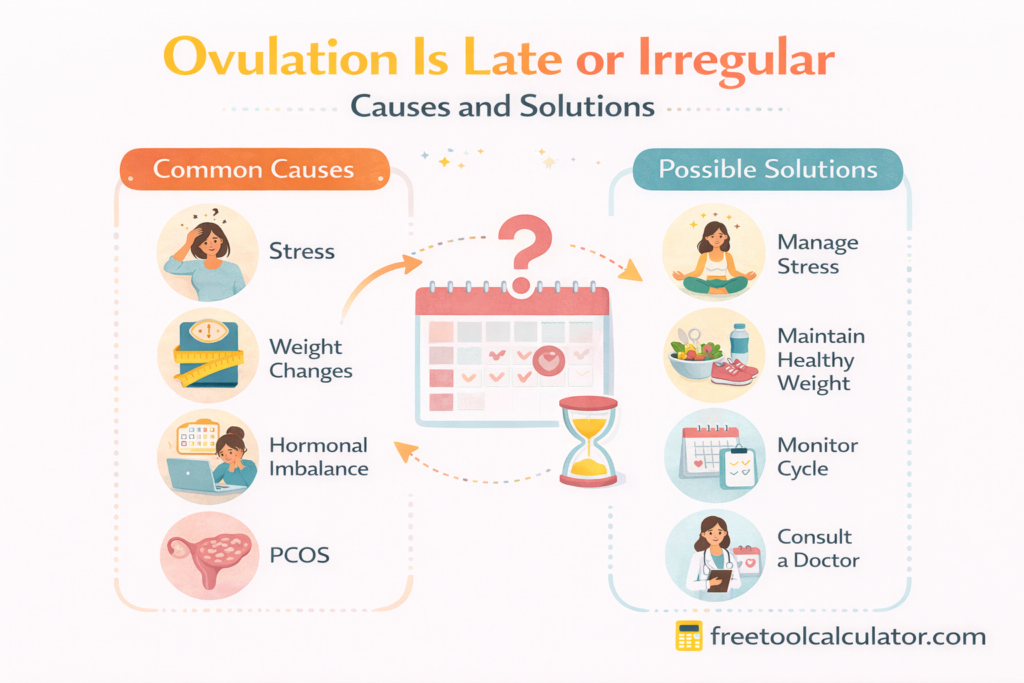
Irregular periods occur when the menstrual cycle length varies significantly from month to month. Ovulation is controlled by hormonal signals from the brain and ovaries. These signals can be affected by stress, sleep disruption, illness, travel, weight changes, thyroid disorders, polycystic ovary syndrome, elevated prolactin, and other endocrine factors. Because the next period date is not predictable in irregular cycles, counting forward from the first day of bleeding often leads to inaccurate conclusions.

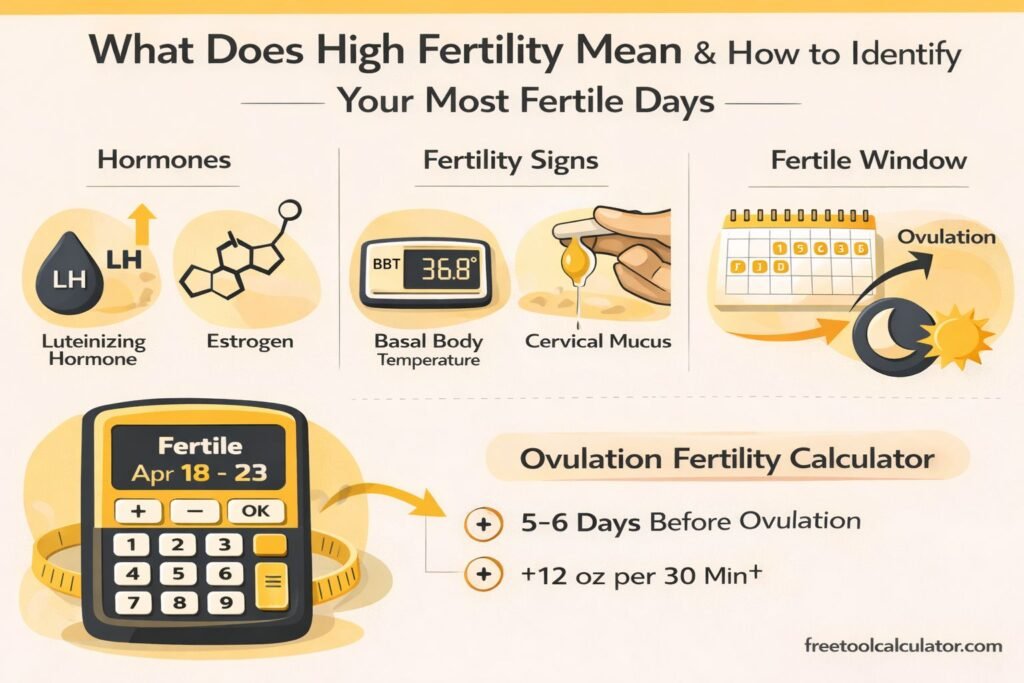
A key medical concept is that ovulation usually occurs about 12 to 14 days before the next menstrual period. Many women incorrectly assume ovulation is a fixed day after the period ends. In reality, the time before ovulation called the follicular phase is the part that varies the most. In irregular cycles, ovulation may occur earlier in one month and later in another. This is why symptom based tracking is essential and why an Ovulation Calculator for Irregular Periods should be used as guidance rather than as a guaranteed date.

How an Ovulation Calculator for Irregular Periods works

An Ovulation Calculator for Irregular Periods estimates a fertile window rather than promising one exact ovulation day. It uses cycle history and reproductive physiology to identify likely timing for ovulation. For women with irregular cycles, this probability based approach is medically appropriate because it reflects real world variability.

To use a reliable free tool, enter your cycle information in this Ovulation Calculator for Irregular Periods page: https://freetoolcalculator.com/ovulation-fertility-calculator/

This calculator is completely free and designed to help users estimate fertile days and understand ovulation timing even when cycles are not consistent.

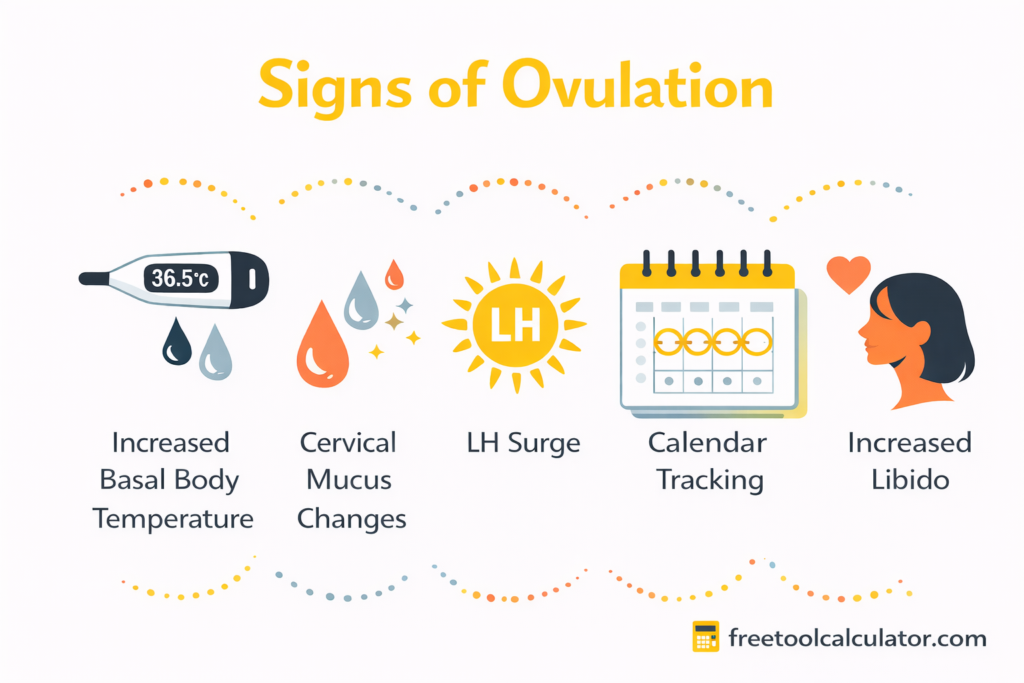
The most accurate results occur when you combine the calculator with biological indicators such as basal body temperature, ovulation predictor kits, and cervical mucus tracking. This combination is consistent with fertility awareness methods used globally and aligns with standard reproductive medicine principles.

Why biological tracking is more reliable than calendar counting

Calendar counting assumes the body behaves predictably. Biological tracking reflects actual hormonal changes. In irregular cycles, biological tracking provides evidence of fertility progression, confirms whether ovulation occurred, and helps identify patterns over time. For pregnancy planning, this reduces guesswork and supports more accurate timing.

How to calculate your ovulation day if your periods are irregular

When periods are irregular, the most reliable approach is to identify ovulation through signs that the body is preparing for and completing ovulation. Instead of asking what day you will ovulate, the medically correct question becomes how to identify when ovulation is approaching and when it has already occurred.

You can estimate ovulation using these clinical indicators. A positive ovulation predictor kit suggests ovulation is likely within about 24 to 36 hours. Cervical mucus that becomes clear, slippery, and stretchy indicates high fertility and often occurs in the days leading up to ovulation. Basal body temperature rises after ovulation and confirms ovulation in hindsight. For irregular cycles, these signals matter more than cycle day numbers.

An Ovulation Calculator for Irregular Periods helps by narrowing the likely fertile window based on your history. You then use body signals to pinpoint timing within that window. Over several cycles, this process becomes more accurate and allows many women to identify consistent personal patterns even when cycle lengths vary.

What is the BBT 3 over 6 rule and how it identifies ovulation

The BBT 3 over 6 rule is a commonly used, medically grounded approach to confirm ovulation using basal body temperature charting. Basal body temperature is the resting temperature measured immediately after waking, before getting out of bed, eating, drinking, or moving significantly. After ovulation, progesterone rises and causes a small but meaningful temperature increase.

The 3 over 6 rule means that after at least six consecutive lower temperature readings, you must see three consecutive higher temperature readings that are above the highest of the previous six. When that pattern occurs, ovulation is considered confirmed. In most cases, ovulation happened the day before the first higher reading.

This method is helpful for women using an Ovulation Calculator for Irregular Periods because it provides objective confirmation that ovulation occurred, even when cycles are unpredictable. It is especially valuable for understanding luteal phase length and for calculating days past ovulation accurately.

Practical example of the 3 over 6 rule

If your temperatures for six days are around 97.2°F to 97.4°F and then you record three days at 97.7°F, 97.8°F, and 97.9°F, the sustained rise suggests ovulation likely occurred the day before the first 97.7°F reading. This is a practical way to estimate ovulation retrospectively.

Does a 26 day cycle change when you ovulate compared to a 28 day cycle

Yes, a 26 day cycle often means ovulation happens earlier than it would in a 28 day cycle, but the exact day varies between individuals. The key is understanding the two phases of the cycle. The luteal phase after ovulation is usually more stable and commonly lasts about 12 to 14 days. The follicular phase before ovulation is the phase that varies.

If a woman has a 28 day cycle and a 14 day luteal phase, ovulation commonly occurs around day 14. If a woman has a 26 day cycle and a similar luteal phase length, ovulation may occur around day 12. This is a general estimate, not a guarantee. Stress, illness, and hormonal shifts can move ovulation earlier or later.

An Ovulation Calculator for Irregular Periods helps you estimate fertile timing across different cycle lengths. If you notice your cycles often range between 26 and 32 days, the calculator can help identify the broader fertile window and support better planning.

Why shorter cycles usually mean earlier ovulation

Because the luteal phase tends to remain relatively consistent, shorter total cycle lengths usually reflect a shorter follicular phase. That moves ovulation earlier. However, if the luteal phase is unusually short, professional evaluation may be needed, particularly when pregnancy planning is a goal.

Can you ovulate twice in one single menstrual cycle

A woman cannot ovulate, then ovulate again days or weeks later in the same menstrual cycle. After ovulation, progesterone increases and suppresses the hormonal cascade needed for another ovulation event. This is a normal protective mechanism of the reproductive system.

However, it is possible to release two eggs within a short window of time, typically within 12 to 24 hours, during the same ovulatory event. This is called multiple ovulation and is how fraternal twins can occur. Even in this situation, it is still considered one ovulation phase, not two separate ovulation events.

For fertility tracking, this means there is one fertile window per cycle. An Ovulation Calculator for Irregular Periods appropriately estimates one fertile window, consistent with medical physiology.

Why the concept of two separate ovulations is a myth

The myth often comes from misunderstanding irregular bleeding, mid cycle spotting, or changes in cervical mucus. These signs may shift, but they do not indicate two separate ovulations. Progesterone after ovulation prevents a second ovulation from occurring in the same cycle.

How to count days past ovulation DPO accurately

Days past ovulation is a standardized way to track the post ovulation timeline. Ovulation day itself is counted as 0 DPO. The day after ovulation is 1 DPO, and the count continues from there. This is essential for timing pregnancy tests and understanding implantation and hormonal progression.

Accurate DPO depends on correctly identifying ovulation day. In irregular cycles, this is best done by using the BBT shift confirmed by the 3 over 6 rule, supported by ovulation predictor kits and cervical mucus tracking.

Using BBT to estimate ovulation for DPO

With BBT, ovulation is estimated as the day before the first sustained temperature rise. If your first higher temperature occurs on cycle day 19 and is followed by two more higher temperatures, ovulation likely occurred on cycle day 18. Cycle day 19 is then 1 DPO.

Using LH testing to estimate ovulation for DPO

If you have a positive LH test, ovulation typically occurs about 12 to 36 hours later. For DPO counting, the ovulation day is usually the day after the surge begins, though timing varies. Combining LH testing with BBT improves accuracy.

When to test for pregnancy based on DPO

Implantation commonly occurs around 6 to 10 DPO. Pregnancy hormone levels may not be high enough to detect early. Testing too early can produce a false negative. Clinically, many women obtain more reliable urine test results closer to 10 to 14 DPO. Blood testing can detect pregnancy earlier but should be ordered through a clinician when appropriate.

For women using an Ovulation Calculator for Irregular Periods, DPO provides a more reliable timeline than cycle day numbers. This helps reduce confusion and prevents premature testing.

How to use the ovulation fertility calculator tool effectively

To support pregnancy planning, use the free calculator here as your primary guide: https://freetoolcalculator.com/ovulation-fertility-calculator/ An Ovulation Calculator for Irregular Periods is most helpful when used consistently over several months, allowing it to reflect your personal cycle variability.

Best practice includes entering accurate cycle details, using LH tests during the predicted fertile window, checking cervical mucus daily during the fertile window, and tracking BBT to confirm ovulation. Over time, you gain a clearer picture of your cycle behavior even when it is irregular.

A second natural placement of your tool link within the body content helps users who are actively searching for immediate fertility guidance. If you want to calculate your current fertile window today, you can use the Ovulation Calculator for Irregular Periods here: https://freetoolcalculator.com/ovulation-fertility-calculator/

Because it is completely free, it offers an accessible starting point for women worldwide seeking medically sound fertility estimates.

When to seek medical evaluation

If cycles are consistently longer than 35 days, shorter than 21 days, or absent for several months, a medical evaluation is recommended. Persistent irregularity can be associated with endocrine conditions that require treatment. If you are trying to conceive for 12 months under age 35 or for 6 months over age 35 without success, professional fertility assessment is appropriate.

Final medical conclusion

An Ovulation Calculator for Irregular Periods is a scientifically grounded tool that supports fertility tracking when cycle timing is unpredictable. Irregular cycles reduce the reliability of calendar estimates, but biological tracking methods provide clarity. The BBT 3 over 6 rule confirms ovulation, shorter cycles such as 26 days often shift ovulation earlier, and ovulation does not occur twice weeks apart in one cycle. Finally, accurate DPO counting begins the day after ovulation and depends on correctly identifying ovulation timing. When used together, the calculator, BBT tracking, LH testing, and cervical mucus observation create a medically sound approach to pregnancy planning and reproductive health understanding on a completely free platform.
Share this article:

On This Page

Subscribe to our newsletter

Read the latest articles from our experts

Related Posts

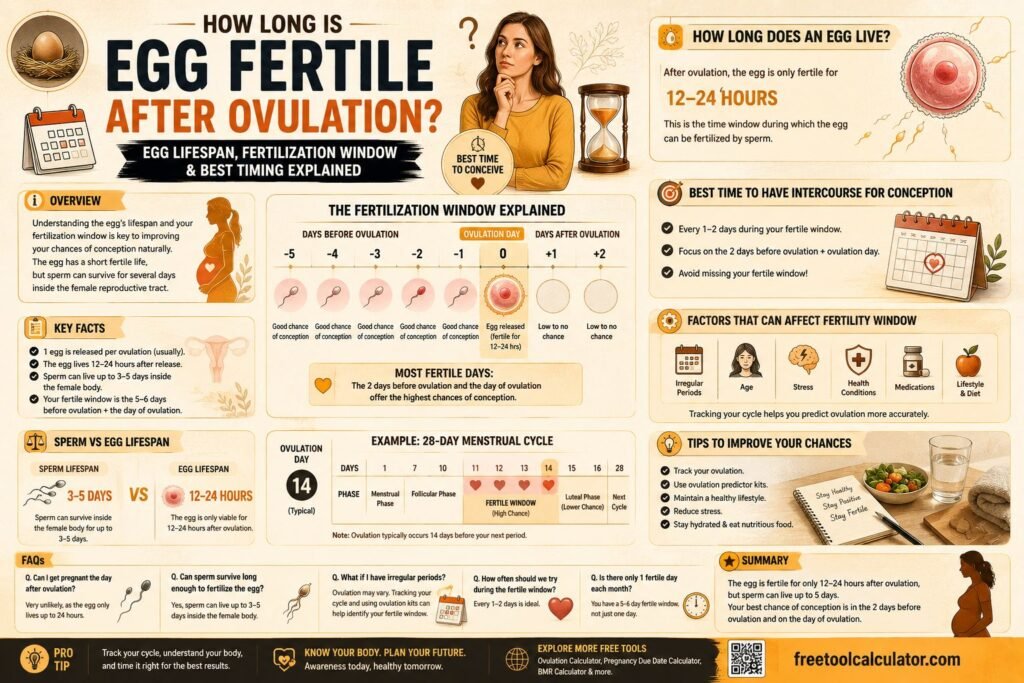
How Long Is Egg Fertile After Ovulation? Egg Lifespan, Fertilization Window & Best Timing Explained

How Long Is Egg Fertile After Ovulation? Egg Lifespan, Fertilization Window & Best Timing Explained

An egg is usually fertile for about 12 to 24 hours after ovulation. This short window matters because sperm can survive longer inside the reproductive tract. Understanding egg lifespan, ovulation timing, and the fertile window can help you better estimate your most fertile days and plan with more confidence.
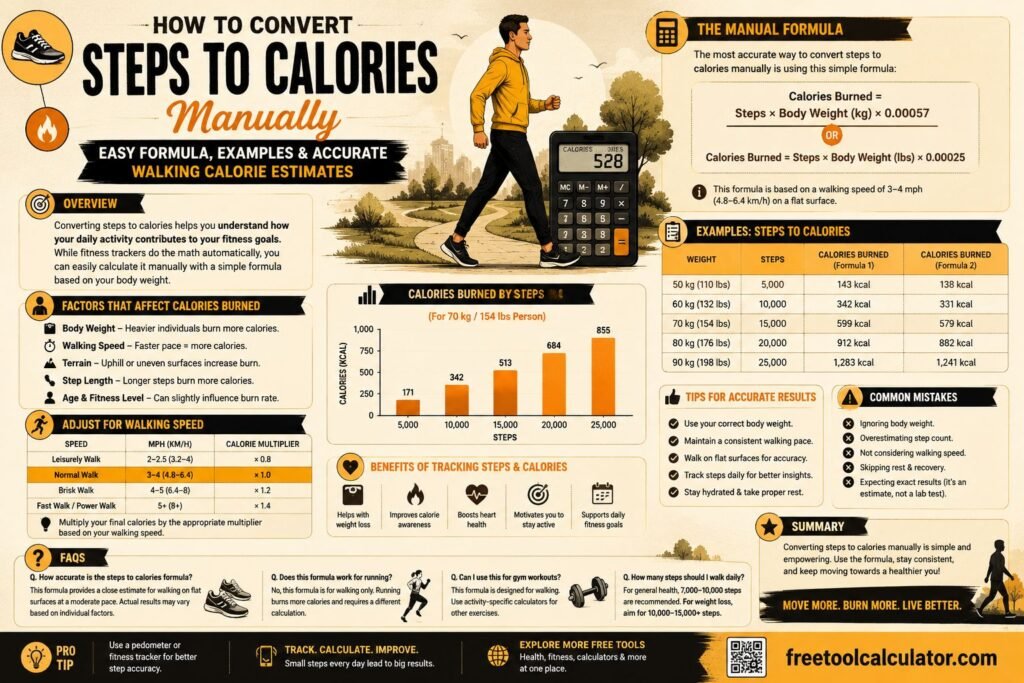
How to Convert Steps to Calories Manually: Easy Formula, Examples & Accurate Walking Calorie Estimates

How to Convert Steps to Calories Manually: Easy Formula, Examples & Accurate Walking Calorie Estimates

Learn how to convert steps to calories manually using simple equations, body weight, walking distance, and pace. This guide explains the calculation process with practical examples while helping you understand why estimates vary and how to improve accuracy using a free online Steps to Calories Calculator.

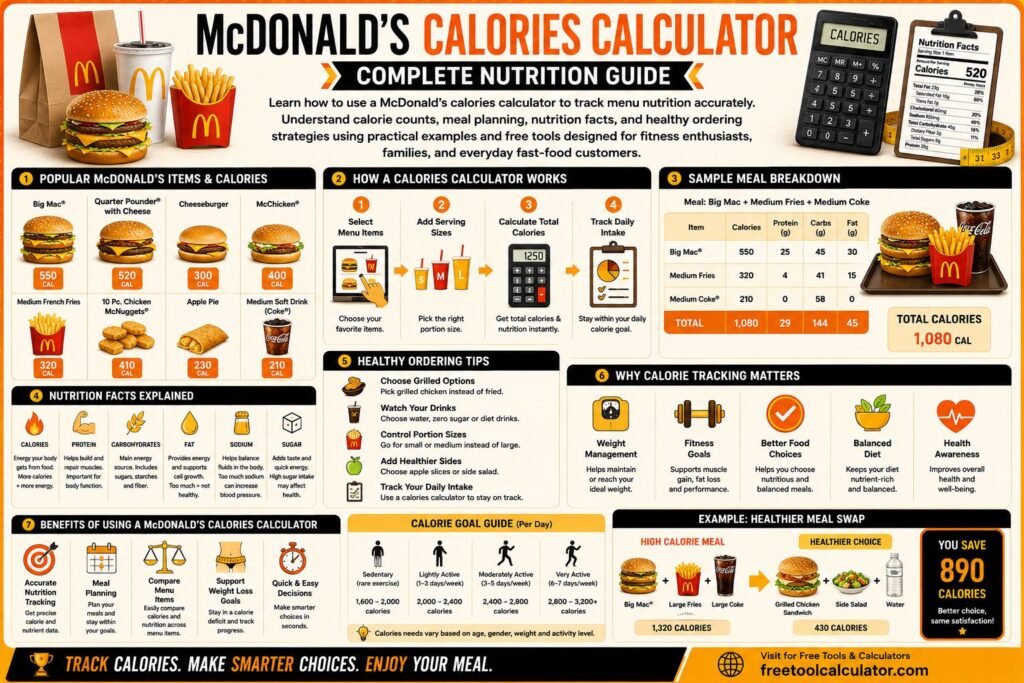
McDonald's Calories Calculator Complete Nutrition Guide

McDonald’s Calories Calculator Complete Nutrition Guide

Learn how to use a McDonald’s calories calculator to track menu nutrition accurately This guide explains McDonald’s calorie counts meal planning nutrition facts and healthy ordering strategies using practical examples and free tools designed for fitness enthusiasts families and everyday fast food customers alike

Water Intake Calculator Daily Hydration Guide

Water Intake Calculator Daily Hydration Guide

Learn how to use a water intake calculator to calculate daily hydration needs accurately This guide explains water consumption formulas hydration benefits and daily fluid requirements using simple methods and free tools to improve health fitness energy and overall wellness for all age groups effectively

Exercise Bike Workout Plan for Weight Loss Beginner to Advanced Guide

Exercise Bike Workout Plan for Weight Loss Beginner to Advanced Guide

Learn the best exercise bike workout plan for weight loss with beginner to advanced routines This guide explains cycling workout plans calorie burning methods and bike fat loss routines using practical strategies and free fitness tools to improve endurance burn fat and achieve long term fitness goals effectively

Online Age Calculator Complete Guide to Calculate Your Exact Age Instantly

Online Age Calculator Complete Guide to Calculate Your Exact Age Instantly

Calculate your exact age in seconds with a free online age calculator This guide explains how age is calculated, what chronological age means, and how to use accurate tools to find your age instantly for personal, medical, and official use with complete reliability and ease

How Many Calories Should You Burn in a Workout Complete Guide

How Many Calories Should You Burn in a Workout Complete Guide

Learn workout calories burn with this complete guide Understand how many calories you should burn in a workout, what affects calorie burn, and how to track progress using accurate tools to improve fitness, weight loss, and overall health with simple and effective methods for all users

How to Check Stress Level Simple Methods and Accurate Guide

How to Check Stress Level Simple Methods and Accurate Guide

Learn how to check stress level using simple and effective methods This guide explains stress level check techniques, symptoms, and tools to measure stress level accurately and manage mental health better using practical steps and reliable tools suitable for all users

Best Time to Sleep and Wake Up Science Based Complete Guide

Best Time to Sleep and Wake Up Science Based Complete Guide

Learn best sleep time with this science based guide Understand what time is best to sleep, how sleep cycle timing works, and how to build an ideal sleep schedule to improve energy, focus, and overall health using simple methods and practical tools for all age groups

Ideal Body Weight Calculator Accurate Guide to Find Your Perfect Weight

Ideal Body Weight Calculator Accurate Guide to Find Your Perfect Weight

Learn how to use an ideal body weight calculator to calculate ideal weight accurately This guide explains IBW formulas, healthy weight ranges, and how to track your progress using reliable tools to improve fitness, health, and body composition with simple and practical methods for all users

Daily Water Intake Guide How Much Do You Need for Health

Daily Water Intake Guide How Much Do You Need for Health

Learn daily water intake with this complete guide Understand recommended water intake, hydration levels, and how much water you should drink per day using simple methods and accurate tools to improve health, energy, and overall wellness for all age groups easily

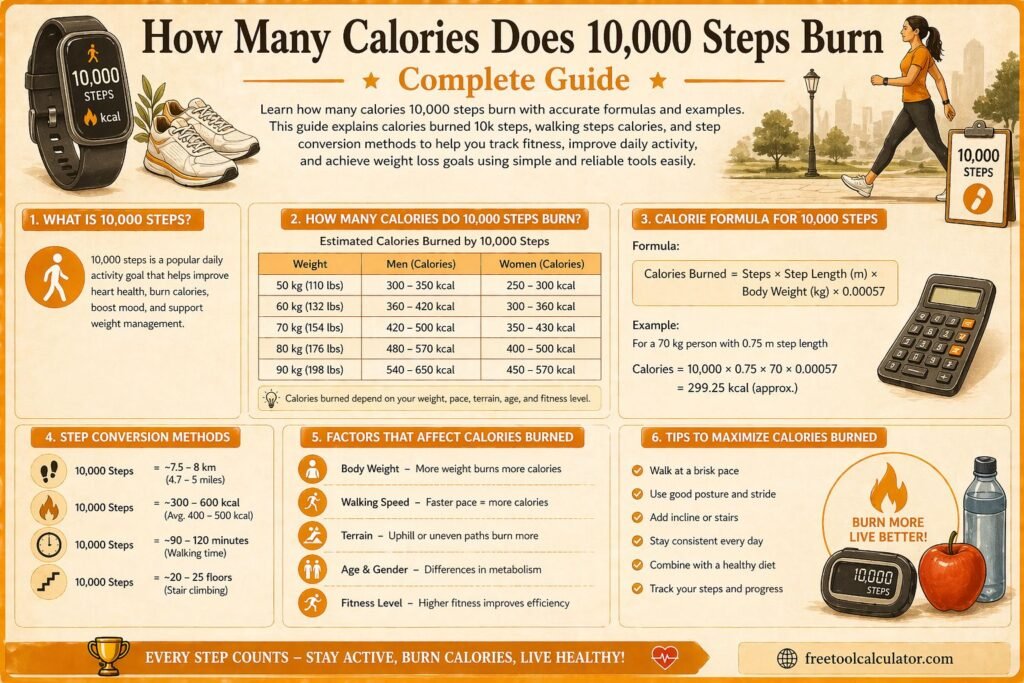
How Many Calories Does 10,000 Steps Burn Complete Guide

How Many Calories Does 10,000 Steps Burn Complete Guide

Learn how many calories 10000 steps burn with accurate formulas and examples This guide explains calories burned 10k steps, walking steps calories, and step conversion methods to help you track fitness, improve daily activity, and achieve weight loss goals using simple and reliable tools easily

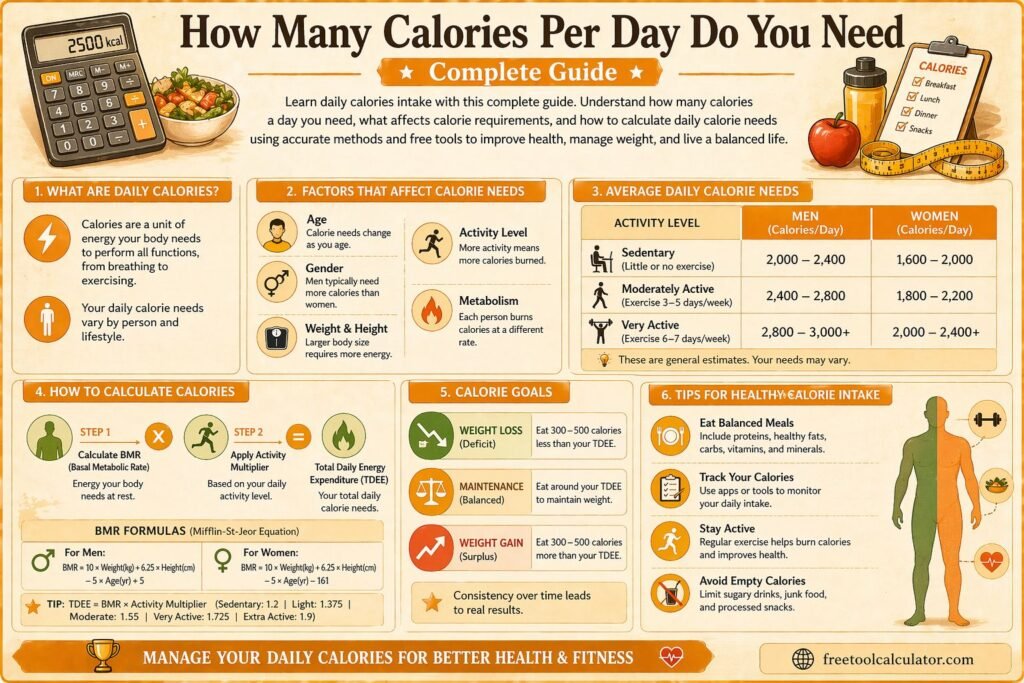
How Many Calories Per Day Do You Need Complete Guide

How Many Calories Per Day Do You Need Complete Guide

Learn daily calories intake with this complete guide Understand how many calories a day you need, what affects calorie requirements, and how to calculate daily calorie needs using accurate methods and free tools to improve health, manage weight, and maintain a balanced lifestyle easily

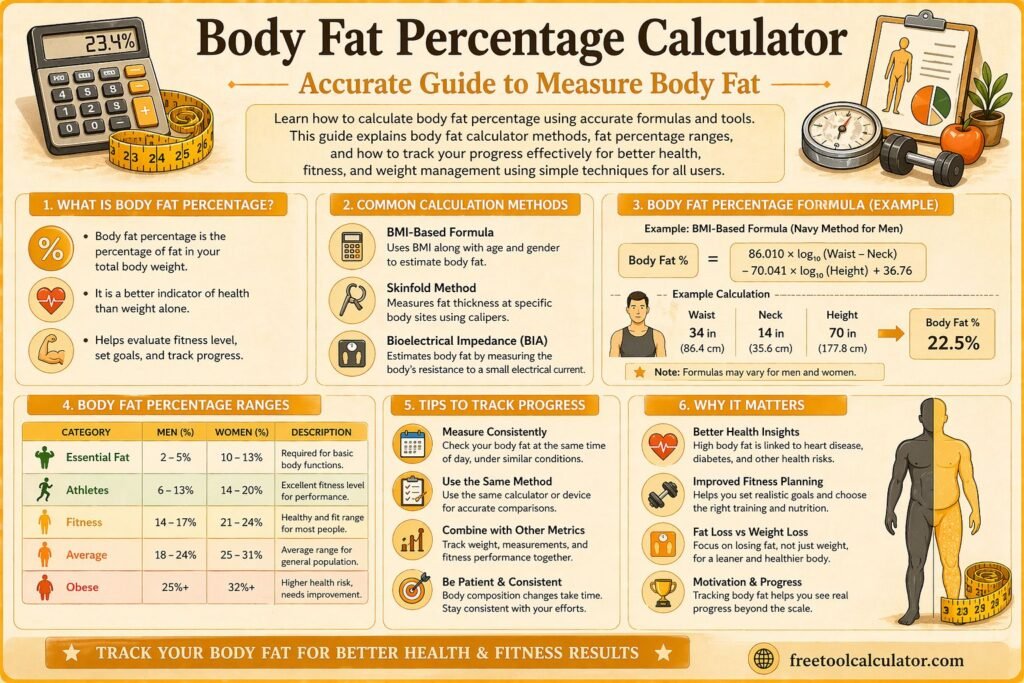
Body Fat Percentage Calculator Accurate Guide to Measure Body Fat

Body Fat Percentage Calculator Accurate Guide to Measure Body Fat

Learn how to calculate body fat percentage using accurate formulas and tools This guide explains body fat calculator methods, fat percentage ranges, and how to track your progress effectively for better health, fitness, and weight management using simple techniques designed for all users easily and accurately

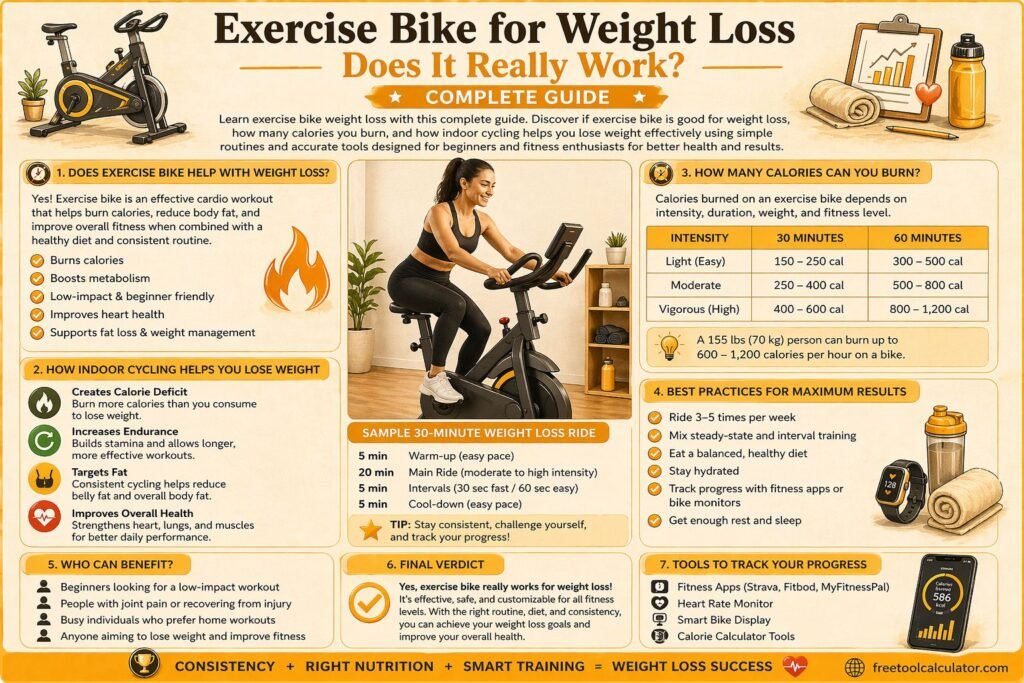
Exercise Bike for Weight Loss Does It Really Work Complete Guide

Exercise Bike for Weight Loss Does It Really Work Complete Guide

Learn exercise bike weight loss with this complete guide Discover if exercise bike is good for weight loss, how many calories you burn, and how indoor cycling helps you lose weight effectively using simple routines and accurate tools designed for beginners and fitness enthusiasts for better health and results

Steps to Calories Conversion and Why It Matters Steps to calories conversion is an important concept for anyone tracking fitness, weight loss, or daily activity levels. It helps estimate how many calories you burn based on the number of steps you take. This calculation is widely used in fitness tracking apps and wearable devices to give users a better understanding of their physical activity. Knowing how to convert steps to calories allows you to monitor your progress and adjust your routine accordingly. Whether you are trying to lose weight, maintain fitness, or improve overall health, understanding this conversion provides valuable insights. You can easily convert steps to calories using this free tool and get accurate results instantly. What Is Steps to Calories Conversion Steps to calories conversion refers to estimating the number of calories burned while walking or running based on step count. Since each step requires energy, your body burns calories during movement. The total calories burned depend on factors such as body weight, walking speed, and step length. This method is commonly used because it is simple and accessible. Most people track their steps daily using smartphones or fitness trackers, making it easy to estimate calorie burn without complex calculations. Understanding steps to calories helps you stay motivated and maintain consistency in your fitness journey. It also provides a clear measurement of your daily activity level. Steps to Calories Formula Explained The steps to calories formula is based on average energy expenditure per step. A common estimate is that a person burns approximately 0.04 to 0.06 calories per step. However, this value can vary depending on individual factors. A simple formula is Calories burned equals steps multiplied by calories per step For example, if you take 10000 steps and burn 0.05 calories per step, the total calories burned would be 500. This formula provides a quick estimate but may not be fully accurate for everyone. Using a reliable calculator ensures better precision and personalized results. Factors That Affect Calories Per Step Calories per step are not the same for everyone. Several factors influence how many calories you burn during physical activity. Body weight is one of the most important factors. Heavier individuals tend to burn more calories because their bodies require more energy to move. Walking speed also plays a role. Faster walking or running increases calorie burn compared to slow walking. Step length and terrain also affect energy expenditure. Walking uphill or on uneven surfaces requires more effort and burns more calories. Understanding these factors helps you make more accurate estimates when performing steps to calories conversion. How to Convert Steps to Calories Accurately To convert steps to calories accurately, start by tracking your daily step count. Then use an appropriate calorie per step value based on your body weight and activity level. Multiply the steps by this value to estimate calories burned. For more accurate results, it is recommended to use a tool that considers multiple factors. You can calculate steps to calories using this free calculator and get personalized results instantly. Using a dedicated tool ensures that your calculations are based on reliable data, making your fitness tracking more effective. Real Examples of Steps to Calories Conversion Examples make it easier to understand steps to calories conversion. If a person walks 5000 steps and burns approximately 0.05 calories per step, they would burn around 250 calories. Similarly, walking 10000 steps may burn about 400 to 600 calories depending on factors like weight and speed. These estimates show how increasing your step count can significantly impact calorie burn. Tracking your daily steps and converting them into calories helps you stay consistent and motivated in your fitness routine. Benefits of Tracking Steps to Calories Tracking steps to calories provides several benefits. It helps you understand how active you are throughout the day and encourages you to stay consistent. It also allows you to set realistic fitness goals and measure progress over time. For individuals trying to lose weight, this method provides a simple way to monitor calorie expenditure. It also helps in maintaining a balance between calorie intake and output. Using tools like a calorie calculator can further enhance your understanding of daily energy needs and improve your overall fitness plan. Common Mistakes in Steps to Calories Calculation One common mistake is assuming that calories per step are the same for everyone. This can lead to inaccurate estimates. Another mistake is ignoring factors such as walking speed and terrain, which can significantly affect calorie burn. Relying solely on step count without considering overall activity level is another issue. For example, strength training and other exercises also contribute to calorie burn but are not reflected in step count. Using accurate tools and understanding the limitations of step based calculations helps avoid these mistakes. Advanced Tips to Improve Accuracy To improve accuracy, consider using wearable devices that track additional metrics such as heart rate and distance. These devices provide more precise calorie estimates. Maintaining a consistent walking routine also helps in getting reliable data. Tracking your progress over time allows you to identify patterns and make necessary adjustments. Combining step tracking with other tools like a tdee calculator can give a complete picture of your daily energy expenditure. This approach helps you manage your fitness goals more effectively. How Steps to Calories Helps in Weight Loss Steps to calories conversion is a useful tool for weight loss. By increasing your daily step count, you can burn more calories and create a calorie deficit, which is essential for losing weight. For example, adding an extra 2000 steps to your daily routine can burn additional calories over time. This small change can lead to significant results when combined with a balanced diet. Understanding how to convert steps to calories allows you to set realistic goals and track your progress effectively. It also helps you stay motivated and consistent. Conclusion Steps to Calories Conversion Made Simple Steps to calories conversion is a simple yet powerful way to track your physical activity and improve your health. By understanding the steps to calories formula and using accurate tools, you can estimate your calorie burn effectively. If you want precise and instant results, you can use this free steps to calories calculator and track your daily activity with ease. Combining this with other health tools ensures a complete and effective fitness strategy for long term success.

Steps to Calories Conversion Guide Accurate Formula Explained

Learn steps to calories conversion with accurate formulas and examples This guide explains how to convert steps to calories, understand calories per step, and track daily activity effectively using simple methods and free tools to improve fitness and health for all users easily and accurately

How Long After Positive Ovulation Test Are You Fertile Complete Guide

How Long After Positive Ovulation Test Are You Fertile Complete Guide

Learn positive ovulation fertility timing with this complete guide Understand how long after ovulation test positive you are fertile, how ovulation test results work, and how to identify your fertile window accurately to improve conception chances using simple methods and reliable tools designed for all users

Man and woman measuring foot size with ruler to determine average shoe size and proper shoe fitting at home

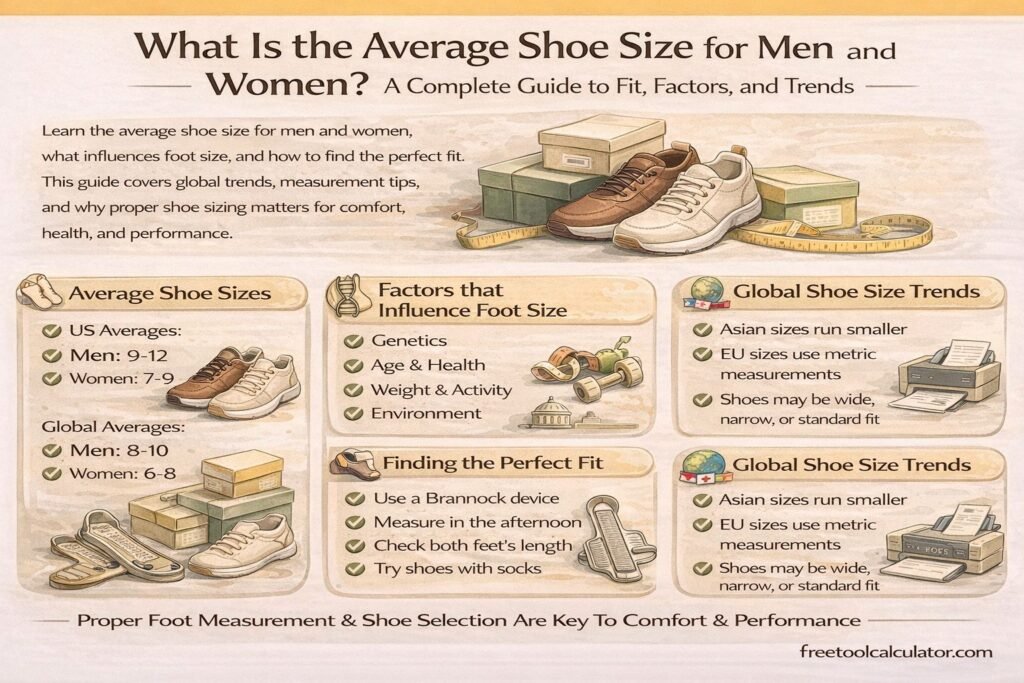
What Is the Average Shoe Size for Men and Women? A Complete Guide to Fit, Factors, and Trends

Learn the average shoe size for men and women, what influences foot size, and how to find the perfect fit. This guide covers global trends, measurement tips, and why proper shoe sizing matters for comfort, health, and performance.

How Many Steps to Burn Calories A Complete Guide to Tracking Your Fitness Goals

How Many Steps to Burn Calories: A Complete Guide to Tracking Your Fitness Goals

Learn how many steps it takes to burn calories with our comprehensive guide. Whether you want to burn 100, 500, or even 1000 calories, we break it down for you. Start your fitness journey today with helpful tips!

How many days of high fertility before peak on Clearblue

How Many Days of High Fertility Before Peak on Clearblue?

Learn how many days of High Fertility occur before Peak on Clearblue. Discover tips for timing intercourse, how stress or PCOS can affect your cycle, and how to use the Clearblue fertility monitor.

Rectangle (Banana) Body Shape: Best Dresses, Tops & Styling Tips

Rectangle (Banana) Body Shape: Best Dresses, Tops & Styling Tips

Discover the best dresses, tops, and styling tips for a rectangle (banana) body shape. Learn how to create curves and shop confidently today.

Hourglass Body Shape: The Best Dresses, Tops, and Styling Tips

Hourglass Body Shape: Best Dresses, Tops & Styling Tips

Discover the best dresses, tops, and styling tips for an hourglass body shape. Learn how to highlight your curves and shop confidently today.

Apple Body Shape Best Dresses, Tops & Styling Tips

Apple Body Shape

Apple body shape style guide featuring the best dresses, clothes, and tops that flatter your figure. Learn what works for your shape and shop with confidence.

Pear Body Shaped: Best Dresses, Jeans & Styles

Pear Body Shaped

Pear body shaped style guide with the best dresses, jeans, and outfit ideas. Learn what flatters your shape and build better looks today.

Boost Muscle Mass and Cut Fat Your Ultimate Guide

Boost Muscle Mass and Cut Fat: Your Ultimate Guide

Transform your body with our ultimate guide to boosting muscle mass while cutting fat. Discover essential tips and strategies for your fitness journey.

Track Body Transformation Fat Mass vs Muscle Mass Calculator

Track Body Transformation: Fat Mass vs Muscle Mass Calculator

Discover the benefits of using a Fat Mass vs Muscle Mass Calculator – Body Composition Breakdown to accurately assess your fitness progress and improve your health.

How Stress Level Calculators Work: HRV, Cortisol, and Burnout Explained

How Stress Level Calculators Work: HRV, Cortisol, and Burnout Explained

This guide explains how a Stress Level Calculator works using HRV, perceived stress scale scores, and physiological signals to estimate tension. Learn how digital stress assessments model cortisol patterns, distinguish acute stress from chronic burnout, and interpret results correctly for better daily stress monitoring and recovery planning decisions.

How to Use a Sleep Cycle Calculator to Find the Best Bedtime and Wake Time

How to Use a Sleep Cycle Calculator to Find the Best Bedtime and Wake Time

This guide explains how a Sleep Cycle Calculator uses 90-minute sleep cycles to choose better bedtimes and wake times. Learn how to reduce sleep inertia, account for sleep latency, and pick the best sleep cycle count for cognitive performance and daily energy using science-based sleep timing methods and tools.

What Does High Fertility Mean and How to Identify Your Most Fertile Days

What Does High Fertility Mean and How to Identify Your Most Fertile Days

Learn what high fertility means, how to recognize fertile signs, and how an Ovulation Fertility Calculator helps identify your best chances of pregnancy accurately.

Daily Water Intake Calculator Guide with Hydration Rules, Altitude, Exercise, and Biological Sex Factors

Daily Water Intake Calculator Guide with Hydration Rules, Altitude, Exercise, and Biological Sex Factors

This blog explains how a Daily Water Intake Calculator determines personalized hydration needs based on body weight, the 2/3 rule, altitude adjustments, exercise increases, and differences in hydration requirements by biological sex. Medical guidance clarifies practical hydration strategies for everyday health and performance.

Calorie Calculator Guide with BMR, TDEE, TEF, NEAT, and Formula Comparisons

Calorie Calculator Guide with BMR, TDEE, TEF, NEAT, and Formula Comparisons

This blog explains how a Calorie Calculator estimates Basal Metabolic Rate using different formulas, how Total Daily Energy Expenditure is calculated, and how the Thermic Effect of Food (TEF) and Non-Exercise Activity Thermogenesis (NEAT) influence daily calorie needs for personalized weight and metabolic planning.

Body Fat Percentage Calculator Guide with Navy Formula, AI Apps, BIA, DEXA, and Caliper Methods

Body Fat Percentage Calculator Guide with Navy Formula, AI Apps, BIA, DEXA, and Caliper Methods

This blog explains how different body fat assessment methods compare with a Body Fat Percentage Calculator. It covers the U.S. Navy formula versus BMI, AI photo apps, BIA scales, DEXA scans, and why Jackson Pollock 3-site and 7-site methods give different results for accurate body composition tracking.

Body Mass Index Calculator Guide with Official Formulas and Medical Interpretation

Body Mass Index Calculator Guide with Official Formulas and Medical Interpretation

This blog explains how a Body Mass Index Calculator works using official formulas, how to calculate BMI manually, what the New BMI means for short or tall people, and how doctors interpret BMI values from 25.0 to 29.9. It provides medically accurate guidance for weight assessment and health awareness.

Daily Water Intake by Age Activity and Lifestyle

Daily Water Intake by Age Activity and Lifestyle

Hydration needs change based on age activity climate and health. This doctor written guide explains how daily water intake differs for men women children athletes and older adults and how a daily water intake calculator helps determine the right amount for every life stage.

How Much Water Should You Drink Daily Optimal Intake Explained

How Much Water Should You Drink Daily Optimal Intake Explained

Daily water intake is essential for health hydration supports digestion energy metabolism and cognitive performance. This doctor written guide explains how to calculate your optimal daily water intake the factors that influence hydration needs and how to use a free daily water intake calculator to personalize your plan.

Body Fat vs BMI Which One Matters More

Body Fat vs BMI Which One Matters More for Health

Body fat percentage and BMI are both used to assess health but they measure very different things. This doctor written guide explains the difference between body fat and BMI which one matters more for health and why body fat percentage provides a clearer picture of metabolic risk and fitness.

How to Reduce Body Fat Percentage Safely and Sustainably

How to Reduce Body Fat Percentage Safely and Sustainably

Reducing body fat percentage safely requires more than extreme dieting. This doctor written guide explains how to lower body fat sustainably through evidence based nutrition exercise sleep and lifestyle strategies while preserving muscle improving metabolism and supporting long term health using accurate body fat tracking.

What Is a Healthy Body Fat Percentage for Men and Women

What Is a Healthy Body Fat Percentage for Men and Women

Many people ask what a healthy body fat percentage is and how it differs by age and gender. This doctor-written guide explains ideal body fat ranges for men and women how age affects body composition and how to use a body fat percentage calculator to assess health risk accurately.

What Is Body Fat Percentage and Why It Matters for Health

What Is Body Fat Percentage and Why It Matters for Health

Body fat percentage is a key health metric that goes beyond weight alone. This doctor-written guide explains what body fat percentage is how it’s measured why it matters for health and fitness and how you can use a free body fat percentage calculator to assess your risk and set realistic goals.

Ovulation Pain Explained What Is Normal and What Is Not

Ovulation Pain Explained What Is Normal and What Is Not

Ovulation pain is a common mid cycle symptom that can range from mild discomfort to sharp cramps. This doctor written guide explains what ovulation pain feels like why it happens how to identify normal ovulation pain and when pelvic pain may signal an underlying condition requiring medical attention.

Late Ovulation Explained Causes Symptoms and Fertility Impact

Late Ovulation Explained Causes Symptoms and Fertility Impact

Irregular ovulation is a common concern that affects fertility and cycle health. This medical guide explains why ovulation may be delayed or absent how to recognize signs of irregular ovulation and what steps help restore hormonal balance using accurate fertility tracking methods.

Ovulation Signs Fertile Window and Tracking Accuracy Explained

Ovulation Signs Fertile Window and Tracking Accuracy Explained

Learn how to recognize ovulation signs estimate your fertile window and understand hormone triggers and accuracy of ovulation strips. This expert guide explains timing fertility duration and combines medical insight with practical tracking tips including a free ovulation and fertility calculator.

Fertile Window Explained Ovulation Timing Tracking and Accuracy

Fertile Window Explained Ovulation Timing Tracking and Accuracy

Understanding fertility timing is essential for conception and cycle awareness. This guide explains the fertile window best time to conceive sperm survival ovulation tracking methods and when to seek medical help using science backed explanations and a free ovulation and fertility calculator for accurate predictions.

Complete Guide to Ovulation Signs Timing and Symptoms

Complete Guide to Ovulation Signs Timing and Symptoms

Understand ovulation from a medical perspective including what it is when it happens and common signs and symptoms. Learn how to track your fertile window and use the free ovulation and fertility calculator to better predict your most fertile days for conception or cycle awareness.

Calories Explained – Daily Needs, Deficit, Food Calories & Fat Loss

Calories Explained Daily Needs Deficit Food Calories and Fat Loss

Discover how many calories you need daily how calorie deficit works and answers to the most searched calorie questions including calorie content of common foods effective burning methods and the role of BMR in weight management with practical expert guidance.

bg-job2.jpg

Healthy BMI Tips Through Nutrition Exercise and Lifestyle

Maintaining a healthy BMI is built on everyday habits, not extreme measures. This doctor guided article explains how balanced nutrition regular physical activity and supportive lifestyle behaviors work together to regulate weight improve metabolism and protect long term health in a practical and sustainable way.

Tools & Resources

Explore our collection of professional tools designed to streamline your workflow

Report a Bug