What does high fertility mean and what this blog will explain
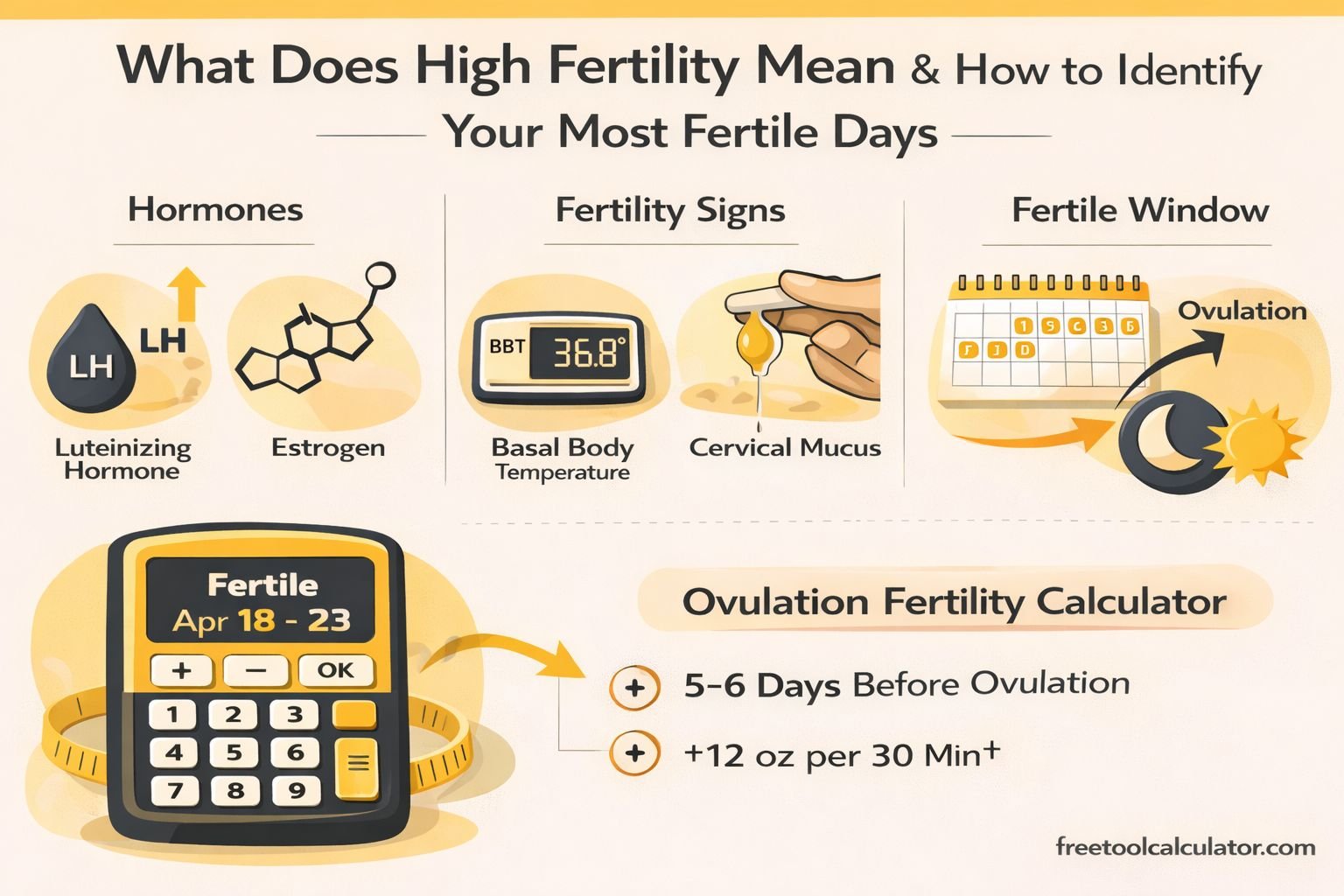
High fertility refers to the phase in a woman’s menstrual cycle when the chances of becoming pregnant are at their highest. In medical terms, high fertility is the period when hormonal conditions are most favorable for ovulation, sperm survival, fertilization, and early embryo development. In this blog, you will learn what high fertility truly means from a clinical perspective, how it differs from ovulation itself, what physical and hormonal signs indicate that high fertility has begun, how long it lasts, and how to accurately identify it using evidence-based fertility tracking methods. You will also understand how tools such as an Ovulation Fertility Calculator help predict high fertility days by analyzing cycle patterns and biological timing, allowing couples to plan pregnancy with greater confidence and precision.
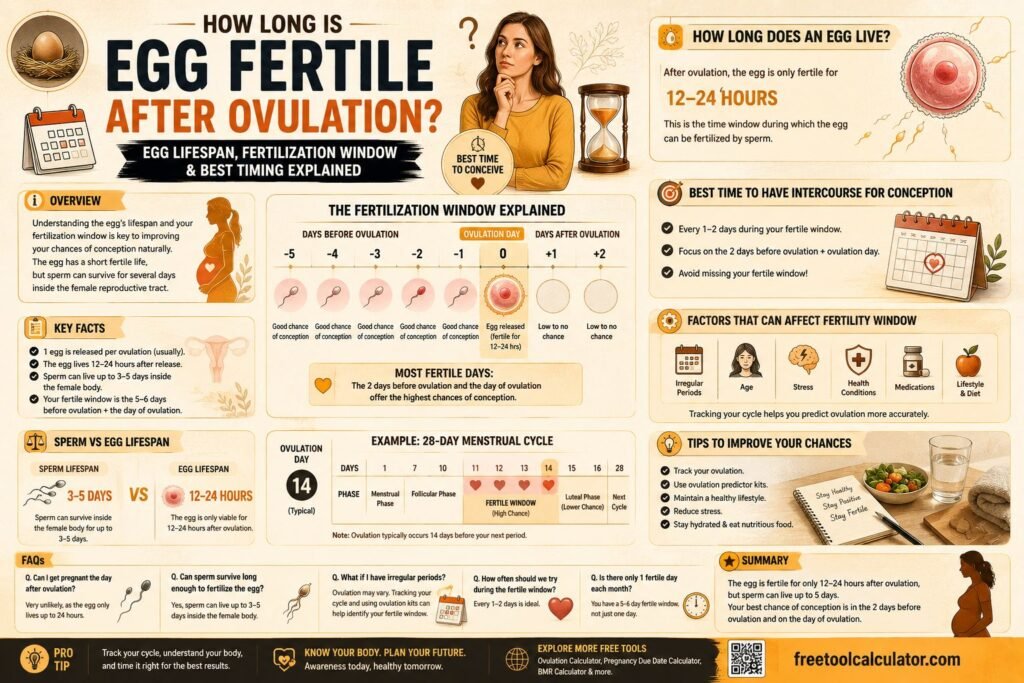
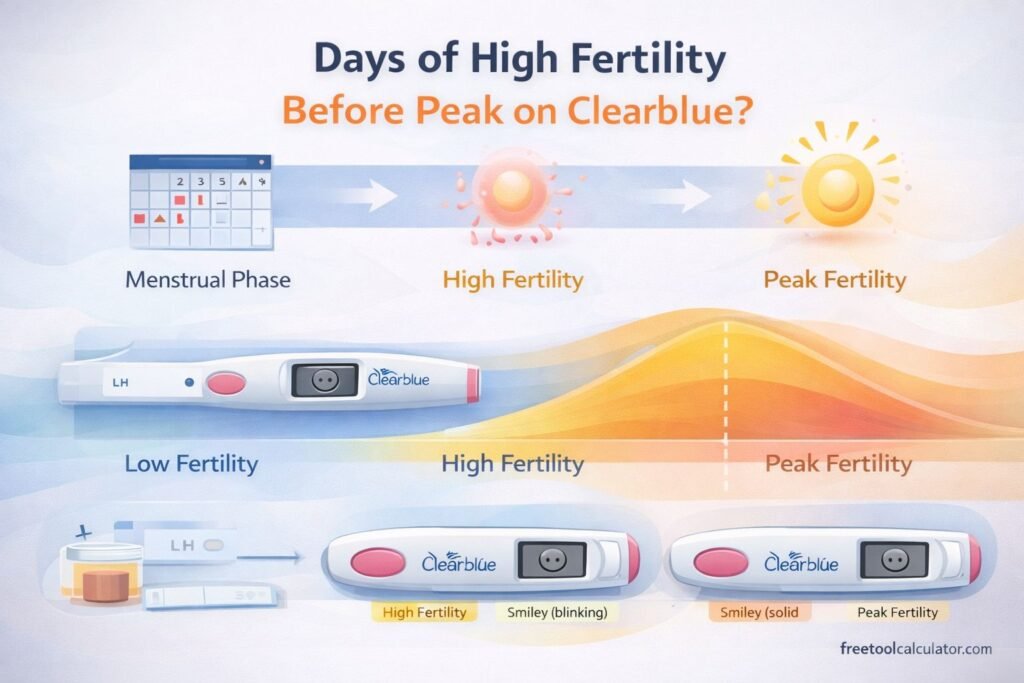
High fertility is not a single moment but a window of opportunity. While ovulation itself lasts only 12 to 24 hours, high fertility spans several days before ovulation and includes the ovulation day. This is because sperm can survive in the female reproductive tract for up to five days when fertile cervical mucus is present. Therefore, high fertility represents the most biologically efficient time for conception.
The medical definition of high fertility
From a medical standpoint, high fertility is the period during which the female reproductive system is physiologically optimized to support fertilization. It occurs under the influence of rising estrogen levels, which stimulate the maturation of ovarian follicles and prepare the cervix and uterus for potential pregnancy. High fertility begins when estrogen reaches levels sufficient to trigger changes in cervical mucus and ends shortly after ovulation when progesterone rises and fertility declines.
High fertility is characterized by three essential conditions. First, a mature egg is preparing to be released from the ovary. Second, the cervical mucus becomes thin, slippery, and alkaline, creating an environment that supports sperm survival and transport. Third, the hormonal signals necessary for ovulation, especially the luteinizing hormone surge, are developing. When these conditions align, the body enters its most fertile phase.
This phase is biologically short but critically important. Outside of high fertility, the probability of conception is extremely low because sperm cannot survive long in hostile cervical environments and no egg is available for fertilization.
Difference between high fertility and ovulation
High fertility and ovulation are closely related but not identical. Ovulation is the physical release of an egg from the ovary, whereas high fertility is the broader window of time surrounding ovulation when conception is possible.
Ovulation occurs once per cycle and lasts only 12 to 24 hours. Once the egg is released, it can be fertilized for a limited time before it disintegrates. High fertility, however, begins several days earlier because sperm can live inside fertile cervical mucus for up to five days. This means pregnancy can occur even if intercourse happens before ovulation.
Clinically, the most fertile days are the two days before ovulation and the day of ovulation itself. These days represent peak fertility because both sperm viability and egg availability overlap optimally.
Understanding this distinction helps couples avoid the mistake of focusing only on ovulation day and instead target the full high fertility window.
Hormonal changes that create high fertility
High fertility is driven primarily by the interaction of estrogen, luteinizing hormone, and progesterone.
As the menstrual cycle progresses, estrogen rises. This hormone thickens the uterine lining and changes the cervix to produce fertile mucus. When estrogen reaches a peak, it triggers a surge of luteinizing hormone from the pituitary gland. This LH surge causes the ovary to release an egg within approximately 24 to 36 hours.
Once ovulation occurs, progesterone rises and changes the cervical mucus into a thick barrier that blocks sperm entry. This marks the end of high fertility. The hormonal transition from estrogen dominance to progesterone dominance effectively closes the fertile window.
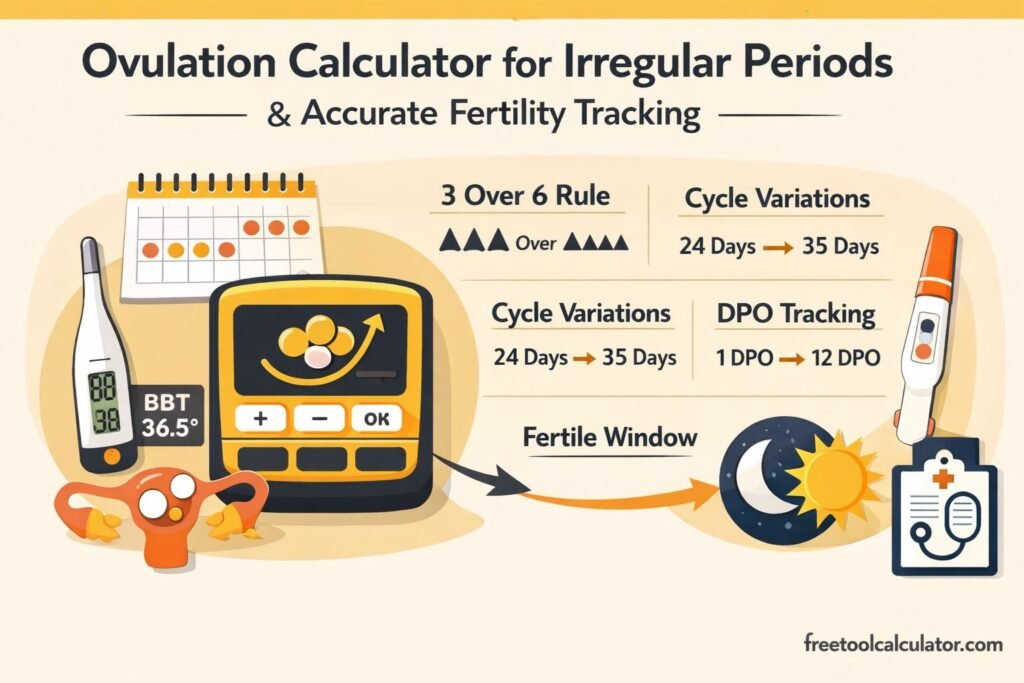
These predictable endocrine shifts allow fertility tracking tools, including an Ovulation Fertility Calculator, to estimate fertile days with reasonable clinical accuracy when cycles are tracked consistently.
Physical signs that indicate high fertility
The body provides clear biological signals that high fertility has begun. These signs are the foundation of natural fertility awareness methods used in both clinical and home settings.
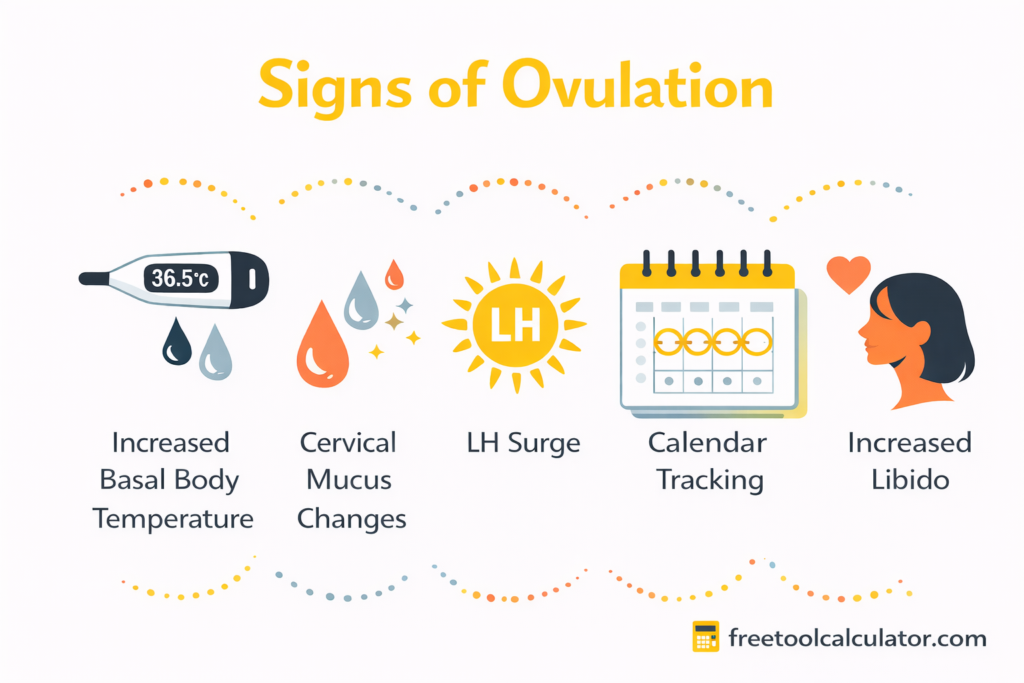
One of the most reliable indicators is cervical mucus. As estrogen increases, cervical mucus becomes clear, stretchy, and slippery, often compared to raw egg whites. This type of mucus supports sperm survival and facilitates their movement toward the fallopian tubes.
Another sign is increased libido. Many women notice heightened sexual desire during high fertility, which is thought to be an evolutionary adaptation promoting reproduction.
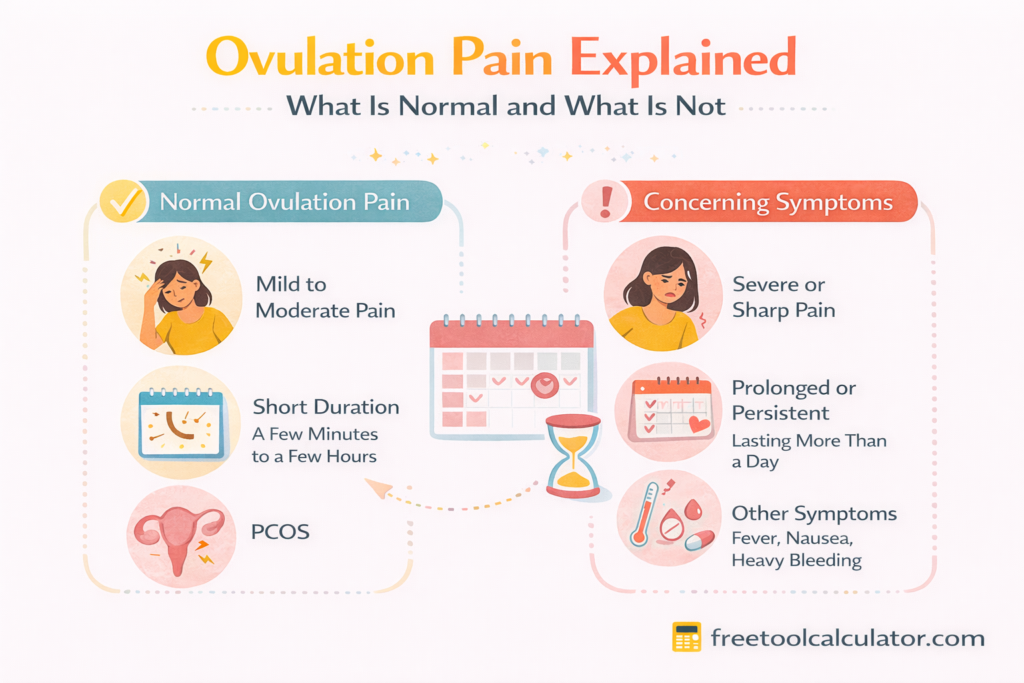
Some women experience mild pelvic discomfort known as mittelschmerz near ovulation. Breast tenderness or sensitivity to smell may also occur as hormones fluctuate.
Basal body temperature tracking does not predict high fertility but confirms that ovulation has already occurred. A sustained temperature rise marks the end of the fertile window, which is important for calculating days past ovulation.
How long high fertility lasts in a typical cycle
In most healthy women, high fertility lasts about five to six days. This includes the four to five days before ovulation and the ovulation day itself. The exact duration depends on sperm survival and individual cervical mucus patterns.
While the egg survives only 12 to 24 hours, sperm can remain viable for up to five days in fertile mucus. Therefore, intercourse that occurs up to five days before ovulation can still lead to pregnancy.
This biological reality is why identifying high fertility early is essential. Waiting for ovulation alone often misses the most efficient conception window.
Why high fertility matters for pregnancy planning
High fertility represents the optimal time for conception. Couples who time intercourse during this window have significantly higher pregnancy rates compared to those who rely on random timing.
Medical studies show that the probability of conception per cycle increases dramatically when intercourse is focused within the fertile window, especially during the two days before ovulation.
Understanding high fertility also reduces stress. Instead of daily guessing, couples can concentrate their efforts on specific days with the highest biological potential.
Tools such as the Ovulation Fertility Calculator help translate complex hormonal patterns into practical fertility predictions, making family planning more structured and less emotionally burdensome.