Introduction
Ovulation is one of the most important biological processes in the menstrual cycle and plays a central role in fertility hormonal balance and overall reproductive health. Whether you are trying to conceive avoid pregnancy or simply understand your body better knowing how ovulation works can be empowering. Ovulation determines when pregnancy is possible and influences physical emotional and hormonal changes throughout the month. While menstrual cycles vary significantly from person to person the underlying physiology of ovulation follows predictable patterns that can be tracked and understood. Using tools such as the free ovulation and fertility calculator https://freetoolcalculator.com/ovulation-fertility-calculator/ allows you to estimate fertile days and gain deeper insight into your cycle.
What Exactly Is Ovulation
Ovulation is the process by which a mature egg also called an ovum is released from an ovarian follicle. This event is triggered by hormonal signals from the brain particularly the surge of luteinizing hormone. Once released the egg enters the fallopian tube where fertilization may occur if sperm are present. Ovulation usually alternates between ovaries from cycle to cycle although this is not always consistent. Ovulation is essential for natural conception and marks the peak of fertility in each cycle.
When Does Ovulation Usually Occur
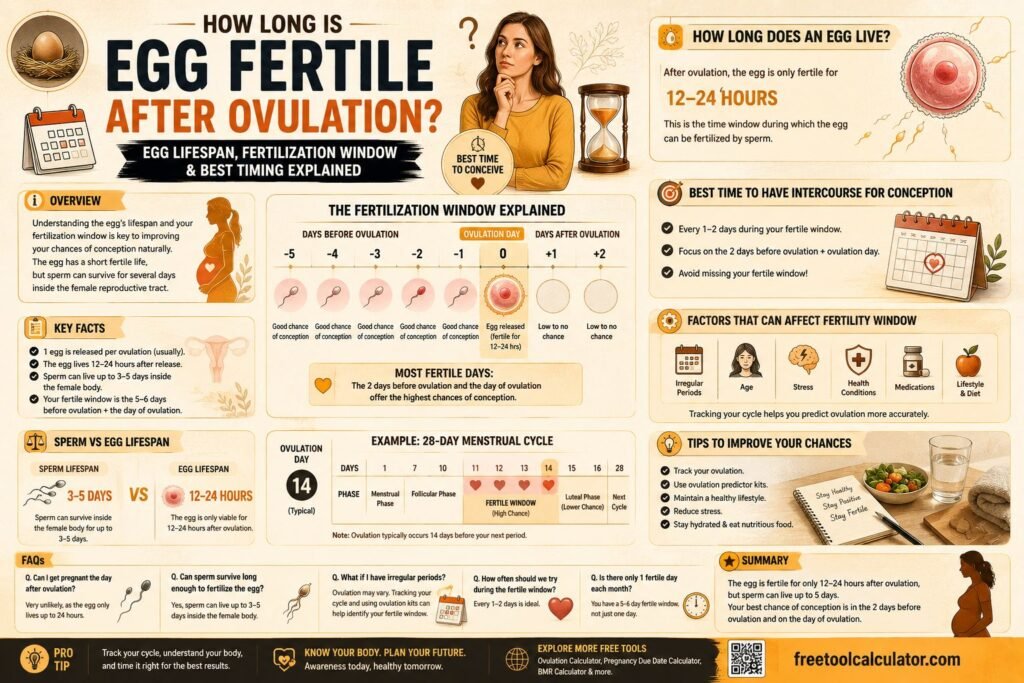
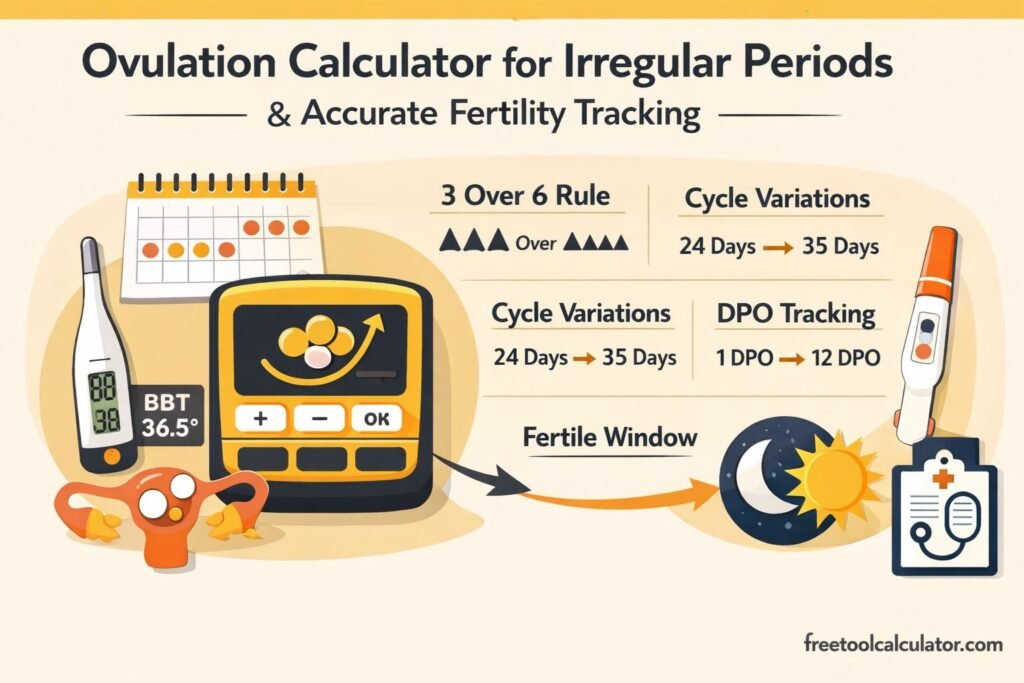
In a textbook 28 day menstrual cycle ovulation typically occurs around day fourteen counted from the first day of menstrual bleeding. However very few people have perfectly regular 28 day cycles. In reality ovulation occurs approximately twelve to sixteen days before the next period begins regardless of cycle length. This means someone with a 35 day cycle may ovulate around day nineteen while someone with a 24 day cycle may ovulate closer to day ten. Tracking ovulation based on future periods rather than past periods is often more accurate.
How Long Does the Ovulation Process Last
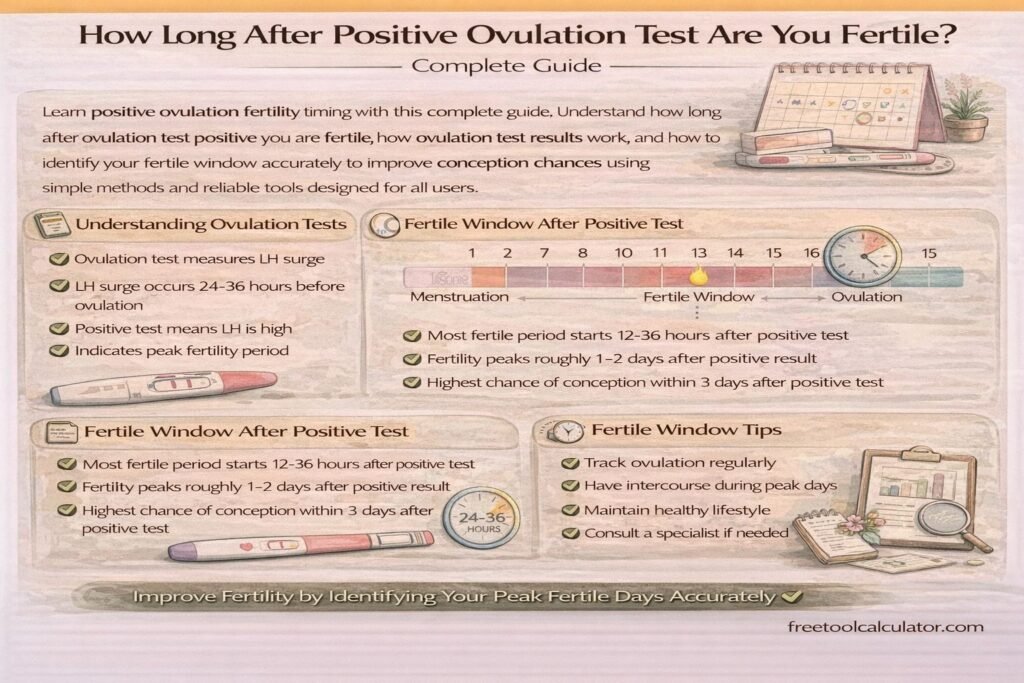
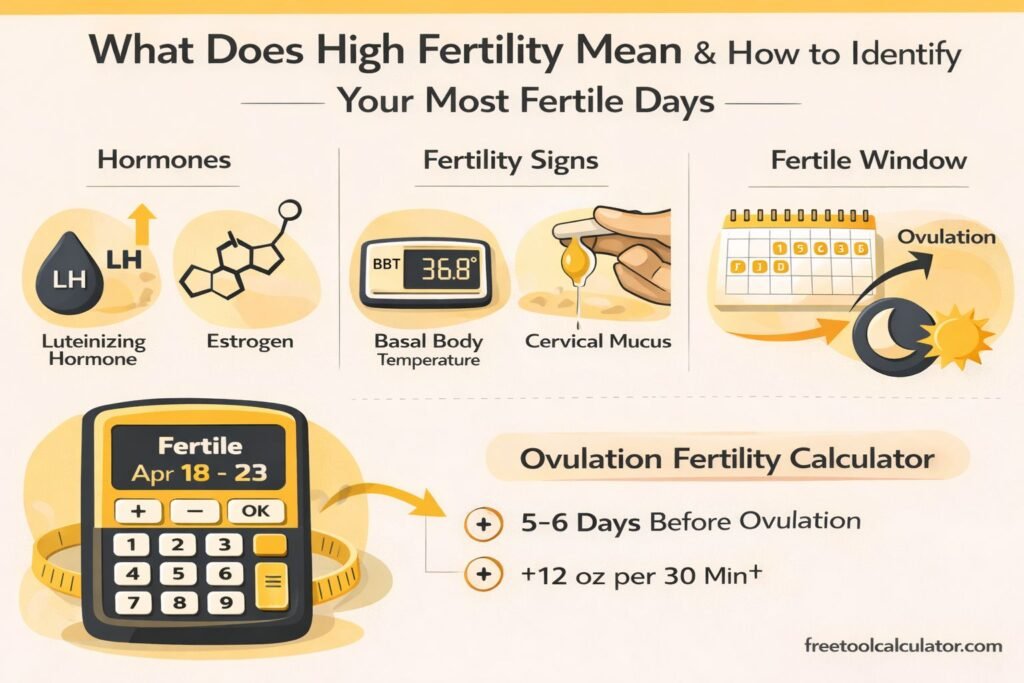
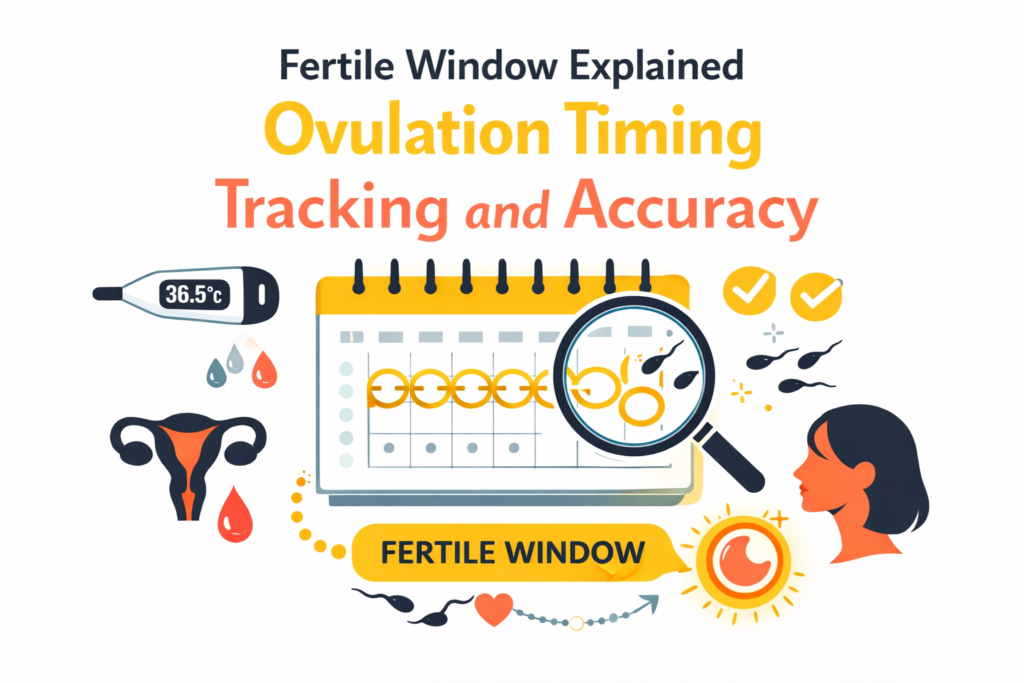
The actual release of the egg from the ovary happens quickly but the egg remains viable for only twelve to twenty four hours. If fertilization does not occur during this time the egg disintegrates and is absorbed by the body. Because sperm can survive for up to five days inside the reproductive tract the fertile window extends beyond the ovulation day itself. This is why pregnancy can occur from intercourse several days before ovulation rather than only on the exact ovulation day.
Can You Ovulate More Than Once in a Single Cycle
Typically only one ovulation event occurs per cycle. However during that single ovulatory window more than one egg may be released. When two eggs are released and both are fertilized fraternal twins result. This differs from identical twins which develop from a single fertilized egg. Genetic factors age and fertility treatments may increase the likelihood of releasing multiple eggs during one cycle.
Is It Possible to Have a Period Without Ovulating
Yes it is possible to experience bleeding that resembles a period without ovulation taking place. This is known as an anovulatory cycle. During anovulation hormonal fluctuations may still cause the uterine lining to shed even though no egg was released. Anovulatory cycles are common during adolescence postpartum periods perimenopause and times of high stress. Occasional anovulatory cycles are normal but frequent occurrences may require medical evaluation.
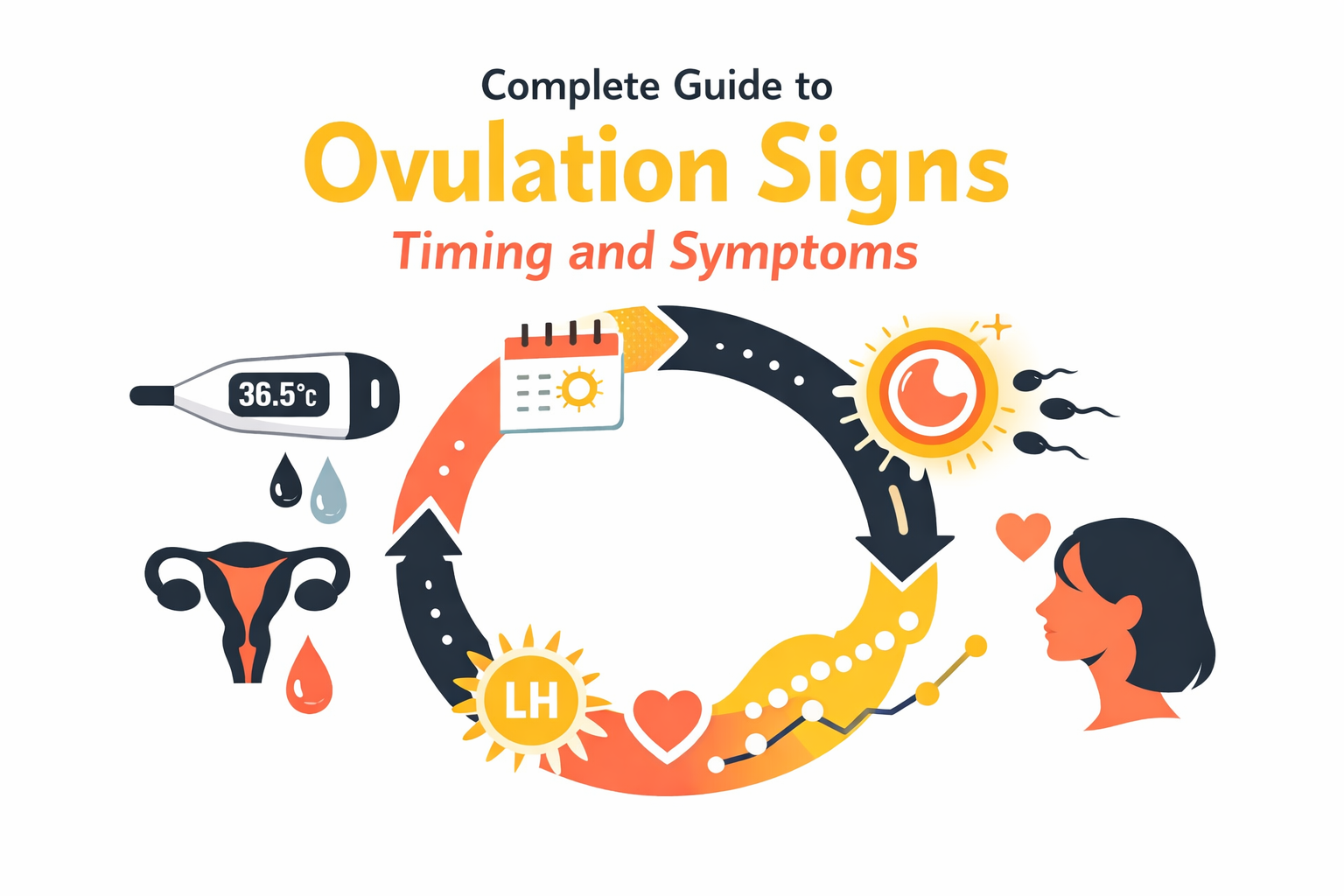
Common Signs and Symptoms of Ovulation
Changes in Cervical Mucus
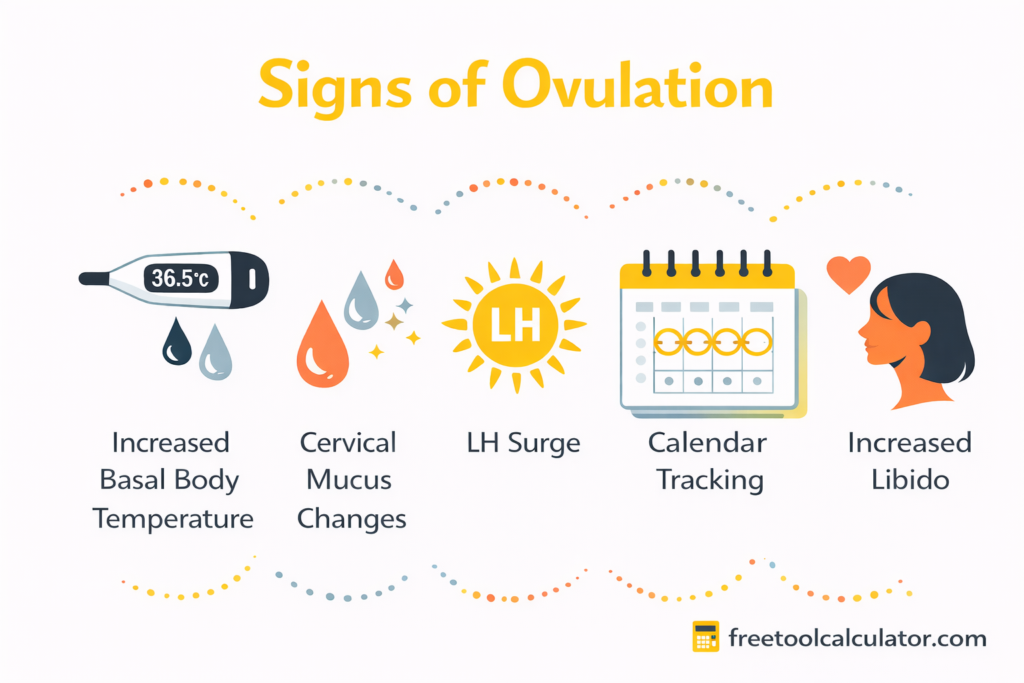
One of the most reliable natural signs of ovulation is a change in cervical mucus. As ovulation approaches mucus becomes clear stretchy and slippery often compared to raw egg whites. This environment helps sperm survive and move efficiently toward the egg. After ovulation mucus typically becomes thicker or dries up due to rising progesterone levels.
Rise in Basal Body Temperature
Basal body temperature increases slightly after ovulation due to progesterone release. This rise usually ranges between 0.3 to 0.5 degrees Celsius. Tracking temperature daily before getting out of bed can help confirm ovulation after it has occurred. While this method does not predict ovulation in advance it is valuable for understanding cycle patterns over time.
Luteinizing Hormone Surge
A surge in luteinizing hormone signals the final maturation and release of the egg. Ovulation predictor kits detect this surge in urine and can identify the most fertile one to two days of the cycle. LH testing is especially useful for individuals with irregular cycles or those actively trying to conceive.
What Is Mittelschmerz
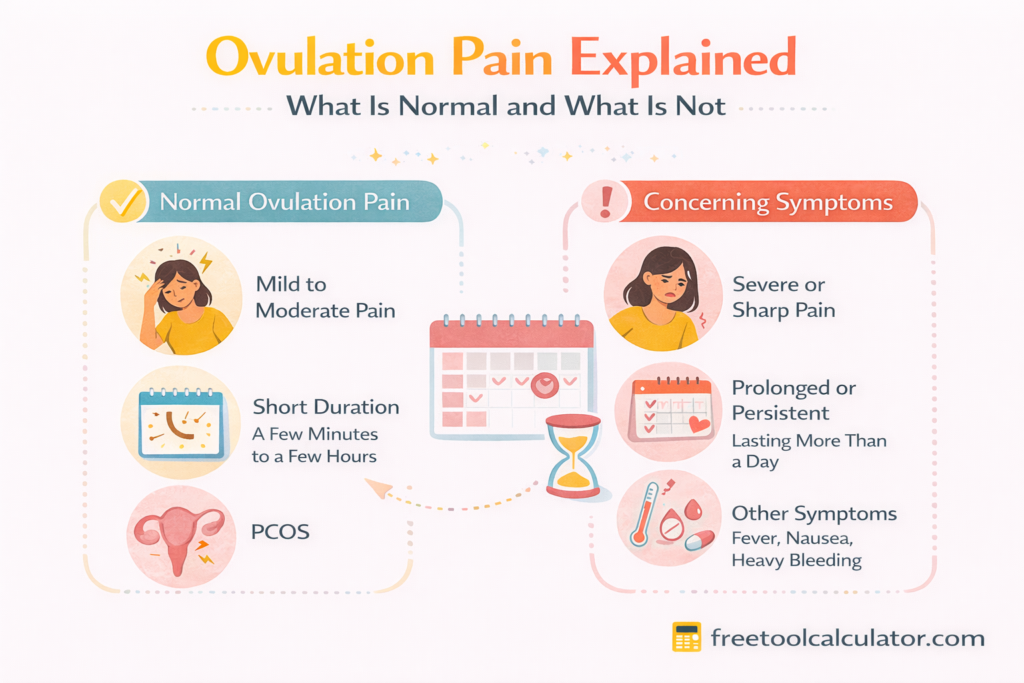
Mittelschmerz refers to ovulation pain experienced by some individuals. This pain is usually mild and localized to one side of the lower abdomen depending on which ovary releases the egg. It may last from minutes to several hours and is generally harmless although persistent or severe pain should be evaluated.
Breast Tenderness During Ovulation
Hormonal fluctuations particularly rising estrogen can cause breast tissue to retain fluid leading to tenderness or sensitivity. This symptom often appears just before ovulation and resolves shortly afterward. Breast tenderness alone is not a definitive ovulation sign but can support other indicators.
Changes in Sex Drive
Many individuals experience an increase in libido during ovulation. This is thought to be hormonally driven and biologically advantageous for reproduction. Increased confidence energy and attraction are also commonly reported around fertile days.
Ovulation Spotting
Light spotting may occur around ovulation due to a sudden drop in estrogen levels. Ovulation spotting is typically light pink or brown and lasts only a short time. It should not be confused with menstrual bleeding and is generally not a cause for concern.
Additional Factors That Affect Ovulation
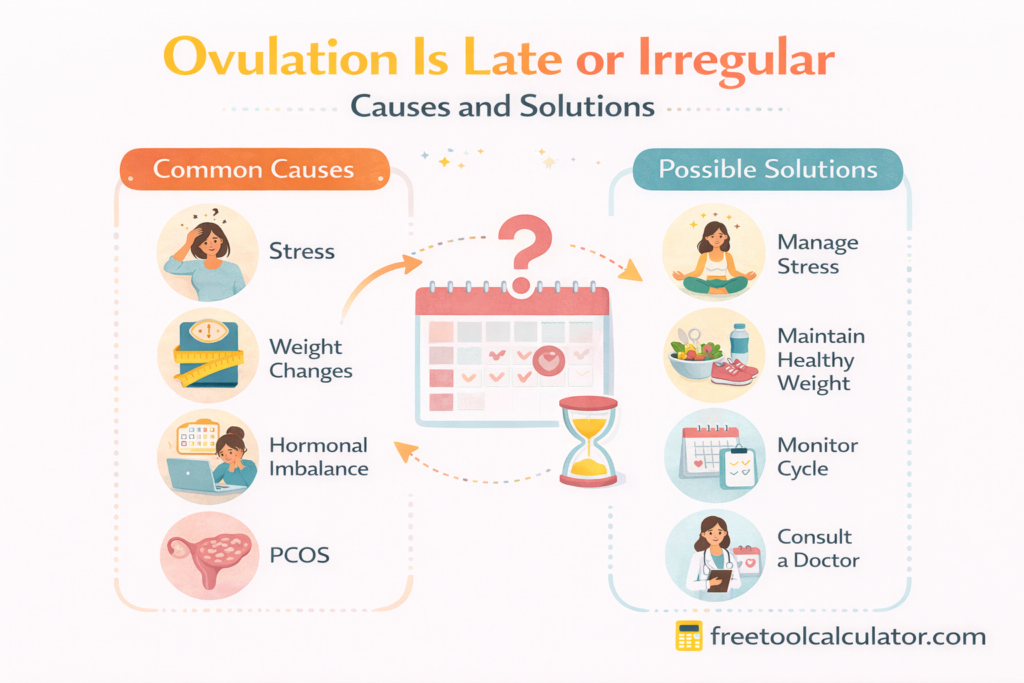
Stress significant weight changes illness excessive exercise and sleep disruption can all interfere with ovulation. Hormonal conditions such as polycystic ovary syndrome thyroid disorders and elevated prolactin levels may also disrupt normal ovulation patterns. Lifestyle balance plays a crucial role in maintaining regular ovulatory cycles.
Why Tracking Ovulation Matters
Tracking ovulation helps with family planning fertility awareness and early identification of hormonal imbalances. It allows individuals to better understand cycle regularity symptom patterns and fertile windows. Using a reliable tool like the ovulation and fertility calculator https://freetoolcalculator.com/ovulation-fertility-calculator/ simplifies this process and reduces guesswork.
Conclusion
Ovulation is a complex yet predictable biological process that influences fertility hormonal health and overall wellbeing. Understanding when ovulation occurs how long it lasts and what signs accompany it empowers individuals to make informed reproductive choices. Combining physical signs hormone tracking and digital tools provides the most accurate insight into fertility patterns. If ovulation appears irregular absent or painful medical guidance should be sought to rule out underlying conditions and ensure reproductive health is properly supported.