Introduction
Calories are a fundamental unit of energy that fuel every action your body performs from breathing to exercising. One of the most common nutrition questions people ask is how many calories they should eat daily to maintain or lose weight. Understanding calories how they are measured and how your body uses them empowers you to make smarter nutrition and health decisions. In this comprehensive guide we will answer the most searched calorie related questions with clear practical explanations and reference useful tools such as the free calorie calculator https://freetoolcalculator.com/calorie-calculator/ and the free BMR calculator https://freetoolcalculator.com/bmr-calculator/ to get personalized estimates.
How Many Calories Should I Eat a Day
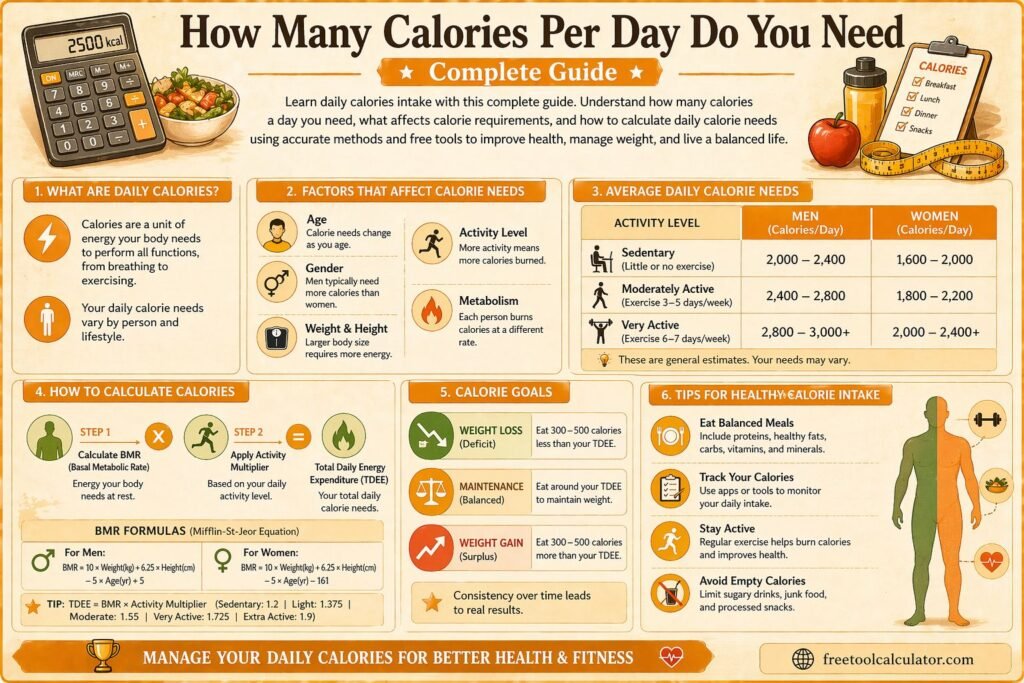
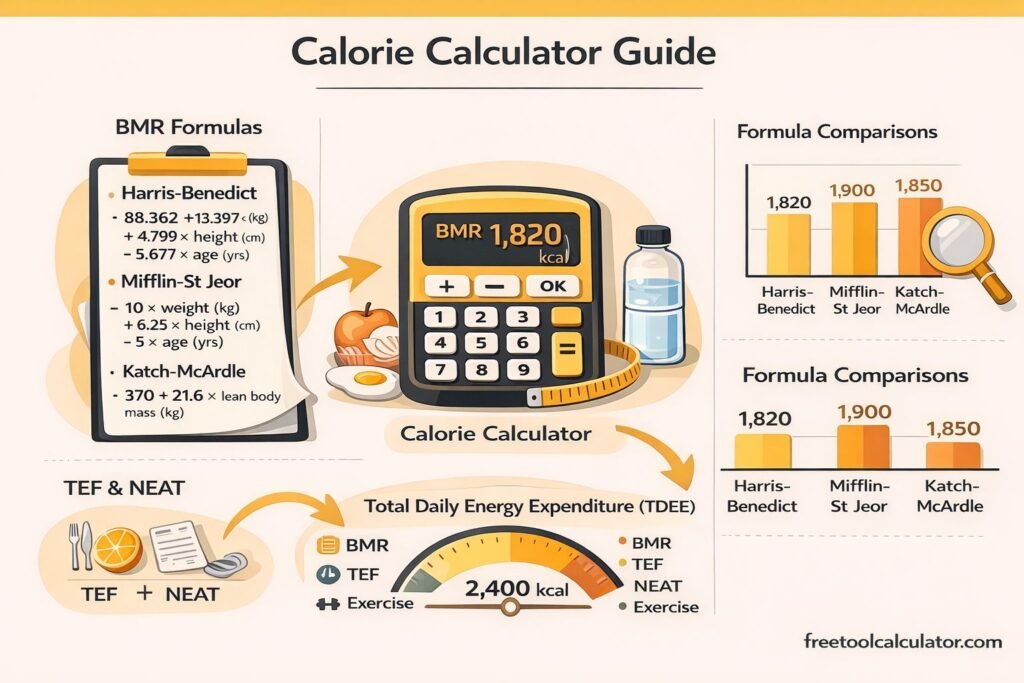
The number of calories you should eat per day depends on factors including your age gender weight height and activity level. Calories needed to maintain weight differ greatly from person to person. A simple way to estimate your daily needs is by first determining your basal metabolic rate or BMR. Your BMR represents the calories your body needs at rest to support vital functions such as breathing circulation and temperature regulation. You can calculate your BMR using this free tool https://freetoolcalculator.com/bmi-calculator/
Once you know your BMR you can adjust for physical activity to find your total daily energy expenditure or TDEE. For example a moderately active person may require more calories compared to someone who is largely sedentary. Using a calorie calculator like https://freetoolcalculator.com/calorie-calculator/ makes it easy to estimate your daily caloric needs for maintenance.
What Is a Calorie Deficit
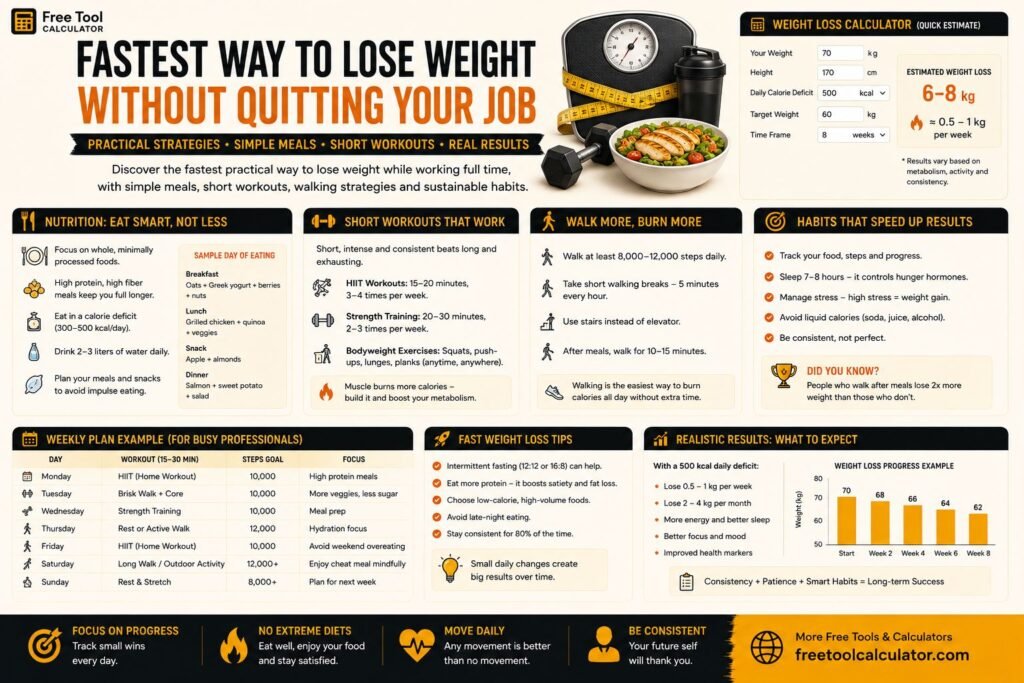
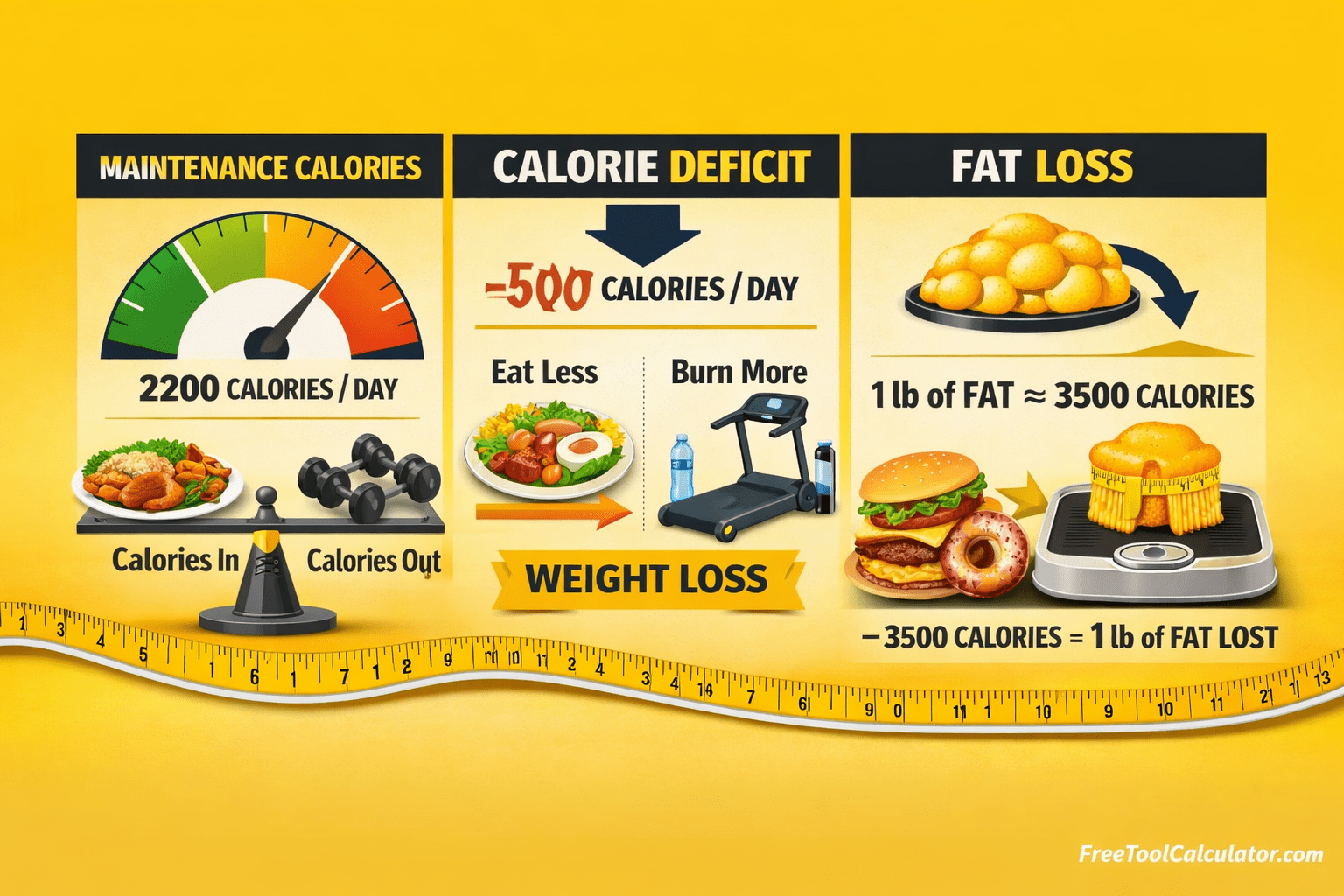
A calorie deficit occurs when you burn more calories than you consume. Weight loss happens when your daily energy expenditure exceeds your calorie intake. For example if your body needs 2000 calories to maintain your weight and you consume 1800 calories daily you are in a 200 calorie deficit. Over time consistent deficits lead to weight loss because your body uses stored energy to make up the difference.
Creating a sustainable calorie deficit is more effective and healthier than extreme restriction. Combining balanced nutrition with physical activity allows gradual and lasting weight change while preserving muscle mass and metabolic rate.
How Many Calories Are in an Apple
An apple is a nutrient dense fruit that provides approximately 95 calories on average for a medium sized apple. Apples are rich in fiber and water which helps promote fullness and supports digestion. Foods like apples are ideal snacks because they provide vitamins antioxidants and fiber with relatively low calorie content.
How Many Calories to Lose Weight
To lose weight you must achieve a calorie deficit. The exact number of calories to lose weight depends on your current needs and goals. A common target is a daily deficit of 500 calories which over time totals a weekly deficit of 3500 calories often associated with losing about one pound of weight. However this is a general rule and individual needs vary. Personalized estimates using the calorie calculator https://freetoolcalculator.com/calorie-calculator/ help tailor your plan.
How Many Calories in a Banana
A medium banana provides approximately 105 calories. Bananas are high in potassium fiber and natural sugars which makes them a great choice before or after exercise for sustained energy. Like most whole fruits bananas deliver nutrients along with calories making them preferable to processed snacks.
How to Burn Calories Fast
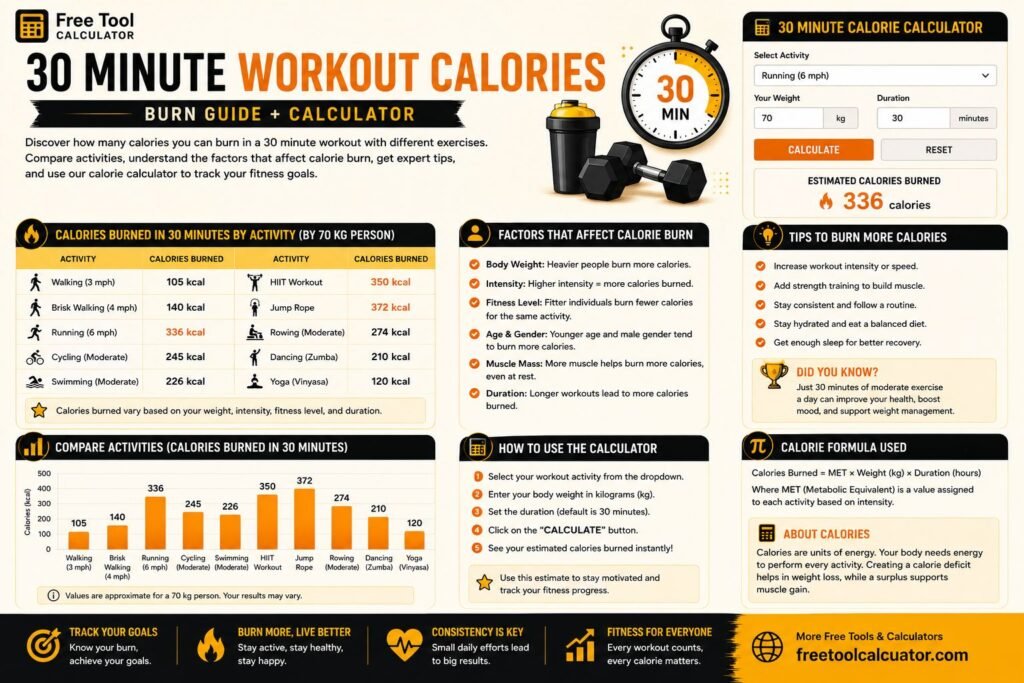
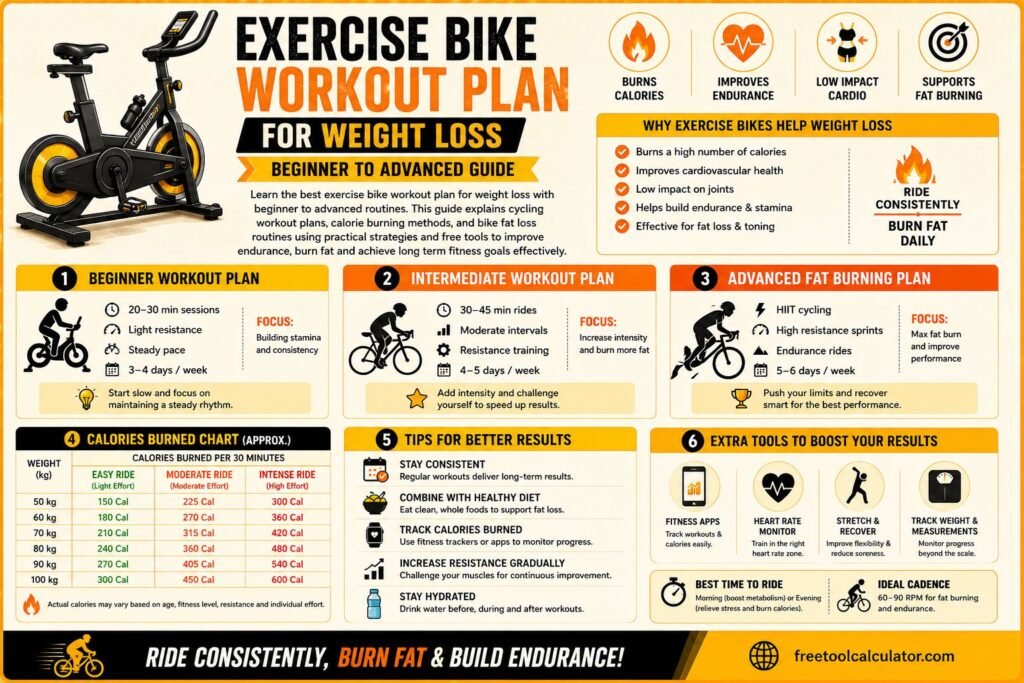
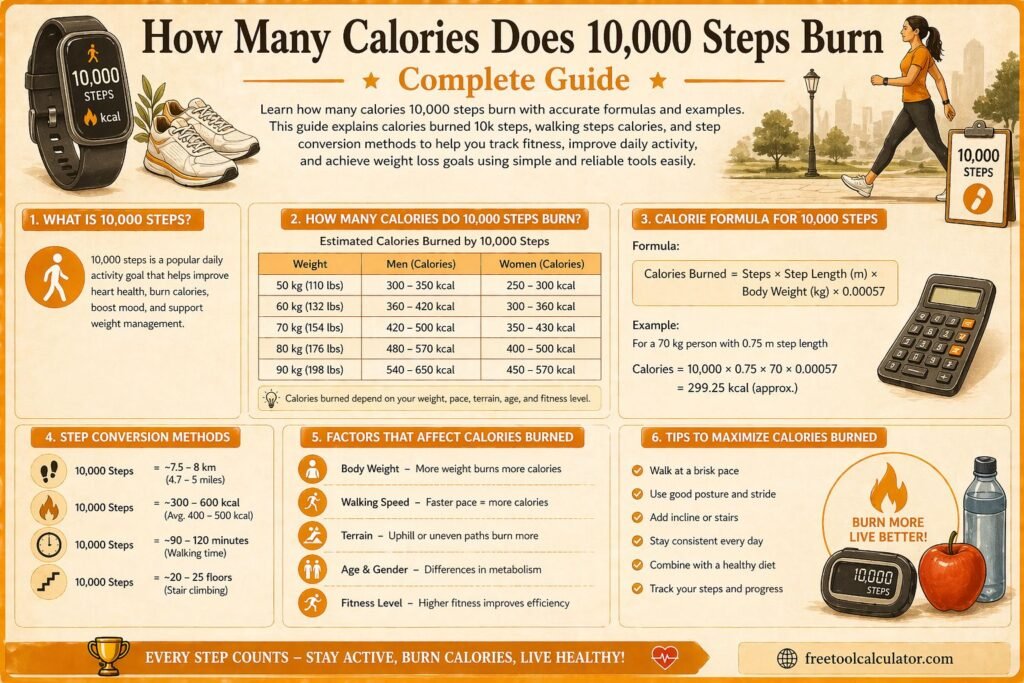
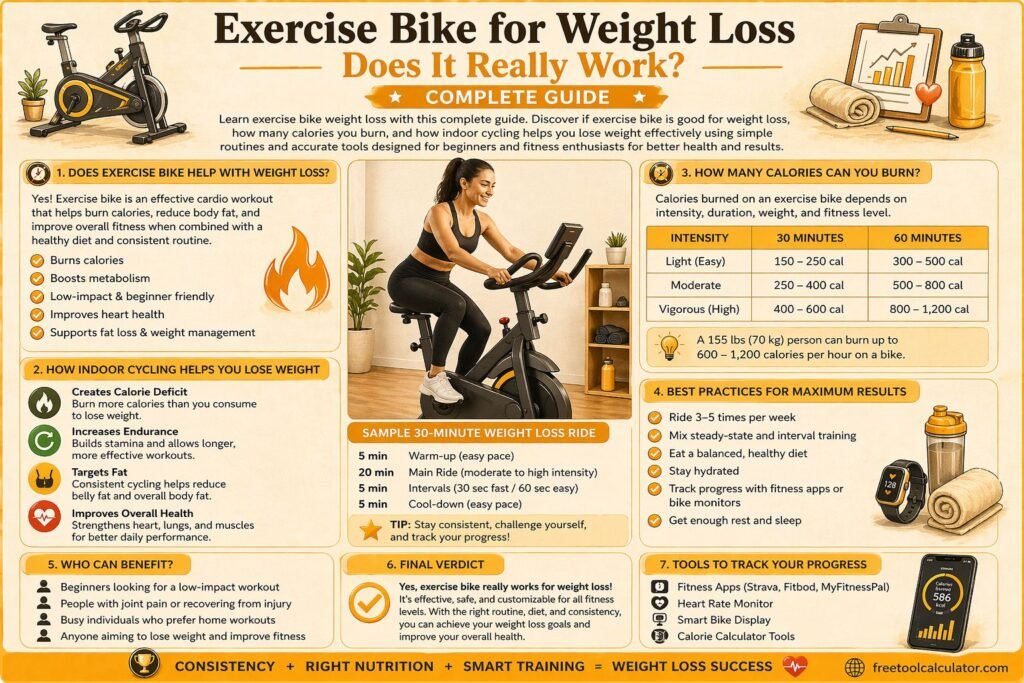
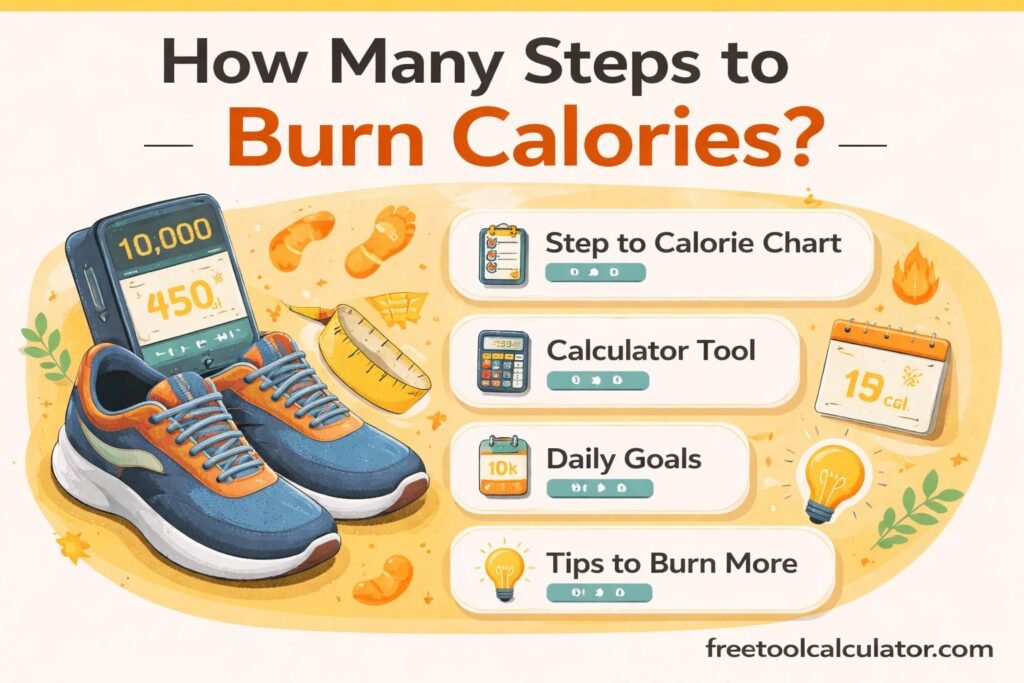
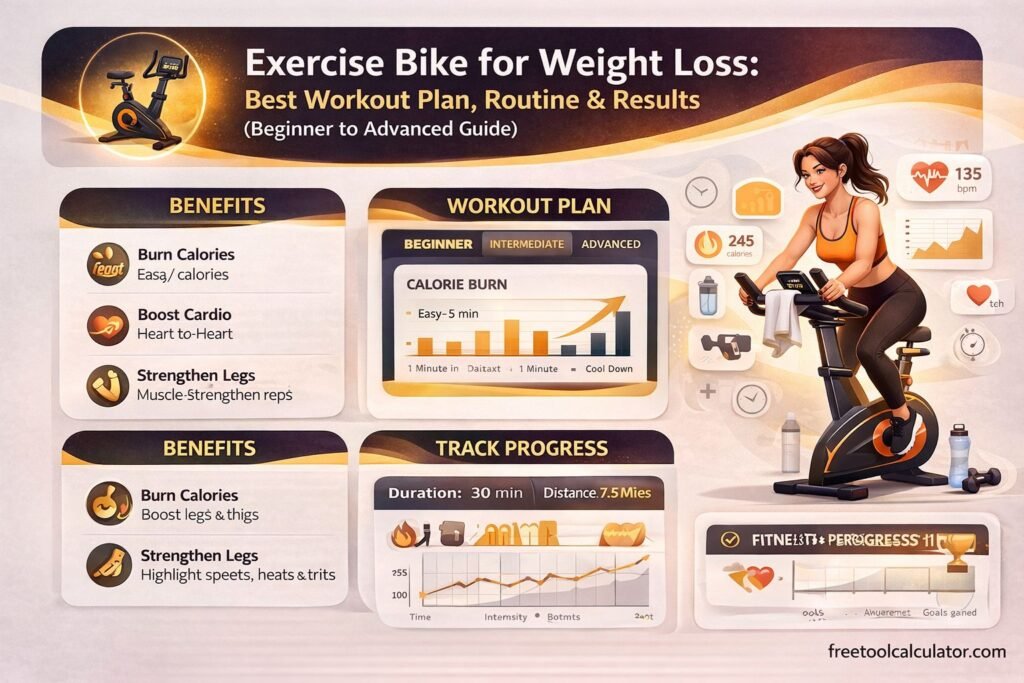
Burning calories fast is often related to more intense or longer duration physical activity. High intensity interval training or HIIT exercises increase your metabolic rate during and after the session which promotes higher calorie burn. Activities such as running swimming cycling and brisk walking all contribute to calorie expenditure. Non exercise activity thermogenesis or NEAT which includes everyday movements like walking stairs also adds to total calorie burn.
How Many Calories Should I Burn in a Workout
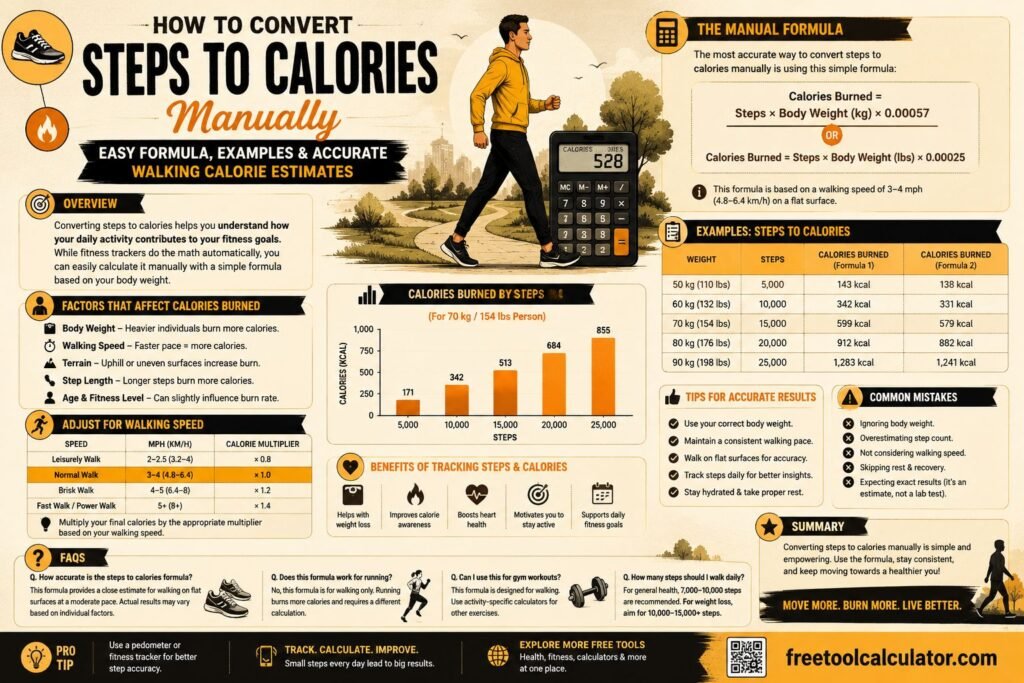
The number of calories burned in a workout depends on your weight intensity and workout duration. For example a person weighing 155 pounds may burn about 300 calories in a 30 minute vigorous session. Longer workouts burn more calories but consistency is key. Rather than focusing on a specific number aim for regular physical activity throughout the week to support overall health and calorie balance.
How Many Calories Are in an Egg
A large egg contains about 70 to 78 calories. Eggs provide high quality protein healthy fats and essential nutrients such as choline which supports brain health. Including eggs in a balanced diet supports muscle maintenance and satiety without adding excessive calories.
What Does 1200 Calories Look Like
A 1200 calorie diet describes a low calorie meal plan often used for weight loss but it may not be appropriate for everyone. A 1200 calorie intake might include a balanced breakfast lunch and dinner along with nutrient dense snacks such as fruits vegetables lean proteins and whole grains. Before adopting any low calorie diet it is important to consider your individual needs and consult a healthcare professional especially if you have specific health conditions.
How Many Calories Do I Burn by Just Breathing
Even at rest your body is constantly using energy. Breathing heart beating and basic cellular functions all require calories. This resting energy expenditure is measured by your BMR which can be estimated at https://freetoolcalculator.com/bmi-calculator/ People with higher muscle mass generally have higher resting calorie use because muscle tissue is more metabolically active than fat tissue.
Does Eating at Night Make You Gain Weight
Eating at night does not inherently cause weight gain. Weight gain depends on total calories consumed versus calories burned over time. However late night meals may lead to higher total calorie intake if they involve high calorie snacks or large portions. Meal timing should support your lifestyle but overall intake control is more important than the clock.
How Many Calories Are in Fast Food Items
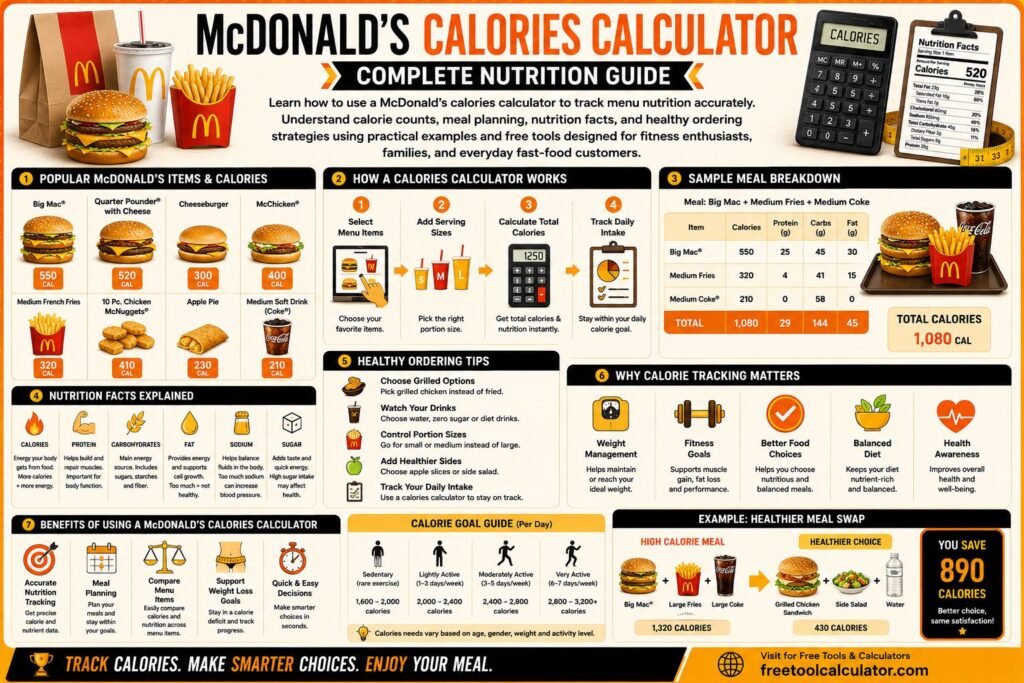
Calories in fast food vary widely. For example items like burgers fries and sweetened beverages often contain high calories due to fats sugars and refined carbohydrates. Checking nutrition information for specific items helps you make mindful choices. Comparing homemade meals to restaurant options often reveals significant calorie differences.
How Many Calories Are in a Pound of Fat
A commonly cited estimate is that one pound of body fat equals approximately 3500 calories. This means a cumulative calorie deficit of 3500 calories may result in losing one pound. However individual metabolism and energy balance are complex and weight changes may vary.
What Is My BMR Basal Metabolic Rate
Your BMR is the number of calories your body uses at rest to fuel vital functions such as breathing circulation and temperature control. BMR is influenced by age gender weight height and muscle mass. You can calculate your personal BMR quickly using https://freetoolcalculator.com/bmi-calculator/
How Many Calories Are in Avocado
A medium avocado contains about 234 calories. Avocados are rich in heart healthy monounsaturated fats fiber and micronutrients. Including them in balanced meals promotes satiety and nutrient intake but portion control remains important due to their calorie density.
Can You Lose Weight Without Counting Calories
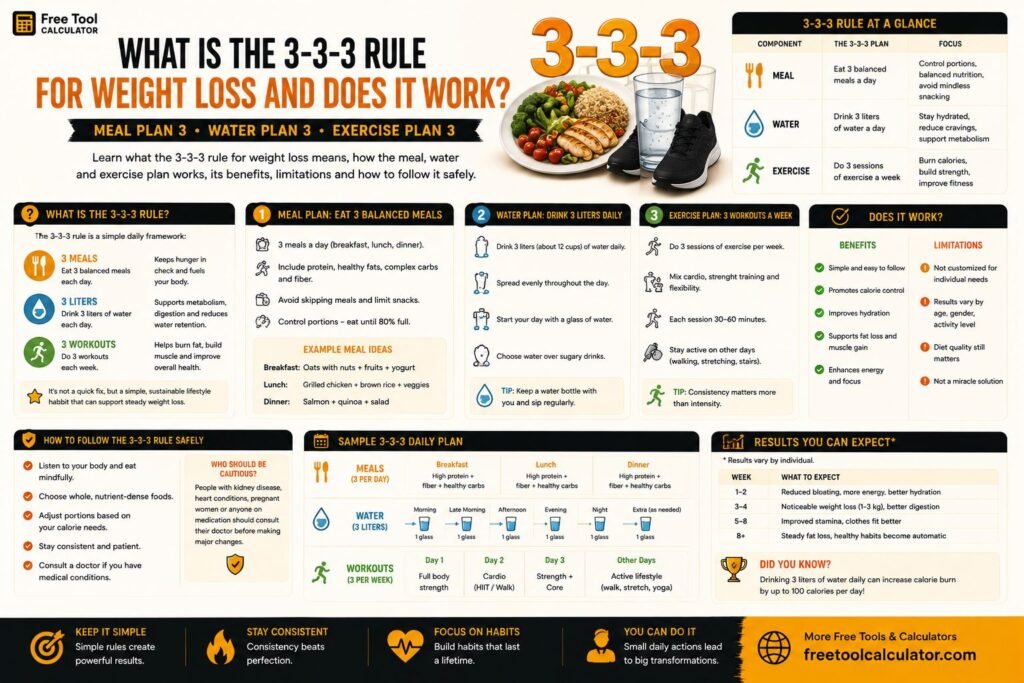
Yes you can lose weight without counting calories by focusing on food quality portion control mindful eating and physical activity. Some people find calorie counting useful while others prefer intuitive approaches that emphasize hunger cues and balanced meals. The key is creating sustainable habits that support a calorie deficit over time.
How Are Calories Calculated in Food
Calories in food are determined by measuring the energy released when food is burned in a device called a bomb calorimeter. Manufacturers also estimate calories using standardized macronutrient values where carbohydrates and proteins provide 4 calories per gram and fats provide 9 calories per gram.
What Are High Calorie Foods to Gain Weight
High calorie nutrient dense foods include nuts seeds dried fruits whole milk dairy products avocados lean red meats and healthy oils. People looking to gain weight often use these foods alongside strength training to ensure weight gain includes muscle mass rather than just fat.
How Many Calories Are in Chicken Breast
A 3 ounce cooked skinless chicken breast contains about 140 calories. Chicken breast is high in protein low in fat and supports muscle repair and growth. Lean proteins are fundamental in weight management meal plans because they promote fullness and preserve muscle mass.
Are All Calories Created Equal
Not all calories are equal in terms of nutrition. While a calorie measures energy two hundred calories of vegetables provide far more vitamins minerals fiber and satiety compared to two hundred calories of sugary snacks. Choosing nutrient dense foods supports metabolism and overall health beyond just calorie counting.
Final Thoughts
Understanding calories how they work and how your body uses them empowers you to make better decisions for weight management and overall health. Use tools like the calorie calculator https://freetoolcalculator.com/calorie-calculator/ and the BMR calculator https://freetoolcalculator.com/bmr-calculator/ to personalize your targets. Focus on balanced nutrition consistent activity and mindful habits for sustainable results.