Workout Calories Burn and Why It Matters for Fitness
Understanding workout calories burn is one of the most important aspects of building an effective fitness routine. Calories burned during exercise represent the energy your body uses to perform physical activity, and this directly impacts weight loss, muscle development, and overall health. Many people focus only on exercise duration, but the number of calories burned is what truly determines the effectiveness of a workout.
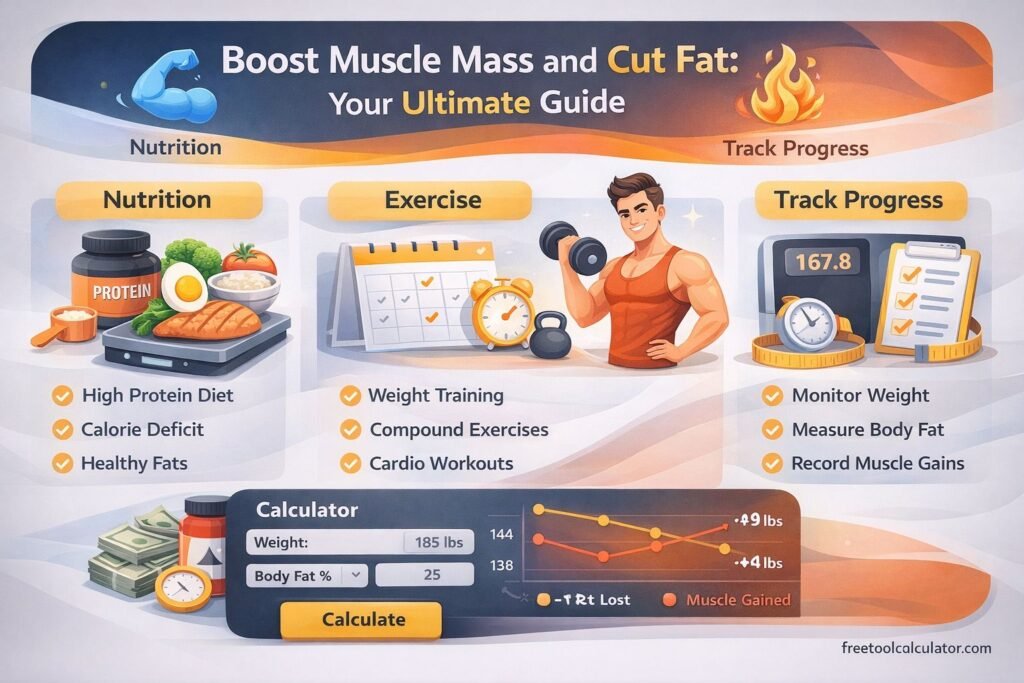
When you know how many calories you burn in a workout, you can better align your exercise routine with your fitness goals. Whether you want to lose weight, maintain your current shape, or improve endurance, tracking calorie burn helps you stay on track. You can easily calculate workout calories burn using this free calculator to get accurate estimates based on your activity and body type.
How Many Calories Should I Burn Workout for Best Results
A common question people ask is how many calories should I burn workout to achieve their goals. The answer depends on your objective, body weight, and activity level. For general fitness, burning around 200 to 400 calories per session is considered effective.
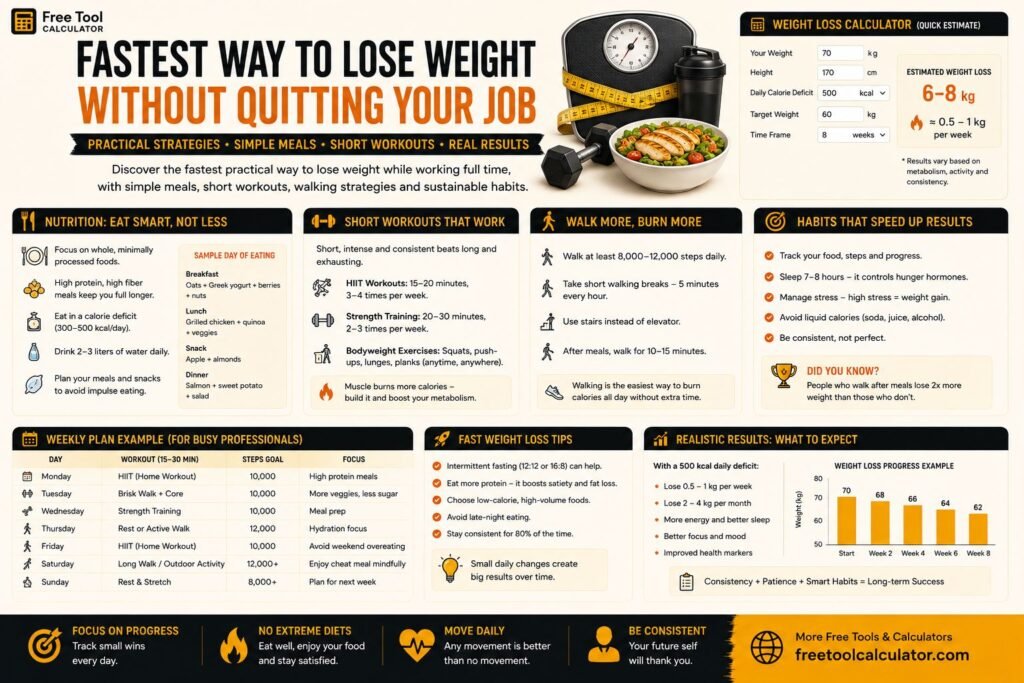
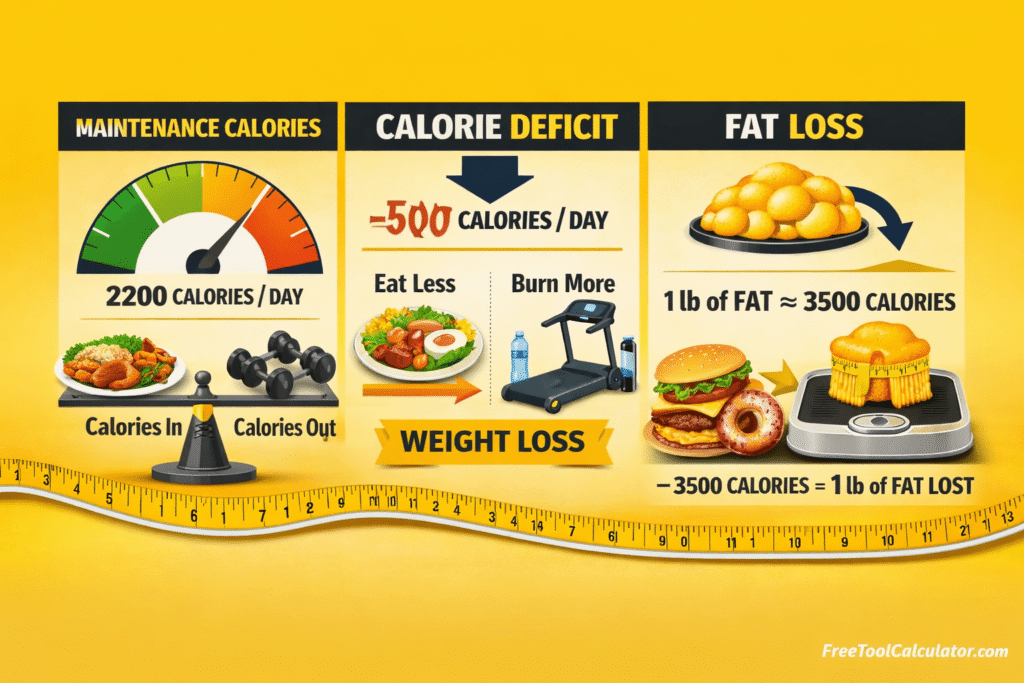
For weight loss, the goal is to create a calorie deficit, which means burning more calories than you consume. In this case, aiming for 400 to 600 calories per workout can accelerate fat loss when combined with a proper diet. However, it is important not to overexert yourself, especially if you are a beginner.
Consistency matters more than intensity. Regular workouts that burn moderate calories can be more effective than occasional high intensity sessions. Understanding your personal limits helps you maintain a sustainable routine.
Average Calories Burned Workout Based on Activity
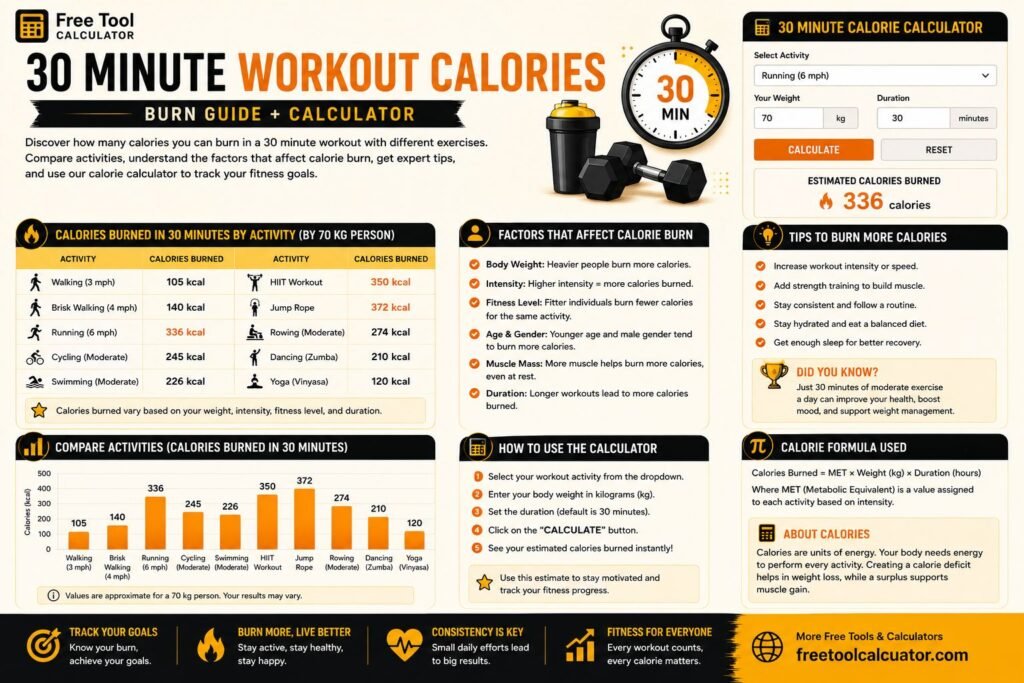
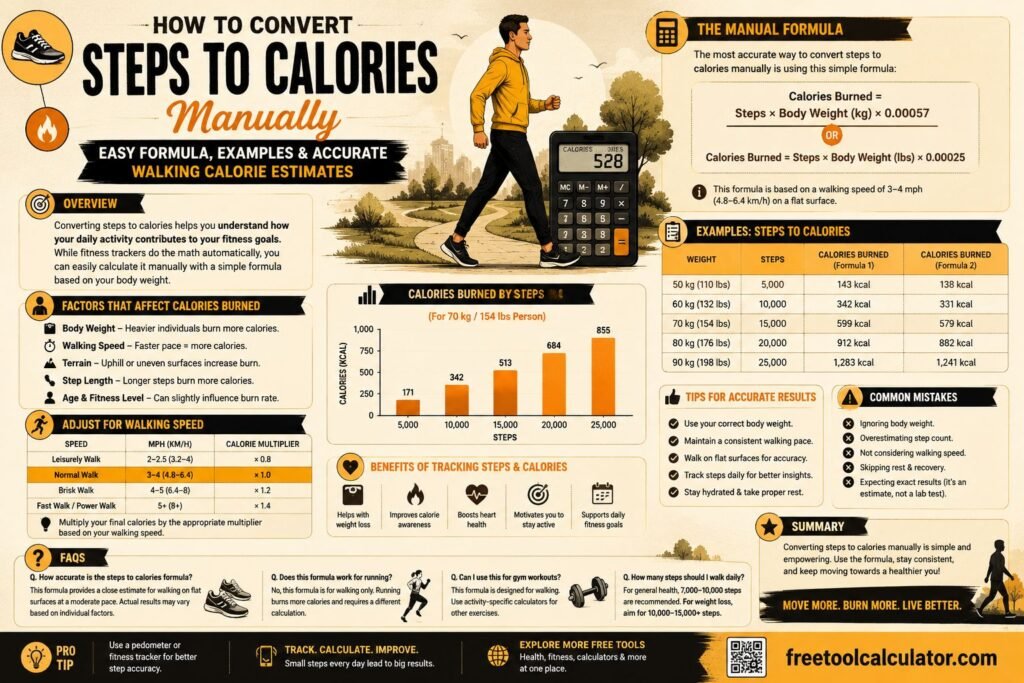
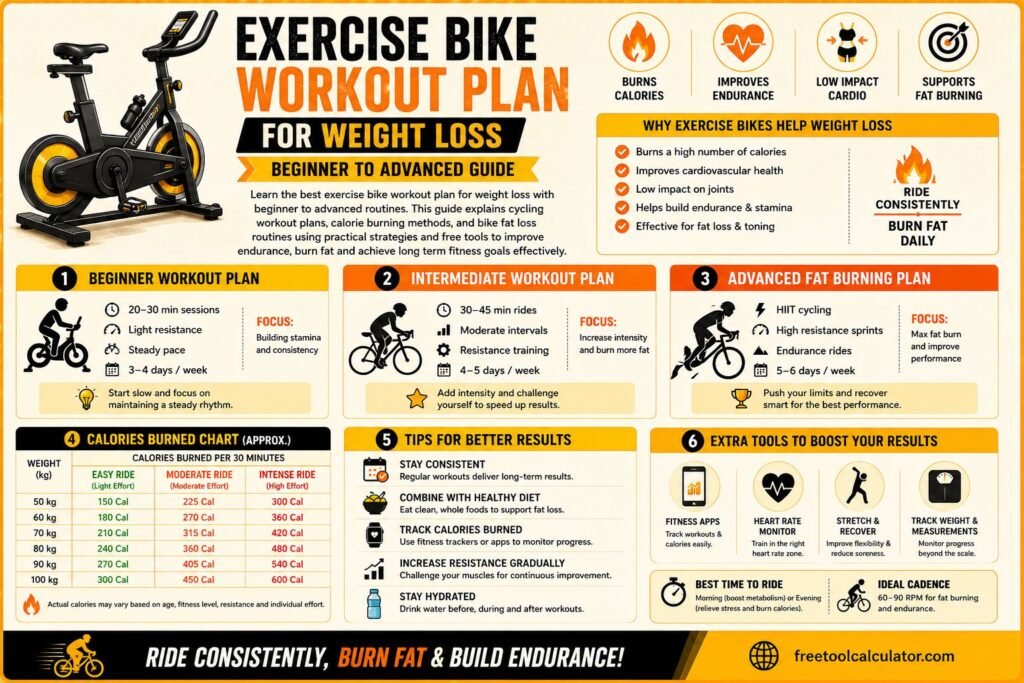
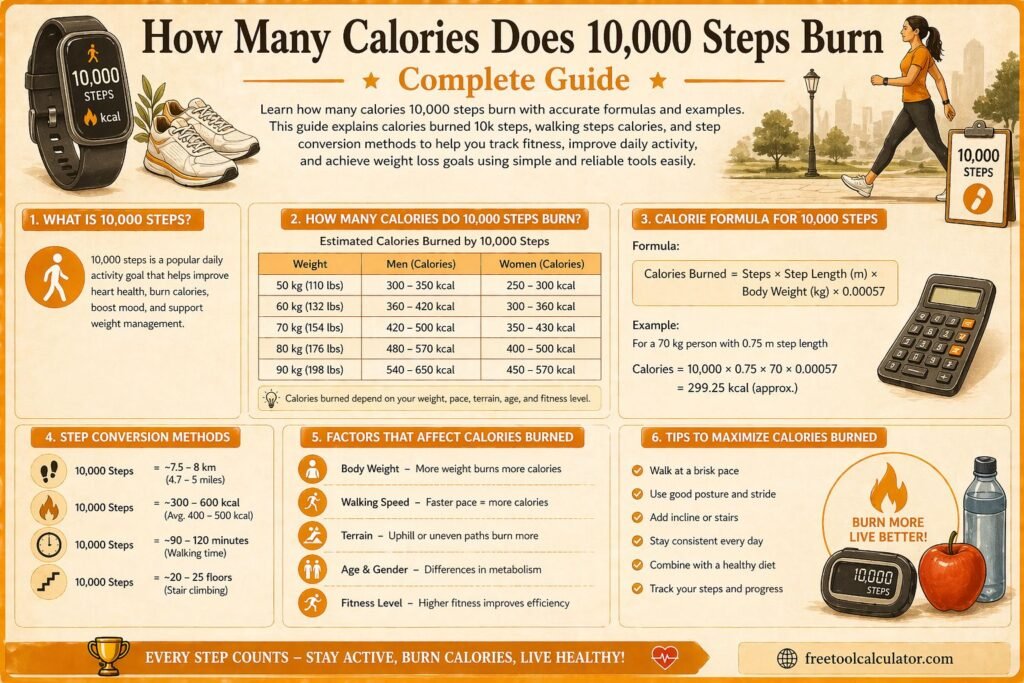
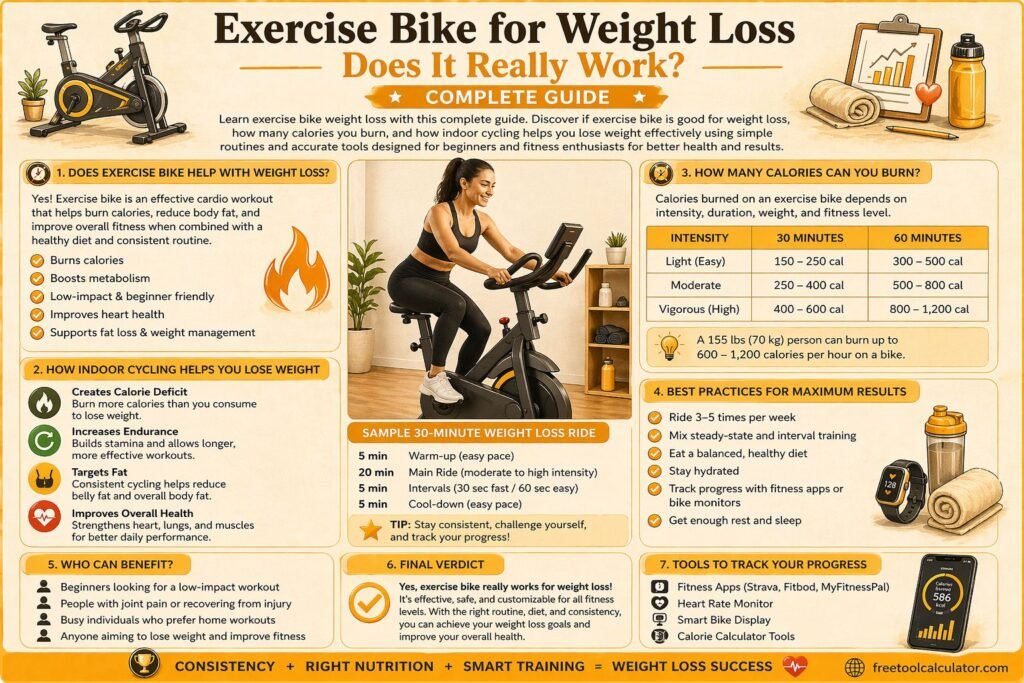
The average calories burned workout varies depending on the type of exercise. Cardio activities such as running, cycling, and swimming tend to burn more calories compared to strength training. For example, running can burn up to 600 calories per hour, while moderate weight training may burn around 200 to 300 calories.
High intensity interval training is one of the most efficient ways to burn calories in a short time. It combines short bursts of intense activity with recovery periods, increasing overall calorie expenditure.
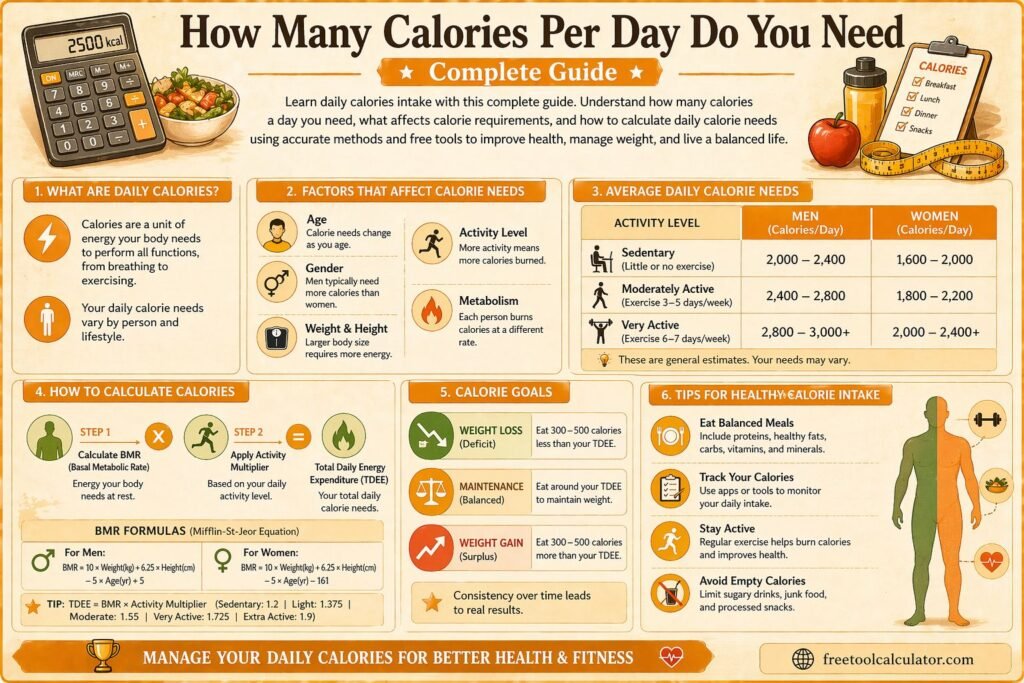
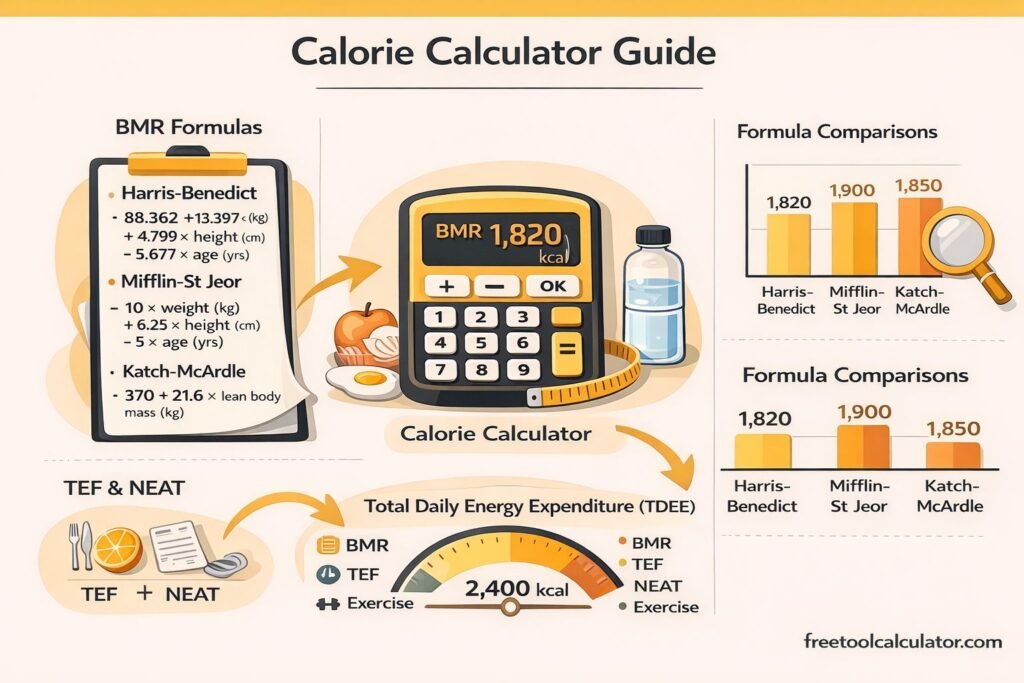
Tracking your workouts helps you understand which activities are most effective for your goals. You can also use a calorie calculator to determine your daily energy needs and plan your workouts accordingly.
Factors That Affect Workout Calories Burn
Several factors influence how many calories you burn during a workout. Body weight is one of the most significant factors, as heavier individuals burn more calories due to higher energy requirements.
Workout intensity also plays a major role. Higher intensity exercises increase heart rate and energy expenditure, leading to greater calorie burn. Duration is another factor, as longer workouts naturally burn more calories.
Other factors include age, metabolism, and fitness level. Understanding these variables helps you estimate your calorie burn more accurately and optimize your routine.
What Is Considered a Good Calorie Burn
A good calorie burn depends on your fitness goals and current level. For beginners, burning 150 to 300 calories per session is a good starting point. As your fitness improves, you can aim for higher calorie burn.
For weight loss, a good calorie burn is one that contributes to a daily calorie deficit without causing excessive fatigue. For general health, consistency is more important than the exact number of calories burned.
The key is to find a balance between effort and recovery. Overtraining can lead to burnout and injuries, so it is important to listen to your body.
How to Track Calories Burned During Exercise
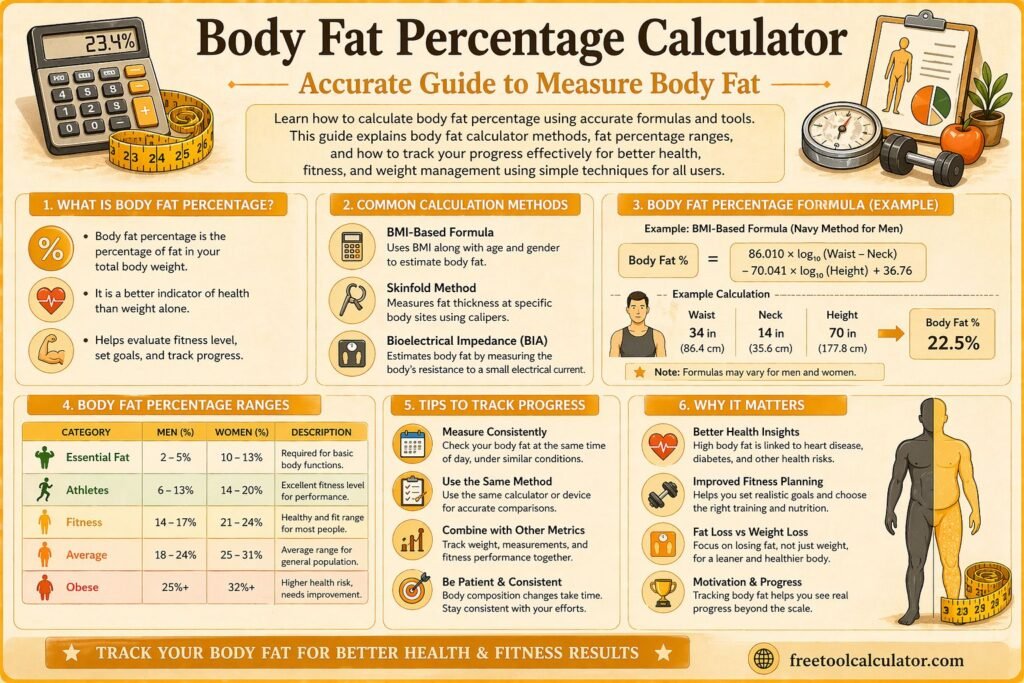
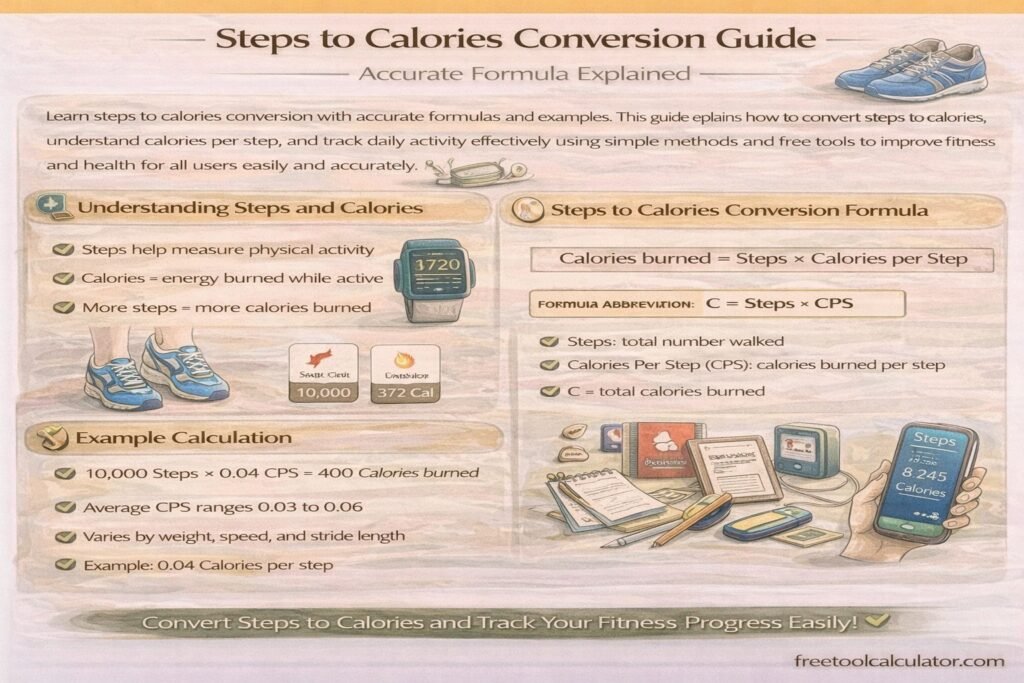
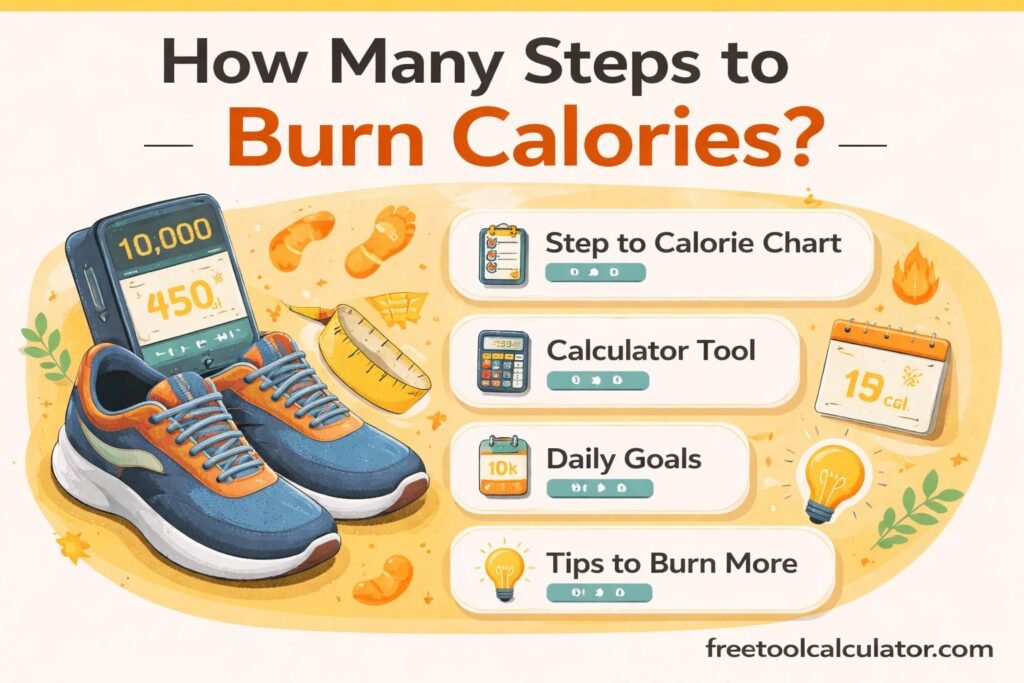
Tracking workout calories burn is essential for measuring progress and staying motivated. Many fitness trackers and apps provide estimates based on heart rate and activity type.
However, these estimates may not always be accurate. Using a reliable tool can improve precision. You can track calories burned using this free tool to get better insights into your workouts.
Keeping a record of your workouts and calorie burn helps you identify patterns and make adjustments. This ensures that your routine remains effective over time.
Best Workouts to Maximize Calorie Burn
Certain workouts are more effective for burning calories than others. High intensity interval training is one of the best options, as it increases both immediate and post workout calorie burn.
Cardio exercises such as running, cycling, and rowing are also highly effective. Strength training, while not as high in calorie burn during the session, helps build muscle, which increases metabolism over time.
Combining different types of workouts ensures balanced fitness and maximizes results. This approach helps you achieve your goals more efficiently.
Role of Diet in Workout Calories Burn
Diet plays a crucial role in determining how effective your workouts are. Even if you burn a significant number of calories, consuming excess calories can prevent weight loss.
Maintaining a balanced diet ensures that your body has the energy needed for workouts while still creating a calorie deficit if your goal is weight loss.
You can use a tdee calculator to calculate your total daily energy expenditure and align your diet with your fitness goals. This helps you achieve better results.
Common Mistakes When Tracking Calorie Burn
One common mistake is overestimating calorie burn. Many people assume they burn more calories than they actually do, leading to poor results.
Another mistake is ignoring consistency. Occasional intense workouts are less effective than regular moderate sessions.
Relying solely on calorie burn without considering overall health is another issue. Fitness is about more than just burning calories; it also involves strength, endurance, and well being.
How to Increase Workout Calories Burn Safely
Increasing calorie burn should be done gradually to avoid injury. Start by increasing workout intensity or duration slightly over time.
Incorporating interval training can boost calorie burn without significantly increasing workout time. Adding resistance or weights can also increase energy expenditure.
Staying consistent and monitoring your progress ensures safe and effective improvement. Avoid pushing your body too hard, as this can lead to fatigue and injuries.
Long Term Benefits of Tracking Workout Calories Burn
Tracking workout calories burn provides long term benefits for health and fitness. It helps you stay motivated, measure progress, and adjust your routine as needed.
Over time, this approach leads to better results and improved overall health. It also encourages a more structured and disciplined lifestyle.
Understanding your calorie burn helps you make informed decisions about your fitness routine and maintain a healthy balance.
Conclusion Workout Calories Burn Made Simple
Understanding workout calories burn is essential for achieving your fitness goals. By knowing how many calories you should burn in a workout and tracking your progress, you can create an effective and sustainable routine.
If you want accurate and personalized results, you can use this free calorie burn calculator along with other tools to optimize your workouts. Consistency, proper planning, and the right tools ensure long term success and better overall health.