What Is the Fastest Way to Lose Weight Without Quitting Your Job?
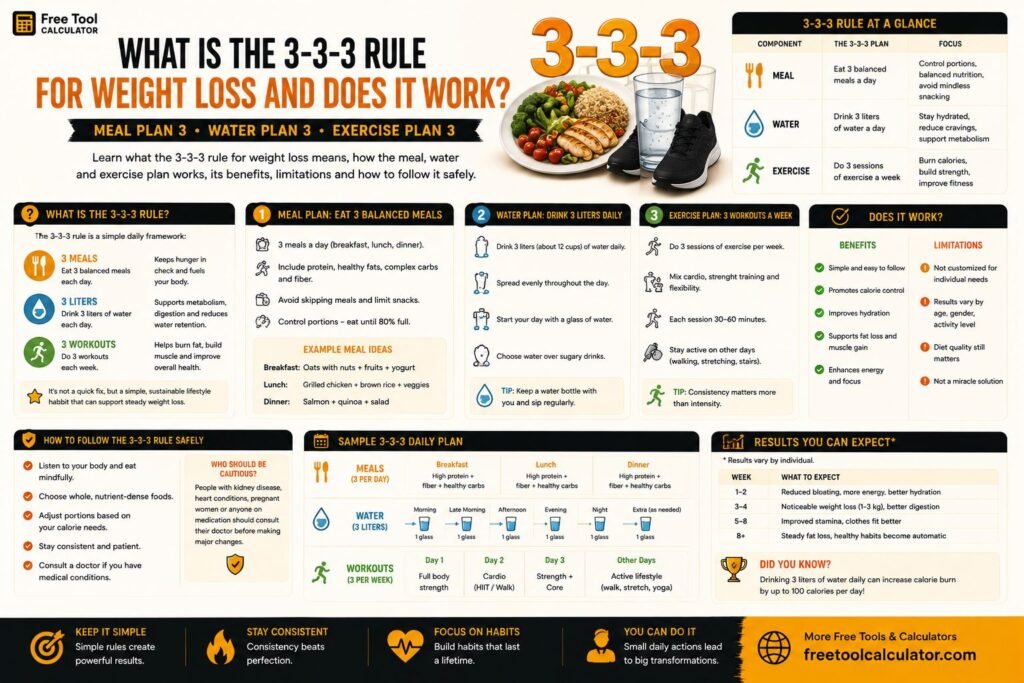
The fastest practical way to lose weight without quitting your job is to create a moderate calorie deficit through repeatable food choices, increase daily movement without relying on long gym sessions, perform short strength-training workouts and protect your sleep. You do not need to spend hours exercising, prepare every meal from scratch or reorganize your entire working life.
For most working adults, the challenge is not knowing that healthy eating and physical activity matter. The challenge is fitting those habits around meetings, deadlines, commuting, family responsibilities and workplace stress. An effective weight-loss plan must therefore be simple enough to follow on busy days, not only on days when motivation and free time are available.
Rapid weight loss may sound attractive, but extreme diets can be difficult to maintain and may increase hunger, fatigue and the risk of regaining weight. The Centers for Disease Control and Prevention states that people who lose weight gradually, at approximately one to two pounds per week, are more likely to keep it off than people who lose weight more quickly.
The goal should be the fastest sustainable rate that protects your health, energy and work performance. This usually comes from controlling calorie intake first, then using walking and strength training to support fat loss, fitness and long-term maintenance.
This guide explains how busy employees can lose weight efficiently, what to eat during the workday, how to exercise with limited time, which habits produce the biggest results and what mistakes can slow progress.
Can You Lose Weight While Working a Full-Time Job?
Yes. Most people who successfully lose weight continue working, commuting and handling normal responsibilities throughout the process. Weight loss does not require a full-time fitness schedule. It requires a consistent difference between the energy consumed through food and drinks and the energy used by the body.
Your job can affect how easy or difficult this feels. Desk workers may spend most of the day sitting, while nurses, warehouse staff, retail employees and construction workers may already perform considerable physical activity. Shift workers may struggle with irregular sleep and meal timing. People who travel for work may rely heavily on restaurant food.
An effective plan should account for these differences. A desk worker may benefit from walking breaks and a standing routine. A physically active worker may need to focus more on portion control, meal quality and recovery rather than adding excessive exercise.
Work and family life are among the factors that can influence weight-management habits. Medicines, medical conditions, sleep, genetics and the surrounding environment may also affect body weight.
What Is the Fastest Healthy Rate of Weight Loss?
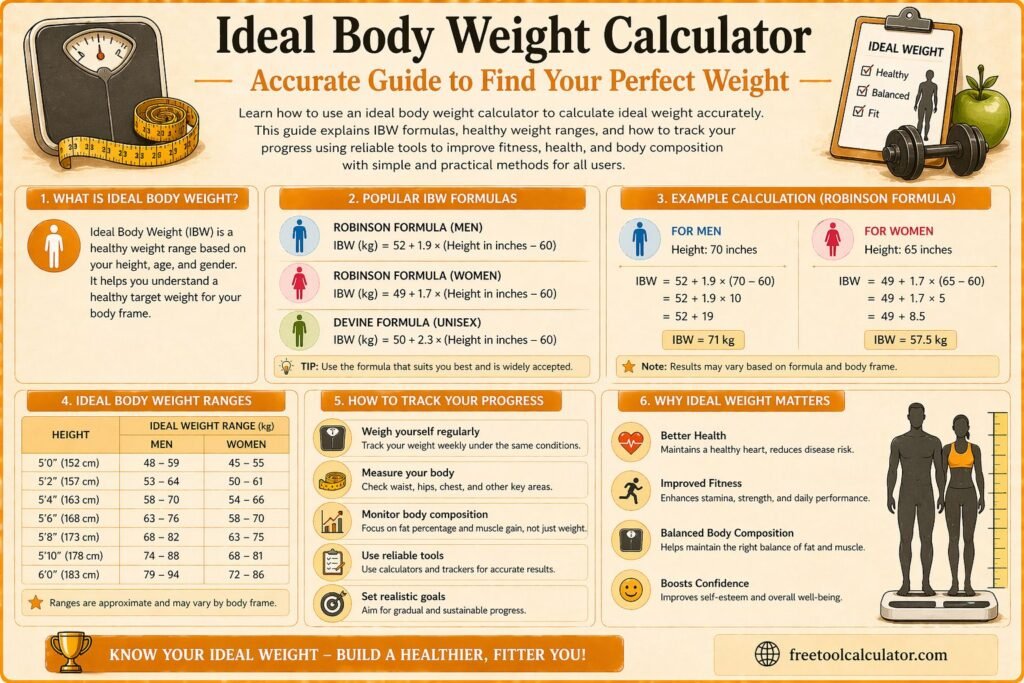
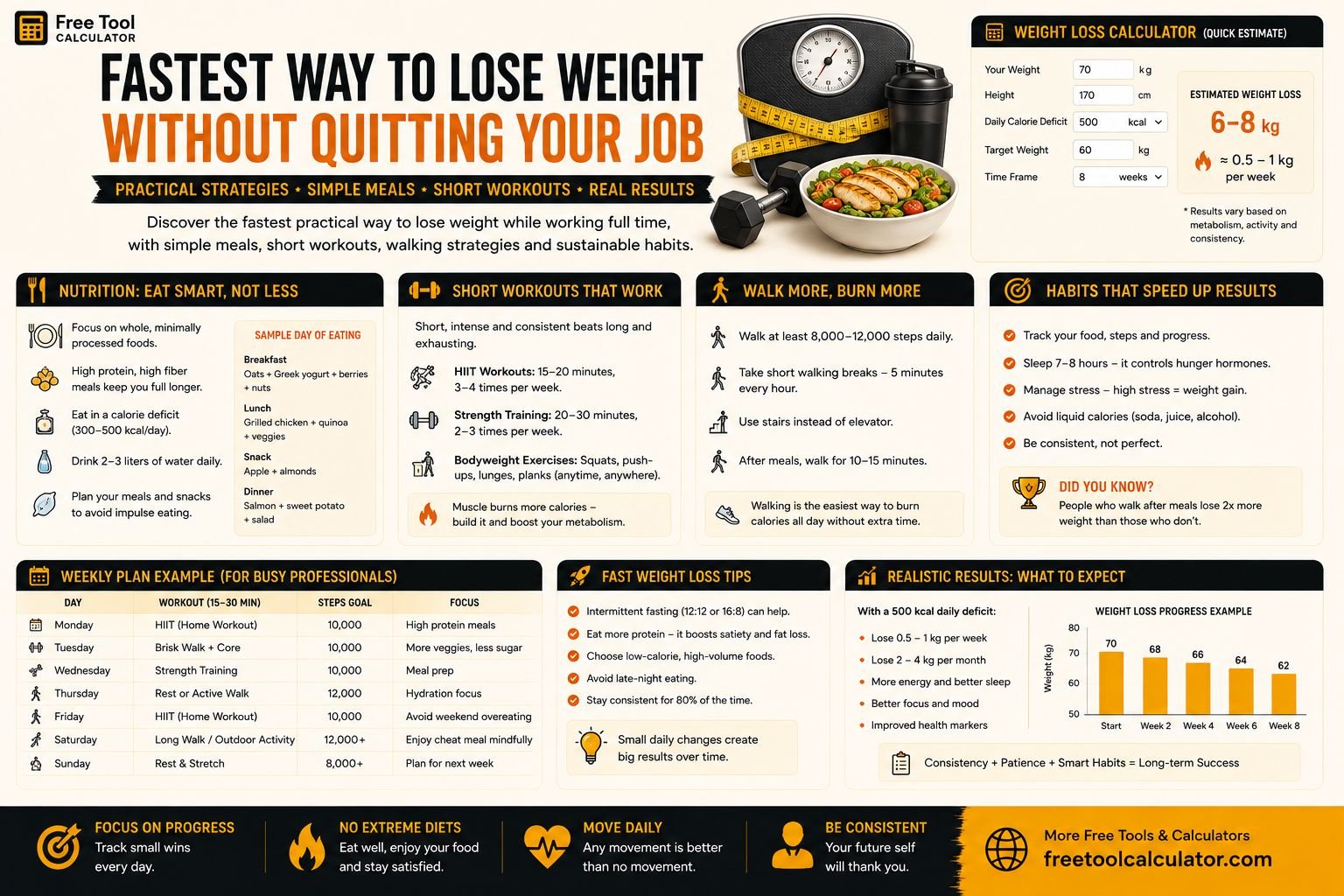
A commonly recommended target is approximately one to two pounds, or about half to one kilogram, per week. Individual results vary according to starting weight, body size, diet, activity, medication, medical conditions and water balance.
People with a higher starting body weight may sometimes lose more during the first few weeks. Some of this early change may be water rather than body fat, particularly when carbohydrate intake, sodium intake or restaurant food decreases.
Weight loss rarely happens in a perfectly straight line. Body weight can change from one day to another because of hydration, digestion, sodium, hormones and bowel movements. A short-term increase on the scale does not necessarily mean that body fat has increased.
Judge progress using the trend across several weeks rather than one daily measurement. Waist circumference, clothing fit, energy, fitness and adherence to healthy habits can also provide useful information.
The Basic Formula for Losing Weight
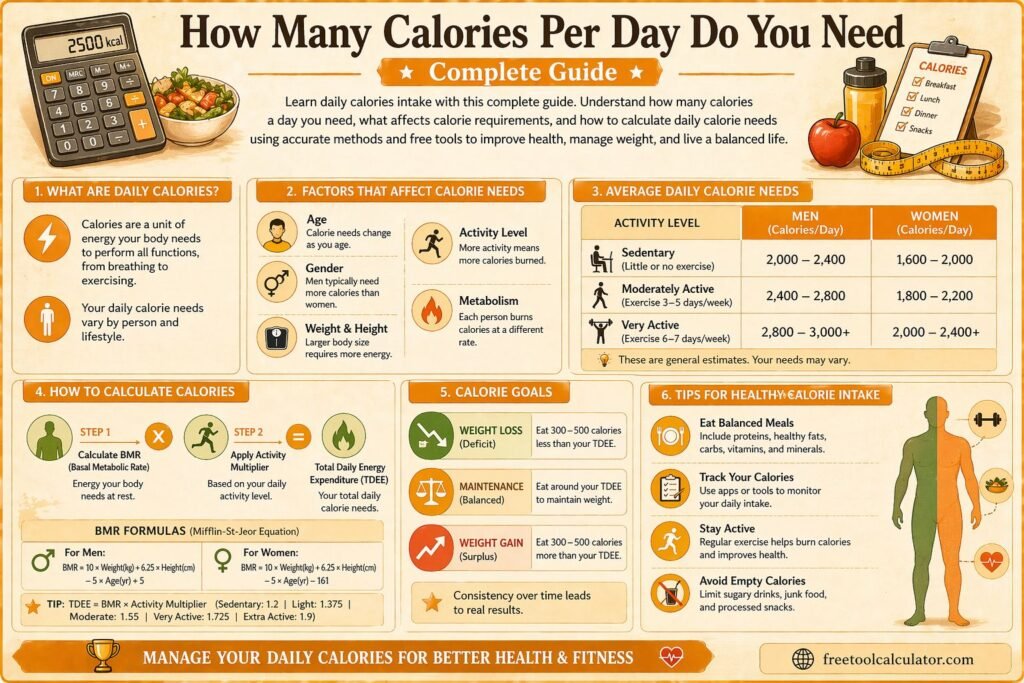
Weight loss occurs when the body consistently uses more energy than it receives from food and beverages. This is known as a calorie deficit.
The deficit can be created by eating fewer calories, increasing activity or combining both. For most busy workers, reducing calorie intake is the most efficient starting point because a large restaurant meal or sugary drink can contain more energy than a short workout uses.
The CDC explains that most weight loss occurs from decreasing calorie intake. Physical activity remains important for health and can support weight loss and maintenance, particularly when combined with an appropriate eating pattern.
This does not mean you need to count every calorie forever. Many people create a calorie deficit by changing food portions, replacing high-calorie drinks, increasing protein and vegetables and reducing frequent snacks.
The Fastest Weight-Loss Strategy for Busy Employees
The most efficient approach is to focus on a small number of high-impact actions instead of trying to change everything at once.
Control Liquid Calories
Calories from sugary coffee, soda, sweetened tea, juice, energy drinks and alcohol can accumulate without creating much fullness. Replacing these beverages with water, unsweetened tea, black coffee or lower-calorie alternatives is one of the quickest ways to reduce daily energy intake.
A coffee itself may contain very few calories, but syrups, cream, sugar and whipped toppings can turn it into the calorie equivalent of a meal. Check the ingredients rather than assuming every coffee is weight-loss friendly.
Build Every Main Meal Around Protein
Protein-rich foods can make meals more satisfying and help support muscle while losing weight. Practical options include eggs, fish, chicken, lean meat, Greek-style yogurt, cottage cheese, beans, lentils, tofu and other soy products.
You do not need to follow an extreme high-protein diet. Include a suitable source in each main meal and adjust the amount according to your body size, dietary preferences and medical needs.
Use Vegetables and Fruit to Increase Food Volume
Vegetables and whole fruit can add volume, fibre, water and nutrients to meals. The CDC notes that most fruits and vegetables are naturally low in fat and calories and may help replace higher-calorie ingredients.
Adding vegetables does not automatically make a meal low in calories when they are covered in oil, butter, creamy sauces or cheese. Preparation method still matters.
Walk After Meals
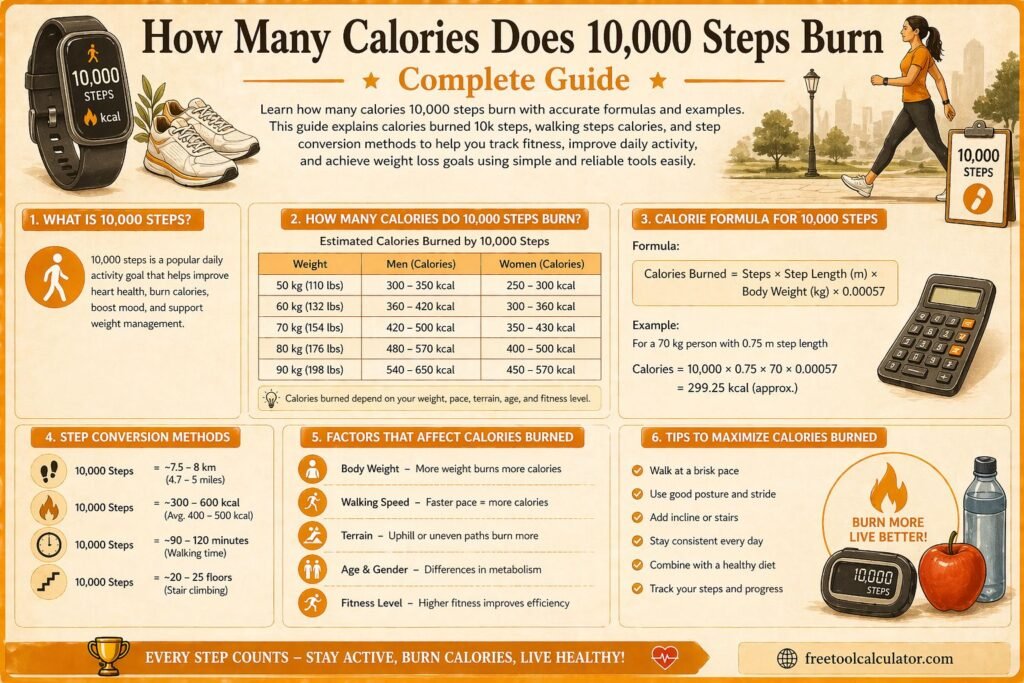
A 10-minute walk after lunch and dinner is easier to schedule than one long exercise session. Two or three short walks can add meaningful weekly activity without requiring gym clothes or a separate trip.
NIDDK specifically identifies walking after lunch or dinner as one way to increase weekly aerobic activity.
Strength Train Two or Three Times Per Week
Short full-body strength sessions can help maintain muscle while losing weight. Workouts can include squats, lunges, push-ups, rows, hinges, presses and core exercises using body weight, resistance bands, dumbbells or gym equipment.
Current physical activity guidance recommends that adults perform muscle-strengthening activities at least two days per week in addition to aerobic activity.
Repeat Simple Meals
Decision fatigue can lead to takeout and convenience snacks after a demanding day. Repeating two or three breakfasts, lunches and quick dinners reduces planning and makes calorie intake more predictable.
Food does not have to be boring. Use the same basic structure while changing spices, vegetables, sauces and protein sources.
A Weight-Loss Meal Formula That Fits a Workday
A practical main meal can be built using four parts: a protein source, vegetables or fruit, a controlled serving of carbohydrate and a measured source of fat or sauce.
For example, lunch might include grilled chicken, a large salad, a serving of rice and a measured dressing. A vegetarian version could include lentils, vegetables, yogurt and whole-grain bread. Dinner could include fish, potatoes and roasted vegetables.
This approach does not require eliminating carbohydrates or fats. Both can fit into a weight-loss diet. The important factors are the total amount, food quality and how the meal fits into your overall intake.
A healthy eating pattern generally emphasizes vegetables, fruits, whole grains and appropriate protein sources while limiting added sugars, excessive sodium and highly processed fats.
Fast Breakfasts for Weight Loss Before Work
Breakfast is optional rather than mandatory for fat loss. Some people feel better eating early, while others naturally prefer their first meal later. The best pattern is the one that controls hunger and fits your schedule without causing overeating later.
Quick breakfast ideas include eggs with whole-grain toast and fruit, Greek-style yogurt with berries, overnight oats with yogurt, a vegetable omelette or a protein-rich smoothie with whole fruit.
A smoothie can become unexpectedly high in calories when it contains large amounts of nut butter, full-fat dairy, sweeteners and several servings of fruit. Measure calorie-dense ingredients rather than pouring them freely.
If office pastries are your main problem, eat a planned breakfast before arriving or bring a satisfying option with you. Relying on willpower while hungry is usually less effective than planning.
Easy Work Lunches That Support Weight Loss
The ideal work lunch should be filling, portable and easy to repeat. It does not need to be a perfect meal prepared from scratch.
Useful options include chicken or bean salad, tuna with whole-grain crackers and vegetables, a turkey or tofu wrap, lentil soup with yogurt, leftover meat and vegetables, or a grain bowl containing protein and salad.
When ordering lunch, choose a meal with a clear protein source and vegetables. Ask for creamy dressing or calorie-dense sauce on the side. Choose grilled, baked or roasted food more often than deep-fried options.
Avoid turning lunch into a test of discipline by ordering only a tiny salad when you know it will leave you hungry. An inadequate lunch often leads to afternoon snacking or overeating after work.
Healthy Snacks for Long Workdays
Snacking is not required for weight loss, but a planned snack may prevent uncontrolled eating when there is a long gap between meals.
Options include fruit with yogurt, vegetables with hummus, a boiled egg, cottage cheese, a controlled portion of nuts or a protein-rich drink with a clear ingredient list.
Keep portions visible. Eating directly from a large bag of nuts, crackers or chips makes it easy to underestimate the amount consumed.
Before snacking, ask whether you are physically hungry, thirsty, tired, stressed or simply responding to food in the office. Not every urge to eat needs to be followed, but genuine hunger should not always be ignored either.
How to Handle Office Treats and Social Eating
Office food can create repeated opportunities to eat when you are not hungry. Birthday cake, biscuits, catered meetings and takeaway lunches can easily become routine rather than occasional choices.
You do not need to refuse every treat. Choose deliberately rather than automatically. Eat a small portion of something you genuinely enjoy and skip foods that are available but not especially appealing.
Avoid the all-or-nothing reaction. One slice of cake does not ruin a week of progress. The larger problem occurs when one unplanned food leads to an entire day or weekend of overeating.
At a work dinner, look at the menu before arriving. Decide what you will order while you are calm rather than hungry. A meal containing protein, vegetables and a controlled starch is often easier to manage than several shared starters followed by a large main course.
How to Lose Weight With a Desk Job
A desk job lowers the amount of movement performed during the day, but it does not prevent weight loss. The solution is to make activity easier and more frequent.
Walk During Calls
Take audio-only meetings or phone calls while walking when the conversation does not require a screen or note-taking.
Use Short Movement Breaks
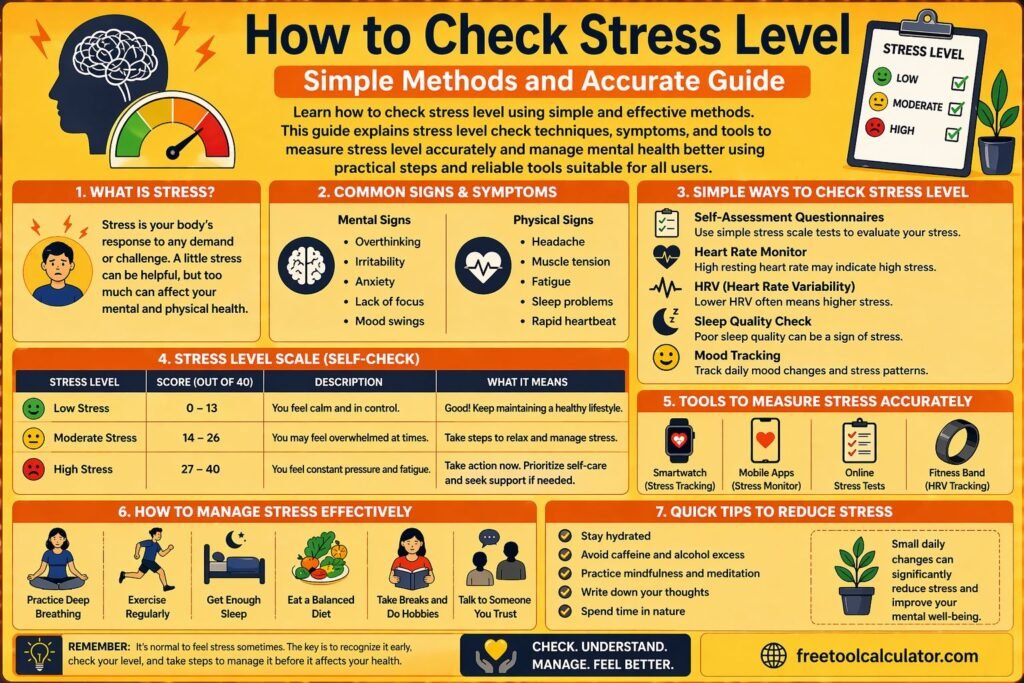
Stand, stretch or walk for two to five minutes between tasks. Short breaks may not feel like exercise, but they reduce uninterrupted sitting and add movement across the day.
Make Distance Convenient
Use a more distant restroom, take the stairs when practical, park farther away or leave public transport one stop earlier.
Schedule Walking Like a Meeting
Block 10 to 20 minutes on your calendar for a lunch walk. Treating movement as a scheduled commitment makes it less likely to disappear when the day becomes busy.
Use a Step Goal Carefully
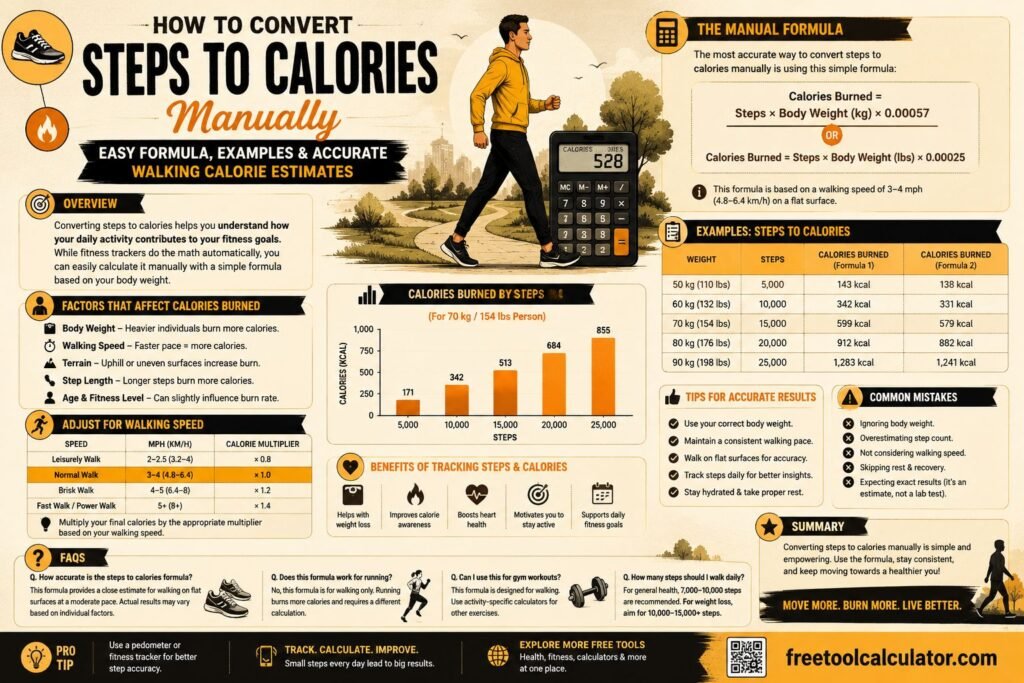
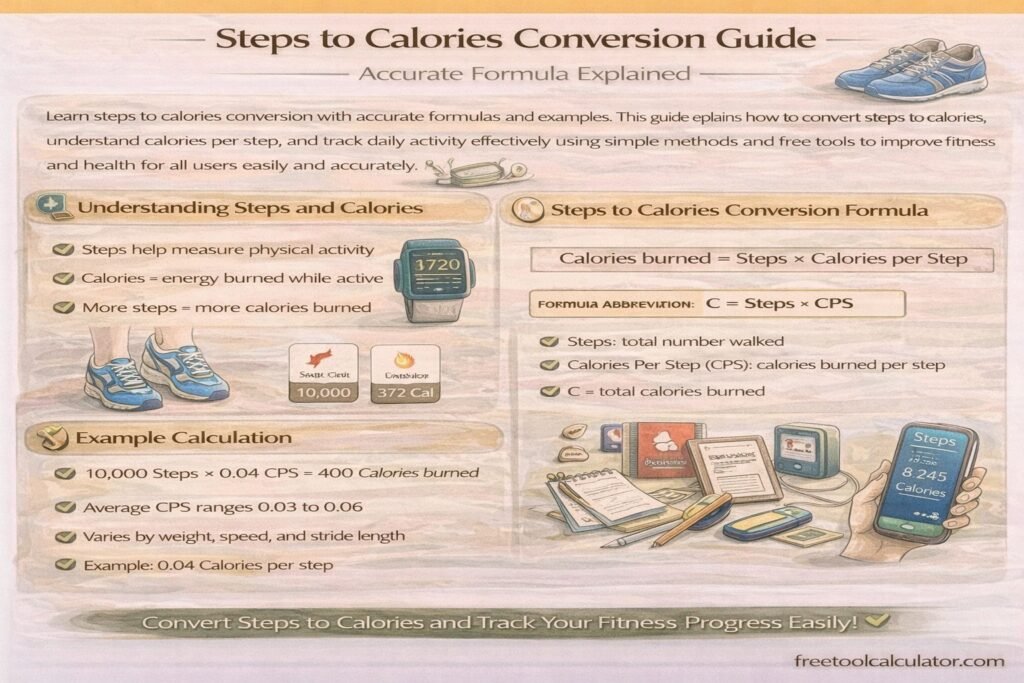
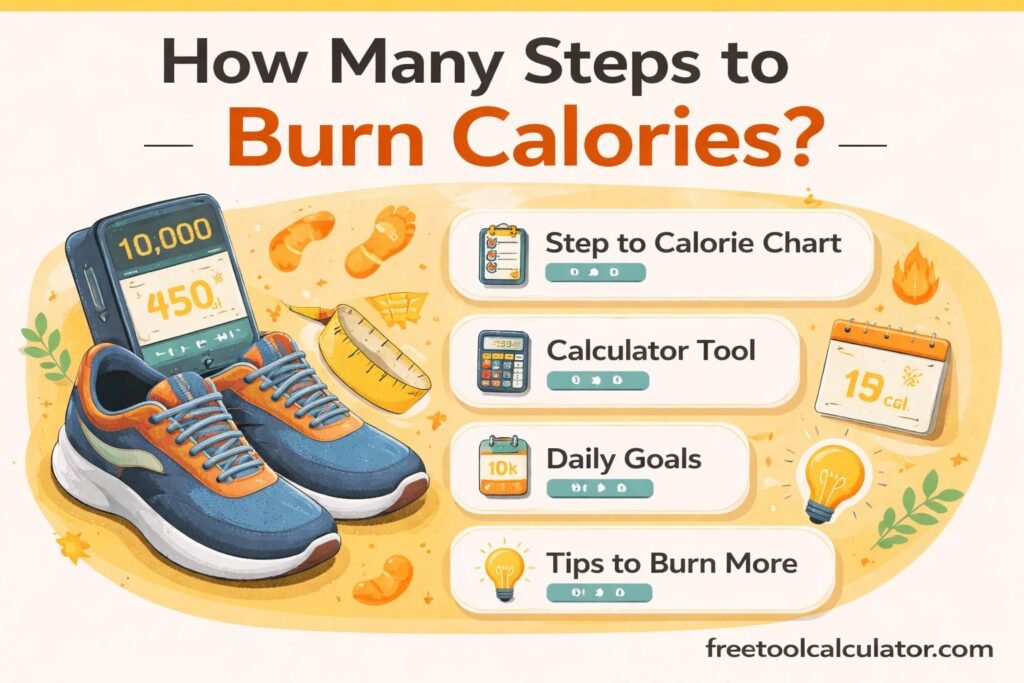
A step target can be motivating, but there is no universal number required for weight loss. Start by measuring your current average and gradually increase it. A realistic increase that you maintain is more useful than an ambitious target abandoned after several days.
The Best Short Workouts for Busy Professionals
The best workout is not necessarily the one that burns the most calories in a single session. It is the one you can perform consistently without exhausting yourself or interfering with work and family responsibilities.
Twenty-Minute Full-Body Strength Workout
Choose one lower-body exercise, one pushing movement, one pulling movement, one hip-dominant exercise and one core movement. Perform two to four sets of each using a resistance that feels challenging while allowing safe technique.
A home workout may include squats, push-ups against a desk or floor, resistance-band rows, glute bridges and planks. A gym workout might include leg presses, chest presses, cable rows, Romanian deadlifts and loaded carries.
Brisk Walking
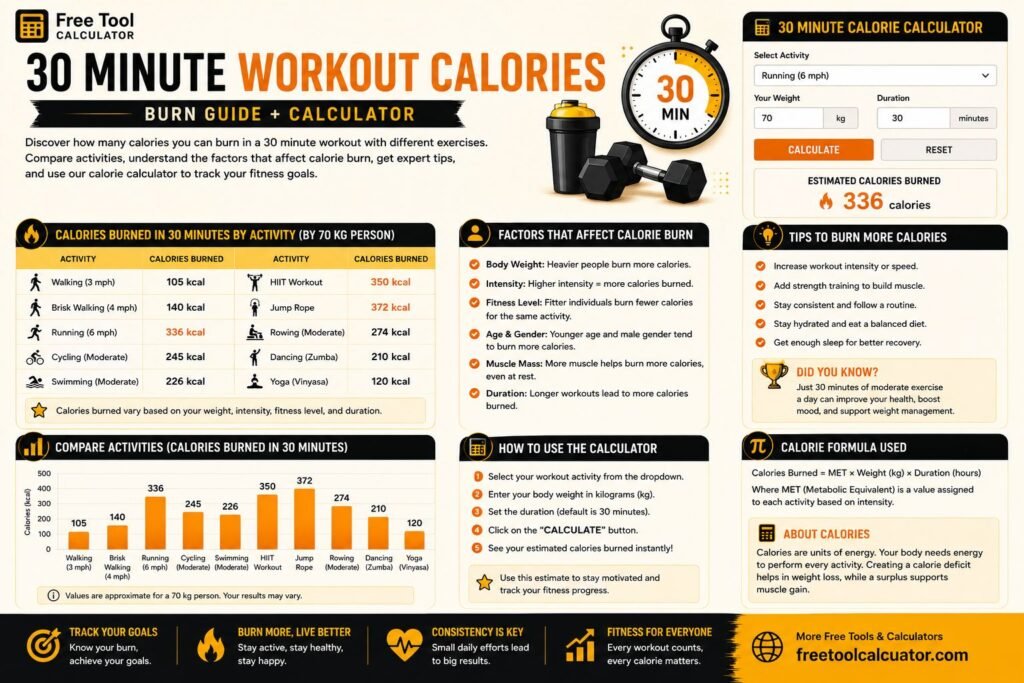
Walking requires little preparation and is easier to recover from than high-intensity exercise. Adults should aim for at least 150 to 300 minutes of moderate-intensity aerobic activity per week for substantial health benefits.
This can be divided into shorter sessions. Five 30-minute walks, ten 15-minute walks or a combination of different durations can all contribute.
Interval Training
Interval training alternates harder efforts with easier recovery periods. It can provide an efficient cardiovascular workout, but it is not essential for weight loss and may be unsuitable for beginners or people with certain health conditions.
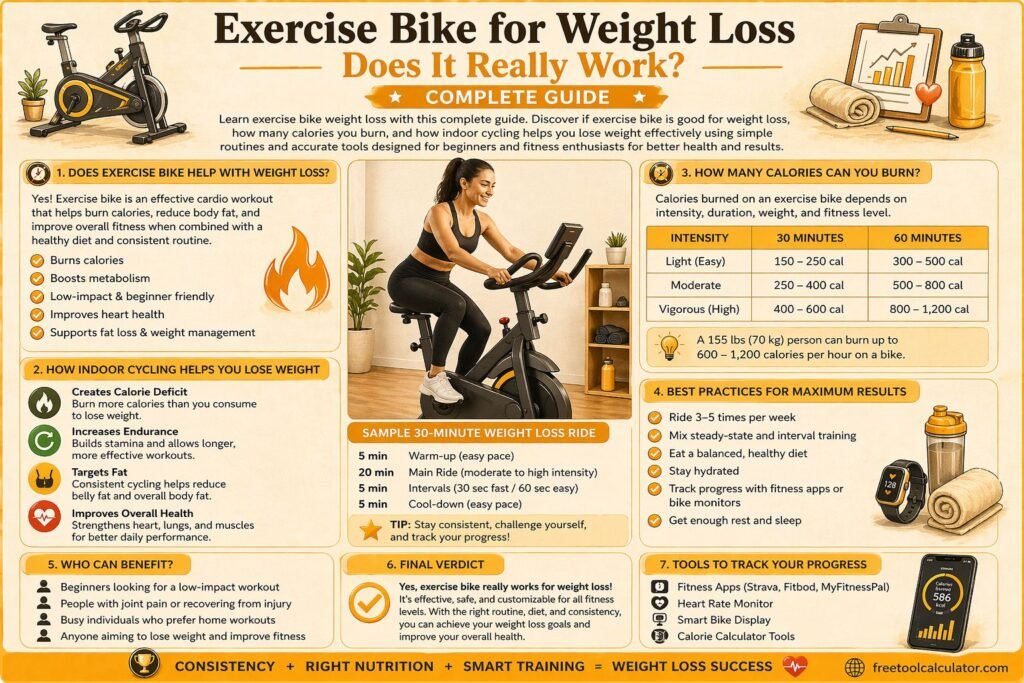
Start with brisk walking or moderate cycling before adding intense intervals. More intensity is not always better, especially when poor recovery leads to fatigue, injury or increased hunger.
Exercise Snacks
Exercise snacks are brief periods of movement performed throughout the day. Examples include climbing stairs for several minutes, performing bodyweight squats between meetings or walking quickly around the building.
These sessions should support, rather than replace, an overall activity plan. Their greatest advantage is convenience.
Do You Need to Exercise Every Day?
No. Daily formal exercise is not necessary for weight loss. Consistency across the week is more important than completing a hard workout every day.
A practical schedule might include three strength sessions, two or three brisk walks and regular daily movement. Beginners may start with fewer sessions and increase gradually.
Rest and recovery matter. Exercise should improve health and fitness, not leave you constantly exhausted or unable to perform your job.
People with heart disease, uncontrolled blood pressure, significant joint problems, severe obesity or a long period of inactivity should seek medical guidance before beginning vigorous exercise.
How Sleep Affects Weight Loss
Sleep is often sacrificed when people try to exercise before work, meal prep late at night and handle family responsibilities. This can make the plan harder to follow.
Insufficient sleep may increase fatigue, reduce activity and make highly palatable food more difficult to resist. NHLBI reports that adults who regularly obtain seven to eight hours of sleep have a lower risk of obesity and high blood pressure.
Create a consistent sleep schedule when possible, limit late-night work and reduce caffeine later in the day. Shift workers may not be able to follow a traditional schedule, but protecting a regular sleep window and creating a dark, quiet environment can still help.
Do not reduce sleep to make room for excessive exercise. A shorter, sustainable workout combined with adequate rest is usually better than an ambitious program that leaves you exhausted.
How Workplace Stress Can Slow Progress
Stress does not make fat loss physically impossible, but it can affect behaviour. A stressful day may lead to convenience food, alcohol, skipped workouts, poor sleep and mindless snacking.
Create a transition routine between work and home. This could involve a 10-minute walk, changing clothes, showering, preparing tea or spending several minutes away from screens.
Keep convenient meals available for demanding days. Frozen vegetables, cooked rice, canned beans, eggs, yogurt, rotisserie chicken and pre-portioned meals can prevent an exhausting day from becoming a takeaway habit.
Stress management should not be treated as a replacement for addressing workload, mental health concerns or unhealthy workplace conditions. Seek professional support when stress feels persistent or unmanageable.
Meal Preparation Without Losing Your Weekend
Meal preparation does not need to involve cooking every meal for seven days. A simpler approach is to prepare building blocks.
Cook one or two protein sources, one carbohydrate and a tray of vegetables. Keep fruit, yogurt, eggs, salad ingredients and a few emergency freezer meals available.
Another method is to cook double portions at dinner and use the leftovers for lunch. This requires little additional effort and reduces the chance of buying a high-calorie meal during work.
People who dislike reheated meals can prepare cold options such as wraps, salads, yogurt bowls and snack boxes.
The purpose of meal preparation is not perfection. It is to make the healthier choice easier when time and energy are limited.
Can Intermittent Fasting Help Busy Workers Lose Weight?
Intermittent fasting limits eating to certain times of the day or week. It can help some people reduce calories because it creates fewer opportunities to eat.
However, fasting is not automatically superior to other calorie-controlled approaches. A person can still consume more energy than needed during the eating window.
Fasting may suit workers who are not hungry in the morning and prefer larger meals later. It may be unsuitable for people who become dizzy, irritable or excessively hungry, as well as those with certain medical conditions, a history of disordered eating, pregnancy or specific medication schedules.
Choose intermittent fasting only when it makes your schedule easier. It is not required for fast or successful weight loss.
Should You Count Calories?
Calorie tracking can be useful because it reveals how much energy is present in meals, drinks, oils, sauces and snacks. It is not mandatory and may be inappropriate for people with a history of disordered eating.
A short period of tracking may help identify major sources of excess calories. Restaurant portions, cooking oil, sweetened beverages, nuts, cheese and dressings are commonly underestimated.
The NIDDK Body Weight Planner can create a personalized calorie and activity plan based on a person’s starting information and target.
Do not pursue the lowest possible calorie intake. A plan that causes constant hunger, dizziness, weakness, poor concentration or binge eating is unlikely to be sustainable and may be unsafe.
How to Track Weight-Loss Progress
Weigh under similar conditions, such as in the morning after using the bathroom and before eating. Daily weighing can provide more information, but some people prefer one to three measurements per week.
Use a weekly average rather than reacting to each number. Compare averages across three or four weeks.
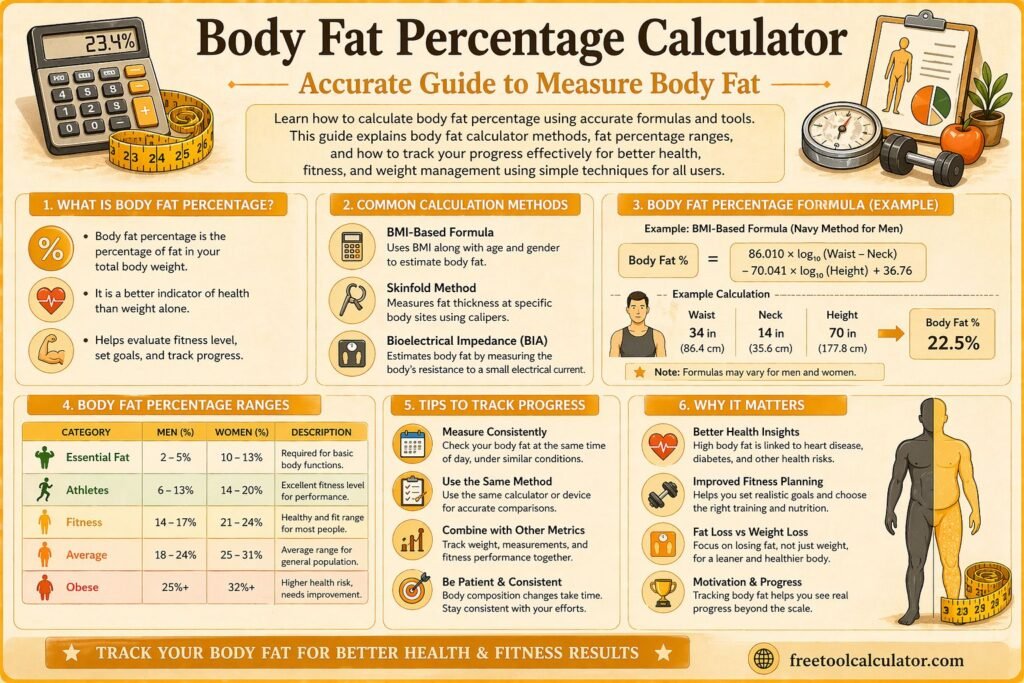
Measure waist circumference approximately once per month and notice changes in clothing fit. Progress photos can also help when used privately and consistently.
If weight does not change for several weeks, review portions, drinks, weekend eating and daily activity. Do not immediately assume your metabolism is broken.
As body weight decreases, energy needs may also fall. NIDDK explains that metabolism slows during weight loss and the body generally requires fewer calories at a lower weight.
Common Weight-Loss Mistakes Busy People Make
Eating Very Little During Work and Overeating at Night
Skipping food all day may appear efficient, but it can lead to intense hunger after work. A structured lunch and optional planned snack may improve evening control.
Drinking Calories Without Counting Them
Coffee additions, juice, alcohol and energy drinks can produce a substantial calorie surplus without feeling like food.
Depending Only on Exercise
Exercise provides major health benefits, but it is easy to consume back the calories used during a workout. Combine activity with reasonable food portions.
Trying to Be Perfect
A plan should survive travel, deadlines and social events. Perfection is not required. Return to your normal routine at the next meal rather than waiting until Monday.
Changing Too Many Habits at Once
An extreme diet, daily workouts, early wake-ups and complete food restriction can create rapid burnout. Start with the habits producing the largest calorie reduction.
Ignoring Weekends
A consistent weekday deficit can disappear when weekends involve multiple restaurant meals, alcohol and uncontrolled snacking. Weekend flexibility still requires awareness of portions.
Using Weight-Loss Supplements
Most over-the-counter fat burners provide limited benefit and may contain stimulants or poorly regulated ingredients. They do not replace a calorie deficit.
A Practical Seven-Day Weight-Loss Schedule for Workers
Monday
Bring a prepared lunch, complete a 10-minute walk after lunch and perform a 20-minute full-body strength workout after work.
Tuesday
Choose water or unsweetened drinks, walk during one phone call and complete a 20 to 30-minute brisk walk.
Wednesday
Repeat a reliable breakfast and lunch, take movement breaks between meetings and perform a second strength workout.
Thursday
Plan dinner before leaving work and take two short walks during the day.
Friday
Perform a third short strength session or a brisk walk. Choose one intentional social meal rather than treating the entire day as unrestricted.
Saturday
Complete a longer enjoyable activity such as walking, cycling, swimming or a recreational sport. Buy groceries and prepare several meal components.
Sunday
Use a lighter recovery day, plan work lunches, review the weekly weight trend and protect bedtime before the new workweek.
When Should You Consider Medical Weight-Loss Treatment?
Some people benefit from structured behavioural treatment, prescription medication or bariatric surgery in addition to nutrition and physical activity changes.
Medical treatment may be considered based on body mass index, weight-related conditions, previous attempts and individual risk. Eligibility and available medications vary by country and may change over time.
Speak with a qualified healthcare professional rather than purchasing injections, tablets or compounded products from an unverified seller. Prescription weight-loss medicines have side effects, contraindications and monitoring requirements.
A clinician can also check for conditions or medicines that may affect weight, including thyroid disorders, sleep apnea, diabetes, depression treatments and steroid medication.
Who Should Avoid Aggressive Weight Loss?
Rapid or aggressive weight loss may be inappropriate during pregnancy, breastfeeding, adolescence, recovery from serious illness or treatment for an eating disorder.
People with diabetes, kidney disease, liver disease, heart conditions or blood pressure problems should discuss major diet or exercise changes with a clinician.
Seek medical help if weight loss causes fainting, persistent dizziness, chest pain, severe weakness, vomiting, dehydration or loss of normal daily functioning.
Frequently Asked Questions About Losing Weight While Working
What is the fastest way to lose weight with a full-time job?
Reduce calorie-dense drinks and foods, build meals around protein and vegetables, walk during the workday and complete two or three short strength workouts each week.
How much weight can I safely lose per week?
A gradual rate of approximately one to two pounds per week is commonly recommended and is more likely to support long-term maintenance.
Can I lose weight without going to the gym?
Yes. Weight loss can occur through food changes, walking and home-based resistance exercise. A gym is optional.
Can I lose weight with a desk job?
Yes. Schedule walking breaks, increase daily steps and control calorie intake. Long periods of sitting do not prevent fat loss when a consistent calorie deficit exists.
How much exercise do working adults need?
Adults should generally aim for 150 to 300 minutes of moderate aerobic activity per week and strength training on at least two days.
Is walking enough for weight loss?
Walking can support a calorie deficit and improve health. Food intake usually has the larger effect on the speed of weight loss, while strength training can help preserve muscle.
Should I skip breakfast to lose weight faster?
Skipping breakfast is optional. It may help some people eat fewer calories but cause others to overeat later. Choose the meal pattern that best controls hunger.
What should I eat for lunch at work?
Choose a meal containing protein, vegetables or fruit and a controlled serving of carbohydrate and fat. Avoid relying on tiny lunches that cause evening overeating.
How do I stop eating office snacks?
Bring a planned snack, keep food away from your desk, drink water and decide in advance which treats are worth eating.
Can intermittent fasting help me lose weight?
It can help when it reduces total calorie intake and suits your schedule. It is not required and is not appropriate for everyone.
Do I need to count calories?
No, but tracking for a short period can reveal high-calorie portions, drinks and sauces. Portion-based methods can also work.
What is the best exercise for fast weight loss?
A combination of regular walking or other aerobic activity and full-body strength training is practical for most busy adults. The best exercise is one you can perform consistently.
Can I lose belly fat while working at a desk?
You cannot choose exactly where fat is lost. Reducing overall body fat through a calorie deficit may gradually reduce abdominal fat.
How can I lose weight without feeling hungry all day?
Eat adequate protein, vegetables, fruit and fibre, control calorie-dense foods and avoid creating an excessively large calorie deficit.
How does sleep affect weight loss?
Poor sleep may increase fatigue, reduce activity and make appetite management more difficult. Protecting adequate sleep supports a sustainable plan.
Can I eat restaurant food and still lose weight?
Yes. Review menus, control portions, choose protein and vegetables and limit calorie-dense drinks, starters and sauces.
Why am I not losing weight even though I exercise?
Food and drink intake may be replacing the calories used during exercise. Water retention, inconsistent weekends and inaccurate portions may also hide progress.
How long should I wait before changing my plan?
Review the trend across at least three or four consistent weeks unless the plan is causing side effects or your clinician advises otherwise.
Are weight-loss injections the fastest option?
Prescription medicines can produce significant weight loss for eligible patients, but they require medical assessment, ongoing monitoring and continued lifestyle support.
Can I lose weight without meal preparation?
Yes. Use convenient foods such as pre-cut vegetables, fruit, yogurt, canned beans, cooked lean protein and suitable frozen meals. Planning matters more than cooking everything yourself.
Conclusion
The fastest way to lose weight without quitting your job is not an extreme diet or an exhausting daily workout. It is a structured routine that creates a moderate calorie deficit while remaining simple enough to follow during busy workweeks.
Start with the biggest opportunities. Replace high-calorie drinks, control restaurant portions, include protein and vegetables in main meals and keep convenient food available for stressful days.
Add movement without waiting for a free hour. Walk after meals, move during suitable calls, take the stairs and complete short full-body strength workouts two or three times per week.
Protect sleep and avoid trying to compensate for an uncontrolled diet with excessive exercise. Food intake usually has the greatest influence on the speed of weight loss, while physical activity supports health, fitness, muscle retention and long-term maintenance.
A realistic target for many adults is approximately one to two pounds per week. Faster initial changes can occur, but dramatic promises often involve water loss, unsustainable restriction or unnecessary health risks.
The most successful plan is not the strictest one. It is the one that continues working during deadlines, meetings, travel, family responsibilities and ordinary low-motivation days.
This article provides general educational information and does not replace advice from a qualified healthcare professional. Consult a clinician before beginning an aggressive weight-loss program, particularly when you have a medical condition, take prescription medication, are pregnant or have a history of disordered eating.