Best Sleep Time and Why It Matters for Your Health
Understanding the best sleep time is one of the most powerful changes you can make to improve your overall health, productivity, and energy levels. Sleep is not just about resting your body, it is a biological process that allows your brain to recover, repair cells, regulate hormones, and prepare for the next day. When your sleep timing is aligned with your natural circadian rhythm, your body performs these processes more efficiently, resulting in better physical and mental performance.
The circadian rhythm is your body’s internal clock that follows a roughly 24 hour cycle. It responds to light and darkness, which is why you naturally feel sleepy at night and alert during the day. Disrupting this cycle by sleeping late or inconsistently can lead to fatigue, poor focus, and long term health issues. You can calculate your ideal sleep schedule using this free sleep calculator to align your bedtime and wake up time with your natural sleep cycles and improve overall sleep quality.
What Time Is Best to Sleep According to Science
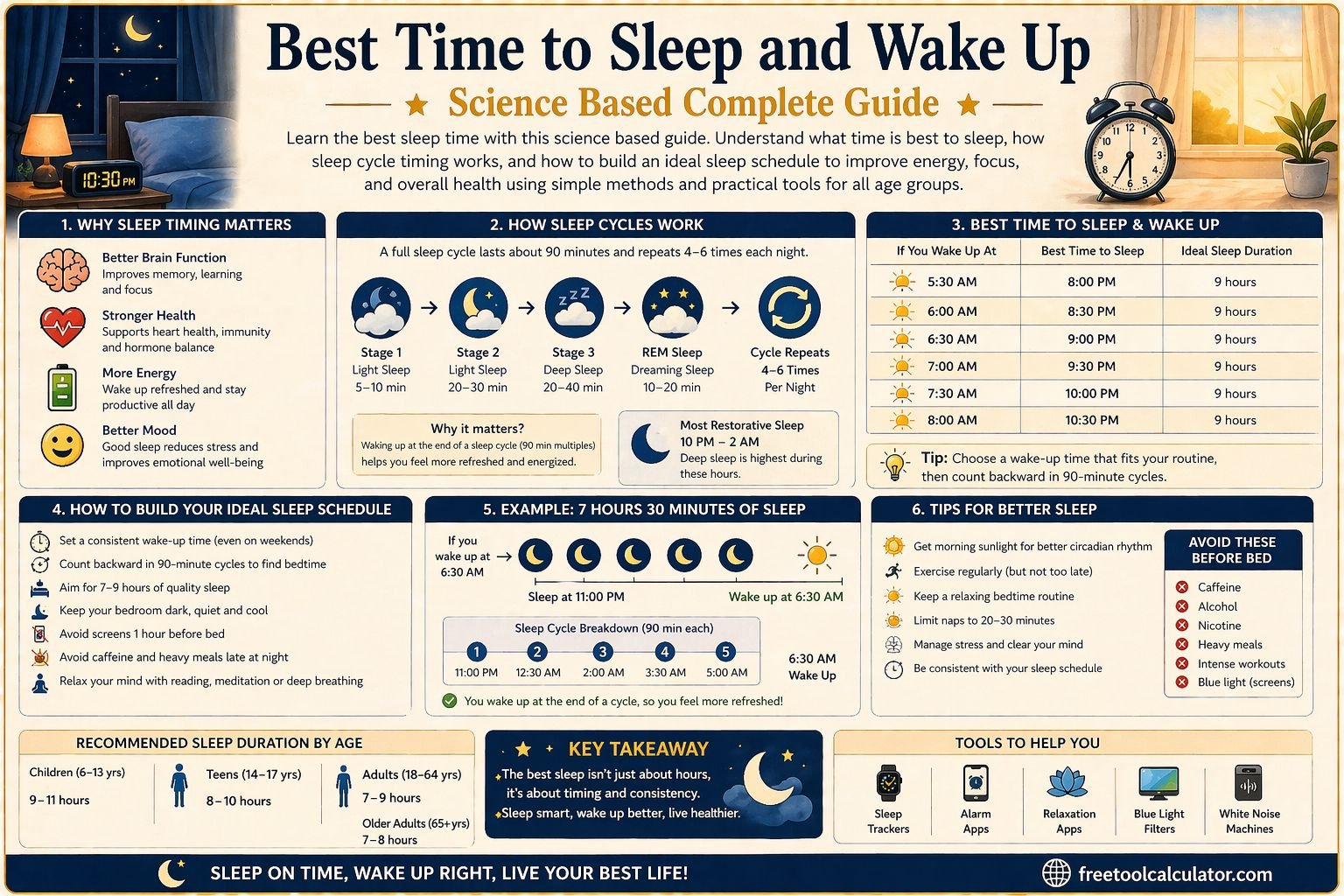
Many people wonder what time is best to sleep, and while individual preferences may vary, scientific research suggests that sleeping between 10 PM and 11 PM is optimal for most adults. This timeframe aligns with the natural rise of melatonin, the hormone responsible for sleep, which begins increasing after sunset. Going to bed during this window allows your body to enter deeper stages of sleep earlier in the night.
Deep sleep is essential for physical recovery, muscle repair, and immune system function. Missing this early sleep window can reduce the amount of restorative sleep you get, even if you sleep for the same number of hours. The best sleep time also depends on your wake up schedule. If you need to wake up early, going to bed earlier ensures you complete enough sleep cycles for proper rest.
Consistency is equally important. Going to bed at the same time every night helps train your body to fall asleep faster and wake up more refreshed. This routine improves both sleep quality and overall well being.
How Sleep Cycle Timing Works
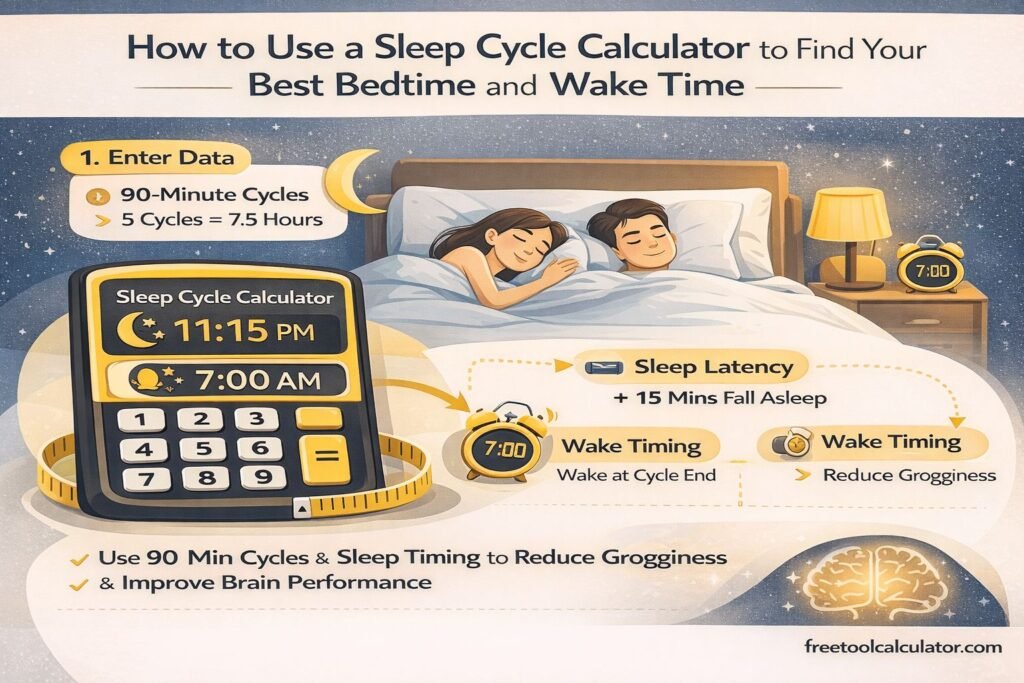
Sleep cycle timing is based on cycles that last approximately 90 minutes. Each cycle includes different stages such as light sleep, deep sleep, and REM sleep. These stages are crucial for different aspects of health, including memory consolidation, physical recovery, and emotional balance.
Waking up in the middle of a sleep cycle can leave you feeling tired and groggy, even if you have slept for several hours. This is why understanding sleep cycle timing is important when planning your sleep schedule. Ideally, you should aim to wake up at the end of a cycle rather than in the middle.
You can use a sleep cycle calculator to determine the best time to sleep and wake up based on 90 minute cycles. This ensures that you complete full cycles and wake up feeling energized instead of exhausted.
Ideal Sleep Schedule for Different Age Groups
The ideal sleep schedule varies depending on age, lifestyle, and individual health conditions. Adults generally require 7 to 9 hours of sleep per night, while teenagers may need 8 to 10 hours due to growth and development. Children require even more sleep to support physical and cognitive development.
As people age, their sleep patterns may change. Older adults often experience lighter sleep and may wake up more frequently during the night. However, maintaining a consistent sleep schedule remains important for all age groups.
Understanding your daily routine and adjusting your sleep timing accordingly helps you achieve the best sleep time for your specific needs. This personalized approach ensures better rest and improved health outcomes.
Benefits of Following the Best Sleep Time
Following the best sleep time provides a wide range of benefits that go beyond simply feeling rested. Proper sleep timing improves cognitive function, allowing you to think more clearly, make better decisions, and stay focused throughout the day. It also enhances memory, which is essential for learning and productivity.
Sleep also plays a critical role in physical health. It helps regulate hormones that control appetite and metabolism, making it easier to maintain a healthy weight. Consistent sleep timing also supports heart health and reduces the risk of chronic diseases.
Additionally, proper sleep improves mood and emotional stability. People who follow a regular sleep schedule tend to experience lower stress levels and better mental health. These benefits highlight why finding the best sleep time is essential for overall well being.
Common Mistakes That Disrupt Sleep Timing
Many people struggle with sleep because of habits that disrupt their natural rhythm. One of the most common mistakes is going to bed at different times each night. This inconsistency confuses your body clock and makes it harder to fall asleep.
Another major issue is excessive screen time before bed. The blue light emitted by phones and computers suppresses melatonin production, delaying sleep. Reducing screen exposure before bedtime can significantly improve sleep quality.
You can also track your digital habits using a screen time impact tool to identify patterns that may be affecting your sleep. Managing screen time is an important step in maintaining a healthy sleep routine.
How to Build an Ideal Sleep Schedule
Building an ideal sleep schedule requires consistency and discipline. Start by setting a fixed bedtime and wake up time that aligns with your daily routine. Even on weekends, try to maintain the same schedule to avoid disrupting your rhythm.
Creating a relaxing bedtime routine can also help signal your body that it is time to sleep. Activities such as reading, meditation, or taking a warm shower can promote relaxation and improve sleep quality.
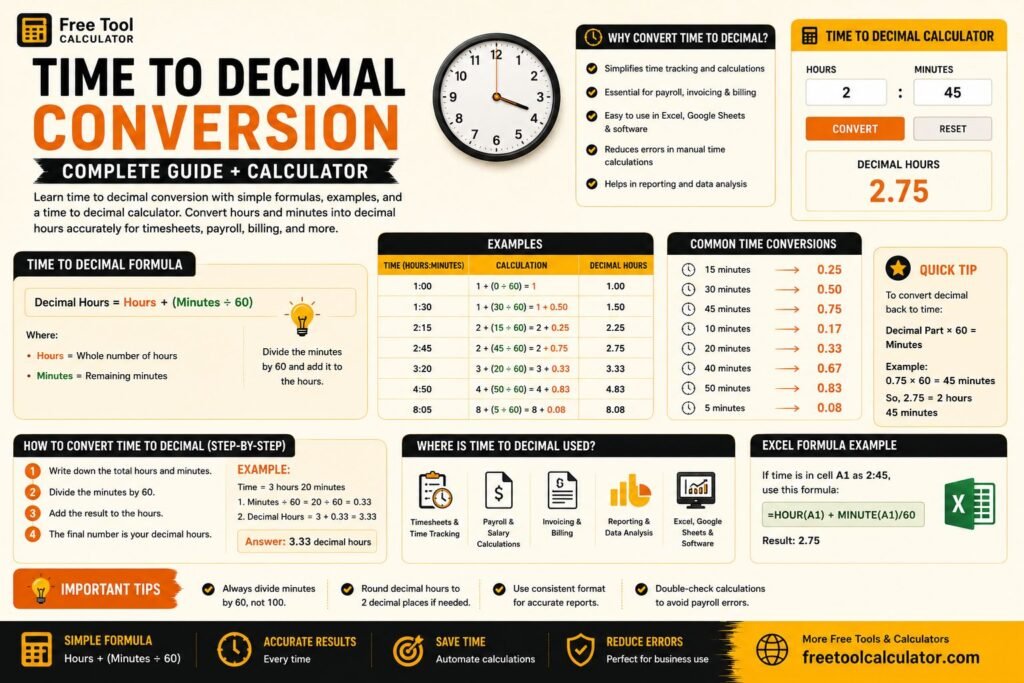
Using a time zone converter can be especially helpful for people who travel frequently or work across different time zones. Maintaining consistent sleep timing across time zones ensures that your body adjusts more easily and reduces the impact of jet lag.
How Sleep Timing Affects Productivity and Energy
Sleep timing has a direct impact on your productivity and energy levels. When you follow the best sleep time, you wake up feeling refreshed and ready to take on the day. This improves focus, efficiency, and overall performance.
On the other hand, poor sleep timing can lead to fatigue, reduced concentration, and lower productivity. This can affect both personal and professional life.
Tracking your daily routine and adjusting your sleep schedule accordingly helps you maximize productivity. Combining proper sleep with good time management ensures better results in all areas of life.
Advanced Tips to Improve Sleep Quality
Improving sleep quality involves creating the right environment and adopting healthy habits. Keep your bedroom dark, quiet, and cool to promote better sleep. Investing in a comfortable mattress and pillow can also make a significant difference.
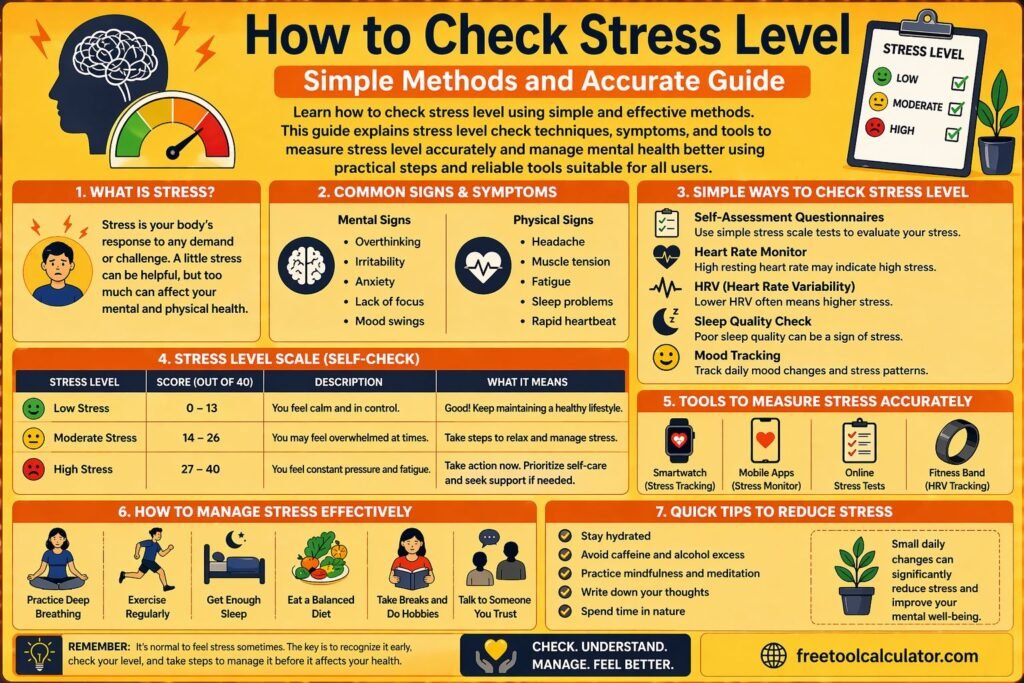
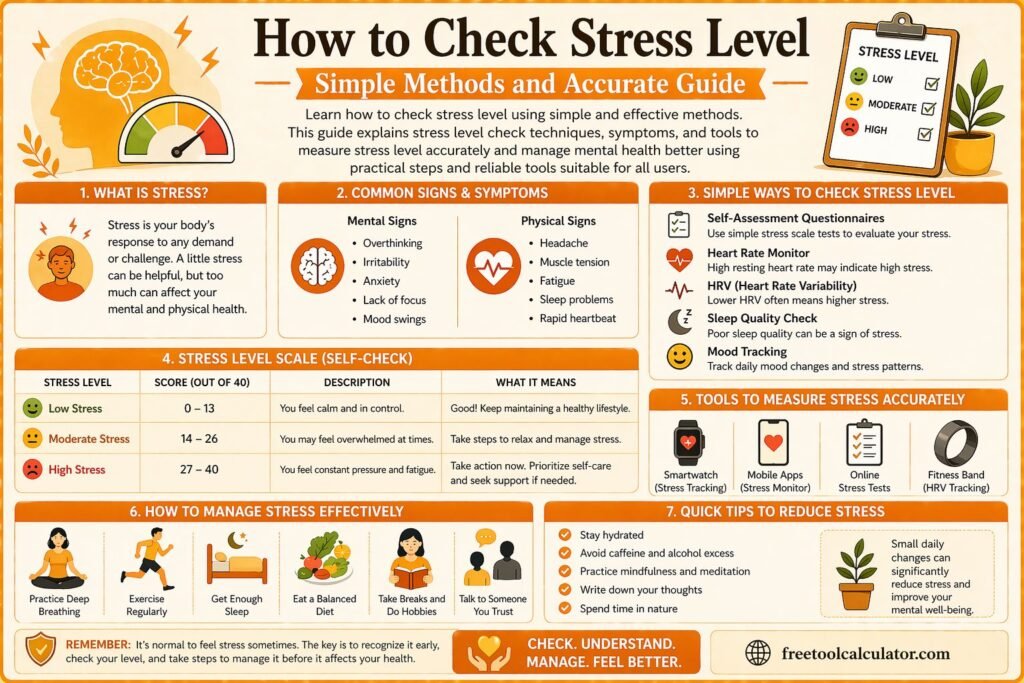
Regular exercise helps improve sleep quality, but it is best to avoid intense workouts close to bedtime. Managing stress through relaxation techniques such as deep breathing or meditation also supports better sleep.
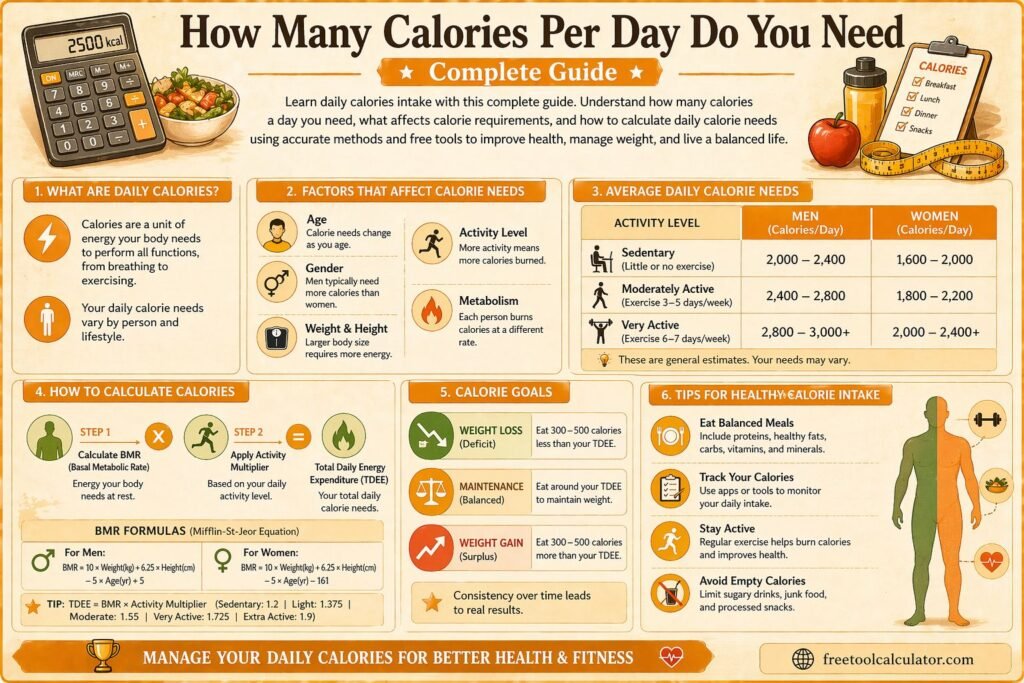
You can further optimize your routine by using a calorie calculator to balance your energy intake and expenditure. Proper nutrition and hydration play a key role in supporting healthy sleep patterns.
Long Term Impact of Proper Sleep Timing
Maintaining the best sleep time has long term benefits for both physical and mental health. It reduces the risk of chronic conditions such as heart disease, obesity, and diabetes. It also supports immune function, helping your body fight infections more effectively.
Proper sleep timing also improves mental health by reducing stress and anxiety. Over time, consistent sleep habits lead to better emotional stability and overall quality of life.
Understanding the importance of sleep timing encourages you to prioritize rest and make healthier lifestyle choices. This long term approach ensures sustainable improvements in health and well being.
Conclusion Best Sleep Time for a Healthy Life
Finding the best sleep time is essential for improving health, productivity, and overall well being. By understanding sleep cycle timing and following an ideal sleep schedule, you can achieve better rest and enhanced performance in your daily life.
If you want to optimize your routine, you can use this free sleep calculator along with other helpful tools to plan your sleep and daily habits effectively. Consistency, discipline, and the right tools ensure long term success and a healthier lifestyle.