Understanding the Basics
- What is Body Mass Index (BMI)? BMI is a simple numerical screening tool that uses a person’s height and weight to estimate body fatness and health risks.
- How do you calculate BMI? Divide weight in kilograms by height in meters squared (
 kg/m2k g / m squared𝑘𝑔/𝑚2); for example, 70kg at 1.75m results in a BMI of 22.8.
 - What is the imperial BMI formula? Multiply your weight in pounds by 703, then divide that number twice by your height in inches.
- What are the primary adult BMI categories? Standard ranges include Underweight (<18.5), Healthy (18.5–24.9), Overweight (25–29.9), and Obese (30+).
- What is Obesity Class III? Also known as “severe obesity,” this is defined as having a BMI of 40 or greater.
Health & Clinical Indicators
- Is BMI a diagnostic tool? No; it is a screening method that identifies potential weight-related issues which require further clinical assessment.
- What are the risks of a high BMI? It is associated with increased risks for Type 2 diabetes, high blood pressure, and cardiovascular disease.
- What are the risks of a low BMI? Underweight status (<18.5) is linked to higher mortality rates, weakened immunity, and postoperative complications.
- What is the “Healthy Weight” range for children? For those aged 2–19, a healthy weight falls between the 5th and 85th percentiles on age-and-sex-specific growth charts.
- Can BMI predict life expectancy? Generally, maintaining a BMI between 18.5 and 25 is associated with the lowest risk of premature death.
Limitations & New Standards
- Why is BMI often criticized? It does not distinguish between muscle mass and fat, nor does it track fat distribution, like visceral (belly) fat.
- Is BMI accurate for athletes? Often not; high muscle mass can misclassify muscular individuals as overweight or obese.
- Do ethnicity-specific guidelines exist? Yes; for Asian populations, 2025 guidelines suggest lower thresholds, where overweight starts at 23.0 and obesity at 25.0.
- How is age a factor in BMI? In adults over 65, a slightly higher BMI may actually be protective against certain age-related health issues.
- What is the Waist-to-Height Ratio? Modern guidelines often recommend this measure alongside BMI to better estimate “central adiposity” or belly fat.
Modern Treatment & Trends
- What are clinical criteria for obesity medications? In 2025, medications like semaglutide or tirzepatide are often indicated for BMI $\ge$30, or $\ge$27 with comorbidities.
- When is bariatric surgery considered? Surgery is typically offered for those with a BMI $\ge$40, or $\ge$35 with significant weight-related health conditions.
- Does gender change BMI calculation? No, the formula is the same for men and women, though fat distribution often varies by sex.
- Can you use BMI during pregnancy? Standard BMI categories are not applied during pregnancy, though pre-pregnancy BMI is used to guide healthy weight gain.
- What is “Normal Weight Obesity”? This occurs when a person has a “healthy” BMI but possesses a high percentage of body fat, posing similar risks as obesity.
BMI Calculator – Check Your Body Mass Index and Understand Your Weight Status
A BMI Calculator helps you determine whether your current weight falls within a healthy range based on your height and weight. BMI, which stands for Body Mass Index, is one of the most widely used screening tools for assessing weight status and identifying potential health risks associated with being underweight, overweight, or obese.
Our free BMI Calculator provides instant results, including your BMI score, weight category, health risk level, and practical guidance for improving your results safely. Whether you are trying to lose weight, gain weight, maintain a healthy lifestyle, or simply understand your current health status, a BMI calculator can provide a useful starting point.
While BMI is not a complete measure of health, it remains one of the most commonly used tools by healthcare providers, fitness professionals, insurance companies, and public health organizations worldwide.
What Is BMI?
BMI stands for Body Mass Index. It is a calculation that compares your weight to your height to estimate whether your weight falls within a healthy range.
The BMI formula was developed as a simple screening tool that can be applied across large populations. Although it does not directly measure body fat, it provides a useful indicator of potential health risks related to body weight.
BMI Formula
The standard BMI formula is:
BMI = Weight (kg) ÷ Height² (m²)
For people using pounds and inches, calculators automatically convert measurements before performing the calculation.
Why BMI Matters
BMI is often used to identify potential weight-related health risks. Both extremely low and extremely high BMI values can be associated with health concerns that may require attention.
How to Use the BMI Calculator
Using a BMI calculator is simple and takes only a few seconds.
Step 1: Enter Your Height
Input your height in either feet and inches, centimeters, or meters depending on the calculator settings.
Step 2: Enter Your Weight
Enter your weight in pounds, kilograms, or another supported unit.
Step 3: Calculate Your BMI
The calculator instantly computes your Body Mass Index and displays the result.
Step 4: Review Your Weight Category
The tool shows whether your BMI falls into the underweight, healthy weight, overweight, or obesity category.
BMI Categories Explained
Most healthcare organizations use standard BMI categories to classify weight status.
Underweight
BMI below 18.5 is generally considered underweight.
Healthy Weight
BMI between 18.5 and 24.9 is generally considered a healthy weight range.
Overweight
BMI between 25 and 29.9 is typically classified as overweight.
Obesity
BMI of 30 or higher is generally classified as obesity.
Is a BMI of 19 Good?
Many people ask questions such as is a BMI of 19 good, is BMI 19 healthy, and is 19 BMI good. In most cases, a BMI of 19 falls within the healthy weight category.
However, health involves much more than BMI alone. Factors such as muscle mass, fitness level, body composition, nutrition, and overall lifestyle should also be considered.
Is a 21 BMI Good?
Questions like is a 21 BMI good and is 21.5 BMI normal are also common. A BMI around 21 generally falls comfortably within the healthy range and is considered normal for most adults.
What Does BMI 25 Mean?
Many users search for what does BMI 25 mean because BMI 25 represents the threshold between healthy weight and overweight classifications.
A BMI of 25 does not automatically indicate poor health, but it may signal an increased risk of certain health conditions depending on individual circumstances.
What Does BMI 30 Look Like?
Searches such as what does BMI 30 look like, what does BMI 26 look like, what does BMI 20 look like, and what does BMI 20 mean are common because people want visual context for BMI values.
It is important to understand that BMI appearance varies significantly from person to person. Two people with the same BMI may look very different due to differences in muscle mass, body composition, bone structure, and fat distribution.
What Is a BMI of 35?
A BMI of 35 falls within obesity classifications and may be associated with increased health risks. Healthcare providers often evaluate additional factors beyond BMI when assessing health status.
What Is a BMI of 40?
A BMI of 40 is commonly categorized as severe obesity. Questions such as what is 40 BMI in pounds and what is a BMI of 40 often arise because people are trying to understand how weight and height influence BMI calculations.
What BMI Is Considered Morbidly Obese?
Many users search for what BMI is morbidly obese, what BMI is considered morbidly obese, what BMI is morbid obesity, and what is morbidly obese BMI.
Historically, the term “morbid obesity” has often been used for BMI values of 40 or higher. However, medical terminology continues to evolve, and healthcare providers may use different classifications based on individual circumstances.
Health Risks Associated with High BMI
Higher BMI levels may be associated with increased risks of conditions such as type 2 diabetes, heart disease, high blood pressure, sleep apnea, and certain metabolic disorders.
What BMI Is Anorexic?
Questions such as what BMI is anorexic and what is an anorexic BMI are common online. However, eating disorders cannot be diagnosed based solely on BMI.
Anorexia nervosa is a complex mental health condition that requires professional evaluation. BMI may be one factor considered by healthcare professionals, but diagnosis depends on multiple medical and psychological criteria.
How to Lower BMI Safely
Many users search for how to lower BMI, how to lower my BMI, how can I lower my BMI, how do I lower my BMI, how to lower your BMI index, how to drop BMI, and how to get my BMI down.
The safest approach to lowering BMI involves sustainable lifestyle changes rather than extreme diets or rapid weight-loss methods.
Improve Nutrition
Focus on nutrient-dense foods such as vegetables, fruits, lean proteins, whole grains, and healthy fats while reducing highly processed foods and excessive added sugars.
Increase Physical Activity
Regular exercise can support healthy weight management and improve overall fitness.
Improve Sleep Quality
Consistent sleep habits may help support metabolism, appetite regulation, and overall health.
Manage Stress
Chronic stress can influence eating behaviors and weight management. Healthy stress-management techniques may support long-term wellness.
How to Lower BMI Fast
People often search for how to lower BMI fast or how to reduce BMI quickly. While rapid weight loss may sound appealing, sustainable and gradual approaches are generally safer and more effective for long-term results.
How to Reduce BMI from 35 to 25
Questions such as how to reduce BMI from 35 to 25 naturally reflect long-term weight management goals. Achieving a significant BMI reduction often requires consistent dietary improvements, regular physical activity, medical guidance when appropriate, and realistic timelines.
Because every person’s situation is different, healthcare professionals can provide individualized recommendations.
How to Increase Your BMI
Not everyone wants to lower BMI. Some people search for how to increase your BMI for females or how to gain weight safely.
For underweight individuals, increasing BMI may involve consuming additional nutrient-rich calories, strength training, and addressing any underlying medical conditions with professional guidance.
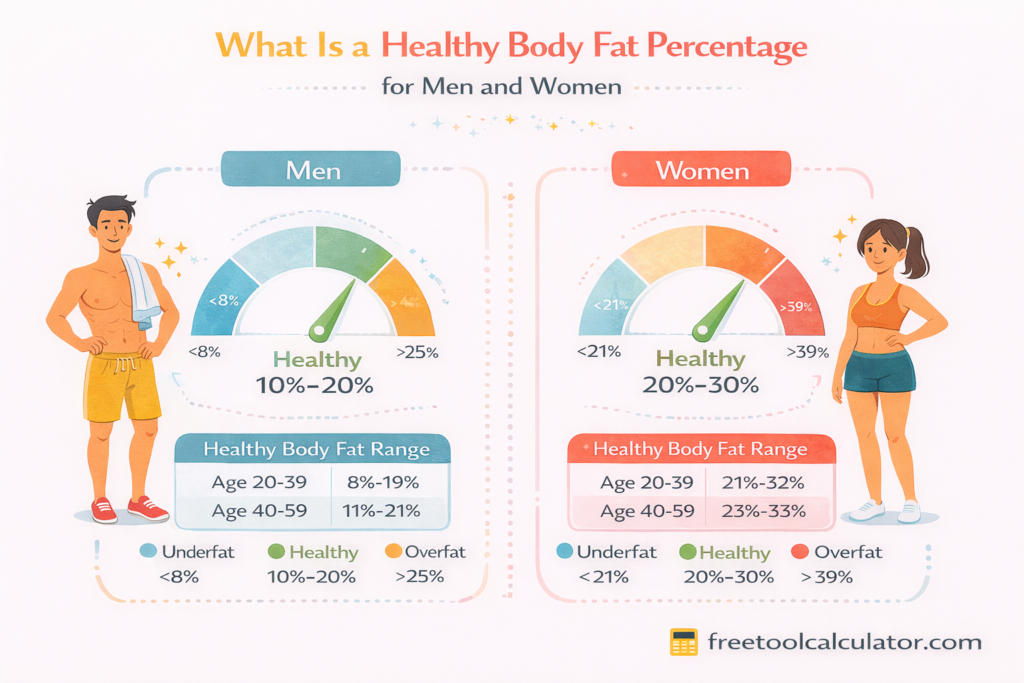
Is BMI the Same as Body Fat Percentage?
One of the most common questions is whether BMI and body fat percentage are the same.
Searches such as is BMI the same as body fat percentage, is body fat percentage the same as BMI, is BMI and body fat the same, is body fat and BMI the same, and what’s the difference between BMI and body fat are extremely popular.
What Is Body Fat Percentage?
Body fat percentage measures the proportion of your body weight that comes from fat tissue.
What Is the Difference Between BMI and Body Fat?
BMI estimates weight status using height and weight. Body fat percentage attempts to measure actual body composition.
As a result, BMI and body fat percentage are related but not identical measurements.
What Is Better Than BMI?
Many people ask what to use instead of BMI or what is better than BMI. Alternatives may include body fat percentage, waist-to-height ratio, waist circumference measurements, and comprehensive health assessments.
However, BMI remains a useful screening tool because it is simple, inexpensive, and widely understood.
Is BMI Accurate for Athletes?
Athletes often have higher muscle mass than the general population. Because muscle weighs more than fat, some athletes may have BMI values that classify them as overweight despite having low body fat levels.
This is why questions like is BMI accurate for athletes frequently arise.
Is BMI Different for Men and Women?
Searches such as is BMI different for men and women, is BMI same for men and women, and does BMI change with age are common.
The standard BMI formula is generally the same for adult men and women. However, body composition, muscle mass, hormonal differences, and age-related changes may influence how BMI is interpreted.
Does BMI Change With Age?
The formula itself does not change with age, but health professionals may consider age-related factors when evaluating overall health risks.
BMI and Weight-Loss Medications
Questions such as what BMI do you need for Ozempic, what BMI qualifies for Ozempic, what BMI qualifies for Wegovy, what BMI qualifies for Zepbound, and what BMI qualifies for GLP-1 medications are increasingly common.
Eligibility criteria for prescription medications vary by country, healthcare provider, medical history, and regulatory guidance. Individuals interested in these medications should consult a qualified healthcare professional for current eligibility requirements.
What BMI Do You Need for Wegovy?
Medical eligibility requirements may change over time and often depend on additional health factors beyond BMI alone.
What BMI Do You Need for Zepbound?
Healthcare providers evaluate multiple factors when determining whether a medication is appropriate for an individual patient.
What BMI Is Considered High-Risk Pregnancy?
Pregnancy-related BMI assessments are individualized and depend on numerous health factors. Healthcare providers may use BMI as one of several tools when evaluating pregnancy-related risks and care plans.
How BMI Affects Life Insurance
Questions such as how much does BMI affect life insurance are common because insurance providers often consider multiple health indicators during underwriting.
BMI may be one factor among many that influence eligibility, premiums, and risk assessments.
Why Is It Important to Pay Attention to Your BMI?
Monitoring BMI can help individuals identify potential weight-related health concerns and track changes over time. While BMI should not be viewed as a complete picture of health, it can serve as a useful starting point for understanding overall wellness.
Early Awareness
BMI may help identify potential health risks before they become more serious.
Progress Tracking
People often use BMI to monitor long-term weight management efforts.
Health Conversations
BMI can provide a helpful discussion point when speaking with healthcare professionals about wellness goals.
Why Trust This BMI Calculator?
This BMI Calculator uses the standard Body Mass Index formula recognized by major health organizations worldwide. The calculator is designed to provide fast, accurate results while helping users understand their weight category and potential health considerations.
Although BMI is only one measurement of health, it remains a practical screening tool for identifying possible weight-related concerns and supporting informed health decisions.
Calculate Your BMI Today
Use our free BMI Calculator to check your BMI instantly, understand your weight category, assess potential health risk levels, and receive practical guidance for improving your results safely.
Whether you are trying to lower BMI, increase BMI, compare BMI with body fat percentage, understand obesity classifications, or simply learn more about your current health status, this calculator provides a simple and reliable starting point.