NEET Exam Leak Protest 2026 Explained: What Happened and Why Students Protested
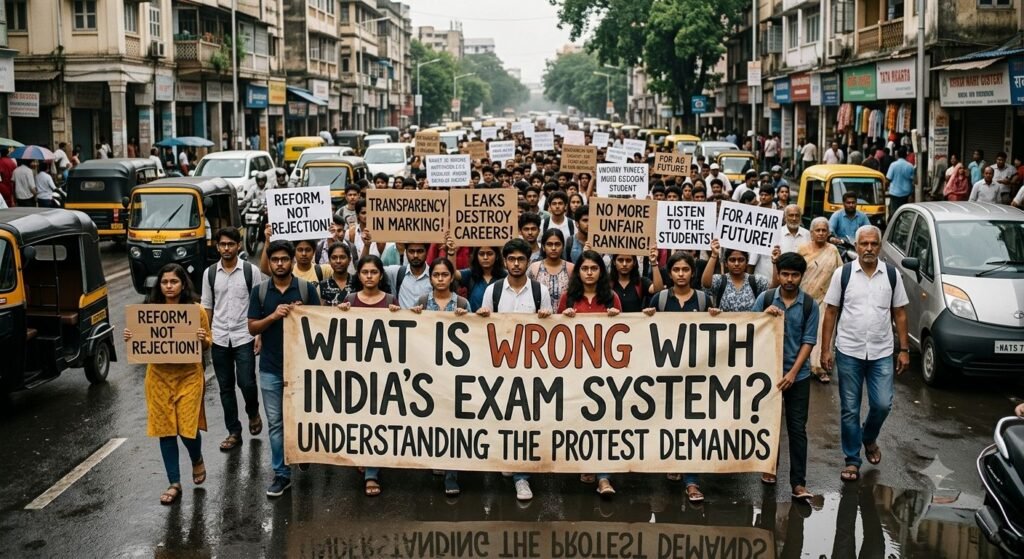
The NEET Exam Leak Protest 2026 became a major student-led movement focused on examination transparency, accountability and reform. What began as public anger over alleged irregularities in a national medical entrance examination developed into a wider debate about the fairness and reliability of India’s competitive testing system.
For millions of candidates, the National Eligibility cum Entrance Test is the main route to undergraduate medical education in India. Students often spend several years preparing for the examination, while their families invest heavily in coaching, books, accommodation and travel. When allegations emerged that the 2026 examination may have been compromised, many candidates began questioning whether the admissions process continued to reward merit fairly.
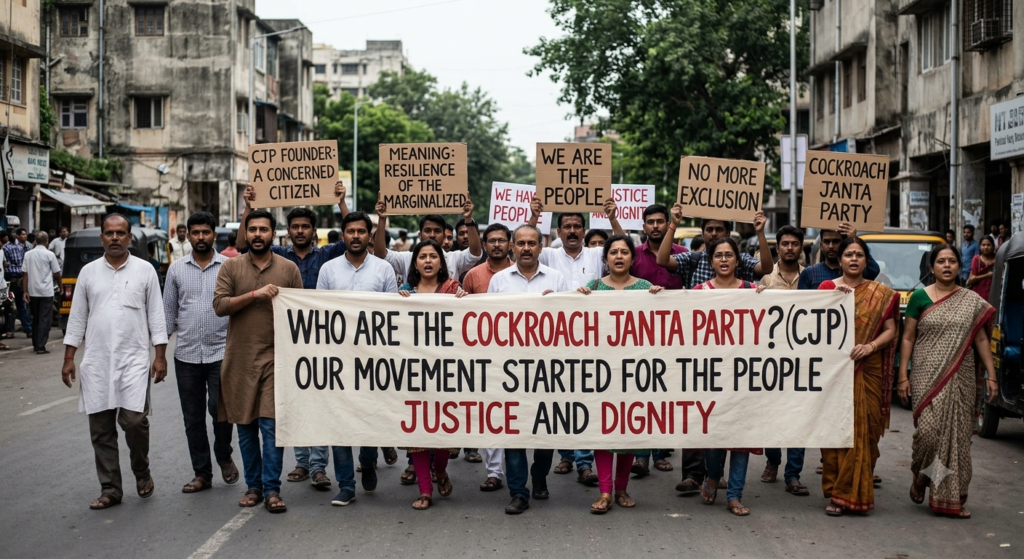
Students, parents, teachers and activists organized demonstrations, public meetings, online campaigns and peaceful marches. Protesters demanded a transparent investigation, accountability for any proven failures and stronger systems to prevent future examination leaks. A youth-led group known as the Cockroach Janta Party, or CJP, became one of the most visible organizations associated with the protests.
This article explains what reportedly triggered the NEET Exam Leak Protest 2026, how the demonstrations expanded, why students lost trust in the examination system and how the controversy became a wider national issue.
What Triggered the NEET Exam Leak Protest 2026?
The immediate cause of the protest was the allegation that the NEET UG 2026 examination paper had been accessed or circulated before the scheduled test. These claims created widespread concern because NEET is one of India’s most important and competitive entrance examinations.
More than two million students may appear for NEET in a single year. Their scores determine access to medical and dental programs across government and private institutions. Even a limited examination security failure can therefore affect a very large number of candidates and create doubts about the fairness of the entire admissions process.
After the examination, students and education groups began sharing claims about possible irregularities. Candidates demanded clear answers from the authorities responsible for conducting and supervising the test. They wanted officials to explain whether the paper had been leaked, how many students might have received unfair access and what steps would be taken to protect honest candidates.
The allegations were especially damaging because students had invested years of effort in preparing for the examination. Many protesters argued that a competitive test cannot be considered fair when candidates believe that some participants may have received questions in advance or benefited from organized cheating.
Calls for an independent investigation quickly grew. Students demanded that investigators identify those responsible, examine the role of testing agencies and coaching networks and determine whether the alleged leak affected results. Some groups also called for a fresh examination if authorities found sufficient evidence that the original test had been compromised.
The NEET controversy was therefore not only about an examination paper. It became a larger question about whether India’s examination authorities could protect the integrity of high-stakes national tests.
Why NEET Matters to Millions of Students
Understanding the importance of NEET helps explain why the controversy caused such a strong reaction. The examination is the primary entrance test for students seeking admission to undergraduate medical courses in India.
Medical education is highly competitive because the number of applicants is much greater than the number of available seats. A small difference in marks or ranking can determine whether a candidate receives admission to a government medical college, enters a private institution with much higher fees or has to prepare for another year.
Many students begin preparing for NEET while they are still in school. Others take a gap year or repeat the examination to improve their scores. Their preparation may involve long study schedules, coaching classes, mock tests, digital learning platforms and regular travel.
Families can also face a considerable financial burden. Coaching fees, educational resources and living expenses may cost a significant amount, particularly when a student moves to another city for preparation. Parents often make personal sacrifices because they see medical education as an important opportunity for their children.
The emotional pressure can be equally serious. Students may feel that their future depends on a single examination. They are expected to compete against a very large number of candidates while managing family expectations, academic stress and uncertainty about admission.
When allegations of an exam paper leak appear, students can feel that their effort has been devalued. A candidate who studied honestly may believe that another person gained an unfair advantage through money, influence or access to leaked materials. This can damage trust in both the examination and the institutions responsible for protecting it.
For this reason, many demonstrators said they were not protesting only for the candidates affected in 2026. They wanted reforms that would protect future students and ensure that medical admissions remained transparent and merit-based.
How the NEET Controversy Became a Nationwide Protest
The early discussion surrounding the NEET controversy developed largely through social media, student groups and education forums. Candidates shared concerns, screenshots, personal experiences and requests for official clarification.
Keywords and hashtags connected with the NEET Exam Leak Protest 2026, exam paper leak India and student protest news gained public attention. Students used online platforms to coordinate demonstrations, publish statements and encourage parents and teachers to support their demands.
The movement soon expanded beyond digital platforms. Peaceful gatherings were organized in major cities and educational centers. Students participated in sit-ins, candlelight marches, public meetings and signature campaigns. Some groups submitted written demands to government departments and examination authorities.
Parents joined the protests because they had witnessed the amount of time, money and energy their children had invested. Teachers and education professionals also expressed concern about the need to preserve confidence in national entrance examinations.
As media attention increased, the issue became part of a larger political debate. Opposition representatives, student unions and civil society groups began asking whether the alleged leak reflected a wider failure of examination administration.
Protesters argued that the authorities needed to provide more than temporary explanations. They wanted a detailed investigation, public disclosure of findings and long-term reforms covering examination security, question paper handling, digital systems and accountability.
The demonstrations became more organized as different groups began working together. The CJP protest was among the most visible parts of the movement, but the overall campaign included students and supporters from different backgrounds and organizations.
Timeline of the NEET Exam Leak Protest 2026
Early May 2026
The NEET UG examination was conducted for candidates seeking admission to undergraduate medical courses. Students across India attended examination centers after months or years of preparation.
Mid May 2026
Allegations of a possible examination paper leak began circulating. Students and education groups requested clarification and called for an investigation into the claims.
Online discussions increased as candidates questioned whether the examination had been conducted fairly. Some student groups demanded that the authorities preserve all relevant records and identify any individuals who may have received unauthorized access to the paper.
Late May 2026
Public concern continued to grow. Parents, teachers, coaching professionals and political representatives began discussing the issue more openly.
Students shared personal stories about their preparation and the effect of uncertainty on their mental health. Many candidates said they were unable to focus on future plans because they did not know whether the examination results would remain valid.
Early June 2026
Demonstrations expanded in Delhi and other cities. Protesters carried signs calling for examination reform, accountability and protection of student rights.
The Cockroach Janta Party became a prominent name associated with the movement. The organization used social media and public gatherings to mobilize students and communicate the protesters’ demands.
Mid June 2026
The movement grew beyond concerns about one examination. Protesters connected the NEET controversy with previous reports of irregularities in other recruitment and entrance tests.
Students argued that repeated controversies created a pattern of uncertainty and suggested that broader reforms were required. Their demands included stronger security, faster investigations and direct accountability for officials responsible for examination management.
Late June 2026
Protest groups increased pressure on the government through longer demonstrations and public campaigns. Some activists announced hunger strikes or indefinite protests.
Representatives of the authorities and protest groups reportedly entered discussions. However, disagreements remained over the level of accountability required and the reforms needed to restore confidence.
July 2026
Student demonstrations and public debate continued. The movement received wider attention as protesters repeated their demands for transparent action and higher-level accountability.
The controversy also created political pressure concerning the leadership and performance of the education administration. Developments related to ministerial responsibility became a central part of public discussion as protesters demanded that senior officials accept responsibility for failures within the examination system.
Who Organized the NEET Protest?
The NEET Exam Leak Protest 2026 did not belong to a single organization. Students, parents, education groups, activists and civil society supporters participated in different parts of the movement.
However, the Cockroach Janta Party became one of its most recognizable groups. The youth-led organization used public demonstrations and social media campaigns to highlight examination irregularities and demand institutional reform.
The CJP protest focused on several main demands. These included an independent investigation into the alleged leak, accountability for officials and organizations responsible for examination security, protection of honest candidates and a complete review of the national testing system.
Organizers also encouraged protesters to maintain discipline and keep the movement focused on student rights. Peaceful marches, speeches and public discussions were used to build support and bring national attention to the issue.
The movement’s online presence helped it reach students outside major cities. Candidates who could not attend demonstrations were able to share messages, publish personal experiences and support calls for reform.
The ability to combine online organizing with physical demonstrations made the movement more visible and helped transform the NEET controversy into national student protest news.
Why Was It Called the Cockroach Movement?
The name Cockroach Janta Party attracted curiosity because it was unusual for a student protest organization. Supporters said the term was reclaimed after language used during public discussion was interpreted as dismissive toward unemployed or protesting young people.
By adopting the word, organizers attempted to turn an insult into a symbol of resilience. The idea was that ordinary students could be ignored, criticized or pushed aside but would continue returning until their concerns were addressed.
The name quickly became recognizable on social media. It helped the movement develop a distinct identity and attracted attention from students who felt that traditional institutions had failed to represent them.
Supporters used the cockroach symbol to communicate persistence rather than weakness. They argued that young people would continue demanding fairness even when those in power attempted to dismiss their concerns.
The name also reflected the movement’s anti-establishment image. Rather than presenting itself as a traditional political party, CJP positioned itself as a youth-led collective focused on accountability, examination reform and student rights.
Why Students Lost Trust in the Examination System
The alleged paper leak was the immediate cause of the demonstrations, but the loss of trust developed from several connected issues.
Repeated Reports of Examination Irregularities
Students said that reports of paper leaks, cheating networks and administrative mistakes had appeared across different examinations over several years. Even when separate incidents were not connected, their combined effect weakened confidence in the testing system.
Candidates began asking whether examination agencies had sufficient technology, staffing and security procedures to manage tests involving millions of applicants.
Years of Preparation
NEET candidates often dedicate several years to preparation. Their daily routines may involve long study hours, coaching sessions and repeated mock examinations.
When a test is questioned or cancelled, students may have to repeat the entire process. This can delay their education and create additional stress, especially for candidates who have already taken one or more gap years.
Financial Pressure on Families
Medical entrance preparation can create a substantial financial burden. Families may pay for coaching, accommodation, books, online courses and transportation.
An examination controversy can increase these costs because candidates may need extra classes, new travel arrangements or another full year of preparation.
Mental Health and Emotional Stress
The uncertainty surrounding a disputed examination can have a serious emotional effect. Students may experience anxiety about results, admission deadlines and the possibility of retaking the test.
Many candidates also face pressure from family members and society. When the examination system itself becomes uncertain, students may feel powerless because the outcome no longer appears to depend only on their performance.
Lack of Clear Communication
Protesters argued that delayed or incomplete communication made the situation worse. Students wanted authorities to provide timely information about investigations, evidence and decisions affecting the examination.
When official communication is unclear, rumors can spread quickly. This increases confusion and allows false information to mix with legitimate concerns.
Demand for Higher-Level Accountability
Students believed that lower-level arrests or temporary administrative changes would not be enough to restore trust. They wanted senior officials to accept responsibility for failures that occurred under their supervision.
This demand eventually connected the examination controversy with the debate over an education minister resignation. Protesters argued that meaningful accountability must include both those directly involved in wrongdoing and those responsible for managing the wider system.
Why the Protest Received Support Beyond Students
The movement attracted support from parents, teachers, activists and members of the wider public because national examinations influence social mobility and access to professional opportunities.
Parents supported the demonstrations because they understood the sacrifices involved in NEET preparation. Many had spent savings on education and had watched their children study under intense pressure.
Teachers and education professionals emphasized that the credibility of an examination system depends on public trust. Even candidates who are not directly affected by a leak may lose confidence when authorities fail to communicate clearly or act quickly.
Civil society groups viewed the issue as part of a wider demand for transparent governance. They argued that fair examinations are essential in a country where millions of young people compete for limited educational and employment opportunities.
Political parties also became involved as the controversy received national attention. Opposition representatives questioned the government’s handling of examination security and demanded explanations from senior officials.
However, many students insisted that the movement should remain focused on examination reform rather than party politics. They wanted their demands to be evaluated on the basis of fairness, transparency and student welfare.
How Social Media Strengthened the Protest
Social media played a major role in the rapid growth of the NEET Exam Leak Protest 2026. Students used online platforms to share updates, coordinate events and challenge official statements.
Short videos and personal accounts allowed candidates to explain how the controversy affected them. These stories helped the public understand that the issue involved real students whose education and future plans were uncertain.
Online campaigns also allowed organizers to reach people across different states and languages. Protest messages could be translated, reposted and shared within minutes.
At the same time, the rapid spread of information created risks. Unverified claims, edited videos and misleading posts could circulate alongside legitimate evidence. Responsible reporting therefore required clear separation between confirmed facts, allegations and public speculation.
Students repeatedly called on examination authorities to provide accurate and timely updates. They argued that transparency was the best way to reduce rumors and rebuild public confidence.
What the Protesters Demanded
The demands of different student groups varied, but several common priorities appeared throughout the movement.
- A transparent and independent investigation into the alleged NEET paper leak.
- Identification and prosecution of individuals involved in any proven wrongdoing.
- Accountability for examination agencies and senior officials.
- Protection for honest candidates who followed the rules.
- A fair decision regarding retesting if the examination was found to be compromised.
- Improved security for printing, transporting, storing and distributing examination papers.
- Stronger digital monitoring and identity verification at examination centers.
- Clear and timely communication from government and testing authorities.
- Long-term reform of India’s national examination system.
Protesters argued that resolving the immediate NEET controversy would not be enough. They wanted preventive reforms that could reduce the possibility of similar incidents in future medical, engineering, university and recruitment examinations.
Conclusion
The NEET Exam Leak Protest 2026 developed from allegations surrounding a medical entrance examination into a wider national movement demanding transparency and accountability. Students believed that the controversy threatened the principle of merit and placed years of honest preparation at risk.
As demonstrations spread, the movement gained support from parents, teachers, activists and political representatives. The CJP protest became one of its most visible elements, while social media helped students organize and communicate their concerns across India.
The movement was driven by more than anger over one examination. It reflected long-standing anxiety about paper leaks, administrative failures, financial pressure and the emotional impact of uncertainty on candidates.
By demanding investigation, reform and higher-level accountability, protesters turned the NEET controversy into a national debate about the future of India’s examination system. The later political response, ministerial developments and proposed reforms would become the next major chapter in the story.
Education Minister Resignation and the Political Impact
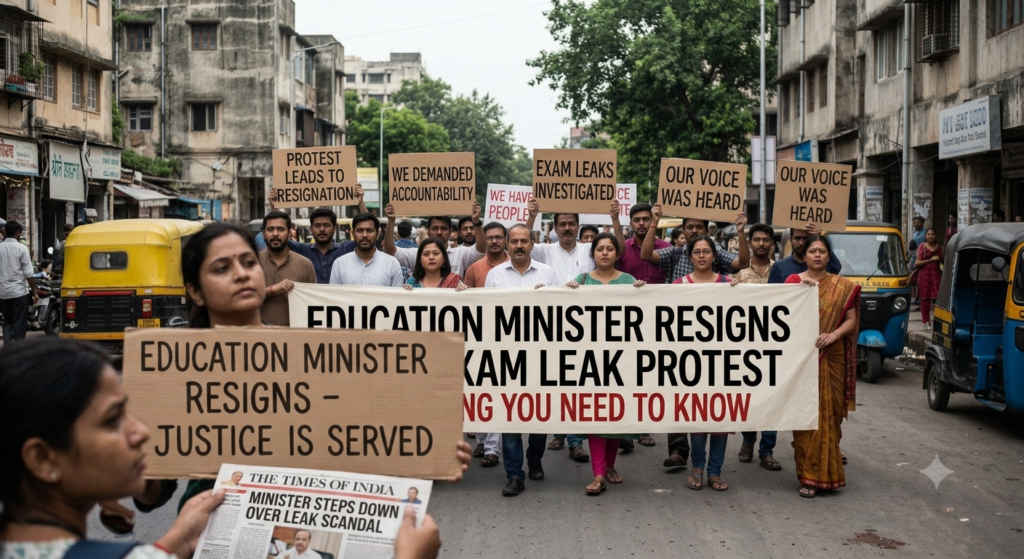
The NEET Exam Leak Protest 2026 reached a decisive stage on July 25, 2026, when Union Education Minister Dharmendra Pradhan resigned following weeks of demonstrations and mounting political pressure. The resignation came after students and youth groups repeatedly demanded higher-level accountability for the alleged examination paper leak and wider failures in India’s testing system.
For protesters, the education minister resignation represented more than a change in government leadership. They viewed it as recognition that senior officials could be held politically responsible when failures within major public institutions affected millions of students.
The resignation followed an extended campaign involving demonstrations, sit-ins, hunger strikes, opposition protests and marches in several cities. The Cockroach Janta Party had placed the minister’s departure among its most visible demands and celebrated the announcement as an important victory for the student movement.
However, the resignation did not automatically resolve every concern surrounding the NEET controversy. Students continued to seek clarity about the investigation, responsibility for the alleged leak, compensation proposals, legal action against protesters and the reforms required to prevent similar failures.
The political significance of the decision extended beyond the education ministry. It demonstrated how a student-led campaign could develop into a wider national movement and influence senior government leadership. It also increased public expectations that authorities would take stronger action against examination fraud rather than treating paper leaks as isolated administrative problems.
Why Dharmendra Pradhan Resigned
Dharmendra Pradhan’s resignation followed sustained criticism of the government’s response to the alleged NEET UG 2026 paper leak. Protesters argued that the examination controversy had damaged public confidence and that senior leadership needed to accept responsibility for restoring trust.
The minister faced pressure from several directions. Students demanded accountability through street demonstrations, while opposition parties raised the matter in Parliament and public campaigns. Media attention also increased as the protests expanded and police confrontations became part of the national discussion.
The government initially focused on investigations, legal action and proposed examination reforms. Those steps did not satisfy protesters who believed that administrative measures without political accountability would be insufficient.
As the movement continued, the demand for the minister’s resignation became a unifying message. It allowed protesters from different groups to organize around a clear objective, even when they had different opinions regarding retesting, compensation and the future role of examination agencies.
Reports published on July 25 stated that Pradhan tendered his resignation after more than a month of youth-led protests. The announcement came as further talks between representatives of the government and the protest movement were expected to take place.
The decision was widely interpreted as an attempt to reduce tensions, demonstrate accountability and create space for negotiations about examination reform. Protest leaders described it as a democratic victory but also emphasized that meaningful change would depend on whether the government fulfilled its remaining commitments.
How Protesters Responded to the Resignation
The announcement produced celebrations among demonstrators gathered at protest sites, particularly at Jantar Mantar in New Delhi. CJP organizers and supporters described the resignation as evidence that sustained public pressure could influence government decisions.
Protest leaders asked demonstrators to leave gathering sites peacefully after reporting that the government had accepted the movement’s major demands. Weeks of protest activity were brought to an end, although organizers indicated that they would continue observing the implementation of promised reforms.
The response reflected both relief and caution. Students welcomed the resignation because it fulfilled one of their most prominent demands. At the same time, many participants said the movement had never been focused only on one minister.
The deeper objective was to build a reliable examination system in which students could trust that their performance would not be undermined by corruption, organized cheating or administrative negligence.
Parents and education professionals also called for the resignation to be followed by institutional action. They argued that changing leadership would have limited value unless authorities identified how the alleged leak occurred and introduced safeguards to prevent another exam paper leak in India.
Government Response to the NEET Controversy
The government’s response developed as the protests grew. Measures reportedly discussed or announced included criminal investigations, fast-track legal proceedings, examination reforms, dialogue with protest leaders and action against people suspected of participating in organized leaks.
Investigation Into the Alleged Paper Leak
A central part of the response involved investigating whether the examination paper had been accessed before the test and identifying those responsible. The Central Bureau of Investigation reportedly expanded its inquiry as evidence of possible systemic weaknesses received greater attention.
Students demanded that investigators examine the complete chain of examination administration. This included paper preparation, printing, digital storage, transportation, distribution and security at testing centers.
Protesters argued that arresting individuals at the lowest level would not be enough. They wanted investigators to identify any wider networks involving intermediaries, coaching operators, officials or other parties who may have profited from unauthorized access.
Fast-Track Proceedings
Prime Minister Narendra Modi announced plans for fast-track courts intended to support quicker and stricter punishment in examination paper leak cases. The announcement came as the nationwide demonstrations continued and protesters demanded visible action from the central government.
The proposal was designed to address concerns that examination fraud cases can take years to reach a conclusion. Long delays weaken deterrence and leave affected students uncertain about whether those responsible will be punished.
Fast-track proceedings could improve accountability, but their effectiveness will depend on the quality of investigations, the availability of evidence and the ability of agencies to prosecute organized networks rather than only individual participants.
Negotiations With Protest Leaders
Government representatives held multiple rounds of discussions with leaders associated with the protest. The talks reportedly addressed the education minister’s resignation, examination reforms, compensation for affected families and the legal treatment of demonstrators.
Early negotiations did not immediately resolve the disagreement because protesters wanted clear and enforceable commitments. As pressure increased, the government reportedly accepted additional demands, leading movement organizers to conclude the demonstrations.
Proposed Examination Reforms
Reports following the resignation indicated that the government agreed to pursue broader examination reforms. The details and implementation schedule will be important because general promises alone may not restore public trust.
Students and education experts have called for reforms covering stronger paper security, encrypted systems, independent auditing, improved center inspections, candidate verification and clearer responsibility within testing agencies.
Police Action During the Protests
The demonstrations were largely organized around marches, sit-ins and public gatherings, but some events resulted in confrontations between protesters and police.
During major demonstrations in Delhi, participants attempted to march toward Parliament and other restricted areas. Police used barricades and crowd-control measures to prevent protesters from entering high-security zones.
Reuters reported that tear gas was used during a major march toward Parliament, while other reports described baton charges, detentions and clashes during demonstrations in Delhi and other locations.
Protesters and opposition figures criticized the police response, arguing that students demanding examination accountability should have been allowed to demonstrate peacefully. Authorities maintained that restrictions were required to protect public safety and prevent unauthorized entry into sensitive areas.
Images and videos of police action strengthened public attention around the movement. They also shifted part of the debate from examination reform to the democratic right to protest.
The reported agreement to drop charges or protect protesters from further legal action became an important part of negotiations. Movement leaders wanted assurance that students would not face lasting legal consequences for participating in demonstrations connected with the NEET controversy.
Sonam Wangchuk and the Hunger Strike
Activist Sonam Wangchuk became an important public figure in the movement after participating in a prolonged hunger strike linked to the protesters’ demands.
His involvement brought additional visibility to the demonstrations and connected the concerns of examination candidates with a wider debate about youth rights, public accountability and institutional reform.
Reuters reported that Wangchuk ended a 26-day hunger strike as the protests continued. His health and the length of the fast generated significant public concern and increased pressure on authorities to negotiate with protest representatives.
Hunger strikes have a long history in Indian protest movements because they communicate moral urgency through nonviolent personal sacrifice. In this case, the fast helped maintain national attention while talks between the government and movement leaders remained unresolved.
Although Wangchuk’s participation drew widespread coverage, the movement remained centered on the students and young people directly affected by examination insecurity. His role strengthened their message rather than replacing it.
What Reforms Could Follow the NEET Exam Leak Protest?
The long-term importance of the NEET Exam Leak Protest 2026 will depend on whether it produces lasting improvements in India’s examination system.
Stronger Question Paper Security
Authorities may need to reduce the number of people who can access examination papers before a test. Secure printing facilities, encrypted files, monitored access and documented handling procedures could make unauthorized distribution more difficult.
Independent Security Audits
External audits could examine whether examination agencies are following appropriate digital and physical security standards. Independent reviewers may be better positioned to identify weaknesses that internal teams overlook.
Real-Time Monitoring
Testing agencies could introduce central monitoring systems for examination centers. Unusual activity, unauthorized devices and security violations could then be reported and investigated more quickly.
Improved Candidate Verification
Stronger identity verification could reduce impersonation and organized cheating. These systems must also protect candidate privacy and provide alternatives when biometric or technical systems fail.
Clear Accountability Within Examination Agencies
Every stage of an examination should have clearly assigned responsibility. When failures occur, authorities should be able to determine which officials or contractors were responsible for security, supervision and communication.
Faster Public Communication
Students need timely and accurate updates when allegations arise. A formal communication protocol could prevent rumors from becoming the main source of information during a crisis.
Time-Limited Investigations
Investigations involving important national examinations should follow clear deadlines. Unnecessary delays can affect admissions, academic calendars and the mental health of candidates.
Student Representation
Student representatives, teachers and independent education experts could be included in reform committees. This would help authorities understand the practical impact of their decisions on candidates.
What Happens Next?
The conclusion of organized protests does not mean that the NEET controversy has fully ended. Several important questions remain about the investigation, prosecution of suspects, implementation of reforms and long-term management of national examinations.
The first priority will be establishing the full facts of the alleged paper leak. Authorities must determine how the security failure occurred, who benefited and whether the integrity of the examination results was affected.
The second priority will be implementing the commitments made during negotiations. Protest leaders and students are likely to examine whether promised reforms are introduced within a reasonable period and whether they produce measurable improvements.
The government will also need to rebuild confidence among candidates preparing for future examinations. This will require more than public statements. Students will look for evidence that question paper security, examination center monitoring and accountability procedures have changed.
The political impact may continue as opposition parties and civil society groups evaluate the government’s handling of the controversy. The resignation has established a significant precedent for political responsibility following failures in examination administration.
The CJP may also continue operating as a youth platform even after ending the immediate protest. Its future role could include tracking government commitments, campaigning on education reform or addressing wider concerns affecting students and unemployed young people.
Impact on NEET Students and Their Families
The most serious consequences of the controversy have been experienced by students and their families. Candidates faced uncertainty about examination results, admission schedules and whether they might need to repeat the test.
Preparing for another examination can require additional coaching, travel and study materials. For families already facing financial pressure, these costs can be difficult to manage.
The controversy also created emotional stress. Students who had completed the test expected to move forward with counseling and admission. Instead, they faced ongoing news reports, protests and uncertainty about the validity of the process.
Authorities and educational institutions should provide clear information and accessible support to affected candidates. Counseling services, verified updates and fair appeal procedures could help reduce confusion and emotional distress.
Any final decision involving results or retesting should protect honest candidates as much as possible. A solution intended to correct wrongdoing should not create unnecessary harm for students who followed every rule.
Frequently Asked Questions About the NEET Exam Leak Protest 2026
What was the NEET Exam Leak Protest 2026 about?
The movement began after allegations that the NEET UG 2026 examination paper had been leaked or compromised. Students demanded an investigation, examination reform and accountability from senior officials.
Why did students protest?
Students believed that an alleged paper leak could give some candidates an unfair advantage and undermine years of preparation by honest applicants.
Who organized the CJP protest?
The Cockroach Janta Party became one of the most visible organizers, although students, parents, activists, political groups and other organizations also participated.
Did Dharmendra Pradhan resign?
Yes. Dharmendra Pradhan resigned as Union Education Minister on July 25, 2026, after weeks of protests demanding political accountability.
Why was the minister’s resignation important?
Protesters viewed it as recognition that senior officials must accept responsibility when failures within public examination systems affect millions of students.
Did the protests end after the resignation?
Movement leaders asked supporters to end the demonstrations peacefully after reporting that the government had accepted their major demands.
Did police take action against protesters?
Yes. Reports described tear gas, baton charges, detentions and crowd-control measures during some marches and confrontations.
What happened to Sonam Wangchuk?
Sonam Wangchuk participated in a prolonged hunger strike connected with the movement and ended the fast after 26 days, according to Reuters.
What reforms did protesters demand?
They called for stronger examination security, independent investigations, faster punishment for paper leaks, clear accountability and better protection for honest candidates.
Will there be a new NEET examination?
Any decision about cancellation, retesting or result validity must be based on official announcements from the National Testing Agency, the courts or the relevant government authorities. Students should avoid relying on unverified social media posts.
What is the latest update on the NEET controversy?
As of July 25, 2026, the education minister had resigned, protest organizers had announced an end to the demonstrations and attention had shifted toward implementing promised reforms and completing the investigation.
How can future paper leaks be prevented?
Prevention may require encrypted paper handling, independent audits, restricted access, stronger center monitoring, improved verification and clear responsibility for every stage of examination administration.
Final Conclusion
The NEET Exam Leak Protest 2026 became much more than a response to an alleged examination paper leak. It developed into a national youth movement centered on fairness, accountability and the future of India’s competitive examination system.
The resignation of Dharmendra Pradhan marked a major political outcome and fulfilled one of the movement’s central demands. Protesters celebrated the decision, ended organized demonstrations and called for the government’s remaining commitments to be implemented.
However, the lasting success of the movement will not be measured only by a ministerial resignation. It will depend on whether investigations identify those responsible, whether students receive fair treatment and whether meaningful reforms prevent future examination failures.
Millions of candidates depend on national entrance tests to access education and professional opportunities. Protecting those examinations is therefore not only an administrative responsibility. It is essential for maintaining public trust, equal opportunity and confidence in merit-based admissions.
The next stage of the NEET controversy will focus on implementation. Students, parents and education professionals will closely observe whether promised reforms result in a safer, faster and more transparent examination system.