How to Make Brown Color and Why It Is Important in Art
Learning how to make brown color is one of the most essential skills in painting and design. Brown is a versatile and natural color used in landscapes, portraits, interiors, and digital design. Whether you are a beginner or an experienced artist, understanding how to make brown paint allows you to create realistic tones and depth in your work.
To make brown color, you typically combine primary colors in specific proportions. Instead of relying on pre made paint, mixing your own brown gives you complete control over tone, warmth, and intensity. You can also use digital tools like a color contrast checker to ensure your brown shades work well with other colors, especially in design and accessibility projects.
What Colors Make Brown in Paint Mixing
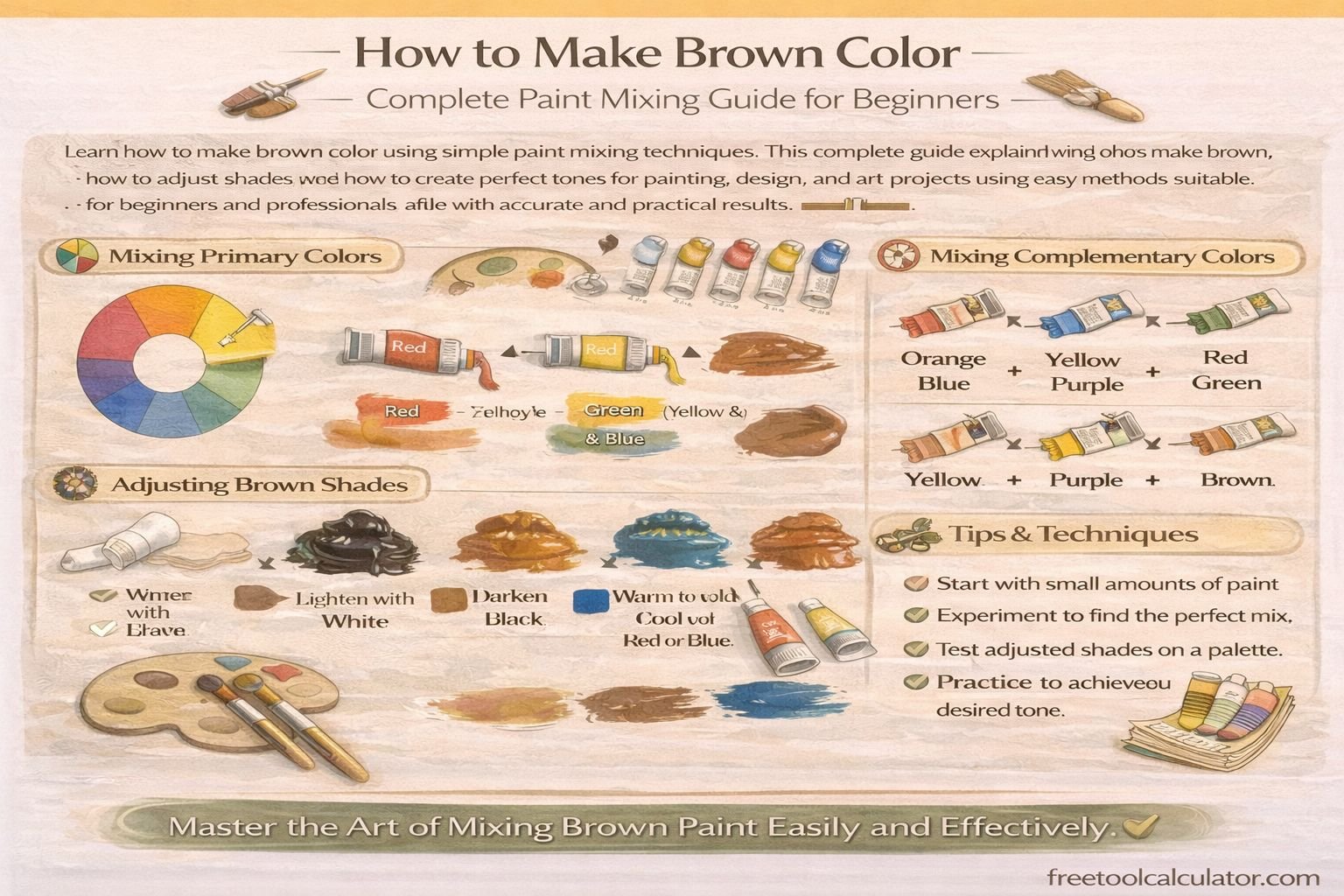
Understanding what colors make brown is the foundation of color mixing. The simplest method is combining the three primary colors red, blue, and yellow. When mixed in balanced amounts, these colors produce a neutral brown.
Another common method is mixing complementary colors. For example, combining red and green creates a rich brown shade. Similarly, blue and orange or yellow and purple can also produce brown tones. These combinations are widely used in painting because they allow more flexibility in adjusting shades.
When learning how to produce brown color, it is important to experiment with different ratios. Slight changes in proportions can create warm or cool browns, depending on your needs.
How to Make Brown Paint Step by Step
To make brown paint effectively, start by selecting your base colors. Use equal parts of red, blue, and yellow for a standard brown. Mix them gradually to avoid overpowering one color.
If you prefer using complementary colors, choose a pair like red and green. Begin with one color and slowly add the other until you achieve the desired shade. This method gives more control and often produces richer results.
Once you create your base brown, you can refine it further. Add white to lighten the shade or black to darken it. Adjusting the tone carefully helps you achieve the perfect brown for your project.
Different Shades of Brown You Can Create
Brown is not a single color but a wide range of shades. By adjusting your mix, you can create light brown, dark brown, warm brown, and cool brown. Each shade serves a different purpose in art and design.
Warm browns are created by adding more red or yellow, giving them a vibrant and earthy appearance. Cool browns are achieved by adding more blue, resulting in a subdued and calm tone. Light browns are made by adding white, while dark browns require a small amount of black or additional complementary colors.
Using tools like a color theme generator can help you explore combinations that pair well with your custom brown shades, especially for branding and digital design.
Common Mistakes When Mixing Brown Color
Many beginners struggle when learning how to make brown color because of common mistakes. One of the most frequent errors is adding too much of one color, which can result in muddy or overly dark tones.
Another mistake is mixing colors too quickly without testing proportions. It is always better to add colors gradually and observe the changes. This approach gives you better control and prevents unwanted results.
Using low quality paints can also affect the final color. High quality pigments produce more accurate and vibrant results, making your brown shades look more natural and appealing.
How to Produce Brown Color for Digital Design
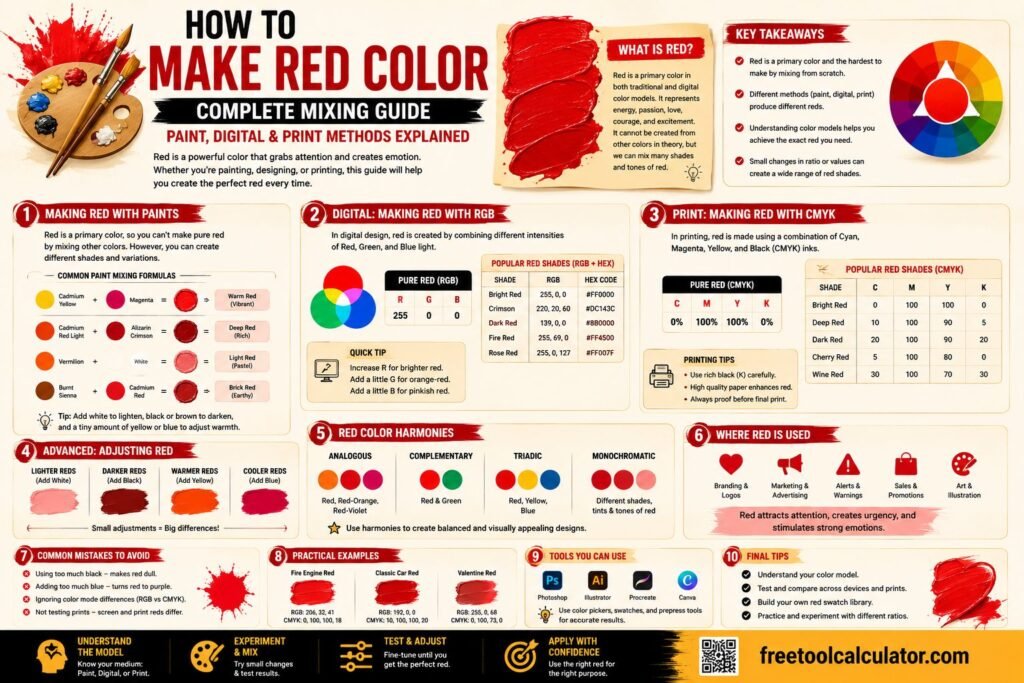
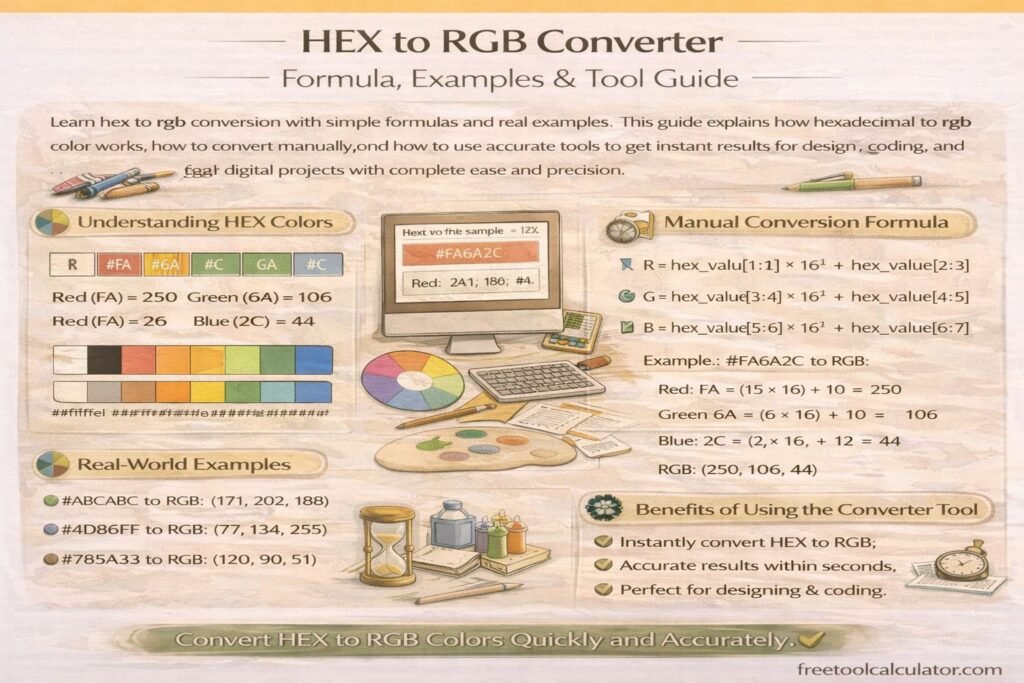
In digital design, creating brown color follows a slightly different process. Instead of physical mixing, you use color codes such as RGB or HEX values. Understanding how to produce brown color digitally helps designers maintain consistency across projects.
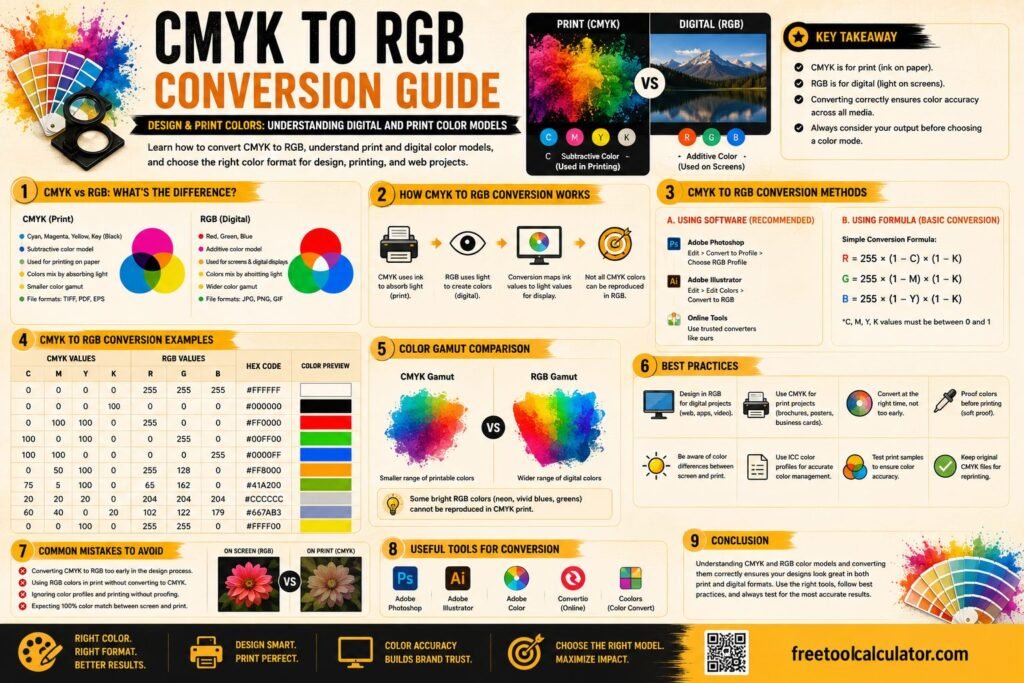
For example, combining red and green values in digital tools can produce brown shades. Adjusting brightness and saturation allows you to refine the tone further. You can also use a color format converter to switch between different color formats and ensure compatibility across platforms.
Digital designers often rely on tools to check color harmony and accessibility. A color contrast checker is especially useful for ensuring that brown text or backgrounds are readable and meet accessibility standards.
Practical Uses of Brown Color in Real Life
Brown is widely used in everyday life because of its natural and neutral appearance. In painting, it is essential for creating realistic landscapes, wood textures, and skin tones. In interior design, brown adds warmth and stability to spaces.
In branding, brown is often associated with reliability and comfort. Many companies use brown tones to create a sense of trust and authenticity. In fashion, brown is a timeless color that pairs well with a wide range of other shades.
By understanding how to make brown paint, you can apply this knowledge across different creative fields and improve your overall results.
Advanced Brown Color Mixing Techniques
Once you understand the basics, you can explore advanced techniques to refine your brown shades. Layering is one such technique where multiple thin layers of paint are applied to create depth and richness.
Another method is glazing, which involves applying transparent layers of color over a base brown. This technique enhances the visual complexity and creates more dynamic tones.
You can also experiment with texture by mixing different mediums into your paint. This approach adds a unique dimension to your artwork and makes your brown shades more interesting.
Tips for Perfect Brown Color Mixing Every Time
To consistently achieve the perfect brown, always start with small amounts of paint. This allows you to control the mixture and avoid waste. Keep a record of your color combinations so you can recreate successful shades in the future.
Lighting also plays an important role in how colors appear. Always test your brown shades under different lighting conditions to ensure they look as expected.
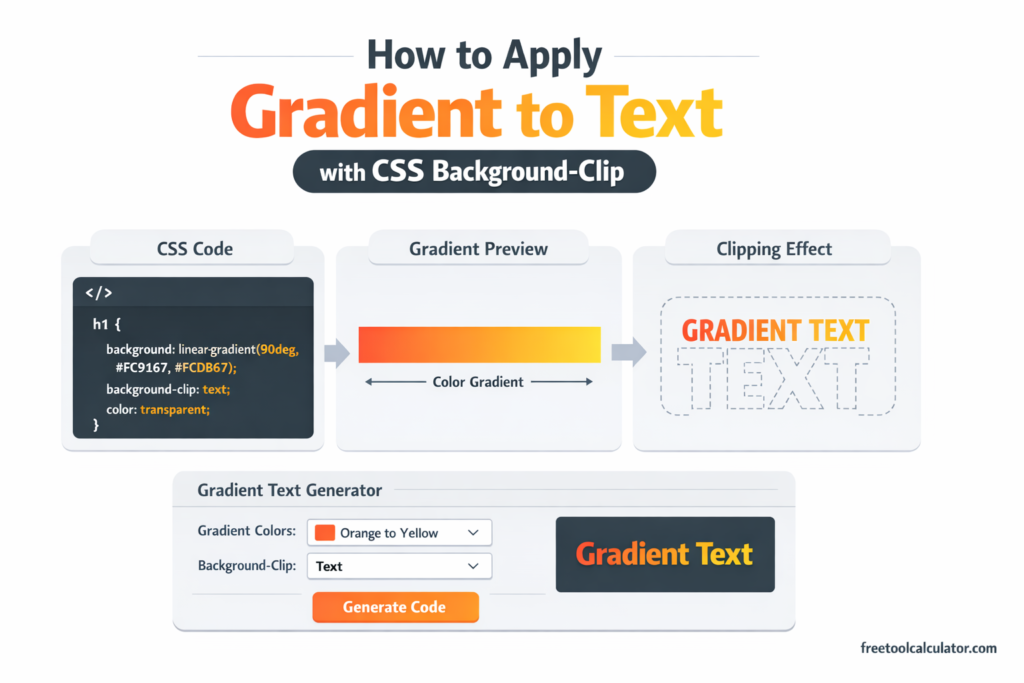
Using digital tools alongside traditional methods can further improve accuracy. For example, checking your color combinations with a css gradient generator can help you visualize how brown interacts with other colors in gradients and designs.
Conclusion How to Make Brown Color Easily and Accurately
Learning how to make brown color is a fundamental skill that benefits artists, designers, and anyone working with colors. By understanding what colors make brown and how to adjust shades, you can create a wide range of tones for different purposes.
If you want to ensure your colors work perfectly in design and accessibility, you can use a color contrast checker to test combinations and improve readability. Combining traditional mixing techniques with modern tools gives you the best results and helps you achieve professional quality outcomes every time.