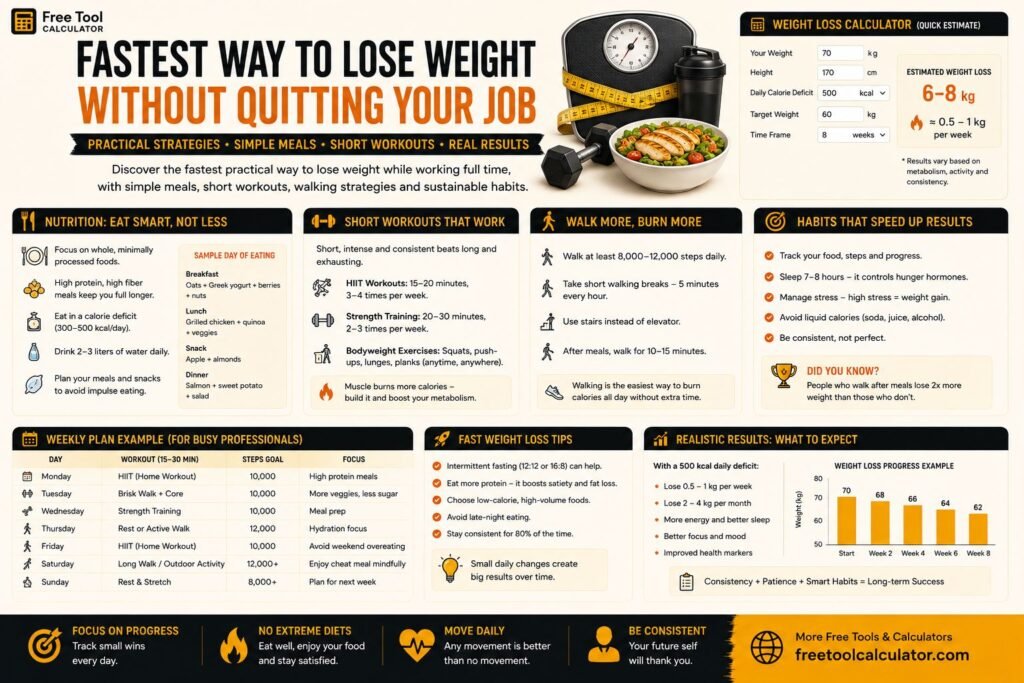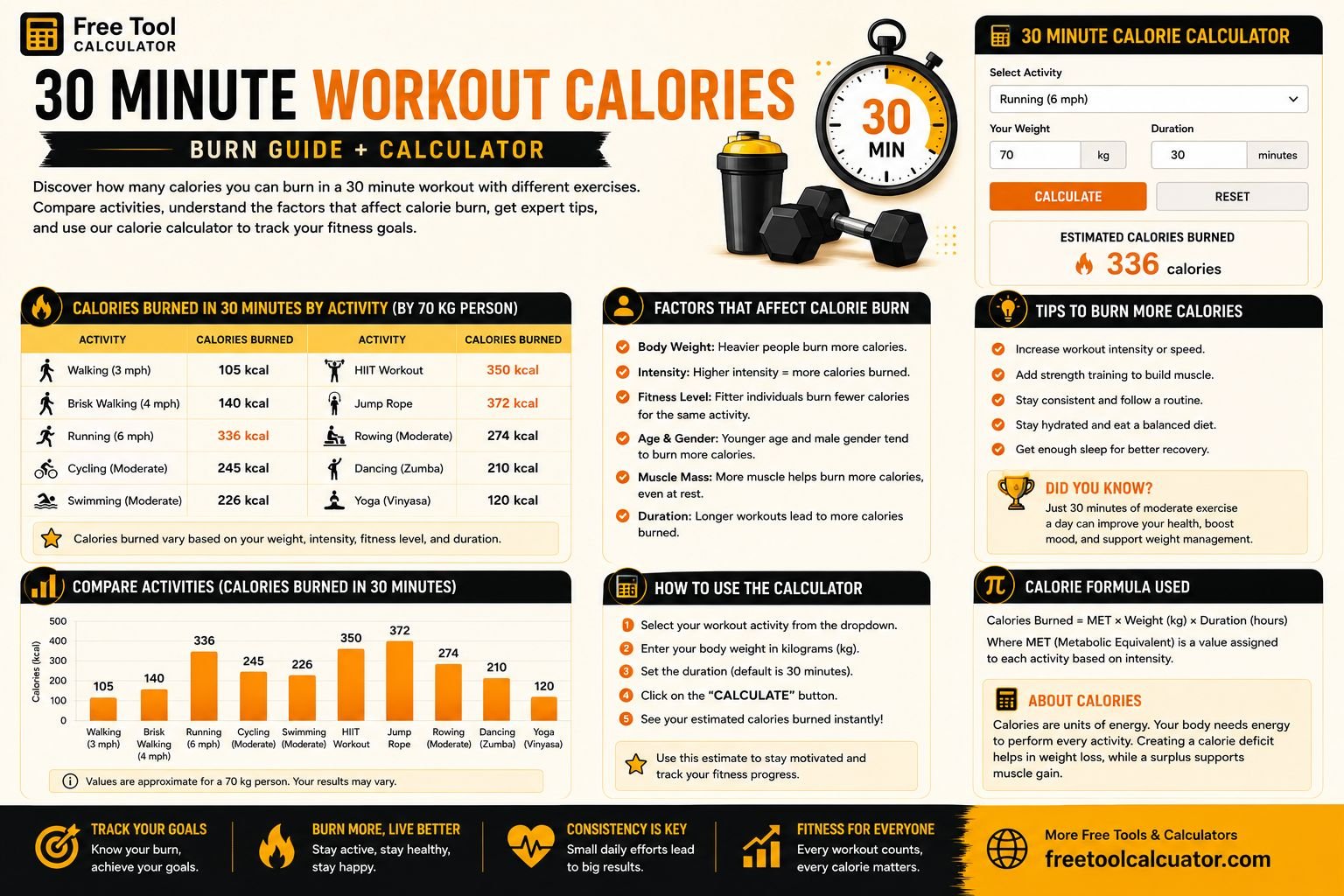
A 30-minute workout is one of the easiest ways to improve your fitness, support weight management, and stay active—even with a busy schedule. Whether you’re walking, lifting weights, cycling, or doing a high-intensity interval training (HIIT) session, understanding 30 minute workout calories can help you set realistic fitness goals and monitor your progress.
One of the most common questions people ask is how many calories 30 min workout sessions actually burn. The answer isn’t the same for everyone because calorie burn depends on several factors, including your body weight, workout intensity, age, gender, fitness level, and the type of exercise you perform.
From my own experience, I usually alternate between brisk walking, strength training, and short HIIT workouts. Depending on how hard I push myself, I typically expect to burn around 200–400 calories in 30 minutes. To estimate my calorie burn more accurately, I compare data from my fitness tracker with an online calorie calculator. While neither method is perfect, using both together provides a much better estimate than simply guessing.
In this guide, you’ll learn how calorie burn is calculated, discover how different workouts compare, understand the factors that affect your results, and find practical tips to increase your quick workout calories without spending more time exercising.
Why Understanding 30 Minute Workout Calories Matters
Knowing how many calories you burn during exercise isn’t just useful for weight loss. It also helps you create a balanced fitness routine, plan your meals, monitor progress, and stay motivated.
Tracking calorie burn can help you:
- Support healthy weight loss goals.
- Maintain your current weight.
- Balance calorie intake with physical activity.
- Track improvements in workout intensity.
- Choose exercises that match your fitness goals.
- Stay motivated by measuring progress over time.
I found calorie tracking especially helpful when maintaining my weight. By comparing the calories burned during exercise with my daily food intake, I could make small adjustments instead of relying on guesswork.
How Many Calories Does a 30 Minute Workout Burn?
If you’re wondering how many calories 30 min workout sessions burn, the simple answer is that most people burn between 150 and 400 calories in 30 minutes.
However, this range varies depending on:
- Your body weight
- Workout intensity
- Type of exercise
- Fitness level
- Age
- Gender
- Muscle mass
Higher-intensity workouts generally burn more calories than low-intensity activities performed for the same amount of time.
Estimated Calories Burned in 30 Minutes by Activity
| Exercise | Estimated Calories Burned* |
|---|---|
| Brisk Walking (4 mph) | 120–180 |
| Light Jogging | 220–320 |
| Running (6 mph) | 300–450 |
| HIIT Workout | 250–450 |
| Jump Rope | 300–500 |
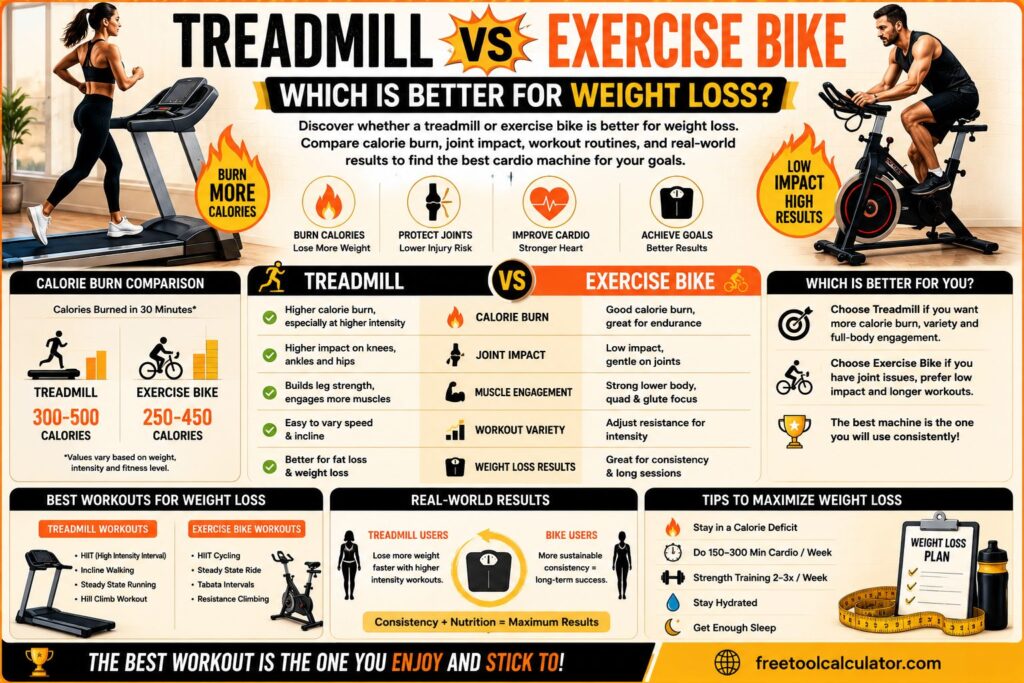
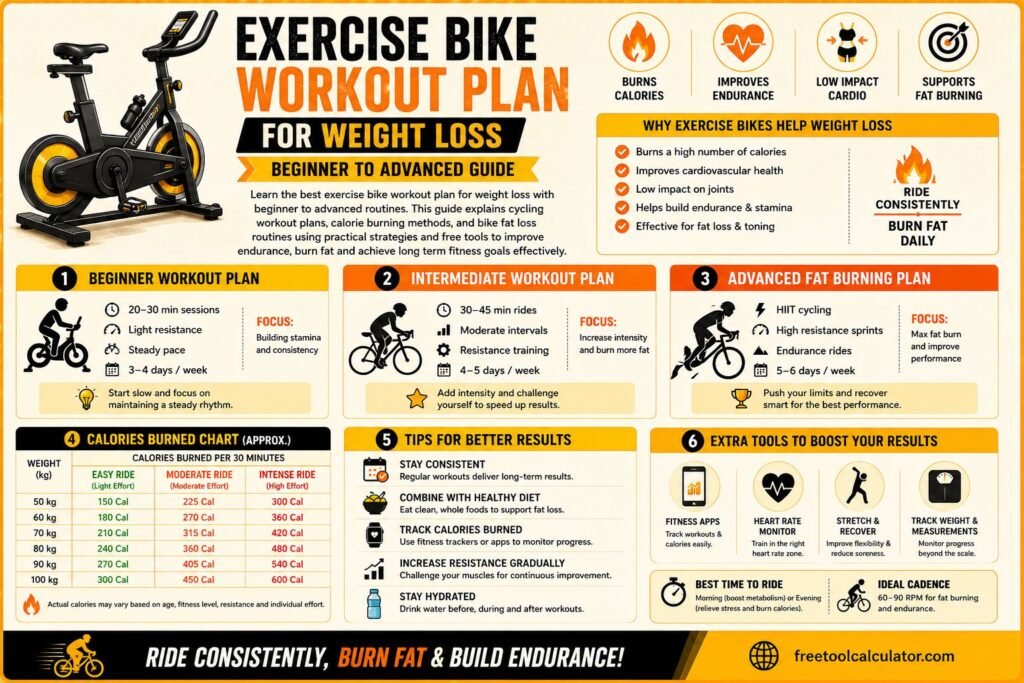
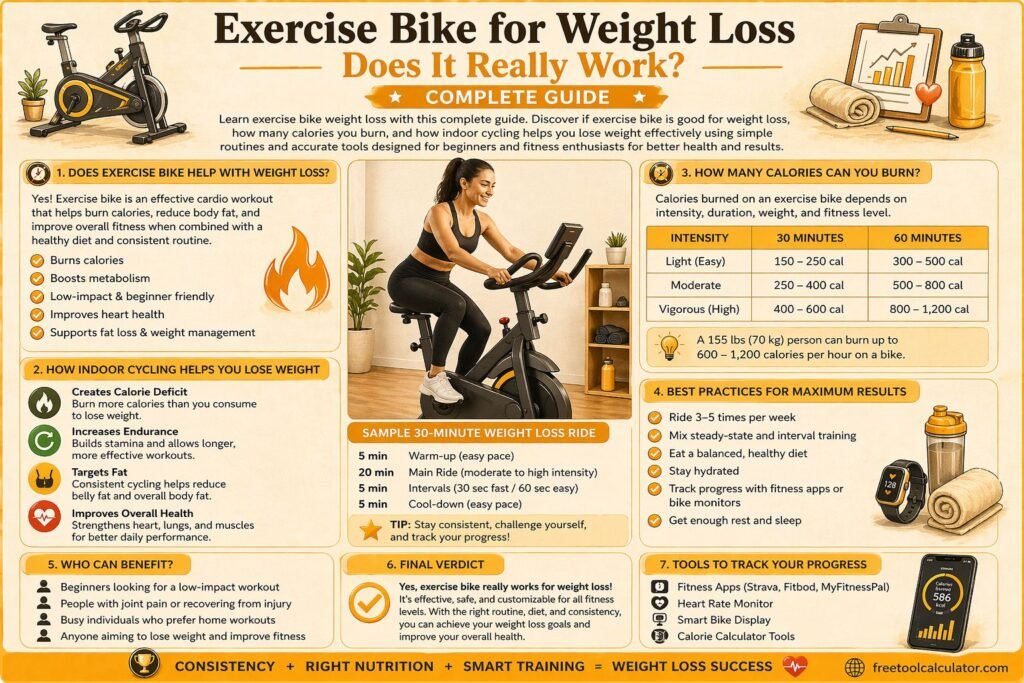
| Cycling (Moderate) | 220–350 |
| Strength Training | 150–250 |
| Swimming | 220–400 |
| Rowing Machine | 240–400 |
| Elliptical Trainer | 220–350 |
*Values are approximate and vary depending on body weight and workout intensity.
Based on my own workouts, these estimates are fairly realistic. During a brisk walk, I typically burn around 150–180 calories, while a challenging HIIT workout or a vigorous run often pushes my calorie burn well above 300 calories.
What Affects Your Calorie Burn?
Two people performing the same workout for 30 minutes rarely burn the same number of calories. Several variables influence the final result.
1. Body Weight
Generally, heavier individuals burn more calories because their bodies require more energy to move.
| Body Weight | Estimated Calories Burned (Moderate Workout) |
|---|---|
| 125 lb (57 kg) | 150–200 |
| 155 lb (70 kg) | 180–250 |
| 185 lb (84 kg) | 220–300 |
| 220 lb (100 kg) | 250–350 |
2. Workout Intensity
Intensity has one of the biggest impacts on 30 minute workout calories. Increasing your pace, reducing rest periods, or adding resistance can significantly increase calorie expenditure.
For example:
- A leisurely walk burns fewer calories than brisk walking.
- Steady cycling burns fewer calories than interval cycling.
- Light strength training burns less than a circuit-style workout.
3. Type of Exercise
Some workouts naturally require more energy than others.
In my experience, HIIT, running, and jump rope consistently burn more calories than walking or traditional strength training performed at a slower pace.
4. Fitness Level
As your fitness improves, your body becomes more efficient. While this is beneficial for endurance and performance, it can slightly reduce calorie burn during the same workout unless you increase the intensity.
5. Muscle Mass
People with more lean muscle generally burn more calories because muscle tissue requires more energy than fat tissue, both during exercise and at rest.
Real-Life Example: Tracking Calories for Weight Maintenance
I began paying closer attention to 30 minute workout calories when trying to maintain my weight rather than lose it. Instead of estimating how much exercise I had done, I used a fitness tracker alongside an online calorie calculator to compare the results.
Although the numbers weren’t identical, they were close enough to help me understand how different workouts affected my daily calorie balance. Over time, I realized that consistency mattered much more than chasing the highest calorie burn every day.
How Fitness Trackers and Calorie Calculators Estimate Calories
Most modern fitness trackers and online calculators estimate calorie burn using a combination of personal information and workout data.
Common factors include:
- Age
- Gender
- Height
- Body weight
- Heart rate
- Exercise duration
- Workout intensity
- Activity type
I usually rely on both a fitness tracker and an online calorie calculator because they provide a more personalized estimate than manual calculations alone. While neither tool is perfectly accurate, they’re far more reliable than simply guessing how many calories you’ve burned.
Common Mistakes When Estimating Workout Calories
Many people rely on calorie estimates to measure the effectiveness of their workouts. While these estimates can be helpful, they are not always accurate. Understanding the most common mistakes can help you make better fitness decisions and avoid unrealistic expectations.
1. Overestimating Calories Burned
This is one of the biggest mistakes people make. After completing a workout, it’s easy to assume you’ve burned far more calories than you actually have.
For example, someone may believe a moderate 30-minute workout burns 600 calories when the actual value is closer to 250–350 calories.
Overestimating calorie burn often leads people to eat back more calories than they burned, slowing weight loss or even causing weight gain.
2. Ignoring Body Weight
Your body weight has a major impact on calorie expenditure. Two people performing the same workout at the same intensity will usually burn different amounts of energy.
Heavier individuals generally burn more calories because moving a larger body requires more energy.
3. Forgetting About Workout Intensity
Thirty minutes of casual walking is very different from 30 minutes of HIIT or running.
Higher intensity exercises typically result in much greater 30 minute workout calories, even though the workout duration remains the same.
4. Depending Only on Fitness Trackers
Fitness trackers provide useful estimates, but they are not perfect. Wrist-based devices can overestimate or underestimate calorie burn depending on the activity and how accurately they measure heart rate.
I usually compare my fitness tracker with an online calorie calculator to get a more realistic estimate instead of relying on a single source.
HIIT vs Walking vs Running: Which Burns More Calories?
If your goal is to maximize calorie burn within a limited amount of time, choosing the right activity matters.
| Workout | Intensity | Estimated Calories (30 Minutes) |
|---|---|---|
| Brisk Walking | Moderate | 120–180 |
| Strength Training | Moderate | 150–250 |
| Cycling | Moderate | 220–350 |
| Running | High | 300–450 |
| HIIT | Very High | 250–450 |
| Jump Rope | Very High | 300–500 |
From my own experience, HIIT, running, and jump rope consistently burn more calories than walking or light resistance training. However, higher calorie burn also comes with greater physical demands, so it’s important to choose workouts that match your current fitness level.
How to Increase Quick Workout Calories Without Exercising Longer
One of the easiest ways to improve your results is to increase workout intensity instead of extending workout duration.
Add Interval Training
Alternate short bursts of high-intensity exercise with recovery periods.
For example:
- 30 seconds sprint
- 60 seconds walk
- Repeat for 30 minutes
This approach can significantly increase quick workout calories compared to maintaining a steady pace.
Reduce Rest Time
Shorter rest periods keep your heart rate elevated and increase overall calorie expenditure.
Use Compound Exercises
Exercises that engage multiple muscle groups burn more calories.
Examples include:
- Squats
- Burpees
- Push-ups
- Deadlifts
- Mountain climbers
Increase Resistance Gradually
Adding resistance bands or heavier weights can improve strength while increasing energy expenditure.
Stay Consistent
Consistency is more important than performing one extremely intense workout.
I’ve found that exercising regularly delivers much better long-term results than trying to burn the maximum number of calories in a single session.
Calorie Calculator vs Fitness Tracker
Both tools estimate calorie burn, but each has strengths and limitations.
| Feature | Fitness Tracker | Online Calculator |
|---|---|---|
| Personalized Estimates | Excellent | Good |
| Heart Rate Tracking | Yes | No |
| Quick to Use | Excellent | Excellent |
| Historical Progress | Yes | No |
| Requires Device | Yes | No |
| Cost | Higher | Usually Free |
I personally use both. My fitness tracker records heart rate and workout duration, while an online calculator helps verify whether the estimated calorie burn seems reasonable.
Tips for More Accurate Calorie Tracking
If you want a better estimate of 30 minute workout calories, consider the following best practices:
- Wear your fitness tracker correctly.
- Enter your current body weight.
- Update your age and fitness information regularly.
- Choose the correct workout type.
- Monitor heart rate whenever possible.
- Use the same tracking method consistently.
- Compare estimates with an online calorie calculator.
Remember that all calorie estimates are approximations. The goal is consistency and tracking trends over time rather than expecting an exact number.
Frequently Asked Questions
How many calories does a 30-minute workout burn?
Most people burn between 150 and 400 calories during a 30-minute workout. The exact amount depends on body weight, workout intensity, and exercise type.
Which exercise burns the most calories in 30 minutes?
High-intensity activities such as running, jump rope, rowing, and HIIT generally burn the most calories in a 30-minute session.
Are fitness trackers accurate for calorie burn?
Fitness trackers provide useful estimates but are not perfectly accurate. They work best when combined with your personal information and realistic expectations.
Can strength training burn as many calories as cardio?
Strength training often burns fewer calories during the workout itself, but it helps build muscle, which may increase your daily calorie expenditure over time.
How can I burn more calories without exercising longer?
Increase workout intensity, reduce rest periods, add interval training, and use compound movements that engage multiple muscle groups.
Should I eat back all the calories I burn during exercise?
Not necessarily. Since calorie estimates aren’t perfectly accurate, eating back every estimated calorie can make weight management more difficult. It’s better to monitor your overall progress and adjust based on your goals.
Final Thoughts
Understanding 30 minute workout calories can help you make smarter decisions about your fitness routine, whether your goal is weight loss, weight maintenance, or improving overall health. While the exact number of calories burned varies from person to person, knowing the factors that influence calorie expenditure allows you to set realistic expectations and track your progress more effectively.
From my own experience, combining brisk walking, strength training, and HIIT provides a balanced approach to fitness. I typically use both a fitness tracker and an online calorie calculator because together they provide a more personalized estimate than guessing alone. Although these tools aren’t perfectly accurate, they offer valuable guidance for planning workouts and managing daily calorie intake.
If you’re trying to increase your calorie burn, focus on gradually increasing workout intensity, staying consistent, and choosing exercises you enjoy enough to perform regularly. Remember that long-term fitness success comes from building sustainable habits—not from chasing the highest calorie burn in a single workout.
Key Takeaways
- Most people burn between 150 and 400 calories during a 30-minute workout.
- Body weight, workout intensity, and exercise type significantly affect calorie burn.
- HIIT, running, jump rope, and rowing generally burn more calories than walking or light strength training.
- Fitness trackers and online calorie calculators provide helpful estimates but are not perfectly accurate.
- Increase quick workout calories by adding intervals, reducing rest time, and using compound exercises.
- Consistency, proper nutrition, hydration, and recovery are just as important as calorie burn.
- Track long-term progress instead of focusing on a single workout’s calorie estimate.