Grams to Teaspoon Converter and Introduction
A Grams to Teaspoon Converter is a practical kitchen measurement tool that helps convert grams to teaspoons and teaspoons to grams for a variety of cooking and baking ingredients. Since grams measure weight and teaspoons measure volume, the conversion depends on the density of the ingredient being measured. This is why sugar, salt, butter, flour, and yeast may all have different gram-to-teaspoon values.
Whether you need to convert grams to teaspoons for a recipe, determine the gram equivalent to teaspoon measurements, or perform a quick teaspoon to grams conversion, this tool provides a convenient solution. Home cooks, bakers, nutrition-conscious individuals, culinary students, and food professionals often rely on accurate conversions to achieve consistent results in the kitchen.
Our Grams to Teaspoon Converter helps eliminate guesswork by providing fast conversions for common ingredients. Instead of manually calculating measurements, users can instantly convert gram to teaspoon values or use the tool as a teaspoon to grams calculator for everyday cooking and baking tasks.
What Is a Grams to Teaspoon Conversion?
Grams and teaspoons are different types of measurements. Grams measure mass or weight, while teaspoons measure volume. Because of this difference, there is no single universal conversion factor that applies to all ingredients.
For example, one teaspoon of sugar weighs differently than one teaspoon of salt. Similarly, butter grams to teaspoons conversions differ from sugar grams to teaspoons conversions. The density of each ingredient determines how many grams are contained in one teaspoon.
A grams to teaspoons converter uses ingredient-specific conversion values to provide more useful estimates for cooking and baking applications.
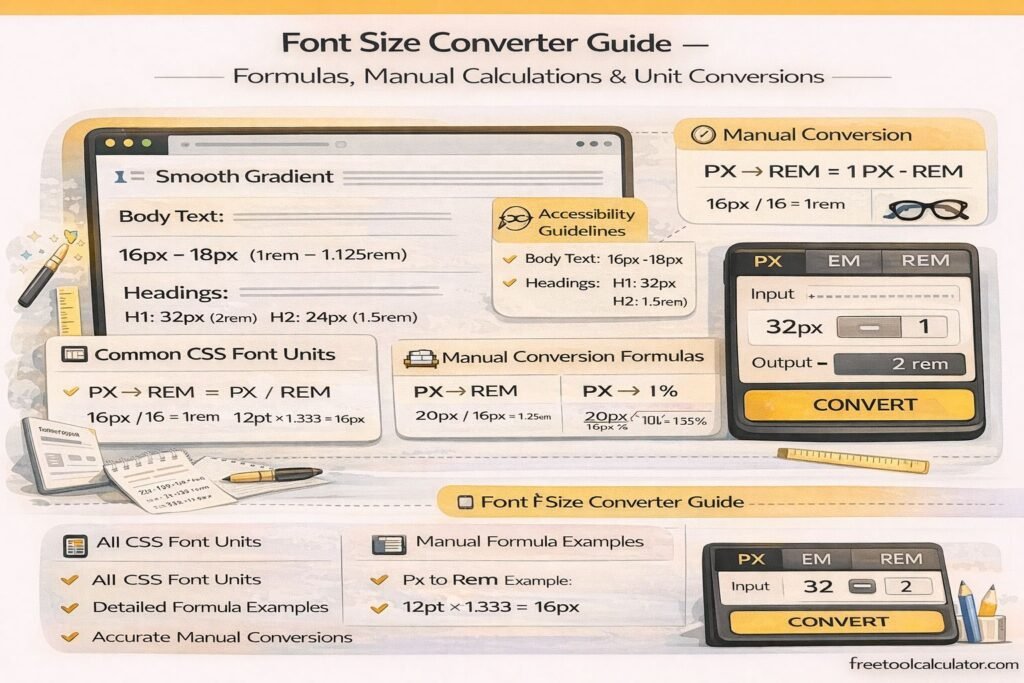
How the Tool Works
Step 1: Select the Conversion Type
Choose whether you want to convert grams to teaspoons or teaspoons to grams. The tool supports both directions for flexibility.
Step 2: Select the Ingredient
Different ingredients have different densities. Select sugar, salt, butter, yeast, flour, or another supported ingredient to improve conversion accuracy.
Step 3: Enter the Value
Input the number of grams or teaspoons you want to convert. The calculator accepts whole numbers and decimal values.
Step 4: View Instant Results
The grams to teaspoon calculator instantly displays the converted value, helping you continue cooking without interruptions.
Understanding Grams and Teaspoons
Grams are part of the metric system and are widely used around the world for measuring ingredient weight. Teaspoons are commonly used in cooking and baking recipes, especially in countries that follow customary measurement systems.
When a recipe lists ingredients in grams but your measuring tools use teaspoons, a grams to teaspoons conversion calculator can help bridge the gap. Likewise, if a recipe uses teaspoons but you prefer weighing ingredients, a teaspoon to grams calculator can provide an approximate equivalent.
Why This Tool Is Useful
Improves Recipe Accuracy
Accurate ingredient measurements contribute to more consistent cooking and baking outcomes. A conversion tool helps users follow recipes even when measurements are provided in unfamiliar units.
Saves Time
Instead of searching for conversion tables or performing manual calculations, users can obtain results instantly.
Supports Multiple Ingredients
The converter can be used for sugar, salt, butter, yeast, and other common kitchen ingredients where density varies.
Easy Measurement Reference Examples
The following examples represent approximate conversions. Actual values can vary depending on ingredient type, texture, moisture content, and packing method.
- 1 gram to teaspoons (sugar) ≈ 0.24 teaspoon
- 2 grams to teaspoons (sugar) ≈ 0.48 teaspoon
- 3 grams to teaspoons (sugar) ≈ 0.72 teaspoon
- 4 grams to teaspoons (sugar) ≈ 0.96 teaspoon
- 5 grams to teaspoons (sugar) ≈ 1.2 teaspoons
- 10 grams to teaspoons (sugar) ≈ 2.4 teaspoons
- 15 grams to teaspoons (sugar) ≈ 3.6 teaspoons
- 20 grams to teaspoons (sugar) ≈ 4.8 teaspoons
- 25 grams to teaspoons (sugar) ≈ 6 teaspoons
- 30 grams to teaspoons (sugar) ≈ 7.2 teaspoons
- 40 grams to teaspoons (sugar) ≈ 9.6 teaspoons
- 50 grams to teaspoons (sugar) ≈ 12 teaspoons
Common Uses
- Converting recipe measurements.
- Baking ingredient calculations.
- Nutritional meal preparation.
- Portion control planning.
- International recipe conversions.
- Measuring sugar and salt accurately.
- Yeast quantity calculations.
- Butter measurement conversions.
- Cooking education and learning.
- Kitchen inventory preparation.
Applications in Cooking and Baking
Cooking and baking often require precise ingredient measurements. While some recipes provide ingredient quantities in teaspoons, others rely on grams. A grams to teaspoons converter helps standardize measurements and reduces confusion when following recipes from different countries.
Professional bakers frequently prefer grams because weight measurements are generally more consistent. Home cooks, however, may only have measuring spoons available. This converter helps both groups work comfortably with their preferred measuring system.
Popular Ingredient Conversion Types
Sugar Grams to Teaspoons
Sugar in grams to teaspoons is one of the most common kitchen conversions. Granulated sugar typically has a different density than powdered sugar or brown sugar, so values may vary slightly.
Grams of Salt to Teaspoons
Salt density depends on whether the salt is table salt, kosher salt, sea salt, or another variety. Because salt crystals differ in size, conversions should be considered approximate.
Butter Grams to Teaspoons
Butter conversions are useful when recipes provide measurements by weight but only measuring spoons are available.
Grams of Yeast to Teaspoons
Bread and baking recipes often use yeast measurements. Converting grams yeast to teaspoons can help when switching between recipe formats.
Who Uses This Tool?
- Home cooks.
- Professional chefs.
- Bakers.
- Nutrition enthusiasts.
- Meal prep planners.
- Culinary students.
- Food bloggers.
- Recipe developers.
- Restaurant staff.
- Cooking instructors.
Benefits of Using a Grams to Teaspoon Converter
- Quick conversions.
- Easy recipe adaptation.
- Reduced measuring errors.
- Useful for international recipes.
- Supports multiple ingredients.
- Beginner-friendly interface.
- Convenient for baking projects.
- Works as both gram to teaspoon and teaspoon to gram converter.
Common Mistakes When Converting Measurements
Assuming All Ingredients Have the Same Density
One teaspoon of sugar does not weigh the same as one teaspoon of salt or butter. Using a universal conversion factor may lead to inaccurate results.
Ignoring Ingredient Variations
Different forms of the same ingredient can produce different results. Powdered sugar, brown sugar, and granulated sugar all have unique densities.
Using Rounded Estimates Excessively
While small rounding differences may not matter for everyday cooking, they can affect baking recipes that require greater precision.
Frequently Asked Questions
How many grams to 1 teaspoon?
The answer depends on the ingredient being measured. For example, one teaspoon of sugar weighs approximately 4.2 grams, while one teaspoon of table salt weighs around 6 grams. Since ingredients have different densities, there is no single conversion value that applies universally.
1 teaspoon to grams conversion
A 1 teaspoon to grams conversion varies by ingredient. Sugar is commonly about 4.2 grams per teaspoon, while butter is closer to 4.7 grams per teaspoon. Always consider the specific ingredient when converting measurements.
How do I convert grams to teaspoons?
To convert grams to teaspoons, divide the gram value by the ingredient’s grams-per-teaspoon factor. Because each ingredient has a different density, the conversion result will vary depending on what is being measured.
How do I convert teaspoons to grams?
To perform a teaspoon to gram conversion, multiply the number of teaspoons by the ingredient’s grams-per-teaspoon value. This method provides an estimated weight for cooking and baking purposes.
What is 1 gram to teaspoon?
For granulated sugar, 1 gram to teaspoon is approximately 0.24 teaspoon. Other ingredients may produce different results because density affects the conversion.
What is 2 grams to teaspoons?
Two grams converts to approximately 0.48 teaspoon of sugar. Salt, flour, butter, and yeast may produce different measurements due to their unique densities.
What is 5 grams to teaspoons?
Five grams of sugar is approximately 1.2 teaspoons. The exact value depends on the ingredient selected in the grams to teaspoons calculator.
What is 10 grams to teaspoons?
Ten grams of sugar equals approximately 2.4 teaspoons. For salt, butter, or yeast, the conversion will differ because each ingredient occupies a different volume per gram.
10 grams salt to teaspoons
Ten grams of table salt is approximately 1.7 teaspoons. The result may vary depending on the type of salt used, such as kosher salt or sea salt, because crystal sizes differ.
10 grams of salt to teaspoons
For standard table salt, 10 grams is close to 1.7 teaspoons. This value is an estimate and may vary slightly based on packing density and salt variety.
What is 7 grams yeast to teaspoons?
Seven grams of active dry yeast is commonly considered about 2¼ teaspoons. This measurement is frequently referenced in bread and baking recipes.
What is 1 gram yeast to teaspoon?
One gram of yeast is approximately one-third teaspoon. Because yeast products vary slightly among manufacturers, this value should be viewed as an estimate.
How many grams of sugar to a teaspoon?
One teaspoon of granulated sugar weighs approximately 4.2 grams. Different sugar types, including powdered and brown sugar, may have slightly different weights.
What is 1 gram of sugar to teaspoon?
One gram of granulated sugar equals approximately 0.24 teaspoon. This conversion is commonly used when tracking nutritional intake or adapting recipes.
Can I use this as a grams to teaspoons conversion calculator?
Yes. The tool functions as a grams to teaspoons calculator and a teaspoon to grams calculator. It can help convert measurements for sugar, salt, butter, yeast, and many other common cooking ingredients.
Why Trust This Tool?
This Grams to Teaspoon Converter uses commonly accepted culinary conversion practices based on ingredient density. Because grams measure weight and teaspoons measure volume, conversions are presented as practical estimates suitable for cooking and baking applications.
The calculator is intended for educational and everyday kitchen use. It provides transparent measurement guidance without making unrealistic accuracy claims. Users working with specialized recipes or commercial food production should always verify ingredient specifications when precise measurements are required.
By using standard conversion methods and ingredient-based calculations, the tool offers a convenient and reliable way to convert grams to teaspoons and teaspoons to grams.
Get Started Today
Whether you need a quick grams to teaspoons conversion, a teaspoon to grams calculator, or help converting sugar, salt, butter, or yeast measurements, this Grams to Teaspoon Converter provides a simple solution. Enter your value, select the ingredient, and instantly receive a practical kitchen conversion that can help make cooking, baking, and recipe preparation easier and more consistent.