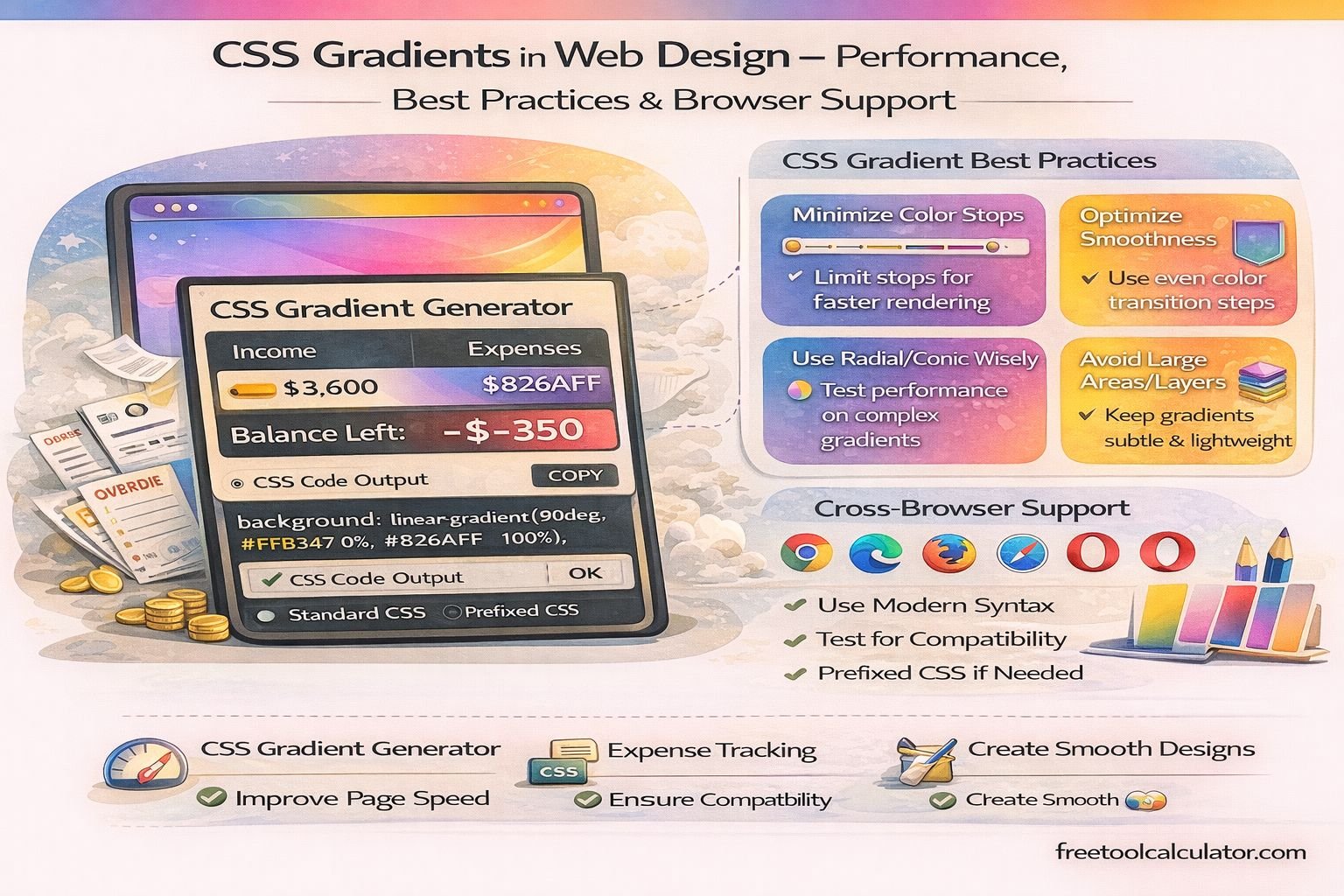
CSS Gradients in Web Design – Performance, Best Practices & Browser Support

CSS Gradients in Web Design – Performance, Best Practices & Browser Support

CSS Gradients in Web Design – Performance, Best Practices & Browser Support

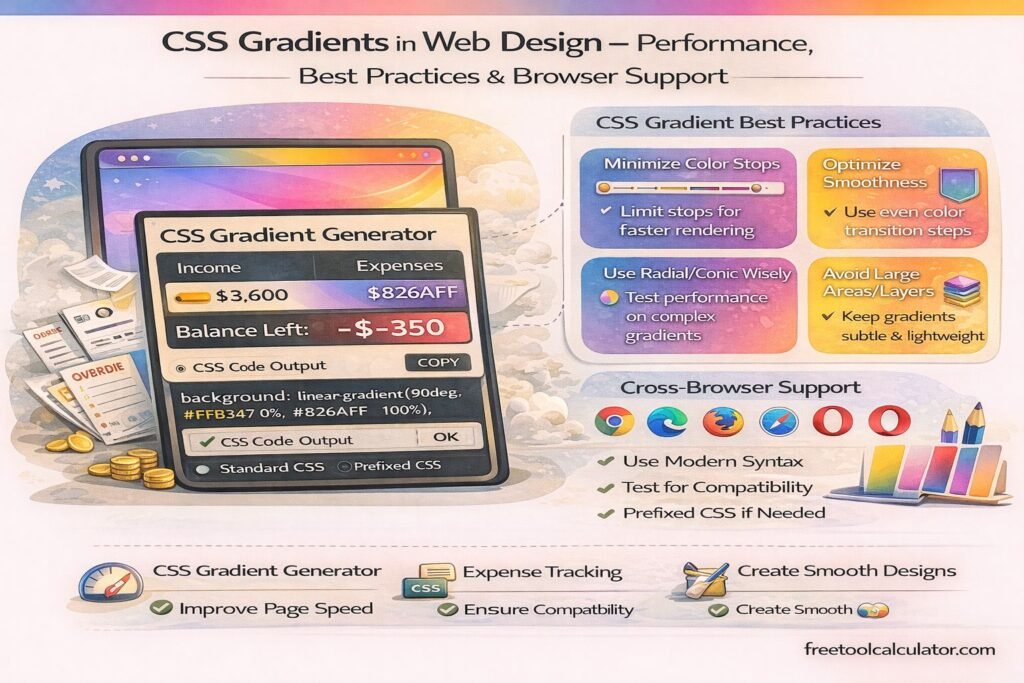
CSS gradients have become a core part of modern web design, replacing heavy image assets with lightweight, scalable visual effects. Using a CSS gradient generator, developers can create dynamic backgrounds, overlays, and UI elements without relying on external images. However, understanding the performance impact, optimization techniques, and browser compatibility of CSS gradients is essential for building fast, responsive, and visually consistent websites. In this guide, you will learn how CSS gradients affect performance, best practices for implementation, and how to ensure full browser support.

What Are CSS Gradients?

CSS gradients are generated backgrounds defined using CSS functions such as linear-gradient(), radial-gradient(), and conic-gradient(). These gradients allow smooth transitions between colors without using image files.

Common types include:

– Linear gradients (top to bottom, left to right, diagonal)
– Radial gradients (circular or elliptical)
– Conic gradients (angle-based color transitions)

Using tools like a CSS gradient generator simplifies creating complex gradient combinations and ensures accurate CSS output.

Performance Impacts of CSS Gradients

1. Lightweight Compared to Images

CSS gradients are rendered by the browser using code instead of loading image files. This reduces HTTP requests and improves page load speed.

2. GPU Acceleration

Modern browsers often render gradients using GPU acceleration, making them efficient for static backgrounds and UI elements.

3. Repaint and Rendering Costs

Complex gradients with multiple color stops or animations can increase repaint costs, especially on low-end devices.

4. Impact of Animations

Animating gradients (e.g., changing colors or positions) can be performance-intensive and may cause frame drops if not optimized properly.

5. Layering and Overuse

Using multiple layered gradients or combining them with heavy effects like blur and shadows can impact rendering performance.

In general, CSS gradients are more efficient than images, but excessive complexity can affect performance.

Best Practices for Using CSS Gradients

Keep Gradients Simple

Use minimal color stops and avoid overly complex gradient combinations unless necessary. Simpler gradients render faster and are easier to maintain.

Use Gradients Instead of Images

Whenever possible, replace background images with CSS gradients to reduce page size and improve load times.

Optimize for Performance

Avoid animating gradients unless required. If animations are needed, use subtle transitions and test performance across devices.

Combine with Solid Colors

Use fallback solid colors along with gradients to ensure graceful degradation on older browsers.

Use Reusable CSS Classes

Create reusable gradient classes instead of duplicating code. This improves maintainability and reduces CSS size.

Test Across Devices

Always test gradients on mobile, tablet, and desktop to ensure consistent rendering and performance.

A professional gradient generator tool helps create optimized gradients that follow best practices automatically.

Browser Support for Modern CSS Gradient Properties

Linear and Radial Gradients

Supported in all modern browsers including Chrome, Firefox, Safari, Edge, and Opera. These are safe to use without prefixes in most cases.

Conic Gradients

Supported in modern browsers such as Chrome, Edge, and Firefox. Older browsers may have limited or no support.

Vendor Prefixes

Older browsers required prefixes like -webkit- or -moz-, but modern environments generally no longer need them.

Fallback Strategies

To ensure compatibility:

– Provide a solid background color fallback
– Use progressive enhancement
– Avoid relying solely on advanced gradient types for critical UI elements

Mobile Browser Support

Most modern mobile browsers fully support CSS gradients, but performance may vary depending on device capabilities.

Common Mistakes to Avoid

When using CSS gradients, avoid the following issues:

– Overusing multiple gradients in one element
– Using too many color stops unnecessarily
– Animating gradients without performance testing
– Ignoring fallback support
– Not testing on different browsers and devices

When to Use CSS Gradients

CSS gradients are ideal for:

– Backgrounds and hero sections
– Buttons and UI components
– Overlays and transitions
– Modern design aesthetics

They are especially useful in responsive design because they scale perfectly across screen sizes without losing quality.

Conclusion

CSS gradients are a powerful and efficient tool for modern web design. They reduce dependency on images, improve performance, and offer flexible design possibilities. By following best practices and understanding browser support, developers can use gradients effectively without compromising speed or compatibility.

Using a reliable CSS gradient generator ensures clean, optimized code and helps create visually appealing designs with minimal effort.

Share this article:

On This Page

Subscribe to our newsletter

Read the latest articles from our experts

Related Posts

legal paper size measurement in inches and cm

What Is Standard Printer Paper Size? Letter Dimensions Explained (8.5×11 Guide)

Standard printer paper size in the United States is Letter size, which measures 8.5 × 11 inches. This guide explains normal printer paper dimensions, compares Letter with A4 and Legal paper, and helps you understand paper sizes for home printing, office documents, school assignments, and design projects.

How to Make Red Color (Complete Mixing Guide) Paint, Digital & Print Methods Explained

How to Make Red Color (Complete Mixing Guide): Paint, Digital & Print Methods Explained

Red is one of the most recognizable primary colors, but many people wonder whether it can be mixed or recreated using other colors. This guide explains how red works in traditional color theory, digital design, and printing while covering paint mixing, RGB, CMYK, and practical color applications for artists and designers.

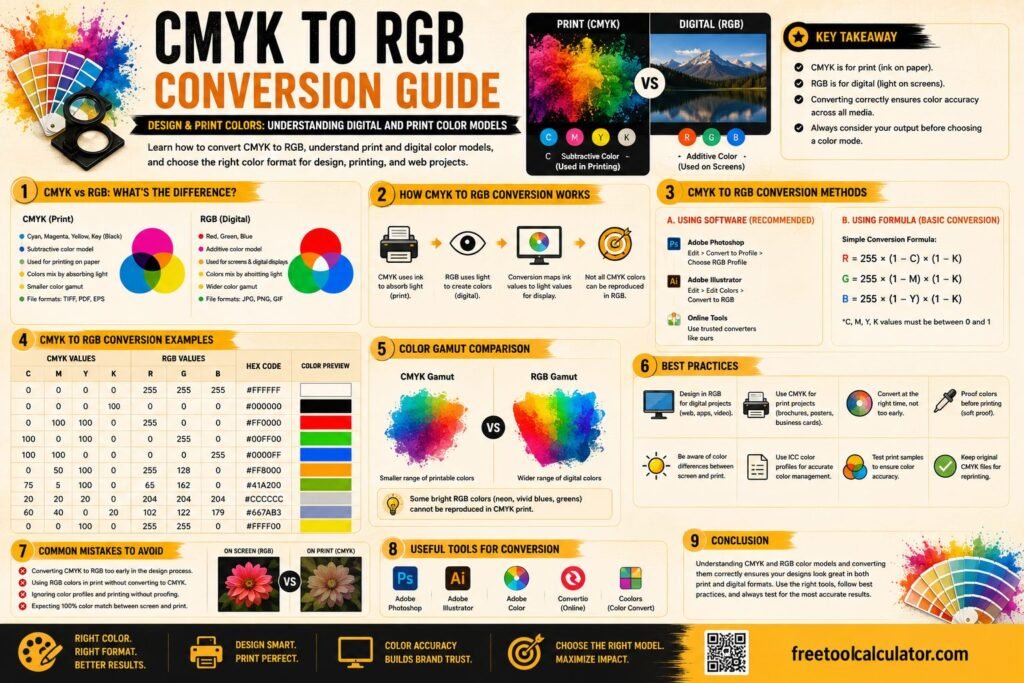
CMYK to RGB Conversion Guide (Design & Print Colors) Understanding Digital and Print Color Models

CMYK to RGB Conversion Guide (Design & Print Colors): Understanding Digital and Print Color Models

Understanding the difference between CMYK and RGB is essential for designers, printers, photographers, and marketers. This guide explains how CMYK to RGB conversion works, compares popular color models, provides conversion formulas, and helps you choose the right format for both digital screens and professional printing projects.

PPC Budget Calculator Guide: How to Calculate Your Google Ads Budget & Maximize ROI

PPC Budget Calculator Guide: How to Calculate Your Google Ads Budget & Maximize ROI

Planning your advertising budget is essential for running profitable PPC campaigns. This guide explains how to calculate a PPC budget, estimate Google Ads costs, understand CPC and ROI, and use a budget calculator to make smarter advertising decisions while controlling costs and improving campaign performance.

Best Font Pairings for Websites and Branding 2026 Guide

Best Font Pairings for Websites and Branding 2026 Guide

Discover the best font pairings for websites branding and modern design in this complete 2026 guide Learn how to combine typography styles improve readability create professional visual identity and choose good font pairs for blogs businesses ecommerce and creative projects using practical design strategies and free online tools effectively

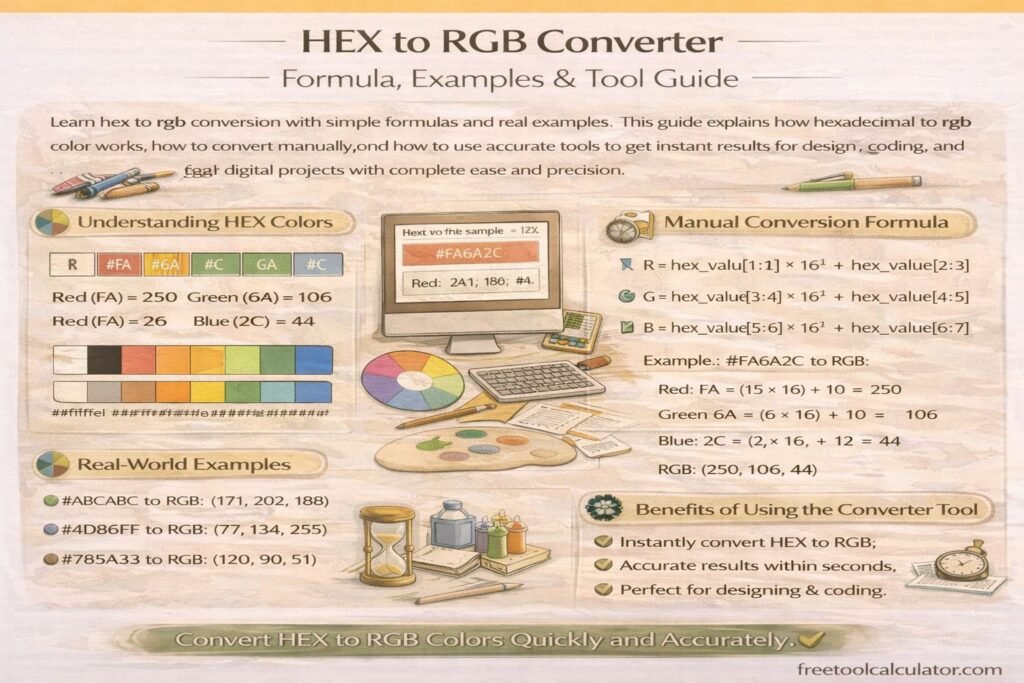
HEX to RGB Converter Formula Examples and Tool Guide

HEX to RGB Converter Formula Examples and Tool Guide

Learn hex to rgb conversion with simple formulas and real examples This guide explains how hexadecimal to rgb color works, how to convert manually, and how to use accurate tools to get instant results for design, coding, and digital projects with complete ease and precision

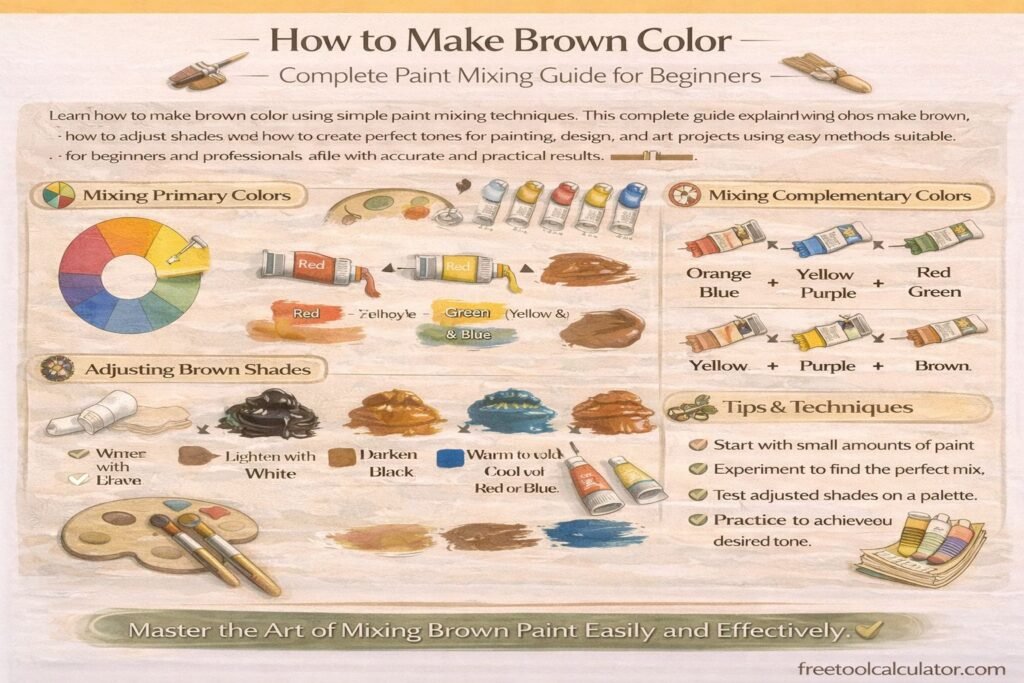
How to Make Brown Color Complete Paint Mixing Guide for Beginners

How to Make Brown Color Complete Paint Mixing Guide for Beginners

Learn how to make brown color using simple paint mixing techniques This complete guide explains what colors make brown, how to adjust shades, and how to create perfect tones for painting, design, and art projects using easy methods suitable for beginners and professionals alike with accurate and practical results

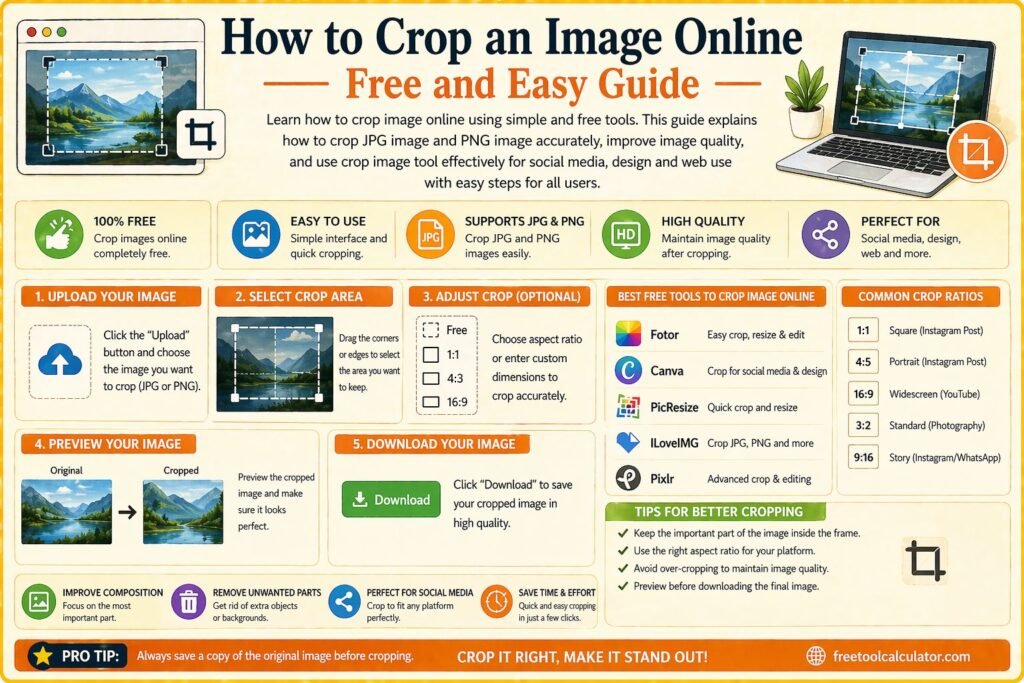
How to Crop an Image Online Free and Easy Guide

How to Crop an Image Online Free and Easy Guide

Learn how to crop image online using simple and free tools This guide explains how to crop jpg image and png image accurately improve image quality and use crop image tool effectively for social media design and web use with easy steps for all users

CSS Beautify Tool Guide Format CSS Online Easily

CSS Beautify Tool Guide Format CSS Online Easily

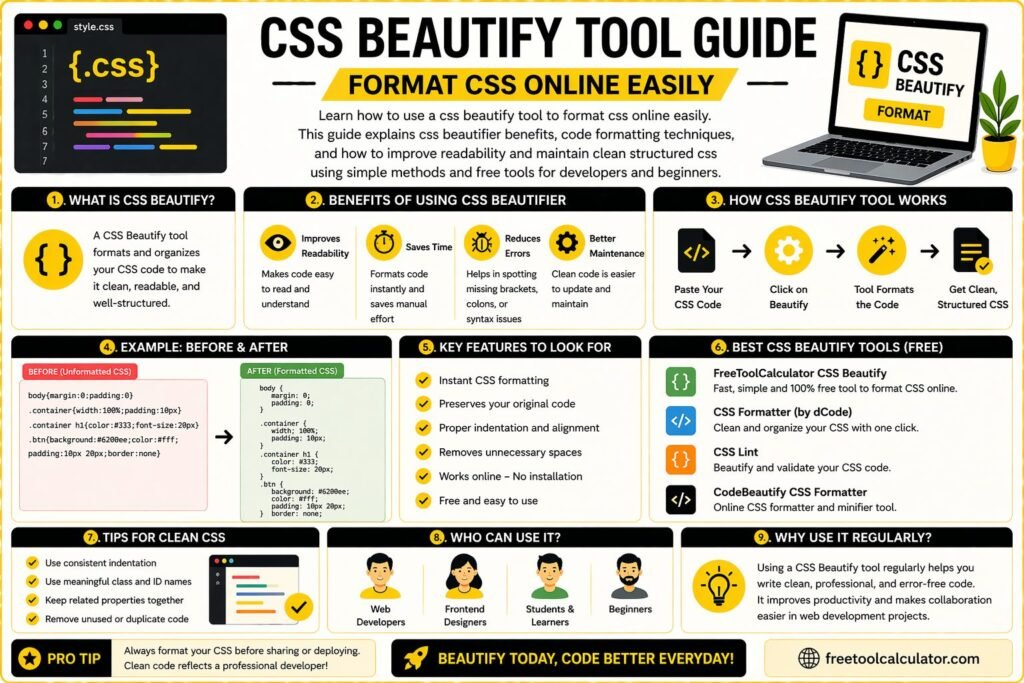
Learn how to use a css beautify tool to format css online easily This guide explains css beautifier benefits, code formatting techniques, and how to improve readability and maintain clean structured css using simple methods and free tools for developers and beginners

Social Media Video Sizes Guide All Platforms 2026

Social Media Video Sizes Guide All Platforms 2026

Learn social media video sizes for all major platforms in 2026 This guide explains video dimensions formats and aspect ratios to help you create perfect videos for Instagram YouTube TikTok and more ensuring high quality uploads better engagement and professional results across all devices and platforms easily

How to Create Favicon for Website Step by Step Guide

How to Create Favicon for Website Step by Step Guide

Learn how to create favicon for website using simple step by step methods This guide explains how to make icon for website, choose the right size and format, and use free tools to generate professional favicons for branding and better user experience across all devices and browsers easily

How to Apply Gradient to Text with CSS Background-Clip

How to Apply Gradient to Text with CSS Background-Clip

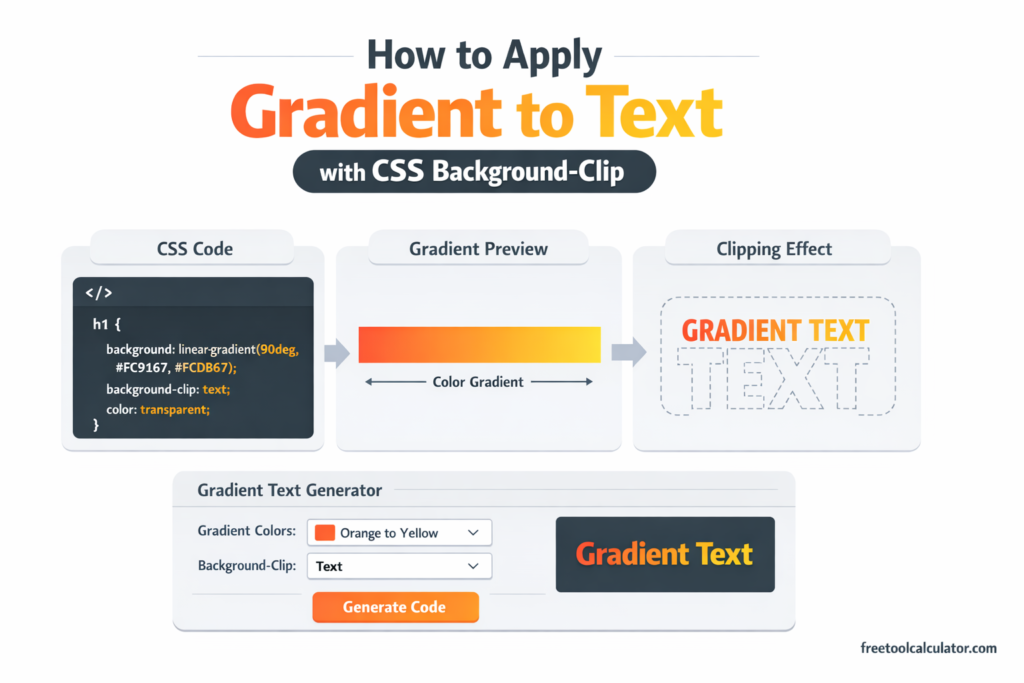
Master the CSS gradient text technique using background-clip: text and transparent text color. Learn how to create stunning typography effects that remain accessible, selectable, and SEO-friendly with practical code examples and browser support guidance.

Animated Gradient Background Generator Create Stunning CSS Backgrounds Easily

Animated Gradient Background Generator: Create Stunning CSS Backgrounds Easily

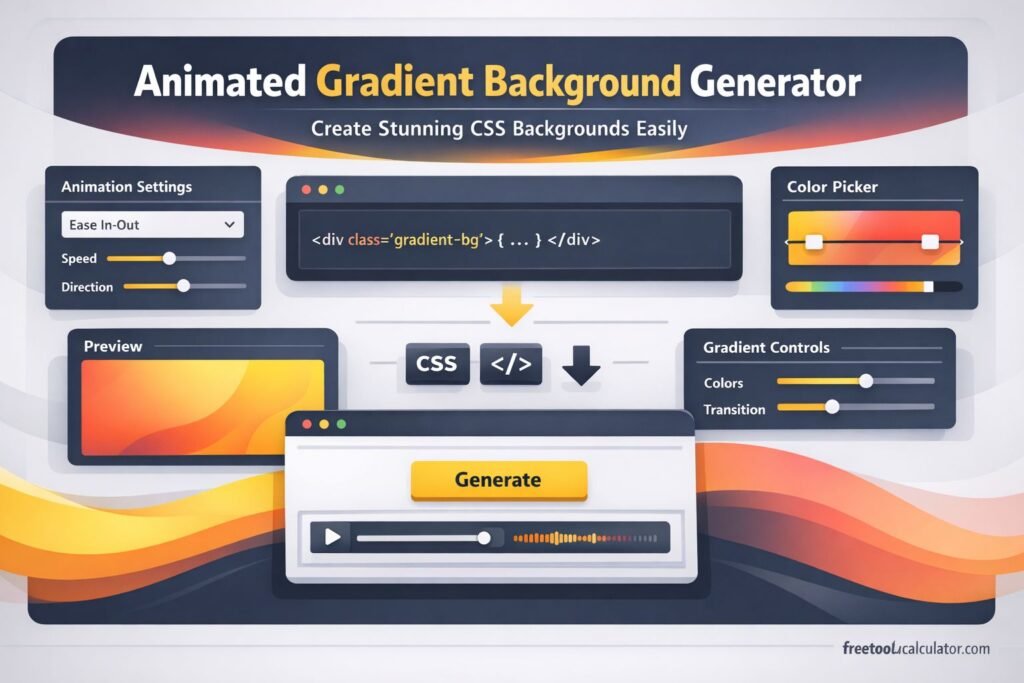
Want to create smooth, modern website backgrounds without writing complex CSS from scratch? This guide explains how an animated gradient background generator works, why designers use it, and how to create eye-catching moving gradients for websites, landing pages, and hero sections. You will also see practical tips and common mistakes.

Font Size Converter Guide – Formulas, Manual Calculations & Unit Conversions

Font Size Converter Guide – Formulas, Manual Calculations & Unit Conversions

This font size converter guide explains how to manually convert font sizes between px, pt, em, rem, percent, vw, vh, cm, mm, inches, and picas. Learn formulas, calculation methods, and practical examples for accurate typography conversions used in responsive web design, print layouts, and modern CSS development workflows across devices and screen sizes.

Optimal Font Size for Website Readability – Complete Typography Guide

Optimal Font Size for Website Readability – Complete Typography Guide

This font size converter guide explains the optimal font size for website readability. Learn recommended typography sizes, accessibility guidelines, and responsive font practices for web design. Discover how to choose body text, headings, and mobile font sizes while converting units like px, em, and rem to maintain consistent, readable typography across devices.

CSS Gradients in Web Design – Performance, Best Practices & Browser Support

How to Convert Figma Gradient to CSS Code – Complete Developer Guide

This CSS gradient generator guide explains how to convert Figma gradients into CSS code accurately. Learn how to extract color stops, angles, and gradient types from Figma, convert them into linear or radial CSS gradients, and optimize them for responsive web design, browser compatibility, and performance using efficient development techniques and tools.

Tools & Resources

Explore our collection of professional tools designed to streamline your workflow

Report a Bug