Quick answer: A clear invoice normally identifies the seller and customer, includes a unique invoice number and date, describes the goods or services supplied, shows quantities or rates, calculates the amount due, and states payment terms. Tax and legal requirements vary by country, business type and transaction, so there is no single worldwide invoice format.
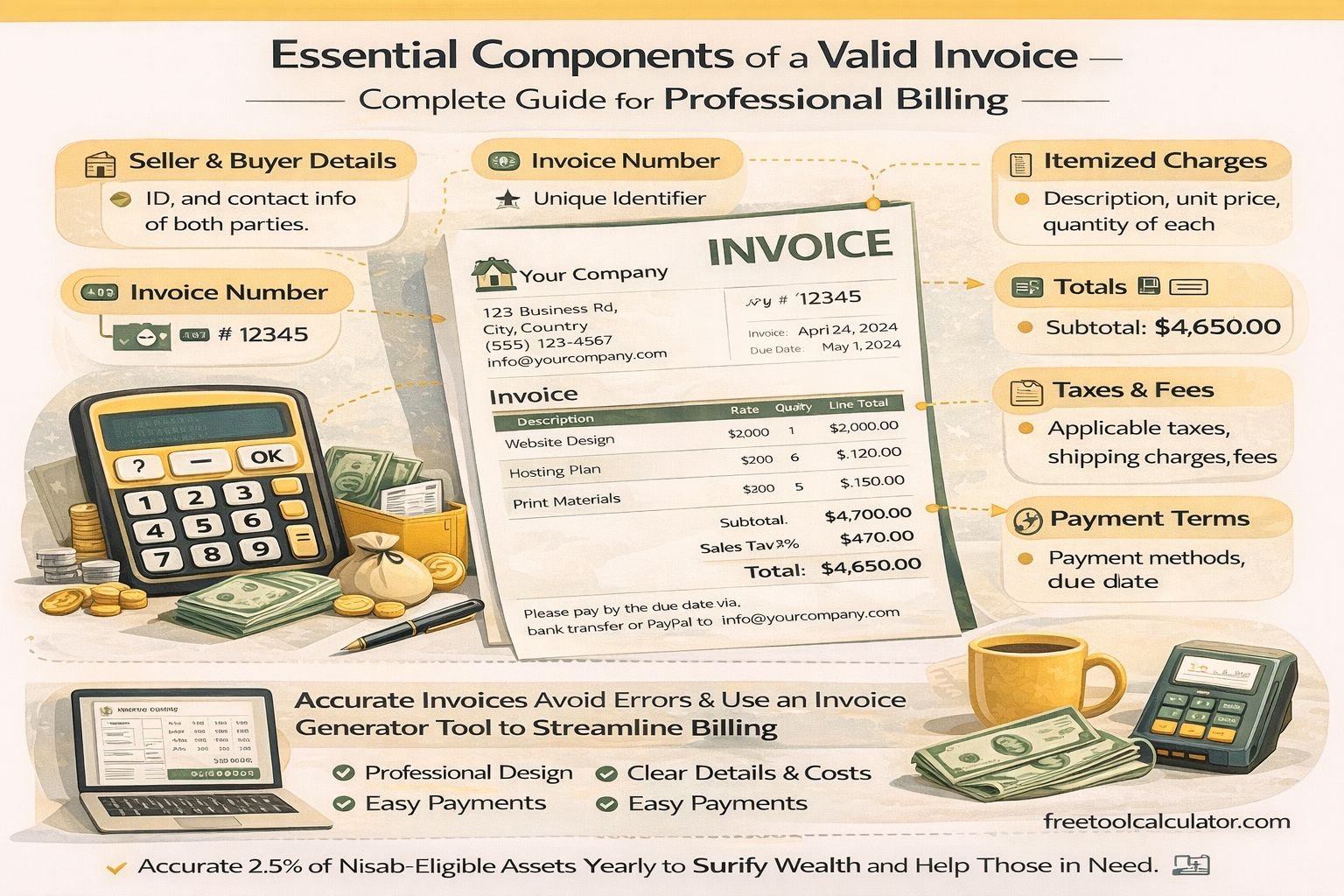
Essential Information to Put on an Invoice
- Invoice number: a unique reference for tracking the document.
- Invoice date: the date the invoice is issued.
- Seller details: business or trading name and appropriate contact information.
- Customer details: the person or organization being billed.
- Description: a clear description of each product or service.
- Quantity and rate: where relevant, show how each line amount was calculated.
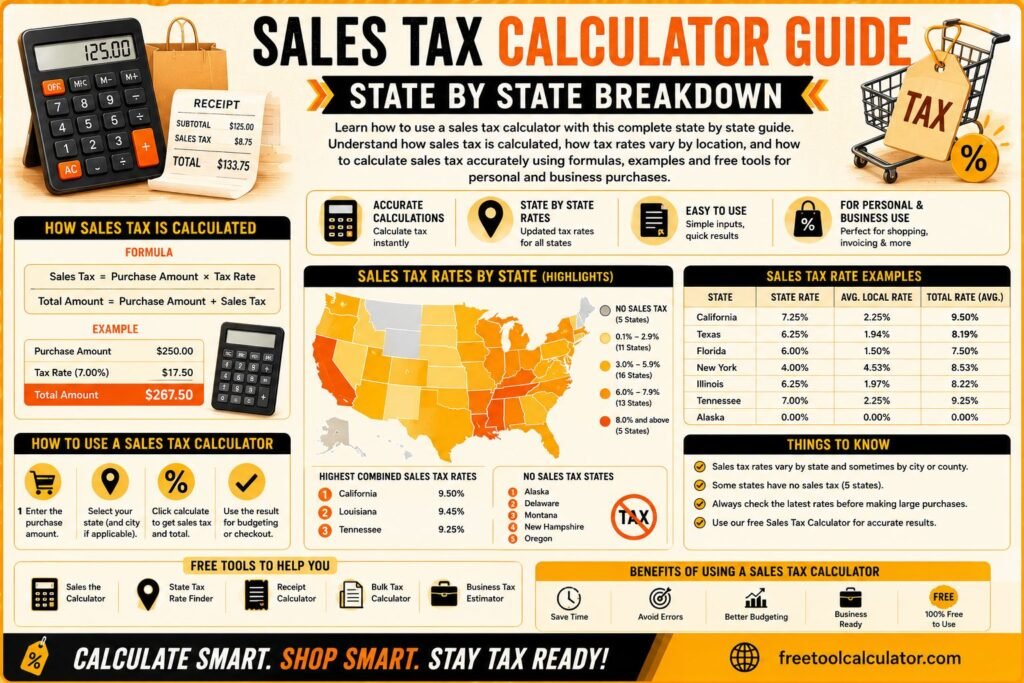
- Subtotal: total before applicable taxes, discounts or additional charges.
- Taxes: identify applicable tax amounts and required registration details where local rules require them.
- Total due: the final amount the customer is expected to pay.
- Payment terms: due date, accepted payment method and other agreed terms.
Example Invoice Structure
| Field | Example |
|---|---|
| Invoice number | INV-2026-0042 |
| Invoice date | October 1, 2026 |
| Service | Website maintenance |
| Quantity | 5 hours |
| Rate | $40/hour |
| Line total | $200 |
| Payment terms | Due within 14 days |
This example illustrates document structure only. Currency, tax wording and legally required fields depend on the transaction and jurisdiction.
Why Use a Unique Invoice Number?
A consistent numbering system helps you match invoices with payments, customer records and accounting entries. Avoid reusing the same number for unrelated invoices. A simple sequence such as INV-2026-0001, INV-2026-0002 and INV-2026-0003 can be easier to audit than random names.
How to Write Line Items Clearly
A customer should be able to understand what they are paying for without referring to a separate conversation. Instead of a vague line such as “Work,” use a useful description such as “Homepage design — 6 hours × $50.”
Subtotal, Tax and Total
Keep the calculation easy to follow. A typical sequence is line-item total → subtotal → discount or additional charge where applicable → tax → final amount due. Do not add a tax merely because an invoice template contains a tax field; apply the rules that actually govern your business and transaction.
Payment Terms and Due Date
State when payment is expected and how it can be made. If late-payment charges, deposits, staged payments or other conditions apply, those terms should reflect your agreement and applicable local rules rather than being added after the transaction.
Invoice vs Receipt
An invoice requests or records an amount due for a transaction. A receipt generally documents that payment has been received. A paid invoice can also be marked as paid, but the two documents serve different purposes.
Common Invoice Mistakes
- Missing or duplicate invoice numbers.
- Unclear product or service descriptions.
- Arithmetic errors in line totals or taxes.
- No due date or payment instructions.
- Incorrect customer details.
- Using tax wording or registration information that does not apply to the business.
Frequently Asked Questions
Does every invoice need a tax number?
Not universally. Requirements depend on the jurisdiction, tax system, registration status and transaction. Check the rules that apply to your business.
Should an invoice include a due date?
Including a clear due date is good practice because it tells the customer when payment is expected.
Can I send an invoice as a PDF?
PDF is commonly used because it preserves layout, but any electronic-invoicing requirements in your jurisdiction or customer agreement should also be followed.
Last reviewed: October 2026. This page provides general invoice-structure information, not jurisdiction-specific legal or tax advice.