Introduction
Body fat percentage and body mass index are two of the most commonly used measurements to assess health and weight status. Many people are told their BMI determines whether they are healthy overweight or obese while others focus on reducing body fat percentage for fitness and appearance. This often leads to confusion about which metric truly reflects health. As a senior health doctor I can confidently say that while BMI has value as a screening tool body fat percentage provides a more accurate picture of individual metabolic health. To make informed decisions it is helpful to calculate your BMI using https://freetoolcalculator.com/bmi-calculator/ and then compare it with your body fat percentage using https://freetoolcalculator.com/body-fat-percentage-calculator/ rather than relying on one metric alone.
What Is BMI
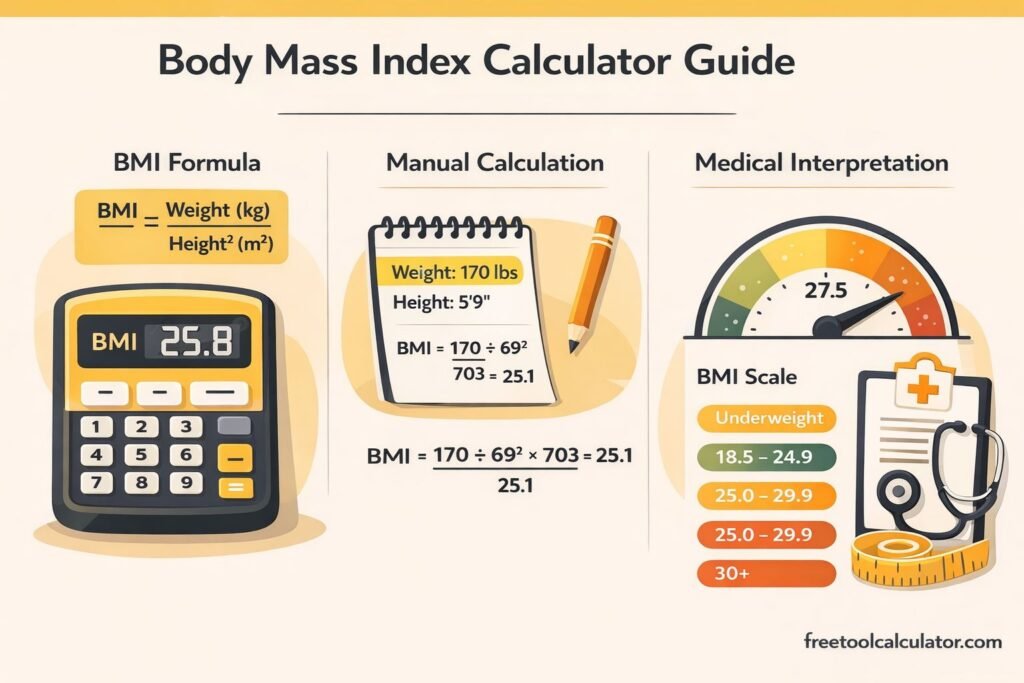
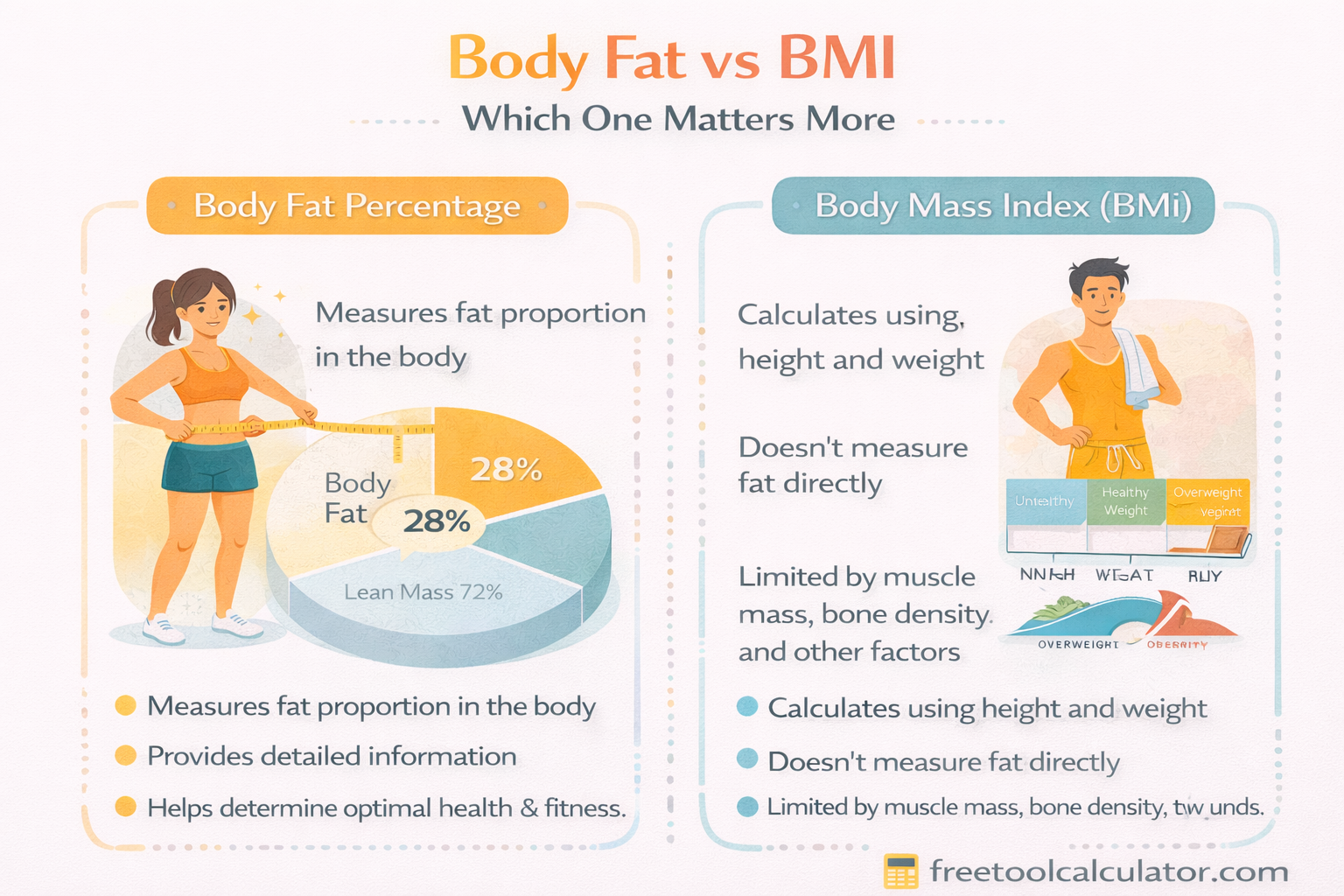
Body mass index is a numerical value calculated using height and weight. It categorizes individuals into underweight normal weight overweight and obese ranges. BMI was developed for population level health assessment and epidemiological research rather than precise individual diagnosis.
The formula does not differentiate between fat muscle bone or water. As a result BMI provides only a general estimate of weight related risk.
Why BMI Is Still Used
BMI is easy to calculate quick to interpret and useful for identifying large scale trends in obesity and related diseases. Public health organizations and insurance providers use BMI because it requires minimal data and no specialized equipment.
Higher BMI values correlate with increased risk of cardiovascular disease type 2 diabetes and overall mortality at the population level. For this reason BMI remains a standard first step in health screening.
Limitations of BMI
BMI does not measure body composition. Two individuals with the same BMI can have vastly different health profiles. One may be muscular and physically fit while the other may have high body fat and low muscle mass.
BMI also fails to account for fat distribution. Visceral fat stored around the abdomen is more dangerous than subcutaneous fat but BMI cannot distinguish between them. This limitation makes BMI less reliable for individual health assessment.
What Is Body Fat Percentage
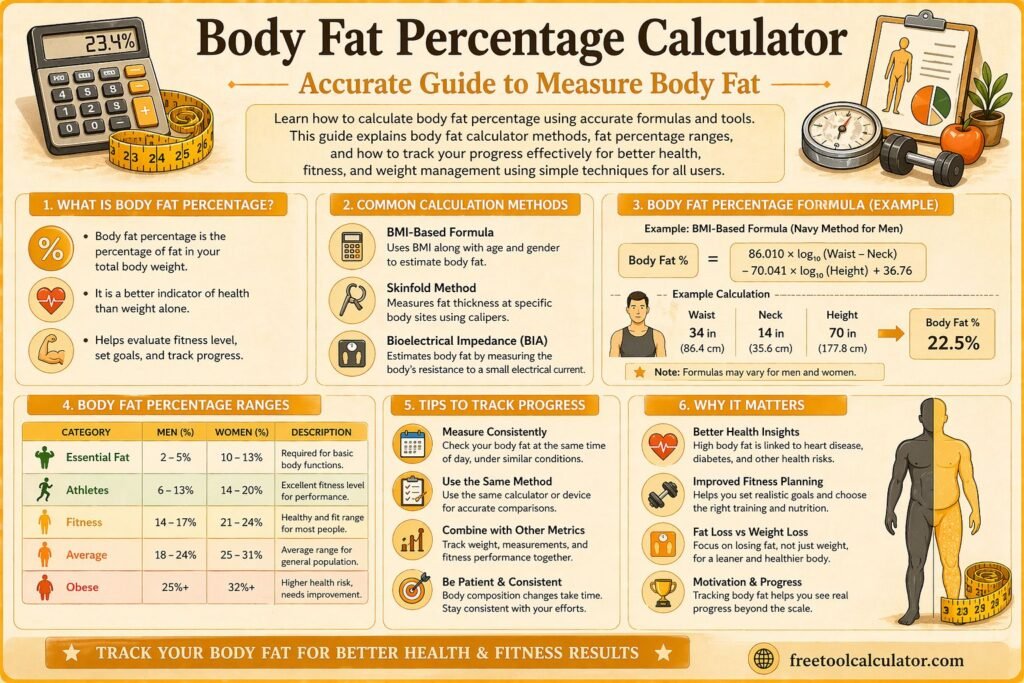
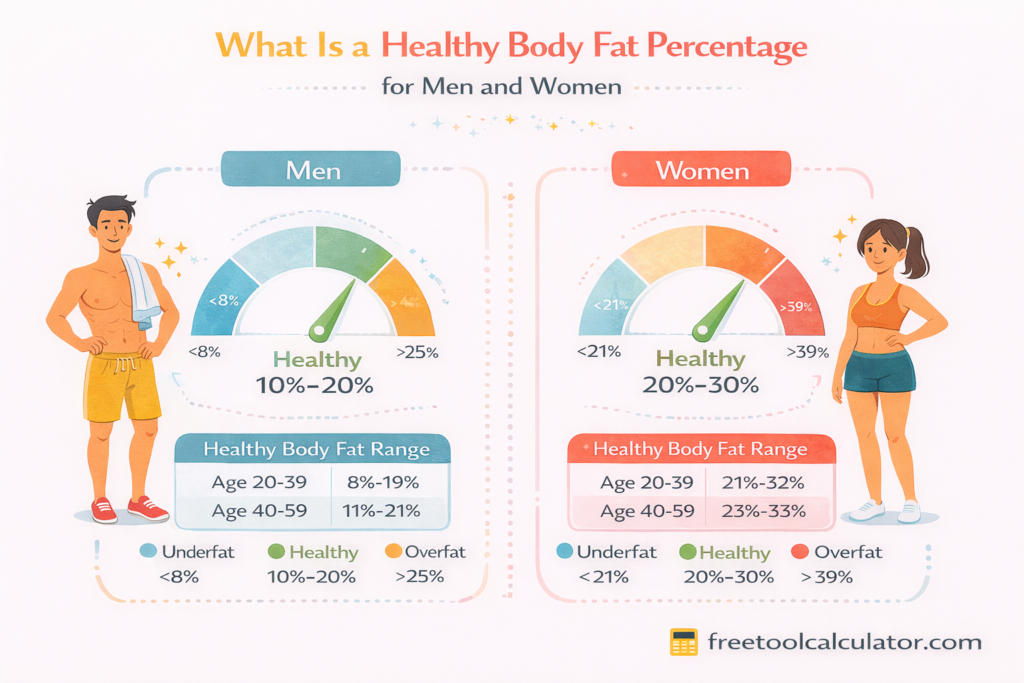
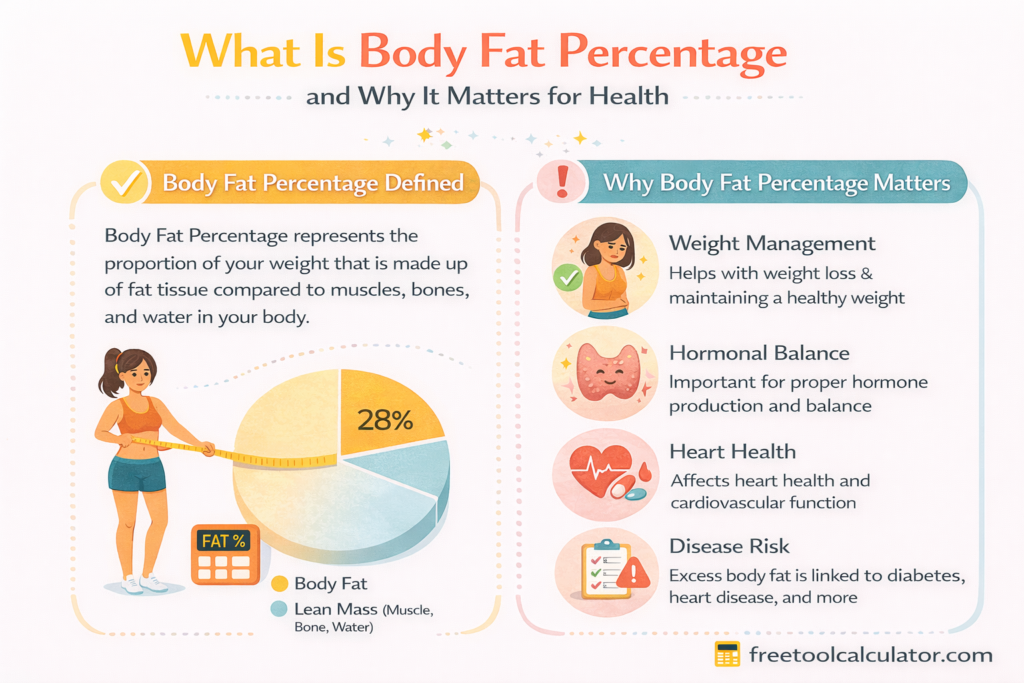
Body fat percentage measures the proportion of total body weight that consists of fat tissue. It separates fat mass from lean mass including muscle bone and organs. This distinction makes body fat percentage a more precise indicator of health and fitness.
Body fat includes essential fat necessary for normal physiological function and storage fat which accumulates when energy intake exceeds expenditure.
Why Body Fat Percentage Matters More
From a clinical perspective body fat percentage is more closely linked to metabolic risk than BMI. High body fat percentage increases inflammation insulin resistance and cardiovascular strain even when BMI appears normal.
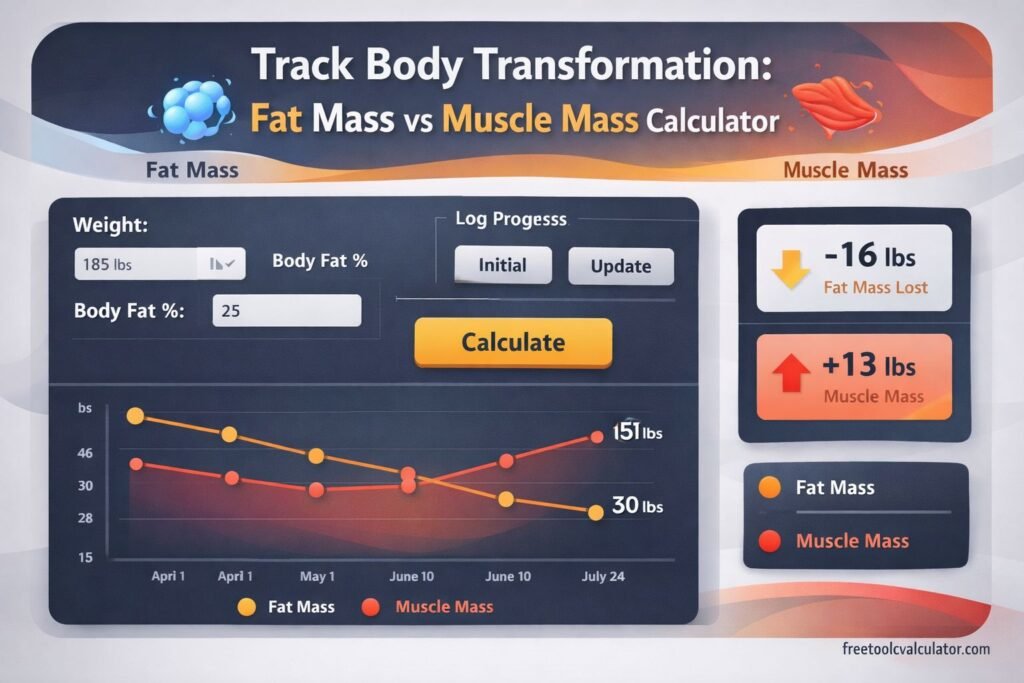
Tracking body fat percentage allows clinicians and individuals to determine whether weight changes represent fat loss muscle gain or muscle loss which is critical for long term health.
Body Fat vs BMI for Disease Risk
Research consistently shows that excess body fat especially visceral fat is a primary driver of chronic diseases. Individuals with normal BMI but high body fat percentage often face similar or higher risk of diabetes and heart disease compared to those classified as overweight by BMI.
This condition sometimes referred to as normal weight obesity highlights why BMI alone can be misleading.
Body Fat vs BMI in Athletes
Athletes often have high BMI values due to increased muscle mass. BMI may incorrectly classify them as overweight or obese despite excellent cardiovascular and metabolic health.
Body fat percentage correctly identifies lean athletes and reflects their true fitness level. In these cases BMI is clearly inferior to body fat measurement.
Body Fat vs BMI in Older Adults
As people age muscle mass naturally declines while fat mass increases even if body weight remains stable. BMI may stay within normal range while body fat percentage rises significantly.
For older adults body fat percentage is a better predictor of functional health fall risk and metabolic disease than BMI.
How to Use BMI and Body Fat Percentage Together
BMI and body fat percentage should not be viewed as competing measurements but as complementary tools. BMI provides a quick screening estimate while body fat percentage explains what that weight is made of.
For example start by checking your BMI at https://freetoolcalculator.com/bmi-calculator/ to see where you fall within standard categories. Then calculate your body fat percentage at https://freetoolcalculator.com/body-fat-percentage-calculator/ to understand whether your weight is primarily fat or lean mass.
Together these tools provide a more complete and accurate health picture.
Measurement Accuracy Considerations
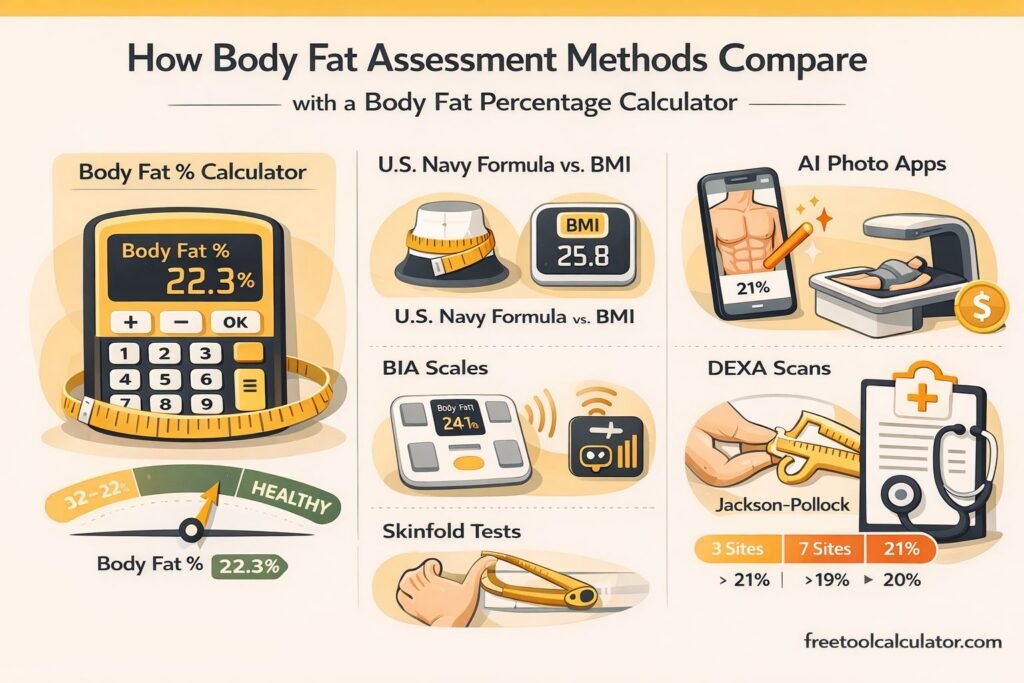
BMI is consistent but simplistic. Body fat percentage accuracy depends on the method used. Advanced methods such as DEXA scans are highly accurate but expensive. Online calculators use validated formulas that provide reasonable estimates for routine tracking.
Consistency matters more than absolute precision. Using the same calculator regularly allows you to track meaningful trends over time.
Body Fat vs BMI for Weight Loss Goals
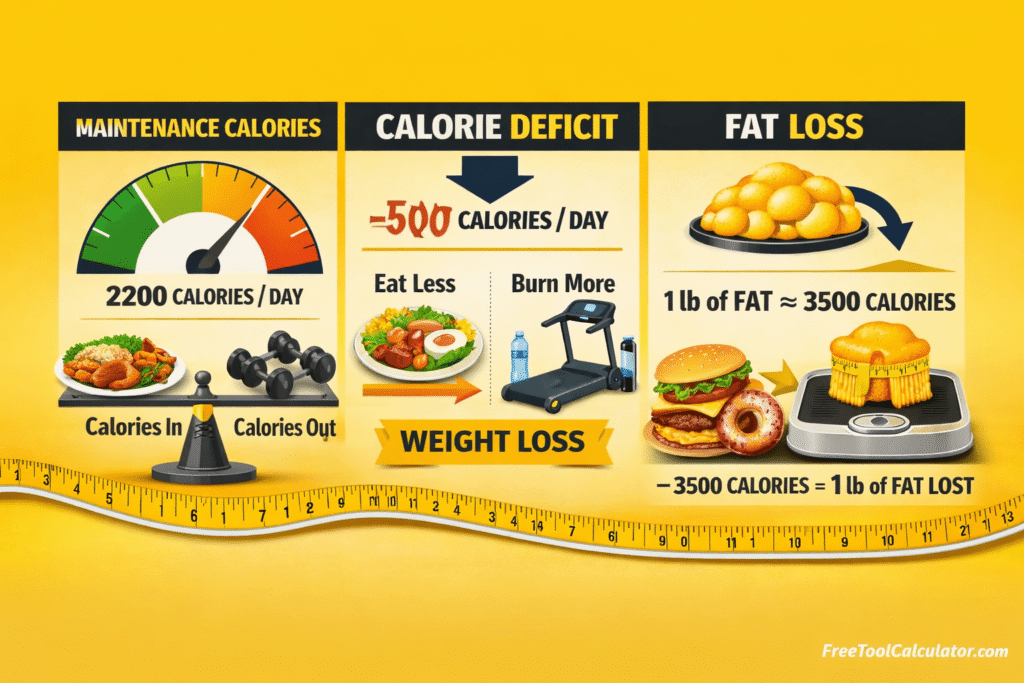
Focusing only on BMI during weight loss can lead to poor decisions. Rapid weight loss often reduces muscle mass which lowers metabolism and may increase long term body fat percentage.
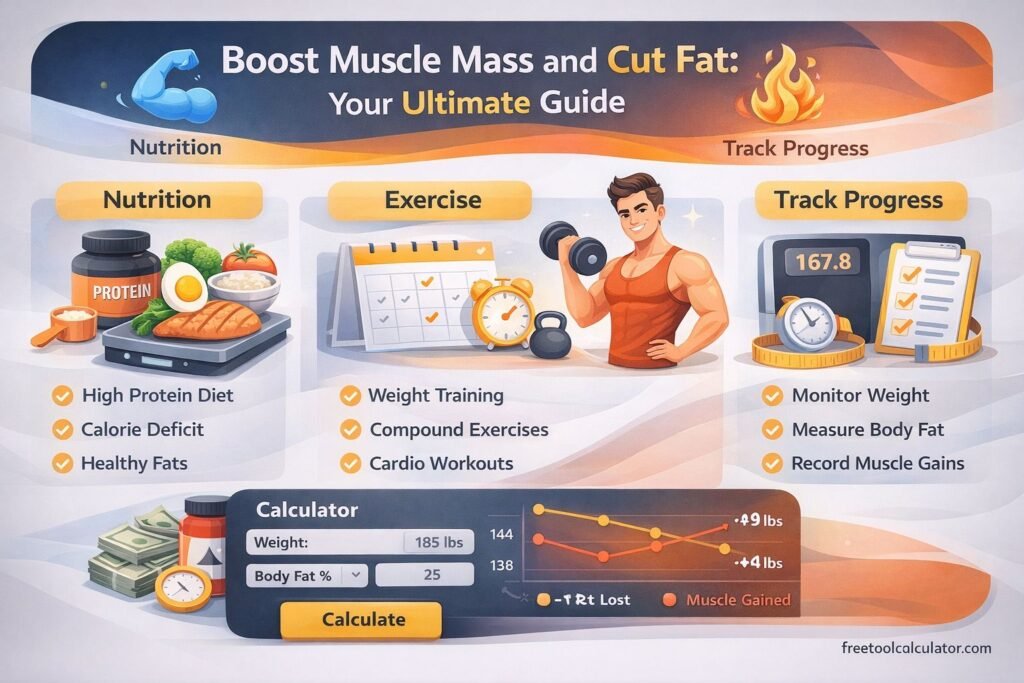
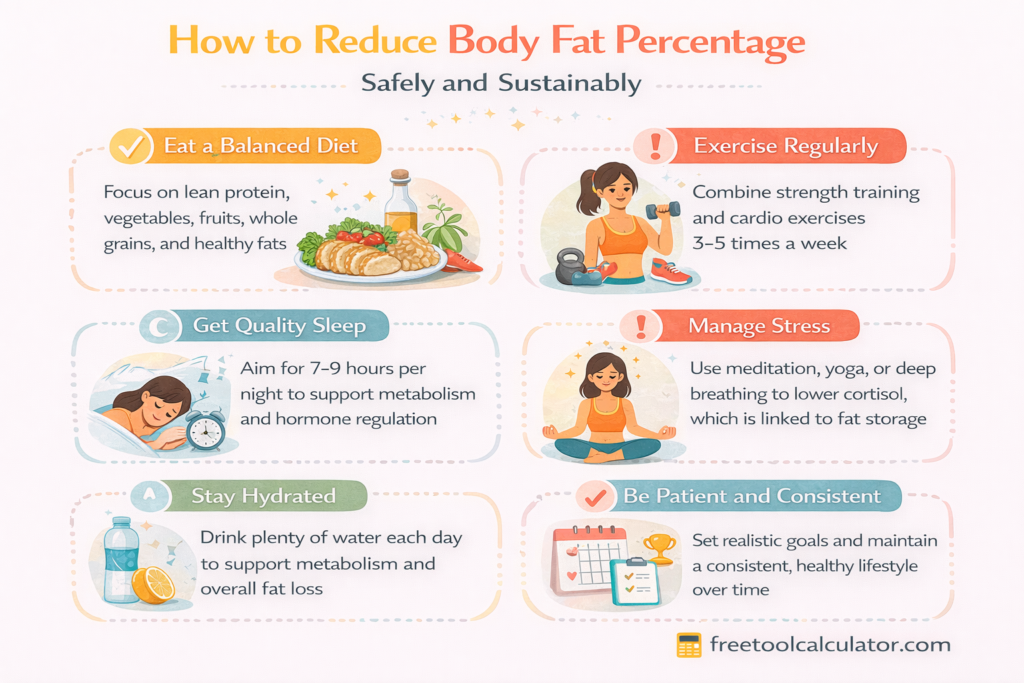
Tracking body fat percentage ensures that fat loss is prioritized while muscle is preserved through adequate protein intake and resistance training.
Cultural and Ethnic Differences
Different populations experience health risks at different BMI thresholds. Some ethnic groups develop metabolic disease at lower BMI values. Body fat percentage offers a more individualized assessment across diverse populations.
Psychological Impact of BMI
BMI categories can negatively affect body image and mental health. Individuals classified as overweight by BMI may be healthy and fit while others with normal BMI may overlook real health risks.
Body fat percentage provides a more objective and less stigmatizing measure of health.
When to Seek Medical Guidance
If BMI and body fat percentage results conflict or if there are symptoms such as fatigue unexplained weight changes or hormonal issues medical evaluation is recommended. Healthcare professionals consider multiple factors beyond simple metrics.
Conclusion
Body fat percentage and BMI serve different roles but when it comes to individual health assessment body fat percentage matters more. BMI offers a broad screening tool while body fat percentage reveals true body composition and metabolic risk. For the most accurate understanding of your health use both tools together. Calculate your BMI using https://freetoolcalculator.com/bmi-calculator/ and assess your body fat percentage using https://freetoolcalculator.com/body-fat-percentage-calculator/ to make informed evidence based health decisions. As a senior health doctor I recommend focusing on long term body composition trends rather than scale weight or BMI alone to support lasting health and wellbeing.