Gross Profit Calculator and Introduction
A Gross Profit Calculator is a simple business tool that helps you calculate gross profit from revenue and cost of goods sold, often called COGS. The main calculation is Revenue − COGS, which shows how much money remains after subtracting the direct cost of producing or purchasing the goods sold. This makes the gross profit calculator useful for business owners, accountants, students, sellers, and anyone who wants to understand basic profitability.
Many people search for how to calculate gross profit, how to calculate gross profit margin, or how to calculate gross profit percentage because these numbers are important in accounting and business analysis. Gross profit helps show whether a product, service, or business activity is earning enough above its direct costs. It does not include every expense, but it gives a helpful first view of profit performance.
This Gross Profit Calculator computes gross profit from revenue and COGS, then shows the gross profit margin percent, profit status, and a copy-ready summary instantly. It can be used for quick business checks, accounting homework, pricing reviews, income statement analysis, and general financial learning. The tool is designed to be easy for beginners while still using standard gross profit calculation methods.
What Is Gross Profit?
Gross profit is the amount left after subtracting the cost of goods sold from total revenue. Revenue means the money earned from sales, while COGS represents the direct cost of producing, buying, or delivering the goods or services sold. In simple terms, gross profit shows how much money remains before deducting operating expenses, taxes, interest, and other indirect costs.
The most common gross profit calculation formula is simple. Gross profit is calculated as revenue minus cost of goods sold. For example, if a business earns $10,000 in revenue and has $6,000 in COGS, the gross profit is $4,000. This result helps the business understand how much money is available to cover other expenses and possibly generate net profit.
Gross profit is an important accounting concept because it focuses on the relationship between sales and direct costs. It is often shown on an income statement near the top, after revenue and COGS. When people ask how to calculate gross profit from income statement data, they usually need to locate total revenue and cost of goods sold, then subtract COGS from revenue.
How the Gross Profit Calculator Works
Step 1: Enter Total Revenue
Start by entering total revenue, which is the amount earned from sales before subtracting costs. Revenue may come from selling products, services, subscriptions, or other business activities. For the most useful result, revenue should match the same period as the COGS value, such as one month, one quarter, or one year.
Step 2: Enter Cost of Goods Sold
Next, enter the cost of goods sold. COGS usually includes direct production costs, purchase costs, direct materials, direct labor, and other costs directly tied to the goods or services sold. It usually does not include office rent, marketing, administrative wages, or general business overhead.
Step 3: Calculate Gross Profit
The calculator subtracts COGS from revenue to calculate gross profit. This is the core gross profit formula calculation used in accounting and business analysis. If revenue is higher than COGS, the result is a positive gross profit. If COGS is higher than revenue, the result shows a gross loss.
Step 4: Calculate Gross Profit Margin
After calculating gross profit, the tool calculates gross profit margin percentage. This shows gross profit as a percentage of revenue. Gross profit margin makes it easier to compare profitability across products, businesses, or time periods, even when revenue amounts are different.
Gross Profit Formula Calculate Method
The standard formula to calculate gross profit is:
Gross Profit = Revenue − Cost of Goods Sold
This formula is widely used in accounting, business management, pricing decisions, and income statement analysis. When someone asks what is the calculation for gross profit, this is usually the answer they need. It is simple, but it provides useful insight into how efficiently sales are turning into profit before other expenses are considered.
For example, if a shop has $25,000 in revenue and $15,000 in cost of goods sold, the gross profit is $10,000. This means the shop has $10,000 remaining from sales after covering the direct cost of products sold. That amount still needs to cover other expenses before net profit can be calculated.
How to Calculate Gross Profit Margin
Gross profit margin is calculated by dividing gross profit by revenue and multiplying the result by 100. This gives a percentage that shows how much of each sales dollar remains after direct costs. When people ask how do you calculate gross profit margin, how calculate gross profit margin, or how gross profit margin is calculated, they are usually looking for this percentage formula.
Gross Profit Margin = (Gross Profit ÷ Revenue) × 100
For example, if revenue is $10,000 and gross profit is $4,000, the gross profit margin is 40%. This means 40 cents of every dollar of revenue remains after subtracting COGS. The gross profit margin calculator helps perform this calculation instantly and reduces the chance of formula mistakes.
How to Calculate Gross Profit Percentage
Gross profit percentage is another common way to describe gross profit margin. In many business and accounting contexts, gross profit percentage, gross profit percent, gross profit margin percentage, and gross profit rate refer to the same general idea. They show gross profit as a percentage of revenue.
The formula for calculating gross profit percentage is:
Gross Profit Percentage = (Gross Profit ÷ Revenue) × 100
If your revenue is $50,000 and your gross profit is $20,000, the gross profit percentage is 40%. A gross profit percentage calculator can quickly convert the raw profit amount into a percentage, making it easier to compare results across different products, stores, or reporting periods.
How to Calculate Gross Profit Ratio
The gross profit ratio is closely related to gross profit margin. It compares gross profit with revenue and is usually expressed as a percentage. The formula to calculate gross profit ratio is gross profit divided by net sales or revenue, multiplied by 100. This is commonly used in accounting to evaluate trading performance.
Gross Profit Ratio = (Gross Profit ÷ Revenue) × 100
For most practical purposes, gross profit ratio calculation and gross profit margin calculation use the same structure. A gross profit ratio calculator helps users understand how much profit is earned from sales before indirect expenses. This can be useful when reviewing pricing, supplier costs, inventory decisions, or changes in sales performance.
Gross Profit Rate Calculator Explanation
The gross profit rate is another term often used for gross profit margin or gross profit percentage. To calculate the gross profit rate, divide gross profit by revenue and multiply by 100. The rate of gross profit calculation is especially useful because a percentage is easier to compare than a raw dollar amount.
For example, a business with $5,000 gross profit on $20,000 revenue has a gross profit rate of 25%. Another business with $50,000 gross profit on $200,000 revenue also has a 25% gross profit rate. Even though the amounts are different, the margin performance is the same.
Gross Profit Calculation in Accounting
Gross profit calculation accounting is usually performed using figures from the income statement. The basic layout includes revenue at the top, followed by cost of goods sold, then gross profit. This makes the calculation of gross profit accounting straightforward when the correct figures are available.
To calculate gross profit accounting results, identify total sales revenue and COGS for the same reporting period. Subtract COGS from revenue. Then, if needed, calculate gross profit margin ratio by dividing gross profit by revenue and multiplying by 100. This helps evaluate how well the business controls direct costs compared with sales.
When someone asks how do you calculate gross profit in accounting, the answer is to use revenue and cost of goods sold from the accounting records. It is important not to confuse gross profit with net profit. Gross profit does not subtract operating expenses, financing costs, taxes, or other indirect expenses.
How to Calculate Gross Profit from Income Statement
To calculate gross profit from an income statement, locate revenue or net sales and cost of goods sold. These are usually near the top of the income statement. Subtract cost of goods sold from revenue to calculate gross profit. If the income statement already lists gross profit, you can use that figure directly for margin calculations.
For example, an income statement may show sales revenue of $120,000 and COGS of $72,000. The gross profit is $48,000. To calculate gross profit margin percentage, divide $48,000 by $120,000 and multiply by 100, which equals 40%.
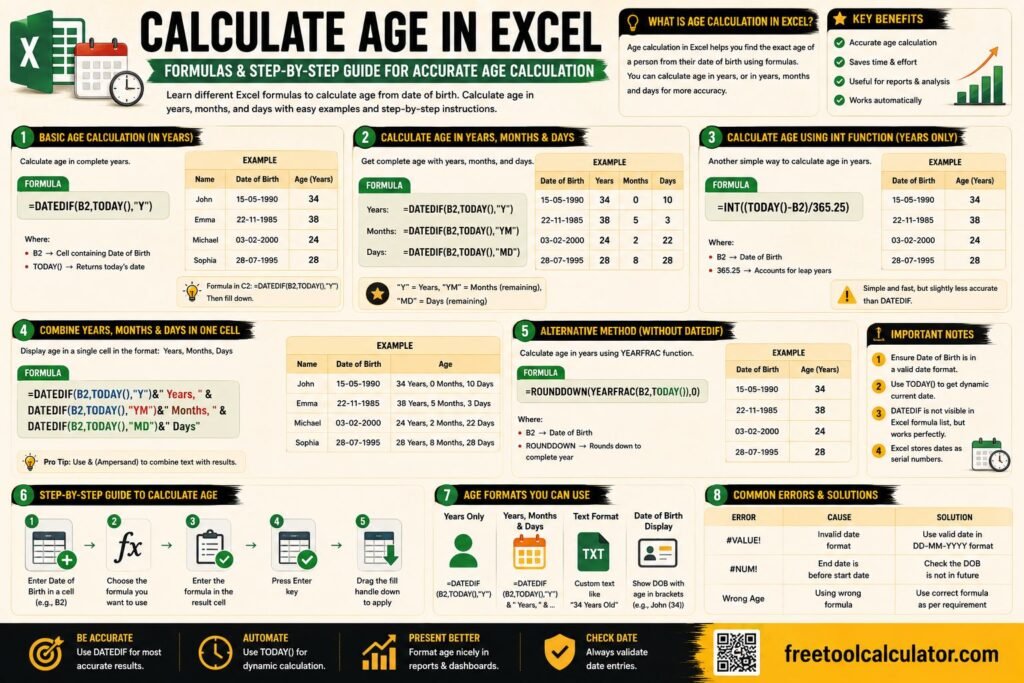
How to Calculate Gross Profit Margin in Excel
To calculate gross profit margin in Excel, place revenue in one cell and COGS in another cell. For example, if revenue is in cell A2 and COGS is in cell B2, gross profit can be calculated with this formula:
=A2-B2
To calculate gross profit margin percentage in Excel, use:
=(A2-B2)/A2
Then format the result as a percentage. This creates a simple gross profit margin calculator Excel setup. You can also build a gross profit calculator formula in Excel by adding labels for revenue, COGS, gross profit, and margin percentage. This is useful for comparing multiple products or monthly business results.
How to Calculate Gross Profit Using FIFO
FIFO means first in, first out. It is an inventory costing method where the earliest purchased inventory is treated as sold first. To calculate gross profit using FIFO, first calculate COGS based on the cost of the oldest inventory units sold. Then subtract that FIFO-based COGS from revenue.
For example, if older inventory costs less than newer inventory, FIFO may produce a lower COGS and a higher gross profit during periods of rising costs. The exact result depends on purchase prices, sales quantities, and inventory records. A general gross profit calculator can calculate the final gross profit once revenue and FIFO-based COGS are known.
Gross Profit Calculator Example
Suppose a business sells products for total revenue of $18,000. The direct cost of buying or producing those products is $11,700. To calculate gross profit, subtract $11,700 from $18,000. The gross profit is $6,300.
Revenue = 18,000
COGS = 11,700
Gross Profit = 18,000 − 11,700 = 6,300
To calculate the gross profit margin, divide $6,300 by $18,000 and multiply by 100. The gross profit margin is 35%. A gross profit margin percentage calculator performs these steps automatically and presents the results in an easy-to-read format.
Why This Tool Is Useful
Quick Profit Measurement
The gross profit calculator helps users calculate gross profit quickly without writing out formulas every time. This is useful for business owners who need fast answers when reviewing sales, product costs, or pricing decisions. It also helps beginners learn the calculation through repeated use.
Better Margin Understanding
Calculating gross profit margin shows how much revenue remains after direct costs. This percentage is often more useful than the gross profit amount alone because it allows comparison between different products, periods, or businesses. A margin gross profit calculator makes this comparison easier.
Helpful for Accounting and Learning
Students and small business owners often use gross profit calculation accounting examples to understand income statements. The calculator supports learning by showing both the profit amount and the percentage result. This helps connect formulas with real business meaning.
Common Uses of a Gross Profit Calculator
- Calculating gross profit from revenue and COGS.
- Estimating gross profit margin percentage.
- Checking product profitability before pricing decisions.
- Reviewing income statement performance.
- Comparing gross profit ratios across months or years.
- Learning accounting formulas for business classes.
- Creating quick summaries for reports or notes.
- Testing different revenue and COGS scenarios.
- Building a simple gross profit margin calculator Excel sheet.
- Understanding whether sales are covering direct product costs.
Applications of Gross Profit Calculation
Gross profit calculation is used in retail, manufacturing, e-commerce, restaurants, wholesale businesses, service businesses, and many other industries. Any business that tracks revenue and direct costs can use gross profit to better understand performance. The calculation is especially important where product cost, material cost, or inventory cost changes frequently.
Business owners may use gross profit margin calculation before changing prices, negotiating supplier contracts, or launching new products. Accountants may use the calculation when preparing financial statements. Students may use it to understand accounting basics. Sellers may use it to compare different products and identify which items produce stronger margins.
Understanding Related Concepts
Revenue
Revenue is the total amount earned from sales before deducting expenses. It is the starting point for calculating gross profit. Revenue should usually match the same time period as COGS to avoid inaccurate results.
Cost of Goods Sold
Cost of goods sold includes the direct costs connected to the goods or services sold. This may include materials, inventory purchase cost, direct labor, packaging, and production costs depending on the business type.
Gross Profit
Gross profit is revenue minus COGS. It shows how much money remains after direct sales costs but before operating expenses and other costs are deducted.
Gross Profit Margin
Gross profit margin is gross profit divided by revenue, multiplied by 100. It expresses gross profit as a percentage and helps compare profitability more clearly.
Gross Profit Ratio
Gross profit ratio is another way to describe gross profit margin percentage. It is often used in accounting analysis to evaluate trading efficiency and cost control.
Popular Methods for Calculating Gross Profit
Manual Formula Method
The manual method uses the formula Revenue − COGS. This is useful for learning and simple calculations. However, it can become repetitive when calculating several products or time periods.
Online Gross Profit Calculator
An online gross profit calculator lets users enter revenue and COGS, then instantly view gross profit and margin percentage. This saves time and reduces basic calculation errors.
Excel Calculator Method
A gross profit margin calculator Excel sheet can be useful for repeated calculations. Users can create columns for revenue, COGS, gross profit, and gross profit margin percentage.
Accounting Software Method
Many accounting systems calculate gross profit from recorded sales and inventory costs. This is useful for businesses that need ongoing reports and detailed financial tracking.
Who Uses This Tool?
- Small business owners reviewing product profitability.
- Accountants preparing financial summaries.
- Students learning gross profit formula calculations.
- E-commerce sellers checking item margins.
- Retail managers comparing product performance.
- Manufacturers reviewing production costs.
- Restaurant owners estimating food cost performance.
- Freelancers and consultants learning basic business finance.
- Financial analysts reviewing income statement trends.
- Teachers explaining accounting formulas in simple terms.
Benefits of Using a Gross Profit Calculator
- Calculates gross profit quickly from revenue and COGS.
- Shows gross profit margin percentage instantly.
- Helps users understand gross profit ratio calculation.
- Supports pricing and cost review decisions.
- Useful for accounting education and business learning.
- Reduces manual formula mistakes.
- Provides a simple summary that can be copied into reports.
- Works for different business types and sales scenarios.
Common Mistakes When Calculating Gross Profit
Confusing Gross Profit with Net Profit
Gross profit is not the same as net profit. Gross profit only subtracts COGS from revenue. Net profit subtracts additional expenses such as rent, salaries, marketing, interest, and taxes.
Using the Wrong COGS Value
COGS should include direct costs related to the goods or services sold. If unrelated expenses are included, the gross profit calculation may become misleading. Keeping direct costs separate from operating expenses improves accuracy.
Comparing Different Time Periods
Revenue and COGS should belong to the same time period. Comparing one month of revenue with two months of COGS can distort gross profit and margin results.
Forgetting to Convert Margin into Percentage
Gross profit margin is usually shown as a percentage. After dividing gross profit by revenue, multiply by 100 or format the result as a percentage in Excel.
Frequently Asked Questions
How to calculate gross profit?
To calculate gross profit, subtract cost of goods sold from revenue. The formula is Gross Profit = Revenue − COGS. This shows how much money remains after direct product or service costs are deducted.
How do you calculate gross profit?
You calculate gross profit by taking total sales revenue and subtracting the direct costs related to the goods sold. For example, if revenue is $8,000 and COGS is $5,000, gross profit is $3,000. This is a standard accounting calculation.
How is gross profit calculated?
Gross profit is calculated as revenue minus cost of goods sold. The result shows profit before operating expenses, taxes, and other indirect costs. It is commonly shown on an income statement.
How to calculate gross profit margin?
To calculate gross profit margin, divide gross profit by revenue and multiply by 100. This gives the margin percentage. For example, $4,000 gross profit divided by $10,000 revenue equals 40%.
How do you calculate gross profit margin?
First calculate gross profit by subtracting COGS from revenue. Then divide gross profit by revenue and multiply by 100. This gives the gross profit margin percentage.
How to calculate gross profit percentage?
Gross profit percentage is calculated by dividing gross profit by revenue and multiplying the result by 100. It shows what percentage of revenue remains after direct costs. It is also called gross profit margin percentage.
How do you calculate gross profit percentage?
Use the formula Gross Profit Percentage = Gross Profit ÷ Revenue × 100. If gross profit is $2,500 and revenue is $10,000, the gross profit percentage is 25%. This helps compare profitability between periods.
How to calculate gross profit ratio?
Gross profit ratio is calculated by dividing gross profit by revenue and multiplying by 100. It is usually expressed as a percentage. This ratio helps measure how efficiently sales generate gross profit.
How do you calculate gross profit ratio?
To calculate gross profit ratio, use gross profit as the numerator and revenue as the denominator. Multiply the result by 100 to convert it into a percentage. The formula is the same as gross profit margin in many practical cases.
What is the calculation for gross profit?
The calculation for gross profit is revenue minus cost of goods sold. This is one of the most common formulas in accounting. It helps determine how much remains after direct sales costs are removed.
How to calculate gross profit accounting?
In accounting, gross profit is calculated using revenue and COGS from the income statement. Subtract COGS from revenue to get gross profit. Then use gross profit to calculate margin, ratio, or percentage if needed.
How do you calculate gross profit in accounting?
Accountants calculate gross profit by subtracting cost of goods sold from net sales or revenue. The result is shown before operating expenses. It helps evaluate trading performance and direct cost control.
How to calculate gross profit margin percentage?
Calculate gross profit first, then divide it by revenue and multiply by 100. This gives the gross profit margin percentage. A calculator can perform this automatically using revenue and COGS inputs.
How to calculate gross profit margin ratio?
The gross profit margin ratio is calculated by dividing gross profit by revenue. The result may be shown as a decimal or percentage. Multiplying by 100 makes it easier to read as a percentage.
How to calculate gross profit margin in Excel?
In Excel, subtract COGS from revenue to calculate gross profit. Then divide gross profit by revenue to calculate margin. Format the result as a percentage for a clear gross profit margin calculator Excel result.
How to calculate gross profit from income statement?
Find revenue or net sales on the income statement, then find cost of goods sold. Subtract COGS from revenue to calculate gross profit. If gross profit is already listed, use it directly for margin calculations.
How to calculate gross profit using FIFO?
When using FIFO, calculate COGS based on the earliest inventory costs first. Then subtract that FIFO-based COGS from revenue. The gross profit result depends on inventory purchase costs and sales quantities.
What does gross profit is calculated as mean?
The phrase means gross profit is found by subtracting cost of goods sold from revenue. It describes the basic formula used to measure profit before operating expenses. This is commonly used in accounting and business reports.
What is a gross profit percentage calculator?
A gross profit percentage calculator converts gross profit into a percentage of revenue. It helps users understand margin performance more clearly. This is useful when comparing products, periods, or business units.
What is a gross profit ratio calculator?
A gross profit ratio calculator divides gross profit by revenue and shows the result as a percentage. It helps evaluate how much of revenue remains after direct costs. This ratio is commonly used in accounting analysis.
What is a gross profit rate calculator?
A gross profit rate calculator measures gross profit as a percentage of revenue. Gross profit rate, gross profit percentage, and gross profit margin are often used similarly. The result helps assess pricing and cost efficiency.
Can I calculate gross profit calculator results manually?
Yes. You can calculate gross profit manually by subtracting COGS from revenue. However, using a calculator is faster and helps avoid simple arithmetic errors. It also provides margin percentage instantly.
Why Trust This Tool?
This Gross Profit Calculator uses standard accounting formulas that are widely accepted in business education, financial reporting, and income statement analysis. The gross profit calculation formula, gross profit margin calculation formula, and gross profit ratio calculation are based on commonly used accounting methods.
The tool is designed for educational and practical business use. It does not promise that a business is healthy or profitable overall because gross profit is only one part of financial analysis. Users should also consider operating expenses, cash flow, taxes, debt, and other financial details when making major business decisions.
By using transparent formulas and simple inputs, the calculator helps users understand how gross profit, gross profit margin, gross profit percentage, and gross profit ratio are calculated. This makes it useful for beginners, students, small businesses, and anyone who needs a quick and understandable calculation.
Get Started Today
Use this Gross Profit Calculator to calculate gross profit, calculate gross profit margin, and understand your gross profit percentage from revenue and COGS. Whether you are learning accounting, reviewing an income statement, checking product profitability, or building a simple gross profit margin calculator Excel sheet, this tool provides a fast and clear way to work with essential business numbers.
Enter your revenue and cost of goods sold to calculate gross profit instantly. The calculator will help you see the profit amount, margin percent, and overall profit status in a simple format. With clear formulas and beginner-friendly results, it is a useful resource for anyone who wants to understand gross profit and gross profit margin more confidently.