UTC vs GMT: What’s the Difference?

UTC vs GMT Time Zones Explained with Examples

Quick answer: UTC and GMT usually display the same clock time, but they describe different concepts. UTC is the international time standard used as the reference for civil time, while GMT is a time zone based on the Greenwich meridian and is also used as a time-zone label.

UTC vs GMT at a Glance

UTCGMT
International time standardTime-zone designation
Reference for UTC offsetsNormally equivalent to UTC+0 for civil clock time
Does not observe daylight saving timeGMT itself does not shift; places may switch to another zone such as BST seasonally

What Is UTC?

Coordinated Universal Time (UTC) is the basis for coordinated civil time worldwide. Local time zones are commonly expressed as offsets from UTC, such as UTC+5 or UTC−4.

What Is GMT?

Greenwich Mean Time (GMT) is associated with the mean solar time at the Greenwich meridian and is used as a time-zone designation. For ordinary civil time conversion, GMT corresponds to UTC+0, so a clock showing 12:00 UTC and one showing 12:00 GMT normally display the same hour.

Why Are UTC and GMT Treated Differently?

The distinction is about definition rather than the everyday clock reading. UTC is maintained as an atomic-time-based standard with leap seconds used to keep it close to Earth-rotation time. GMT is historically tied to mean solar time and is used today as a zone name.

UTC Offset Examples

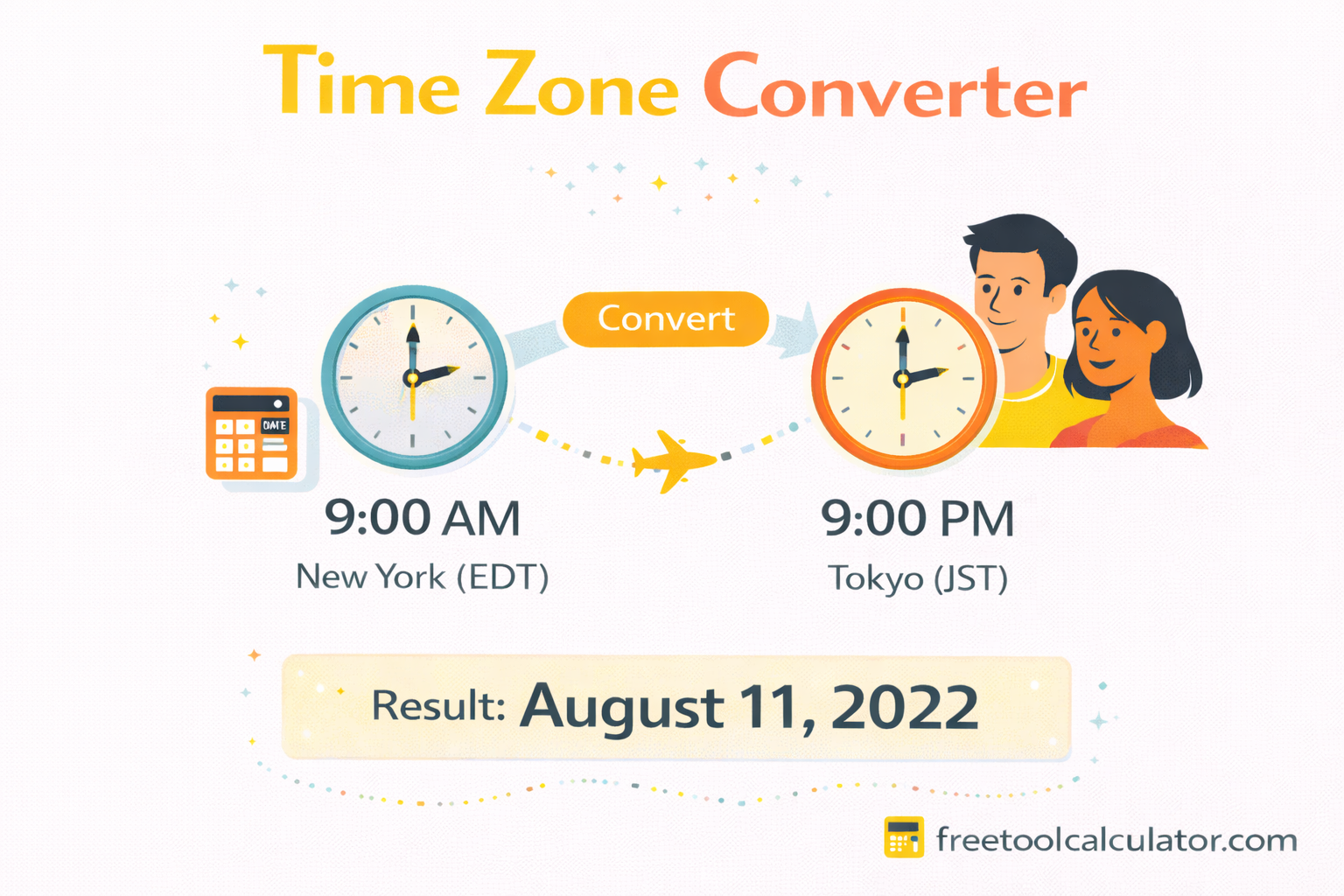
If the time is 12:00 UTC, a location currently observing UTC+5 would show 17:00, while a location observing UTC−4 would show 08:00. The word currently matters because some locations change their UTC offset during daylight-saving transitions.

GMT and Daylight Saving Time

GMT itself does not “move forward.” Instead, a region can use a different time-zone designation during part of the year. The United Kingdom, for example, uses GMT in winter and British Summer Time (BST, UTC+1) during its daylight-saving period.

When Should You Use UTC?

  • Coordinating events across multiple time zones.
  • Logging timestamps in software and infrastructure.
  • Publishing schedules for an international audience.
  • Storing a consistent reference time before converting to a user’s local zone.

Frequently Asked Questions

Is UTC the same time as GMT?

For normal clock-time conversion, both correspond to zero offset, so their displayed hour is normally the same. Technically, UTC is a time standard and GMT is a time-zone designation.

Does UTC use daylight saving time?

No. UTC itself does not change seasonally.

Is GMT always the UK time?

No. The UK observes GMT during part of the year and BST (UTC+1) during its daylight-saving period.

Last reviewed: October 2026. Time-zone rules can change, so current local conversions should use an up-to-date time-zone database.
Share this article:

On This Page

Subscribe to our newsletter

Read the latest articles from our experts

Related Posts

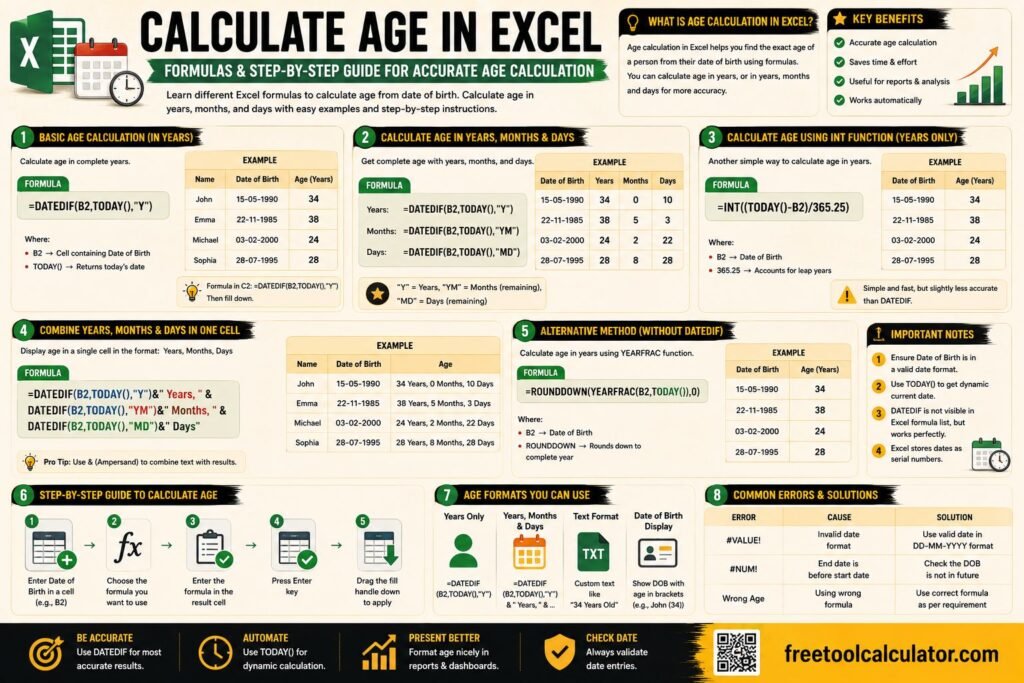
Calculate Age in Excel: Formulas & Step-by-Step Guide for Accurate Age Calculation

Calculate Age in Excel: Formulas & Step-by-Step Guide for Accurate Age Calculation

Learn how to calculate age in Excel using date of birth formulas, DATEDIF, TODAY, YEARFRAC, and custom spreadsheet methods. This guide explains simple and advanced Excel age formulas with examples, helping you calculate completed years, months, days, and accurate ages for reports, records, and data analysis.

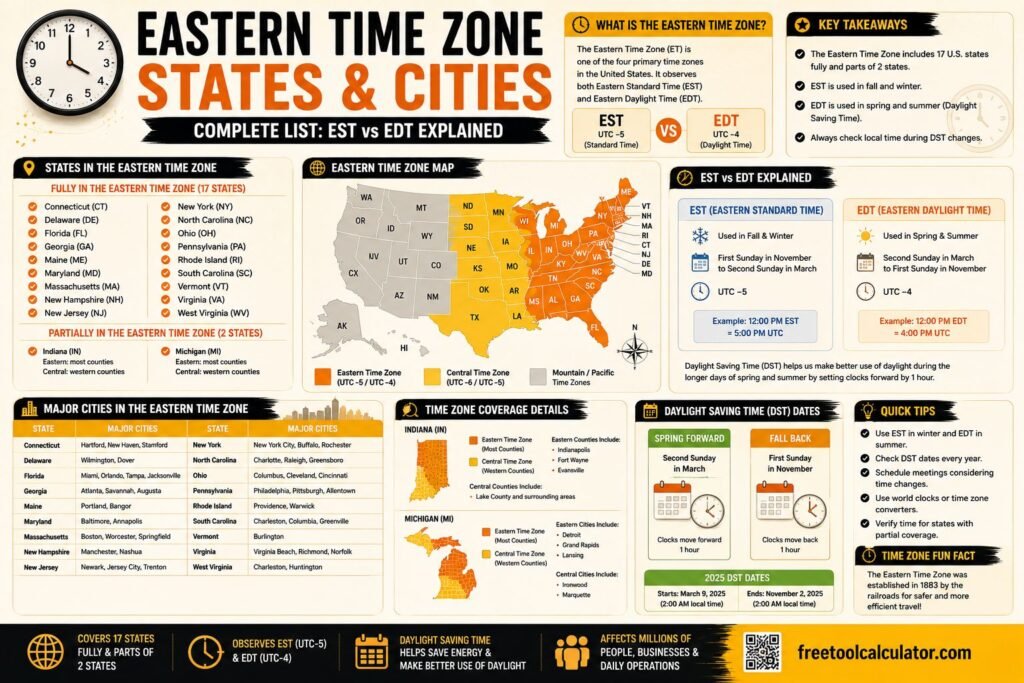
Eastern Time Zone States & Cities (Complete List) EST vs EDT Explained

Eastern Time Zone States & Cities (Complete List): EST vs EDT Explained

The Eastern Time Zone covers a large portion of the United States, including many of its most populated states and cities. This guide explains which states use Eastern Time, how Daylight Saving Time affects the region, and answers common questions about Ohio, Michigan, Maryland, North Carolina, and other eastern states.

How Time Zones Work Global Offsets DST and Conversions

How Time Zones Work: UTC Offsets, DST and Conversions

Time zones affect travel business communication and daily scheduling more than most people realize. This guide explains how time zones are structured why offsets exist how DST creates confusion and how to accurately convert time between cities using a reliable time zone converter.

How to Use a Subtract From Date Calculator for Accurate Past Date Results

How to Use a Subtract From Date Calculator for Accurate Past Date Results

Learn how to determine past dates by subtracting days weeks months or years from a given date using a Subtract From Date Calculator. This guide explains practical use cases manual methods step by step instructions and why automated tools ensure accurate results without complex date math.

Date Time Difference Calculator Measures

Date Time Difference Calculator Explained with Real Use Cases

Understanding time gaps between two moments is essential for planning billing and tracking progress. This article explains how a Date Time Difference Calculator works real life use cases differences between date and time calculations and why automated tools are more reliable than manual methods.

How to Use a Date Time Difference Calculator for Accurate Time Comparison

How to Calculate the Difference Between Two Dates and Times

Learn how to calculate time differences between dates and times accurately using a Date Time Difference Calculator. This guide explains practical use cases manual methods key formulas and tips to handle hours minutes and seconds differences quickly and without errors.

Add to Date Calculator Explained Date Math Made Simple

Add to Date Calculator Explained Date Math Made Simple

Calculating future and past dates accurately is essential for planning deadlines events and schedules. This guide explains how an Add to Date Calculator works explores real life use cases date math logic leap year handling and alternative calculation methods to help you confidently add days months or years to any date.

Add to Date Calculator

How to Use an Add to Date Calculator for Date Calculations

Learn how to use an Add to Date Calculator to quickly find future or past dates by adding days weeks months or years. This expert guide explains common use cases formulas spreadsheet methods and practical examples with tips to avoid common errors and boost productivity.

Tools & Resources

Explore our collection of professional tools designed to streamline your workflow

Report a Bug