What Is the 3-3-3 Rule for Weight Loss?
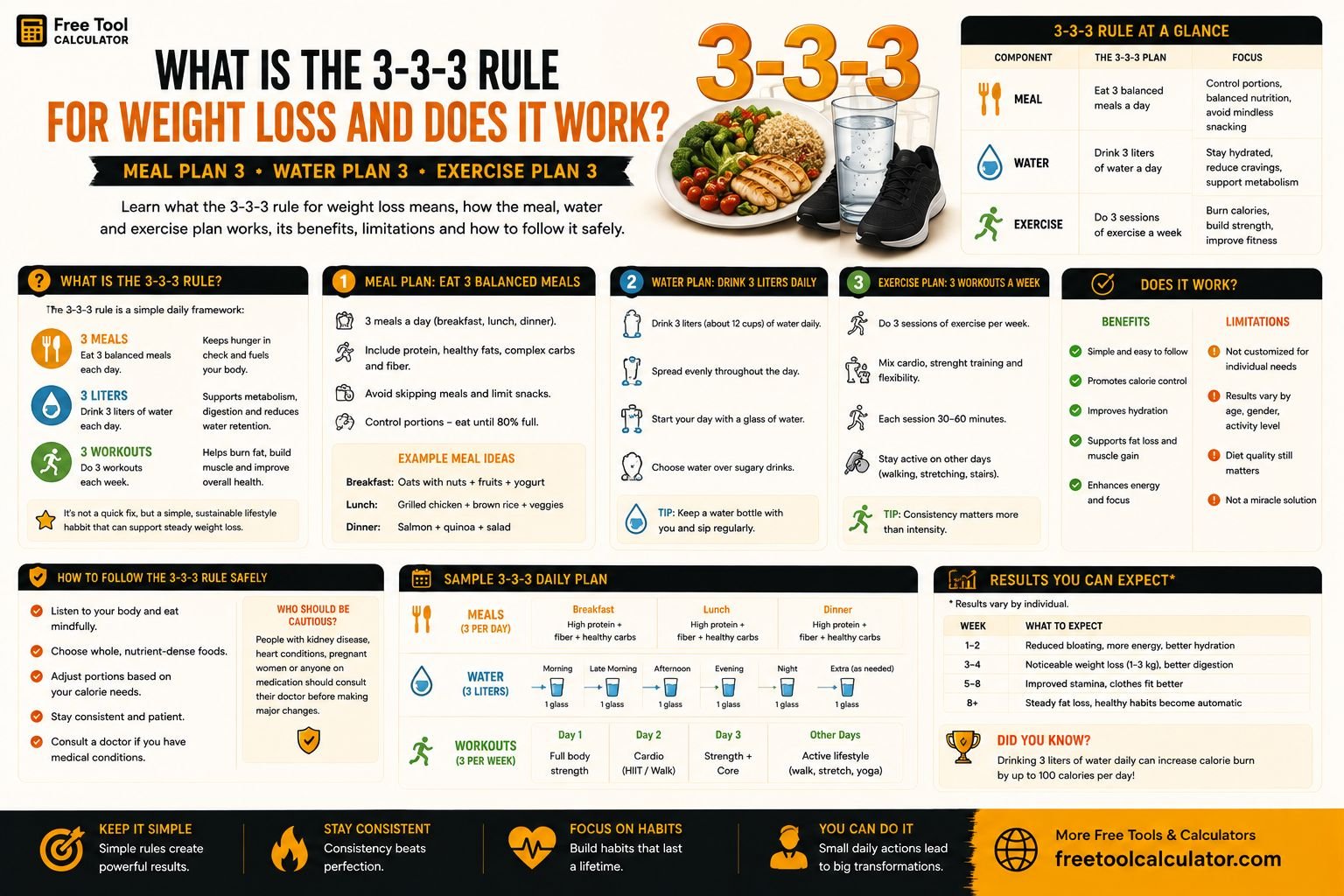
The 3-3-3 rule for weight loss is a simple habit-based approach designed to make healthy eating, hydration and physical activity easier to remember. However, there is no single medically standardized version of the rule. Different websites, coaches and social media creators use the term to describe slightly different routines.
One commonly promoted version recommends eating three balanced meals each day, drinking approximately three bottles of water by the afternoon and completing around three hours of physical activity each week. Another version encourages three balanced meals spaced approximately three hours apart, while some newer social media versions focus on completing three healthy actions before midday.
Because the 3-3-3 rule is not an official clinical diet, it should be treated as a flexible behavior framework rather than a scientifically proven formula. Its potential benefit comes from encouraging consistency, meal planning, hydration and regular movement. It does not cause fat loss through a special metabolic effect.
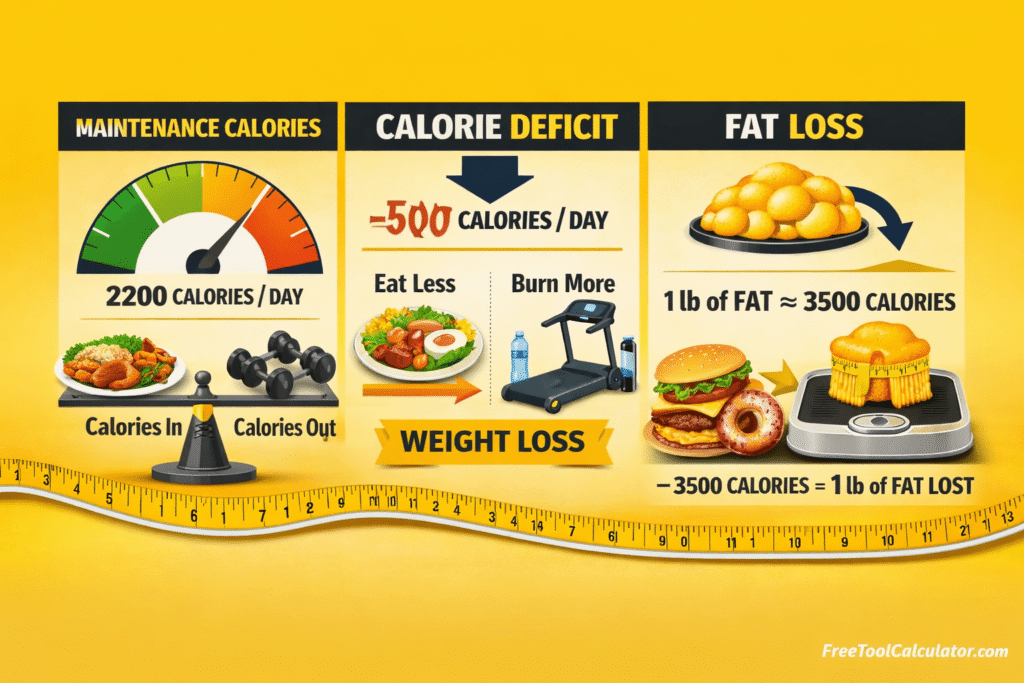
Weight loss still depends mainly on maintaining an energy deficit over time. This means consuming fewer calories than the body uses. Research reviews consistently identify sustained energy restriction as the primary factor responsible for weight loss, regardless of whether a diet is low in carbohydrates, low in fat or organized around a numbered rule.
The 3-3-3 method may help some people create that deficit by reducing unplanned snacks, improving meal structure and encouraging exercise. However, it can also fail when the three meals contain more calories than the person needs or when the rules are followed too rigidly.
This guide explains the different meanings of the 3-3-3 rule, how it may support weight loss, how to follow it safely, what to eat, common mistakes and whether the method is suitable for long-term weight management.
What Does the 3-3-3 Rule Mean?
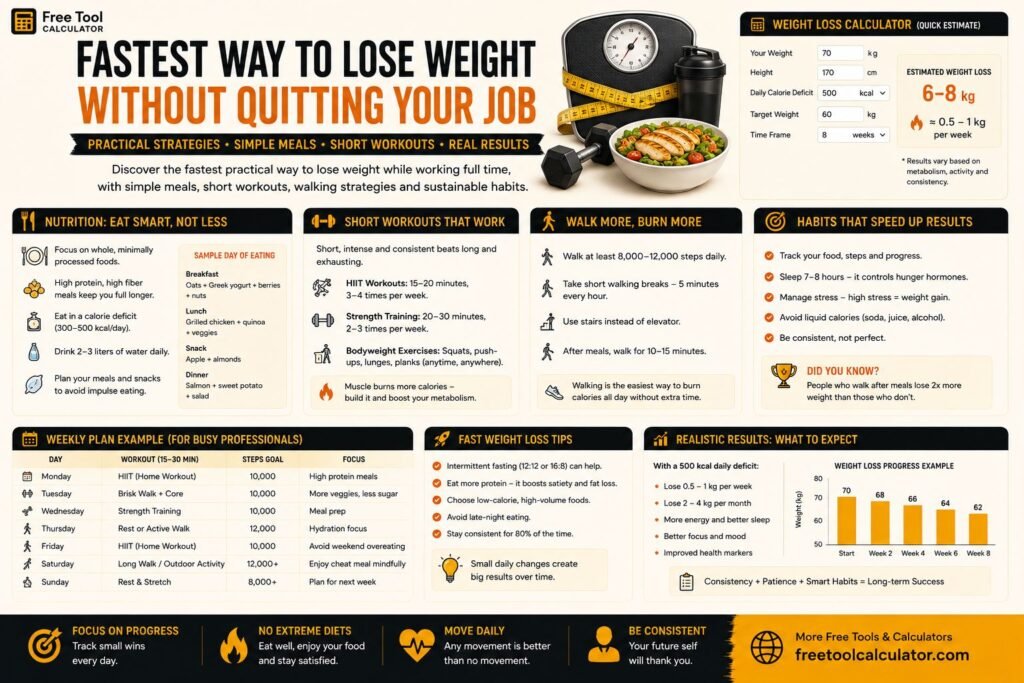
The most practical version of the 3-3-3 rule includes three daily meals, three bottles or planned portions of water and three hours of exercise or purposeful physical activity each week.
Three Balanced Meals Per Day
The first part of the rule recommends eating three structured meals instead of grazing continuously throughout the day. Each meal should ideally contain a source of protein, vegetables or fruit, an appropriate portion of carbohydrate and a controlled amount of fat.
Three meals may help some people manage hunger and reduce mindless snacking. However, there is nothing medically necessary about eating exactly three times per day. Some people feel better with two larger meals, while others need three meals and one planned snack.
The total amount and quality of food consumed are more important than the number three itself.
Three Bottles of Water
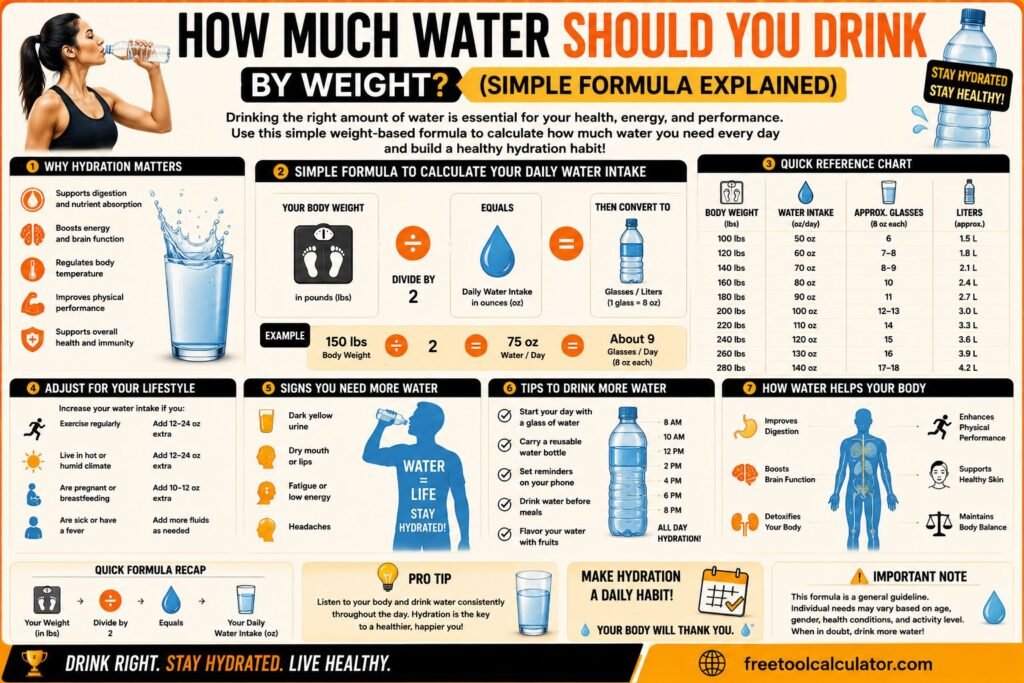
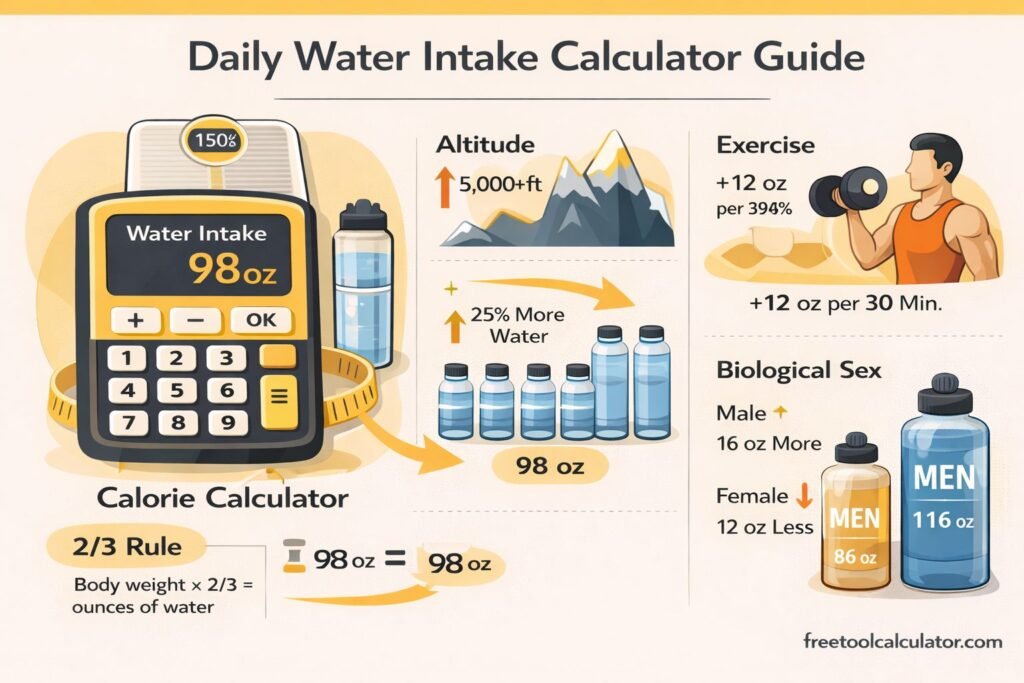
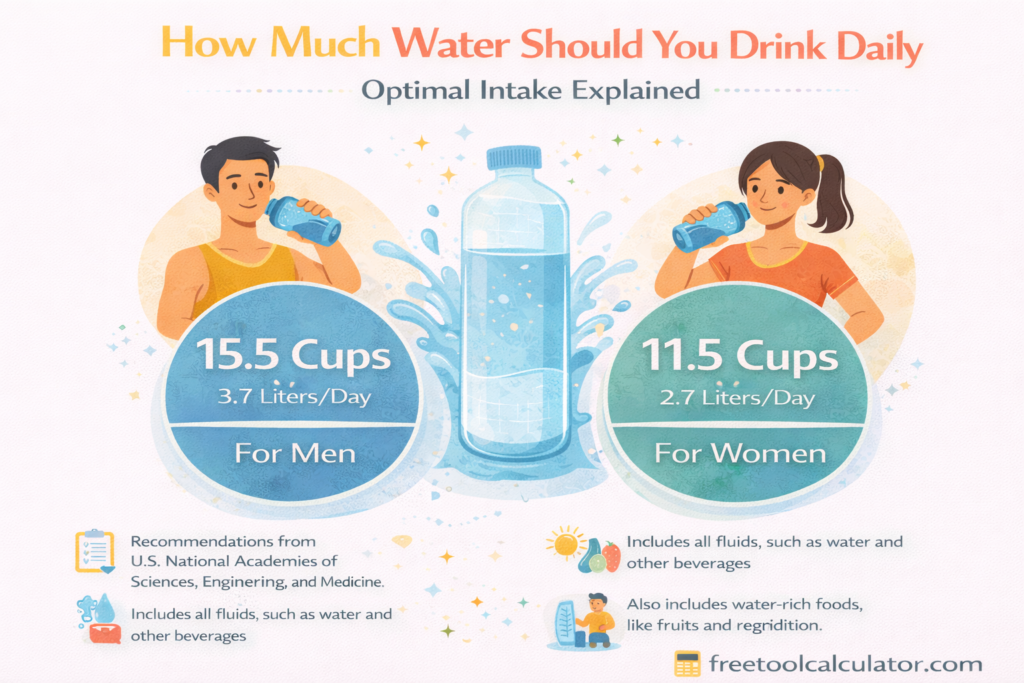
The second part encourages regular hydration. Depending on bottle size, three bottles may provide approximately 1.5 to 2 liters of fluid.
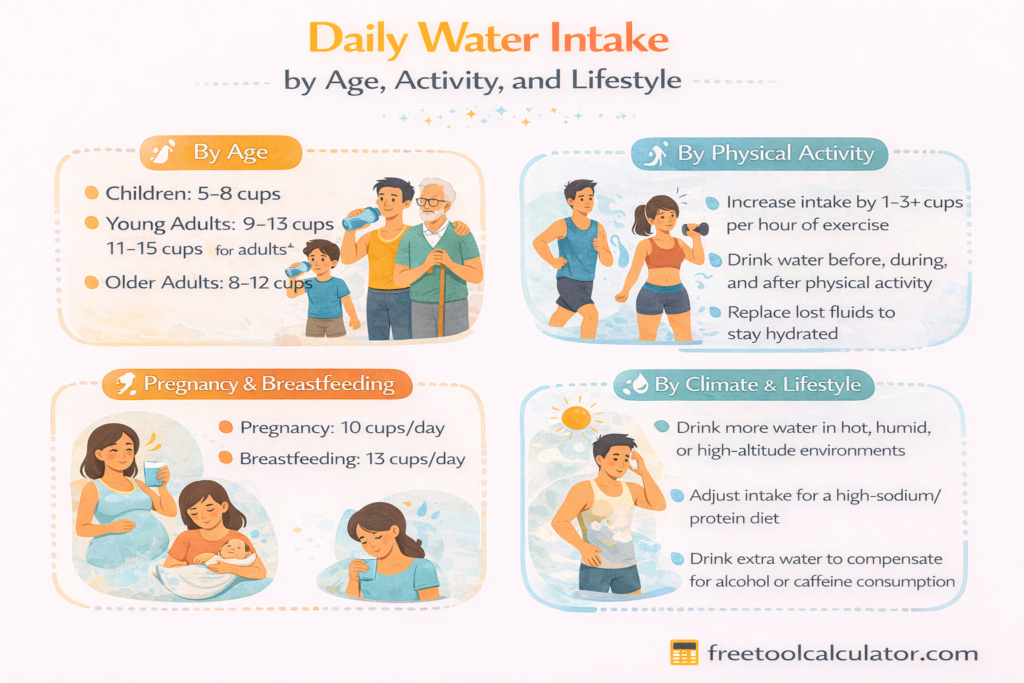
This is not a universal hydration prescription. Fluid needs vary according to body size, climate, physical activity, pregnancy, breastfeeding, illness, kidney function and the amount of fluid obtained through food and other drinks.
Water may support weight-loss efforts when it replaces sugary drinks, sweetened coffee, juice or alcohol. It does not directly burn body fat.
Three Hours of Physical Activity Per Week
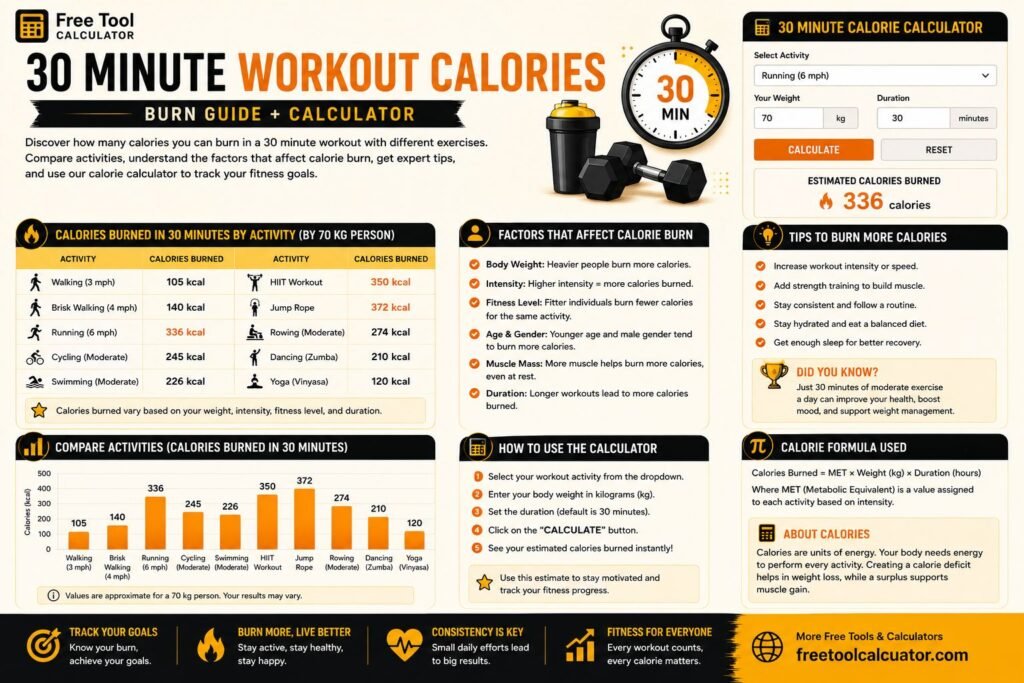
The third part recommends approximately three hours of weekly exercise. This equals 180 minutes, which fits within commonly recommended physical activity ranges for adults.
The activity can be divided across the week. For example, a person could complete six 30-minute walks, three 60-minute sessions or a mixture of walking, cycling, swimming and strength training.
Physical activity can support calorie expenditure, cardiovascular health, fitness and weight maintenance. Exercise is generally most effective for weight management when combined with an appropriate eating pattern.
Other Versions of the 3-3-3 Weight-Loss Rule
The phrase 3-3-3 rule is used inconsistently online. Understanding the different versions can prevent confusion.
Three Meals Spaced Three Hours Apart
Some versions recommend eating three balanced meals with approximately three hours between eating occasions. The intention is to create a predictable routine and reduce constant snacking.
There is no evidence that eating exactly every three hours speeds metabolism or causes greater fat loss independently of calorie intake. Meal timing may affect hunger and convenience, but the body does not stop burning calories when meals are spaced differently.
This version can also be impractical. Three meals spaced only three hours apart would be completed within a relatively short part of the day unless snacks or longer gaps are added.
Three Thousand Steps, Protein and Water Before Noon
A related trend, often called the 3×3 or 3×3 by 12 rule, recommends walking 3,000 steps, consuming around 30 grams of protein and drinking approximately one-third of daily water intake before noon.
This version became popular through social media as a morning wellness routine. Dietitians have noted that walking, hydration and adequate protein can be useful habits, but the strict midday deadline is not essential. The same behaviors can provide benefits when completed at times that suit the individual’s schedule.
Three Liters of Water, Three Thousand Steps and Protein
Some online sources use the name for a daily target involving protein, steps and three liters of water. This version should be approached cautiously because three liters may be unnecessary or inappropriate for some individuals, and 3,000 total daily steps may be too low for many otherwise healthy adults.
No single version has been established as the official 3-3-3 diet. A person should therefore focus on the useful principles rather than following a viral formula without considering personal needs.
Does the 3-3-3 Rule Actually Help You Lose Weight?
The 3-3-3 rule may help with weight loss when it leads to a sustainable calorie deficit. It may be especially useful for people whose current routine involves frequent snacking, sugary drinks, irregular meals and very little movement.
For example, replacing several daily snacks with three filling meals may reduce calorie intake. Drinking water instead of sweetened beverages may create an additional reduction. Completing three hours of weekly activity may increase energy expenditure.
However, the rule does not guarantee weight loss. A person can eat three balanced-looking meals that still contain more calories than their body uses. Large portions, cooking oils, creamy sauces, desserts, alcohol and high-calorie drinks can prevent a deficit even when the basic rule is followed.
The method should therefore be viewed as an organizational tool. It may improve the behaviors that support weight loss, but it does not replace portion awareness or individualized nutrition.
Why the 3-3-3 Method May Work for Some People
It Simplifies Decision-Making
Complicated diets often fail because they require constant tracking, unusual foods or numerous restrictions. The 3-3-3 method gives people a small number of daily and weekly targets.
Simplicity can make a routine easier to repeat during work, family responsibilities and social events.
It Creates Meal Structure
Eating at planned times may reduce impulsive food decisions. A person who knows what they will eat for breakfast, lunch and dinner may be less likely to buy pastries, fast food or vending-machine snacks.
It Encourages Hydration
People sometimes mistake thirst, boredom or habit for hunger. Having water available may reduce unnecessary eating and replace calorie-containing beverages.
It Promotes Regular Exercise
Three hours of weekly movement provides a clear and flexible target. A person can divide the activity into manageable sessions instead of believing that every workout must be long or intense.
It Focuses on Consistency
Weight loss is usually produced by repeated habits rather than one perfect meal or workout. A simple structure may help a beginner maintain the same behaviors for several weeks.
What the 3-3-3 Rule Does Not Do
The rule does not increase metabolism through a unique biological mechanism. It does not detoxify the body, target belly fat or guarantee rapid weight loss.
It also does not determine an appropriate calorie intake, protein requirement, portion size or exercise intensity. Two people can follow the same rule while consuming very different amounts of food.
A person who eats three restaurant meals, drinks three bottles of water and walks three hours per week may still gain weight when total calorie intake remains too high.
The rule should not be marketed as a replacement for medical care, especially for people with obesity, diabetes, eating disorders, hormonal conditions or medication-related weight gain.
How to Follow the 3-3-3 Rule Safely
Choose Three Satisfying Meals
Each meal should contain enough food to prevent extreme hunger without creating oversized portions. A useful structure includes protein, high-fiber plant foods and a measured amount of calorie-dense ingredients.
A plate might include approximately half vegetables, a suitable serving of protein and a controlled portion of rice, bread, potatoes or another carbohydrate. The exact proportions can be adjusted for individual energy needs and cultural preferences.
Drink Water Across the Day
Do not force three bottles within a short period. Spread fluids throughout the day and use thirst, urine color, climate and activity as general guides.
People with kidney, heart or liver conditions may receive specific fluid instructions and should not adopt a high-water routine without medical advice.
Divide Exercise Across the Week
Three hours does not need to be completed at once. A beginner might start with 20 to 30 minutes on most days.
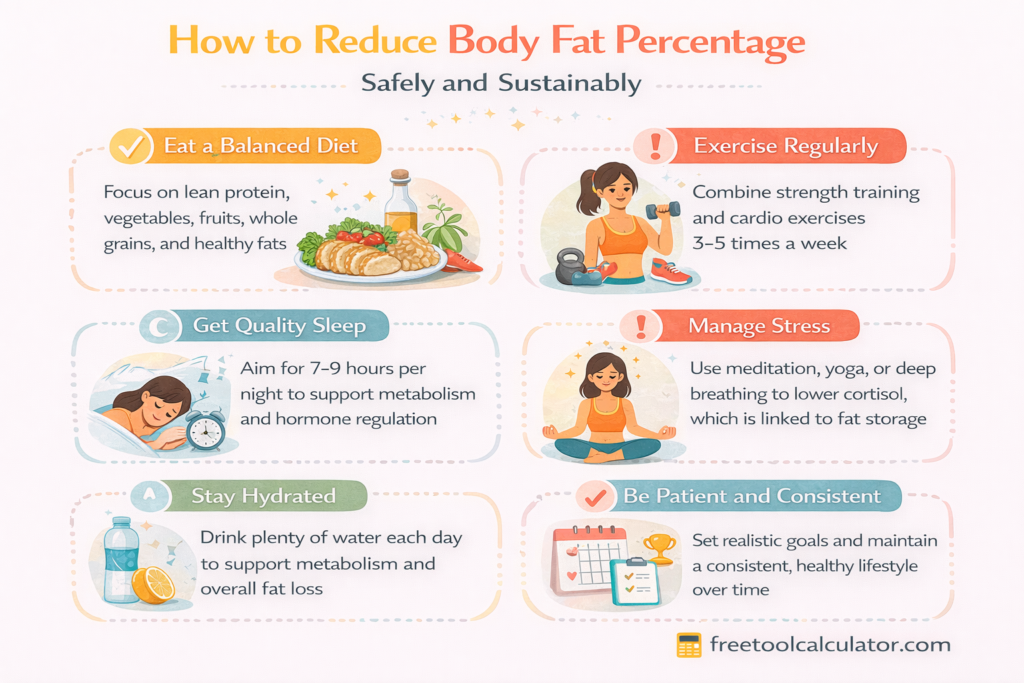
Include both aerobic activity and muscle-strengthening exercise. Walking, cycling or swimming can improve cardiovascular fitness, while resistance training can help maintain muscle during weight loss.
Monitor Portions
The rule becomes more effective when meals are satisfying but not unlimited. Pay attention to oils, cheese, dressings, nut butter, desserts and beverages because they can add substantial calories.
Adjust the Rule to Your Schedule
A shift worker may eat at different times from an office employee. Someone who trains early may require a snack. A person with diabetes may need a meal pattern based on medication and blood glucose management.
Adaptation is more useful than rigid compliance.
What Should You Eat on the 3-3-3 Diet?
There is no official food list, but meals should generally emphasize minimally processed foods that provide protein, fiber and nutrients.
Protein Sources
Useful options include eggs, chicken, fish, lean meat, Greek-style yogurt, cottage cheese, beans, lentils, tofu, tempeh and other soy foods.
Protein can improve meal satisfaction and help preserve lean tissue during weight loss. The appropriate amount depends on body size, age, health, activity and total diet.
Vegetables and Fruit
Vegetables and whole fruit provide fiber, water, vitamins and minerals. They can increase meal volume without adding as many calories as many fried or highly processed foods.
Carbohydrates
Carbohydrates do not need to be eliminated. Oats, rice, potatoes, whole-grain bread, beans, fruit and other carbohydrate foods can fit into the plan.
The portion should match individual activity and calorie needs.
Healthy Fat Sources
Olive oil, avocado, nuts, seeds and oily fish can form part of a nutritious diet. These foods are energy-dense, so serving size still matters during weight loss.
Drinks
Water should be the primary beverage. Unsweetened tea and coffee can also fit. Sugary drinks, sweetened coffee and excessive alcohol can make a calorie deficit more difficult.
Example 3-3-3 Weight-Loss Meal Plan
Breakfast
Two eggs with vegetables, one slice of whole-grain toast and a serving of fruit.
Another option is Greek-style yogurt with berries, oats and a small measured portion of nuts.
Lunch
Grilled chicken, fish, tofu or beans with a large salad and a controlled serving of rice, bread or potatoes.
Use dressing or oil in a measured amount rather than pouring freely.
Dinner
Lean protein with cooked vegetables and a moderate portion of carbohydrate.
A vegetarian dinner might include lentil curry, vegetables and a controlled portion of rice or flatbread.
Hydration
Drink water regularly from morning through evening. Bottle size should be considered because three large bottles may provide far more water than three small ones.
Activity
Complete six 30-minute sessions during the week. These could include four brisk walks and two resistance-training workouts.
Can You Have Snacks on the 3-3-3 Rule?
Some versions discourage snacks, but snacks are not automatically harmful to weight loss. A planned snack can be useful when there is a long gap between meals, after exercise or when hunger would otherwise lead to overeating.
Suitable options may include fruit with yogurt, a boiled egg, vegetables with hummus or a controlled portion of nuts.
The important question is whether the snack supports the overall calorie target and controls hunger. Unplanned eating directly from large bags or containers is more likely to create excess intake.
People who feel satisfied with three meals do not need to add snacks merely because a diet schedule suggests them.
Do Meals Need to Be Three Hours Apart?
No. There is no universal requirement to space meals exactly three hours apart.
Some people become hungry after three hours, while others comfortably wait five or six hours. Meal spacing should consider work schedules, appetite, exercise, sleep and medical needs.
Eating every three hours does not automatically keep metabolism faster. Total food intake and long-term adherence have a greater effect on weight loss.
If three-hour spacing causes a person to eat when they are not hungry, the rule may increase rather than reduce calorie intake.
How Much Water Should You Drink?
The phrase three bottles is imprecise because bottle sizes vary significantly. Three 500-milliliter bottles provide 1.5 liters, while three one-liter bottles provide three liters.
Fluid needs are individualized. Hot weather, exercise and physical jobs may increase requirements. Certain medical conditions may require restriction.
Drinking excessive water in a short time can be dangerous because it may lower blood sodium. Hydration goals should be spread across the day rather than completed as quickly as possible.
Water can assist weight management when it replaces higher-calorie beverages. It should not be promoted as a fat-burning treatment.
What Counts as Three Hours of Exercise?
Three hours can include purposeful moderate activity such as brisk walking, cycling, swimming, dancing or structured workouts.
Strength training should ideally be included rather than completing all three hours as cardio. Resistance exercise can support muscle, strength and function during weight loss.
A weekly schedule might include:
- Monday: 30-minute brisk walk
- Tuesday: 30-minute full-body strength workout
- Wednesday: 30-minute walk
- Thursday: 30-minute cycling session
- Friday: 30-minute strength workout
- Saturday: 30-minute walk
Beginners do not have to reach three hours immediately. Starting with shorter sessions and increasing gradually may reduce soreness and injury risk.
Can the 3-3-3 Rule Reduce Belly Fat?
The rule cannot specifically target fat from the abdomen. Spot reduction is not possible through meal timing, water intake or abdominal exercises.
When the method creates an overall calorie deficit, body fat may decrease over time, including fat stored around the abdomen. The location and order of fat loss are influenced by genetics, hormones, age and sex.
Strength training can improve abdominal strength and body composition, but it does not force the body to use only belly fat for energy.
How Much Weight Can You Lose With the 3-3-3 Rule?
The amount depends on the calorie deficit, starting weight, consistency, activity, sleep, health conditions and medication.
A person who substantially reduces sugary drinks and snacks may notice early weight loss. Someone whose meals remain very large may see no change.
Scale weight may decline faster during the first week because of changes in water, sodium and stored carbohydrate. This should not be confused with an identical amount of body-fat loss.
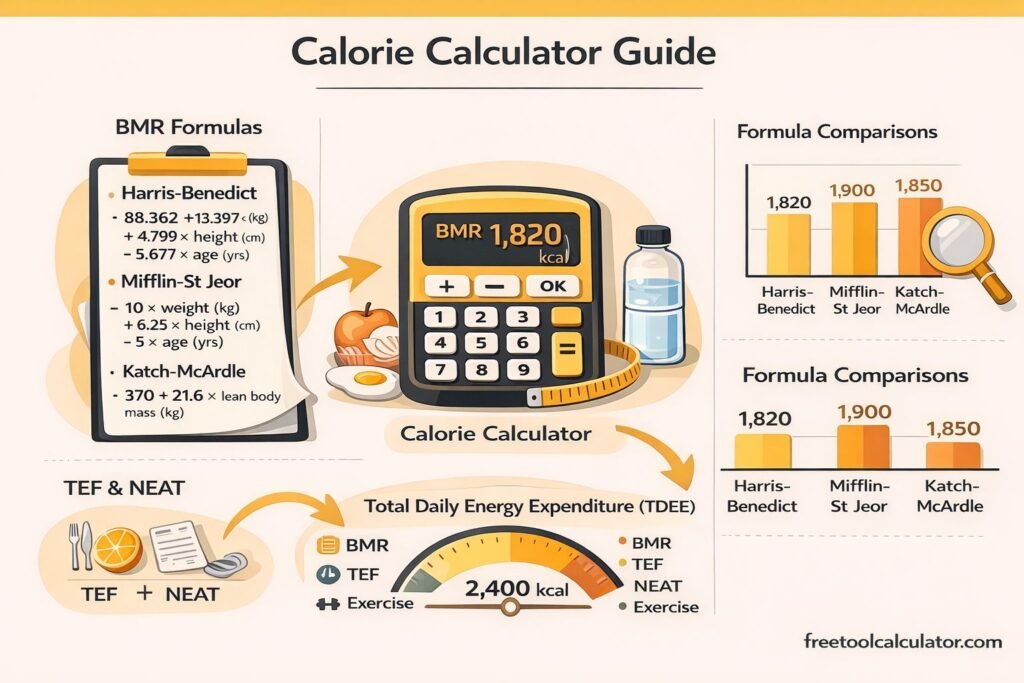
A personalized calorie and activity plan can be estimated using tools such as the National Institute of Diabetes and Digestive and Kidney Diseases Body Weight Planner.
Benefits of the 3-3-3 Rule
Easy to Remember
The repeated number makes the plan simple to recall and explain.
Flexible Food Choices
The method does not automatically ban carbohydrates, dairy, meat or culturally important foods.
Encourages Planning
Three meals can be prepared or selected in advance, reducing impulsive decisions.
Includes Exercise
Unlike diets that focus only on food, this approach recognizes the importance of movement.
May Reduce Sugary Drinks
A water target may help people replace calorie-containing beverages.
Can Be Adapted
The general framework can be adjusted for vegetarian diets, work schedules and different fitness levels.
Limitations of the 3-3-3 Rule
No Official Definition
Different sources use the same name for different routines, which makes the rule confusing.
No Personalized Calorie Target
The method does not account for height, weight, age, sex, activity or health conditions.
Three Meals May Not Suit Everyone
Some people need snacks, while others prefer fewer meals.
Hydration Advice Is Imprecise
Three bottles can represent very different fluid amounts.
Exercise Alone May Not Create Enough Deficit
Three hours of activity can support health, but large food portions may offset the calories used.
May Encourage Unnecessary Rigidity
A person may believe they have failed after eating a snack or missing one exercise session, even when their overall week remains healthy.
Common Mistakes When Following the 3-3-3 Rule
Eating Unlimited Portions
Balanced foods still contain calories. Large portions of rice, oil, cheese, nuts or restaurant food can prevent weight loss.
Drinking Calories in Addition to Water
Three bottles of water do not cancel the calories from sweetened coffee, soda, juice or alcohol.
Completing Exercise but Remaining Inactive All Day
A workout is beneficial, but regular daily movement also matters. Walking breaks, stairs and household activity can increase total energy expenditure.
Ignoring Protein and Fiber
Meals built mainly from refined carbohydrates may leave some people hungry. Protein, vegetables, fruit and legumes can improve fullness.
Forcing Water
Drinking excessive amounts quickly is unnecessary and potentially dangerous.
Expecting Immediate Results
Fat loss requires consistency. A few days of structured eating may not produce a visible change.
Using the Rule as Permission to Avoid Medical Care
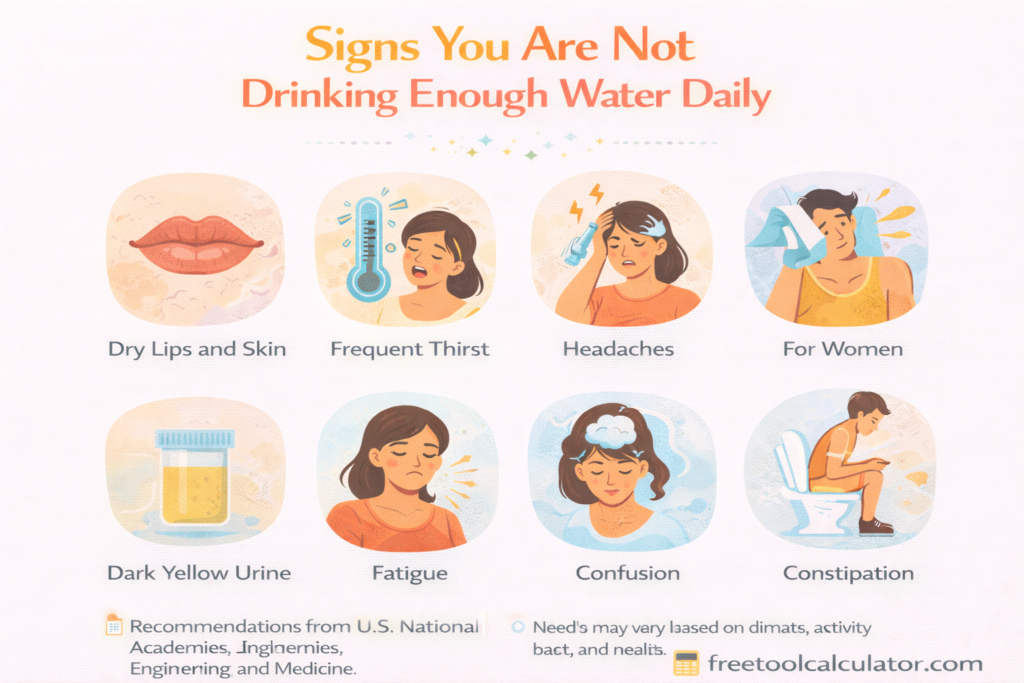
Persistent weight gain, extreme fatigue, menstrual changes, excessive thirst or other symptoms may require medical assessment rather than another diet trend.
Who May Benefit From the 3-3-3 Method?
The rule may help beginners who want a simple starting structure. It may also suit people who regularly skip meals, snack continuously or struggle to schedule exercise.
It can be particularly useful when adapted rather than followed rigidly. A person might use three meals, an individualized hydration target and three weekly workouts instead of interpreting every number literally.
People who already eat structured meals and exercise regularly may gain little from adopting the rule.
Who Should Be Careful With the 3-3-3 Rule?
People with diabetes should coordinate meal timing, carbohydrate intake and exercise with medication or insulin requirements.
Those with kidney, heart or liver disease may have specific fluid recommendations and should not automatically drink three large bottles.
Pregnant or breastfeeding individuals have different energy, nutrient and hydration needs.
People with a history of eating disorders may find rigid meal rules or weight tracking harmful. Support from a qualified eating-disorder professional may be more appropriate.
Children and adolescents should not follow an adult weight-loss plan without guidance from a pediatric healthcare professional.
How to Make the 3-3-3 Rule More Effective
Define Your Portions
Use a plate-based method, measured servings or temporary calorie tracking to understand how much you are consuming.
Include Protein in Every Meal
Protein may improve fullness and help preserve muscle during weight loss.
Add Fiber-Rich Foods
Vegetables, fruit, beans and whole grains can improve meal volume and digestion.
Include Strength Training
Use at least part of the weekly exercise time for full-body resistance training.
Increase Daily Movement
Walking during calls, taking stairs and moving after meals can supplement formal exercise.
Protect Sleep
Poor sleep may increase appetite, fatigue and difficulty following planned meals.
Track Weekly Trends
Evaluate average weight, waist circumference or clothing fit over several weeks rather than reacting to daily changes.
Adjust When Progress Stops
If weight remains unchanged after several consistent weeks, review portions, drinks, weekends and activity rather than making extreme cuts immediately.
A Practical Seven-Day 3-3-3 Plan
Monday
Eat three planned meals, drink water regularly and complete a 30-minute brisk walk.
Tuesday
Repeat structured meals and complete a 30-minute full-body strength session.
Wednesday
Prepare lunch in advance and walk for 30 minutes after work.
Thursday
Choose water instead of sugary drinks and complete 30 minutes of cycling, swimming or another moderate activity.
Friday
Complete a second 30-minute strength session and enjoy one controlled social meal if planned.
Saturday
Take a 30-minute walk and prepare several meal components for the coming days.
Sunday
Use a recovery day, review progress and plan the next week’s three meals and exercise sessions.
Is the 3-3-3 Rule Better Than Intermittent Fasting?
Neither method is automatically superior. Intermittent fasting controls when a person eats, while the 3-3-3 rule provides structure around meals, water and exercise.
Both can support weight loss when they reduce total calorie intake. Both can fail when eating periods include excessive portions.
The better method is the one that controls hunger, fits the person’s schedule and can be maintained without causing unhealthy restriction.
Is the 3-3-3 Rule Better Than Calorie Counting?
The 3-3-3 method is simpler but less precise. Calorie tracking can reveal whether portions and drinks fit a target, but it requires more effort and may not be suitable for everyone.
One practical approach is to use the 3-3-3 framework while tracking food briefly for one or two weeks. This can identify hidden calories without requiring permanent tracking.
People with a history of disordered eating should obtain professional advice before using calorie-counting applications.
Frequently Asked Questions About the 3-3-3 Rule
What is the 3-3-3 rule for weight loss?
A common version involves eating three balanced meals daily, drinking approximately three bottles of water and completing three hours of physical activity each week.
Is the 3-3-3 rule scientifically proven?
No specific 3-3-3 formula has been established as a medically proven weight-loss treatment. Its individual habits may support weight management.
Does the 3-3-3 rule burn belly fat?
It cannot target belly fat directly. It may reduce overall body fat when it creates a calorie deficit.
Do I need to eat every three hours?
No. Meal timing should be adjusted to appetite, work, exercise and medical needs.
Can I snack on the 3-3-3 plan?
Yes. A planned snack can fit when it supports hunger control and the overall calorie target.
How much water is three bottles?
It depends on bottle size. Three 500-milliliter bottles equal 1.5 liters, while three one-liter bottles equal three liters.
Is three liters of water safe for everyone?
No universal amount is suitable for everyone. Fluid needs vary, and some medical conditions require restriction.
What counts as three hours of exercise?
Brisk walking, cycling, swimming, dancing, sports and strength training can all contribute.
Can beginners follow the rule?
Yes, but they may need to build exercise gradually rather than starting with the full target.
How quickly will I lose weight?
Results depend on the calorie deficit, starting weight, adherence, health and activity. The rule itself does not guarantee a specific rate.
Can vegetarians use the 3-3-3 method?
Yes. Protein can come from beans, lentils, tofu, tempeh, yogurt, eggs and other suitable foods.
Do I need to avoid carbohydrates?
No. Carbohydrates can fit when portions and total calorie intake are appropriate.
Can I drink coffee?
Yes. Be mindful of sugar, syrups, cream and other calorie-containing additions.
Can I follow the rule with a desk job?
Yes. Divide exercise into short walks and strength sessions and increase movement during the workday.
Is the rule suitable for diabetes?
Meal timing, exercise and carbohydrate intake may affect blood glucose and medication needs. A clinician or dietitian should personalize the plan.
Can the rule cause weight gain?
Yes, when the three meals and drinks provide more calories than the body uses.
Is the 3×3 by 12 rule the same thing?
Not always. The 3×3 by 12 trend usually refers to completing steps, protein and part of a hydration goal before noon.
Should I follow the rule every day?
Meal and hydration habits may be daily, while the three hours of activity are usually distributed across the week.
Do I need supplements?
No supplement is required to follow the method. Nutritional deficiencies should be evaluated and treated appropriately.
When should I see a doctor about weight loss?
Seek medical guidance when you have a chronic condition, take weight-affecting medication, experience unexplained weight changes or are considering an aggressive diet.
Conclusion
The 3-3-3 rule for weight loss is a simple lifestyle framework rather than an official medical diet. Its most common version encourages three balanced meals each day, approximately three planned bottles of water and three hours of physical activity per week.
The rule may help because it creates structure. Planned meals can reduce grazing, water can replace sugary drinks and regular exercise can improve fitness and energy expenditure.
However, the number three has no special fat-burning effect. Weight loss occurs only when the routine creates a sustainable calorie deficit. Portion sizes, drink choices, cooking methods, sleep and daily movement still matter.
The method should also be flexible. Not everyone needs exactly three meals, three bottles or the same type of exercise. People with medical conditions, pregnancy, medication needs or a history of disordered eating may require individualized guidance.
A more effective version of the rule is to eat structured meals containing protein and fiber, use an appropriate hydration target and divide regular aerobic and strength activity across the week.
The 3-3-3 rule can be a useful starting point for beginners, but it should not be presented as a miracle diet. Its value lies in making healthy habits easier to remember and repeat.
This article provides general educational information and does not replace individualized medical or nutritional advice from a qualified healthcare professional.