Introduction
Ovulation pain is a frequently searched topic and a common experience reported by individuals during their menstrual cycle. From a medical perspective ovulation pain refers to discomfort felt around the time the ovary releases an egg. While many people assume pain during ovulation is abnormal it is often a normal physiological response. However not all pain during ovulation should be ignored. Understanding what ovulation pain feels like why it happens and how to distinguish normal ovulation pain from concerning symptoms is essential for reproductive health and fertility awareness. Tracking ovulation timing using tools such as the ovulation calculator https://freetoolcalculator.com/ovulation-fertility-calculator/ helps correlate pain with fertile days and improves understanding of cycle patterns.
What Is Ovulation Pain
Ovulation pain also known medically as mittelschmerz is lower abdominal discomfort that occurs around the time of ovulation. The term mittelschmerz comes from German meaning middle pain reflecting its mid cycle timing. Ovulation pain usually occurs once per cycle and may alternate sides from month to month depending on which ovary releases the egg.
Ovulation pain is not experienced by everyone. Some individuals feel it regularly some occasionally and others never feel it at all. All variations can be normal.
Why Ovulation Pain Happens
Ovulation pain occurs due to several physiological processes that happen when the ovary releases an egg.
Follicle Rupture
Each cycle a follicle grows on the ovary containing the developing egg. When ovulation occurs the follicle ruptures releasing the egg. This rupture can cause a brief sharp sensation or ache.
Fluid and Blood Irritation
After the follicle ruptures small amounts of fluid or blood may be released into the pelvic cavity. This fluid can irritate the lining of the abdomen causing localized pain or discomfort.
Ovarian Stretching
As the follicle grows before ovulation it stretches the ovarian surface. This stretching may cause a dull ache leading up to ovulation especially in individuals sensitive to pelvic changes.
What Ovulation Pain Feels Like
Ovulation pain varies widely but commonly includes:
A sharp or stabbing pain on one side of the lower abdomen
A dull ache or pressure sensation
Mild cramping similar to menstrual cramps
Pain lasting minutes to several hours
Occasional discomfort lasting up to one day
Pain is usually localized to one side and often switches sides between cycles. Pain intensity can range from barely noticeable to uncomfortable but tolerable.
Timing of Ovulation Pain
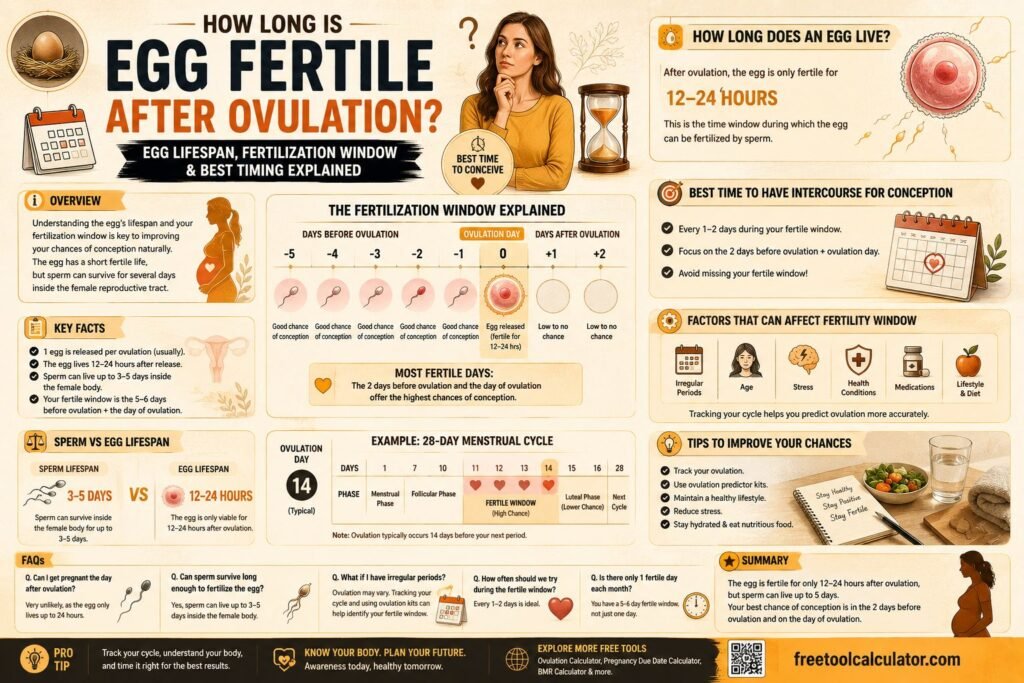
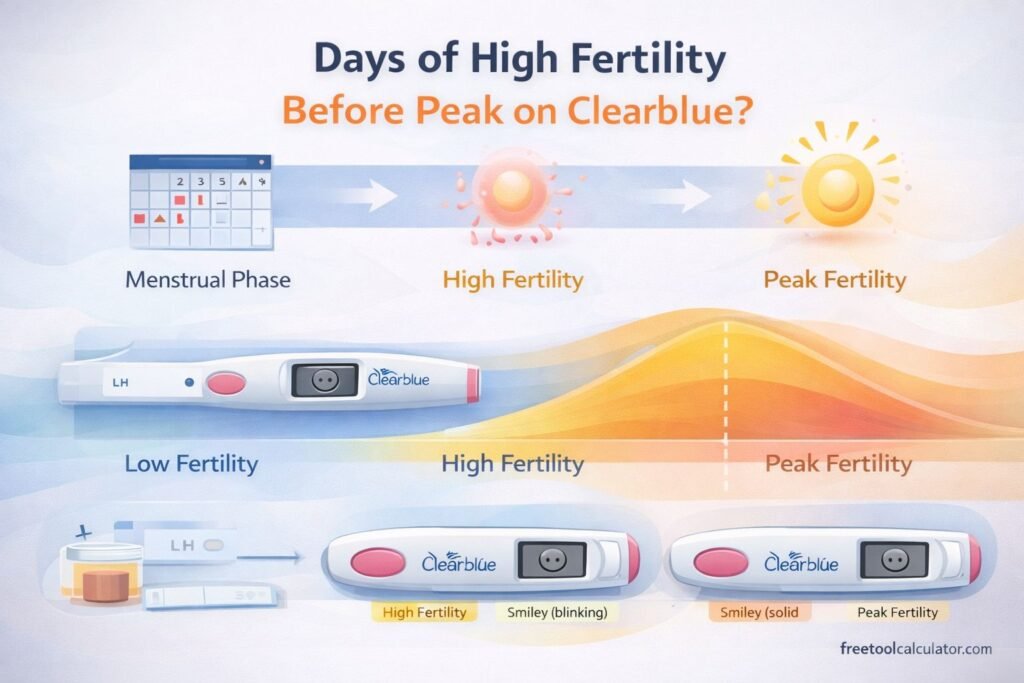
Ovulation pain typically occurs around mid cycle but exact timing depends on cycle length. It may occur just before ovulation during ovulation or shortly afterward. Pain that occurs consistently around the fertile window often correlates with ovulation.
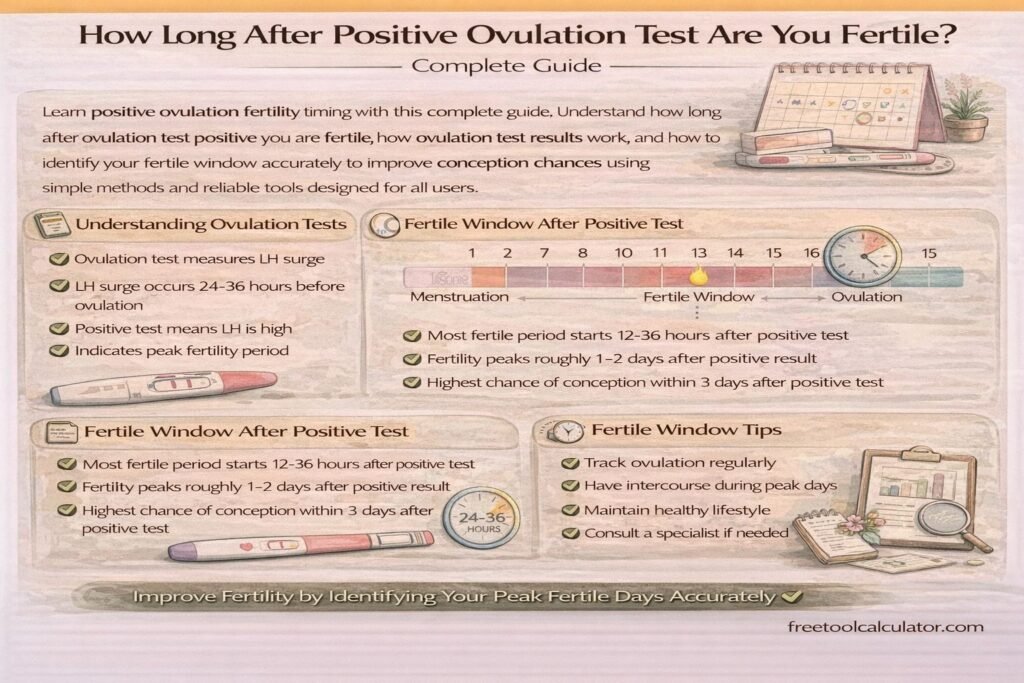
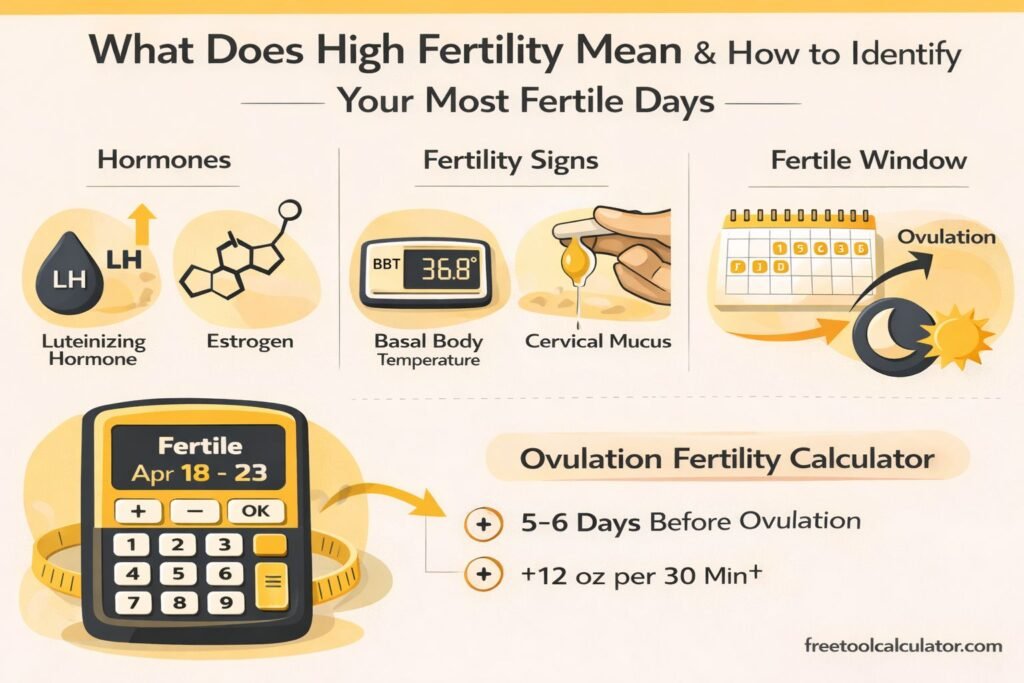
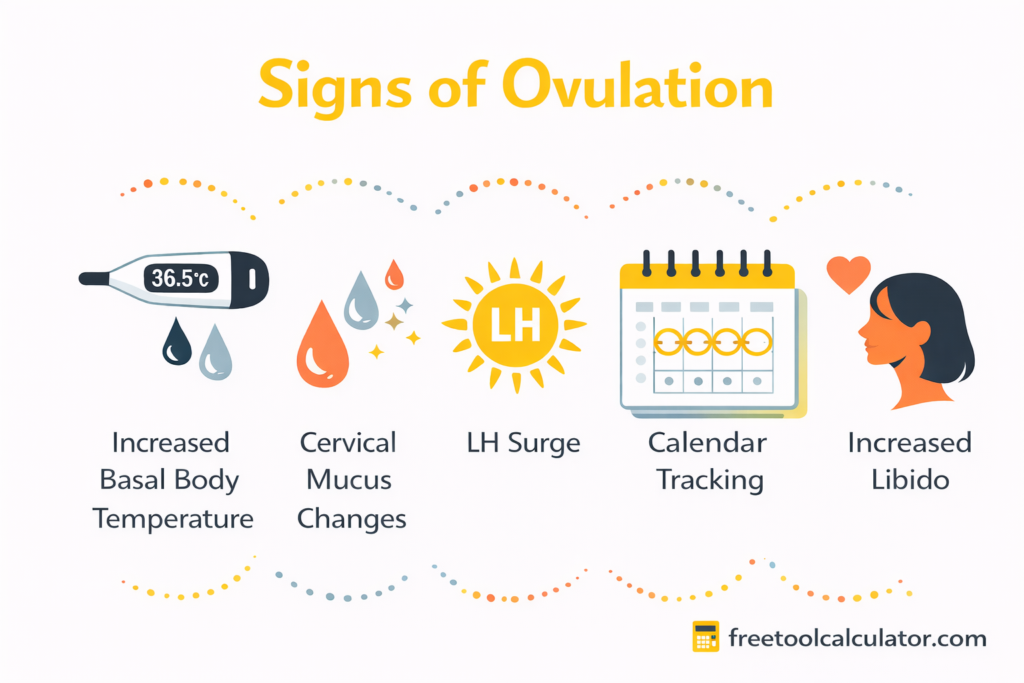
Tracking ovulation pain alongside cervical mucus changes basal body temperature or ovulation predictor kits helps confirm timing. Using https://freetoolcalculator.com/ovulation-fertility-calculator/ allows you to match pain timing with estimated ovulation days.
Ovulation Pain as a Fertility Sign
Ovulation pain can be a useful fertility sign when it occurs consistently. It often coincides with other fertile signs such as egg white cervical mucus increased libido and hormonal shifts. For individuals trying to conceive ovulation pain may signal the most fertile period of the cycle.
However ovulation pain alone should not be relied upon as the only fertility indicator. Combining multiple signs improves accuracy.
Is Ovulation Pain Normal
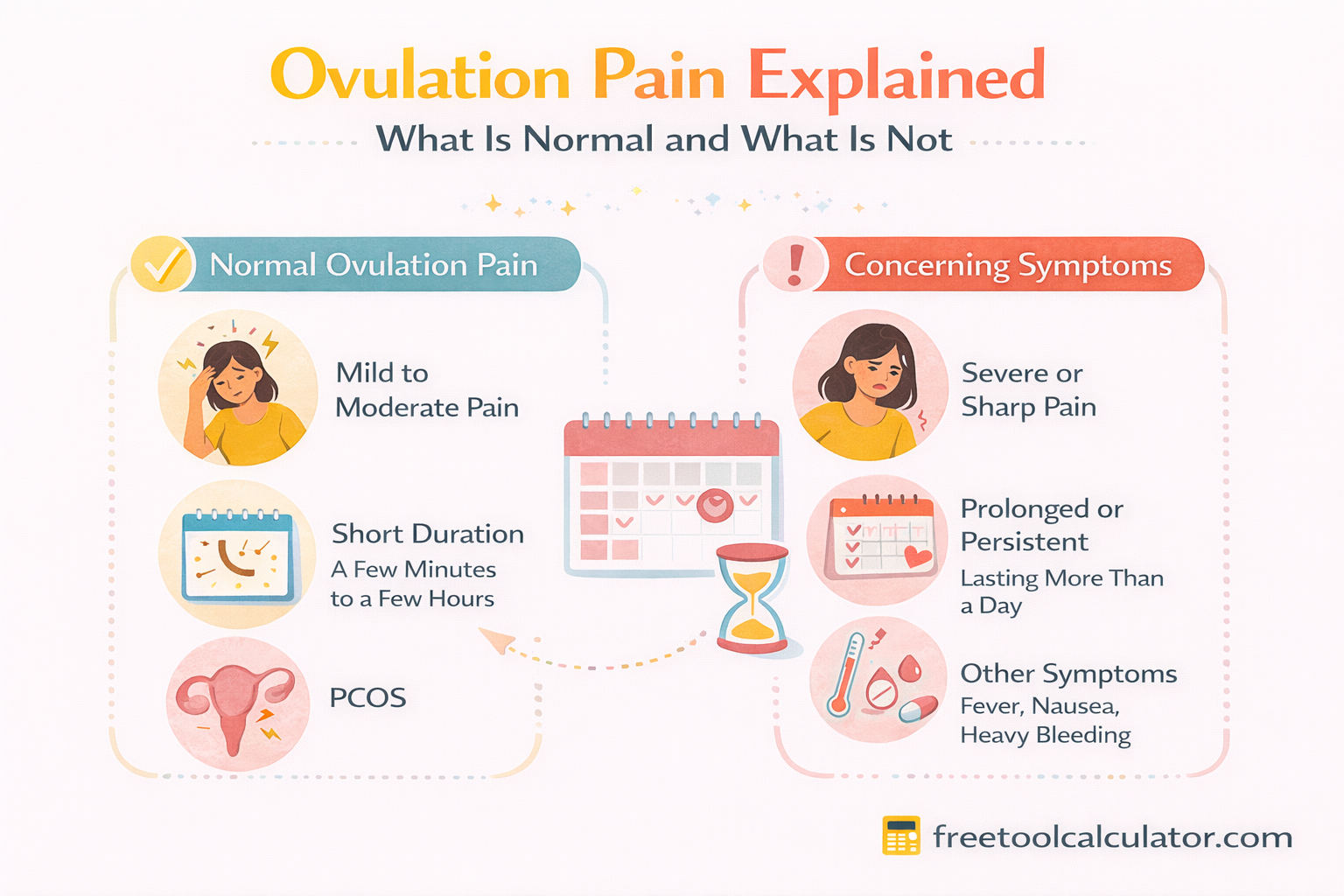
Mild to moderate ovulation pain that occurs mid cycle and resolves within a day is generally considered normal. It does not indicate damage or disease in most cases. Many individuals live healthy reproductive lives while experiencing ovulation pain regularly.
Normal ovulation pain should not interfere significantly with daily activities and should not progressively worsen over time.
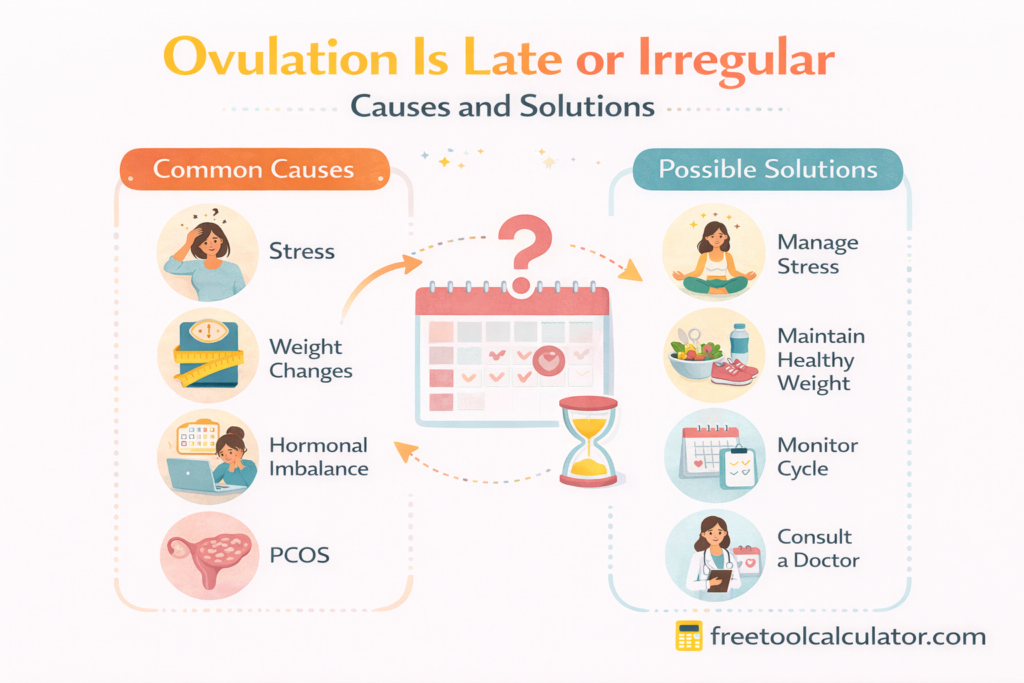
When Ovulation Pain Is Not Normal
Ovulation pain may require medical evaluation when certain red flags are present.
Severe Pain
Pain that is intense sharp or debilitating is not typical ovulation pain. Severe pain may indicate ovarian cyst rupture torsion or other pelvic pathology.
Pain Lasting Several Days
Ovulation pain usually resolves quickly. Pain lasting more than two days especially if worsening should be evaluated.
Pain With Fever or Nausea
Fever nausea vomiting or dizziness accompanying pelvic pain may signal infection or internal bleeding and requires urgent medical attention.
Heavy Bleeding
Ovulation pain should not be associated with heavy bleeding. Significant bleeding may indicate hormonal imbalance fibroids endometriosis or other conditions.
Conditions That Can Mimic Ovulation Pain
Several medical conditions can cause pelvic pain around mid cycle and may be mistaken for ovulation pain.
Ovarian Cysts
Functional ovarian cysts can cause persistent or sharp pain especially if they rupture or twist.
Endometriosis
Endometriosis can cause cyclic pelvic pain that worsens during ovulation and menstruation.
Pelvic Inflammatory Disease
Infection of the reproductive organs can cause pain fever and abnormal discharge and requires treatment.
Appendicitis
Right sided abdominal pain should always be evaluated carefully to rule out appendicitis.
How to Manage Normal Ovulation Pain
For mild ovulation pain simple measures are usually sufficient.
Applying heat to the lower abdomen
Gentle stretching or rest
Over the counter pain relievers when appropriate
Hydration and stress reduction
Hormonal birth control often eliminates ovulation pain by preventing ovulation entirely but this option should be discussed with a healthcare provider.
Tracking Ovulation Pain Safely
Keeping a symptom journal helps identify patterns. Note the day of the cycle pain location duration and severity. Over time patterns become clearer and help distinguish normal ovulation pain from irregular symptoms.
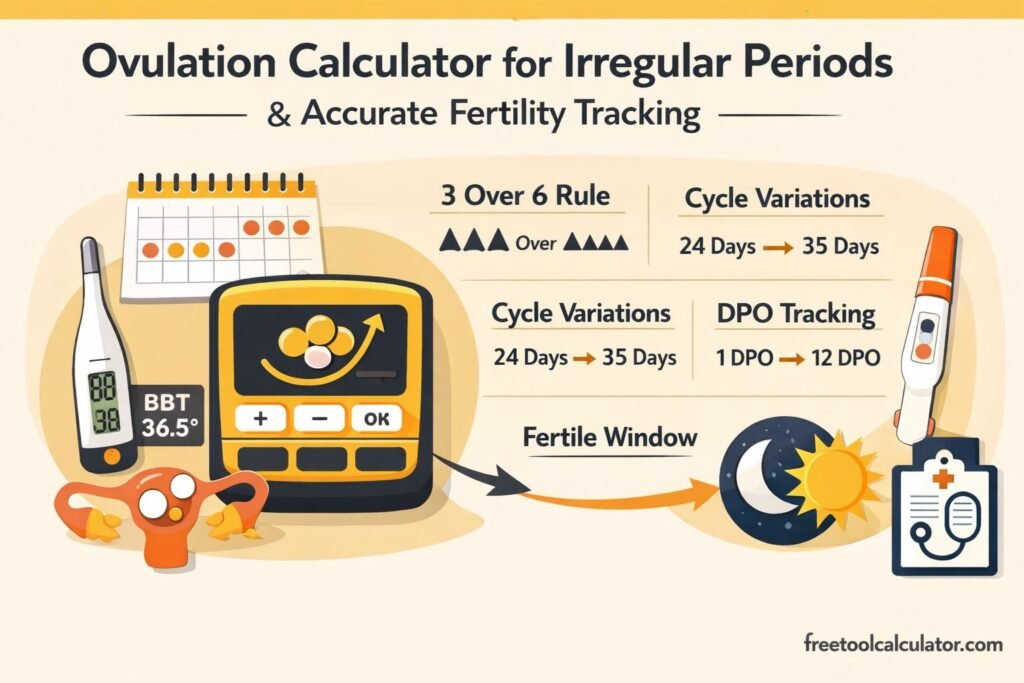
Using an ovulation calculator such as https://freetoolcalculator.com/ovulation-fertility-calculator/ allows you to compare pain timing with fertile window estimates and cycle length.
Ovulation Pain and Fertility Concerns
Ovulation pain alone does not indicate reduced fertility. In fact it often confirms ovulation is occurring. However pain associated with underlying conditions such as endometriosis may affect fertility and requires evaluation.
Early diagnosis and management improve fertility outcomes when underlying conditions exist.
When to See a Doctor
Medical evaluation is recommended if ovulation pain is severe persistent progressively worsening or accompanied by abnormal bleeding fever or digestive symptoms. If pain disrupts daily life or causes concern professional assessment provides reassurance or early intervention.
Conclusion
Ovulation pain is a common and often normal part of the menstrual cycle. Understanding what ovulation pain feels like why it happens and how to recognize normal versus concerning symptoms empowers individuals to better understand their reproductive health. Tracking ovulation pain alongside other fertility signs improves cycle awareness and planning. Tools like https://freetoolcalculator.com/ovulation-fertility-calculator/ support accurate ovulation tracking and symptom correlation. When pain falls outside normal patterns medical guidance ensures underlying issues are addressed promptly.