element-4.png

Weight Loss Timeline Calculator – Body Fat Based Progress & Goal Date

Estimate your fat-based weight loss timeline using body fat, goal weight, and weekly rate, with milestones and target date.

Weight Loss Timeline (Body Fat Based)

Estimate fat-loss-driven progress, milestones, and an approximate goal date based on your inputs.

Your Details

Switching units converts values automatically.
kg
Your starting scale weight today.
kg
Must be lower than current weight for fat-loss timeline.
%
Use a measured estimate (calipers, DEXA, smart scale, etc.).
Timeline is more accurate when lean mass changes are minimal.

Pace & Dates

kg/week
Common safe range: ~0.25–1.0 kg/week (or ~0.5–2.0 lb/week), varies by individual.
Used to estimate milestone dates (based on weekly pace).
This tool estimates a fat-loss-driven timeline. Real progress can vary due to water weight, adherence, and metabolic adaptation.

Results

Goal Progress
—
0%
Estimated Goal Date
—
Based on your weekly rate and start date.
Estimated Weeks
—
Rounded up to whole weeks for planning.
Body Composition Estimate
—
WeightFat MassLean MassBody Fat %
Start————
Goal————
Fat Loss vs Total Loss
—
0%
Assumes a portion of weight loss comes from fat mass based on lean mass preservation mode.
Milestones
—
MilestoneWeightWeeksDateEst. Body Fat %
Calculate to generate milestone targets.

What is this tool

The Weight Loss Timeline Calculator estimates how long it may take to reach a target weight or body fat goal based on current body composition and planned progress. It focuses on body fat reduction rather than scale weight alone, helping users understand realistic timelines for change.

Why this tool is useful

This tool provides a clearer expectation of weight loss progress by accounting for body fat percentage and rate of change. It helps users set achievable goals, avoid unrealistic timelines, and stay motivated by understanding how gradual fat loss contributes to long term results.

How this tool works

The calculator uses inputs such as current weight, body fat percentage, target body fat or weight, and intended weekly fat loss rate. Based on these values, it estimates the total fat to be lost and projects an approximate goal date assuming consistent progress over time.

Key features or capabilities

The tool generates an estimated timeline and goal date based on user input and standard fat loss assumptions. It provides clear results without requiring complex calculations and works entirely online with instant feedback.

Common use cases

Users commonly use this calculator to plan fitness or lifestyle changes, track expected progress over weeks or months, or set realistic milestones for fat loss goals. It is also useful for learning how body fat reduction differs from short term weight fluctuations.

Who should use this tool

This tool is suitable for adults focused on healthy weight management, fitness enthusiasts tracking body composition changes, students studying health fundamentals, and general users seeking structured goal planning.

Accuracy privacy or safety

The results are estimates based on user inputs and general fat loss models. Actual results may vary due to individual metabolism, activity level, and consistency. The tool is intended for informational purposes only and does not provide medical advice. No personal data is stored or shared.

Is this tool free to use

Yes, the Weight Loss Timeline Calculator is completely free to use online with no registration, subscriptions, or usage limits.

About the Weight Loss Timeline Calculator

Weight Loss Timeline Calculator is an educational estimation tool designed to help you understand the relationship between the inputs you enter and the result shown. The interactive tool above is the main feature of this page; the guide below explains how to use it responsibly, what the result means, and what to check when the number will be used for a real decision.

How to use this tool

  1. Read each field label and enter the requested values using the units shown.
  2. Check that decimal points, percentages, dates, or units have been entered correctly.
  3. Run the calculation or generation step and review the complete result rather than copying only one number.
  4. If the result will affect money, health, purchasing, scheduling, or another important decision, verify the inputs and compare the result with an appropriate independent source.

What to know before relying on the result

Body weight does not change in a perfectly linear way. Water, glycogen, adherence, energy expenditure, and health factors can alter the timeline.

How to interpret the result

Treat the result as an estimate rather than a diagnosis, prescription, or personal medical recommendation. Health-related outputs can change with age, body composition, activity, sleep, medication, pregnancy, illness, measurement method, and other individual factors that a simple online calculator cannot fully capture.

Important health limitation

This tool is for general educational information. It is not a substitute for advice from a doctor, registered dietitian, physiotherapist, psychologist, or other qualified professional. If a result concerns you, conflicts with professional advice, or relates to symptoms or a medical condition, discuss it with an appropriate healthcare professional.

Common mistakes to avoid

  • Mixing measurement systems or entering a value in a different unit from the one requested.
  • Using rounded or estimated inputs when more accurate values are available.
  • Assuming an online result includes every real-world variable, fee, exception, or personal factor.
  • Copying the output without checking whether the result is plausible for the values entered.

Frequently Asked Questions

Is the Weight Loss Timeline Calculator free to use?

Yes. You can use the tool in your browser without purchasing specialist calculation software.

Why might my result differ from another calculator?

Different tools can use different assumptions, rounding rules, data sources, formulas, defaults, or conversion precision. Compare the inputs and methodology before deciding that one result is incorrect.

Can I use the result for professional decisions?

It can be useful for preliminary calculations and cross-checking. For regulated, medical, legal, tax, engineering, or other high-stakes decisions, confirm the result with the relevant official source or qualified professional.

How can I report a problem?

If you find a calculation, wording, usability, or technical issue, contact Free Tools Calculator and include the page URL, the inputs you used, the result you received, and what you expected. That makes the issue easier to reproduce and review.

Complete Guide to the Weight Loss Timeline Calculator

This supporting guide explains how to use the weight loss timeline calculator, what the output means, how to check the result, and which assumptions matter. The interactive tool remains the main feature; the content below is designed to make the result easier to understand and verify.

What a Weight Loss Timeline Estimate Shows

A weight loss timeline calculator projects how long a change in body weight could take under the assumptions entered. It is a planning estimate, not a promise. Real body weight changes are affected by water, glycogen, food mass, adherence, metabolic adaptation and many other factors.

For a dependable result, enter values using the units and definitions requested by the tool, then check whether the output is an exact mathematical result or an estimate based on assumptions. When the calculation affects an important financial, health, employment, tax, academic or purchasing decision, confirm the relevant inputs and rules independently.

How the Projection Works

A simplified model relates an estimated energy deficit to expected weight change over time. Static calorie-to-weight rules are useful for rough planning but become less accurate over longer periods because energy needs can change as body weight and behavior change.

Why Scale Weight Does Not Move Linearly

Day-to-day weight can fluctuate because of hydration, sodium, carbohydrate intake, digestion, menstrual cycle and other factors. A flat week does not necessarily mean no fat was lost, and a sudden drop does not necessarily represent the same amount of fat loss.

Calorie Deficit and Timeline

A larger theoretical deficit produces a shorter mathematical timeline, but aggressive restriction can be difficult to sustain and may be inappropriate for some people. Energy needs vary by individual. A calculator cannot determine a medically appropriate calorie target for everyone.

Tracking Progress

Compare trends across multiple measurements taken under similar conditions rather than reacting to a single weigh-in. Waist measurements, fitness performance, dietary consistency and other measures can provide additional context depending on the goal.

When the Estimate Needs Recalculation

Recalculate after a meaningful change in body weight, activity or goal, or when the original assumptions no longer reflect actual behavior. A timeline is most useful when it is updated rather than treated as a fixed deadline.

How to Validate the Result

Start with a simple test case whose answer you can calculate manually. Compare that answer with the tool, then return to your real inputs. Recheck decimal points, percentage formats, signs, units, dates and category selections. For estimates, change one input at a time to see which assumptions have the greatest effect on the result.

Editorial and Accuracy Notes

FreeToolCalculator combines interactive utilities with explanatory content so users can understand rather than merely copy an output. We distinguish straightforward arithmetic from estimates and avoid presenting a calculator as a substitute for an official source or qualified professional when the topic is consequential. Tool outputs depend on the accuracy of the values entered and the methodology described on the page.

Using the Weight Loss Timeline Calculator as a Health Estimate

Health-related calculators simplify complex individual differences into a small number of inputs. Use the result as an educational reference, not as a diagnosis or a personalized treatment target. Measurements can vary because of age, body composition, activity, sleep, medication, pregnancy, medical history and the method used to collect the input data.

Improve the Quality of Your Inputs

Use recent measurements, enter the requested units exactly, and avoid guessing when an accurate measurement is available. If you repeat the calculation, try to measure under similar conditions. This makes changes easier to interpret and reduces the chance that normal measurement variation is mistaken for a meaningful change.

When Professional Context Matters

If you are using the result to make a significant change to diet, exercise, medication, pregnancy planning or management of a medical condition, discuss it with an appropriately qualified professional. The calculator can help you understand the numbers, but it does not know your full health history or replace individualized assessment.

Final Check for Weight Loss Timeline Calculator

Review the original input one final time before copying the result. Check decimal places, signs, units, dates and any selected options. If the value will be shared, include enough context for another person to understand what was entered and what the output represents. This final check reduces transcription errors and makes the calculation easier to reproduce.
More Tools

Body Shape Identifier

Body shape identifier identify your body shape using bust, waist, and hips, get a confidence score, and copy personalized shape insights.

Fat Mass vs Muscle Mass

Fat Mass vs Muscle Mass estimate fat mass, lean mass, and muscle mass share using body fat percent, and copy an infographic-style breakdown easily.

Lean Body Mass

Lean body mass calculate lean body mass using proven formulas, compare results, estimate body fat, and copy your body composition summary.

Our Blogs

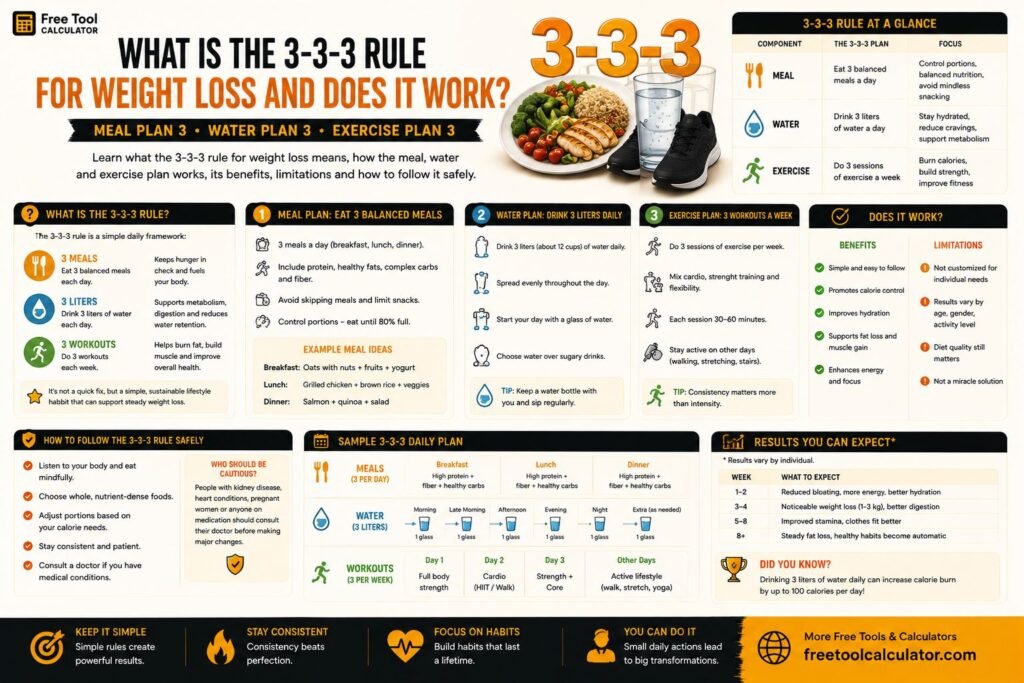
What Is the 3-3-3 Rule for Weight Loss and Does It Work

What Is the 3-3-3 Rule for Weight Loss and Does It Work?

The 3-3-3 rule for weight loss is a simple habit-based approach designed to make healthy eating, hydration and physical activity easier to remember.

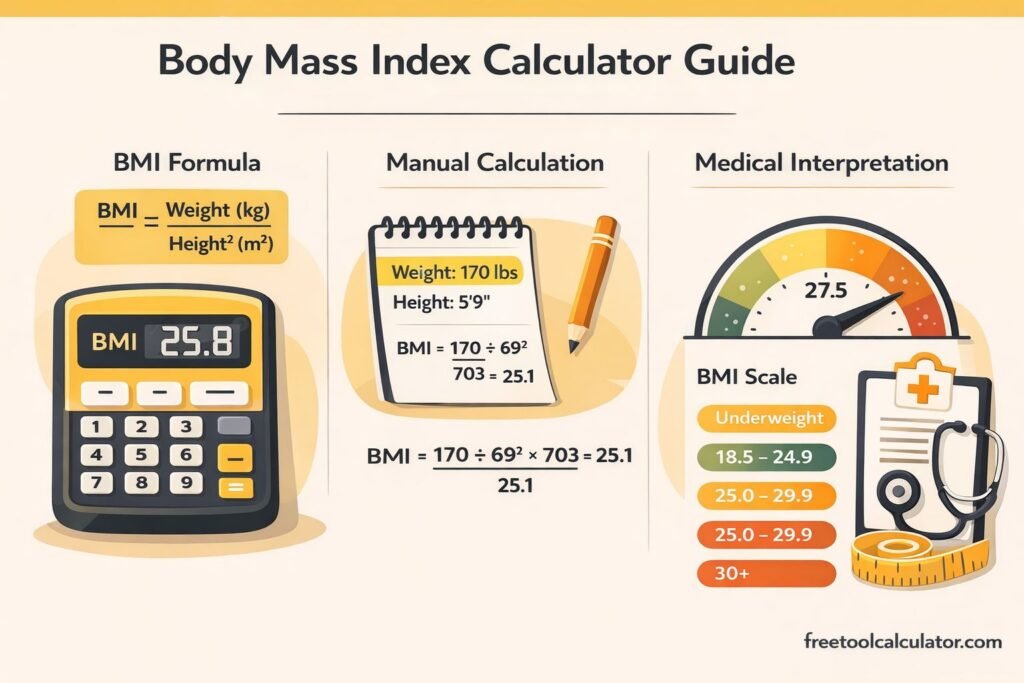
Body Mass Index Calculator Guide with Official Formulas and Medical Interpretation

Body Mass Index Calculator Guide with Official Formulas and Medical Interpretation

This blog explains how a Body Mass Index Calculator works using official formulas, how to calculate BMI manually, what the New BMI means for short or tall people, and how doctors interpret BMI values from 25.0 to 29.9. It provides medically accurate guidance for weight assessment and health awareness.

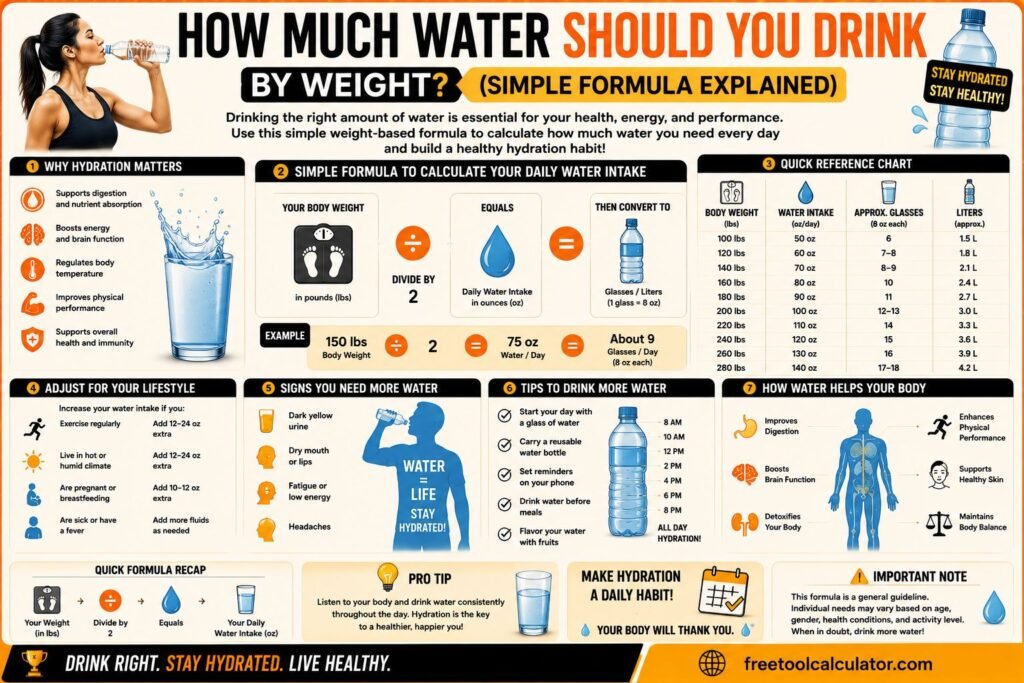
How Much Water Should You Drink by Weight

How Much Water Should You Drink by Weight? (Complete Hydration Guide 2026)

Most hydration advice like “8 glasses a day” is outdated. This guide explains how water intake by weight works, with practical formulas, real examples, and lifestyle-based adjustments.

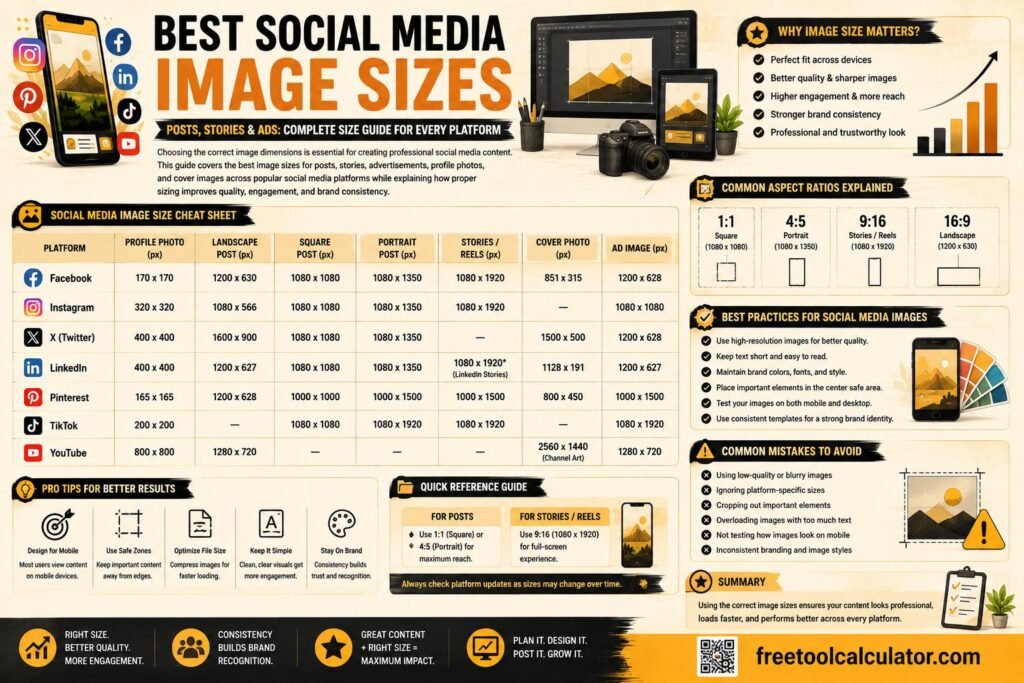
Best Social Media Image Sizes (Posts, Stories & Ads): Complete Size Guide for Every Platform

Best Social Media Image Sizes (Posts, Stories & Ads): Complete Size Guide for Every Platform

Choosing the correct image dimensions is essential for creating professional social media content. This guide covers the best image sizes for posts, stories, advertisements, profile photos, and cover images across popular social media platforms while explaining how proper sizing improves quality, engagement, and brand consistency.

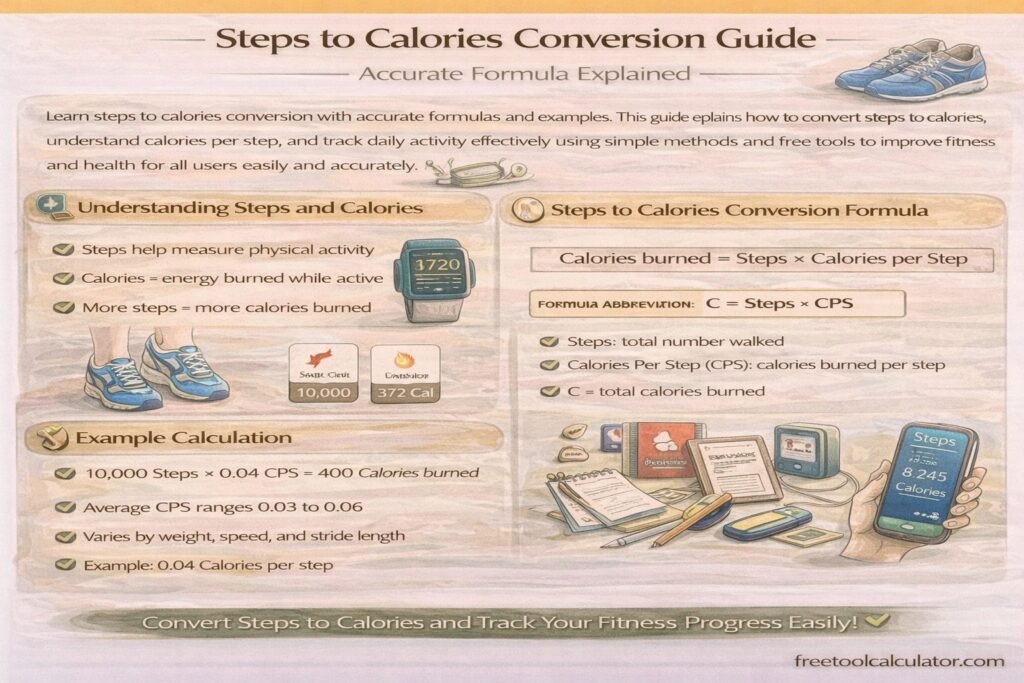
Steps to Calories Conversion and Why It Matters Steps to calories conversion is an important concept for anyone tracking fitness, weight loss, or daily activity levels. It helps estimate how many calories you burn based on the number of steps you take. This calculation is widely used in fitness tracking apps and wearable devices to give users a better understanding of their physical activity. Knowing how to convert steps to calories allows you to monitor your progress and adjust your routine accordingly. Whether you are trying to lose weight, maintain fitness, or improve overall health, understanding this conversion provides valuable insights. You can easily convert steps to calories using this free tool and get accurate results instantly. What Is Steps to Calories Conversion Steps to calories conversion refers to estimating the number of calories burned while walking or running based on step count. Since each step requires energy, your body burns calories during movement. The total calories burned depend on factors such as body weight, walking speed, and step length. This method is commonly used because it is simple and accessible. Most people track their steps daily using smartphones or fitness trackers, making it easy to estimate calorie burn without complex calculations. Understanding steps to calories helps you stay motivated and maintain consistency in your fitness journey. It also provides a clear measurement of your daily activity level. Steps to Calories Formula Explained The steps to calories formula is based on average energy expenditure per step. A common estimate is that a person burns approximately 0.04 to 0.06 calories per step. However, this value can vary depending on individual factors. A simple formula is Calories burned equals steps multiplied by calories per step For example, if you take 10000 steps and burn 0.05 calories per step, the total calories burned would be 500. This formula provides a quick estimate but may not be fully accurate for everyone. Using a reliable calculator ensures better precision and personalized results. Factors That Affect Calories Per Step Calories per step are not the same for everyone. Several factors influence how many calories you burn during physical activity. Body weight is one of the most important factors. Heavier individuals tend to burn more calories because their bodies require more energy to move. Walking speed also plays a role. Faster walking or running increases calorie burn compared to slow walking. Step length and terrain also affect energy expenditure. Walking uphill or on uneven surfaces requires more effort and burns more calories. Understanding these factors helps you make more accurate estimates when performing steps to calories conversion. How to Convert Steps to Calories Accurately To convert steps to calories accurately, start by tracking your daily step count. Then use an appropriate calorie per step value based on your body weight and activity level. Multiply the steps by this value to estimate calories burned. For more accurate results, it is recommended to use a tool that considers multiple factors. You can calculate steps to calories using this free calculator and get personalized results instantly. Using a dedicated tool ensures that your calculations are based on reliable data, making your fitness tracking more effective. Real Examples of Steps to Calories Conversion Examples make it easier to understand steps to calories conversion. If a person walks 5000 steps and burns approximately 0.05 calories per step, they would burn around 250 calories. Similarly, walking 10000 steps may burn about 400 to 600 calories depending on factors like weight and speed. These estimates show how increasing your step count can significantly impact calorie burn. Tracking your daily steps and converting them into calories helps you stay consistent and motivated in your fitness routine. Benefits of Tracking Steps to Calories Tracking steps to calories provides several benefits. It helps you understand how active you are throughout the day and encourages you to stay consistent. It also allows you to set realistic fitness goals and measure progress over time. For individuals trying to lose weight, this method provides a simple way to monitor calorie expenditure. It also helps in maintaining a balance between calorie intake and output. Using tools like a calorie calculator can further enhance your understanding of daily energy needs and improve your overall fitness plan. Common Mistakes in Steps to Calories Calculation One common mistake is assuming that calories per step are the same for everyone. This can lead to inaccurate estimates. Another mistake is ignoring factors such as walking speed and terrain, which can significantly affect calorie burn. Relying solely on step count without considering overall activity level is another issue. For example, strength training and other exercises also contribute to calorie burn but are not reflected in step count. Using accurate tools and understanding the limitations of step based calculations helps avoid these mistakes. Advanced Tips to Improve Accuracy To improve accuracy, consider using wearable devices that track additional metrics such as heart rate and distance. These devices provide more precise calorie estimates. Maintaining a consistent walking routine also helps in getting reliable data. Tracking your progress over time allows you to identify patterns and make necessary adjustments. Combining step tracking with other tools like a tdee calculator can give a complete picture of your daily energy expenditure. This approach helps you manage your fitness goals more effectively. How Steps to Calories Helps in Weight Loss Steps to calories conversion is a useful tool for weight loss. By increasing your daily step count, you can burn more calories and create a calorie deficit, which is essential for losing weight. For example, adding an extra 2000 steps to your daily routine can burn additional calories over time. This small change can lead to significant results when combined with a balanced diet. Understanding how to convert steps to calories allows you to set realistic goals and track your progress effectively. It also helps you stay motivated and consistent. Conclusion Steps to Calories Conversion Made Simple Steps to calories conversion is a simple yet powerful way to track your physical activity and improve your health. By understanding the steps to calories formula and using accurate tools, you can estimate your calorie burn effectively. If you want precise and instant results, you can use this free steps to calories calculator and track your daily activity with ease. Combining this with other health tools ensures a complete and effective fitness strategy for long term success.

How to Convert Steps to Calories: Formula, METs and Examples

Learn steps to calories conversion with accurate formulas and examples This guide explains how to convert steps to calories, understand calories per step, and track daily activity effectively using simple methods and free tools to improve fitness and health for all users easily and accurately

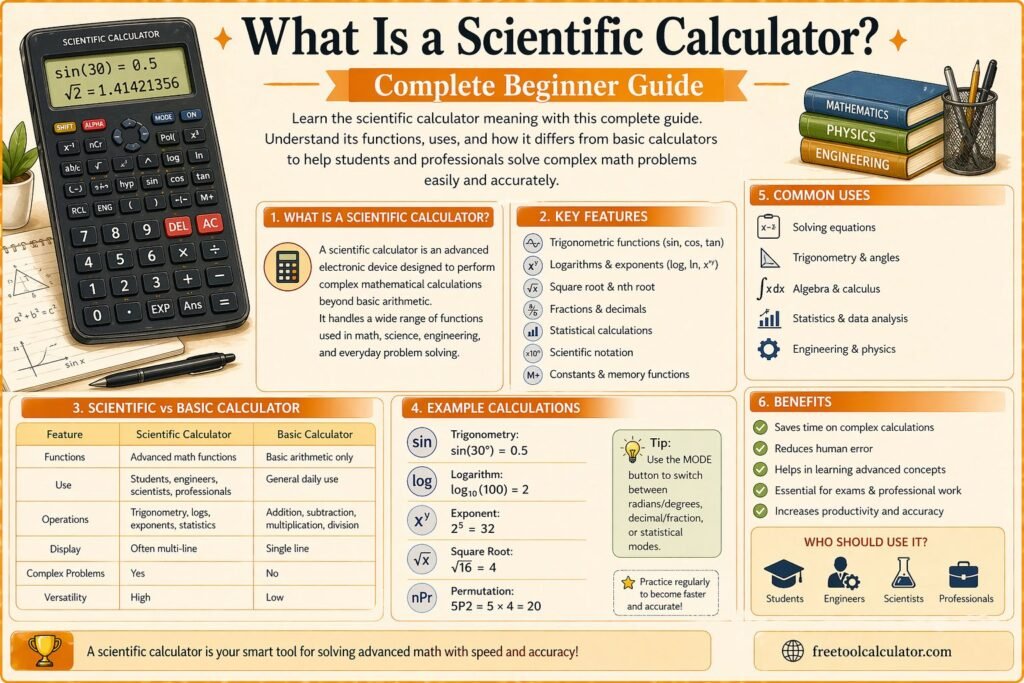
What Is a Scientific Calculator Complete Beginner Guide

What Is a Scientific Calculator? Functions and How to Use One

Learn scientific calculator meaning with this complete beginner guide Understand what is scientific calculator, its functions, uses, and how it differs from basic calculators to help students and professionals solve complex math problems easily and accurately using simple explanations and practical examples

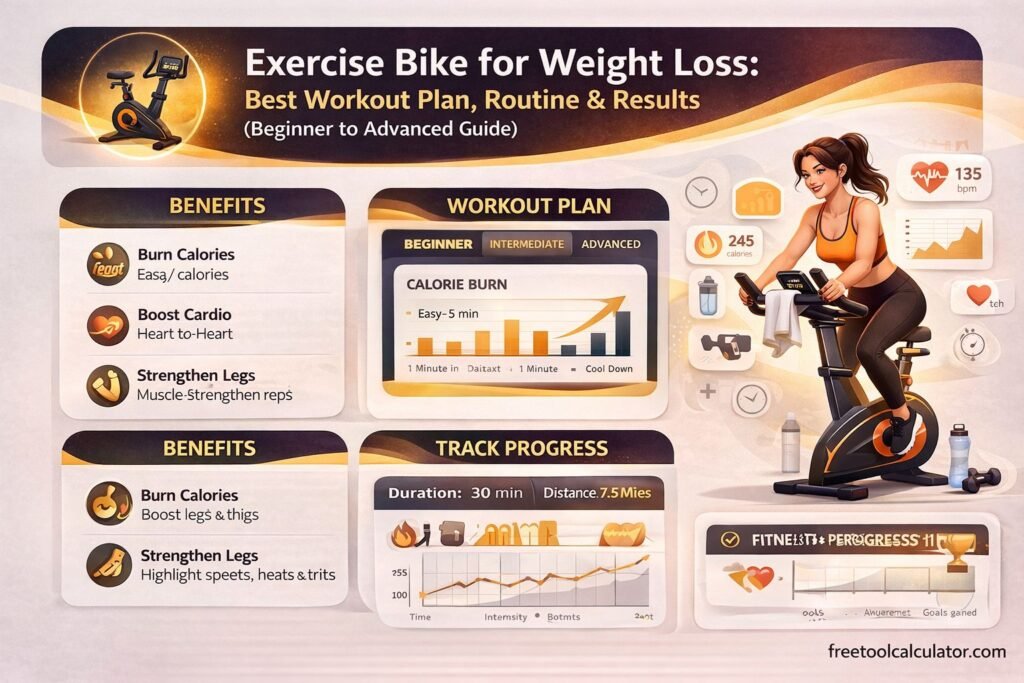
Exercise Bike for Weight Loss: Workouts & Plans

Exercise Bike for Weight Loss: Workouts & Plans

Discover the best exercise bike workout for weight loss. Get routines, plans, and tips for beginners to advanced users to start shedding pounds today.

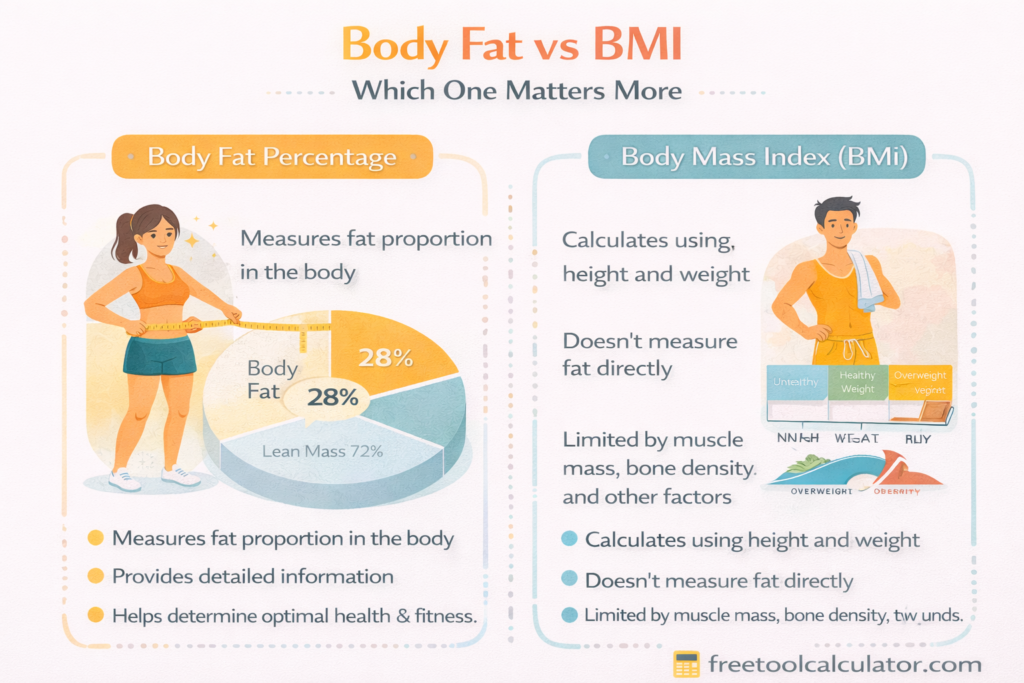
Body Fat vs BMI Which One Matters More

Body Fat vs BMI Which One Matters More for Health

Body fat percentage and BMI are both used to assess health but they measure very different things. This doctor written guide explains the difference between body fat and BMI which one matters more for health and why body fat percentage provides a clearer picture of metabolic risk and fitness.

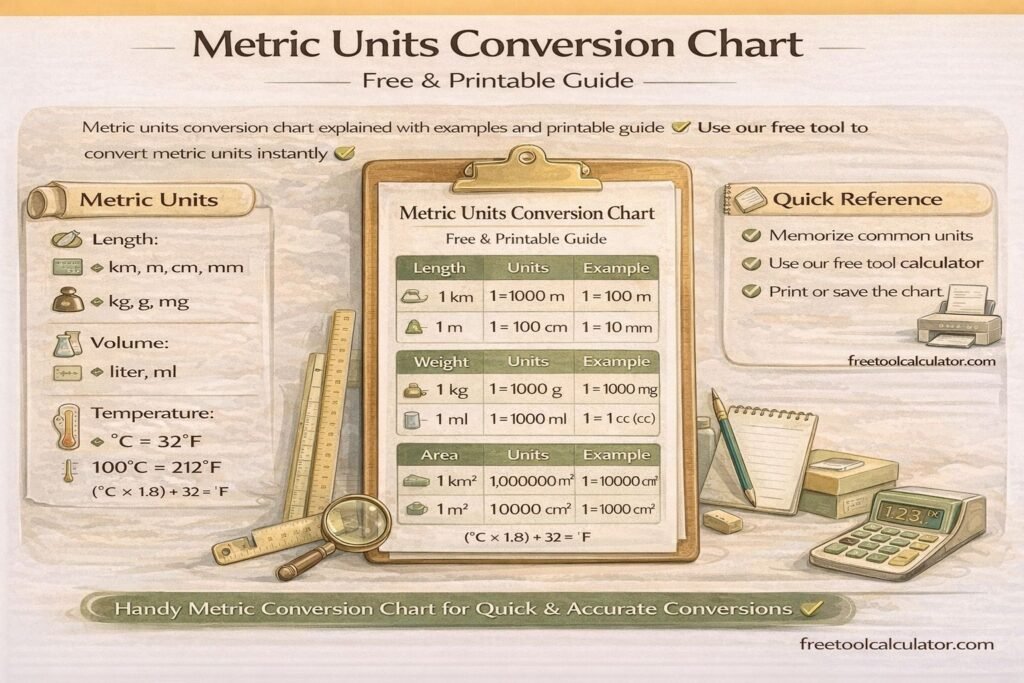
Metric Units Conversion Chart Free and Printable Guide

Metric Conversion Chart: Length, Mass, Volume and Temperature

Metric units conversion chart explained with examples and printable guide Use our free tool to convert metric units instantly

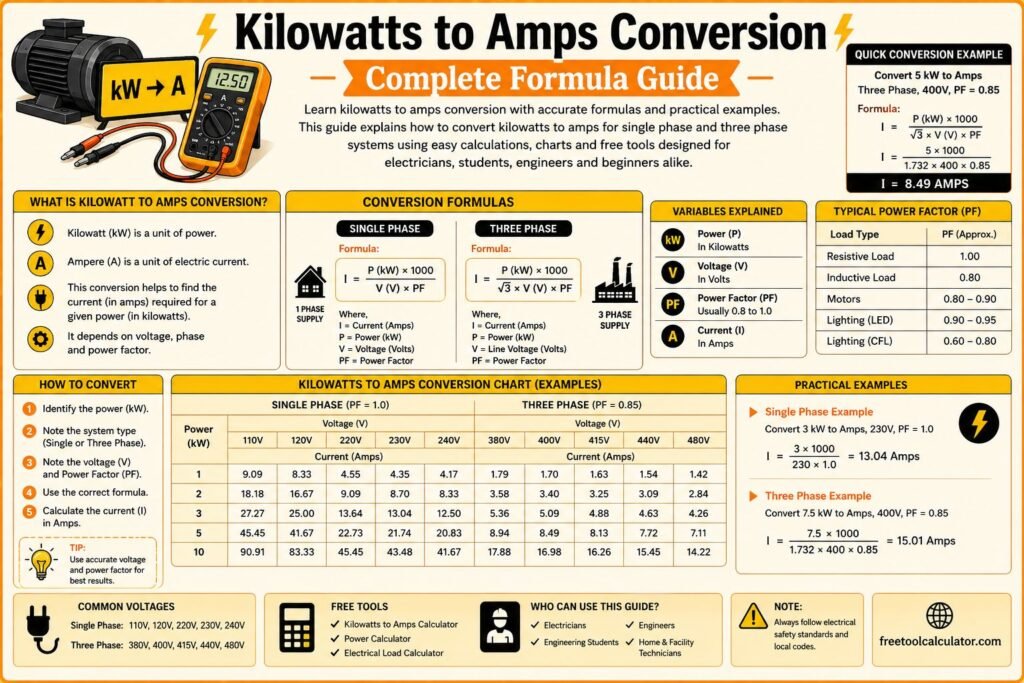
Kilowatts to Amps Conversion Complete Formula Guide

Kilowatts to Amps Conversion Complete Formula Guide

Learn kilowatts to amps conversion with accurate formulas and practical examples This guide explains how to convert kilowatts to amps for single phase and three phase systems using easy calculations charts and free tools designed for electricians students engineers and beginners alike

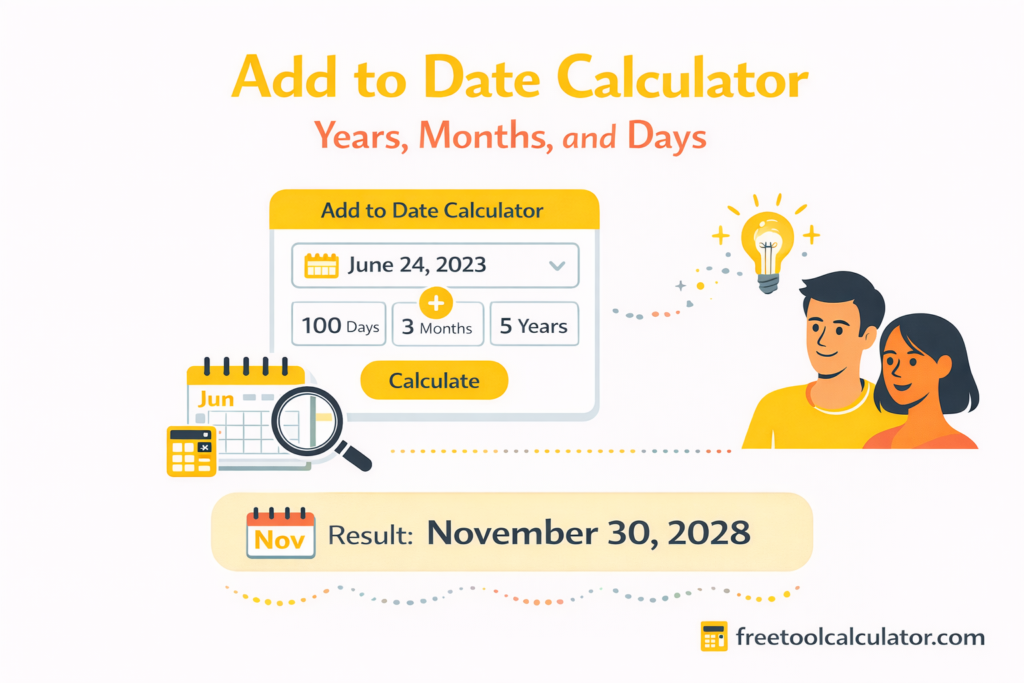
Add to Date Calculator

How to Use an Add to Date Calculator for Date Calculations

Learn how to use an Add to Date Calculator to quickly find future or past dates by adding days weeks months or years. This expert guide explains common use cases formulas spreadsheet methods and practical examples with tips to avoid common errors and boost productivity.

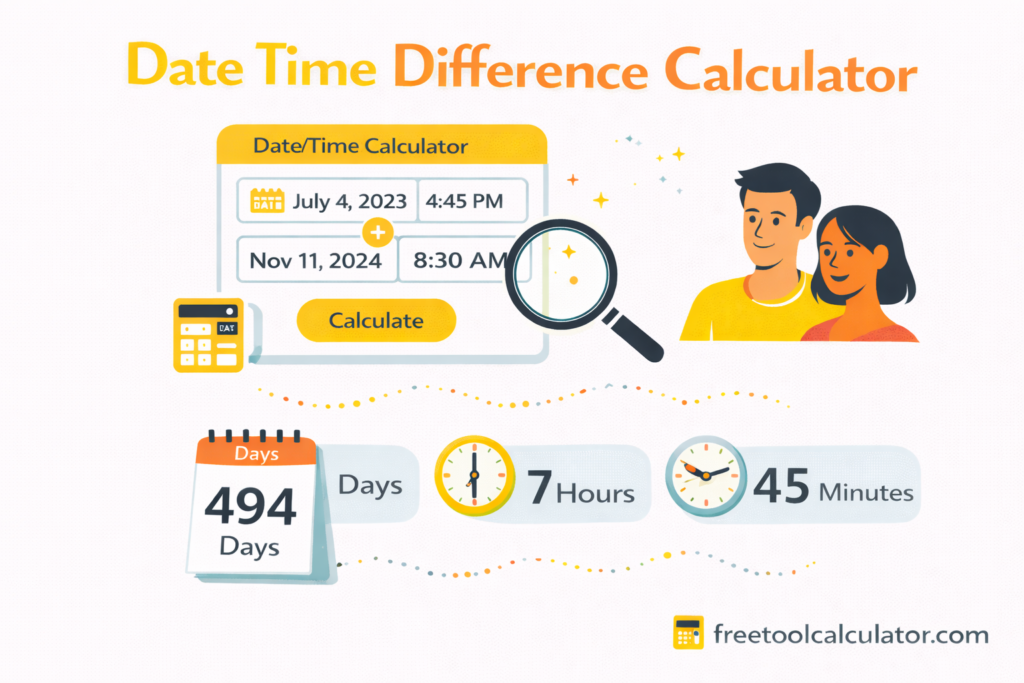
How to Use a Date Time Difference Calculator for Accurate Time Comparison

How to Calculate the Difference Between Two Dates and Times

Learn how to calculate time differences between dates and times accurately using a Date Time Difference Calculator. This guide explains practical use cases manual methods key formulas and tips to handle hours minutes and seconds differences quickly and without errors.

Report a Bug