Fat Mass vs Muscle Mass Calculator Body Composition Breakdown
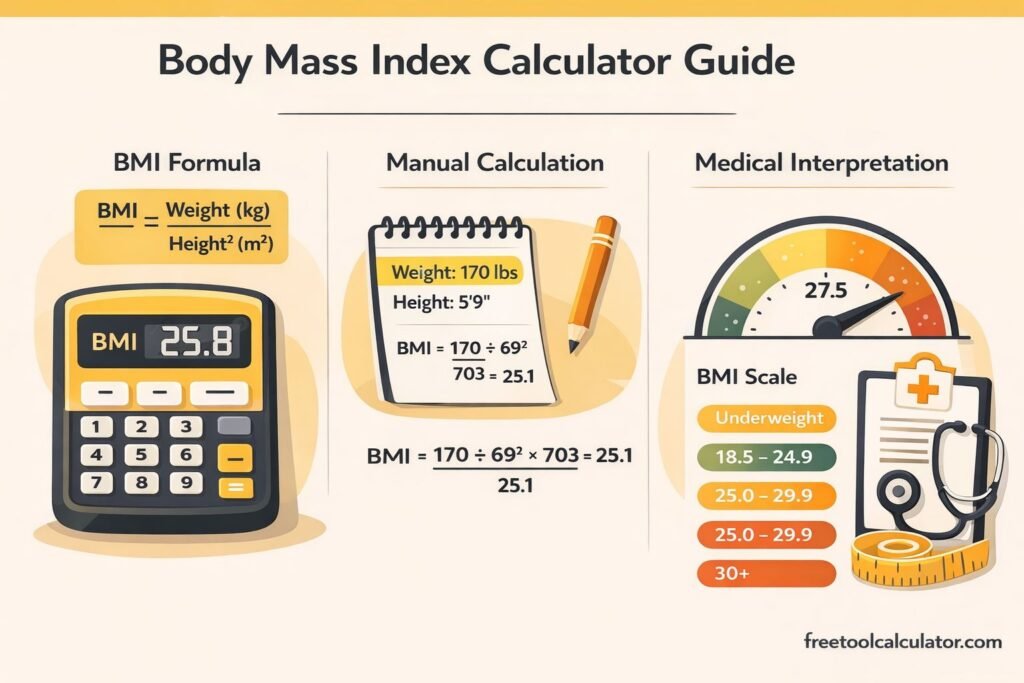
You’ve been hitting the gym for weeks, yet the scale hasn’t budged an inch. This frustrating plateau happens because standard metrics ignore the crucial difference between BMI and body composition analysis.
Think of your physical transformation like a house undergoing renovation. Total weight is simply the property’s overall poundage, but actual progress relies on your quality of mass—building solid brick while clearing out unnecessary clutter.
Falling into the “skinny-fat” trap proves that a lower weight isn’t always healthier, as research reveals clear health risks of high body fat with low muscle. Using a reliable fat mass vs muscle mass calculator finally bypasses the scale to expose what you are truly made of.
The Density Secret: Why Muscle is More Dense Than Body Fat
Understanding tissue density completely changes how you view physical progress. Because muscle fibers are tightly packed and highly structured, they possess a higher density than the loose, bulky structure of body fat.
To understand why muscle is more dense than body fat, compare the physical reality of one pound of each:
- Size: One pound of fat takes up about 18% more space (volume) than one pound of compact muscle.
- Metabolic Activity: Muscle acts as an active engine burning calories daily, whereas fat serves mostly as an inactive backup battery of stored energy.
- Texture: Muscle is firm and solid, while fat is soft and yields to pressure.
This volumetric change perfectly explains why your jeans suddenly fit better even when your overall weight stays identical. The incredible impact of strength training on fat-to-muscle ratio means you are fundamentally reshaping your body into a smaller, firmer package without necessarily dropping pounds. Body composition calculators use this physical reality to predict actual physical changes.

How a Body Composition Calculator Actually Predicts Your Results
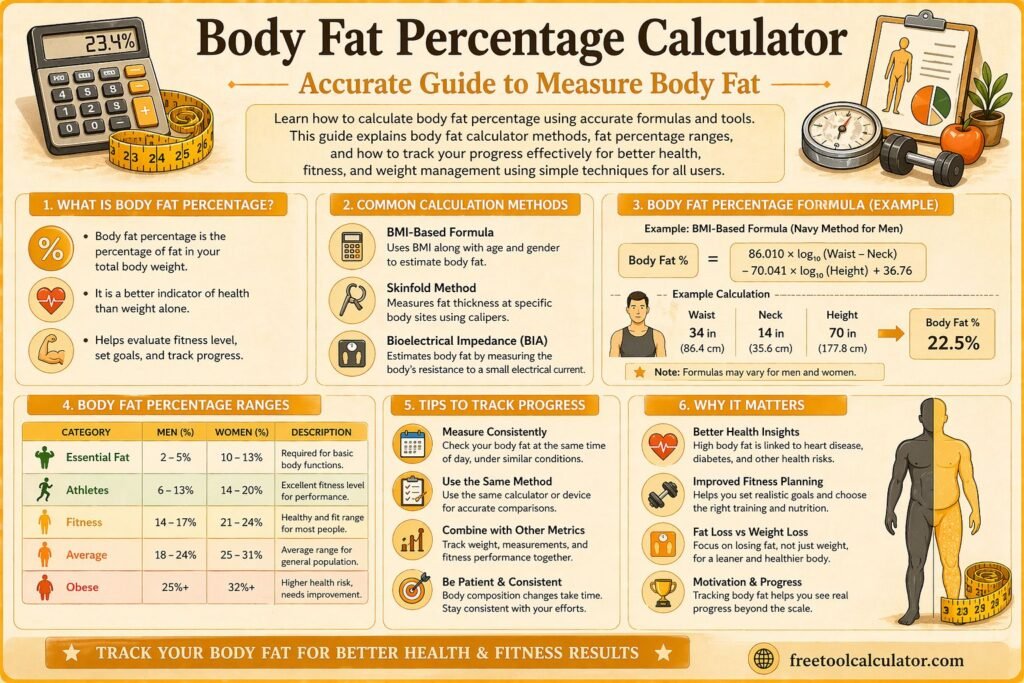
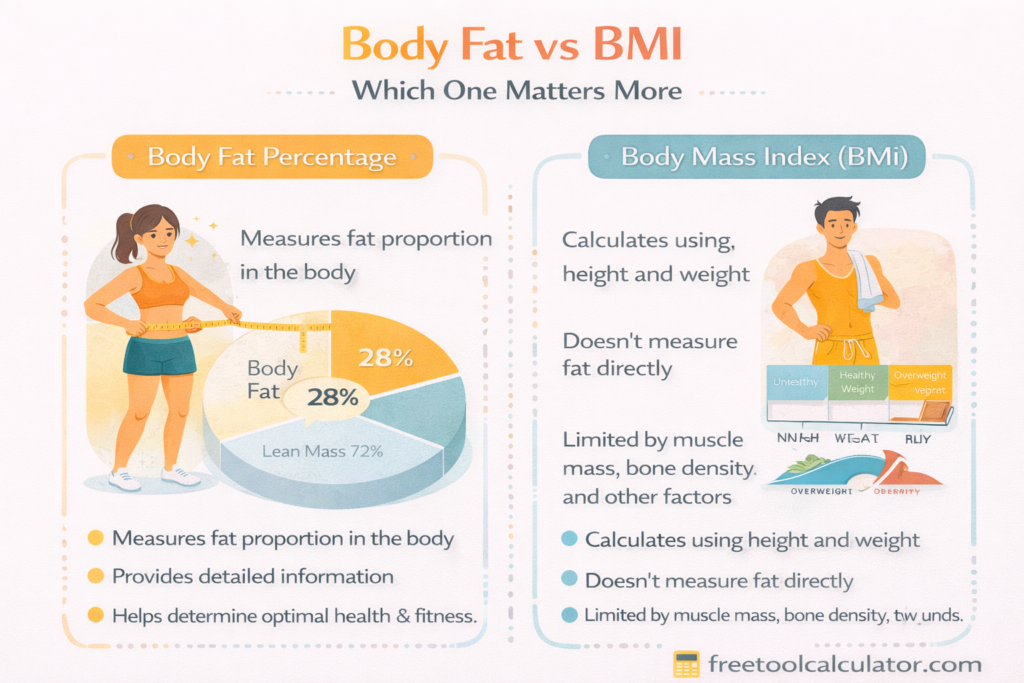
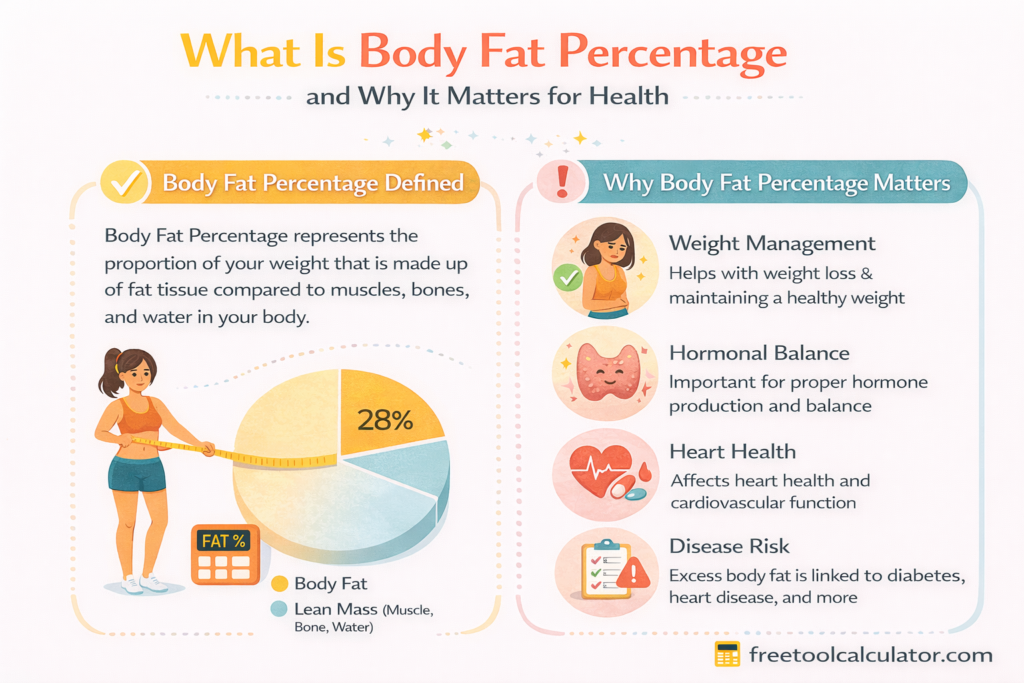
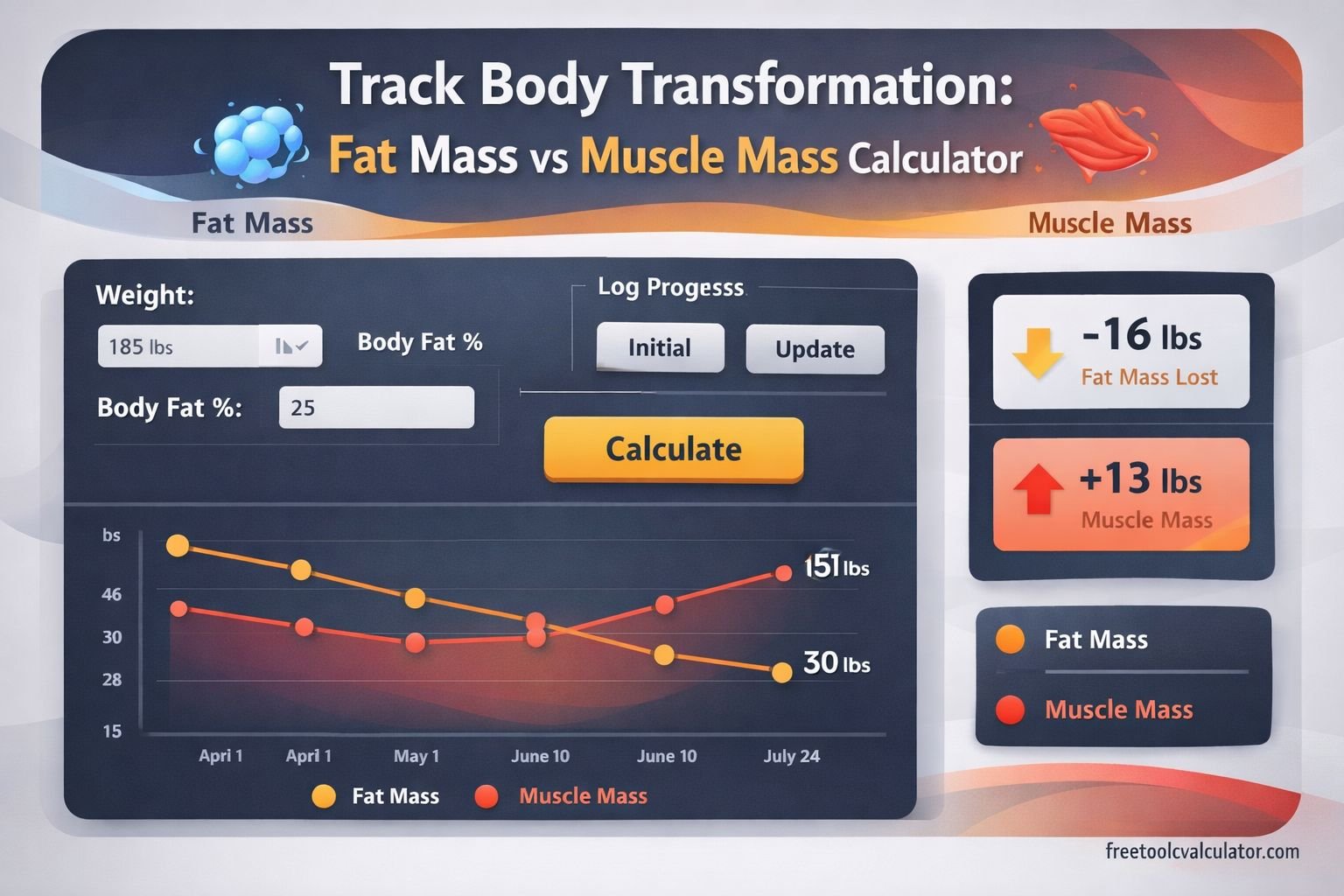
Separating your weight into estimated fat mass and Lean Body Mass (LBM) is the secret to measuring real progress. If fat acts as stored clutter, LBM represents the house’s solid structure—your muscles, bones, organs, and water. A lean mass calculator simply subtracts your estimated fat from your total weight, revealing the metabolically active tissue driving your energy.
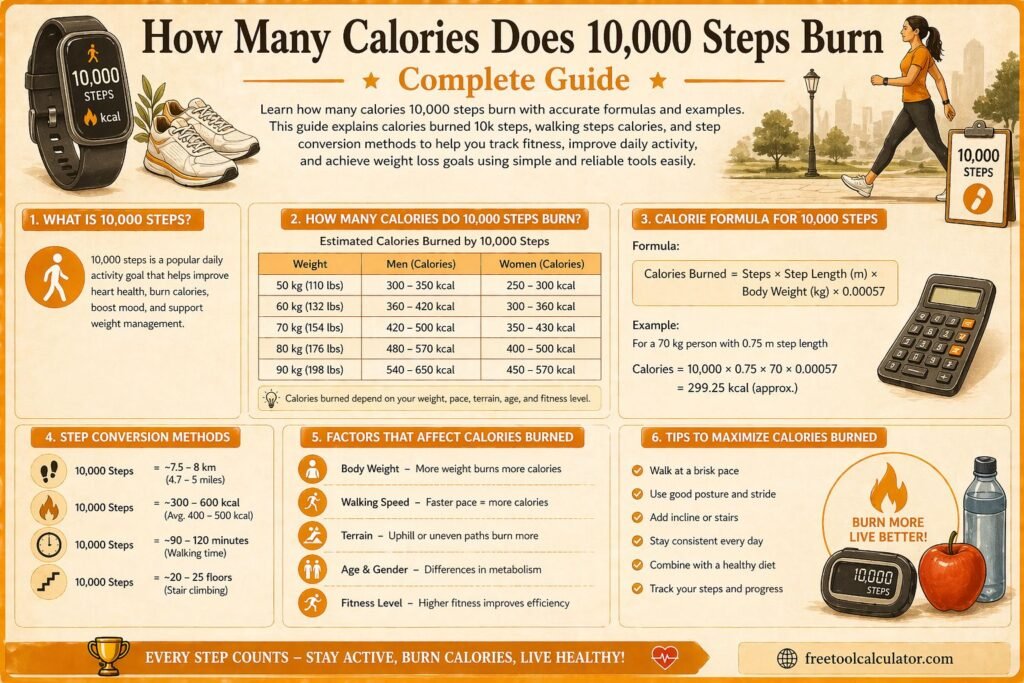
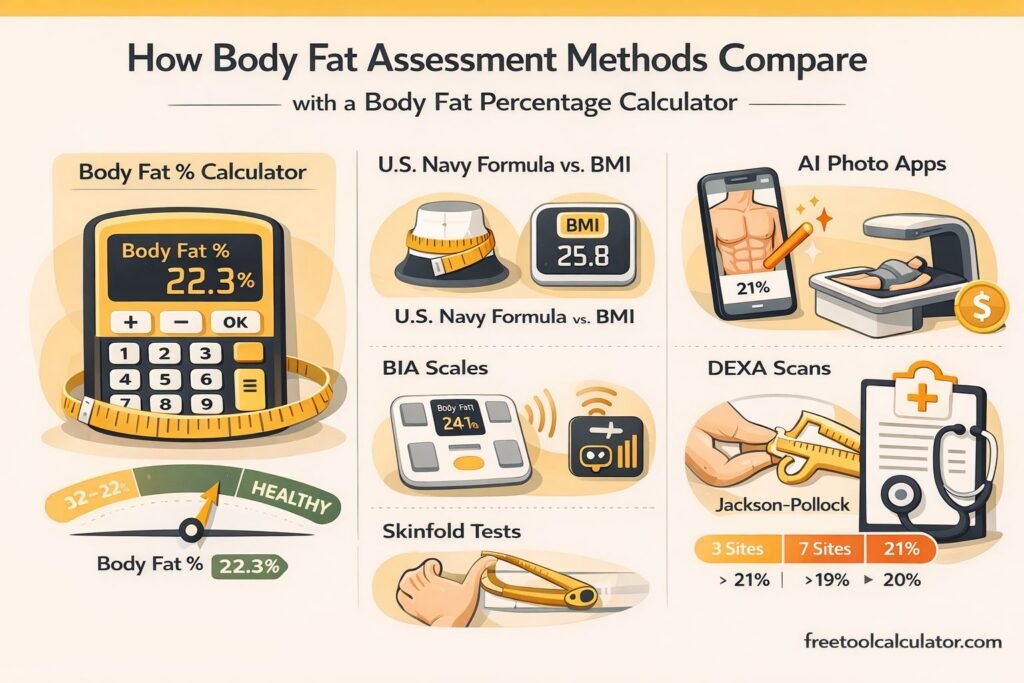
Rather than looking directly inside your body, an online body fat calculator acts like a highly educated weather forecast. It predicts your lean body mass vs body fat percentage using established mathematical formulas based on population data. To generate this personalized estimate, you must provide these basic inputs:
- Total weight and height
- Age and gender
- Waist circumference
While these algorithms offer an excellent baseline for tracking your fitness journey, they naturally carry a margin of error. Because they rely on generalized data, their results are best used to monitor long-term trends rather than absolute daily facts. Comparing these free formulas to advanced medical technology reveals clear differences in accuracy and depth.
From Bathroom Scales to DEXA: Which Measurement Method Should You Trust?
Stepping onto a modern bathroom scale is convenient, but those instant numbers have limitations. Many people prefer manual tools to track the fat they can actually pinch. Mastering skinfold caliper measurement techniques for beginners offers a cheap, hands-on way to monitor real physical changes without relying on easily confused electronics.
Water acts as a major disruptor for those home smart scales. Simply drinking a large glass of water or sweating can instantly “fake” a fat gain result. This daily hydration sensitivity makes bioelectrical impedance analysis accuracy for athletes and casual users highly variable.
Understanding your total percentage is helpful, but knowing exactly where that energy is stored matters more. Standard home tools cannot look deep inside, leaving you guessing how to calculate subcutaneous vs visceral fat—the difference between harmless soft tissue and the dangerous fat wrapping your organs.
Investing in a clinical scan becomes worthwhile when you need absolute certainty. A quick DEXA scan vs hydrostatic weighing comparison shows these medical-grade methods provide the ultimate look at your internal composition. Knowing these exact numbers provides crucial insights into your overall metabolic function.
Why Your Metabolic Health Depends on Your Muscle-to-Fat Ratio
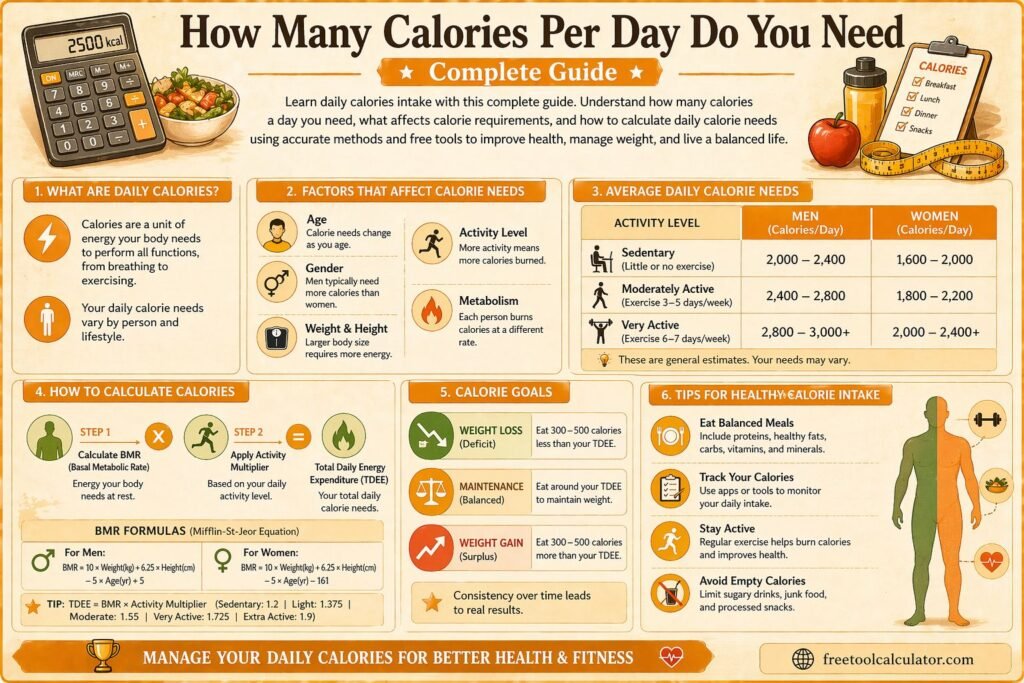
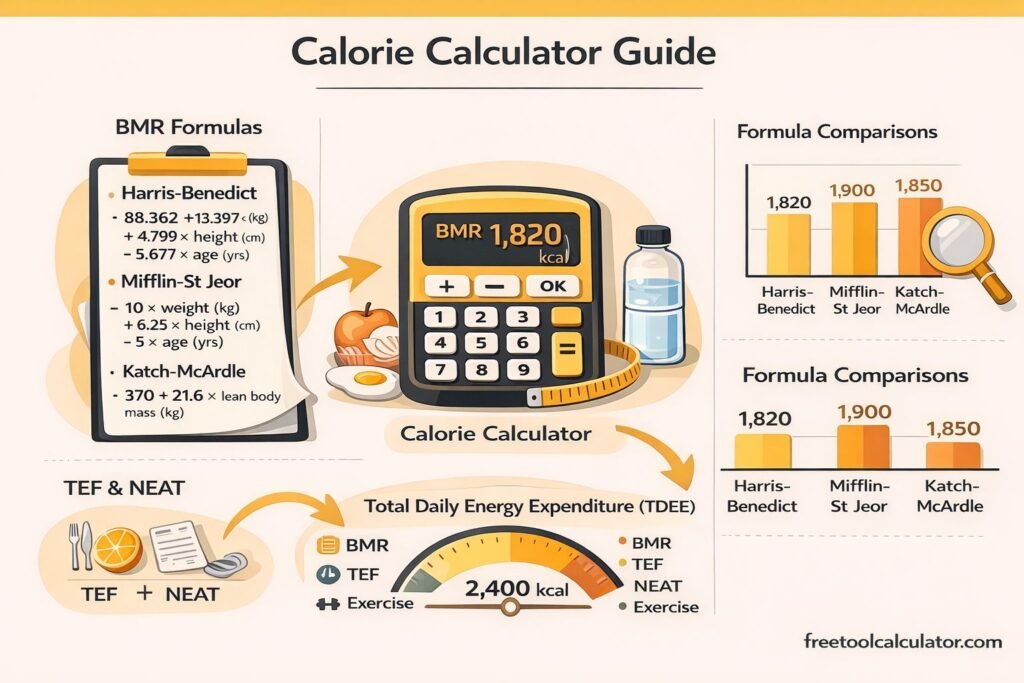
Think of your body as a vehicle to understand why some people burn more energy just sitting still. Muscle tissue is your “metabolic machinery”—a powerful internal engine requiring continuous fuel. This baseline everyday energy burn is your Basal Metabolic Rate (BMR). When people attempt aggressive starvation diets, the body panics and destroys this valuable muscle for fuel instead of burning fat, ultimately slowing their metabolism down.
Protecting that machinery does more than keep your engine running smoothly. Understanding total body water and muscle mass reveals how optimal body composition for metabolic health acts as a physical shield against aging. Maintaining high lean mass delivers three major benefits:
- Higher daily calorie burn
- Stronger bone density
- Better insulin sensitivity for processing dietary sugars
Measuring success by calculating basal metabolic rate from lean mass gives you a truer picture of vitality than a standard bathroom scale. You are building a highly efficient system rather than simply trying to shrink, making strategic body recomposition essential for long-term health.
Your Body Recomposition Plan: How to Shift the Ratio Without Losing Your Mind
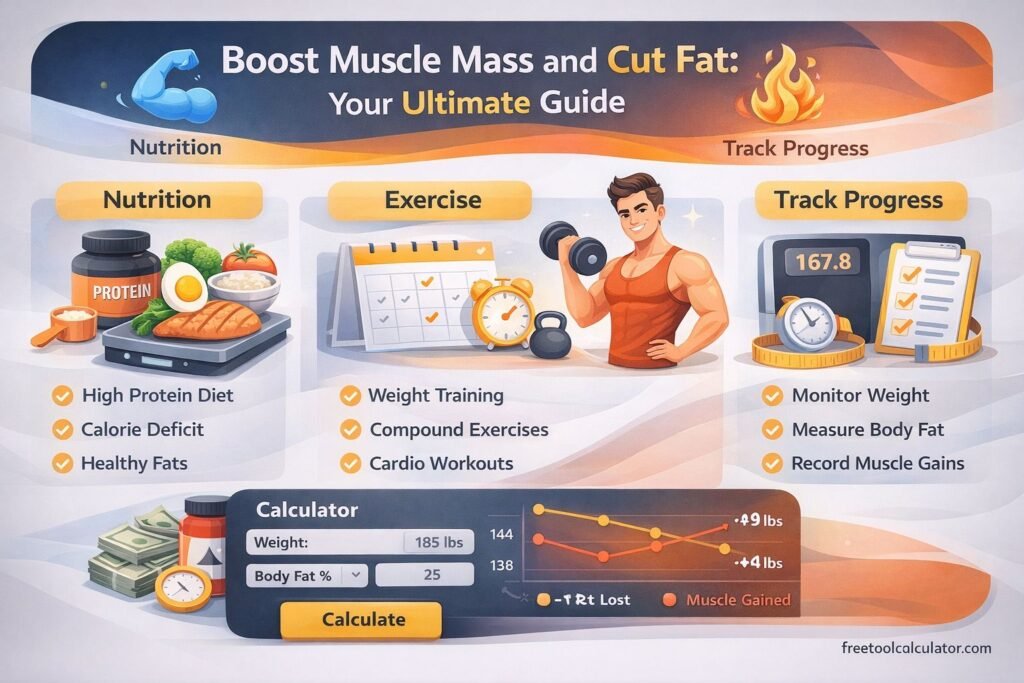
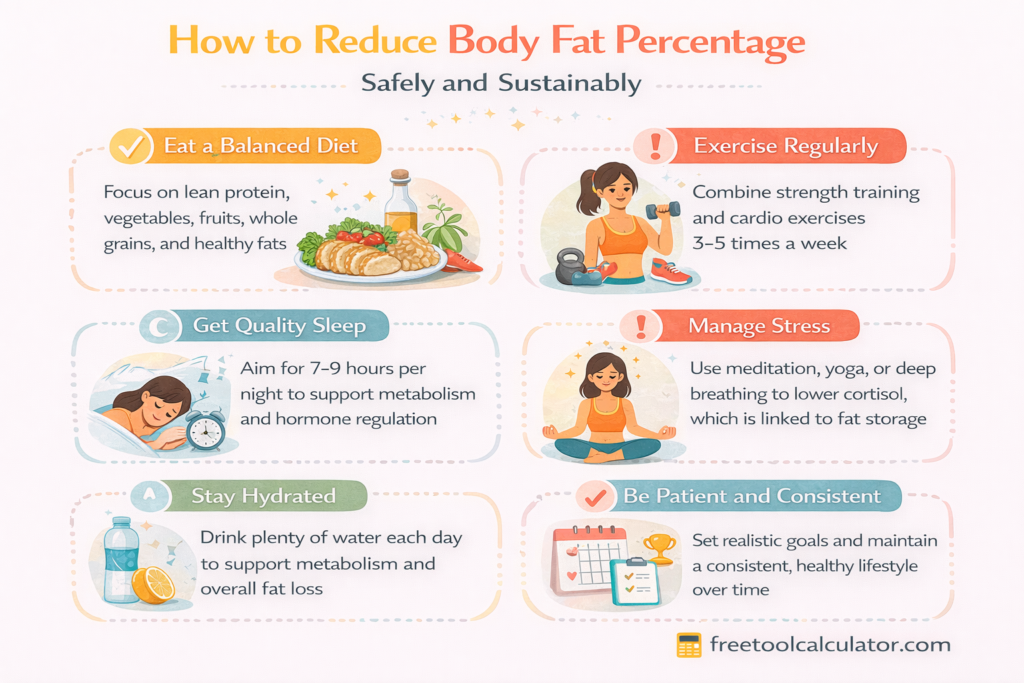
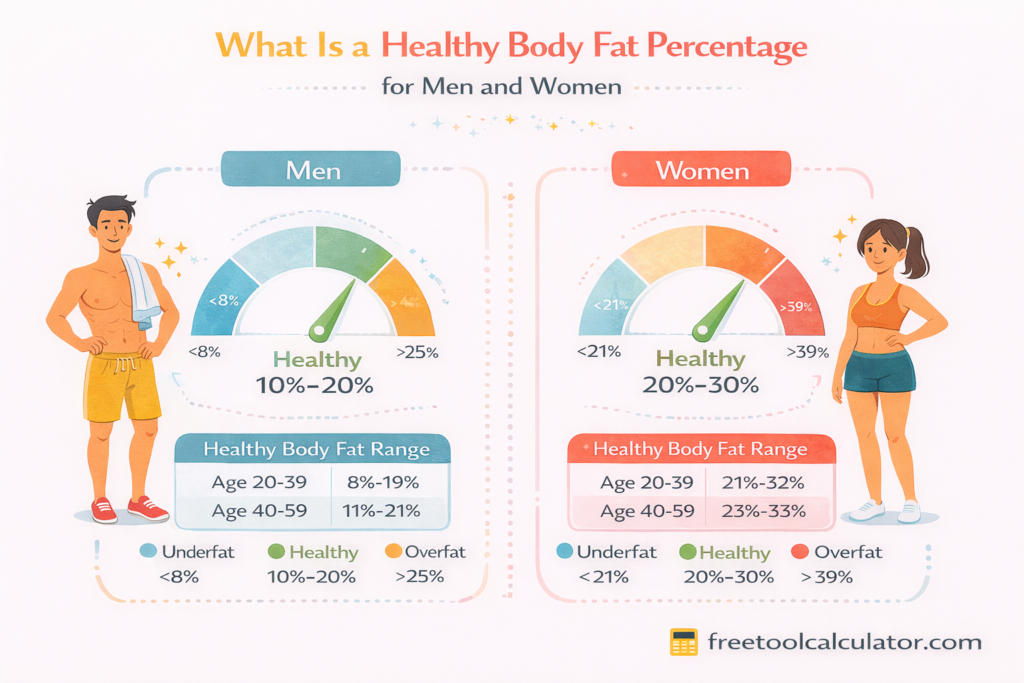
You no longer need to fear the scale. By shifting your focus to actual body makeup, you can avoid common mistakes in measuring body composition and target healthy body fat ranges by age and gender. Start your transformation with The Recomposition Checklist:
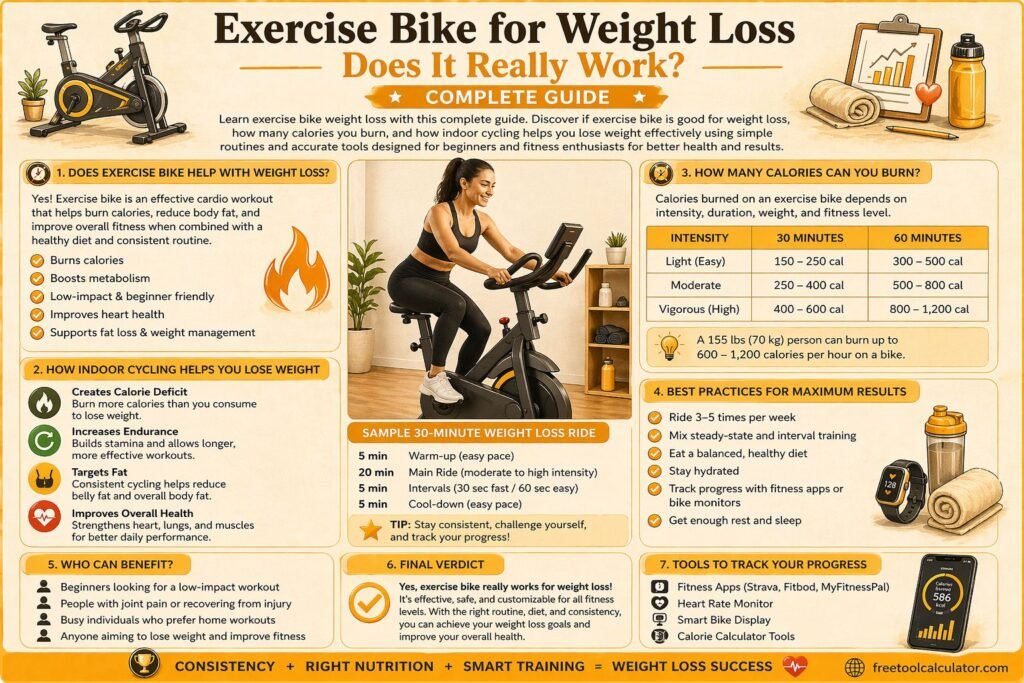
- Protein: Prioritize daily intake to feed your metabolic engine.
- Strength: Lift weights to build dense, functional muscle.
- Consistency: Use reliable body recomposition progress tracking methods, like checking calculations once a month instead of stepping on a scale every day.
Ultimately, health is a quality game, not a quantity game. As your composition shifts, celebrate Non-Scale Victories (NSVs) like looser-fitting clothes, surging energy levels, and increased physical strength. You aren’t just trying to shrink anymore; you are actively rebuilding your body’s foundation.