Introduction
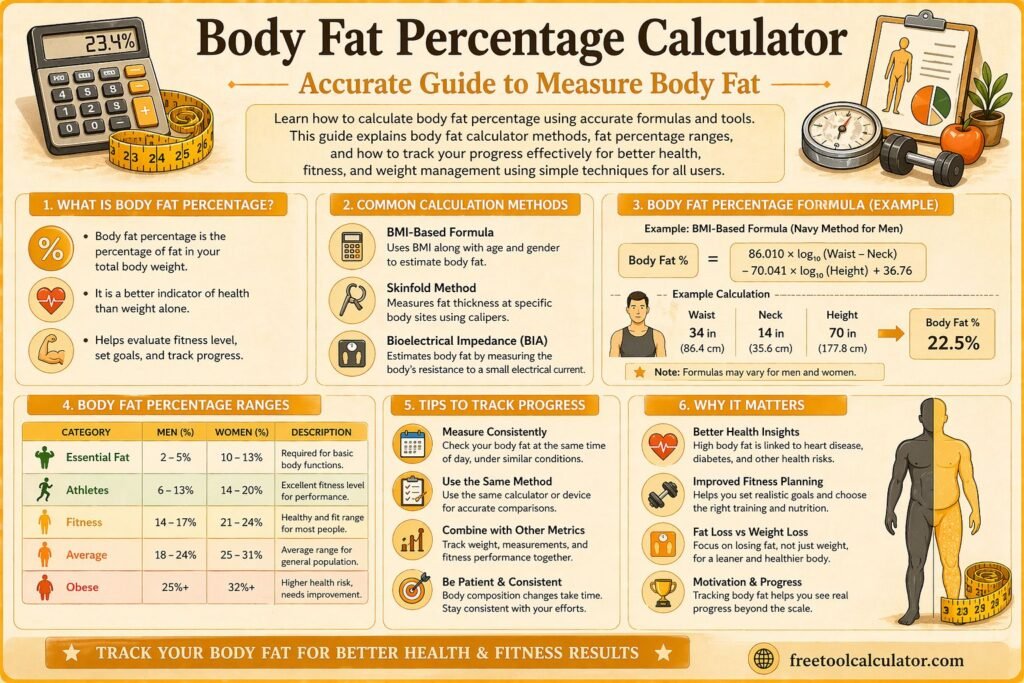
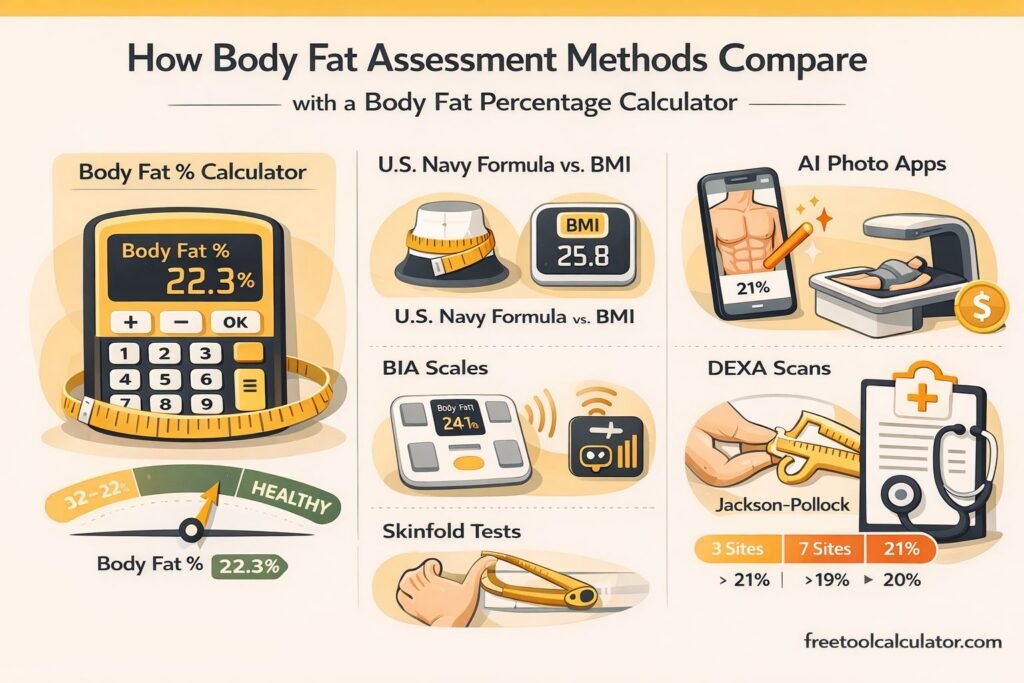
Many people want to reduce body fat percentage but approach it in unsafe or unsustainable ways. As a senior health doctor I often see patients who follow extreme diets or excessive exercise routines that lead to muscle loss hormonal disruption fatigue and eventual weight regain. Reducing body fat percentage safely requires a long term approach that protects metabolic health preserves lean muscle and supports overall wellbeing. Understanding how the body stores and burns fat allows you to lower body fat effectively without damaging your health. Tracking progress using a reliable body fat percentage calculator such as https://freetoolcalculator.com/body-fat-percentage-calculator/ helps ensure changes reflect true fat loss rather than water loss or muscle breakdown.
What Reducing Body Fat Percentage Really Means
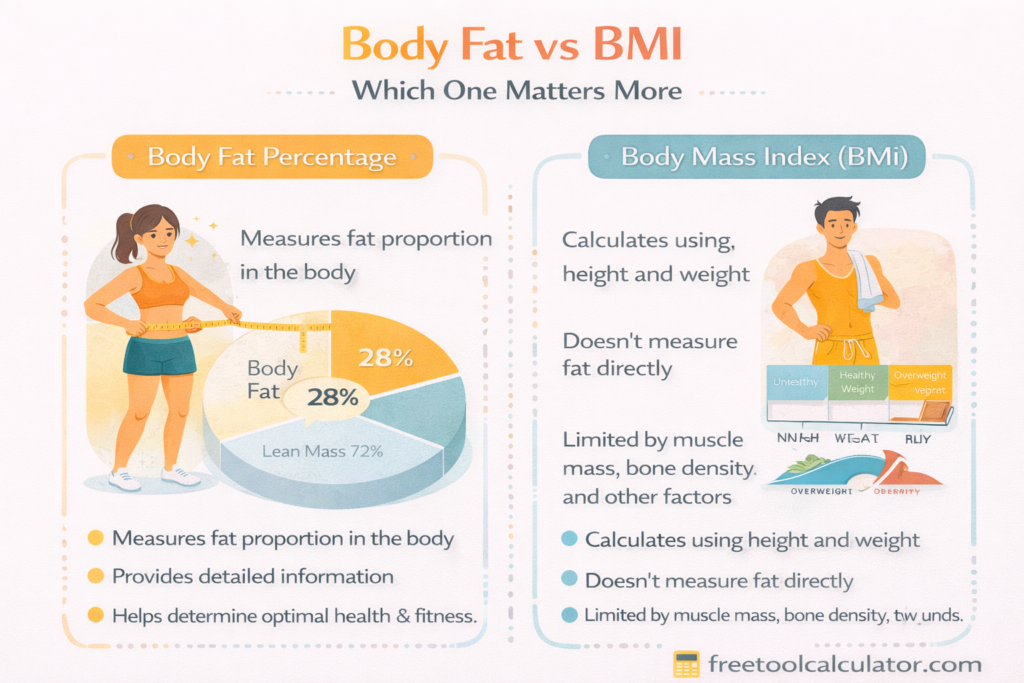
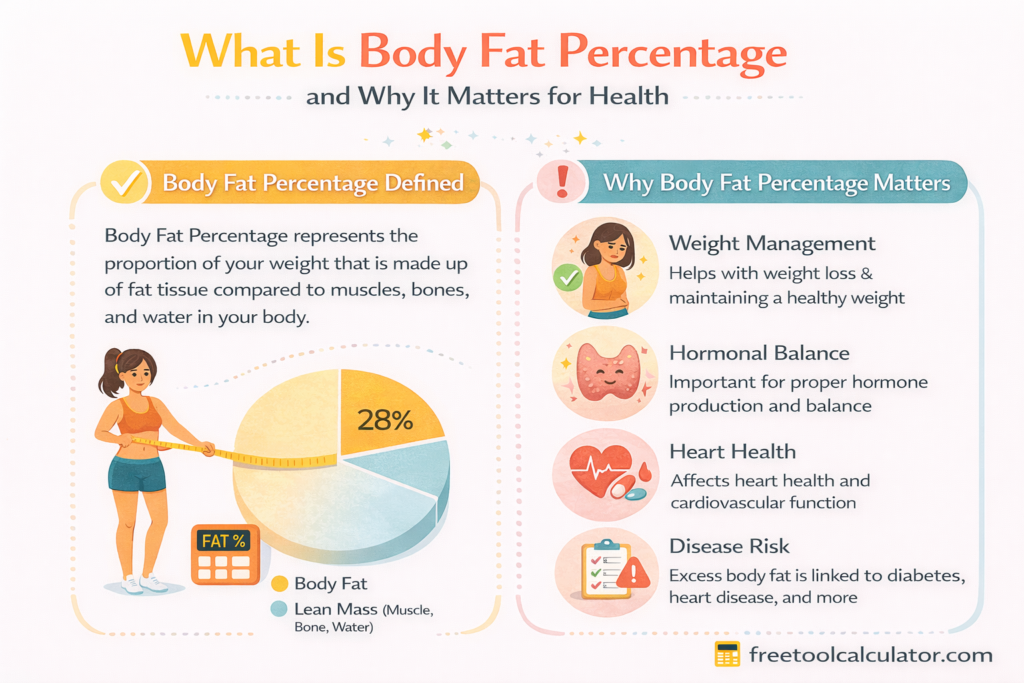
Reducing body fat percentage means lowering the proportion of fat tissue relative to total body weight while maintaining or increasing lean mass. This is different from simply losing weight. Weight loss may come from fat muscle or water. Healthy fat reduction prioritizes fat loss while protecting muscle bone density and hormonal balance.
From a medical perspective the goal is body recomposition rather than rapid scale changes.
Why Crash Diets Fail
Crash diets create large calorie deficits that initially cause quick weight loss but most of that loss comes from water and muscle. Severe restriction increases stress hormones lowers metabolic rate and disrupts appetite regulation. Once the diet ends weight regain is common and often results in higher body fat percentage than before.
Sustainable fat loss avoids extreme restriction and focuses on consistent habits.
Setting a Safe Body Fat Reduction Goal
Safe fat loss typically ranges from 0.5 to 1 percent body fat reduction per month depending on starting level. Faster loss increases risk of muscle loss hormonal imbalance and nutrient deficiencies.
Realistic goals improve adherence and long term success. Tracking trends rather than daily changes is essential.
Nutrition Principles for Reducing Body Fat Percentage
Create a Moderate Calorie Deficit
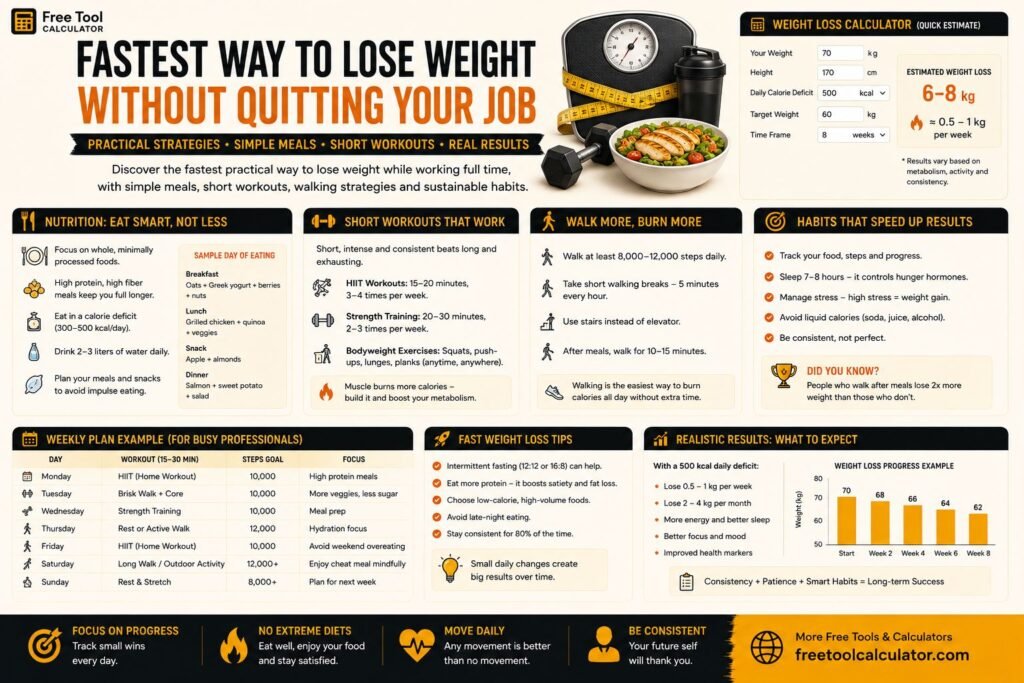
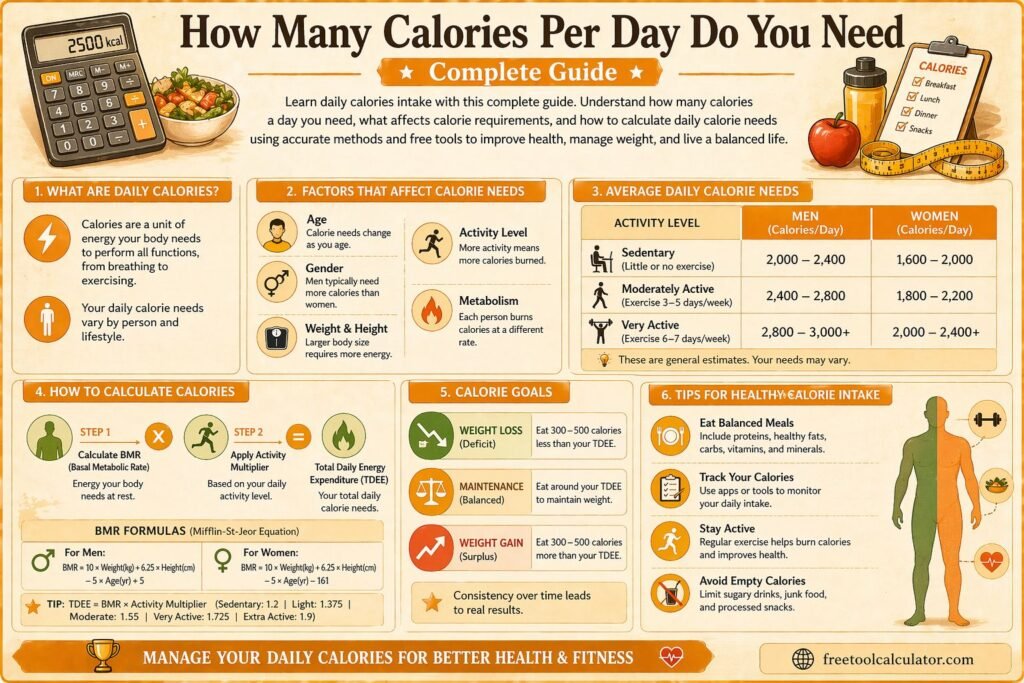
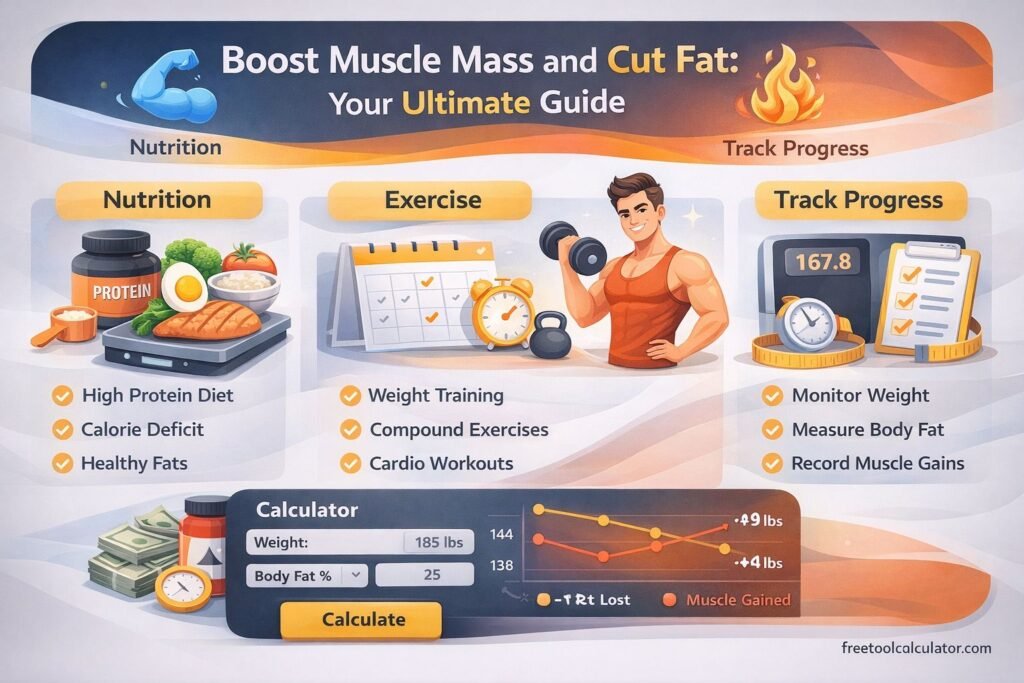
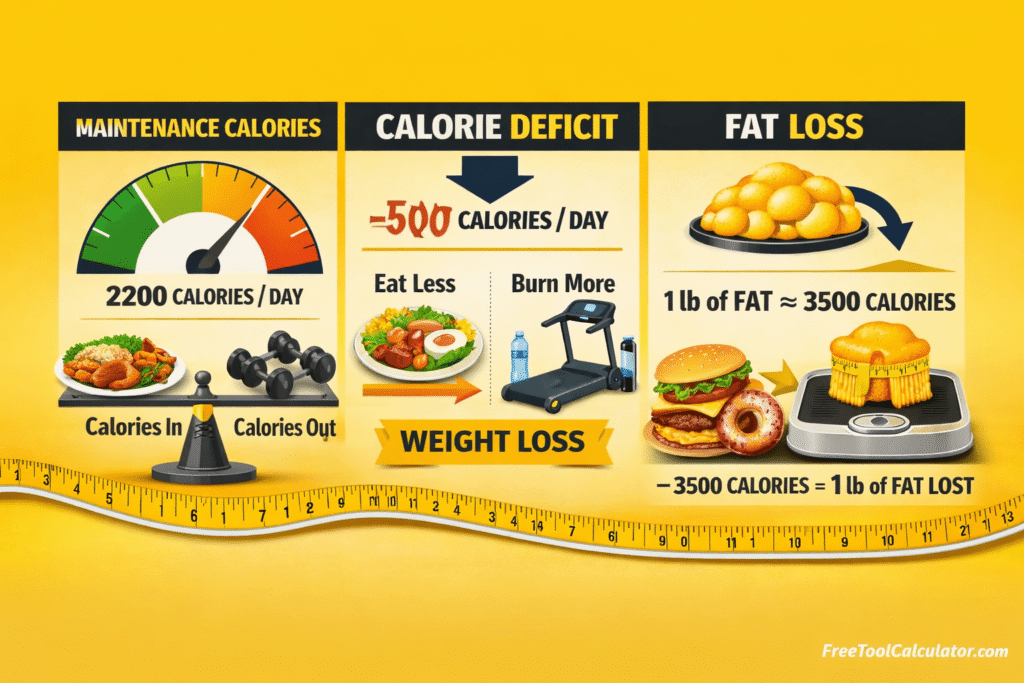
Fat loss requires a calorie deficit but it should be moderate. A deficit of 300 to 500 calories per day supports fat loss without triggering metabolic slowdown. Severe deficits are counterproductive.
Prioritize Protein Intake
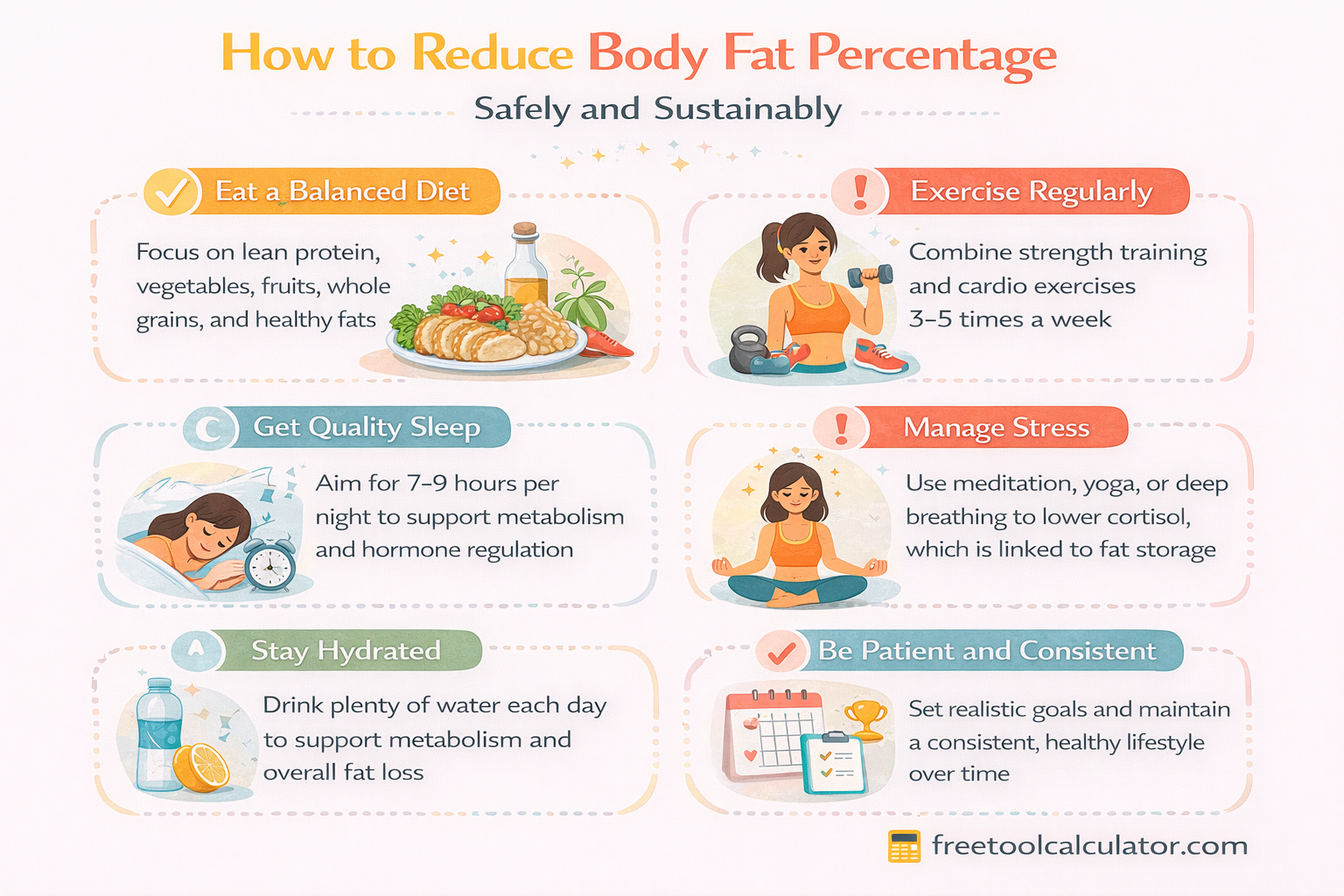
Protein preserves muscle mass during fat loss and supports satiety. Aim for adequate protein intake distributed evenly throughout the day. Protein sources include lean meats fish eggs dairy legumes and plant based proteins.
Choose Whole Nutrient Dense Foods
Whole foods support metabolic health and reduce inflammation. Focus on vegetables fruits whole grains healthy fats and minimally processed foods. Avoid sugary drinks refined carbohydrates and ultra processed snacks.
Maintain Healthy Fats
Dietary fat supports hormone production and nutrient absorption. Include sources such as olive oil nuts seeds and avocados while limiting trans fats and excessive saturated fat.
Exercise Strategies for Sustainable Fat Loss
Resistance Training Is Essential
Strength training preserves muscle mass and increases resting energy expenditure. Muscle tissue burns more calories at rest than fat. Resistance training two to four times per week is ideal.
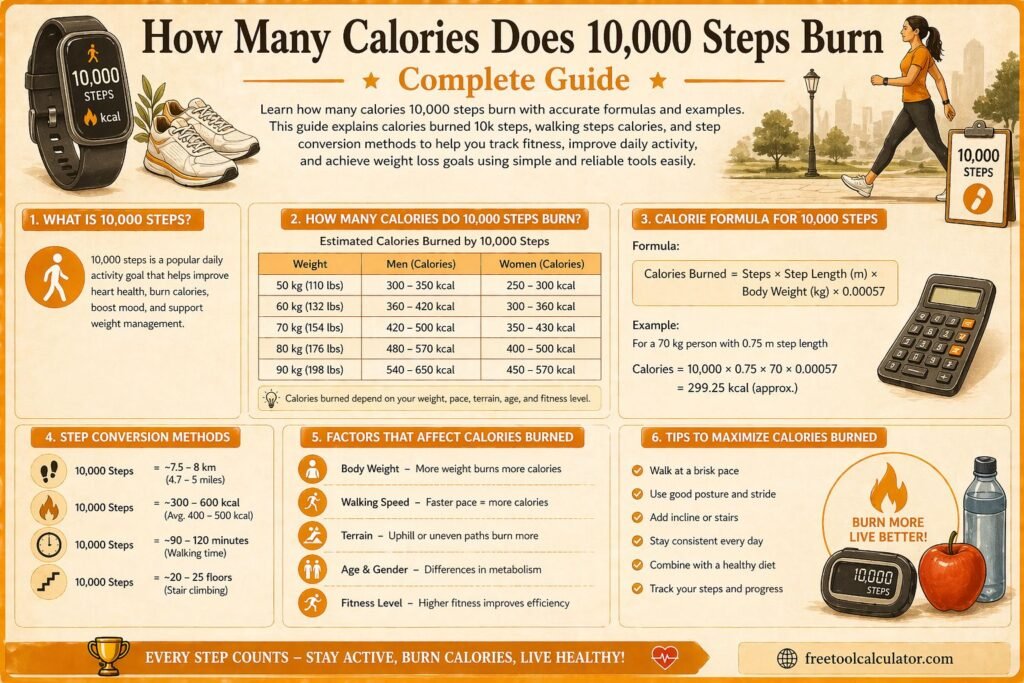
Cardiovascular Exercise Supports Fat Loss
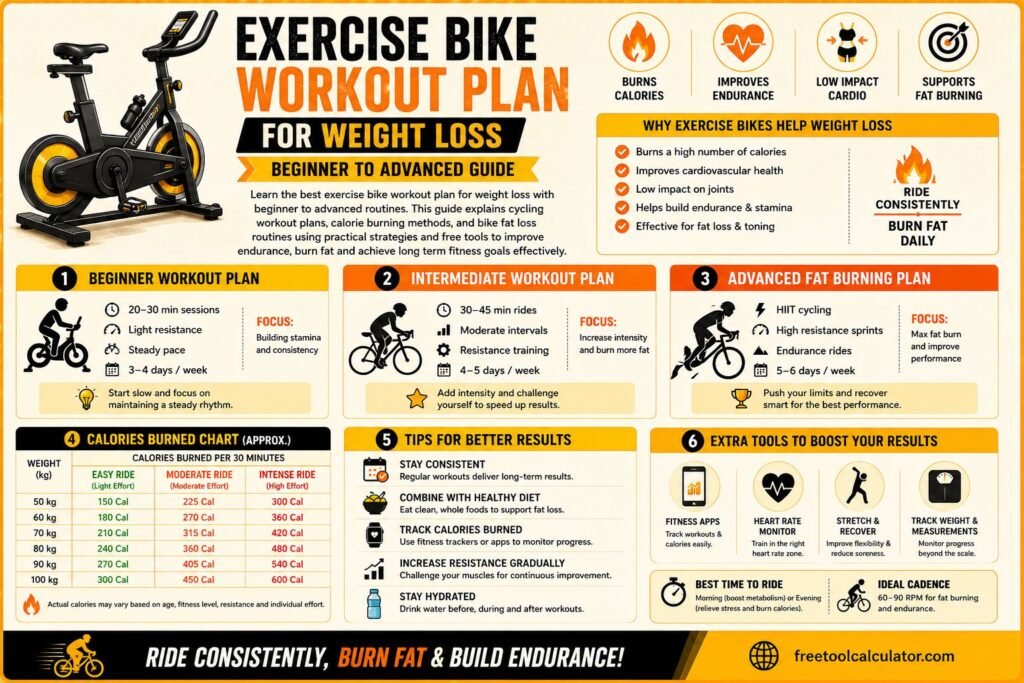
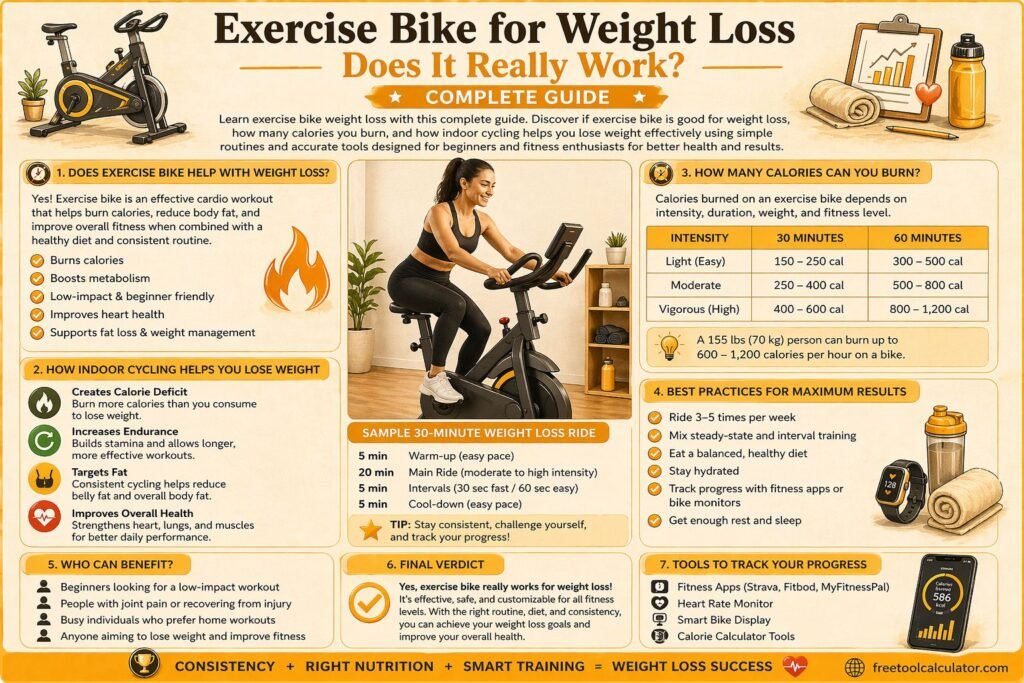
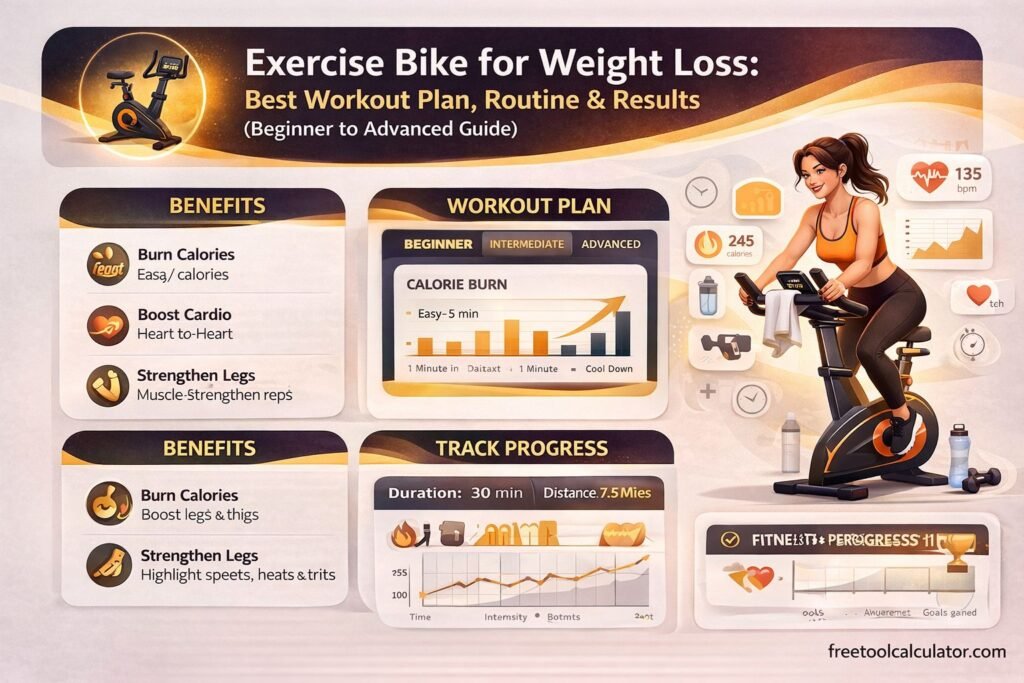
Cardio improves cardiovascular health and contributes to calorie expenditure. Moderate intensity exercise such as brisk walking cycling or swimming combined with occasional high intensity intervals is effective.
Avoid Excessive Training
Overtraining elevates cortisol which impairs fat loss and increases muscle breakdown. Adequate recovery is essential for hormonal balance.
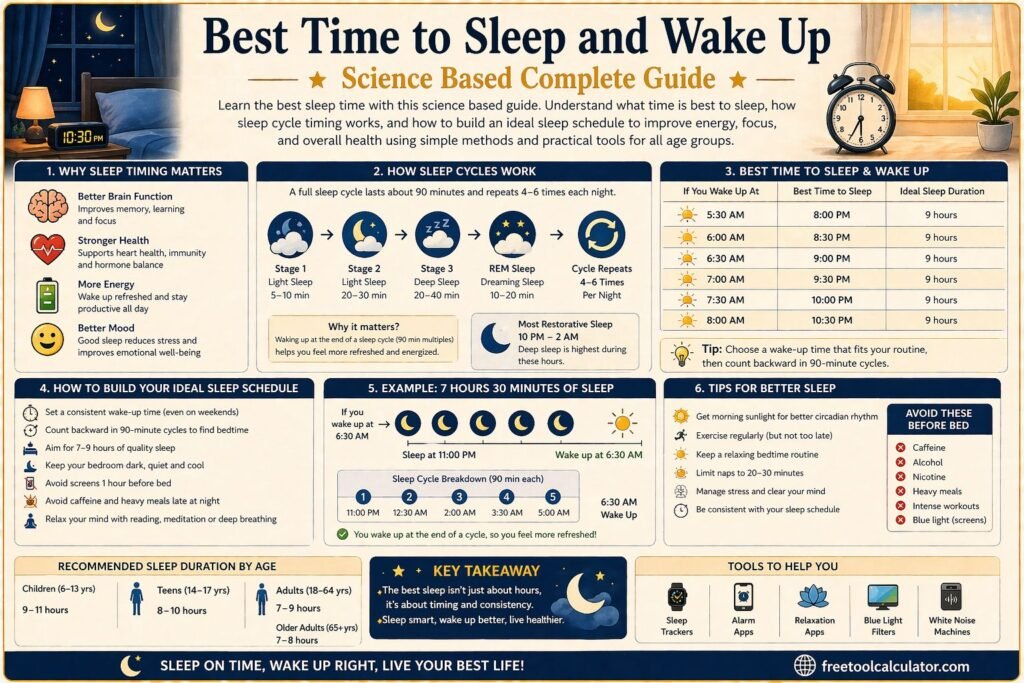
The Role of Sleep in Fat Reduction
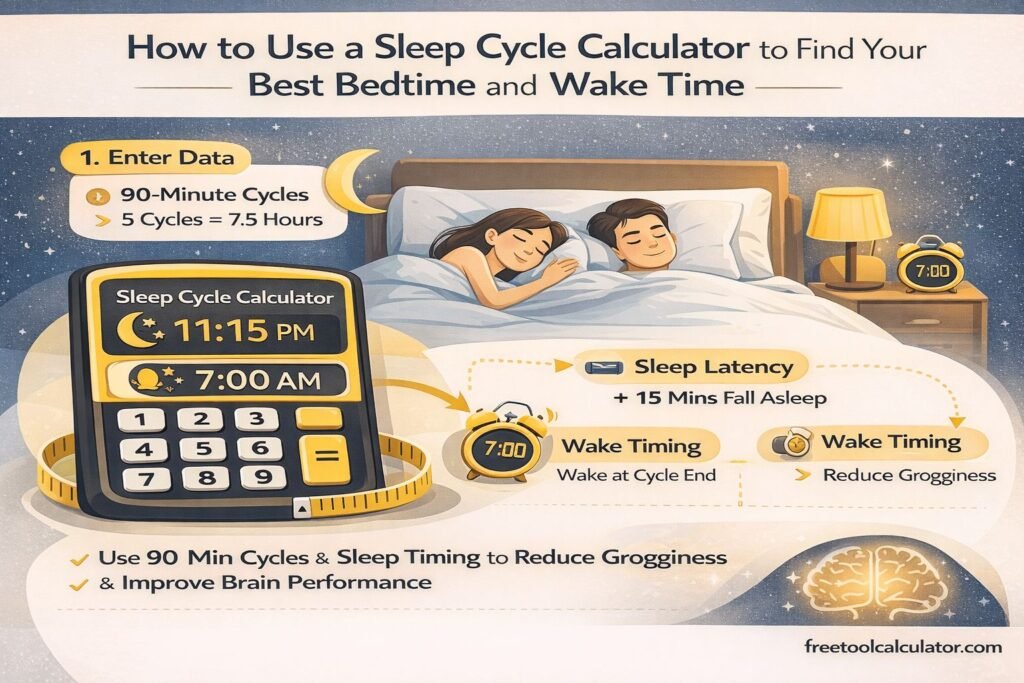
Sleep deprivation increases hunger hormones and reduces insulin sensitivity. People who sleep less than seven hours per night have greater difficulty reducing body fat.
Aim for seven to nine hours of quality sleep to support fat metabolism and appetite regulation.
Stress Management and Fat Loss
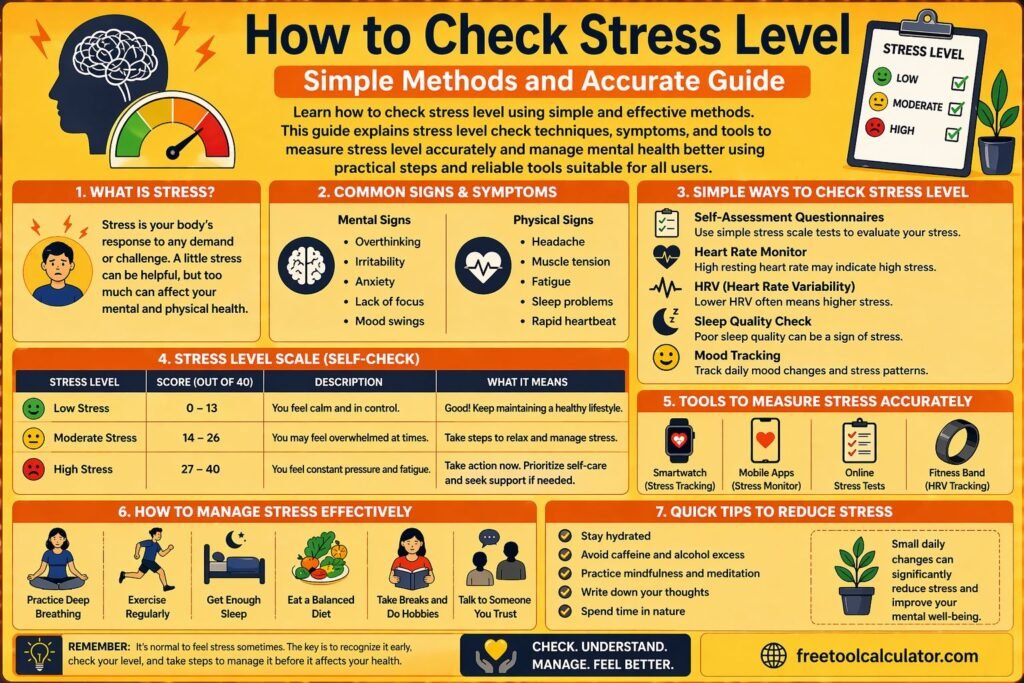
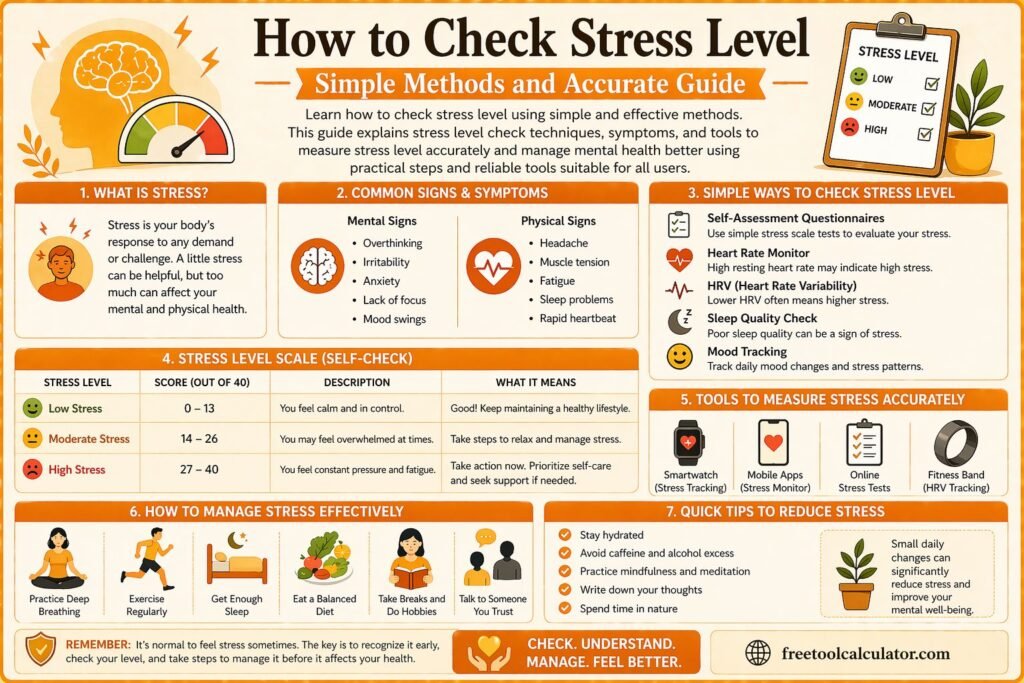
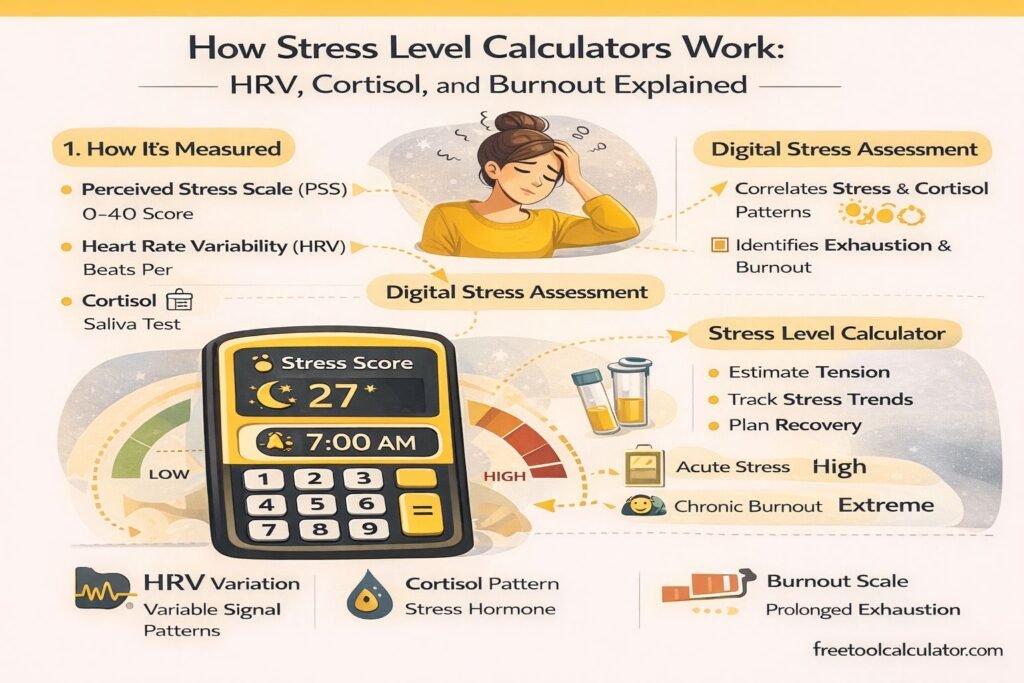
Chronic stress raises cortisol which promotes fat storage particularly around the abdomen. Stress management through mindfulness breathing exercises yoga or counseling supports sustainable fat reduction.
Mental health is a critical but often overlooked component of body composition improvement.
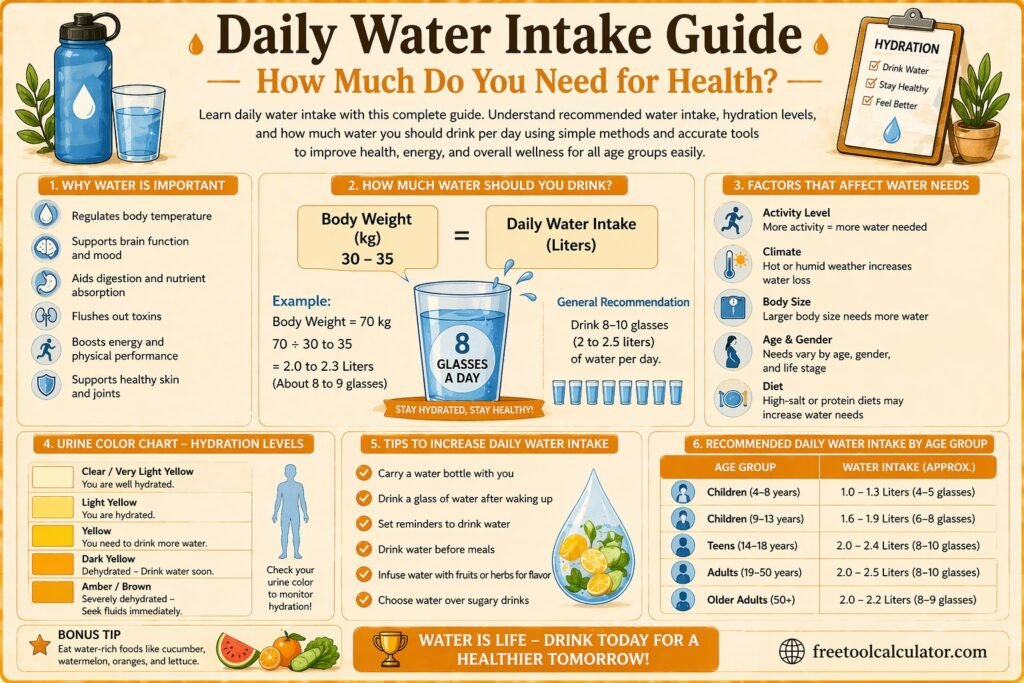
Hydration and Fat Loss
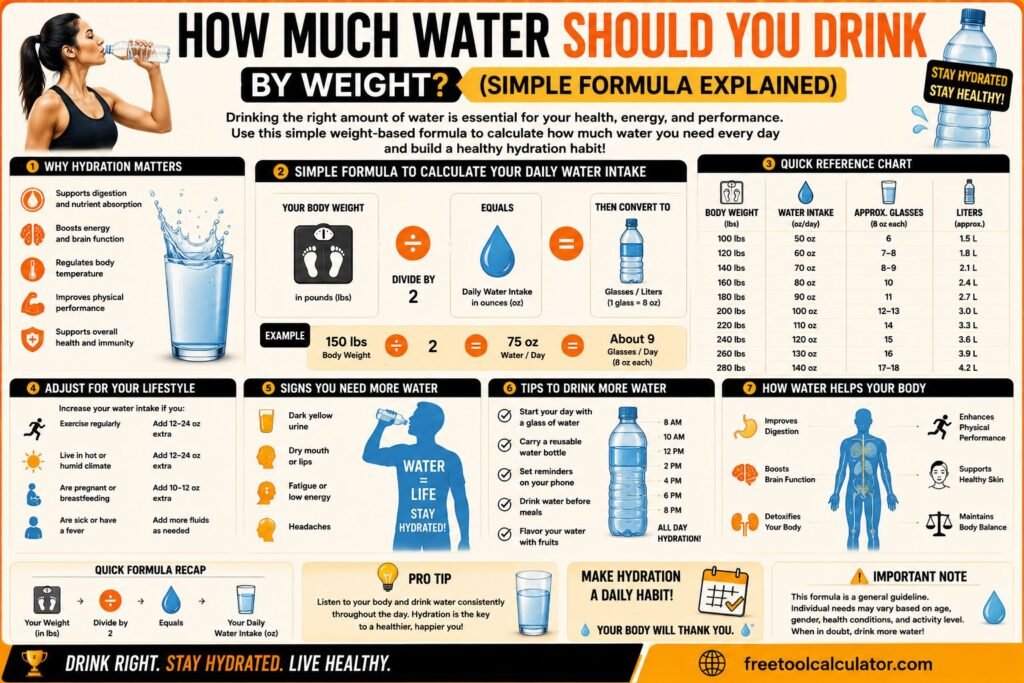
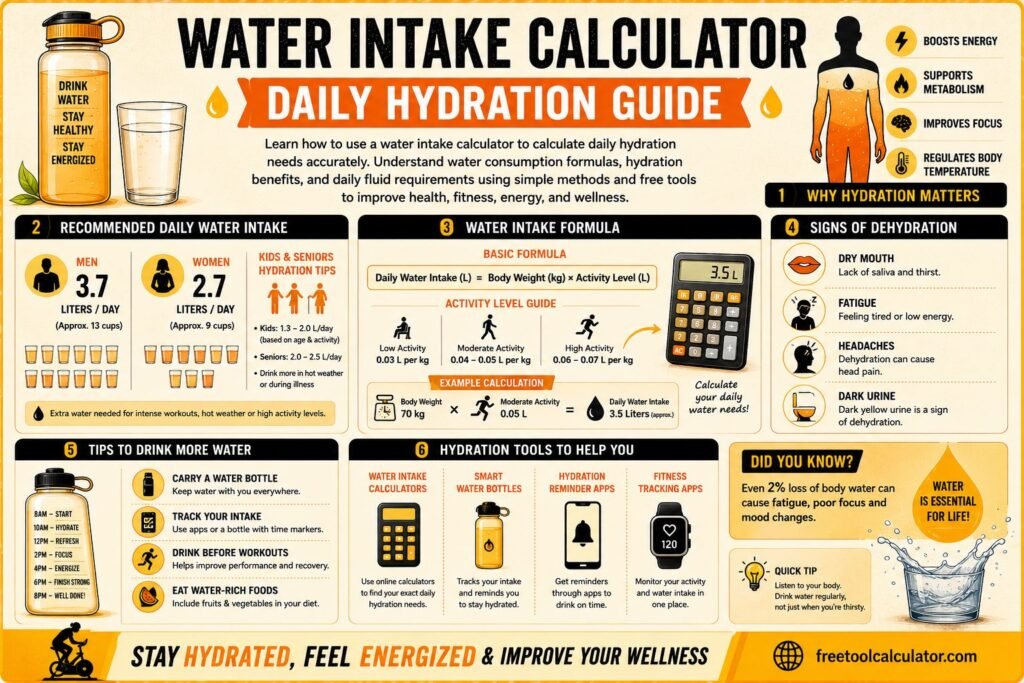
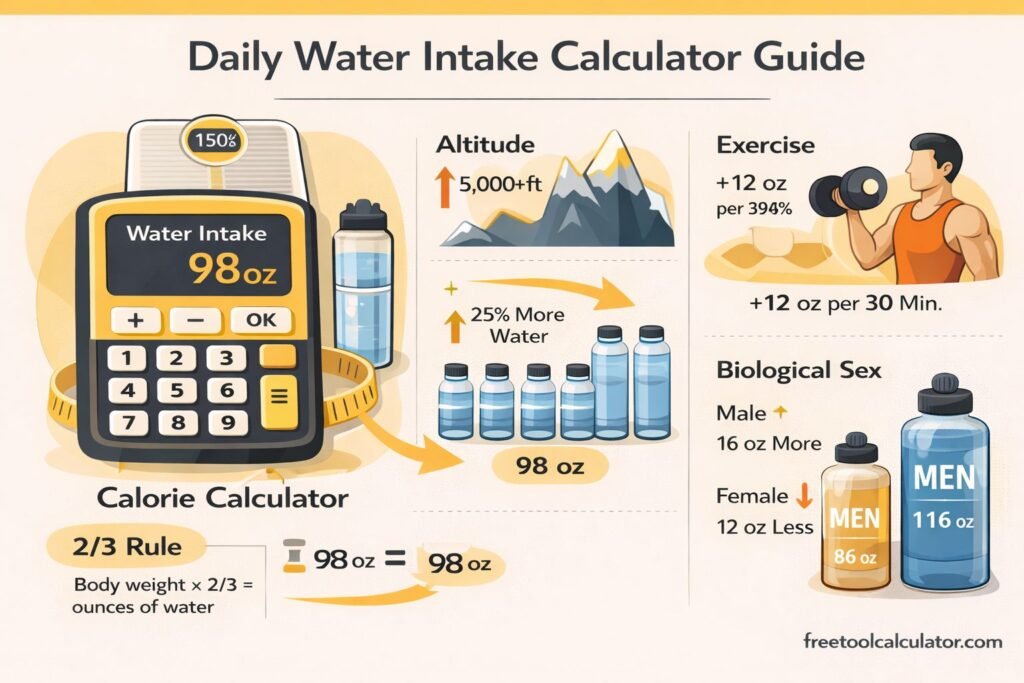
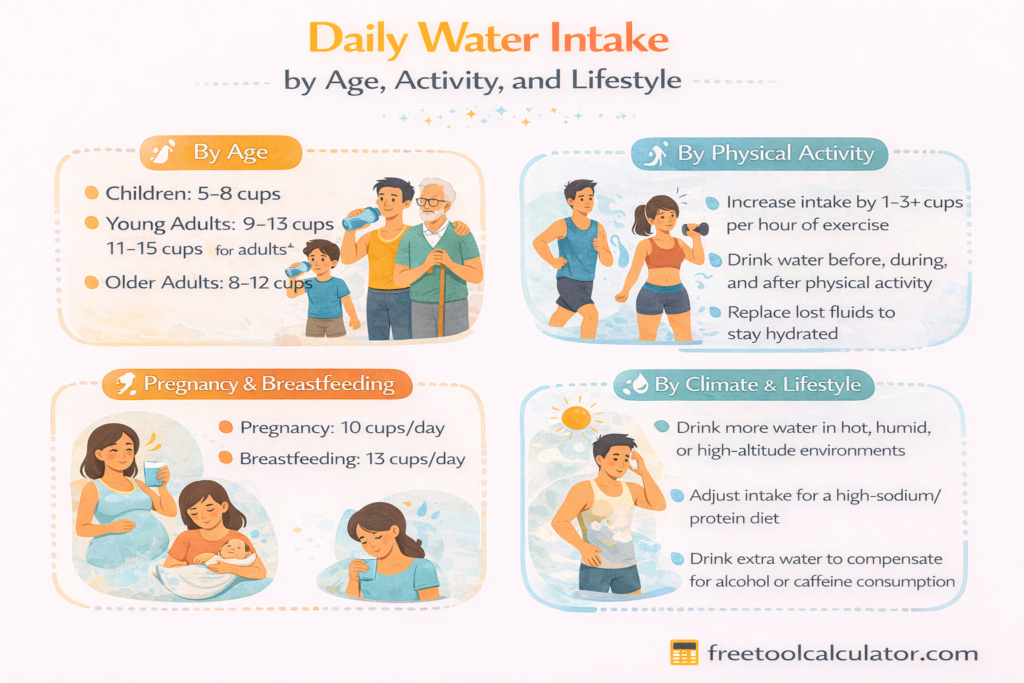
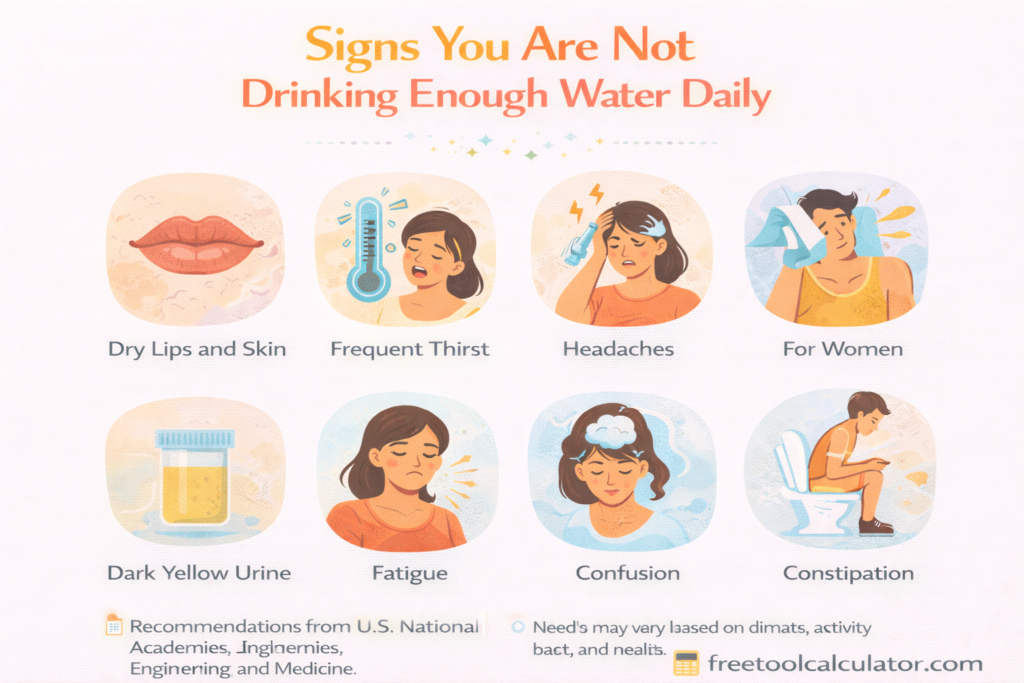
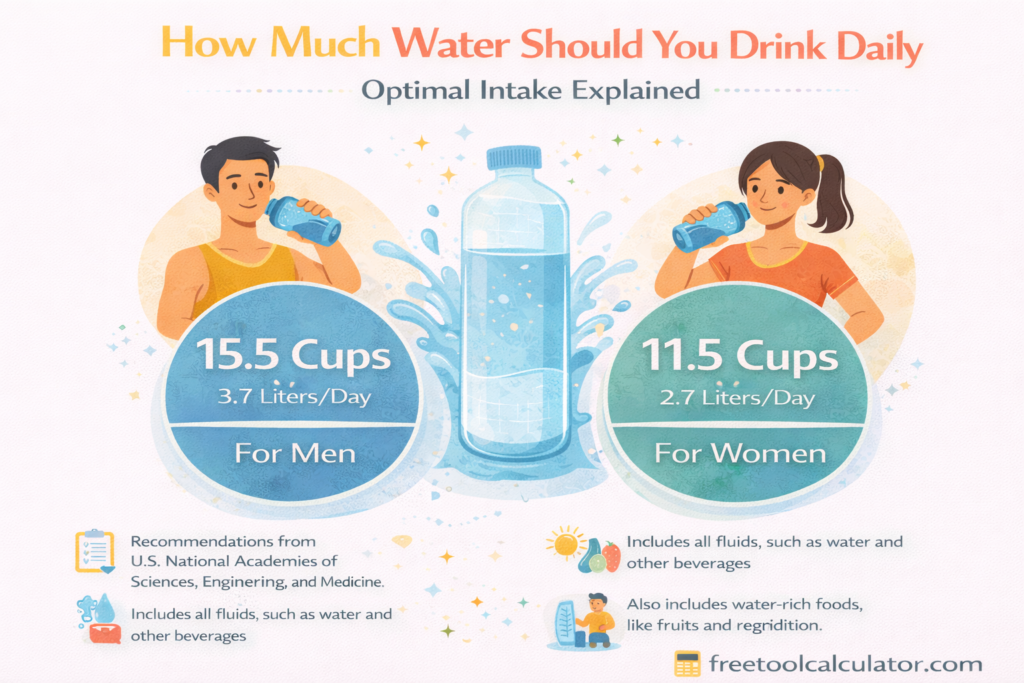
Adequate hydration supports digestion energy levels and exercise performance. Dehydration can mask fat loss progress by causing water retention. Drinking water before meals may also support appetite control.
Alcohol and Body Fat Percentage
Alcohol provides empty calories disrupts fat metabolism and increases appetite. Reducing alcohol intake significantly improves fat loss outcomes especially abdominal fat reduction.
Tracking Progress Correctly
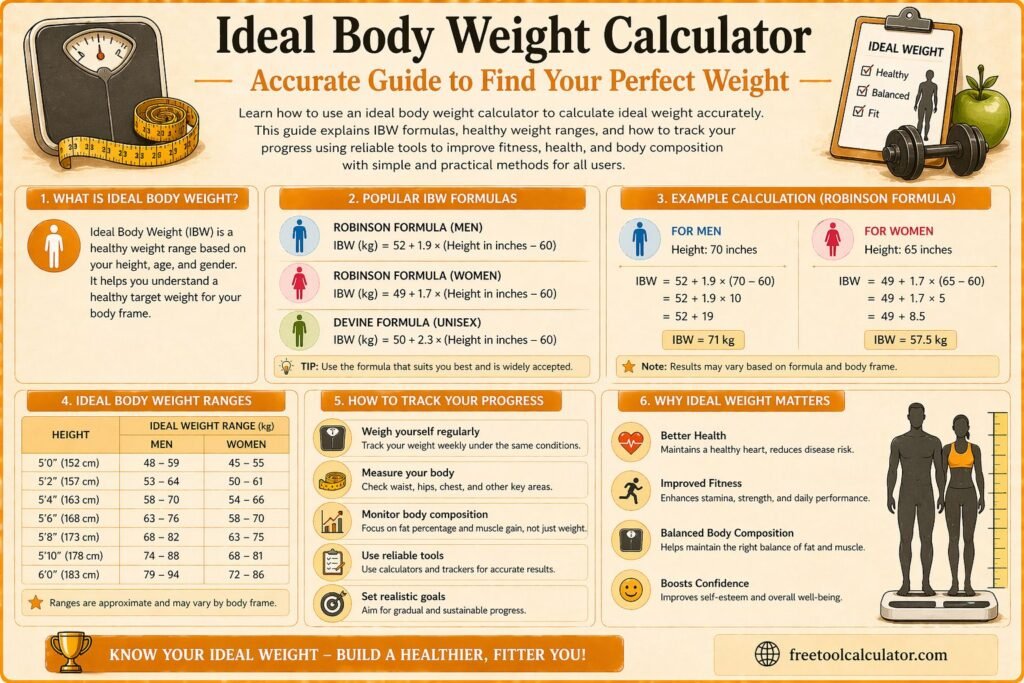
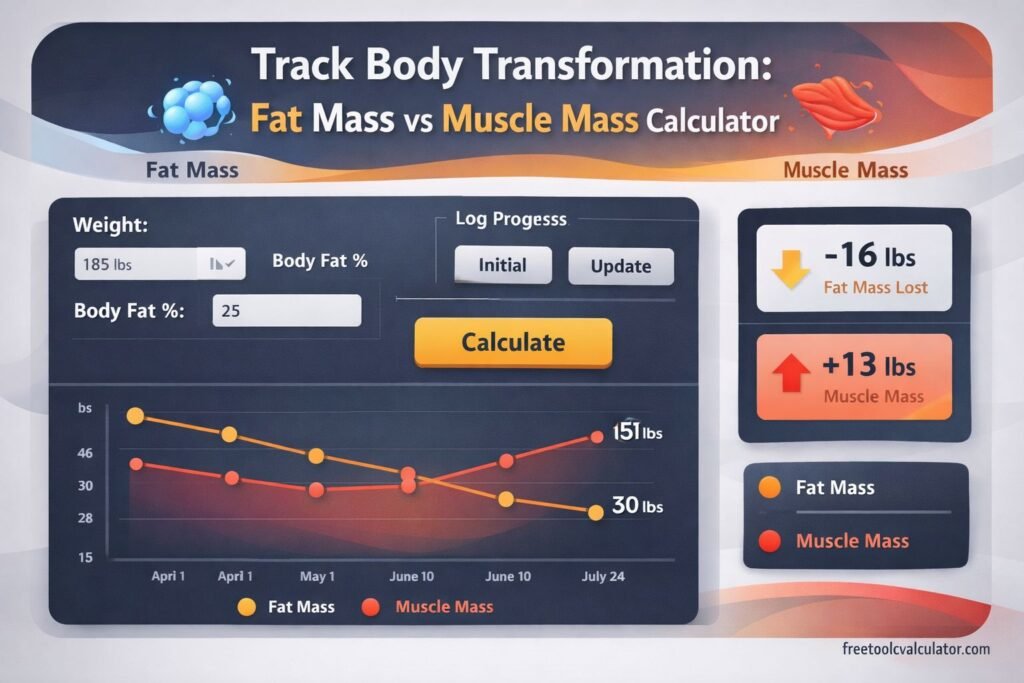
Tracking body fat percentage provides more meaningful feedback than scale weight alone. Weight fluctuations are influenced by hydration glycogen and digestive contents.
Using a consistent method such as the body fat percentage calculator https://freetoolcalculator.com/body-fat-percentage-calculator/ allows you to monitor real changes over time. Measurements should be taken under similar conditions for accuracy.
How Long Does It Take to Reduce Body Fat Percentage
Fat loss is a gradual process. Noticeable changes typically occur after four to eight weeks of consistent habits. Significant improvements may take several months.
Patience and consistency outperform aggressive approaches.
Common Mistakes That Prevent Fat Loss
Skipping meals
Extreme calorie restriction
Overtraining without recovery
Neglecting strength training
Ignoring sleep and stress
Relying solely on scale weight
Addressing these factors often resolves stalled progress.
Body Fat Reduction for Different Populations
Women
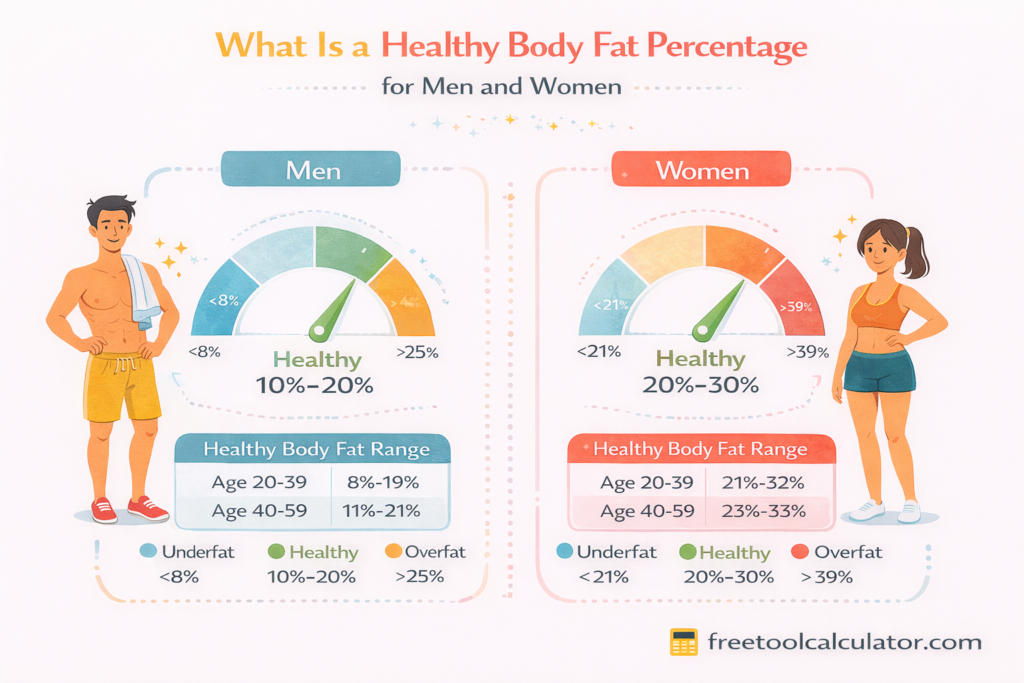
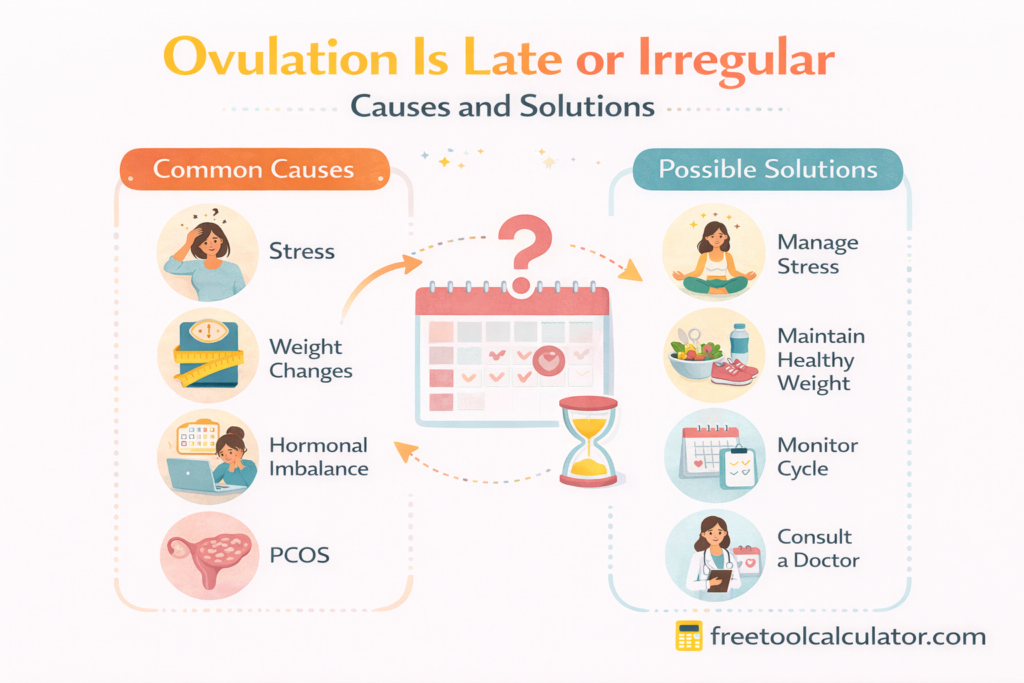
Women should avoid extremely low body fat levels as this disrupts menstrual cycles bone density and hormone balance. Fat loss goals should support reproductive and metabolic health.
Men
Men often lose fat faster initially but may plateau if calorie deficits become excessive. Balanced nutrition and strength training remain key.
Older Adults
Preserving muscle mass is especially important with age. Protein intake resistance training and recovery become priorities.
When Medical Evaluation Is Needed
Consult a healthcare professional if fat loss is accompanied by fatigue hair loss menstrual changes dizziness or if progress stalls despite healthy habits. Underlying hormonal or metabolic conditions may be present.
Sustainable Mindset for Long Term Success
Body fat reduction is not a temporary phase but a lifestyle shift. Sustainable habits lead to lasting results while extremes lead to cycles of loss and regain.
Focus on health performance energy and quality of life rather than perfection.
Conclusion
Reducing body fat percentage safely and sustainably requires a balanced approach that respects physiology and long term health. Moderate calorie control adequate protein resistance training sleep stress management and consistent tracking form the foundation of effective fat loss. Avoid shortcuts and extreme measures that compromise muscle and metabolism. Using tools like the body fat percentage calculator https://freetoolcalculator.com/body-fat-percentage-calculator/ helps ensure progress reflects true fat loss rather than temporary weight changes. As a senior health doctor I emphasize patience consistency and evidence based habits as the safest path to lasting body composition improvement.