Water Intake Calculator and Why Hydration Matters
A water intake calculator helps people estimate how much water their body needs daily for proper hydration, energy, and overall health. Water is one of the most essential nutrients for the human body because it supports nearly every biological process including digestion, circulation, temperature regulation, and nutrient transportation. Even mild dehydration can affect concentration, energy levels, mood, and physical performance.
Many people drink water only when they feel thirsty, but thirst is not always the best indicator of hydration. By the time thirst appears, the body may already be slightly dehydrated. This is why using a water daily intake calculator is helpful for building healthy hydration habits and maintaining proper fluid balance consistently.
You can calculate water intake using this free calculator to estimate your daily hydration needs based on body weight, activity level, and lifestyle factors.
Why Water Is Important for the Human Body
Water makes up a large percentage of the human body and is involved in countless essential functions. It helps regulate body temperature through sweating, transports oxygen and nutrients through the bloodstream, lubricates joints, and supports healthy digestion.
Without enough water, the body struggles to function efficiently. Dehydration can lead to headaches, fatigue, dizziness, dry skin, poor concentration, and reduced physical performance. Severe dehydration may even become dangerous if ignored for long periods.
Maintaining proper hydration improves overall health and supports better energy, metabolism, and recovery. Understanding these benefits helps explain why water intake should never be overlooked.
What Is a Water Intake Calculator
A water intake calculator is an online tool designed to estimate how much water a person should drink each day. The calculation is usually based on factors such as body weight, activity level, climate, age, and fitness goals.
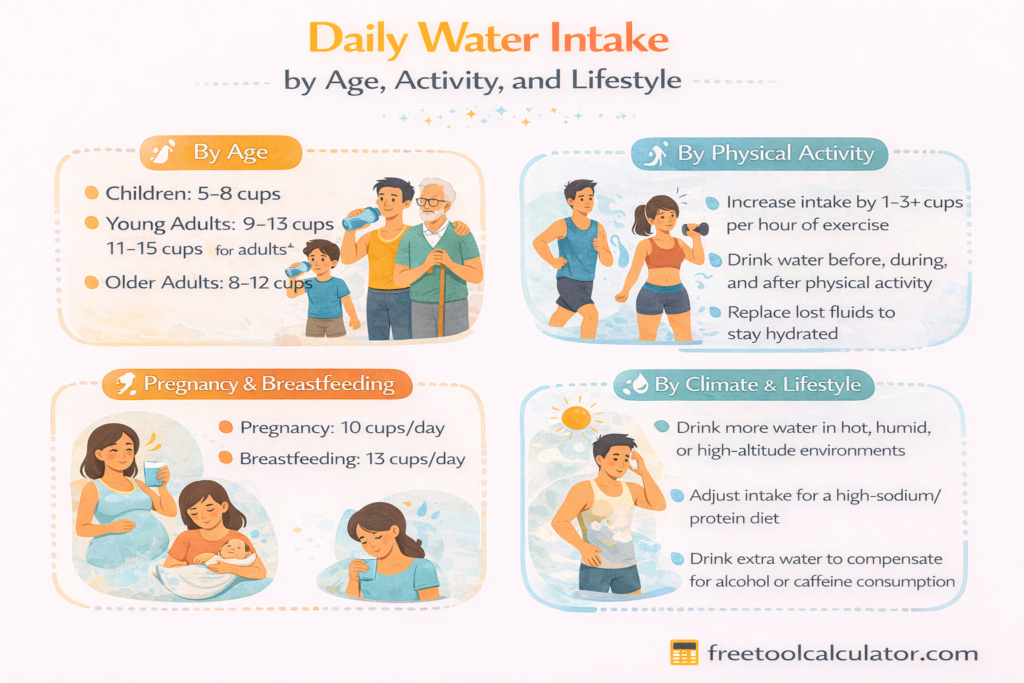
Some people require more water than others. Athletes, people living in hot climates, and individuals with physically demanding jobs typically need higher fluid intake compared to sedentary individuals.
Using an online water intake calculator simplifies hydration planning and removes guesswork. Instead of relying on random advice, users receive more personalized hydration recommendations.
How to Calculate Water Intake Correctly
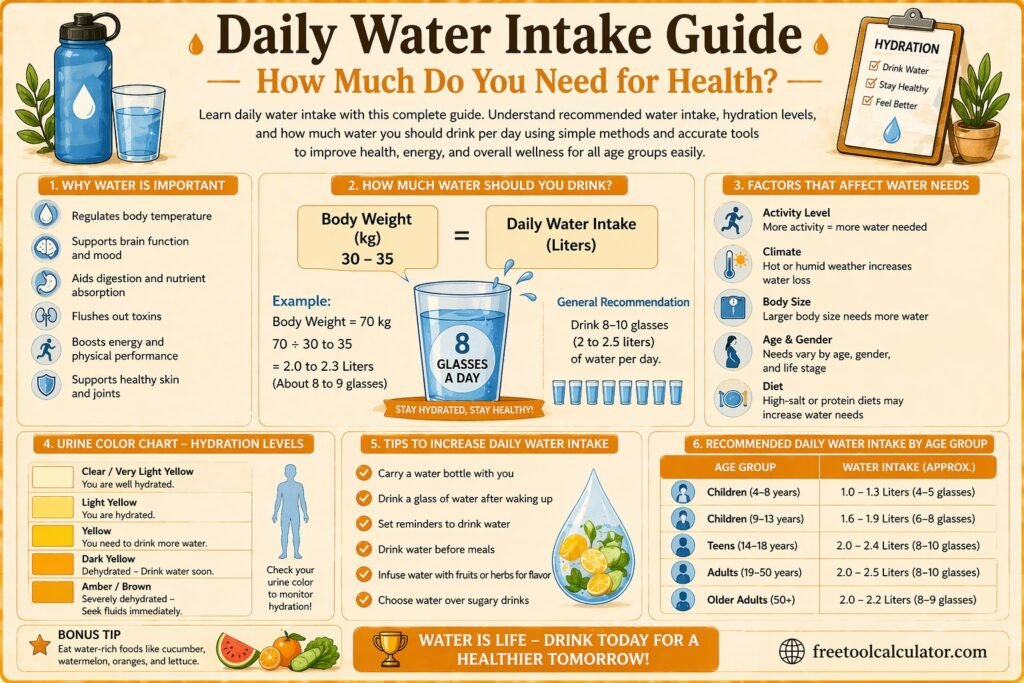
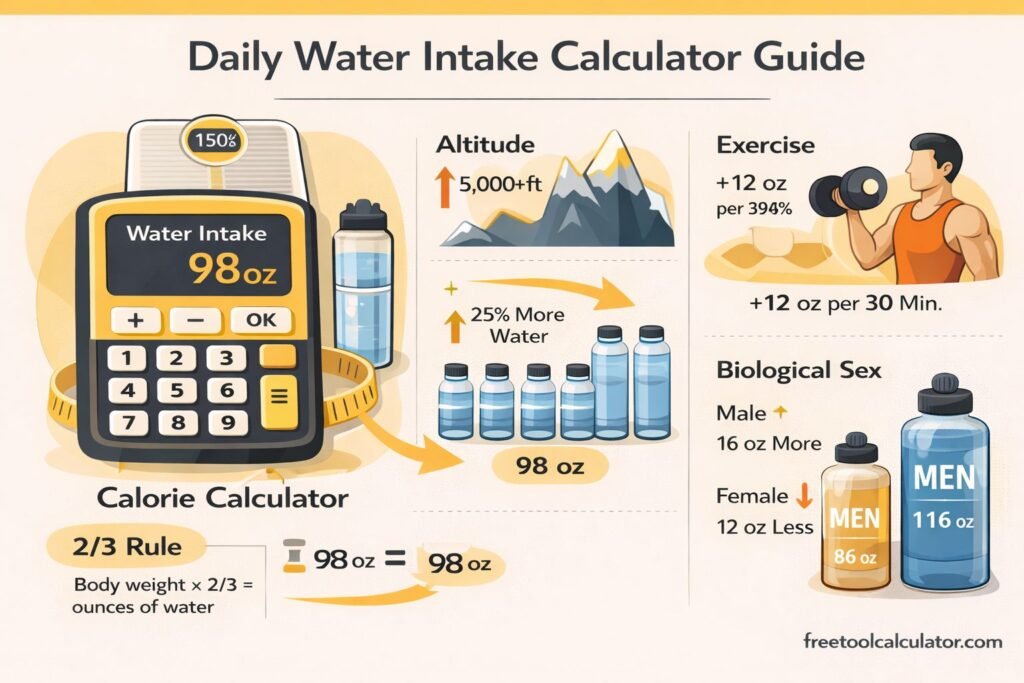
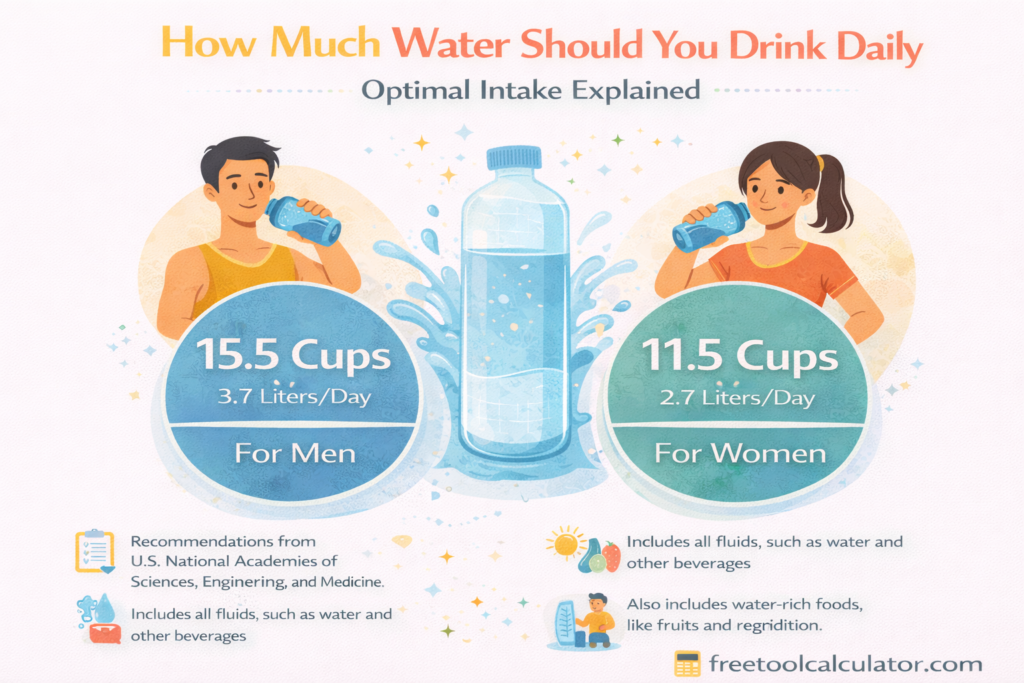
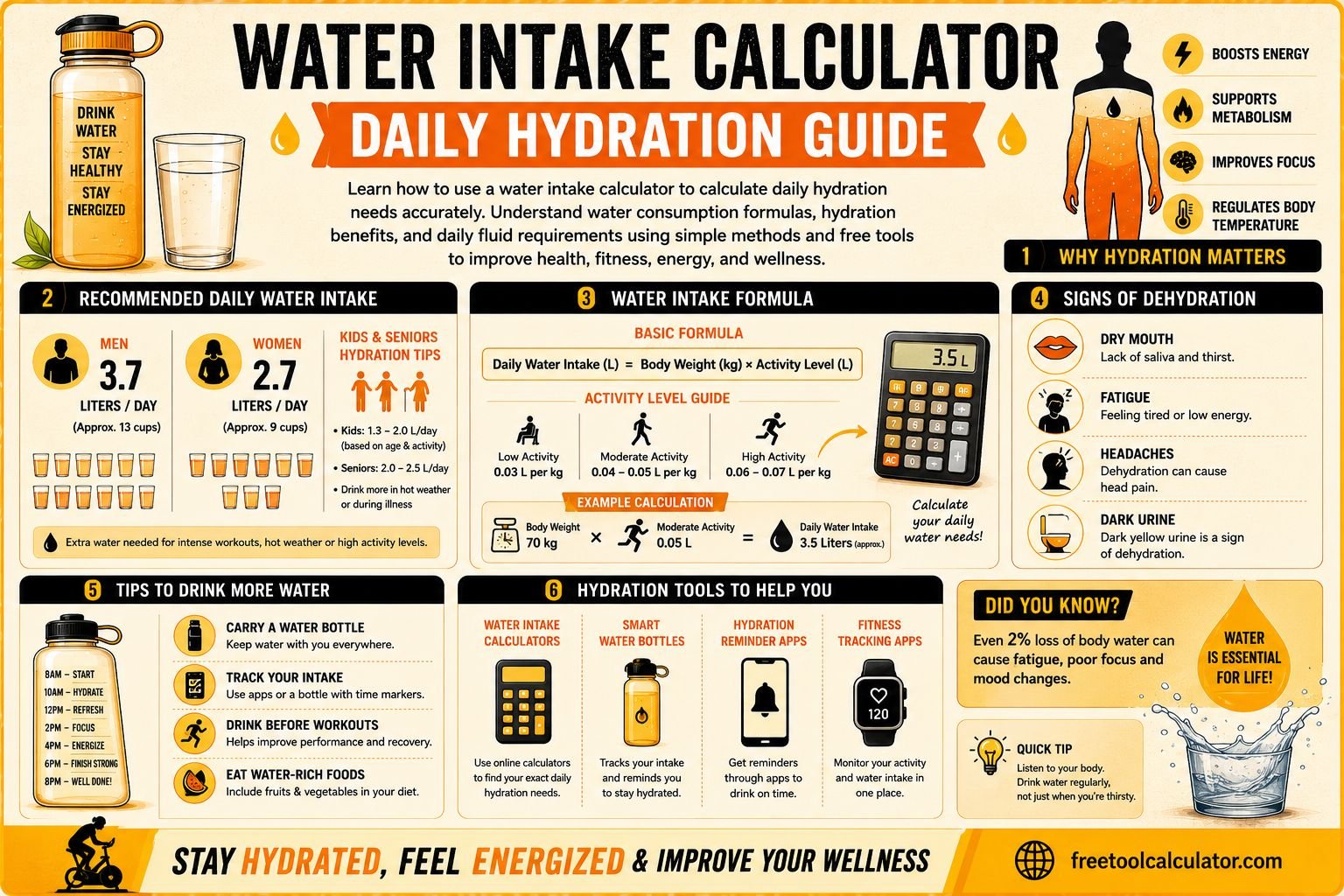
There are several methods used to calculate water intake. One common approach is based on body weight. A frequently used guideline suggests drinking approximately 30 to 40 milliliters of water per kilogram of body weight daily.
For example, a person weighing 70 kilograms may require around 2.1 to 2.8 liters of water daily depending on activity level and environmental conditions. Exercise and hot weather may increase requirements significantly because the body loses more fluids through sweat.
Instead of performing calculations manually, you can use this online water intake calculator to instantly estimate your hydration needs accurately.
How Activity Level Affects Daily Water Needs
Physical activity greatly impacts hydration requirements. During exercise, the body loses water and electrolytes through sweating. Higher intensity workouts and longer exercise sessions increase fluid loss even further.
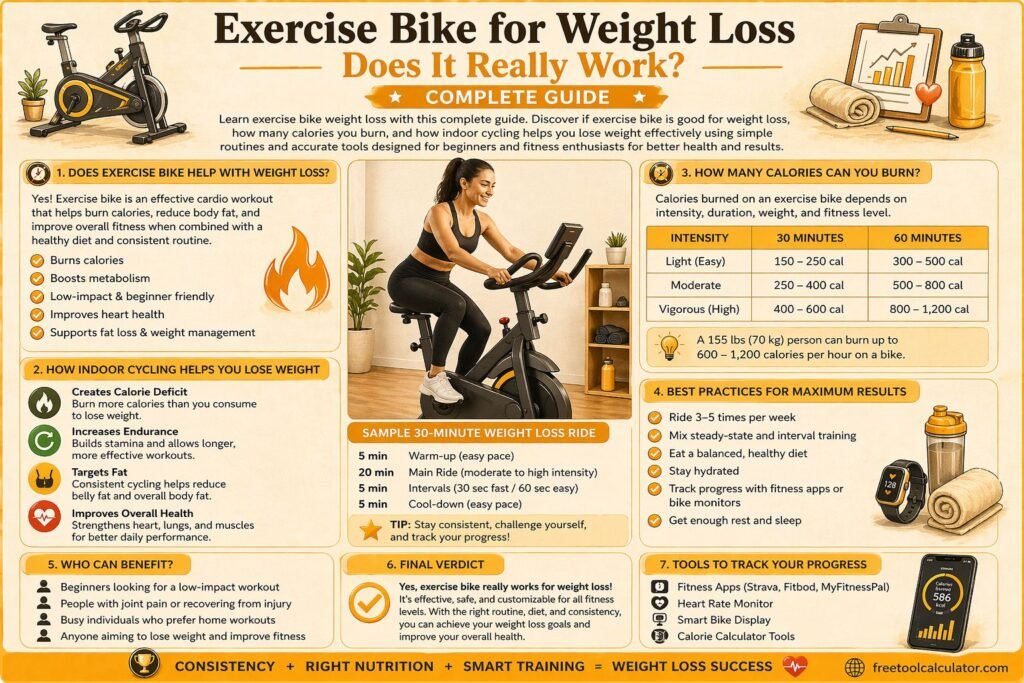
People who follow fitness routines or outdoor activities generally require more water to maintain performance and recovery. Cycling, running, gym workouts, and sports activities increase the body’s need for hydration.
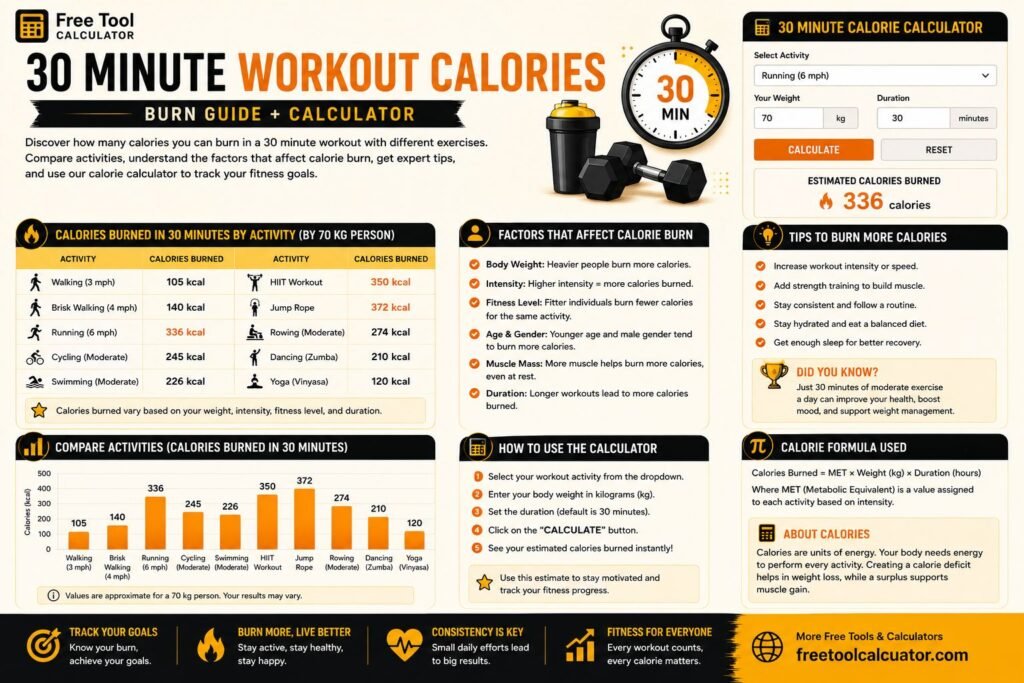
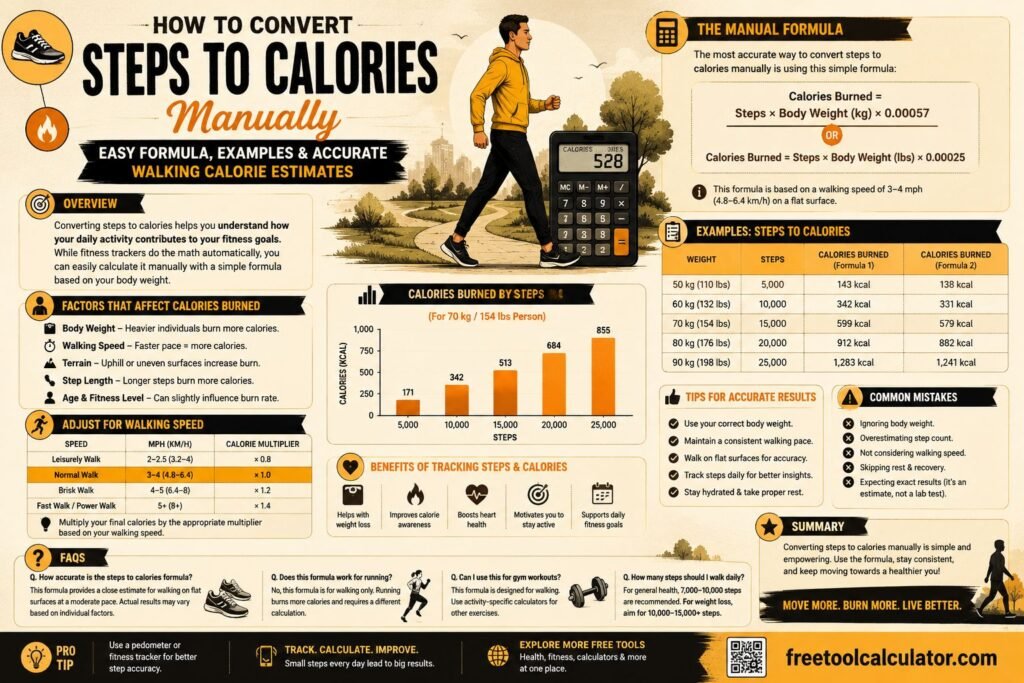
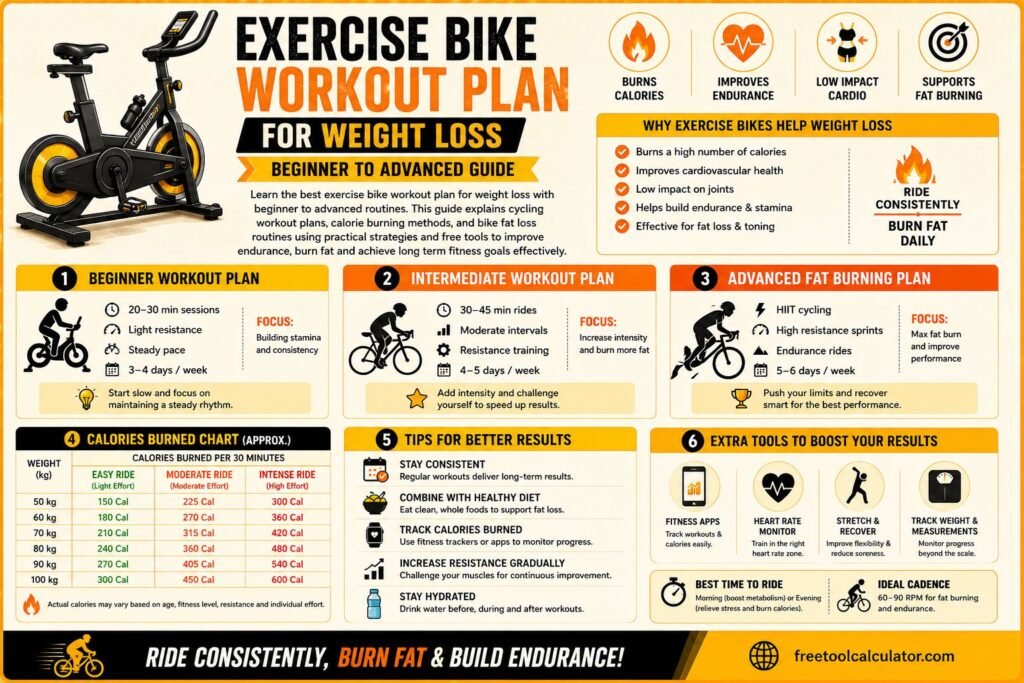
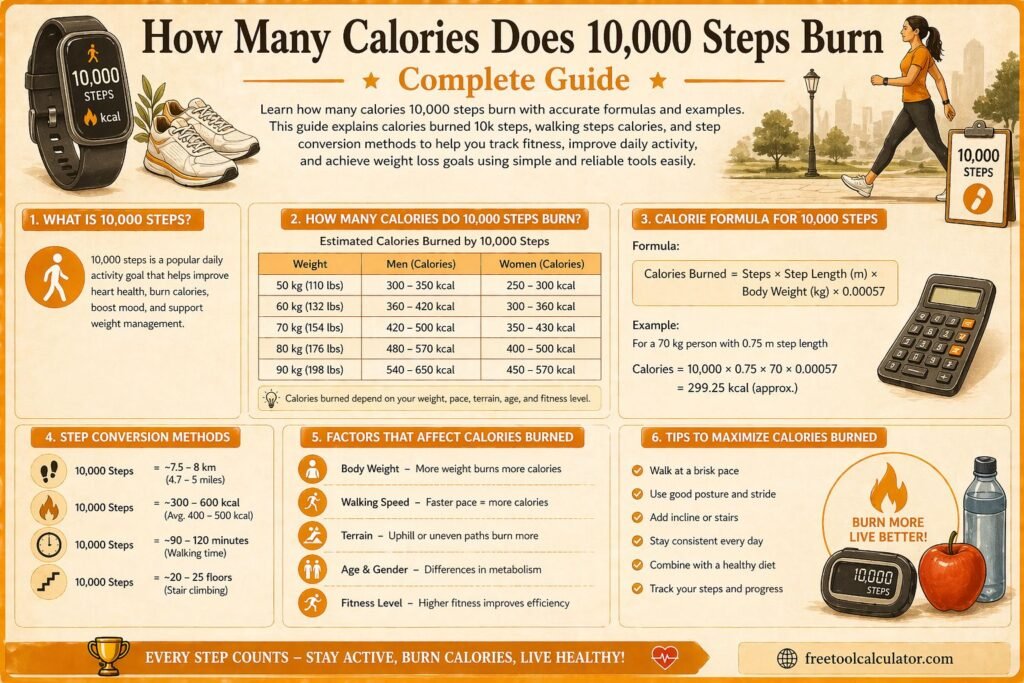
You can also use the calories burned calculator to estimate workout intensity and better understand how physical activity affects hydration requirements.
Signs of Dehydration You Should Never Ignore
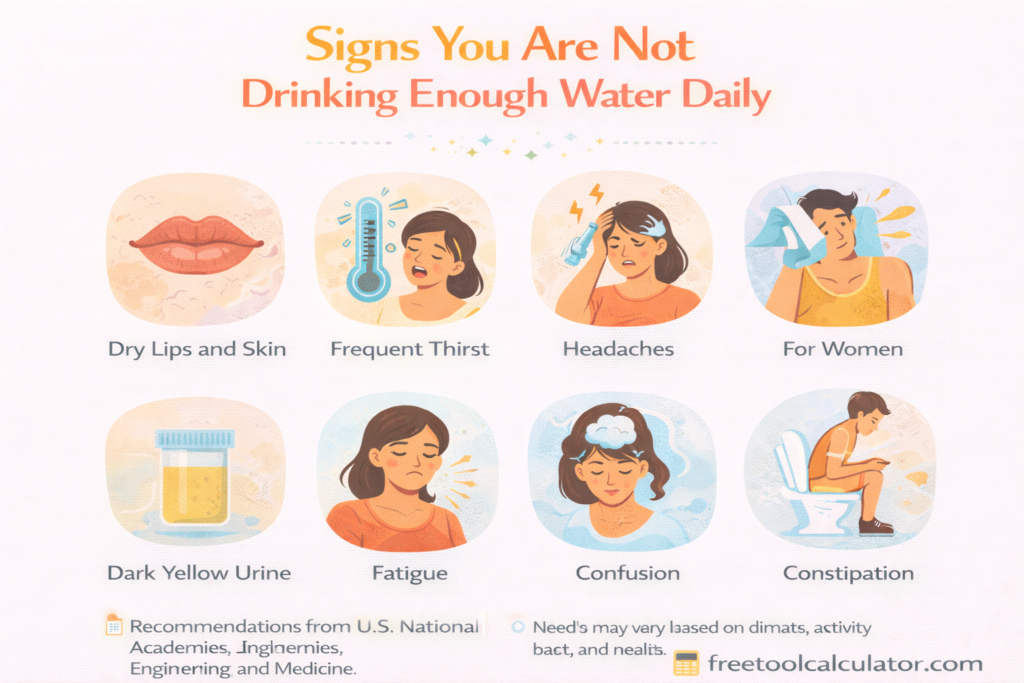
Many people remain mildly dehydrated without realizing it. Common dehydration symptoms include dry mouth, headaches, dark urine, dizziness, muscle cramps, low energy, and poor focus.
Severe dehydration can cause rapid heartbeat, confusion, fainting, and dangerously low blood pressure. Athletes and people exposed to high temperatures face even greater risk if hydration is neglected.
Monitoring hydration regularly helps prevent these issues and supports overall physical and mental performance. Recognizing dehydration symptoms early allows faster recovery and better health management.
How Climate and Weather Affect Hydration
Environmental conditions strongly influence water needs. Hot and humid weather increases sweating, causing the body to lose fluids more rapidly. Dry climates may also increase dehydration risk because moisture evaporates quickly from the skin.
People living in warmer regions usually require more daily water intake compared to those in cooler climates. Seasonal changes can also affect hydration habits because people often drink less water during colder months.
Adjusting hydration based on climate helps maintain proper fluid balance throughout the year.
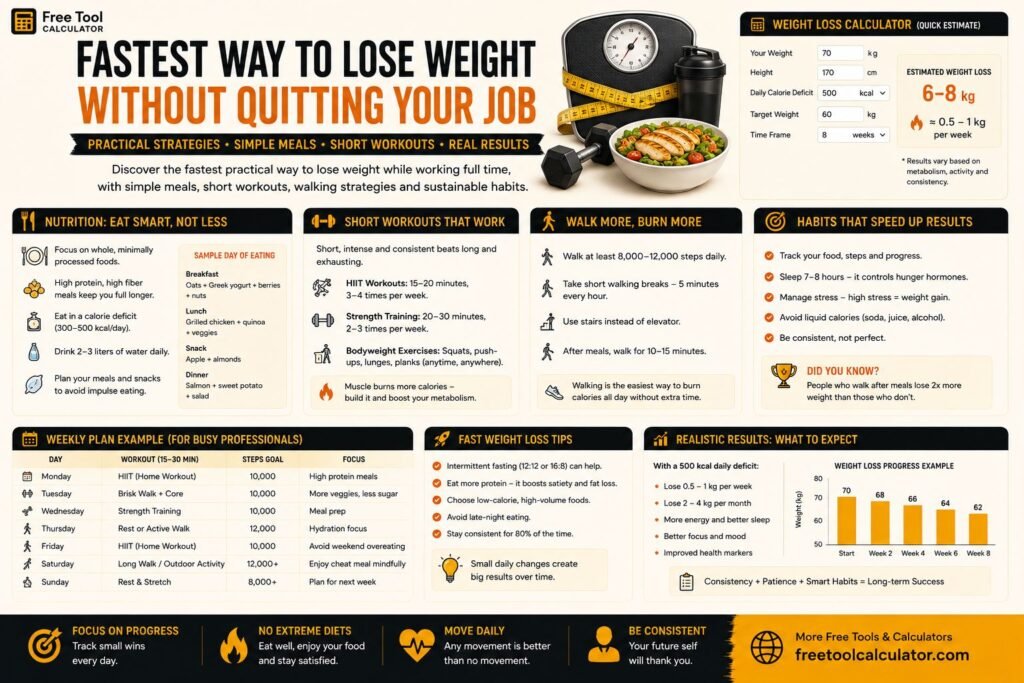
Water Intake and Weight Loss
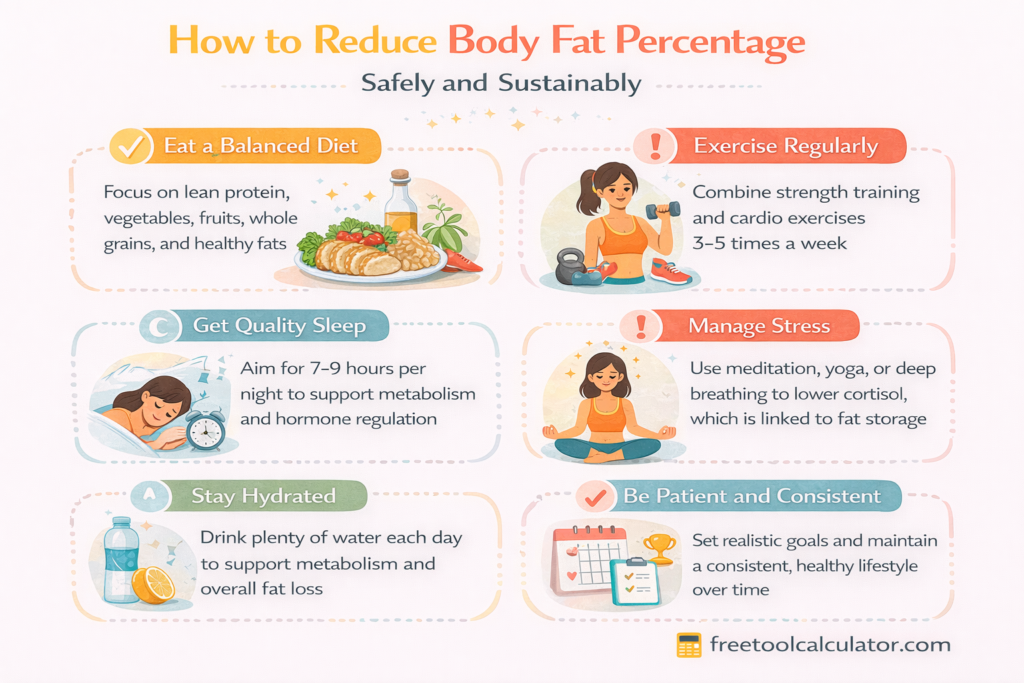
Proper hydration plays an important role in weight management. Drinking enough water supports metabolism, digestion, and appetite control. Some people confuse thirst with hunger, which may lead to unnecessary snacking and extra calorie intake.
Drinking water before meals may help reduce appetite and improve portion control. Hydration also supports workout performance, allowing people to exercise more effectively during fat loss programs.
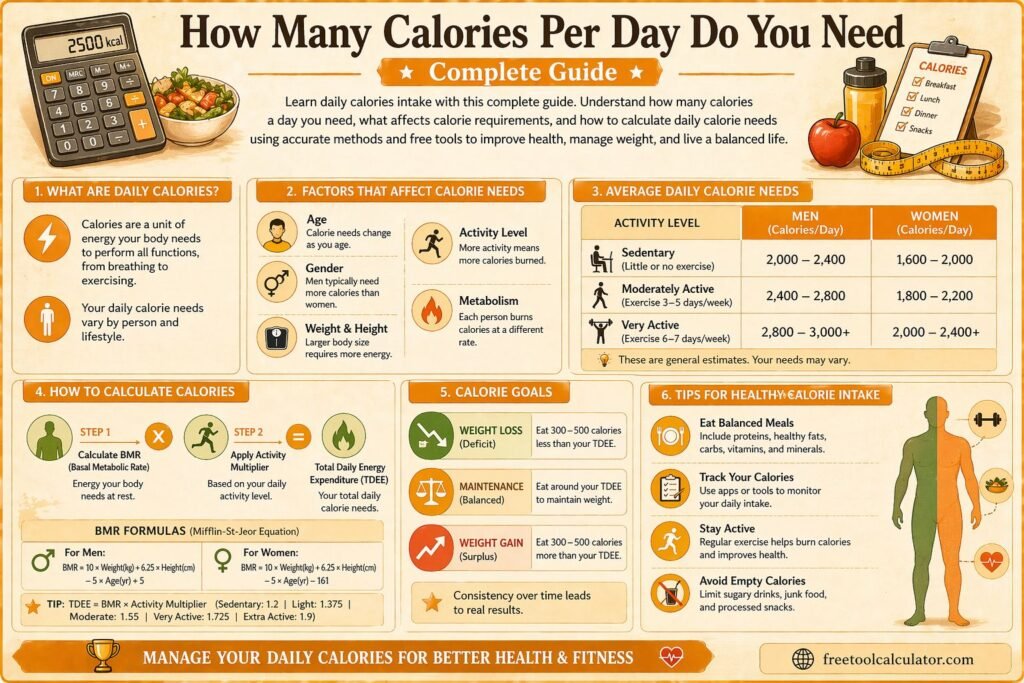
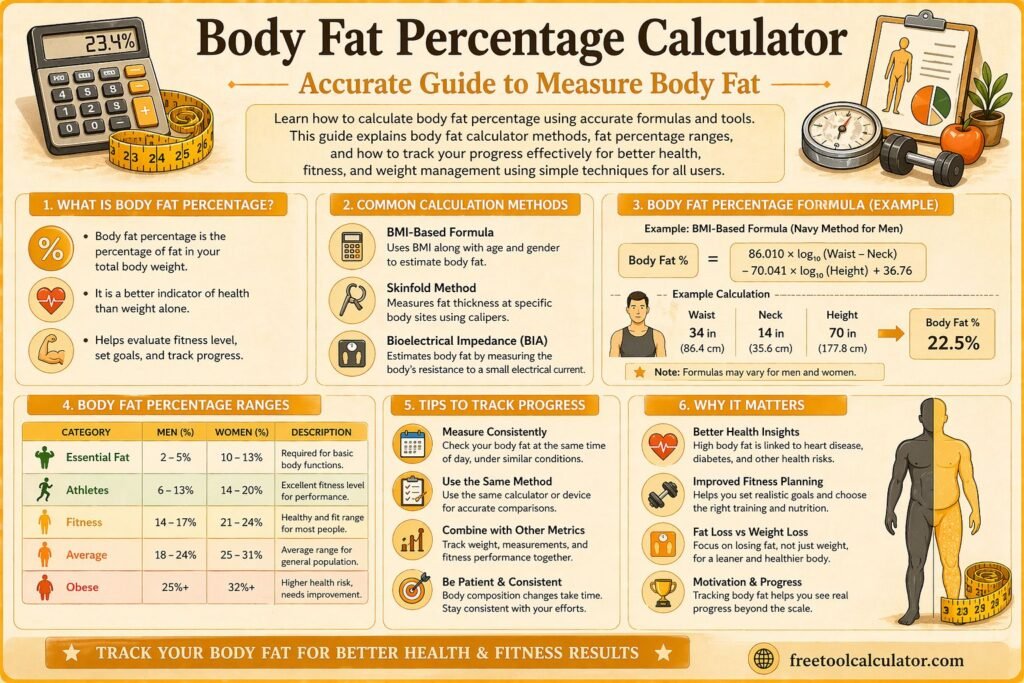
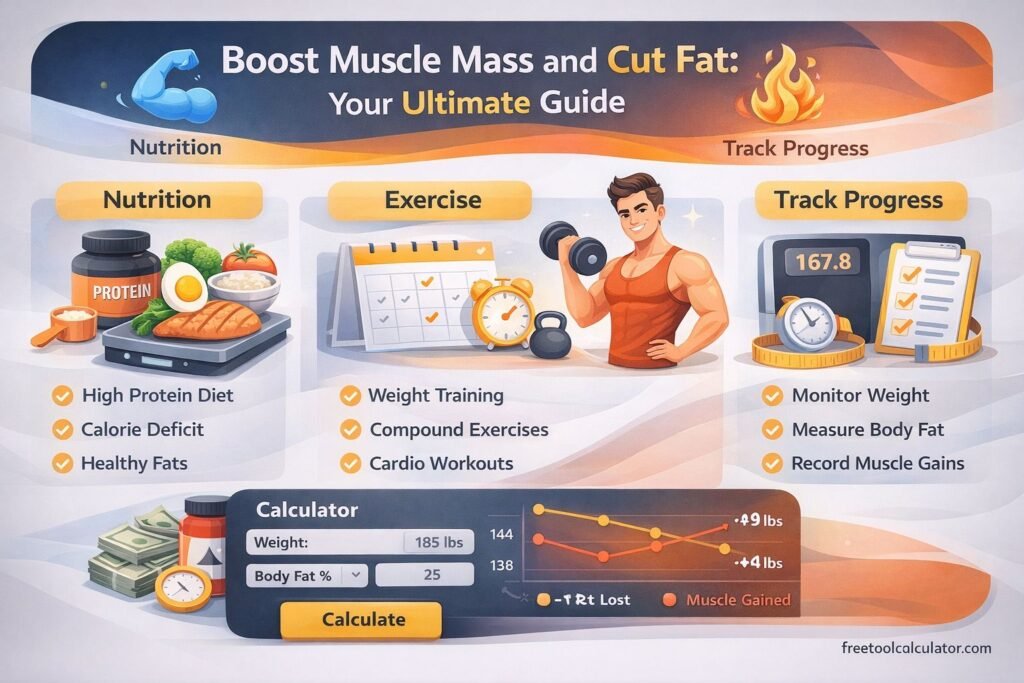
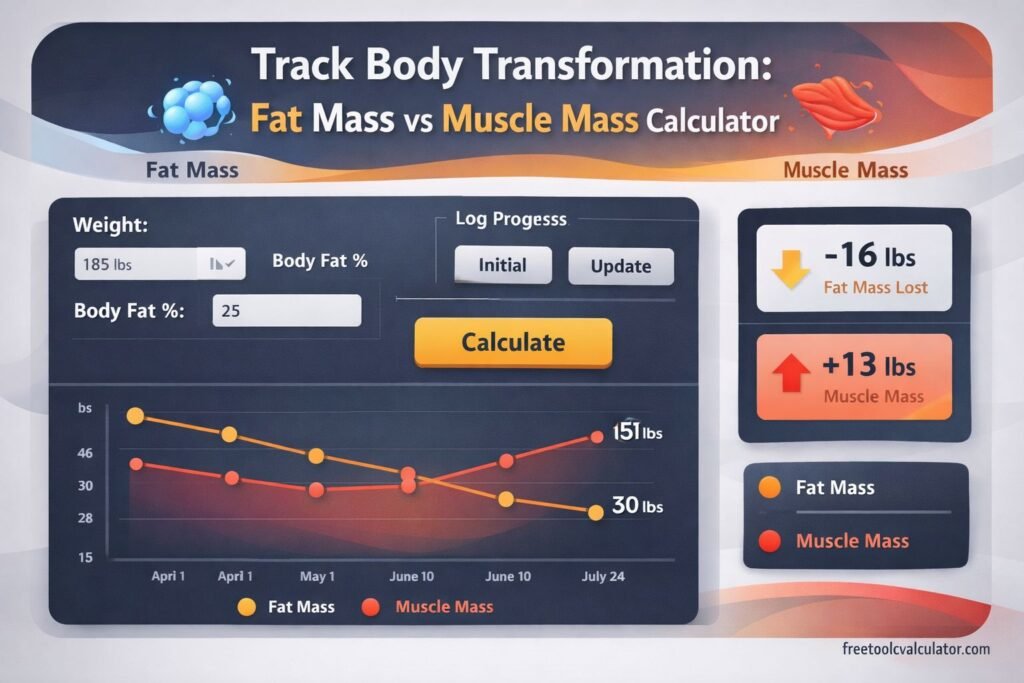
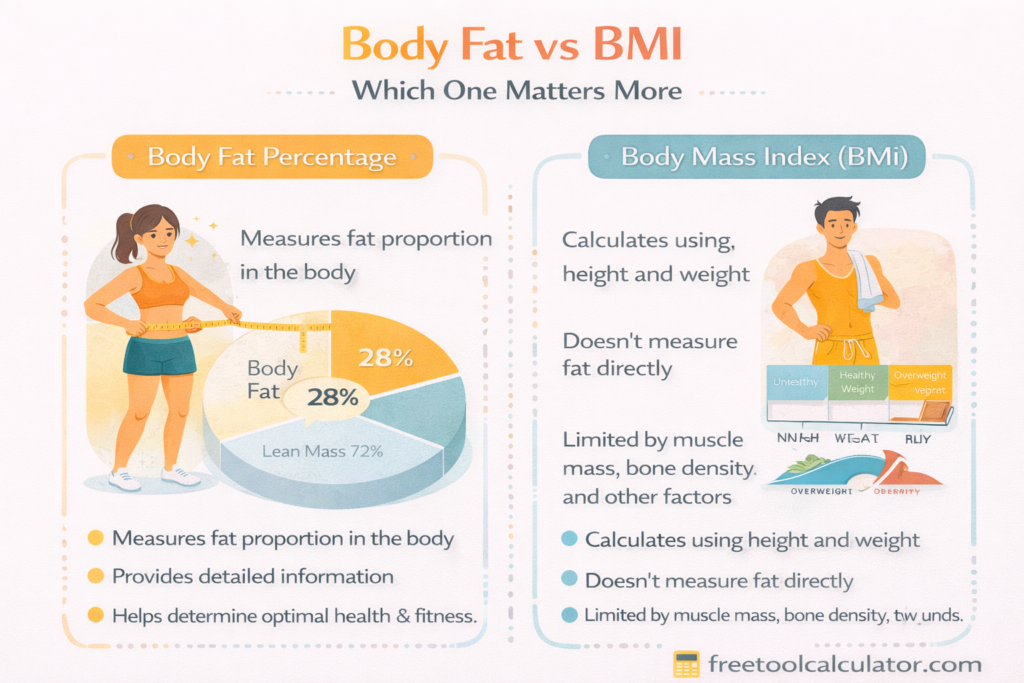
You can combine hydration planning with the calorie calculator and the body fat calculator to improve overall fitness and weight management strategies.
Best Times to Drink Water During the Day
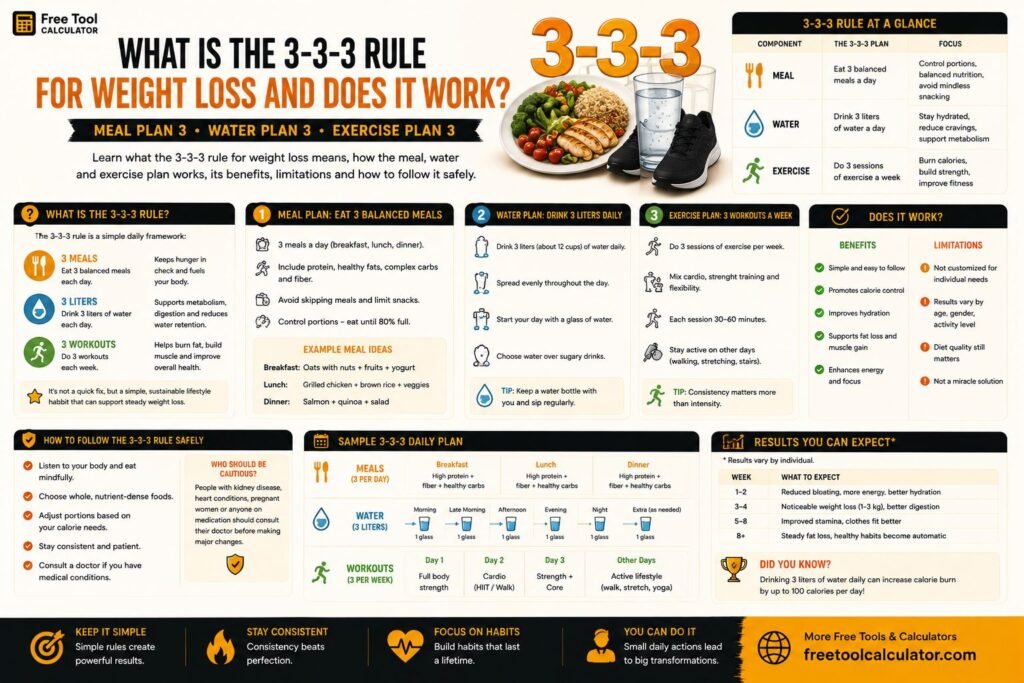
While total daily intake matters most, timing also helps optimize hydration. Drinking water after waking up helps replenish fluids lost during sleep. Consuming water before meals supports digestion and appetite management.
Hydrating before, during, and after exercise is important for maintaining performance and recovery. Drinking water consistently throughout the day is generally better than consuming large amounts at once.
Spacing water intake evenly improves absorption and helps maintain steady hydration levels.
Can You Drink Too Much Water
Although hydration is important, excessive water intake may also create problems. Drinking extremely large amounts of water within short periods can dilute sodium levels in the blood, leading to a condition called hyponatremia.
This condition is uncommon but may occur during endurance sports or excessive water challenges. Most healthy individuals simply need balanced hydration rather than excessive consumption.
A water intake calculator helps users estimate realistic daily intake targets based on personal factors instead of following extreme hydration trends.
Hydration and Exercise Performance
Even mild dehydration can reduce exercise performance significantly. Low hydration levels may cause muscle fatigue, slower recovery, reduced endurance, and poor concentration during workouts.
Athletes and fitness enthusiasts often monitor hydration carefully because proper fluid balance directly affects physical output. Replacing fluids lost through sweat is essential during and after workouts.
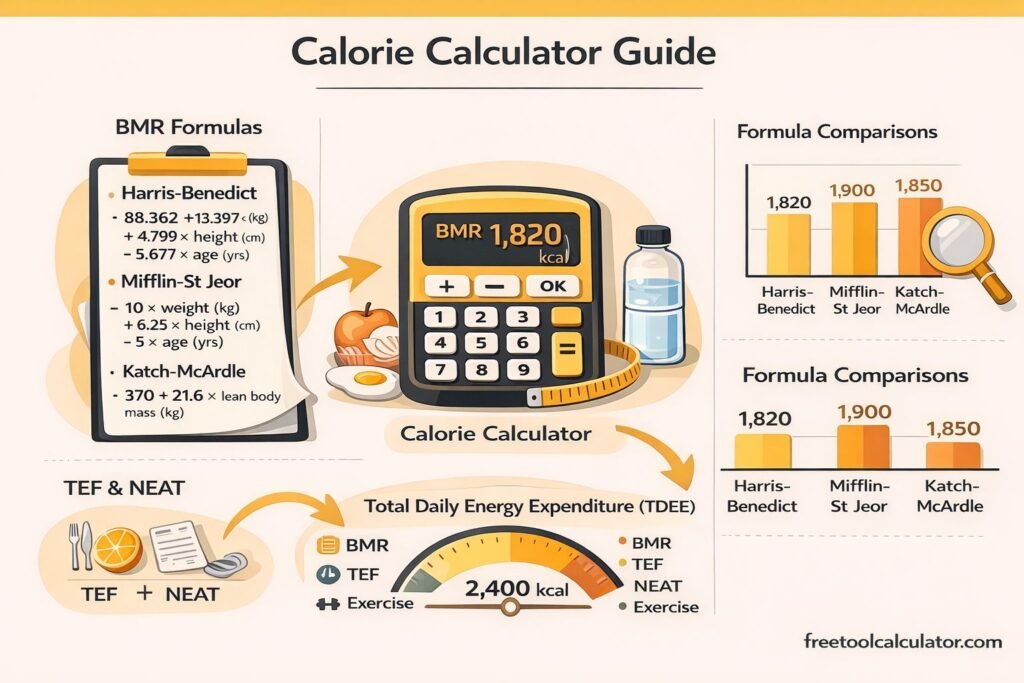
You can also estimate daily energy expenditure using the TDEE calculator to better understand how exercise intensity and lifestyle affect hydration needs.
Common Myths About Water Intake
One popular myth claims everyone must drink exactly eight glasses of water daily. In reality, hydration needs vary widely depending on body size, climate, diet, activity level, and overall health.
Another myth suggests coffee and tea always cause dehydration. While caffeine may have mild diuretic effects, moderate consumption still contributes to overall fluid intake.
Understanding these myths helps people make more realistic and personalized hydration decisions.
Foods That Help With Hydration
Water is not the only source of hydration. Many fruits and vegetables contain high water content and contribute to daily fluid intake. Watermelon, cucumber, oranges, strawberries, and lettuce are excellent examples.
Soups, smoothies, and milk also provide hydration. Combining water with water rich foods helps improve fluid balance naturally throughout the day.
A balanced diet combined with proper hydration supports better energy, digestion, and overall wellness.
Benefits of Tracking Daily Water Intake
Tracking hydration helps build consistent healthy habits. Many people underestimate how little water they drink until they monitor it regularly. Keeping track of water intake improves awareness and encourages healthier routines.
Hydration tracking is especially useful for athletes, people following fitness goals, office workers, and individuals in hot climates. It also helps users identify patterns related to fatigue, headaches, or low energy.
Using digital tools simplifies hydration management and provides more personalized recommendations.
How Water Supports Overall Health
Proper hydration supports kidney function, digestion, circulation, skin health, temperature regulation, and mental performance. Water also helps transport nutrients and remove waste products from the body efficiently.
Long term hydration habits contribute to healthier lifestyle patterns and improved physical well being. People who stay properly hydrated often experience better focus, improved exercise recovery, and higher daily energy levels.
Building consistent hydration habits is one of the simplest and most effective ways to improve overall health naturally.
Conclusion
A water intake calculator is a simple but powerful tool for improving hydration, energy, and overall wellness. Since hydration needs vary based on body weight, activity level, climate, and lifestyle, personalized water intake recommendations are far more useful than generic advice.
If you want to improve your hydration habits, you can use this free water intake calculator along with related tools like the calorie calculator, the body fat calculator, and the calories burned calculator to support better health, fitness, and daily wellness management.