Exercise Bike Workout Plan and Why It Works for Weight Loss
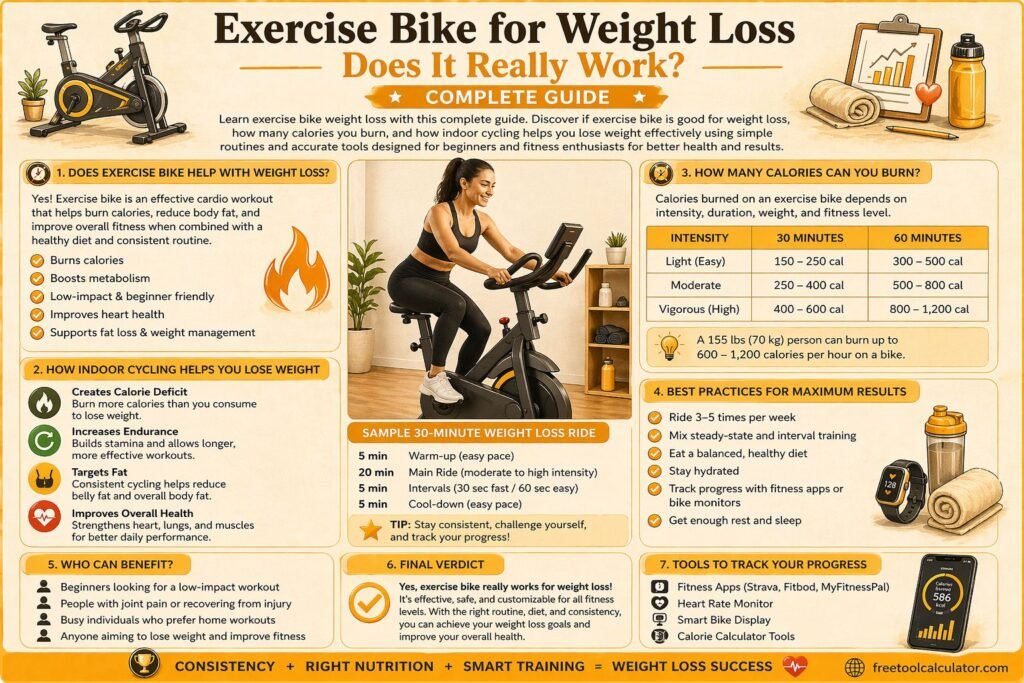
An exercise bike workout plan is one of the most effective and beginner friendly ways to lose weight, improve cardiovascular health, and increase daily calorie burn. Indoor cycling provides a low impact workout that is easier on the joints compared to running or high impact exercises. This makes exercise bikes suitable for beginners, seniors, overweight individuals, and even advanced fitness enthusiasts.
One of the biggest advantages of an exercise bike routine weight loss program is consistency. Because indoor bikes can be used at home regardless of weather conditions, people are more likely to follow their fitness schedule regularly. Consistency is one of the most important factors for long term fat loss and improved fitness.
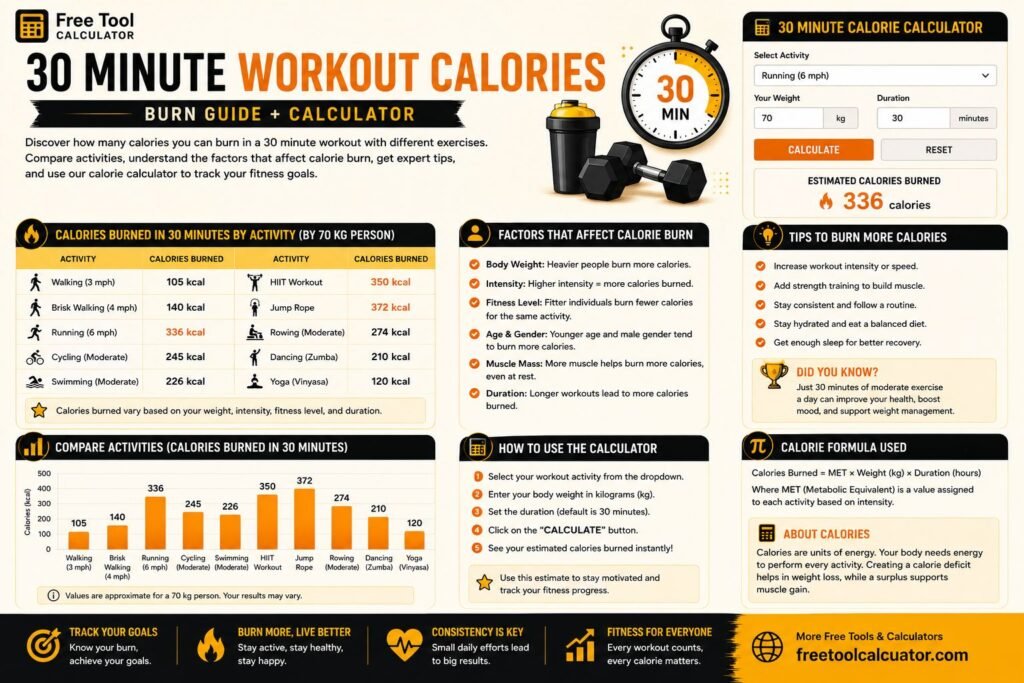
You can also calculate workout calories burned using this free calculator to track how effective your cycling sessions are for weight loss and energy expenditure.
Why Indoor Cycling Is Effective for Fat Loss
Indoor cycling is highly effective because it combines cardio exercise with controlled resistance training. During cycling workouts, your body continuously burns calories while also strengthening lower body muscles such as the quadriceps, hamstrings, calves, and glutes.
The best exercise bike workout routines increase heart rate steadily, helping improve endurance and metabolic efficiency. High intensity cycling sessions can also create an afterburn effect where the body continues burning calories even after exercise ends.
Unlike many gym exercises, cycling workouts can easily be adjusted based on fitness level. Beginners can start slowly while advanced users can increase resistance and intensity for greater fat burning.
How Many Calories Does an Exercise Bike Burn
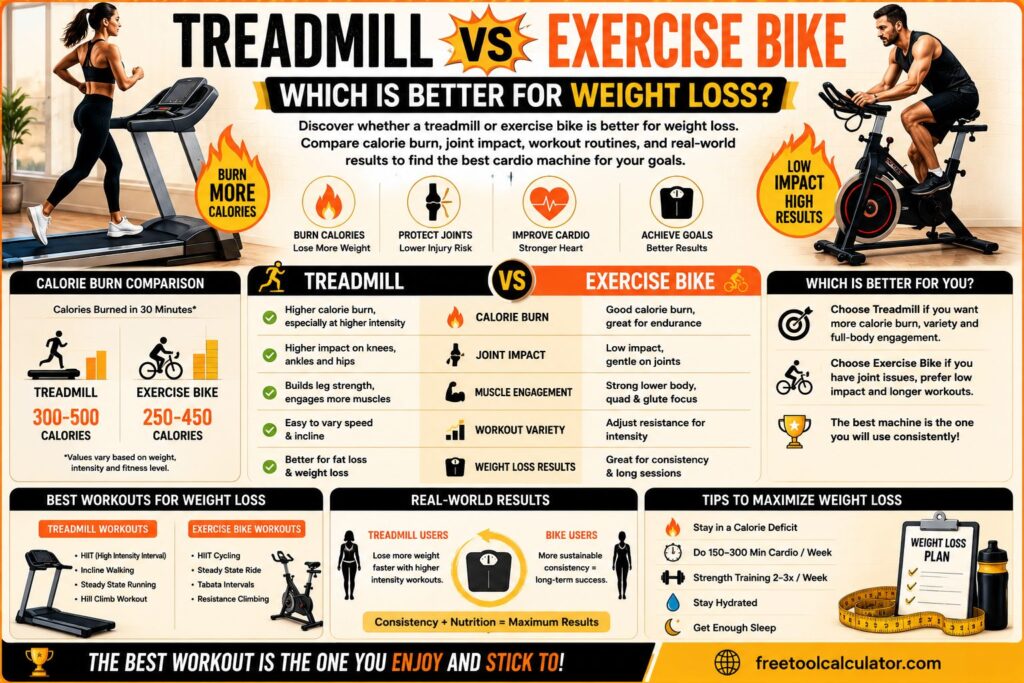
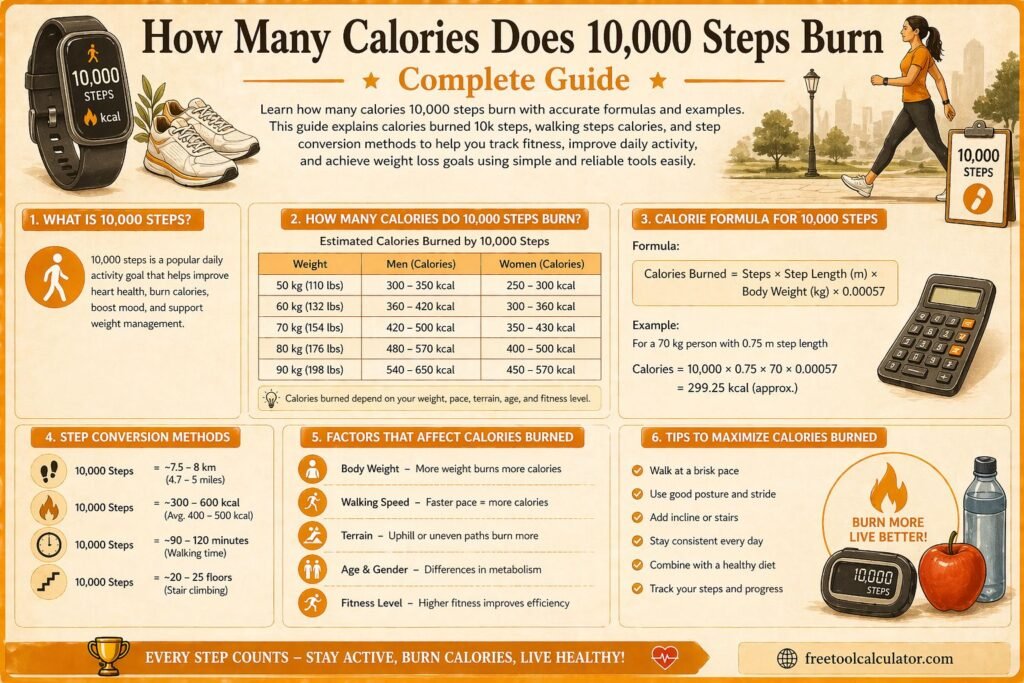
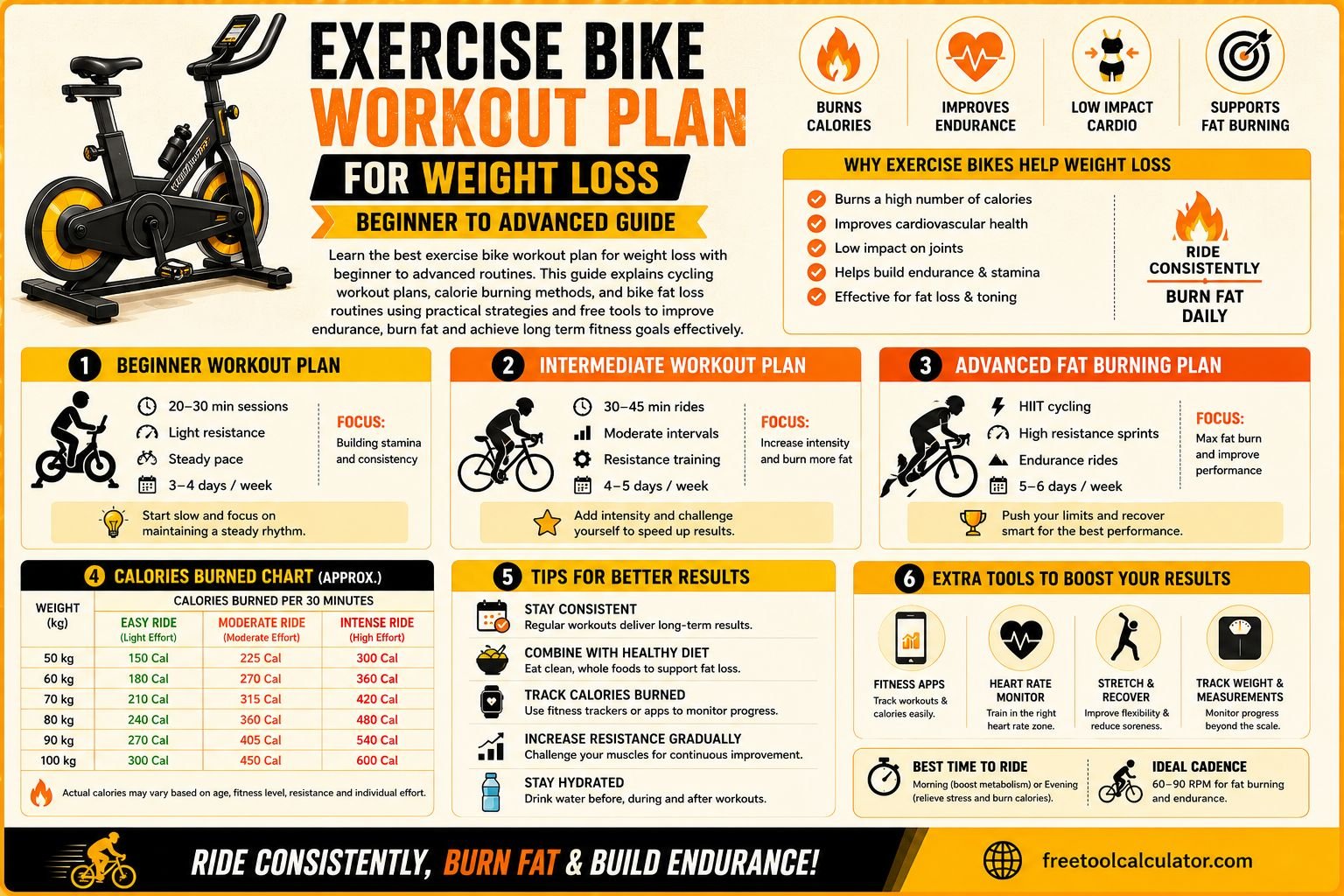
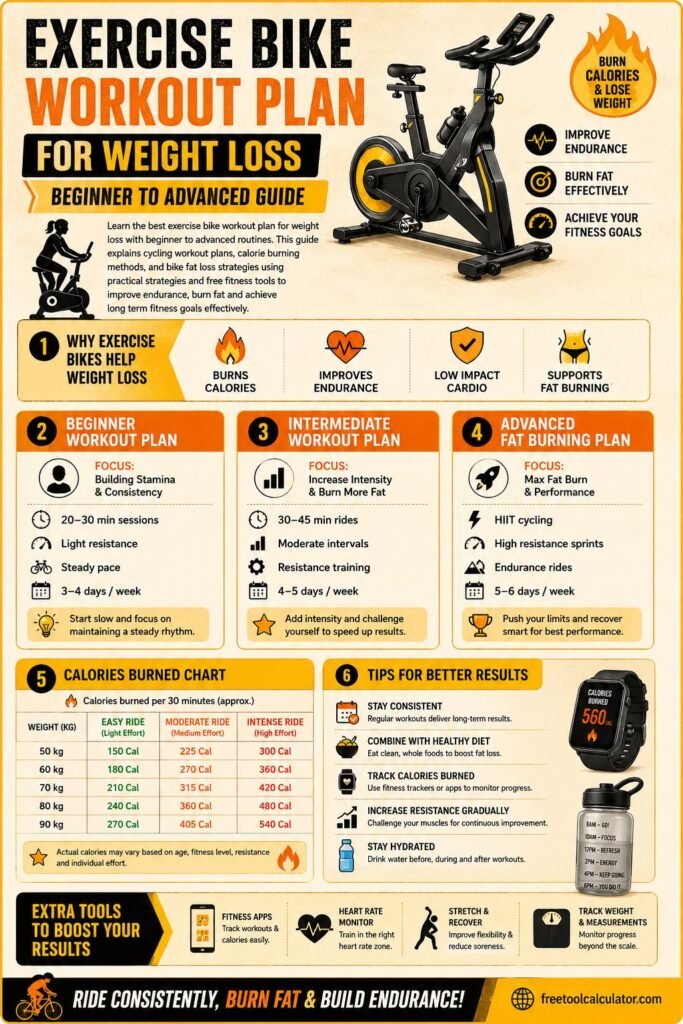
The number of calories burned depends on workout intensity, body weight, resistance level, and workout duration. On average, a moderate cycling session may burn between 300 and 600 calories per hour. High intensity interval workouts can burn even more.
Heavier individuals usually burn more calories because their bodies require more energy during movement. Increasing resistance and cycling speed also increases calorie expenditure.
You can estimate your calorie burn more accurately using the calories burned calculator and compare different cycling workout intensities for better planning.
Beginner Exercise Bike Workout Plan
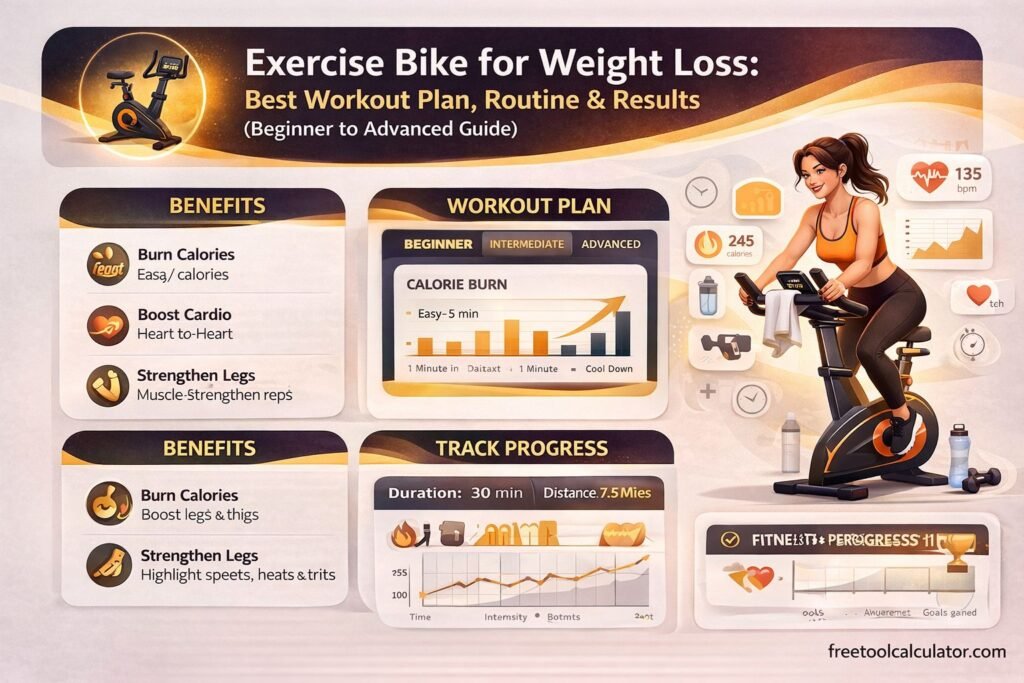
Beginners should focus on building endurance gradually rather than exercising at maximum intensity immediately. A simple beginner exercise bike workout plan may start with 15 to 20 minute sessions three to four times per week.
Begin each workout with a five minute warm up at low resistance. After warming up, maintain a moderate pace that slightly increases breathing but still allows conversation. Finish with a cooldown period to reduce heart rate gradually.
This beginner approach helps the body adapt safely while improving stamina and reducing injury risk. As fitness improves, workout duration and resistance can gradually increase.
Intermediate Cycling Workout Plan
Once endurance improves, intermediate users can increase workout intensity and session duration. A typical intermediate cycling workout plan may include 30 to 45 minute sessions with varying resistance levels.
Adding interval training significantly improves fat burning efficiency. For example, alternate one minute of high intensity cycling with two minutes of moderate recovery. Repeat this cycle several times during the workout.
Interval based workouts challenge the cardiovascular system and improve calorie burn within shorter periods compared to steady pace cycling alone.
Advanced Bike Fat Loss Routine
Advanced users often combine endurance cycling with high intensity intervals and resistance training for maximum fat loss. These workouts usually last between 45 and 60 minutes and involve aggressive pace changes.
An advanced bike fat loss routine may include sprint intervals, hill climb simulations, standing cycling, and resistance pyramids. These techniques increase calorie burn and improve muscular endurance simultaneously.
Advanced routines require proper recovery and nutrition because intense workouts place greater stress on the body. Monitoring performance and avoiding overtraining is important for long term success.
Best Exercise Bike Workout for Belly Fat
Many people specifically want to reduce belly fat using cycling workouts. While spot reduction is not scientifically possible, regular cycling combined with proper nutrition helps reduce overall body fat, including abdominal fat.
The best exercise bike workout for belly fat combines moderate steady state cardio with interval training. High intensity intervals increase metabolism while steady cycling improves endurance and calorie expenditure.
Maintaining a calorie deficit through diet is equally important. Exercise alone cannot overcome excessive calorie intake. Combining cycling with healthy eating produces the best long term results.
How Often Should You Use an Exercise Bike
For weight loss, most people benefit from cycling three to six days per week depending on fitness level and recovery ability. Beginners should start with fewer sessions and increase frequency gradually.
Rest and recovery are just as important as exercise because muscles need time to repair and strengthen. Overtraining can reduce performance and increase fatigue.
Consistency matters more than extreme intensity. A manageable routine followed regularly produces better results than occasional intense sessions.
Importance of Resistance Levels in Cycling Workouts
Resistance controls workout difficulty and directly affects calorie burn. Low resistance focuses more on endurance and recovery, while high resistance simulates hill climbing and builds muscle strength.
Using varied resistance levels improves workout effectiveness and prevents boredom. Alternating between high and low resistance also increases cardiovascular challenge and calorie expenditure.
Proper resistance settings help users progress safely according to their fitness level. Gradually increasing resistance improves strength and endurance over time.
How Nutrition Affects Exercise Bike Weight Loss Results
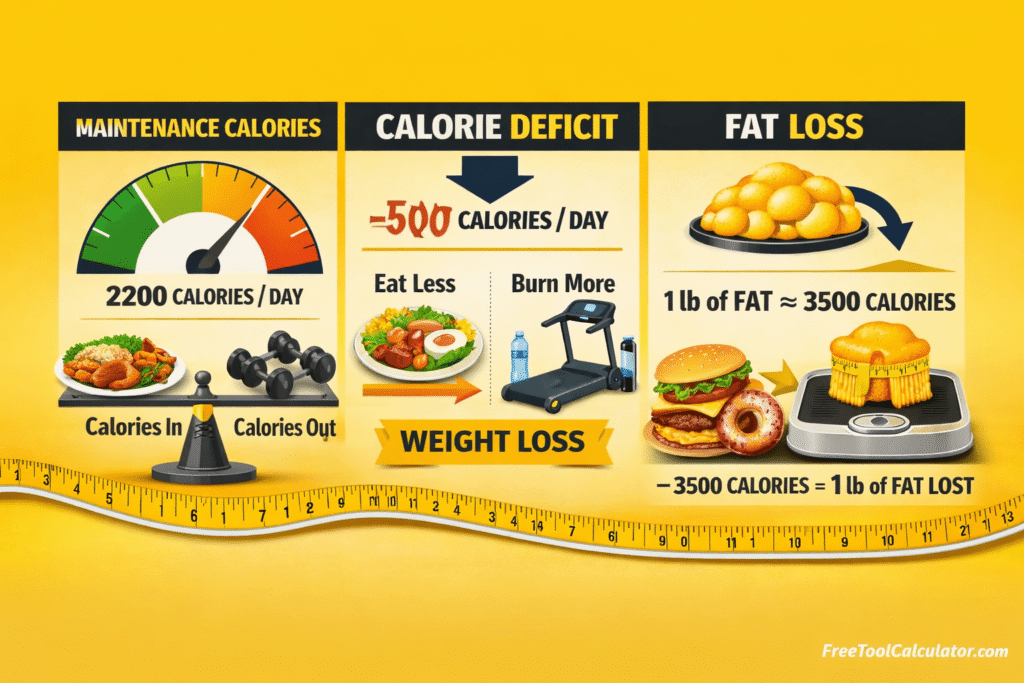
Even the best cycling workout plan will not produce optimal results without proper nutrition. Weight loss occurs when calorie expenditure exceeds calorie intake. This means diet plays a major role in achieving fat loss goals.
Eating balanced meals rich in protein, healthy fats, and complex carbohydrates supports workout performance and recovery. Excess sugar and processed foods may slow progress by increasing unnecessary calorie intake.
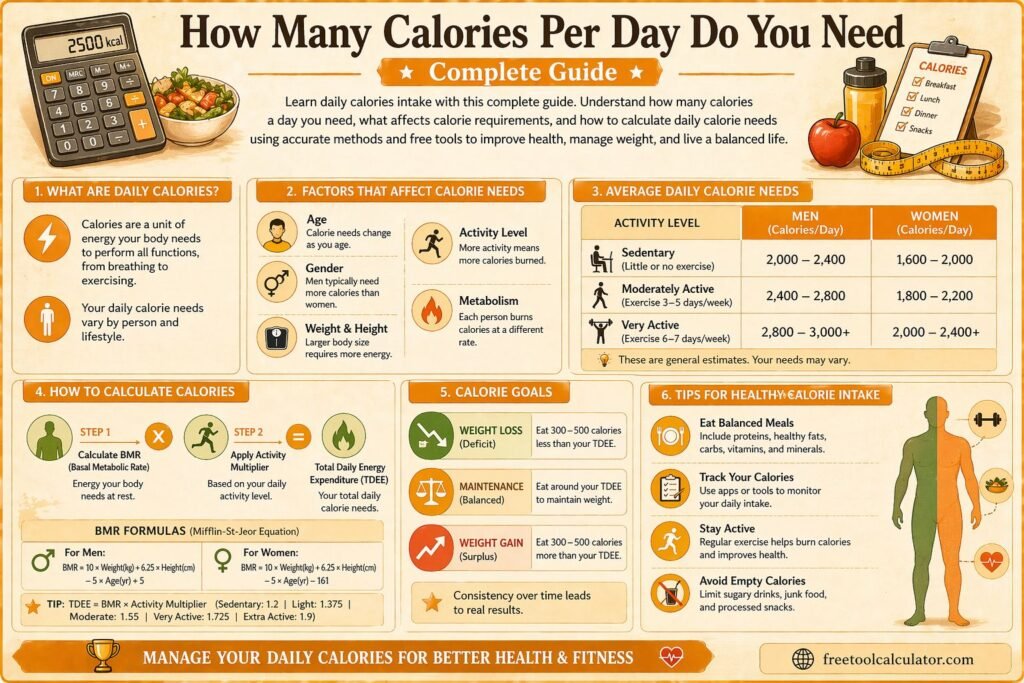
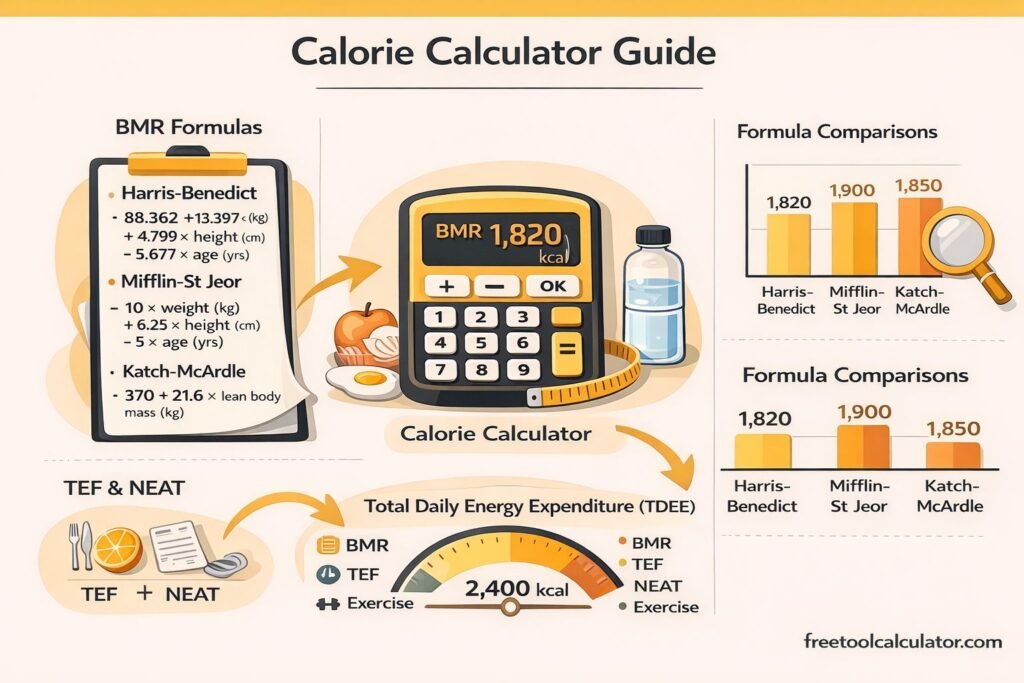
You can use the calorie calculator to estimate daily energy needs and the TDEE calculator to understand total calorie expenditure for more effective weight management.
Common Mistakes in Exercise Bike Workout Plans
One common mistake is using the same workout intensity every day. Repeating identical sessions can slow progress because the body adapts quickly. Mixing intervals, resistance levels, and durations improves results.
Another mistake is poor posture while cycling. Incorrect seat height or body position may cause discomfort or joint strain. Proper bike setup improves both safety and efficiency.
Many beginners also focus only on speed while ignoring resistance. Combining both elements creates more balanced and effective workouts.
Benefits Beyond Weight Loss
An exercise bike workout plan provides many benefits beyond fat loss. Regular cycling improves heart health, increases stamina, strengthens leg muscles, and enhances mental well being.
Exercise also reduces stress and improves sleep quality by releasing endorphins and regulating energy levels. Indoor cycling is particularly helpful for people who prefer exercising at home in a controlled environment.
Long term cycling routines contribute to healthier lifestyle habits and better overall physical fitness.
How to Stay Motivated With Indoor Cycling
Motivation is one of the biggest challenges in any fitness routine. Setting realistic goals and tracking progress helps maintain consistency. Listening to music, watching videos, or using fitness apps during workouts can make cycling more enjoyable.
Tracking calorie burn, workout duration, and resistance improvements also creates motivation through measurable progress. Small improvements over time lead to major long term results.
Creating a structured schedule and treating workouts like appointments improves commitment and routine consistency.
Using Fitness Tools to Improve Results
Fitness calculators and tracking tools make workout planning more effective and measurable. Tracking calories burned, daily calorie intake, and energy expenditure provides a clearer picture of overall progress.
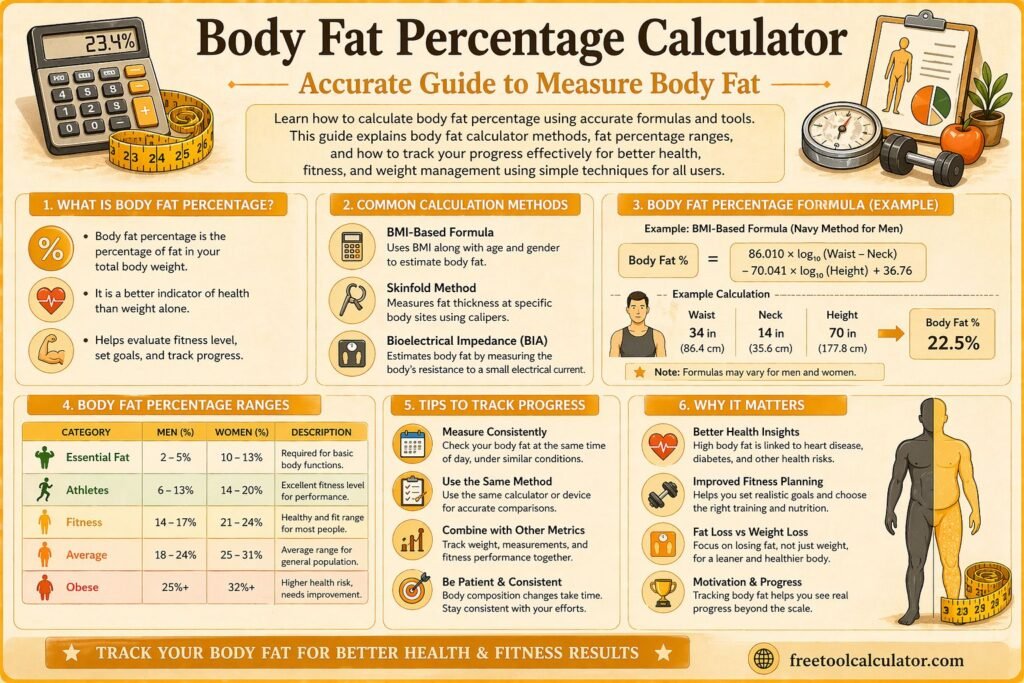
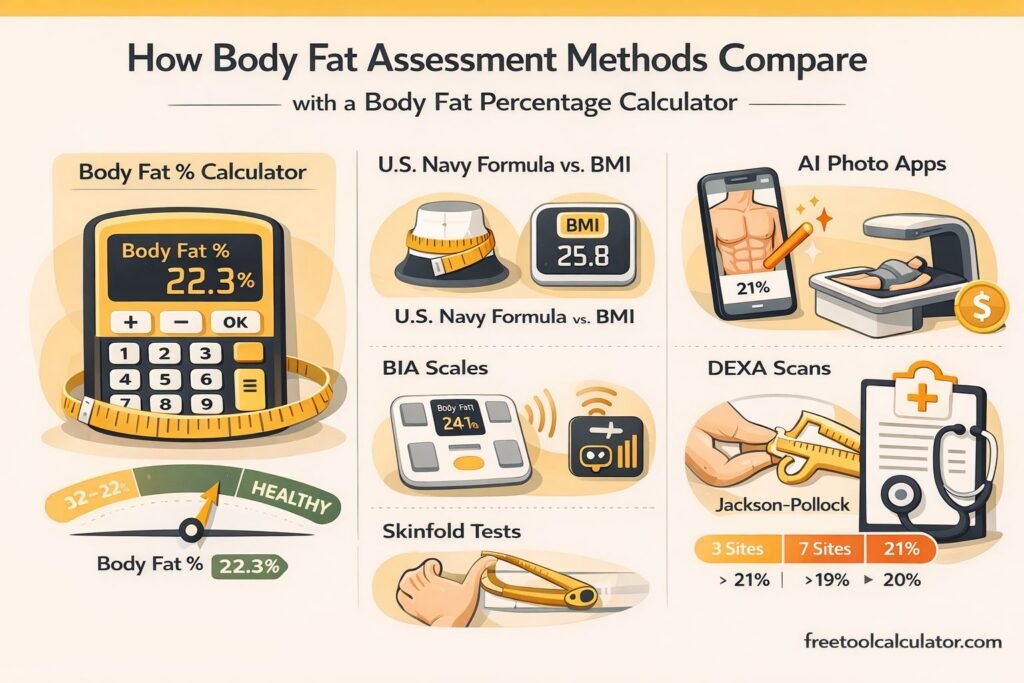
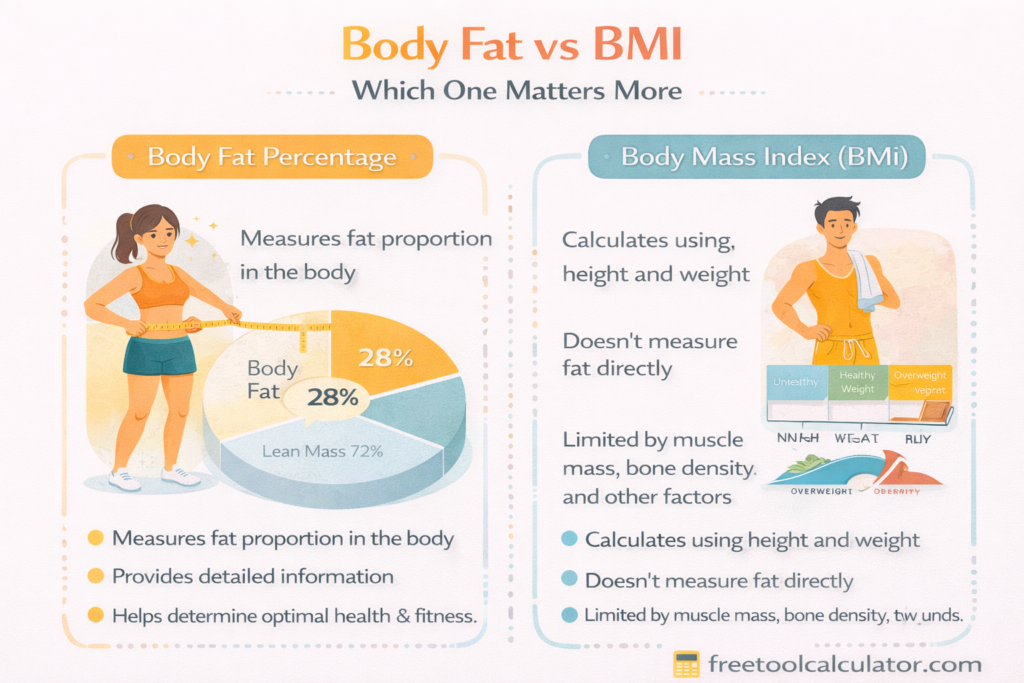
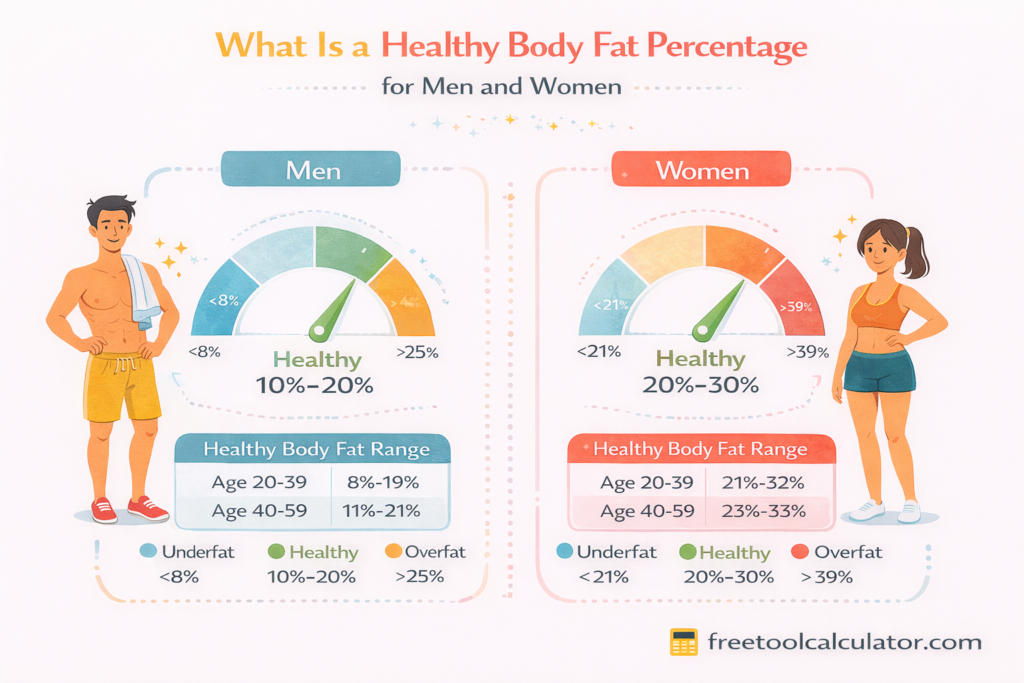
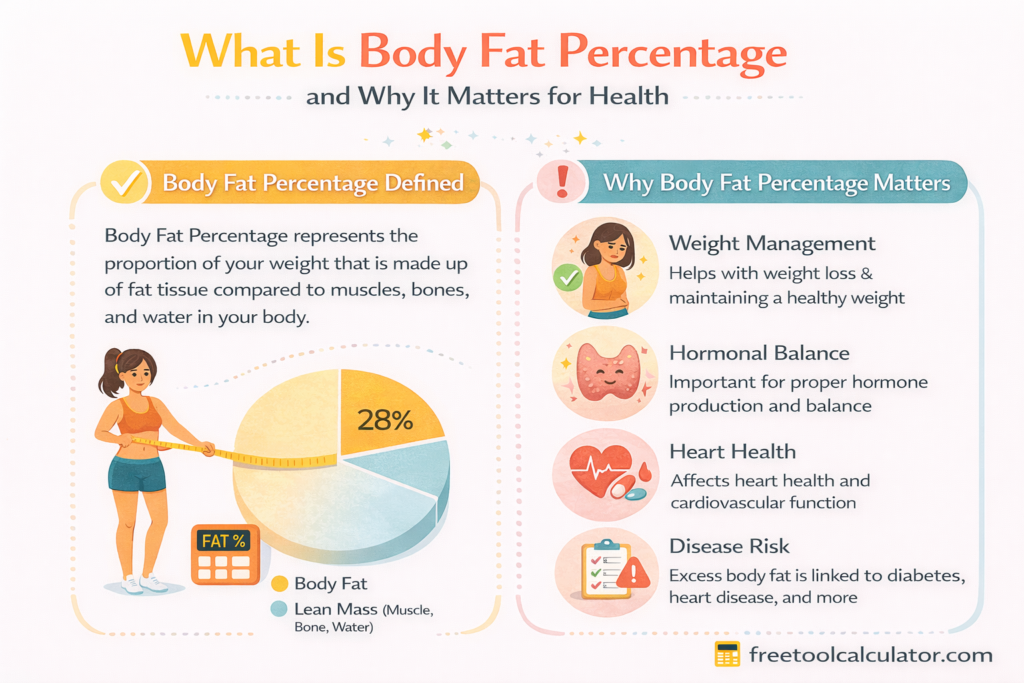
You can also use the body fat calculator to monitor body composition changes alongside your cycling routine. Tracking body fat percentage often gives a better picture of progress than weight alone.
Using multiple tools together improves planning accuracy and helps users make smarter fitness decisions.
Conclusion
An exercise bike workout plan is one of the best ways to improve fitness, burn calories, and achieve long term weight loss. Whether you are a beginner starting with short sessions or an advanced user performing high intensity interval workouts, indoor cycling provides a flexible and effective fitness solution for all levels.
If you want to track your progress more effectively, you can use the calories burned calculator, the calorie calculator, the TDEE calculator, and the body fat percentage calculator to support your exercise bike routine weight loss journey with more accurate fitness planning and progress tracking.