Introduction
Understanding ovulation is essential for anyone tracking fertility planning pregnancy or simply wanting deeper insight into their reproductive health. Ovulation is the process by which a mature egg is released from the ovary and becomes available for fertilization. Knowing when you are near ovulation can improve your chances of conception and help you navigate your cycle with confidence. In this comprehensive guide we will explore the most common signs that indicate you are nearing ovulation how long fertility lasts after ovulation which hormones kickstart the process whether ovulation strips are accurate and which ovulation day is most fertile. For practical tracking use the free ovulation and fertility calculator at https://freetoolcalculator.com/ovulation-fertility-calculator/
How to Know If You Are Near Your Ovulation
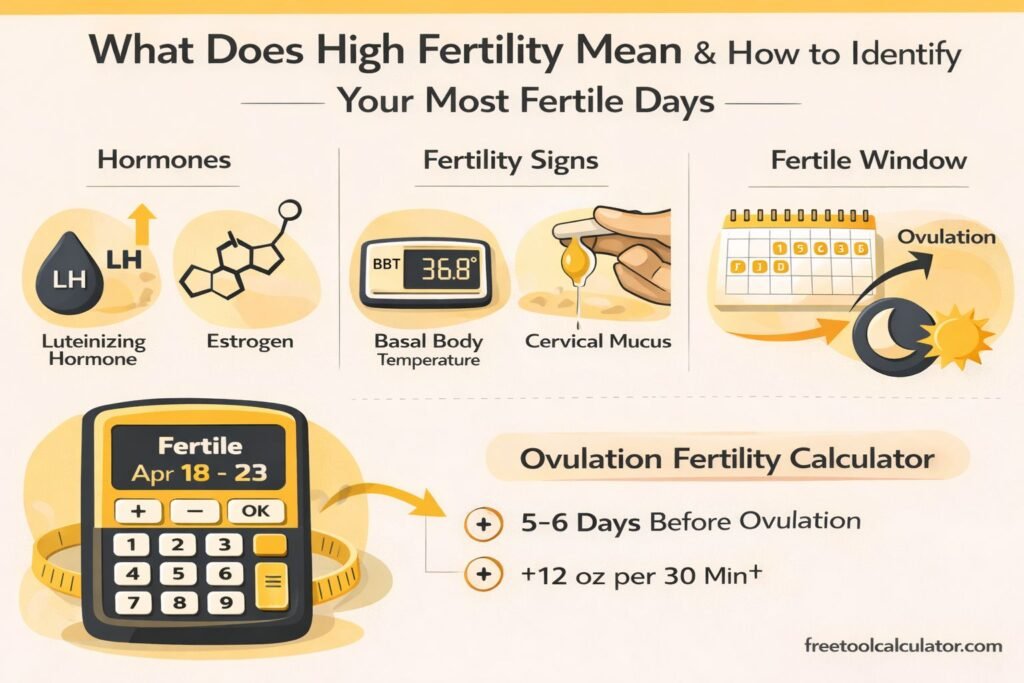
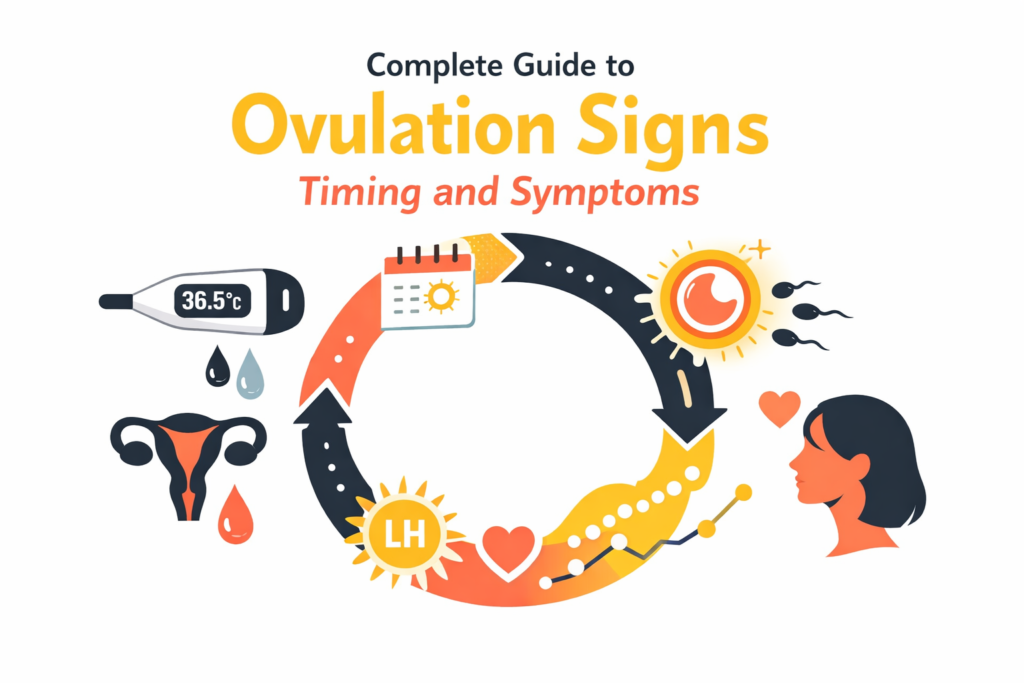
Recognizing when you are close to ovulation involves observing both biological signals and changes that occur as your cycle progresses. The days approaching ovulation are part of your fertile window and typically coincide with rising estrogen and luteinizing hormone levels.
Cervical Mucus Changes
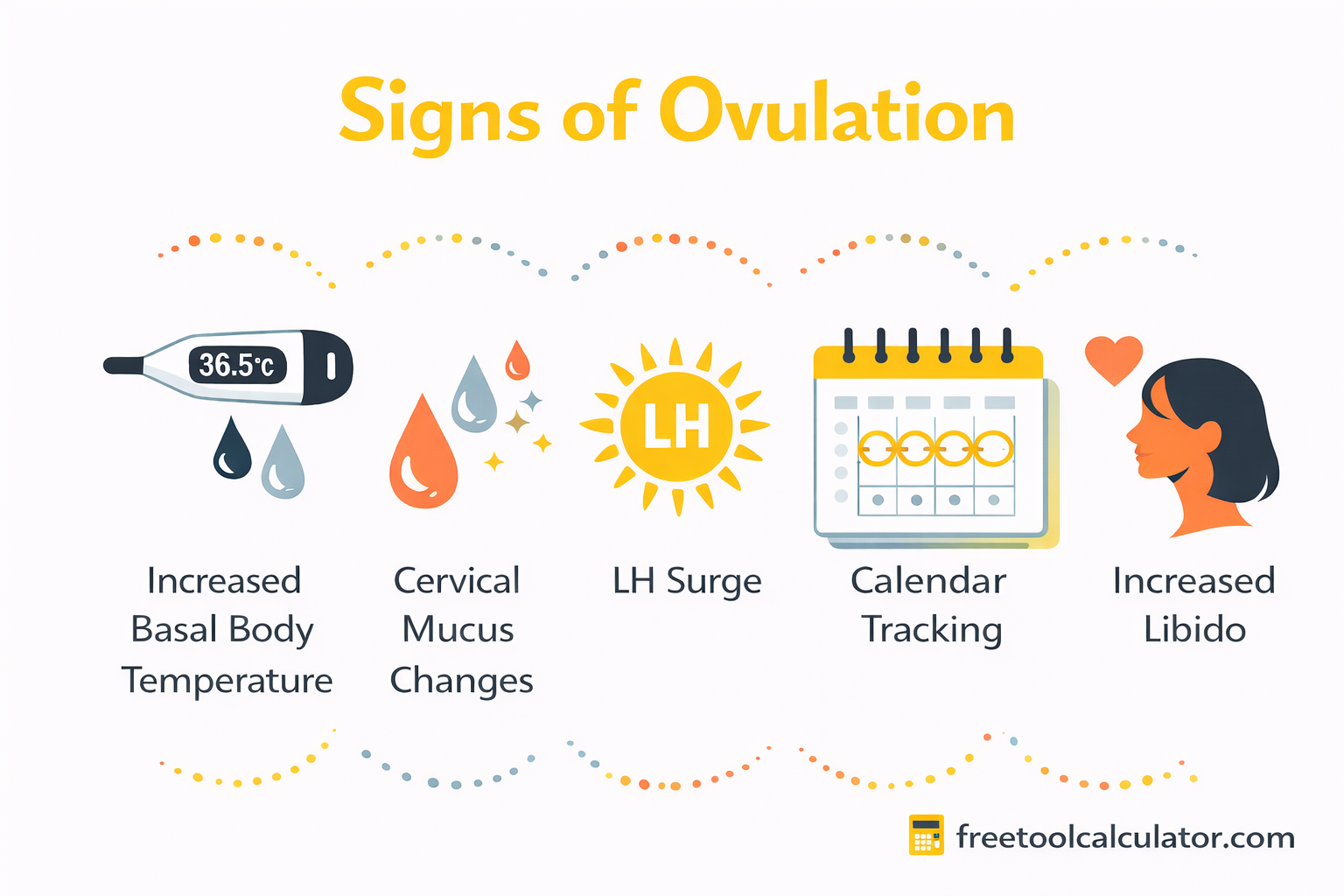
One of the earliest indicators of approaching ovulation is a change in cervical mucus. Several days before ovulation your body increases estrogen production which causes cervical mucus to become clearer thinner and more stretchy. Many people describe this fertile mucus as resembling raw egg whites. This type of mucus supports sperm survival and transport and indicates that ovulation is likely within the next few days.
Basal Body Temperature Patterns
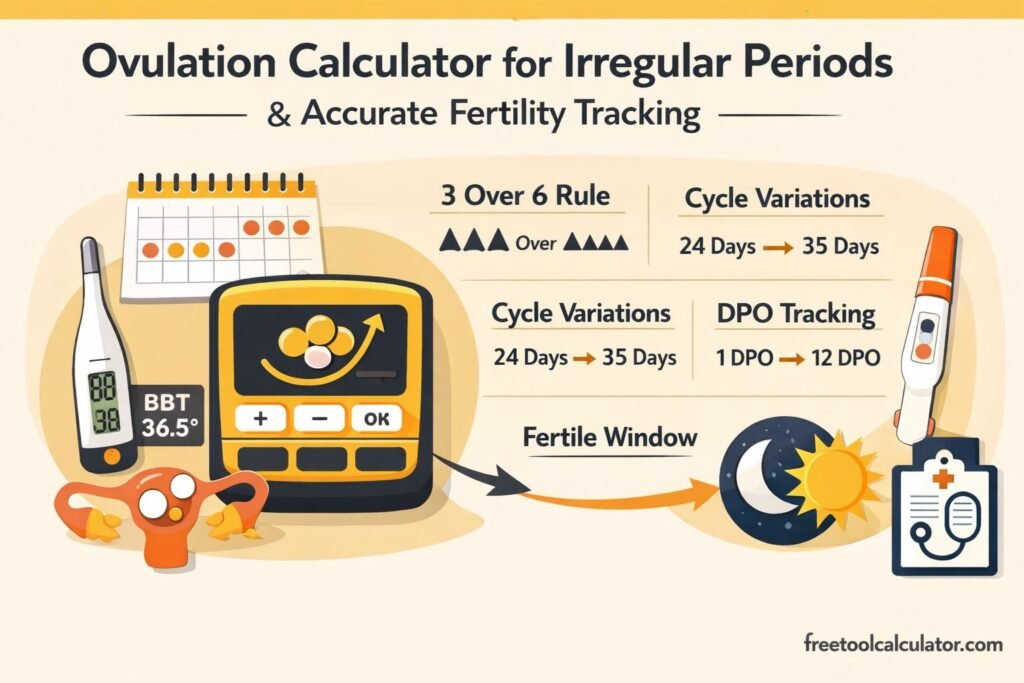
Tracking basal body temperature or BBT can help indicate when ovulation has passed rather than pinpoint when it is about to occur. Before ovulation basal body temperature typically remains relatively stable or slightly lower. After ovulation progesterone rises and causes a noticeable temperature increase of about a half degree Fahrenheit. A sustained rise in BBT lasting three days often confirms ovulation has recently occurred.
Ovulation Pain or Cramping
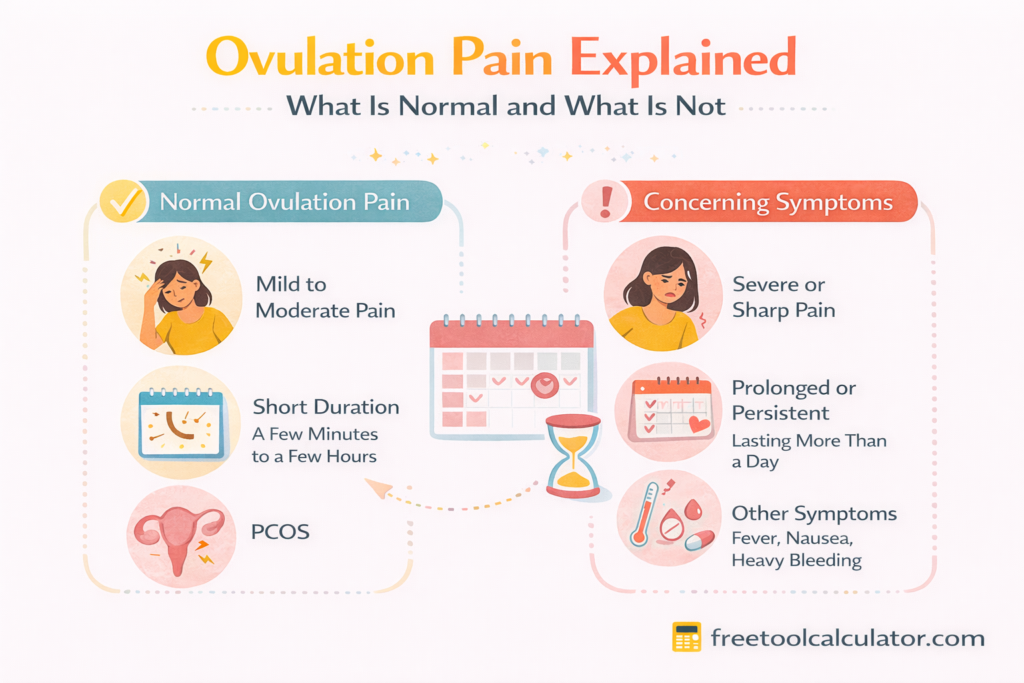
Some individuals experience mild one sided lower abdominal pain known as mittelschmerz. This sensation can occur shortly before or during ovulation as the ovarian follicle releases the egg. Not everyone experiences this symptom but for those who do it is a useful sign of ovulation timing.
Breast Tenderness
Hormonal shifts leading up to ovulation can cause breast sensitivity or tenderness. This symptom is related to rising estrogen levels and usually resolves after ovulation when hormones begin to shift again.
What Are the Signs of Ovulation
Signs of ovulation vary from person to person but several signals are commonly experienced around your most fertile days.
Changes in Cervical Position
Aside from mucus changes the position of the cervix itself can vary. During fertile days the cervix may become softer higher and more open compared to other times in the cycle. This change assists sperm entry and is a subtle but informative sign of ovulation.
Increased Libido
Some people notice a natural increase in sex drive during their fertile window. Hormonal changes including estrogen peaks around ovulation can enhance libido and energy levels which biologically aligns with the most fertile period.
Mild Spotting
Light spotting or slight pink tinged discharge can occur around ovulation for some individuals. This is usually harmless and stems from hormonal fluctuations that briefly affect the uterine lining.
How Long Are You Fertile After Ovulation
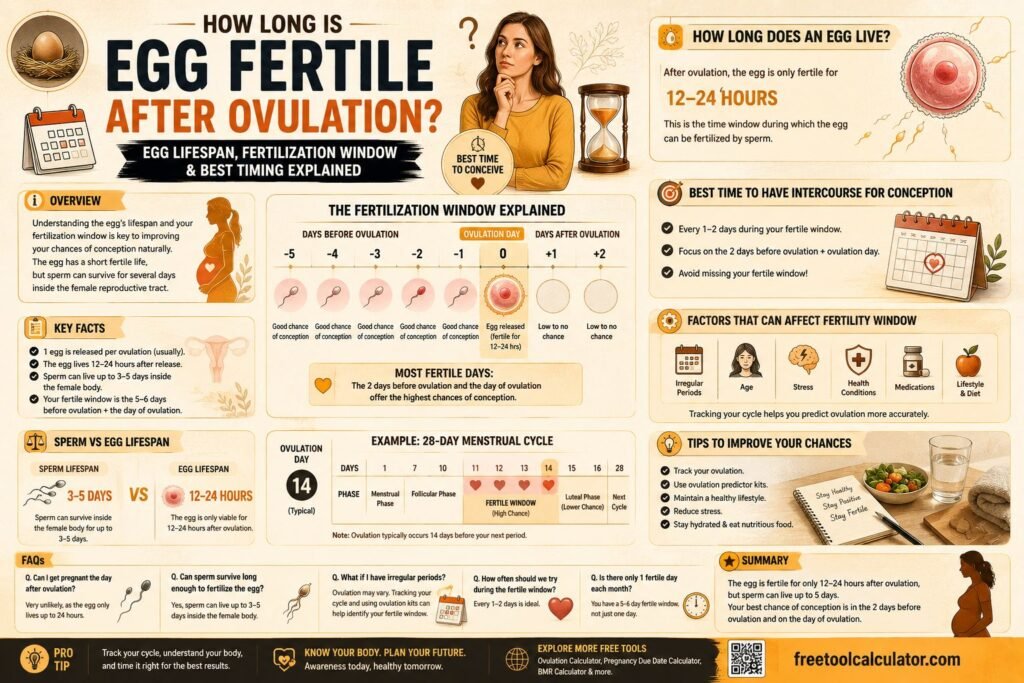
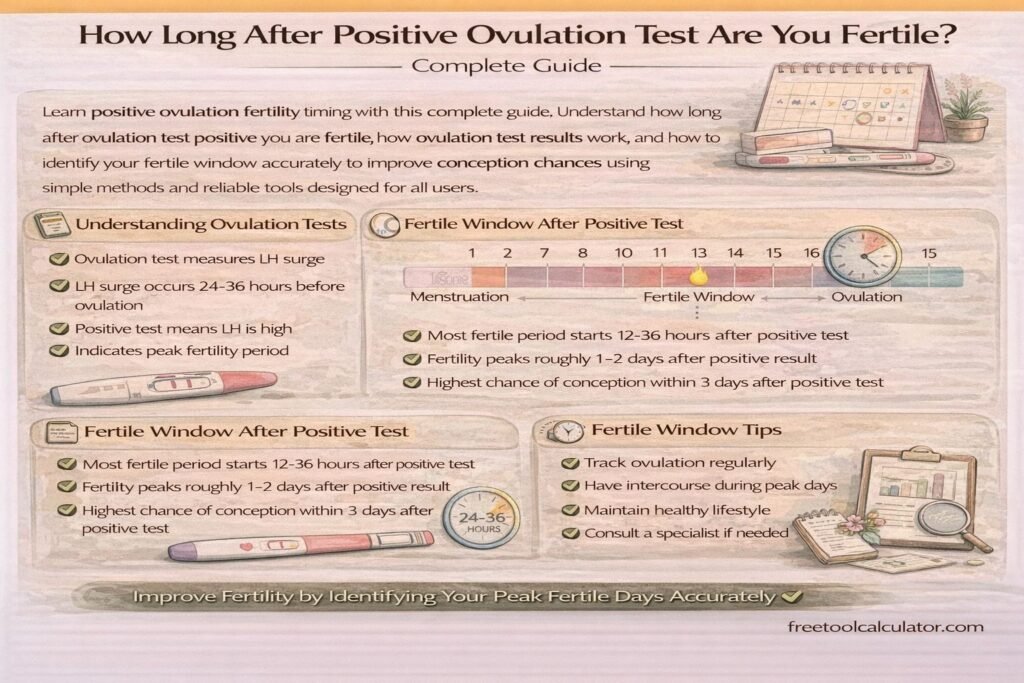
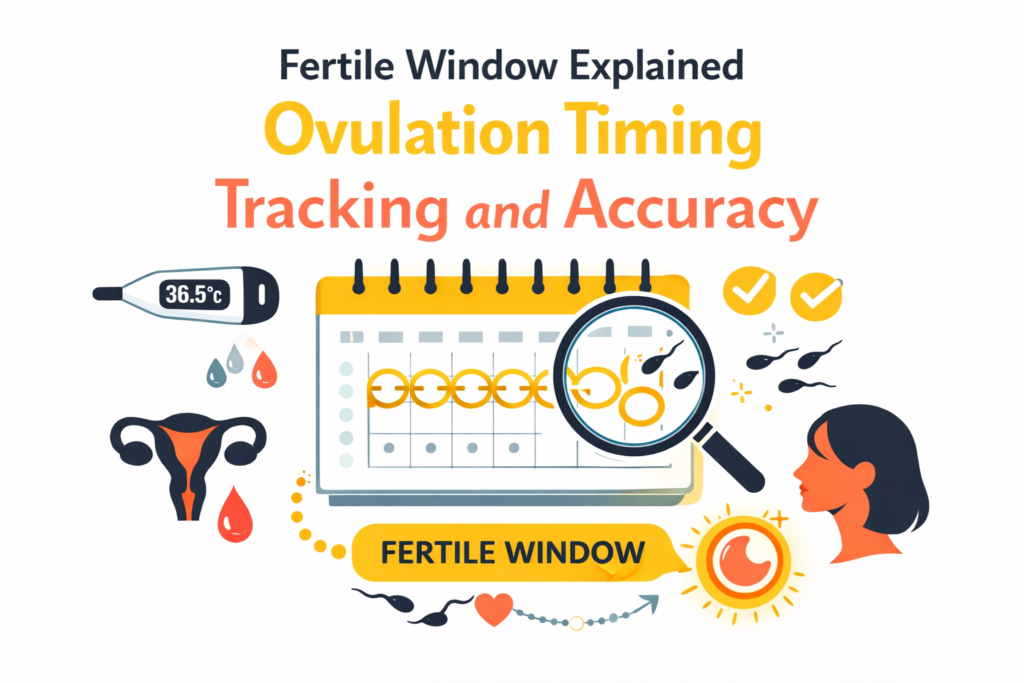
After ovulation the egg remains viable for fertilization for about twelve to twenty four hours. This short window means that once ovulation occurs your fertility declines rapidly. However because sperm can survive in the reproductive tract for up to five days the full fertile window includes the days leading up to ovulation and the day of ovulation itself. Intercourse during this period maximizes the chance that sperm will be present when the egg is released.
Are Ovulation Strips Accurate
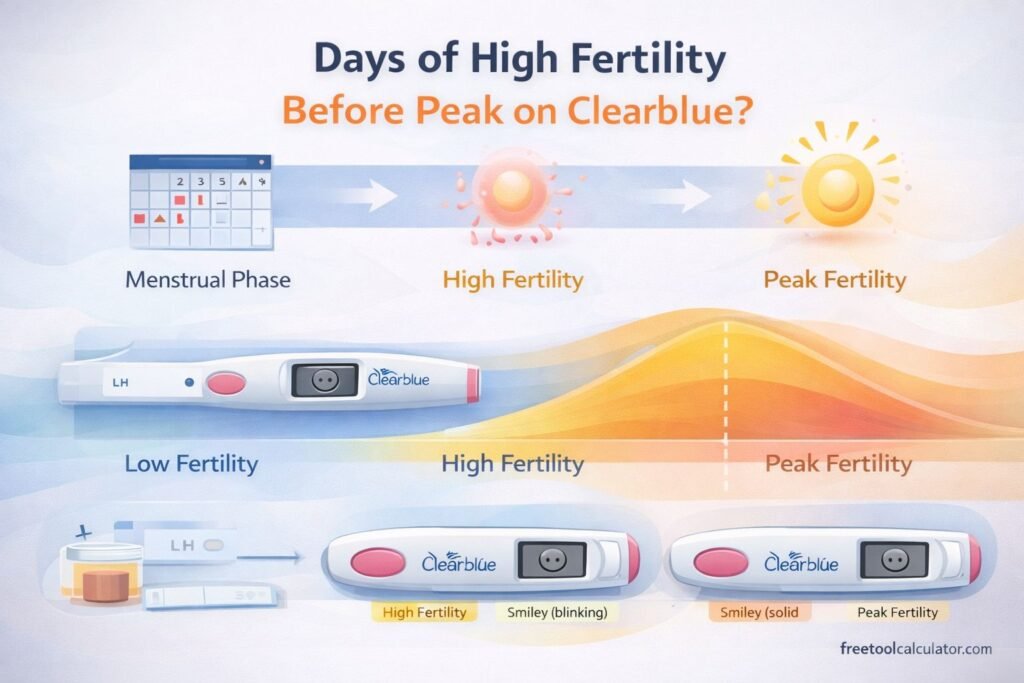
Ovulation predictor kits or ovulation strips detect the surge in luteinizing hormone that typically occurs twenty four to thirty six hours before ovulation. When a surge is detected the strip turns positive indicating that ovulation is likely imminent. While ovulation strips are generally reliable some factors can affect accuracy including hydration levels early testing inconsistent cycle lengths and certain medications. They are most effective when used alongside other signs such as cervical mucus changes and temperature tracking.
Which Hormone Triggers Ovulation
Ovulation is triggered by a surge in luteinizing hormone or LH which is released by the pituitary gland. This surge is preceded by rising estrogen levels from the developing follicle. When estrogen reaches a threshold it signals the pituitary to release a large amount of LH which in turn causes the dominant follicle to release its egg. This coordinated hormonal interplay ensures that ovulation occurs at the optimal time in the cycle.
Which Ovulation Day Is Most Fertile
The most fertile day in your cycle is typically the day before ovulation and the day of ovulation itself. Because sperm can survive for up to five days while the egg is only viable for about one day the peak fertility window spans these two critical days. Having intercourse in the one to two days leading up to ovulation increases the likelihood that sperm will be present in the reproductive tract when the egg is released.
Additional Tips for Tracking Ovulation
Consistent tracking improves accuracy and helps map out your individual patterns over time. Combining several methods such as monitoring cervical mucus using ovulation strips and charting basal body temperature gives a clearer picture of your cycle. Using a tool like the free ovulation and fertility calculator https://freetoolcalculator.com/ovulation-fertility-calculator/ that integrates your cycle length and historical data can further refine predictions.
When to Seek Medical Advice
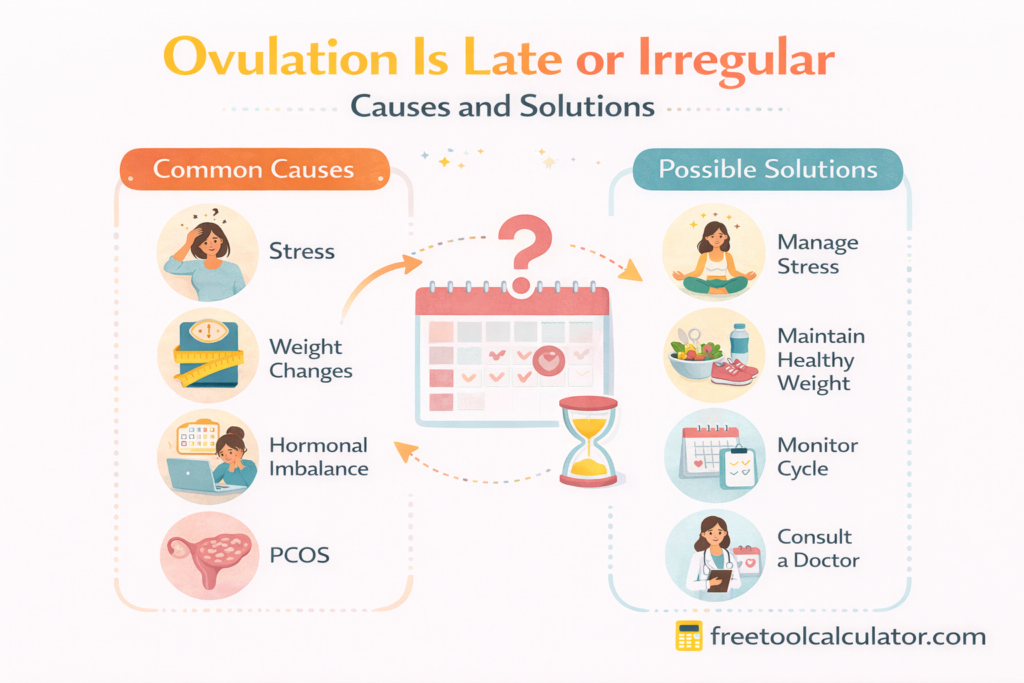
If you have irregular cycles significant pain during ovulation or difficulty conceiving you may benefit from speaking with a healthcare professional. Irregular ovulation can result from stress thyroid function issues polycystic ovary syndrome or hormonal imbalances. Early consultation can help identify underlying causes and improve reproductive outcomes.
Conclusion
Recognizing when you are near ovulation understanding hormonal triggers and knowing which signs truly indicate fertility gives you greater control over reproductive planning and cycle awareness. While ovulation strips are useful many tracking strategies work best in combination. Tools like the free ovulation and fertility calculator https://freetoolcalculator.com/ovulation-fertility-calculator/ support accurate estimates of your most fertile days. With knowledge of how your body signals ovulation you can plan more effectively whether trying to conceive or simply managing your cycle health.